Posted on August 8, 2020 by Serbian Animals Voice (SAV)
Mauritius has declared an environmental emergency because an oil tanker ran aground off its coast. Prime Minister Pravind Jugnauth asked France for help in combating the impending environmental disaster.
“Our country doesn’t have the skills and expertise to refloat stranded ships, so I have appealed for help from France and President Emmanuel Macron,” he said.
Bad weather has made it impossible to act, and “I worry what could happen Sunday when the weather deteriorates.”
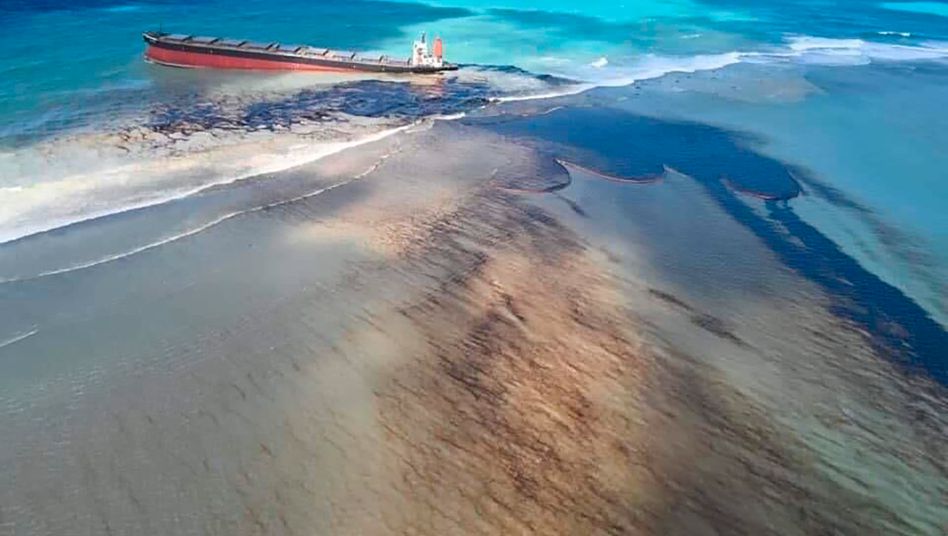
This photo taken and provided by Georges de La Tremoille of Mu Press shows oil leaking from the MV Wakashio, a bulk carrier ship that recently ran aground off the southeast coast of Mauritius, Friday, Aug. 7, 2020. . (Georges de La Tremoille/MU Press via AP)
The freighter “Wakashio”, which belongs to a Japanese company and sails under the Panamanian flag, ran aground off the southeast coast of the island state on July 25 with around 4,000 tons of fuel onboard.
The 20 crew members could be brought to safety.
However, oil is currently flowing unhindered into the sea from a leak in the ship’s side.
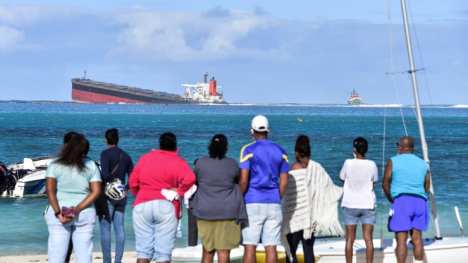
The tanker “Wakashio” is aground off Mauritius. Around 1,000 tons of oil have now leaked. (Photo: DEV RAMKHELAWON / AFP)
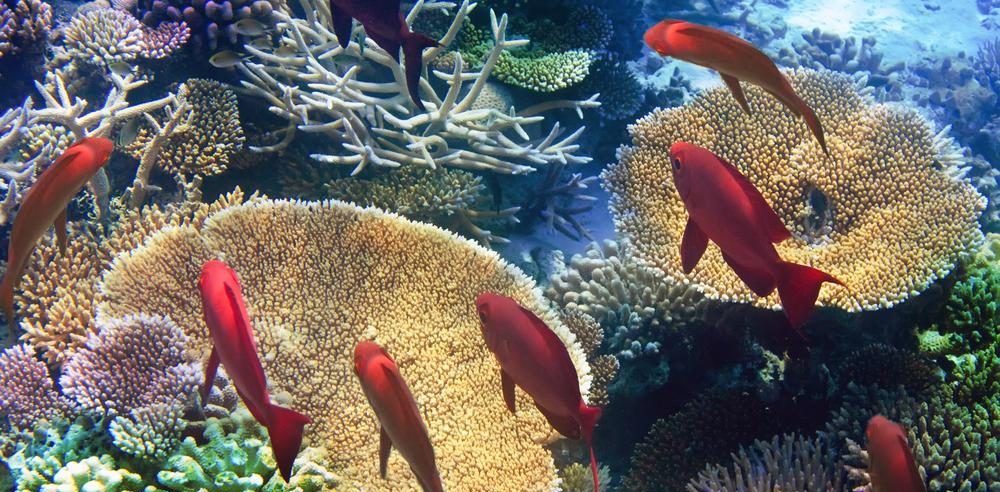
Environmentalists fear a disaster, the accident site is near two nature reserves. The oil threatens to pollute the coral reefs, lagoons, and white sandy beaches that Mauritius is famous for as a tourist destination.
But above all, the unanswered questions cause anger among the residents.
The authorities are just now trying to get the disaster under control.
Why did the authorities appear to be inactive for two weeks?
“The oil should have been pumped out immediately after the accident to avoid leakage”, said Dowarkasing. That was gross negligence on the part of the authorities – “a crime against the environment”.
And I mean…It wasn’t long ago, in 2016, when we received calls for help from animal rights activists: save the monkeys of Mauritius!
What was there?
Mauritius is one of the few countries where it is allowed to catch monkeys from the wild and send them to laboratories all over the world.
On this island, the animals are classified as “pests” because they feed on sugar cane.
That is why the trade-in primates is booming on the holiday island of Mauritius.
After China, Mauritius is the world’s second-largest exporter of long-tailed macaques (Macaca fascicularis).
The island nation sells thousands of monkeys each year to the animal testing industry in the US and Europe, particularly France, the UK, and Germany.
The number of animals imported from Mauritius has always been obscured.
This bloody business brings tens of millions into the island’s city treasury. Like tourism too.
Now Mauritius is begging for help everywhere, for a disaster that could destroy the lives and livelihoods of many families on the island if tourism stops, which the island primarily lives off of.
Mauritius never thought that the monkeys that were caught with traps also had their families, their children, their environment, and all of it is destroyed at once, every day!
And that it is also (and not only) “a crime against the environment” to send these animals to laboratories, where they are tortured and die cruelly.
As soon as the disaster is repaired to some extent, Mauritius will live again from colonial tourism and the monkey trade. Everything will be as before.
As you can see from this link, the ‘Sarah M’ livestock carrier was constructed in 1979 – 41 years ago ! – it must be good and comply with regulations of the EU !!
It is currently registered in Panama; which we do not think is No1 in the world when it comes to crews being aware of EU live animal transport regulations – which is the case here as the vessel has sailed from Ireland; and existing EU member state.
The shipment puts the total number of Irish animals exported to Libya this year at about 7,600. In 2019, according to emailed data from Ireland’s Department of Food, Agriculture and the Marine (DAFM), cattle exports to Libya totalled 13,122 animals.
Two of the companies known to ship cattle from Ireland to Libya are Purcell Brothers and Curzon Livestock. Neither responded to calls, texts, or emails asking for comment. No comment was provided either by the European Commission.
We can do nothing to help the animals on this vessel. It seems that they have now arrived at their destination and will be unloaded and headed off for ritual slaughter very soon.
In May this year, a letter from over 30 welfare organizations to EU Agriculture Commissioner, Janusz Wojciechowski, and EU Health and Food Safety Commissioner, Stella Kyriakides, called for a ban on animal exports to Libya. Commissioner Kyriakides is charged with enforcing animal welfare laws.
Libya has been in chaos since 2011. The NGO letter argues that animals in Libya risk missile fire, the potential use of chemical weapons, and the possibility of COVID-19-related quarantines at anchorage, potentially adding an extra 14 days to any journey. From Ireland, livestock ships take about nine days to reach Libya. The animals’ eventual slaughter, the letter said, likely entails “extreme and prolonged pain and fear.”
The Commission’s response to the NGOs, which came in a letter last week, has sparked outrage. “The Commission’s reply is a disgrace,” says Compassion in World Farming lawyer, Peter Stevenson. The letter, he said, shows “gross cynicism” and is surprising and disappointing given Commissioner Kyriakides’ “personal commitment to animal welfare.”
“Her letter says exports to Libya are taking place in a context of private operations and that the Commission cannot prevent such operations as long as they are carried out in accordance with EU legislation. With respect to the Commissioner, this is nonsense,” Stevenson said.
“One of the key roles of the Commission and the EU member states is to regulate what private operators do, either through legislation or policy frameworks,” Stevenson said. Sending animals on long sea journeys to a war zone is “clearly at odds” with Article 13 of the Treaty of the Functioning of the European Union which stipulates the Commission and member states pay full regard to animal welfare, he said.
We (WAV) and sister site SAV – read and see lots more here about our live export investigation work https://serbiananimalsvoice.com/about-us/ have always said that the EU are complete and utter junk when it comes to protecting live animals during transport. This is despite their Regulation 1/2005 which is supposed to ‘protect’ live animals during transport.
In our opinion, and that of most other NGO’s and animal welfare organisations; the regulation for the ‘protection’ of animals during transport is worth less than the paper it is written on.
I will leave you to review the facts given, and to make your own decisions on animal transport.
Posted on August 8, 2020 by Serbian Animals Voice (SAV)
India reported over 1,400 cases of swine flu, also known as influenza A (H1N1) between January and March 2020, with 28 deaths. The country saw an outbreak of this disease in 2015, recording over 42 thousand cases and 2,990 deaths.
Swine flu is a type of respiratory disease which is caused by influenza viruses. The disease infects the respiratory tract of pigs and can be transmitted to humans. The behaviour of the diseases includes – barking cough, decreased appetite, nasal secretions etc. The symptoms of swine flu in humans are similar to most influenza infections such as – high fever (100 F or greater), cough, nasal secretions, fatigue, and headache.
The best way to prevent Swine flu is to get the vaccination. It will reduce the chances of becoming infected with influenza viruses. As per media reports, swine flu has claimed over 1,000 lives so far in the year 2017, which is four times more than the deaths recorded last year. As per the data from the Union health ministry, more than 22,186 cases of Swine flu have been reported across the India till now.
Maharashtra has recorded the highest number of deaths with 437 people succumbing to H1N1 infections, followed by 269 deaths in Gujarat, 73 in Kerala, and 69 in Rajasthan.
The health ministry data further revealed that the country recorded 1,094 swine flu deaths and 22,186 cases till August 20, 2017, as compared to 265 deaths and 1,786 cases last year.
The data also revealed that 342 people have died in August alone as compared to six deaths in the same period last year.
This indicates the worst outbreak of H1N1 influenza in the pandemic years of 2009-10 when the disease killed over 2,700 people and affected around 50,000 others.
Punjab to get UK piglets meant for northeast states now hit by African swine flu
The animals, to be distributed among Assam, Tripura, Meghalaya, Mizoram, Manipur and Nagaland, which had come up with a special pig breeding policy, will now be sent to Punjab.
Patiala About 250 high quality piglets imported from the United Kingdom (UK) under the National Livestock Mission for the northeastern states are now being sent to Punjab due to an African swine fever (ASF) outbreak in Assam and Arunachal Pradesh.
The NLM under the Union department of animal husbandry and dairying had imported 262 piglets from the UK in February for the northeastern states for high quality pig breeding in India. As per the programme, the animals were to be distributed among Assam, Tripura, Meghalaya, Mizoram, Manipur and Nagaland, which had come up with a special pig breeding policy.
However, after the highly contagious ASF claimed the lives of hundreds of pigs and wild boars in the northeast, the NLM changed plans and Punjab was entrusted with the task of caring for them and to continue the breeding process.
The animals, which at present are quarantined at the Animal Quarantine and Certification Service Centre in New Delhi, will be housed in government piggery farms in Punjab.
Preparing to welcome them, the department of animal husbandry has initiated a sanitisation drive at Patiala district’s Nabha piggery farm, an innovative pig breeding centre.
Dr Inderjit Singh, director, Punjab animal husbandry department, said a formal communiqué from NLM to keep the animals in Punjab had already been received. “We have admitted to the terms and conditions of the project, which is completely sponsored by the NLM, while the department will provide all logistics to carry high-quality rearing of pigs in Punjab.”
Pig farming to get a boost
The move, he added, will give a boost to pig farming in the state with large-scale breeding of high-quality imported breeds of pigs in the coming years.
The animal husbandry department has already issued an ASF advisory. “Though no case has been reported in Punjab so far but the pig farmers have been alerted about the animal disease, which is turning deadly in the northeast states,” Gaba said.
ASF is a severe viral disease that affects wild and domestic pigs resulting in an acute haemorrhagic fever. No medicine or vaccine cure has been developed as yet.
Experts believe that the disease has a 100% of case fatality rate The animal husbandry department has already issued an ASF advisory. “Though no case has been reported in Punjab so far but the pig farmers have been alerted about the animal disease, which is turning deadly in the northeast states,” Gaba said.
ASF is a severe viral disease that affects wild and domestic pigs resulting in an acute haemorrhagic fever. No medicine or vaccine cure has been developed as yet.
Experts believe that the disease has a 100% of case fatality rate (CFR) among pigs.
Posted on August 7, 2020 by Serbian Animals Voice (SAV)
Received anonymously:
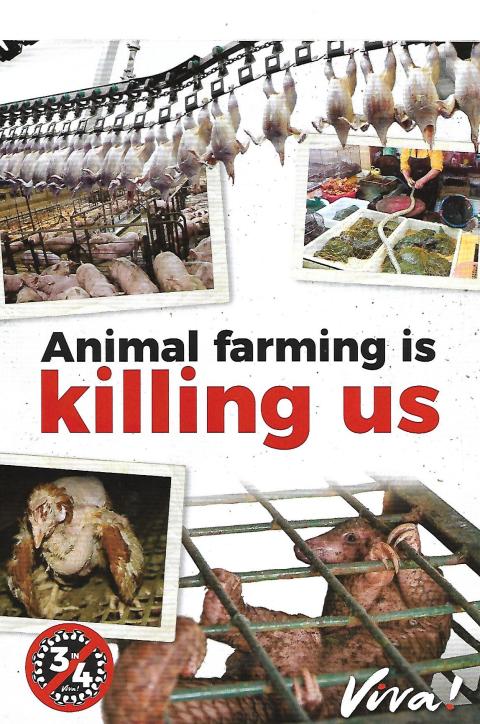
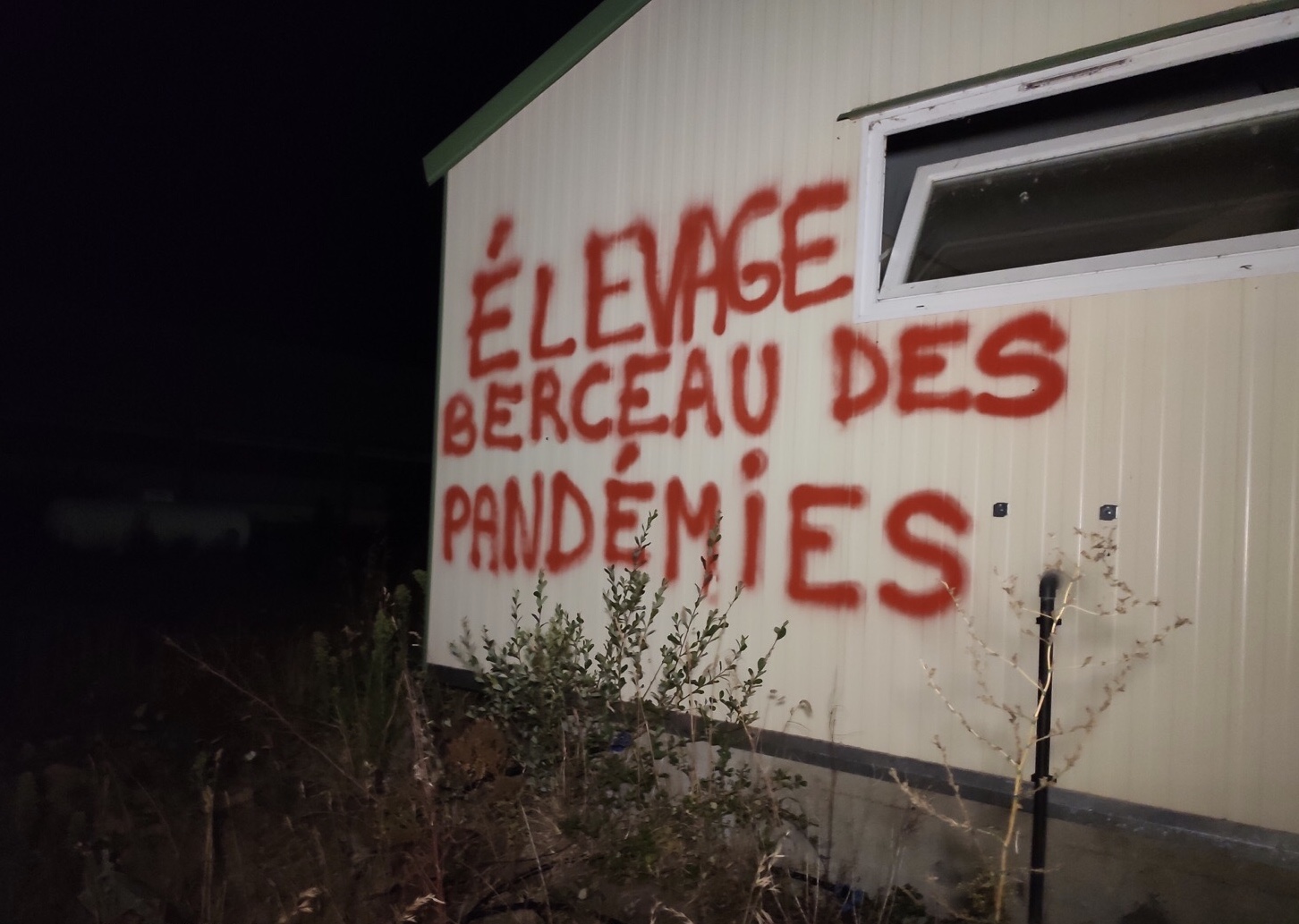
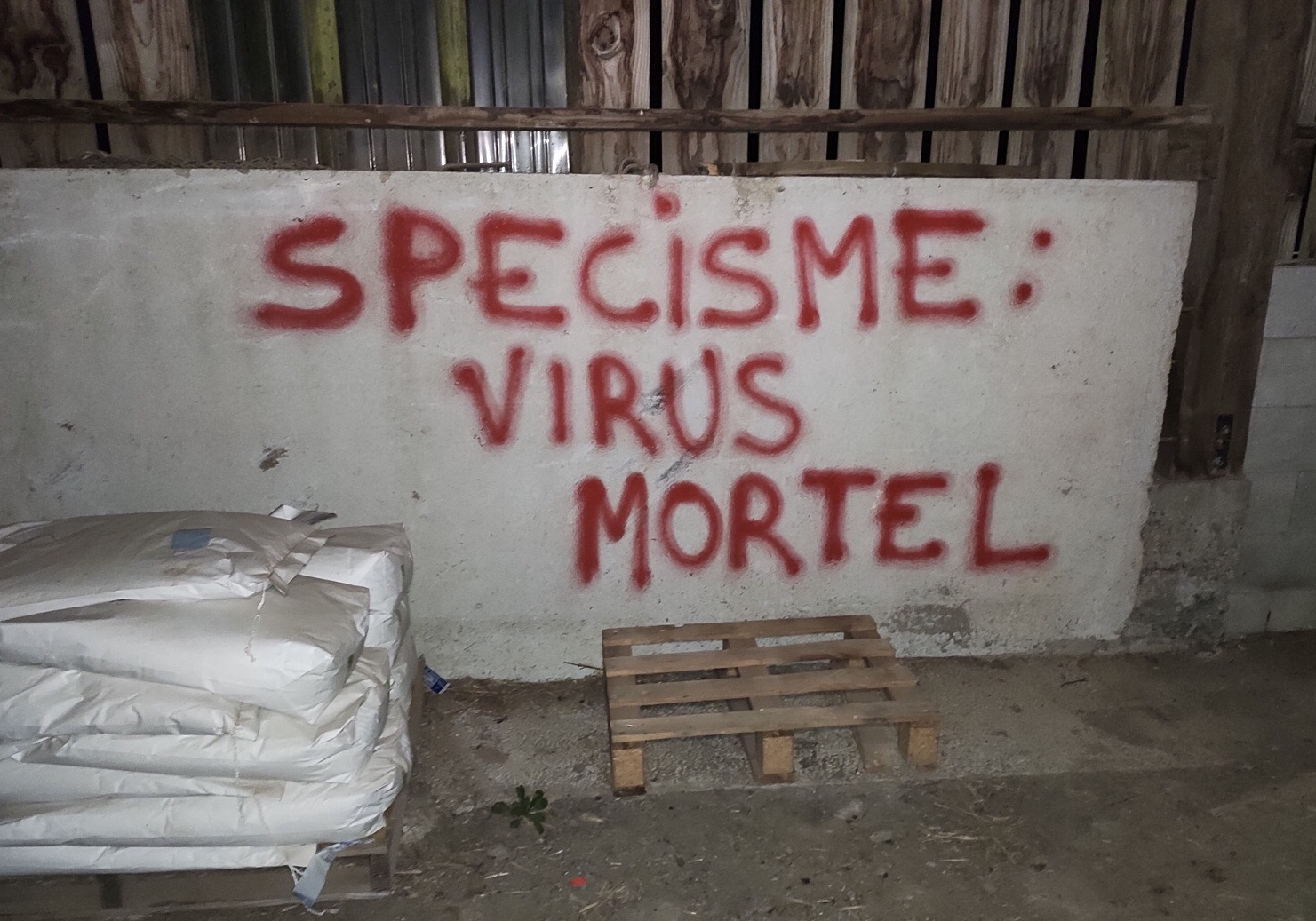
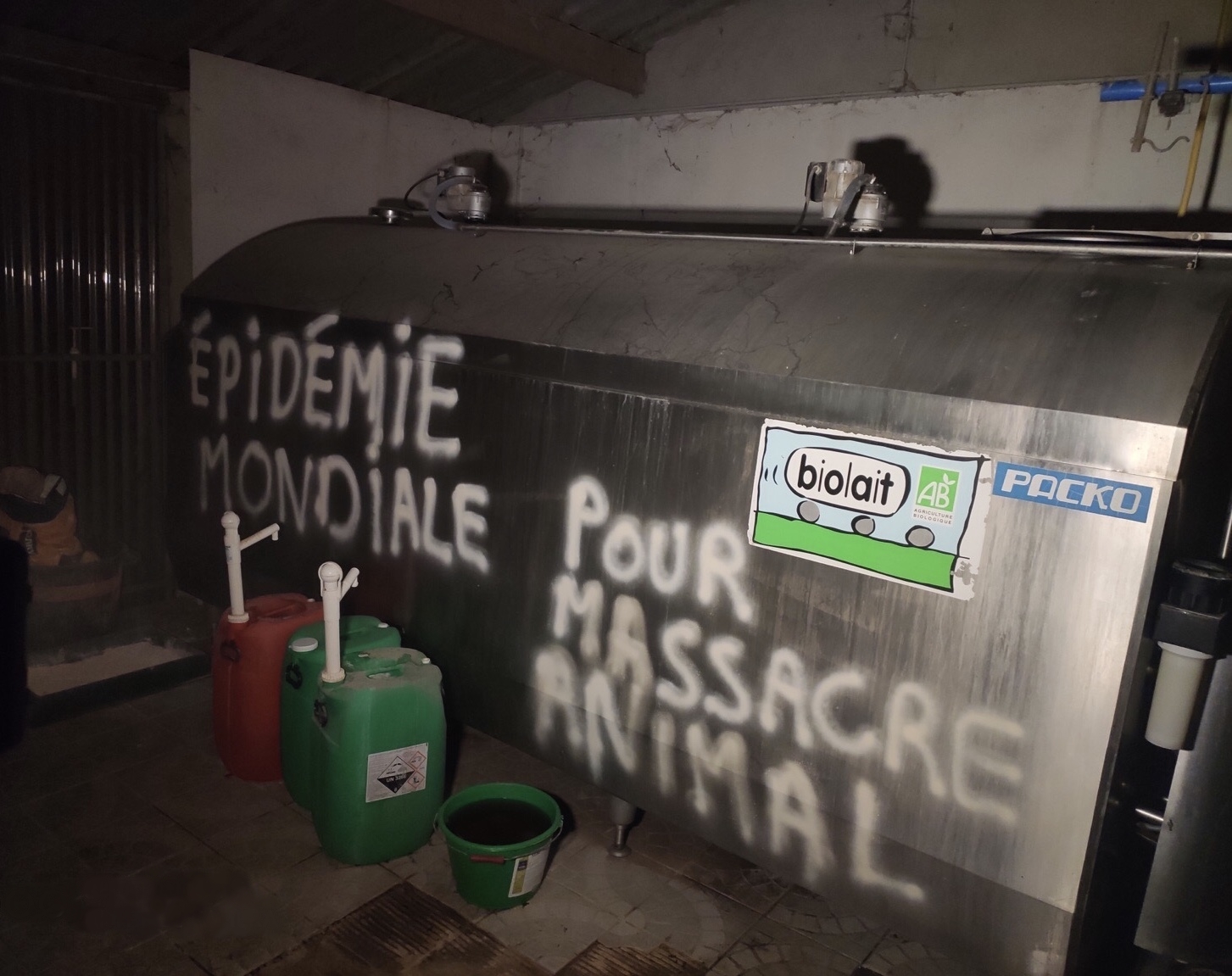
Several fattening camps in France, here dairy farm, sheep farm, laying hens and ducks for “foie gras” in Loire-Atlantique, were painted with messages making the connection between animal slavery and epidemics of zoonotic viruses, past, present & future.
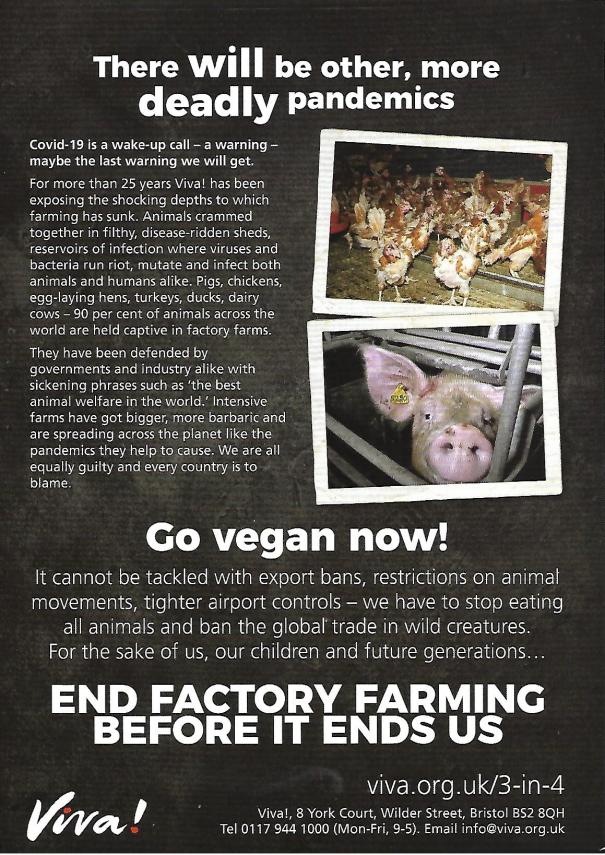
While the number of clusters increases in France, many of them in slaughterhouses, the media continue to obscure the link between flesh consumption and pandemics, governments are NOT taking the necessary actions to protect the population, but are releasing billions from public funds to save the economy.
We have the duty to force them to make that connection and act accordingly.
Because beyond the human victims of Covid19, there are trillions of victims of speciesism every single year.
This thirst for blood is total nonsense.
(original French text ):
Plusieurs camps d’engraissement, ici de vaches laitières, moutons, poules pondeuses, et canards gavés pour le foie gras en Loire-Atlantique, ont été tagués avec des messages faisant le lien entre l’esclavage animal et les épidémies de virus d’origine zoonotique, passées, présentes ou futures.
Alors que les clusters se multiplient en France, principalement dans des abattoirs, que les médias continuent à occulter le lien entre zoophagie et pandémie, les États ne prennent PAS les mesures nécessaires pour protéger la population, mais débloquent des milliards d’euros d’argent public pour sauver leur économie.
Nous avons le devoir de les forcer à faire ce lien et à agir en conséquence. Parce qu’au-delà des victimes humaines du Covid19, les victimes du spécisme se comptent par milliers de milliards chaque année. Cette soif de sang est un non-sens total.
Plusieurs autres fermes seront nos cibles dans les jours qui suivent.
Nous exhortons les animalistes du monde entier à faire de même.
On ne remporte pas une guerre avec des fleurs comme seules armes
And we say.. thanks to the brave activists!
We just want to add one little thing: the thirst for blood is not just total nonsense.
It is a generated propaganda by the meat and dairy mafia in order to convince this society to a daily crime, the worst in human history.
Posted on August 7, 2020 by Serbian Animals Voice (SAV)
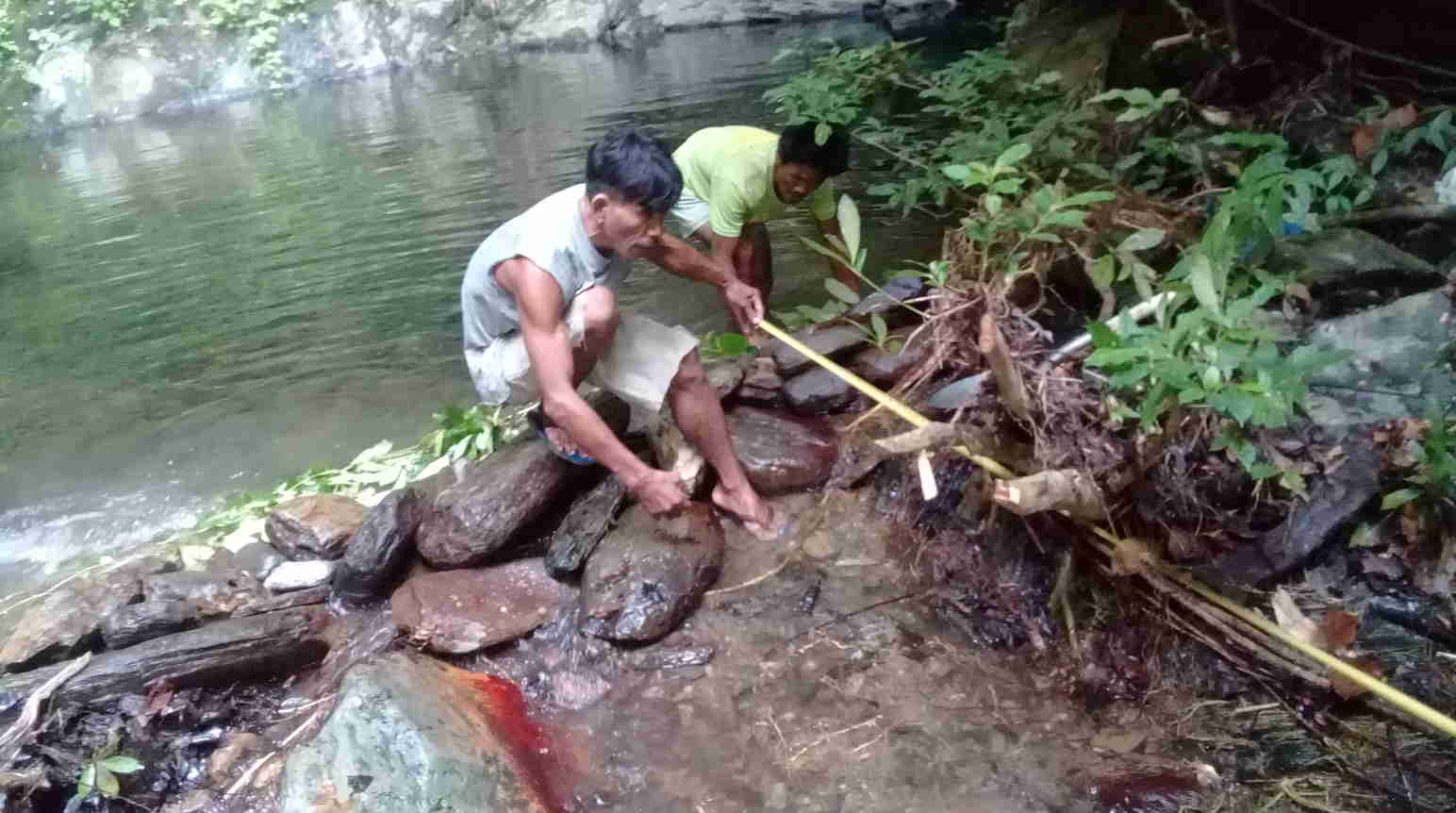
The island of Palawan is a UNESCO Man and Biosphere Reserve – a certified ecological and cultural treasure. But now the provincial government wants to open up areas of rich biodiversity and indigenous land to industrial plantations.
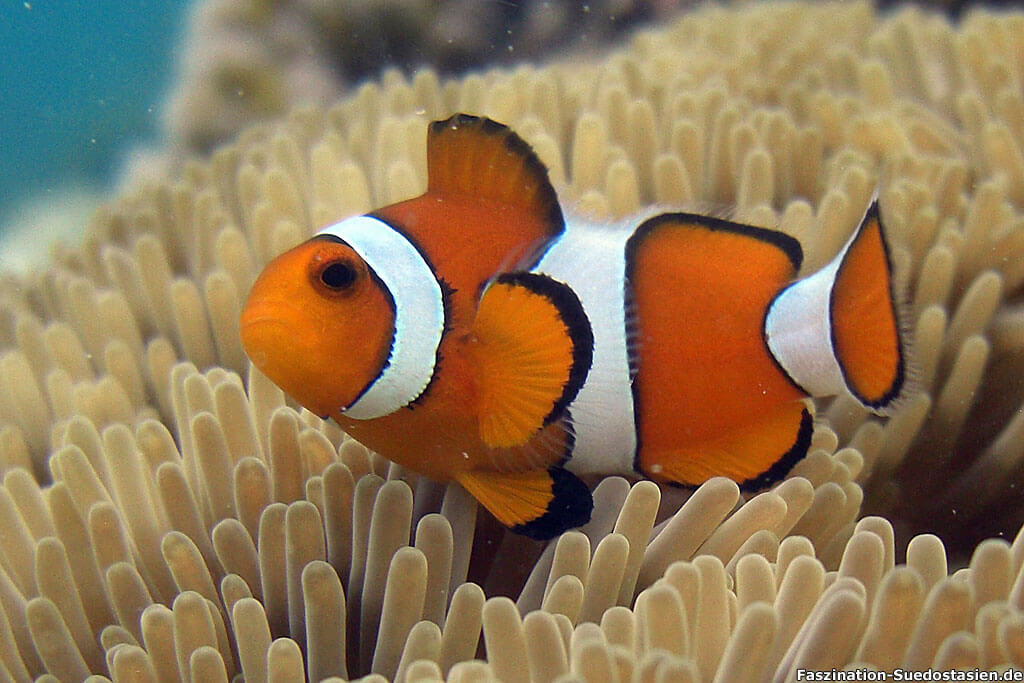
Palawan is the home of numerous endemic species – some of them, like the Hornbill, Treeshrew, and Philippine Pangolin, are just a few on the IUCN Red List of Threatened Species.
The entire island is a UNESCO Man and Biosphere Reserve and its southern regions the ancestral domains of the Pala’wan indigenous people.
Those living in the remote uplands, such as the Tau’t Batu, have limited contacts with the outside and possess a rich oral tradition and profound environmental knowledge.
In spite of these ecological and cultural values, the Department of Environment and Natural Resources has entered into a joint venture with Lionheart Agrotech, an industrial grower of hybrid coconuts.
It appears that the company has also encroached on the Mount Mantalingahan Protected Landscape, one of only ten sites of the global Alliance for Zero Extinction in the Philippines and one of the 11 key bird areas in Palawan.
Please support the indigenous peoples’ resistance with your signature – we need to bring international pressure to bear before these ecological and cultural treasures disappear forever!
Please sign our petition and help preserve one of the last true slices of paradise in the Philippines!
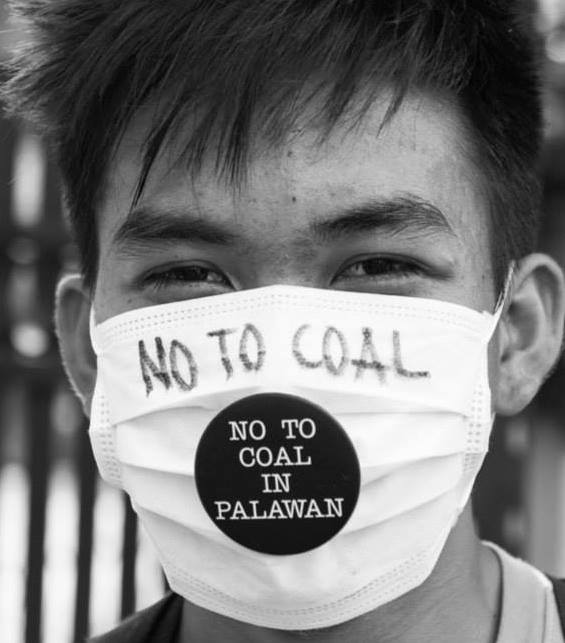
And I mean…In 2015, many demonstrations, petitions, and direct resistance took place with the aim of preventing the planned coal-fired power plant on the Philippine island of Palawan.
And the goal was achieved!! on June 6, 2015, the City Council of Puerto Princesa passed “a decision that strictly rejects the construction of a coal-fired power plant on Palawan”.
The fight is not over yet.
Let us make hope out of our fear.
This struggle to save the last paradise in the world with its indigenous and animal inhabitants defines our values and principles.
We find out every day that we have a lot more civil courage than we thought.
Posted on August 6, 2020 by Serbian Animals Voice (SAV)
After hearing from PETA affiliates, Switzerland-based chocolatierBarry Callebaut – the “world’s leading manufacturer of high-quality chocolate & cocoa products” – has announced that it will not conduct, fund, or commission any animal experiments, unless they are explicitly required by law.
In another kind move for animals, earlier this year, the multibillion-dollar company announced plans to open a completely vegan production facility in Schleswig-Holstein, Germany.
By no longer contributing to any cruel and deadly experiments on animals, Barry Callebaut, which operates production facilities in the UK, joins the ranks of other progressive food-industry giants, including Barilla;
The Coca-Cola Company; General Mills; House Foods; Kikkoman; Lipton; Nissin Foods Holdings Co, Ltd; Ocean Spray; PepsiCo; POM Wonderful; Sapporo Holdings; Welch’s; and Yakult Honsha.
What Do Animals Endure in These Types of Experiments?
PETA US had uncovered experiments on animals published between 2007 and 2019 – which were not required by law – that Barry Callebaut contributed to.
As part of our campaign to end animal testing in the global food industry, PETA and our affiliates have exposed that for decades, manufacturers have pursued cruel laboratory tests in which thousands of animals have been cut open, tormented, and killed – all in misguided attempts to make marketing claims about products ranging from ramen noodles to chocolate bars to breakfast cereals to alcohol.
By pledging not to conduct experiments on animals after discussions with PETA US and PETA Germany, Barry Callebaut is committing to sparing other animals a similar fate.
The company also sets a progressive example for other food and drink producers to follow.
Conscientious shoppers play a huge part in driving the vegan revolution, and they don’t want to buy products that were cruelly tested on animals.
You Can Help Prevent Other Animals From Suffering in Experiments
Animals suffer in pointless food and drink industry tests in many countries all over the world.
PETA and our international affiliates are leading a global effort to spare the lives of thousands of animals used in deadly food-industry experiments and replace them with humane, effective, economical, and modern animal-free research tools.


 The tanker “Wakashio” is aground off Mauritius. Around 1,000 tons of oil have now leaked. (Photo: DEV RAMKHELAWON / AFP)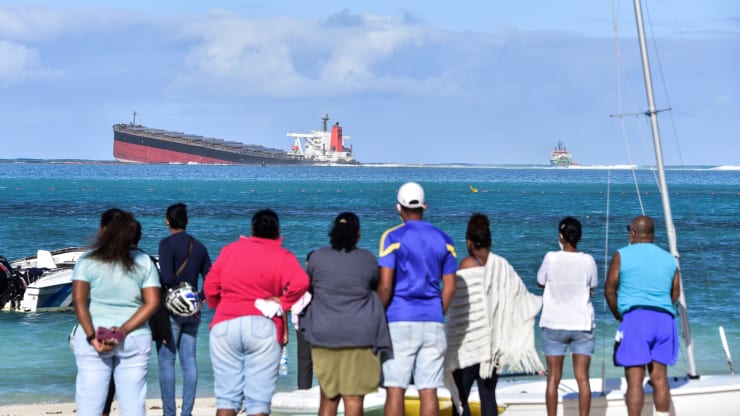








 Serbian Animals Voice (SAV)