the crime

“The problem is that humans have sacrificed animals to such an extent that they are not even considered victims.
They are not taken into account at all.
They are nothing. They don’t count; they don’t matter;
They are goods like televisions and cell phones.
We actually turned animals into inanimate objects – sandwiches and shoes” – Gary Yourofsky

regards and good night, Venus

Murcia, Spain: bullfighting workshops for children!

The beneficiaries are six bullfighting associations, which will organize children’s activities such as bullfighting workshops, bullfighting painting contests, and literary contests, even magazine publications, colloquium talks, and even bullfights with death.

Six bullfighting associations are going to receive 44,000 euros from the government of the Region of Murcia to develop dissemination activities and support for bullfighting during 2021.

The activities they will carry out range from a contest for bullfighters without picadors to bullfighting workshops for children, children’s bullfighting painting contests, magazine publications, colloquium talks, or literary contests.

The beneficiaries are the Torre-Pacheco Bullfighting Club Association, the Peña Taurina Yeclana, the Lorca Bullfighting Club, the Cehegín Bullfighting Club, the Murcia Bullfighting Club, and the Calasparra Bullfighting Club.

The objective of this measure is to increase the dissemination of bullfighting, promote it and bring it closer to society through different actions of both a recreational and cultural nature.

Francisco Abril

The Director-General of Local Administration, Francisco Abril, stressed that “currently there are certain sectors opposed to the visibility and dissemination of bullfighting as what it has always been: a fundamental expression of the traditional culture of the Spanish people.

That is why it was essential to start these grants, to promote the sector and increase knowledge about the festival, especially among young people ”.

From AnimaNaturalis we believe that it is a scandal that in the midst of a pandemic and economic crisis due to Covid19, a government decides to allocate public money to the promotion of an activity that the majority of Spaniards reject, and also neighbors of Murcia.

https://www.animanaturalis.org/n/el-gobierno-de-la-region-de-murcia-destinara-44-000-euros-al-rescate-de-la-tauromaquia

And I mean…Public money again for the indoctrination of Spanish children into the torture of defenseless animals…

Bullfighting and bull festivals violate any ethics of modern civilized countries and societies and value a “culture” of primitive people
Education and the future of Spanish children are not worth a cent in and for Spain.
One notices that every single day.

As the Pisa study shows, in terms of education, Spain is at the bottom of the list in Europe, which is also noticeable in the fact that traditions from the Middle Ages are followed with enthusiasm.

One must be very primitive to be able to believe that in modern Europe one can get away with this kind of cruelty to animals in the long term.

Brigade Anti-Corrida Marseille - Events | Facebook

Time is ticking for the animals and we know it will end.

My best regards to all, Venus

“And I’ve been working like a dog”

Like dogs: The company initially wants employee collars for corona distance protection in France!

The Beatles’ line of the song “And I’ve been working like a dog” takes on a whole new meaning: A Swedish company wants to equip its French employees with a band that triggers an alarm if they are too close to another employee.

For the time being, however, only the Confédération française démocratique du travail (CFDT) trade union, which wants to take action against the planned measure, is alarmed.

Essity is a publicly-traded manufacturer of tissue paper. The group’s headquarters are in Stockholm.

In Germany, Essity Germany has plants in Mannheim, Mainz-Kostheim, Neuss, Witzenhausen, and Ismaning, which is also the company’s German headquarters.

The AFP news agency reported on January 13th about the company’s plans for its approximately 2,500 French employees.
The CFDT union, however, is outraged.

The collar is comparable to the straps that “are supposed to keep dogs from barking,” the union said in a statement.

Specifically, the company’s management had suggested using tapes that would trigger an alarm if they were too close to another employee.

This band can be worn either around the neck or around the waist, as the French daily “Le Monde” reported.

According to the CFDT, the collars would emit a sound of 85 decibels as soon as the social distance is no longer maintained.

“It’s about disciplining the employees and calling them to order,” denounced CFDT union delegate Christine Duguet, who also emphasized that there was no contamination between the employees at Essity.

The union also speaks of an “attack on individual freedoms” that employees would not accept.
“[These tapes] will end up in the trash cans or in the lockers, that’s nonsense,” warned Duguet.

The management defended the project. One wants to “strengthen the security of the employees”(!!!)

“This device does not contain a geolocation system and is not associated with any personal information,” said Essity.
It is also inactive in the sanitary facilities, in the company restaurant, or in the hospital ward. It could help to react faster.

The plan is to introduce the utensil at several of the Group’s European locations.
A social and economic committee (CSE) will meet next week, where the management has to specify their project, explained CFDT.


https://de.rt.com/europa/112008-wie-hunde-konzern-in-frankreich-will-corona-halsbaender-fuer-mitarbeiter/

And I mean…Hopefully, our Minister of Health Spahn won’t read RT-online, that’s my only comment on it.
But I would like to add another comment, which I find very good, on this subject:

“I am not surprised. The overwhelming majority of the people keep their mouths shut and keep a mask in front of the mask. Two are better than one.
It can be locked up at will.
Nobody takes the few resistance people seriously anyway.
And the men and women continue to test the expansion of their measures.
As Jean-Claude Junker once said a few years ago publicly in the press: “We are putting the people to the test with our measures. We see how far we can go to make appropriate adjustments next time.”

Oops. Who cares, freedom, peace, joy, etc.
These are all myths from the distant past, if at all.

Humans have always been predestined for slavery. To this day, history is teeming with slavery. Freedom is something for wimps, they just talk and just can’t adapt.
Peace, order, and conformity with the state, these are the primary duties of the citizen.

Dears, it’s very simple. 😉”

My best regards to all, Venus

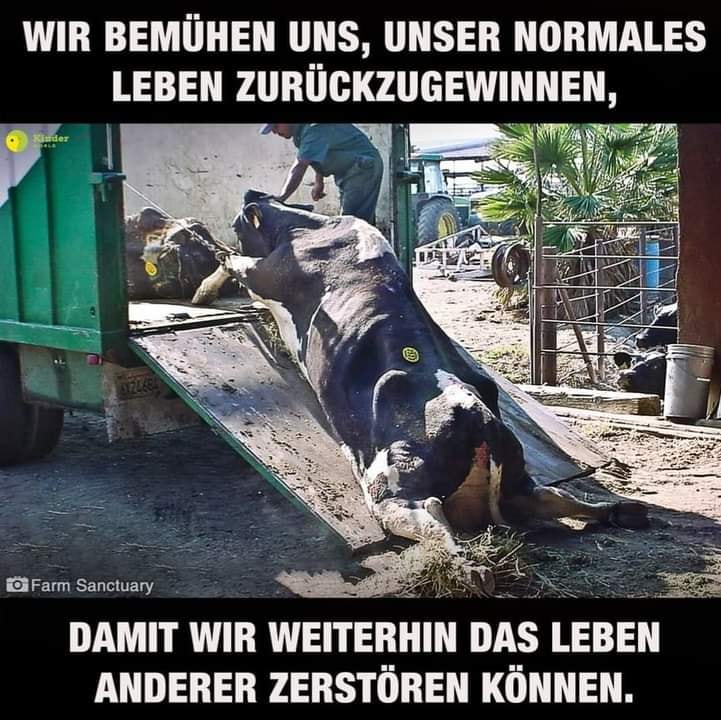
our “normal” life

“we strive to regain our normal life
so that we can continue to destroy the lives of others”

….and worst of all, we firmly believe we have a right to it

regards and good night, Venus

Fox hunting : organized animal cruelty

As a leisure activity, hunters across Germany kill up to half a million foxes in the cruelest way every year – many of the animals are “only” shot or downright crushed and mutilated in traps.

Foxes are a living target for hunters; there is no reason for the massive hunting of predators, neither from a wildlife biological nor from a health point of view. Politics must finally act and put an end to the senseless killing of useful animals.

Pain and suffering – what hunting means to wild animals. Shot … and dead!

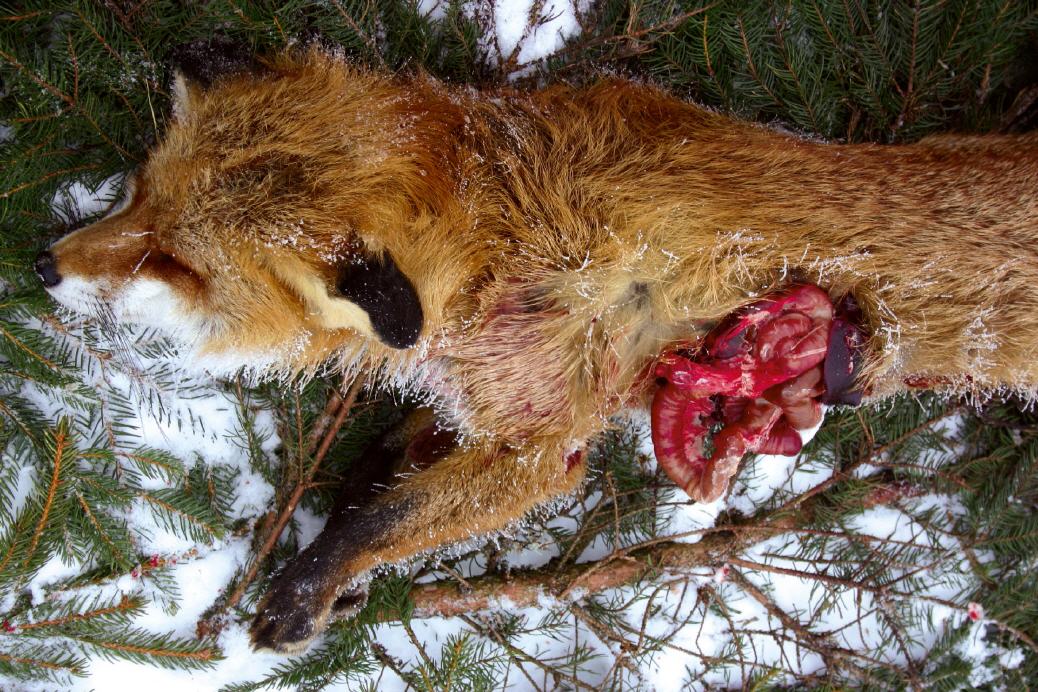
Fox with stomach injuries-Image: pelli

In many cases, this is not the case. Studies in Great Britain have shown this, among other things. The accuracy is poor, every second fox is only wounded by a gunshot wound but not dead.

Two-thirds of wild boars were shot dead after a driven hunt: in the back, in the stomach, or in the legs.

Approx. 60% of the female animals in the deer were shot in the stomach.

According to the Veterinary Association for Animal Welfare, up to 70 percent of wild animals do not die immediately, especially during driven hunts, but rather suffer excruciating jaw, stomach, and barrel shots.

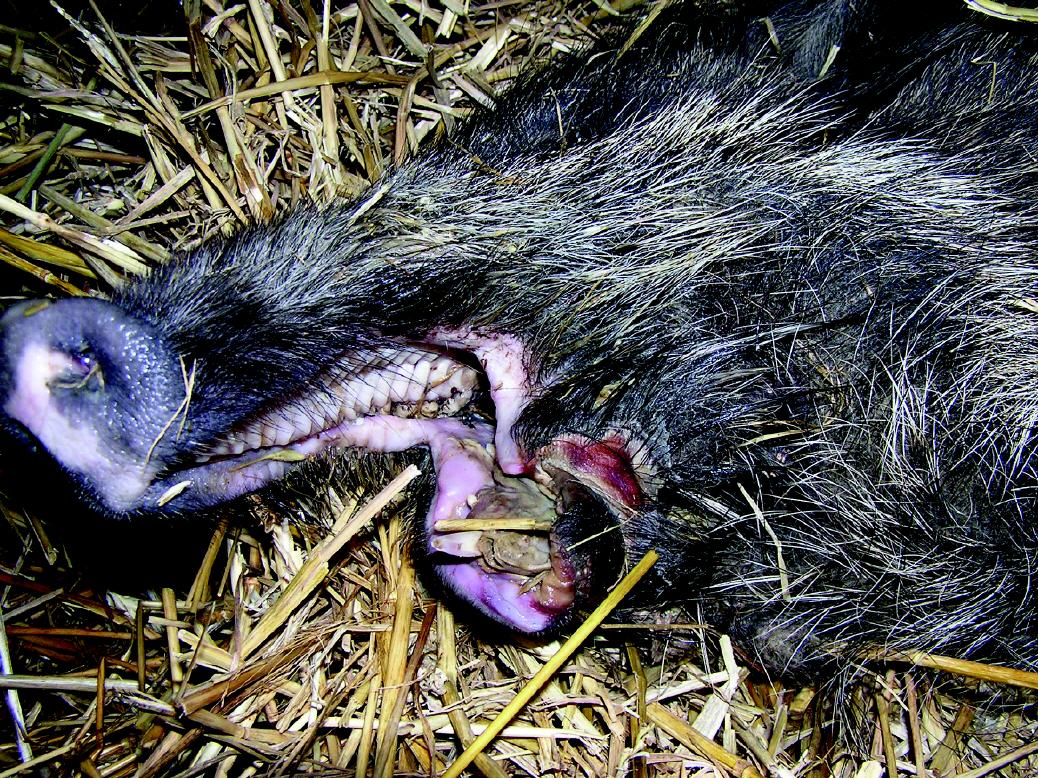
Lower jaw shot away: This young wild boar starved and died of thirst

Most foxes are hunted during the winter months. The snow makes hunting easier and the otherwise vigilant animals are careless because now is the mating season for foxes.

For many fox pups who see the light of day from March, this means that they will grow up without the fox father. But it has a very important function in their rearing due to the procurement of food.

As a result, the young foxes are often physically weakened, their ability to survive is much lower than that of fox pups that were raised with a provider.

Fox hunting is prohibited in Luxembourg and other countries and regions – there are no problems with overpopulation there.

Please sign the Petition: https://www.peta.de/kampagnen/fuchsjagd-stoppen/


For more…at https://worldanimalsvoice.com/2021/01/19/fox-hunting-organized-animal-cruelty/


And I mean…Every year in January and February foxes are hunted even more intensely and ruthlessly in Germany than they already are.

The so-called “fox weeks” are held right in the middle of the mating season – now even a whole fox month, preferably during the full moon weeks in January and February.

During a defined period of time, as many hunters as possible take part, often across territories, to shot on the fox. As a result, the “loden jackets” enjoy (!) a few dozen dead foxes.

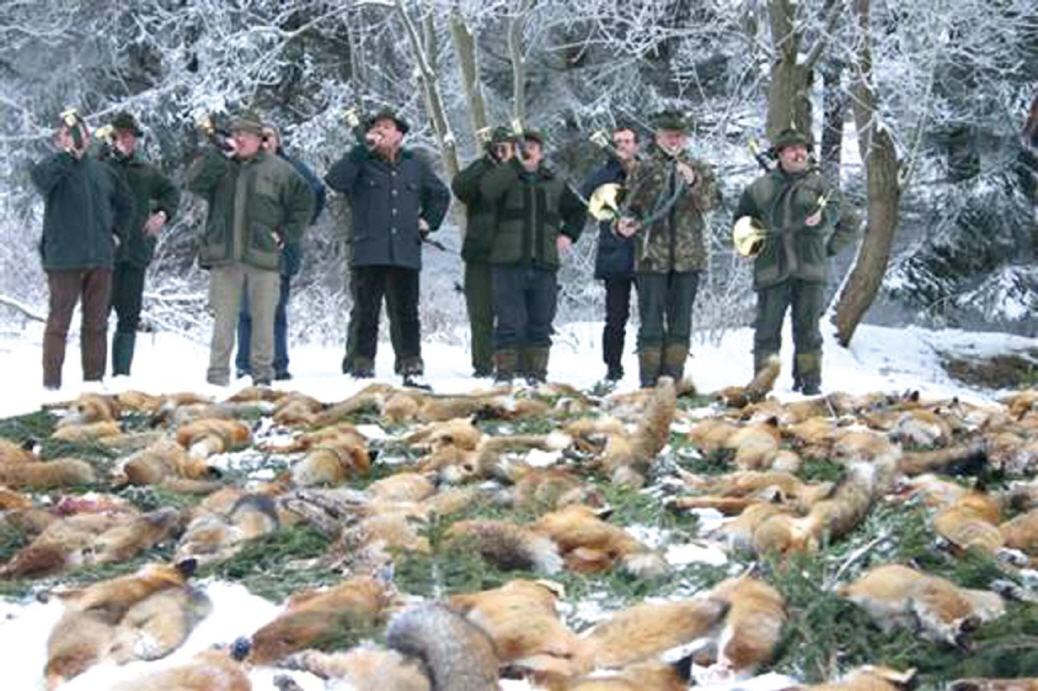
In almost every place cross-territory fox hunts are organized, to which territorial hunters and young hunters are invited in order to kill as many foxes as possible. After the hunt, the animals are lined up in a line and the killings are celebrated by the hunters.

According to Section 17 of the Animal Welfare Act, it is forbidden to kill or harm an animal without good cause.
Nothing else happens when hunting foxes.
Animal protection has been anchored in the Basic Law since 2002 and is to be regarded as a binding asset with constitutional status.

The state protection goal of “animal protection” has the status of a fundamental right – but not hunting.

Thus the hunting law is subordinate to animal welfare.

Unfortunately, the hunter’s lobby is well networked in government circles and politics. In Luxembourg, on the other hand, the government was not impressed by the lies and slogans of the hunters and in April 2015 enforced a fox hunting ban that continues to this day.

The result: “No major problems”. The Luxembourg hunting association “Fédération Saint-Hubert” nevertheless tried to take legal action against the hunting ban – without success.

In 2016, the administrative court upheld the ban on fox hunting and the hunters’ flimsy arguments were clearly dismissed by the judge.

Hunting in Germany is an unlawful area.
According to their own statements, 380,000 hunters kill around 5 million wild animals in Germany every year.

The truth probably looks even worse: Wildtierschutz Deutschland e.V. estimates that a total of over 9 million animals are killed by hunting in Germany every year.

The hunters carry out these executions with legal government assistance.
“Hunters and the state go hand-to-hand in the forest”, where the murderers, heavily armed to the teeth, kill defenseless animals

A civilized country is not understood as such if it brutally massacres 500,000 foxes annually and proudly presents itself in the media as a potent -execution- gang.

A civilized country is understood as such when it feels and practices respect, compassion, and protection for every species of animal.

And it is therefore a shame for our society, by silence and passivity to give a minority of 0.45% the right to decide about life and death to defenseless animals.

My best regards to all, Venus


Australian seafood consumers urged to stop buying flake to protect sharks.

Australian seafood consumers urged to stop buying flake to protect sharks | Australia news | The Guardian

Australian seafood consumers urged to stop buying flake to protect sharks

A new campaign highlights there is no legal obligation to label flake – a common term for shark meat – by species or where it’s from

Australian consumers will be encouraged not to purchase flake when they shop for seafood and to instead try sustainable alternatives in a new campaign that aims to put a spotlight on laws that permit the harvest of endangered sharks.

The Australian Marine Conservation Society (AMCS) is asking consumers to “give flake a break” because there is no legal obligation in Australia for retailers to label flake – a common term used for shark meat – by its species or where it’s from.

Guardian Australia reported last year that a loophole in Australia’s national environmental laws allows for the continued commercial harvest of endangered sharks such as the school shark or hammerhead, meaning their meat can be routinely sold in shops, restaurants or exported overseas.

Leonardo Guida, a shark scientist with the AMCS, said the organisation was launching its campaign to try to make consumers more aware of the need for shark conservation.

He said sustainable alternatives to flake included King George whiting, farmed barramundi, mullet, wild caught Australian salmon and luderick.

Research by the AMCS found there was an average $2 difference between these options and the cost of flake. In some cases the sustainable alternatives were cheaper.

“Australia legally permits the harvest of endangered sharks, which can end up on people’s plates and they wouldn’t even know it because it’s often called flake,” Guida said.

“There’s no legal requirement to call a shark for what it is.”

Guida said the system was broken “somewhere between the boat and the plate” because fishers routinely recorded what species they caught but by the time the meat ended up with a consumer that information could be lost or difficult to obtain.

Guida surveyed 10 fish and chips shops in each state and territory and found less than a third of the shark meat on sale referred to a specific species.

He said promisingly, however, at least 40% of retailers offered a sustainable alternative.

Consumers can use GoodFish, a website and app developed by AMCS, to research sustainable seafood options, or ask their fishmonger or retailer.

The loophole in Australia’s environment laws applies to certain marine species that are given a special status known as “conservation dependent” that allows for their continued commercial harvest.

Under the Environment Protection and Biodiversity Conservation Act, marine species that are listed as vulnerable, endangered or critically endangered are classified as “no take” species, meaning they cannot be sold or exported.

But the eight marine species listed as conservation dependent – including the blue warehou, eastern gemfish, the scalloped hammerhead and the school shark – do not receive this protection.

Marine conservationists have long argued for the removal of this category from Australia’s national environment laws where it applies to threatened species but its existence continues to fly beneath the radar of most seafood consumers.

During last year’s review of the EPBC Act, led by the former competition watchdog head Graeme Samuel, the AMCS called for the species listed as conservation dependent to be given the threatened status they were eligible for.

The Humane Society International is the main organisation in Australia that nominates species for a listing under national environmental laws. It put forward several of the marine animals that were ultimately listed as conservation dependent.

One of those was the scalloped hammerhead, which qualified for an endangered listing but was given a conservation dependent status in 2018 after a six-year effort by the HSI to have it listed for protection.

“What we ask is that species be put in their rightful category because species that are endangered or critically endangered should be listed as that and protected from commercial utilisation,” said Nicola Beynon, the HSI’s Australian head of campaigns.

Samuel’s interim report, handed down last July, found Australia’s environment was in unsustainable decline. The report made several recommendations, but none in relation to the conservation dependent category.

He delivered his final report to the Morrison government at the end of October last year but it has not yet been released. The government is required to release the report sometime in February.

A spokesperson for the environment minister, Sussan Ley, would not say when the government planned to release the report but it would be within the statutory timeframe.

The spokesman said sharks were listed as conservation dependent based on advice from the threatened species scientific committee.

“Species listed as conservation dependent are subject to a scientifically determined and annually reviewed rebuilding strategy,” the spokesperson said.

In a submission to the Samuel review last year, the scientific committee said the conservation dependent category needed urgent reform and this was partly because it masked the actual conservation status of species.

Austrian public broadcaster sheds light on live transport at prime time.

Austrian public broadcaster sheds light on live transport at prime time

18 January 2021

Four Paws

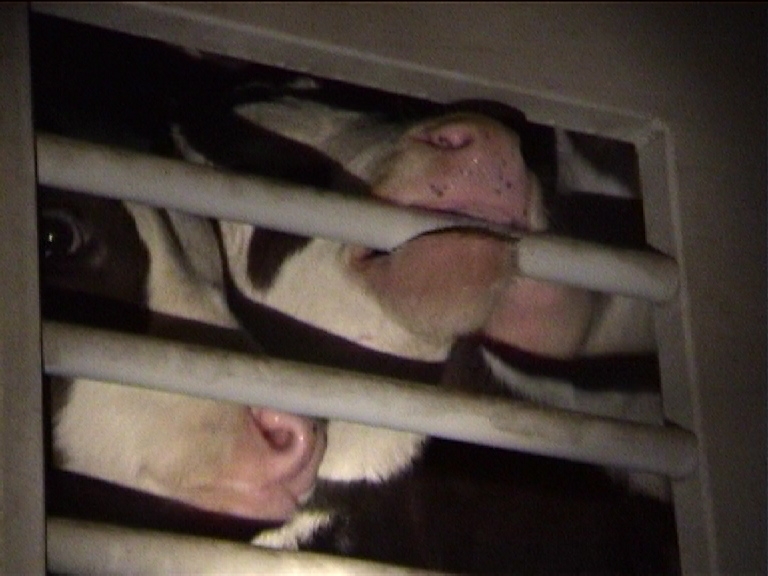
Cattle crammed into trucks, brutally loaded onto ships, slaughtered while fully conscious – disturbing images of animals being transported to the Middle East, including those of Austrian cattle in Lebanon, as well as interviews with Eurogroup for Animals’ members Four Paws and Animals International are featured in a new documentary which was broadcasted at prime time on Austrian television.

The documentary feature called “Animal transports – cheap meat at any price?” took a critical look at this much-discussed topic last Wednesday, 13 January 2021. The documentary looks at the crucial questions of how and why these animals from Austria are transported thousands of kilometres, also addressing the crux of why domestic calves are exported at all, while most of the veal for Austrian gastronomy is imported. In the past, these questions have triggered not only a public but also a political debate in Austria.

Every year about 45,000 calves are exported from Austria to countries such as Italy or Spain, while about 100,000 animals are imported to Austria to end up on the plates of local restaurants.

In Vienna, 60 per cent of the Wiener Schnitzel consists of imported veal. Most of it comes from the Netherlands and is produced under conditions that would not be permitted in Austria. This, however, is not comprehensible to the consumer as most menus are not transparent. A schnitzel from Austrian veal would cost 50 cents more, and 20 cents more for pork.

Read more at source

Der Standard