England UK (1000hrs) 11/07/13 Breaking News: ‘ICECLIMB’ – Greenpeace Scale the ‘Shard’ (in London), Europe’s Tallest Skyscraper; To Stop Shell From Drilling in the Arctic. Watch the Climb Live Here.

England

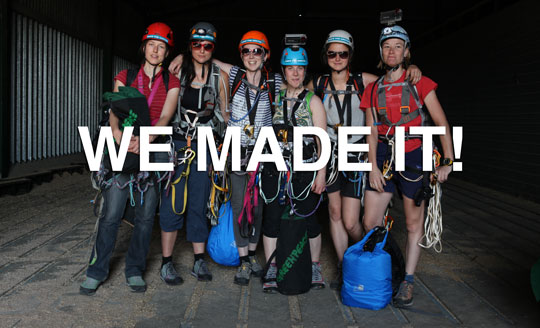
we made it

Absolutely Brilliant Freeclimbing !

Congratulations Girls.

Arrived at the top of the Shard at 1915hrs GMT

– around 15 hours after setting off from ground level.

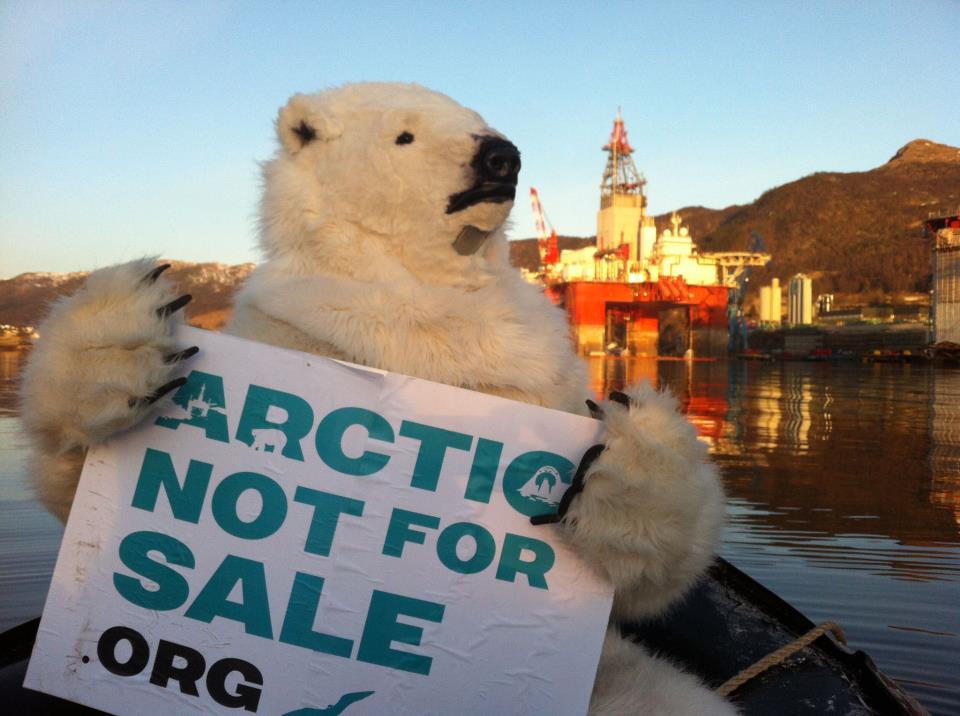
arctic not for sale

greenpeace

Hi,

If you’re reading this email it means I’m clinging to the side of the Shard – attempting something that’s never been done before: scaling Europe’s tallest skyscraper.

If we make it to the top, we plan to install a giant piece of art in direct view of Shell’s three London headquarters down around me. We can see them, so I know they can see us.

WATCH LIVE and send your message of support to show the whole world that we don’t want Arctic drilling.

I’ve been climbing for years, but this is the biggest challenge I’ve ever taken on.

Am I scared? Hell yeah. But I know that fear is only what you make of it. For me this is a personal act of bravery, and I hope that beyond all else it can encourage anyone hesitating over taking action – no matter what scale – to take that step today.

There are only six of us up here, but there are millions of us in every corner of the world who want the Arctic protected.

The most effective action we can do now is to make everyone else care for the Arctic as we do, and to do that we need to make it news. This is not a niche subject. This affects every single person on our shared planet.

Everyone should know that we’ve lost 80% of the Arctic sea ice in the last 30 years, and that should make people want to protect it. Not to drill for more oil that caused the melting in the first place.

Follow our progress on LIVE TV and please share this page with everyone you know on Facebook, Twitter and over email. Let’s make this as big as we can.

Shell doesn’t want us talking about their dangerous Arctic oil drilling plans. Together we can shout about them from the rooftops 😉

Wish us luck,

Victo (and Sandra, Sabine, Liesbeth, Wiola and Ali) x

Shard London BBC

The ‘Shard’ Skyscraper in the Distance, London; behind Tower Bridge

Photo: BBC

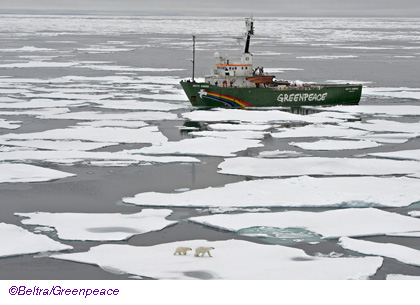
greenpeace ship


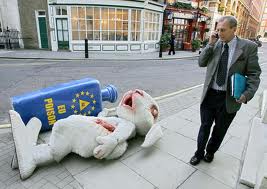
Very Interesting Article: The Experiment Is on Us: Science of Animal Testing Thrown into Doubt

 global animal.orgPhoto: http://www.global animal.org  

Taken from ‘About Us’ – see tab on this site.

Ref Mark Johnson – SAV Founder.

Mark was diagnosed with Multiple Sclerosis (MS) in 2000He is a supporter of forward looking (non animal medical) research

Animal testing is a thing of the past and should only be in history books now – and I say that as an MS sufferer; someone who wants a cure for something; but which will not come through animal testing, as animals dont have MS; so why artificially create it in them and then attempt to find a cure using them ? – it makes no sense.   Why not find out using genetics what makes animals different from us (autoimmune illness) and why they dont get MS and yet we do ?  – that to me is progressive research; not simply cutting up animals aka big pharma.

———————————————————————————————————–

Article Link: 

http://www.greenmedinfo.com/blog/experiment-us-science-animal-testing-thrown-doubt

The Experiment Is on Us: Science of Animal Testing Thrown into Doubt

Posted on:

Friday, June 28th 2013

Written By:

Pat Dutt and Jonathan Latham, PhD

 Originally published on Independent Science News and republished with permission.

New scientific research has cast grave doubt on the safety testing of hundreds of thousands of consumer products, food additives and industrial chemicals.

Everyday products, from soft drinks and baby foods, to paints, gardening products, cosmetics and shampoos, contain numerous synthetic chemicals as preservatives, dyes, active ingredients, or as contaminants. Official assurances of the safety of these chemicals are based largely on animal experiments that use rabbits, mice, rats and dogs. But new results from a consortium of researchers and published in the Proceedings of the National Academy of Sciences suggest such assurances may be worthless (Seok et al. 2013).

The results of these experiments challenge the longstanding scientific presumption holding that animal experiments are of direct relevance to humans. For that reason they potentially invalidate the entire body of safety information that has been built up to distinguish safe chemicals from unsafe ones. The new results arise from basic medical research, which itself rests heavily on the idea that treatments can be developed in animals and transferred to humans.

The research originated when investigators noted that in their medical specialism of inflammatory disease (which includes diabetes, asthma and arthritis), drugs developed using mice have to date had a 100% failure rate in almost 150 clinical trials on humans.

According to Kristie Sullivan, Director of Regulatory Testing Issues at the Physicians Committee for Responsible Medicine (PCRM), this is not unusual “about 90% of all pharmaceuticals tested for safety in animals fail to reach the market, or are quickly pulled from the market“. Wanting to understand why this might be so, the consortium decided to test the effects of various treatments that lead to inflammation, and systematically compare results between mice and humans. This postulated correlation across different animal species is sometimes known as the concordance assumption.

In a first set of experiments the researchers looked at acute inflammation in mice brought on by various stimuli. These stimuli were bacterial toxins (endotoxaemia), trauma, and burns.

To measure responses the authors quantified positive or negative changes in gene activity for thousands of individual genes. The researchers found that changes in activity of a particular mouse gene after treatment typically failed to predict changes in activity in the closest related human gene. This was not the expected result. If humans and mice are meaningfully similar (i.e. concordant) then gene activity changes in mice should have closely resembled those in humans after a similar challenge. But they did not.

In further experiments, the researchers identified another difference. While humans responded with similar patterns of gene changes to each of the three different challenges (trauma, burns, and endotoxaemia), mice did not. The three treatments in mice each resulted in a distinct set of gene activity changes. This confirmed the initial results in the sense that mice and humans responded differently. It also implied that the differences in gene response between mice and humans are attributable not so much to a lot of detailed ‘noise’ but to fundamental differences in the physiology of mice and humans in dealing with these challenges.

Next, the researchers examined the activity of specific biological signaling pathways after similar treatments. These too were highly divergent between mice and humans. Surprised by the consistently poor correlations between the two species, the authors then tested other human/mouse models of inflammatory diseases. Again, the similarity between mice and humans was low.

In summary, repeated experiments confirmed that, when it comes to inflammation, mice and humans have little in common, a finding important enough in itself given the prevalence of inflammation-related diseases in humans. These include allergies, celiac disease, asthma, rheumatoid arthritis, and autoimmune diseases.

Perhaps these results should not be a surprise. Concordance has been questioned by numerous researchers, some of whom have noted that mice are separated from humans by 120 million years of evolutionary change (Stoloff 1992; Greek and Swingle Greek, 2003; Mestas and Hughes, 2004; Knight, 2007). And, unlike humans, mice also suffer from different diseases, lack a gall bladder, have no menstrual cycle, have multiple births, differ in immune systems, lifespan and size, to name only a few dissimilarities.

Thus the Seok study is not the first to conclude that mice are poor models for human disease, but it is notable for being by far the most comprehensive. Combined with results of previous experiments, its conclusions suggest researchers should expect that mouse, and probably other animal testing, is of little use in advancing the treatment of human illnesses, including heart disease and cancer.

In other words, the public is probably being badly served by much of the money spent on medical research. According to PCRM’s Kristie Sullivan, “the National Institutes of Health is giving researchers billions of dollars every year for research on animals”. While missing out on potential cures, the public is also likely being exposed to dangerous or ineffective pharmaceuticals. Animal testing nearly prevented the approval of valuable drugs such as penicillin and subsequent antibiotics, but it did not prevent the thalidomide disaster of the 50s and 60s (Greek and Swingle Greek, 2003).

This finding of non-concordance need not mean the end of medical research. It could even herald a more promising and scientific era. Sullivan believes that medical researchers “simply take for granted that animal models are useful” even though other, and possibly better, techniques for studying human disease are available. These include greater emphasis on human clinical observation and making better use of cell cultures for research.

But wasteful and unproductive medical research is arguably a sideshow besides the misplaced confidence in the safety testing of environmental and household chemicals. While medical failures affect the unwell, chemical toxins have potential repercussions for everyone.

If animals are not useful predictors of important disease responses in humans it is unlikely they are useful as test subjects for toxicological safety. In other words, lack of concordance means that the synthetic chemicals that are found in industrial products, incorporated into food, and otherwise spread throughout the environment, are essentially untested. The regulatory process through which they passed was never a scientifically validated and evidence-based system, but now the evidence shows it to have been functioning as a system of random elimination. “We are not protecting humans” says Kristie Sullivan, noting that “even a National Academy study agrees that many toxicological tests are not human-relevant.”

There are potential alternative toxicological tests, but despite multi-billion dollar grants, and even a human on a chip, the science is still incomplete. Michael Hansen, Senior Scientist at the Consumers Union, has been contributing to recent discussions over replacing animals for the purposes of regulatory toxicology. He acknowledges that “we should be moving towards in-vitro cell-based models” for chemical risk assessments. But how this can be done is not yet clear. Hansen points out that not only is “there a technical problem of how to incorporate them into an overall risk assessment”, but also that “in-vitro alternatives have yet to be validated”. Nevertheless, he still believes specific uses for animal research remain: “for carcinogenicity, for example, mice are appropriate models”.

An interesting question, when an estimated 100 million mice are sacrificed each year for medical research and in toxicology, is why it took so long to test this fundamental assumption. The answer is that it has been tested before, though not nearly as rigorously as it could have been. And the results have, in the view of many, not supported the idea that animals reliably model human physiology (Knight, 2007; Dressman, 2007).

A different kind of answer is that animal research is now big business. One genetically engineered mouse can cost $100,000 while a mouse treadmill can set taxpayers back $9,600 (Greek and Swingle Greek, 2003). For medical researchers, animal research offers a steady income and a successful career pathway regardless of whether, as in the field of inflammation, experiments deliver practical benefits to patients. These are just some of the entrenched interests maintaining the animal testing system. Other prominent beneficiaries include the food and chemical industries which profit from the public perception of safety derived from animal testing.

Going back to the time of ancient Greece, we have used animals to teach us about the human body; however, it was not until 1937 — after 100 people died from taking Elixir Sulfanilamide — that Congress mandated drug safety testing on animals. Since then, literally billions of mice and other mammals have been sacrificed in a Faustian bargain—that their suffering was preventing human experimentation. Seemingly, that calculation was misguided from the start.

The failure of animal experiments to predict human responses and the inability of alternatives to replace them leaves few options. Individuals can to a limited extent protect themselves through avoiding packaged, processed and non-organic food and buying goods made from traditional materials. But ultimately, chemical exposure and chemical pollution are a collective responsibility.

References

Dressman HK et al, 2007. Gene expression signatures that predict radiation exposure in mice and humans. PLoS Med 4:4.
Greek CR, Swingle Greek, J (2003). Specious science: Why Experiments on Animals Harm Humans.  The Continuum International Publishing Group, Ltd, London.
Knight A (2007) 
Systematic reviews of animal experiments demonstrate poor human clinical and toxicological utility. ATLA 35: 641-659.
Mestas, J and Hughes, CCW, (2004) Of mice and not men: differences between mouse and human immunology, The Journal of Immunology, 172: 5.
Seok, J Shaw Warren, H et al, (2013) 
Genomic responses in mouse models poorly mimic human inflammatory diseases. PNAS February 11, 2013 online edition.
Stoloff L (1992) 
An analysis of the 1987 list of IARC-identified human carcinogens and the correlated animal studies. Regulatory Toxicology and Pharmacology 15: 10–13

Postscript (added May 8th)

Readers may find it useful to get an idea of the prior debate over concordance. Below are some of the scientific papers that have debated concordance. We covered this paper (Seok et al. 2013) because we believe it exemplifies a pattern and not so much because it is new.

David Horrobin (2003) Modern biomedical research: an internally self-consistent universe with little contact with medical reality? Nat Rev Drug Discov. 2: 151-4.

P Pound, S Ebrahim, P Sandercock et al. (2004) Where is the evidence that animal research benefits humans? BMJ.  328: 514–517.

A good place to gain access to this literature is at http://www.afma-curedisease.org/

Pat Dutt is a contributor to Independent Scientist News and Jonathan Latham, PhD is a founder. Independent Science News is part of the Bioscience Resource Project. To receive new articles when they come out, send an email to: info ( at ) bioscienceresource.org or contact them here.


Europe: All EU Citizens – YOUR MEP’s in Europe – Do THEY Support The 8 Hour Limit ?

EUUN0001

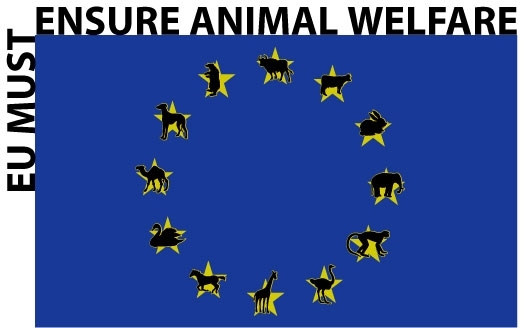
EU AW LOGO

0ValCameron4391_080812


YOUR MEP’s in Europe – do THEY support the 8 hour limit ?

 Researched and compiled by Mark Johnson – Founder ‘Serbian Animals Voice’ and EU Correspondent – KAALEwww.kaale.org.uk

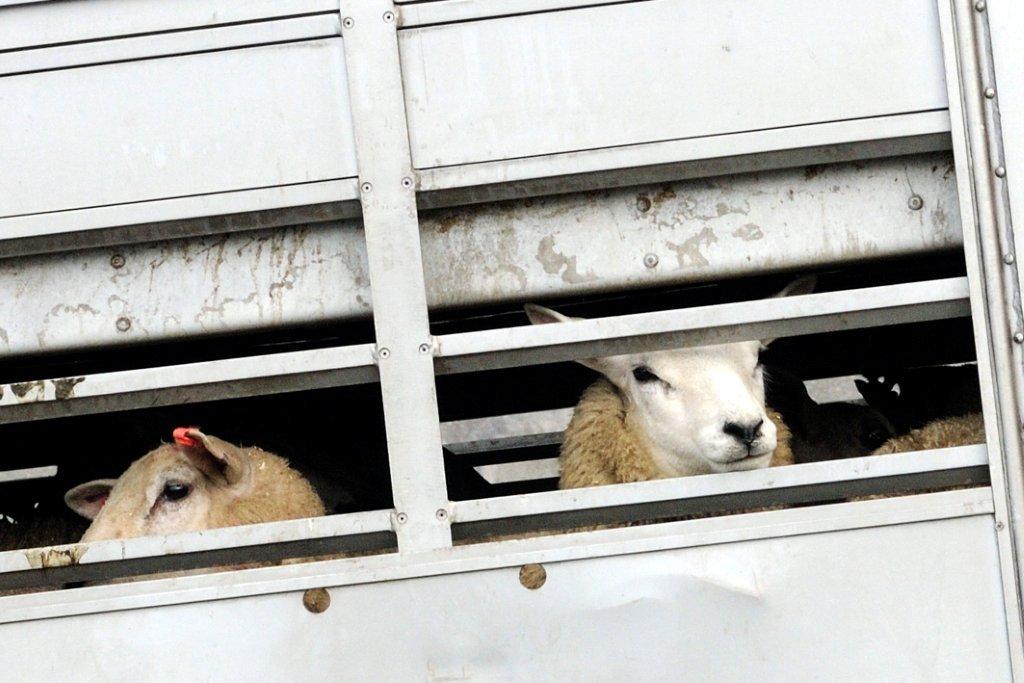
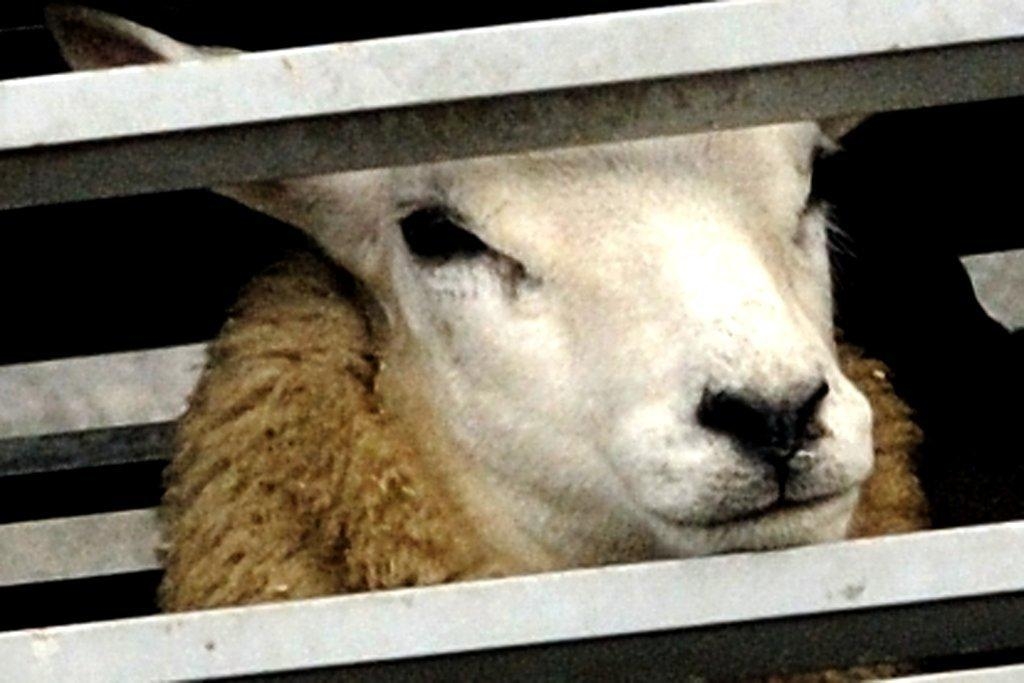
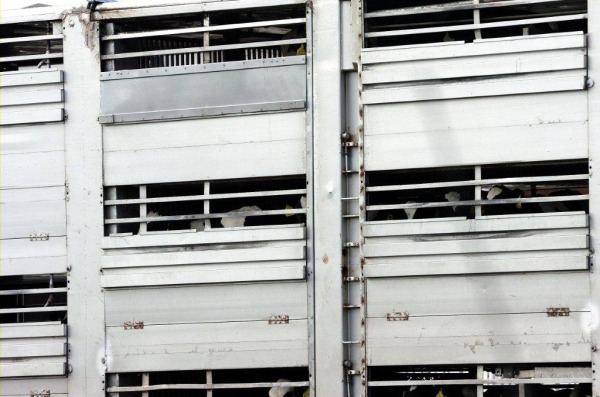
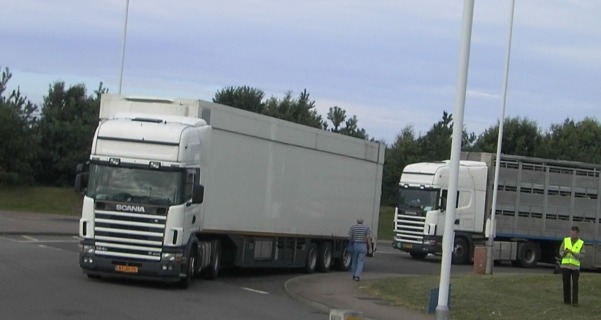
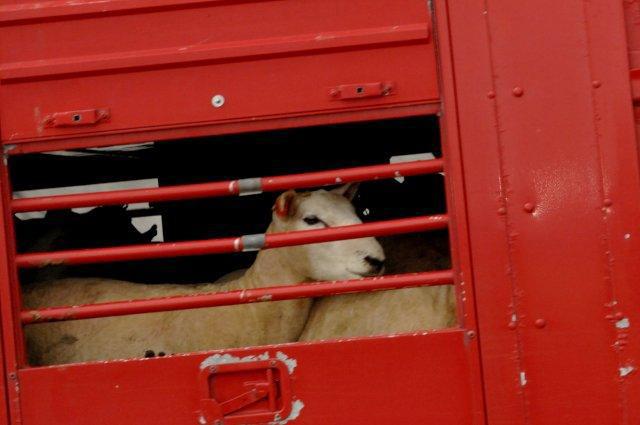
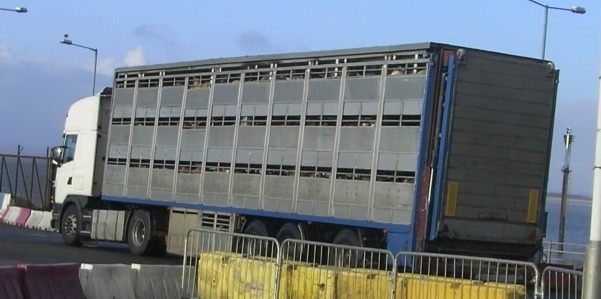
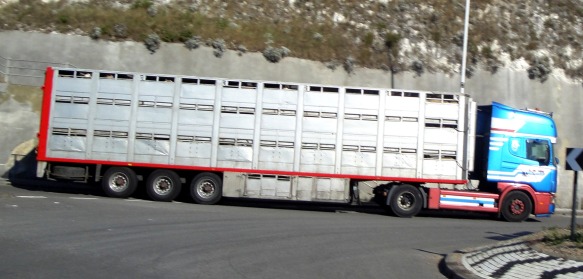
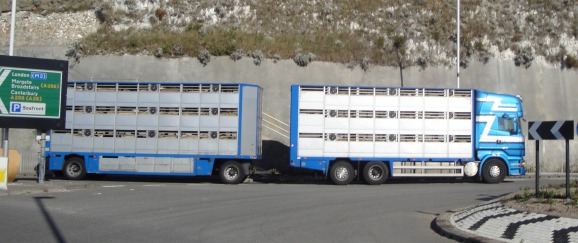
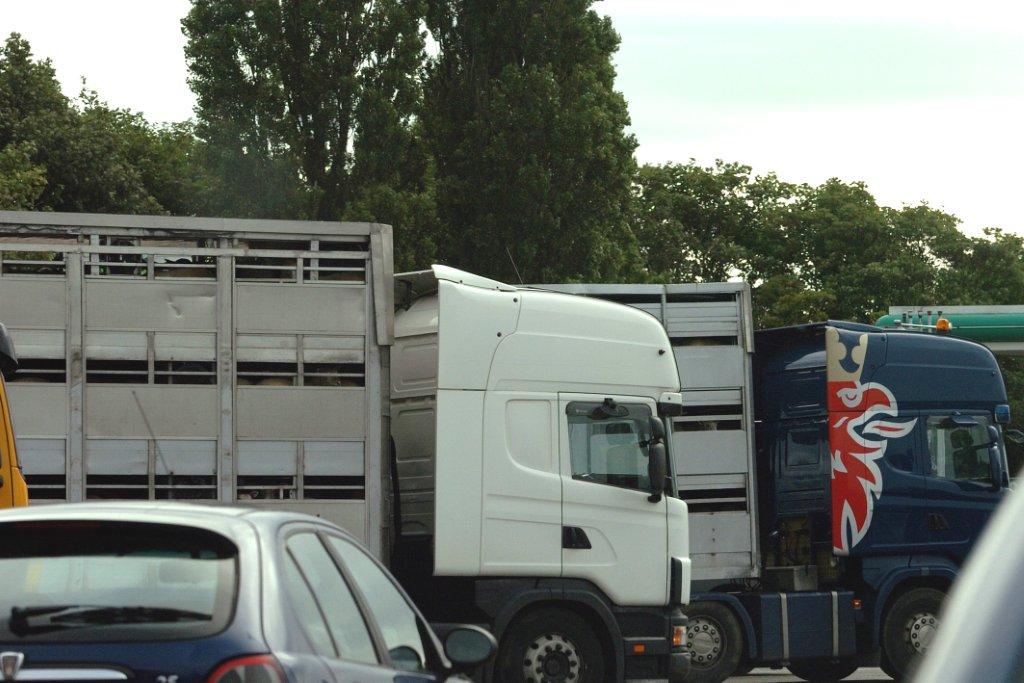
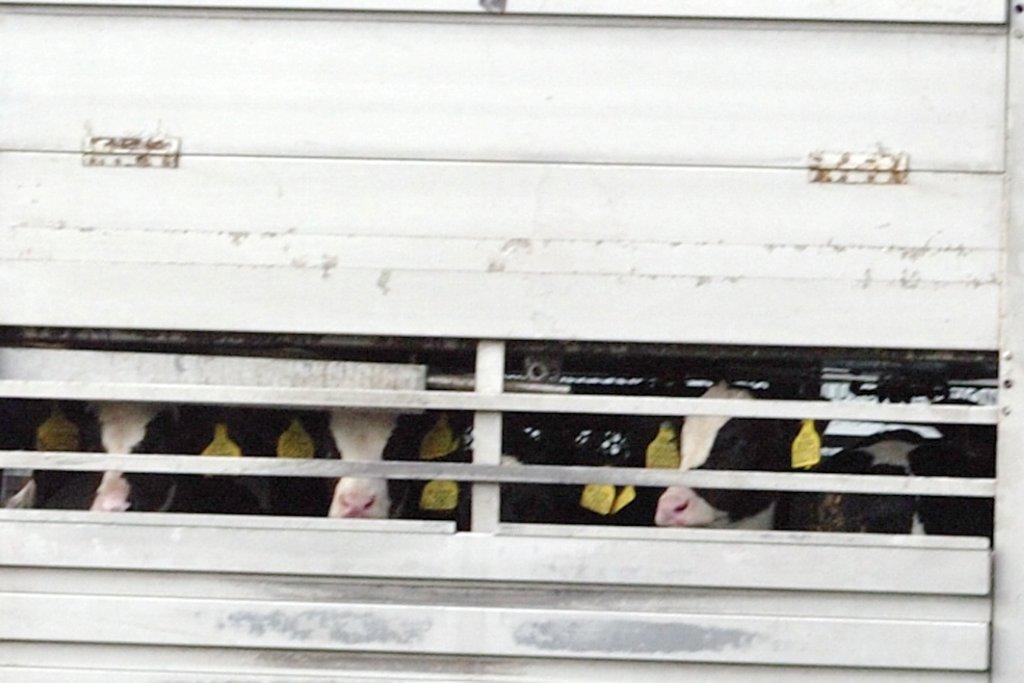
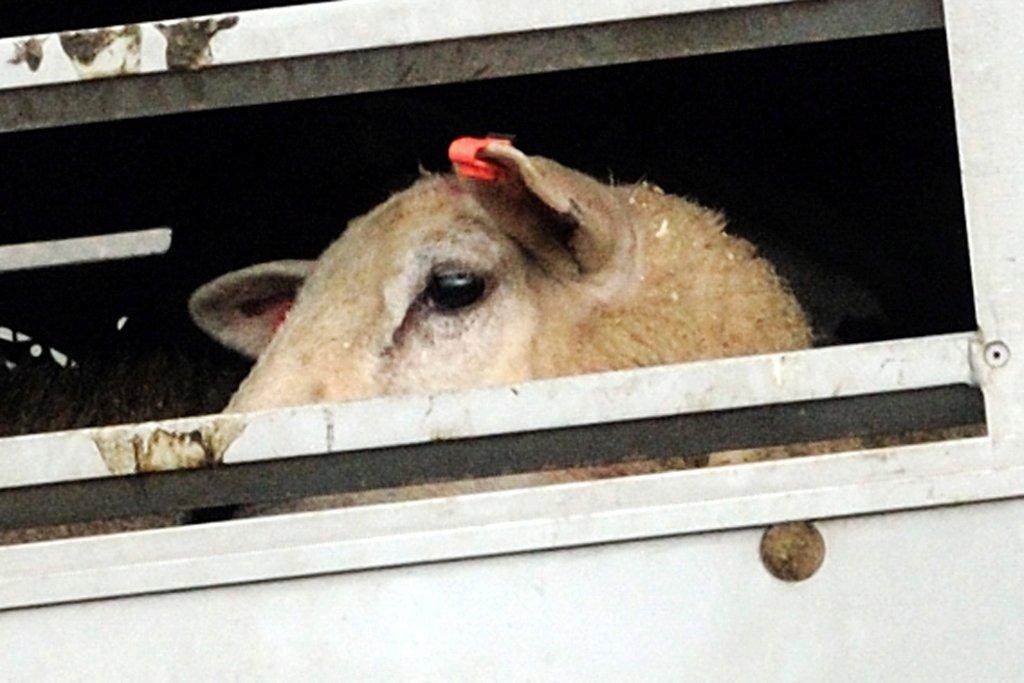
ALL Photographs by Valerie Cameron and Bill F. of KAALE (England, UK) and show live animals exported from England to mainland Europe for slaughter.

A personal message from Mark.

As you will see by clicking on the ‘About Us’ tab on this site, I have investigated and campaigned against the global live animal export trade for many, many years.   It is ‘the’ issue which is most in my heart; and over those years I have, unfortunately, seen a lot of animal suffering packed into trailers on the roads of Europe.  It has been time for change for many years as things are not good enough at present; it still is time for change for the future, and you (if an EU citizen) can help before May 2014 by writing to all your MEPs that represent your nation / region and ask them to support the maximum journey time of 8 hours for animals in transport throughout the EU.

There is no excuse for animal abuse, and believe me when I say that there is a lot of animal abuse going on with animals being hauled by road across Europe.

Please support this by taking on what I ask below – the animals deserve better; ad we can make that difference.

Regards Mark. 

With thanks to my good English campaigner friends Val and Bill, who’s photos are used here.

vc1

—————————————————————————————————————————-

If you are a European citizen AND SOMEONE WHO VOTES ?, then please take a look via the following link to see who your national / regional MEPs (Member of the European Parliament) are. Select ‘your’ country from the euro map from the link to then be provided with a full listing of your national MEP’s.  Then, use the ‘Constituency’ drop down at the top of the page to find which MEP’s represent your specific region / area of the country.

http://www.europarl.europa.eu/meps/en/map.html

You can click on any MEP name and should then be taken immediately to their individual page which provides a contact e mail address and phone numbers for them – this is usually on the right hand side of the page.  These are the e mail addresses which should be used for direct contact, in conjunction with the sample letter given below.

Important Noteyou should ONLY make contact with MEP’s who represent your region.  Please DO NOT contact all MEP’s from all regions; just your own.  Use the ‘Constituency’ drop down at the top of the above link to find which MEP’s represent your area of the country.

vc7

B10(1)

Lesley.last.3

8 hours logo

VITA Photo

The 8 Hour Campaign

Web link:  http://www.8hours.eu/

Today, too many animals are transported under unacceptable conditions on European highways.  The most important issue is the duration of many of the transports. Current EU legislation allows for animals to be transported for up to several days. This has to be changed. Live animals for slaughter should never be transported for more than eight hours

This is the aim of the 8 hours campaign – to make any journey for animals last no more than a maximum of 8 hours.

B1

J2(1)

J4(1)

8 hours logo

Why 8hours?

Every year millions of animals are transported along European highways, and too often under unacceptable conditions.  In 2002, the European Commission’s Scientific Committee on Animal Health and Animal Welfare published the report “The Welfare of Animals during Transport” concluding that animal transports, as a ground rule, should be as short as possible.

This recommendation is, however, NOT reflected in the current EU legislation.

According to current legislation, animal transports which can last up to several days are acceptable as long as the haulier fulfils simple demands concerning rest, feeding and watering of the animals etc. These demands are detailed in the current Council Regulation (EC) 1/2005 of 22nd December 2004 on the protection of animals during transport and related operations.  A copy of this regulation can be viewed at:

http://eur-lex.europa.eu/LexUriServ/LexUriServ.do?uri=CELEX:32005R0001:en:NOT

Select your language of choice from any of the yellow colored boxes.

The 8 hour campaign does not think this (up to several days journey) is acceptable.

It is now time for a major change in animal transport regulations throughout Europe.  And this is importantly where YOU can help to change the legislation.

For a long time, European-wide societies for the prevention of cruelty to animals, concerned EU citizens and politicians have argued that something has to be done. Animals for slaughter should never be transported for more than eight hours.

The following link provides a full listing of all current MEP supporters for the 8 Hour campaign across the EU.

http://8hours.eu/mep_supporters/

 This needs to be vastly increased – and can be done with your help and support by you making contact with your national / regional MEP’s and asking them to support.

 The following is the 8 hours campaign web site statement:

Members of the European Parliament (MEPs) for 8hours

This is a list of Members of the European Parliament (MEP’s) who HAVE EXPRESSED THEIR SUPPORT FOR THE 8 HOURS CAMPAIGN  as a whole.

This is NOT a list of MEPs who have signed Written Declaration 49/2011 – there are over 300 of these, but we are not allowed to make their names public – but of supporters of the campaign and of its aims as a whole. In fact, some of the MEPs listed on this page have not signed Written Declaration 49/2011 because they don’t sign Written Declarations in general, but they are supporting the review of Regulation 1/2005 to include a maximum journey limit of 8 hours, whenever possible in the relevant parliamentary bodies. – See more at:

http://8hours.eu/mep_supporters/


 ValCameron0005_080812

2014 Euro Elections

– Things could be on our side in the coming months.

This is why we have to act now !

 Between 22nd and 25th May 2014, the next European Elections will arrive, this is where all of the MEP’s representing your country and region, throughout the EU,  are elected.  So if current MEP’s in your region have not supported the campaign and will be standing for re-election next May, then you, as a European citizen, and as a voter, can mail or write to them ask they either support the 8 Hour campaign (by adding their name to the listing), or you (as a voter) may decide to take your vote elsewhere at election time.

This is your opportunity to request of MEP’s what you wish to see – after all, they are there supposedly in the European Parliament to represent you, their regional electorate.

 You could copy and send the following sample mail to all your currently non supportive regional MEP’s asking them to give their support for 8 hours.

ValCameron0006_080812

SAMPLE MAIL

Dear ??  MEP;

As one of your Euro constituents, I notice from information that I have access to that you are currently NOT a supporter of the 8 Hours campaign as a whole.  Supporting 8 Hours as an official MEP supporter on the web site is different to the signing of Written Declaration 49/2011 which you may or may not have given your support to.

 Today, too many animals are transported under unacceptable conditions on European highways.  The most important issue is the duration of the transports. Current EU legislation allows for animals to be transported for several days. This has to be changed. Live animals for slaughter should never be transported for more than eight hours.  This is why the 8 Hour campaign was founded.

 May 2014 sees the next European Elections at which ALL MEP’s are elected.

I, as an animal welfare campaigner who fully supports the need for a maximum journey time across the entire EU of 8 hours maximum, write to ask if you will add your name to the list of MEP supporters for 8 hours.

I have heard concerns from some quarters that it would not for example, be possible to move animals under these time regulations.  I ask you to not accept this argument, as special derogations would be structured by the EU for any such special circumstances.  This 8 hour limit is one which would apply to the long distance live transport of live animals within / across the main EU.

If you are unable to support this campaign with the addition of your signature, then I am afraid I will have to consider giving my vote at the Euro Elections to an MEP / Political Party which ARE much more supportive of this specific issue.

Thank you for your consideration of my request. I am keen to hear your response.

To become a full signed up MEP supporter of the 8 hour campaign, please go to http://8hours.eu/mep_supporters/ for further details.  You can contact the 8 hour team and add your name via http://www.8hours.eu/contact .

I very much hope that you will consider becoming a signed up member of the 8 hour campaign which will lead to my support and vote for you in may 2014.

Yours Sincerely

VERY IMPORTANT – Add your name and importantly, your address to show that you are from the country and national region represent


PLEASE CHANGE THE LEGISLATION THROUGHOUT EUROPE,

CALL ON YOUR MEP’S TO GO 8 HOURS MAXIMUM

TAKE ACTION IN YOUR COUNTRY / REGION NOW !!


ValCameron43910-_080812 (1)

Jane 3

Joline Dover 19 March 2013 

VC 005 rs

8 hours logo

B1(3)

All Photos – Valerie Cameron and Bill F.

Global (On Line) Animal Petitions – Links For You To Take Your Pick !

petition pic

Below are a few (online) petitions you may wish to sign.

The video footage and the actions of the police in the following video are ‘disturbing’ to say the very least.

http://www.change.org/petitions/police-unlawful-arrest-and-animal-brutality-prosecute-the-corrupted-hawthorne-cops?utm_campaign=autopublish&utm_medium=facebook&utm_source=share_petition

There are many dozens of animal petitions on many dozens of sites.  We have included links to some of the main ones in the links which follow these few specific petitions.  Thus you can review anything and sign up to those which you personally feel need extra support.

SAV.

——————————————————

Petition Link:

http://www.change.org/petitions/facebook-executives-ban-sadistic-pages-of-wildlife-torture

Facebook Executives: Ban Sadistic Pages of Wildlife Torture

Facebook’s own policy dictates that graphic violent photos should not be posted just for sadistic gratification — there is absolutely NO purpose in posting horrendously killed and half dead animals on facebook pages.

Petition Link:

http://www.thepetitionsite.com/159/008/880/justice-for-the-death-of-bijlee-the-elephant/?taf_id=9660353&cid=fb_na

Justice for the Death of Bijlee, the Elephant

Bijlee, a 58 year old female elephant, lost the fight for her life after being found in critical condition, abandoned on the side of the road in a suburb of Mumbai, India on June 11. Bijlee had been kept strapped on a crane as she could not stand or sit due to weak hind leg bones. Her body was bleeding at several places, as she has abrasions and maggot infested sores due to lying on the ground. Despite the voice of animal welfare activists, several veterinarians and experts from different parts of India to revive Bijlee, her condition progressively deteriorated and she passed away on June 30th.

Petition Link:

http://www.change.org/petitions/the-australian-government-stop-this-cruelty

The Australian Government: STOP THIS CRUELTY!  

Factory Farms are self-regulated. This means that they can make the rules as to how they treat the animals which are ‘processed’ through their factories. In reality, it means that they can clip the teeth of piglets with pliers, cut off their tails and if they are male, castrate them. This is done while they are CONSCIOUS and without pain relief.

Petition Link:

http://www.change.org/petitions/united-states-federal-government-enforce-animal-abuse-laws-by-forming-federal-animal-police-harsher-punishment

United States Federal Government: Enforce animal abuse laws by forming federal animal police & harsher punishment

It’s a known fact based on studies and research that a person practices abuse/torture on helpless animals to move on to harming innocent people. There is also more behind all this animal abuse and dog fighting, such as gangs, illegal drugs, illegal ownership of firearms, etc. That can be stopped if we enforce animal abuse laws by forming federally funded undercover animal police investigators and create harsher punishment for violators.

Petition Link:

http://www.change.org/petitions/police-unlawful-arrest-and-animal-brutality-prosecute-the-corrupted-hawthorne-cops?utm_campaign=autopublish&utm_medium=facebook&utm_source=share_petition

This video clearly shows the man video taping the police, which is NOT breaking any laws. He was ILLEGALLY arrested, and then his dog was shot. If he hadn’t been detained, the man’s dog wouldn’t have jumped out of the window to run to its owner. You can also see the man telling his dog to back off, and the dog was listening to it’s owner, until the Hawthorne Police Officer decided to shoot the poor dog.

There are dozens of animal petitions on Care2.  Here are the main links to the different categories as detailed.  Please just click on any link of your choice to then gain access to all animal petitions relating to that sector.

Care2 animal petitions:

Animal Abuse:

http://www.thepetitionsite.com/animal-welfare/animal-abuse/

Animal Research:

http://www.thepetitionsite.com/animal-welfare/animal-research/

Farm Animals:

http://www.thepetitionsite.com/animal-welfare/farm-animals/

Pet Animals:

http://www.thepetitionsite.com/animal-welfare/pets/


Change.org link for animal petitions:

http://www.change.org/topics/animals


Animal Aid petitions:

http://www.animalaid.org.uk/h/n/ACTIVE/petitions/


Go Petitions – animal welfare:

http://www.gopetition.com/petition-campaigns/Animal-welfare/


Animals Australia petitions:

http://www.animalsaustralia.org/take_action/petition.php

dove

UK (London) – Raja Update and ‘Elephant Family’ Link. Please Donate for ‘Raja’. Please Also Sign the Petition.

Indonesia

raja2

Above: Innocent Raja

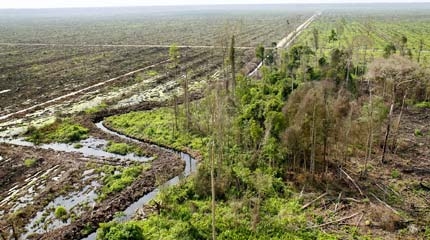
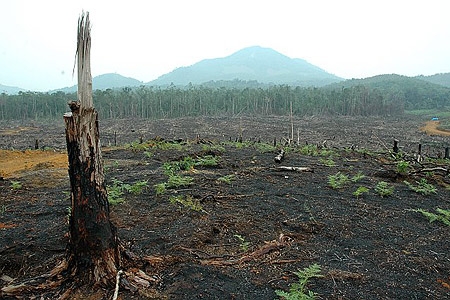
Below:  What Was Raja’s Home – Forest Destruction for Palm Oil Production

logging

By Mark Shand

PUBLISHED: 21:02 GMT, 29 June 2013 |

UPDATED: 08:07 GMT, 30 June 2013

In all the 30 years I have been working in Asian elephant conservation, I thought I had seen it all – blatant corruption, the rape and total disregard of our beautiful planet and sickening wildlife atrocities, to name but a few. All due to the most dangerous animal of all: homo sapiens.

Not much shocks me any more, but something happened in recent weeks that shook me to the core when the charity Elephant Family and the Ecologist Film Unit set out to document the environmental genocide that is out of control on the island of Sumatra,  Indonesia.

Sumatra is special to me because I spent a lot of time there on expeditions when I was younger. It was a paradise – vast pristine forests, intact coral reefs and abundant wildlife.

All this has changed now and their elephants are the most endangered on the planet. In a single generation, the population has been cut in half, with countless other animals disappearing at breakneck speed.

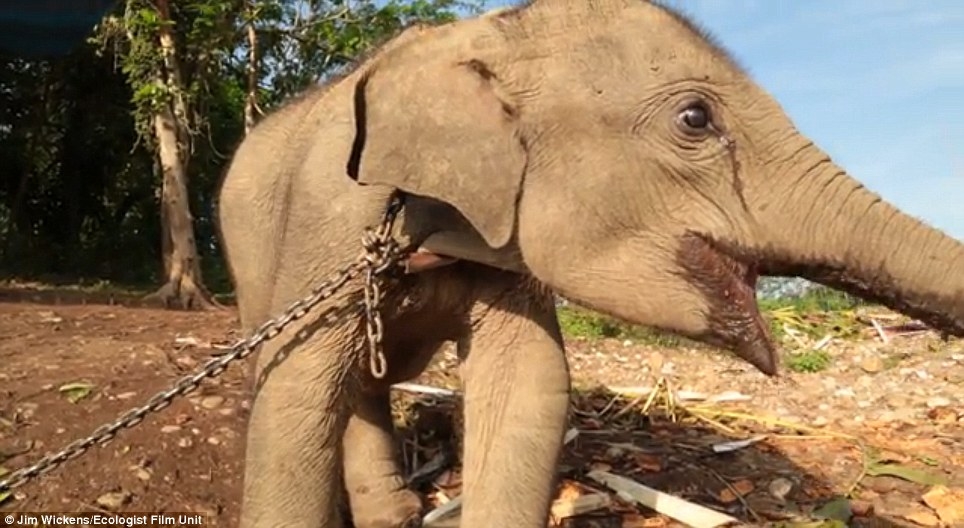
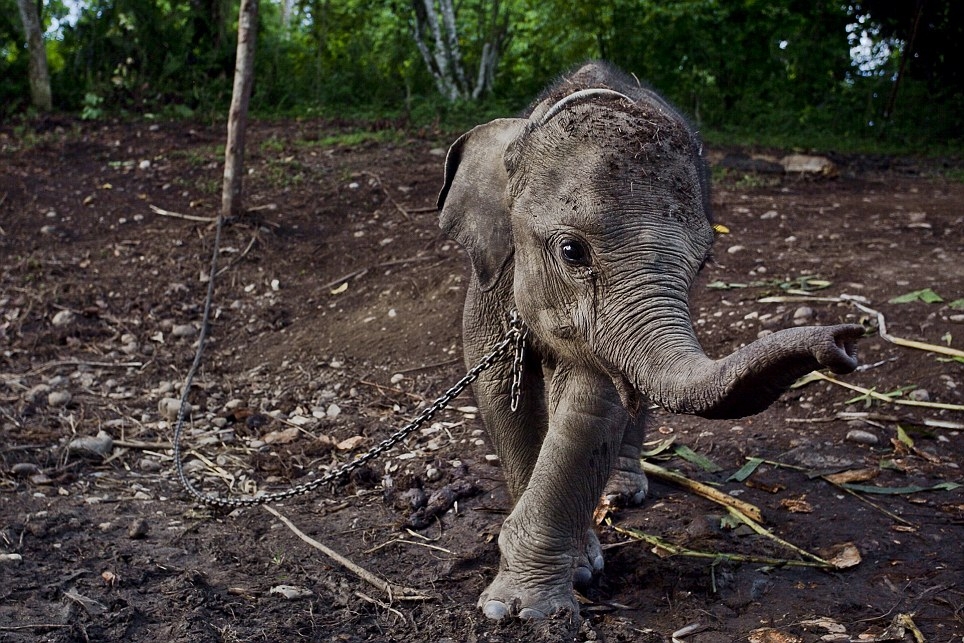
During the filming, a helpless, emaciated baby male elephant called Raja, who was barely a year old, was found in a village, shackled with heavy chains to a tree. He had been taken hostage by the villagers, who were demanding compensation from the Sumatran  government for the damage his family had done to their crops.

Can you believe that we are now  living in a world where people are actually holding baby elephants to ransom? It is almost unthinkable. But just look at the photographs – look at Raja, as he strains against his chains, waving his little trunk for food and reassurance. He is bellowing in desperation for his mother.

I have heard that sound of distressed calves many times in my life. It never fails to haunt me. But it is his eyes that haunt me more than anything – pleading for help – innocent, desperate and helpless.

A war is being waged across Asia. In the face of relentless deforestation, elephants are being forced out of their natural habitats and they have no choice but to share their living space with humans. As the elephants’ forest home is destroyed, stressed and starving herds flee from the chainsaws straight into villages.

They demolish everything in sight, trampling crops, flattening houses and often killing people. Frankly, you really cannot blame the villagers for taking such drastic steps in the sheer desperation to survive and feed their own families.

Capturing a baby elephant and holding it to ransom is grisly and depressing, but it is reality as humans and elephants fight for space.

People need to know why this is  happening. They need to understand what is driving this madness.

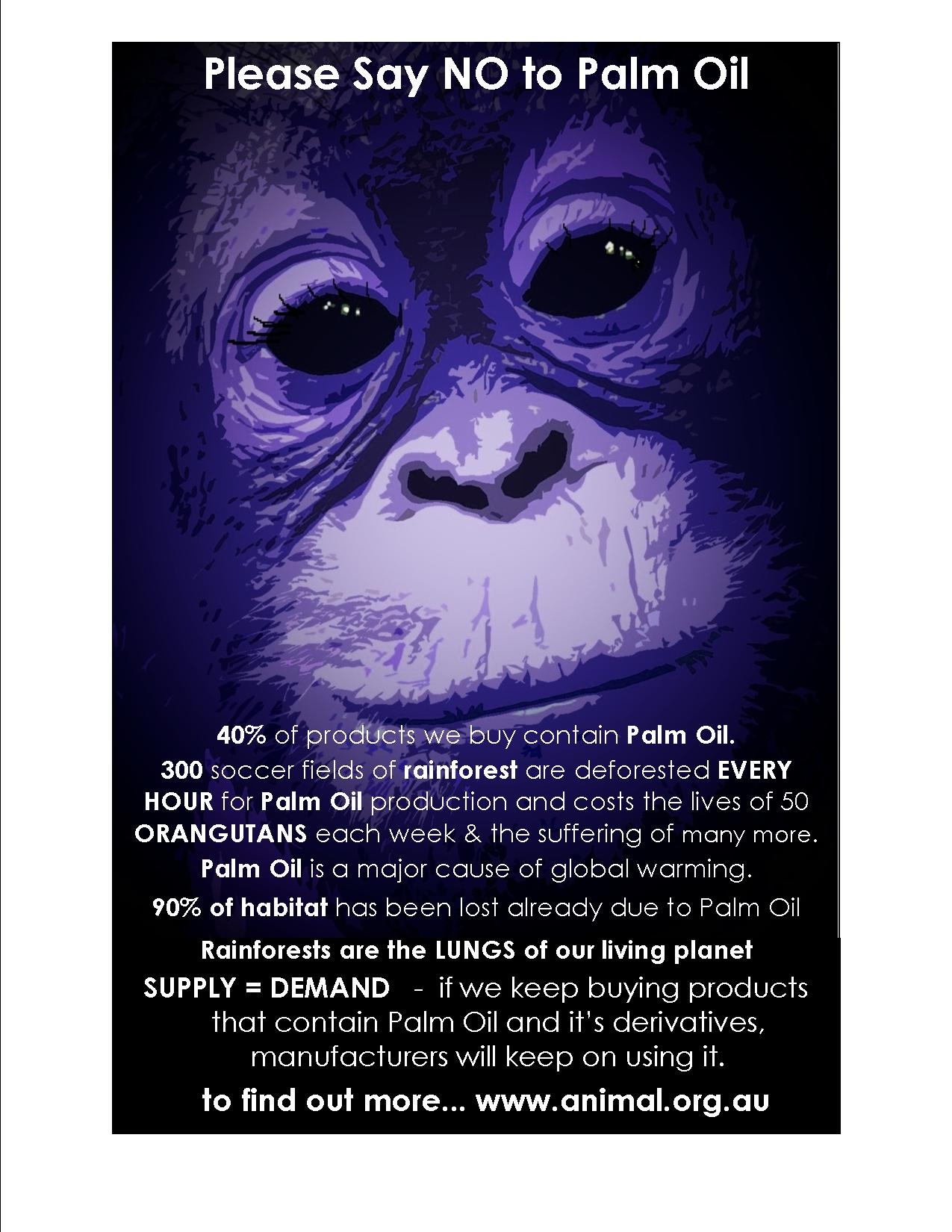
The cause is an innocently named product called palm oil. It’s a constituent part of almost everything that we use and consume – biscuits, margarine, ice cream, soap, shampoo. The list is endless.

And the blame lies firmly with the greed of the large corporations in the East that produce it as a cash crop to fuel the insatiable consumerism of the Westernworld. 

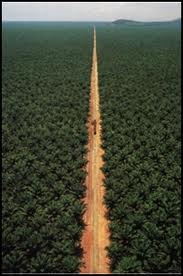
The thirst for palm oil is apparently unquenchable and its cultivation is ripping out the last great rainforests.

Although forest destruction and its lethal impact on endangered species are plain tosee, palm oil is practically an invisible ingredient, listed under the generic term ‘vegetable oil’.

April, Duta Palma, Sinar Mas and Sime Darby may not be household names, but these are just some of  the companies producing palm oil in Indonesia and selling it on to the  market for about £500 per ton.

L’Occitane, Ferrero, Cadbury, Ginster’s pasties, Clover margarine, Pringles, Kellogg’s, Haribo, Nestlé and Mars are just a few of the more familiar names of those that use palm oil.

All the major supermarkets use palm oil in their own-brand products. Some are better than others in getting palm oil from responsible sources, but the point is that it is everywhere and in everything. It is a silent assassin. Not until 2014 will there be a legal requirement for manufacturers to label palm oil on their products.

And, to make matters worse, the only certification body to monitor the production of so-called ‘sustainable’ palm oil is immensely flawed. Consumer industries are hiding behind a fallacy.

The verdant rainforest of Aceh in North Sumatra is one of the largest left in South-East Asia. It is the only place in the world where elephants, tigers, orang-utans and rhinos all still live together – a real life Jungle Book.

But, right now, the Aceh government is close to adopting a plan that would see hundreds of thousands of hectares of this forest opened up for the cultivation of palm oil. This ironically titled ‘Spatial Plan’ is nothing more than a deforestation plan – an extinction plan, seeking to legitimise the illegal felling that is already happening.

Environmentalists agree that we need to protect about 65 per cent of Aceh’s forest if we are to save its biodiversity. The government plan would allow for only 45 per cent to be protected – that’s a difference of way over a million hectares, or more than a million football pitches. The result would be a death blow for wildlife.

Ecosystems are cleared for oil palm plantations in Aceh Tamiang. This area is where the habitat was for Sumatran elephants, tigers and orangutans.

Not only will these iconic species be pushed to extinction, the local communities that rely on this forest will be even more exposed to natural disasters. Devastating landslides have already washed away buildings, including entire schools.

They will become unrelenting and vast areas of land will flood.

Wildlife will be forced into ever greater conflict with people, and elephants like Raja won’t stand a chance.

Sadly for him, it is too late. He died alone, still chained to that tree, though Elephant Family worked tirelessly for a week to negotiate his release.

Already we’ve discovered that another calf, this one just a month old, has been captured and held to ransom by local farmers. Everyone is working around the clock to make sure that this little calf survives. I am doubtful.

But in the grander scheme of things there is hope. If there wasn’t hope, I would have packed up my bags a long time ago.

If we can protect these forests and stop the new plan in Aceh from going ahead, then we’re taking a giant step in the right direction.

Hundreds of supporters have already written to the Aceh government  urging them to stop destroying their forests. But we need help. We need everyone to write.

Increased knowledge of palm oil and compulsory labelling will finally allow shoppers to make informed choices about what they buy. We need to push food manufacturers and retailers to support a transformation of the industry towards genuine sustainable palm oil, and we need to do it quickly.

I know for a fact that there is a truly powerful will to save these forests and these animals.

On July 9 in London, Elephant Family are holding a magnificent masked Animal Ball to raise urgently needed funds that will help us continue our work in Sumatra and across Asia. More than 600 guests are attending in support.

I know I should be excited about the ball. In many ways I am, because of the great opportunity it presents for conservation, but on the night I know that I will not be able to get Raja and others like him out of my mind.

The Asian elephant barely ever makes the headlines but this is one of the greatest wildlife stories of our time. We are close to losing one of the most enigmatic, iconic and ecologically vital species on the planet. The clock is ticking.

Please help us save Sumatra’s  elephants by contributing to the Raja Fund at

http://www.elephantfamily.org/ 

Elephant Family is a registered charity in England (no 1091671).

17-18 Hayward’s Place, London EC1R 0EQ. T: +44 (0)20 7251 5099  E: info@elephantfamily.org

http://www.elephantfamily.org/what-we-do/

Donationshttp://www.elephantfamily.org/donate

PETITION

The magnificent Asian elephant is of environmental, cultural and spiritual importance. But tragically, this iconic animal is on the brink of extinction due to massive habitat loss. It is simply running out of space and time.

Please sign our petition to make your voice heard by those who can act now before it is too late.

Petition:  http://www.elephantfamily.org/sign-our-petition

Indonesia: Robbed of Its Forest Home by Palm Oil Producers, A Mob Has Now Taken the Baby Elephant Captive and Held It To Ransom. The Real Side of Palm Oil Production.

Indonesia

raja

The terrible fate of Raja the baby elephant.

The terrible fate of Raja the baby elephant, chained and held hostage by an angry mob: An image that will haunt you and a story that will enrage you

The terrible fate of Raja the baby elephant, chained and held hostage by an angry mob:

An image that will haunt you and a story that will enrage you.

In this shocking expose the Duchess of Cornwall’s brother reveals how baby elephant Raja was shockingly mistreated as he was kept captive in Sumatra.

Following the deforestation of the land to produce palm oil, elephants have been forced to live with humans, destroying farms, flattening houses and sometimes killing people.

Villagers took Raja, and demanded compensation after his family ruined crops in the area.

The Real Side of Palm Oil Production

http://en.wikipedia.org/wiki/Palm_oil

palm oil greenpeace uk

palm oil 2

palm oil 3palm oil 4


Serbia: Introducing ‘Jessica Shelter / Help Animals’.

Serbian  Flag

jessica help animals

Introducing ‘Jessica Shelter / Help Animals’ – Serbia.


Please give them your support.

Web site link – http://www.helpanimals.org.rs/index.php/en/

We are the citizens Association whose main activity is the protection of all animal species, in all circumstances, in which people are abusing, torturing, hurting and killing them. We are promoting the idea that animals are passive legal subjects and for that they have equal right to their only life, as well as any other living being of the species Homo sapiens, within there are active and passive legal subjects.

Our final goal is a society without hunting (eco-terrorism), animal testing, ritual and religious slaughtering, breeding of fur animals, intense and extensive cattle breeding, without everything that is harmful to people and animals, that is, to planet Earth. We are also promoting the idea of anti-speciesism because the beginning of the third millennium is a time when, in general, human consciousness is evolved enough to know the harmfulness of speciesism that is nourished with the egocentrism of the living being of its own kind.

The Association is founded in 1992.

From 1992 to 2000 the Association was only focused on the protection of dogs. Since 2000, when Zlata Korjenić was elected аs president, their activity included cats.

From 2000 to January 15th 2013 the main activity of the Association was the maintenance of the shelters for dogs and cats, that were part of the Association.

Read more at:

http://www.helpanimals.org.rs/index.php/en/about-us

Other Links:

Cats for adoption – http://www.helpanimals.org.rs/index.php/en/shelter-jessica/they-are-looking-for-home

Virtually adopted cats – http://www.helpanimals.org.rs/index.php/en/shelter-jessica/virtually-adopted

Adopted cats in their new homes – http://www.helpanimals.org.rs/index.php/en/shelter-jessica/adopted-cats

Shelter “Jessica”

Link – http://www.helpanimals.org.rs/index.php/en/shelter-jessica

jessica

‘Jessica’

‘Jessica’ (shown above), a favourite of Mrs. Zlata Korjenić, died on May 26th 2007. In her memory the cat shelter was named “Jessica”. When she was a kitten, kids named her after sexy character Jessica Rabbit from the famous cartoon “Who framed Roger Rabbit”.

Cats are extremely endangered animals in Serbia. There is not a single registered cat shelter, there are no programs aimed to solve the problem of ’pyramid multiplication’ of cats, there is no willingness by the official institutions to take part in solving of these problems. Citizens are not being educated regarding this issues, and their present knowledge is very poor. Cats are being cruelly killed by stray dogs, they are constantly being poisoned by people who put, upon their own initiative, all kinds of harmful chemicals in cellars of residential blocks, new born kittens are being drowned in water or put into plastic bags and thrown into garbage containers. Furthermore, there are numerous prejudices about cats among local people which makes their hard living even more tragic.

If you want to help cats from our shelter, we will be very grateful. Please read How to help.

Contact  / Help

Contact Help Animals / Jessica Shelter using the following link –

http://www.helpanimals.org.rs/index.php/en/contact

How to help

Dear friends,

if you support the idea of animal shelters, as a human way to solve the problem of abandoned cats , and if you care for animals, do not hesitate to help them.
They are living next to you, right now, and they need help!

In well organized countries, animal shelters like our i.e. the shelters where cats stay for the rest of their lives and die of natural causes, are sponsored by citizens and companies. Tradition and habit of giving is the only thing which makes them possible.

Cats from the shelters are counting on you.

Link – http://www.helpanimals.org.rs/index.php/en/how-to-help

Please do what you can to support this shelter with a virtual adoption, supplying goods from the wish list or by giving a donation.

Thank you – SAV.