Posted on February 5, 2018 by Serbian Animals Voice (SAV)
UPDATE 6/2/18
Mark, I wanted to update you on the unfolding situation for animals in Brazil. A few hours ago the injunction halting live export from Brazil was lifted.
This didn’t surprise us, considering the exporters have powerful political allies and were always going to fight tooth and nail to keep their trade.
But with the historic Federal Court case examining the ‘merits’ of Brazil’s live export trade still pending, our fight to spare animals from the misery of live export is far from over.
I’ve been humbled by the overwhelming response to ourrequest for assistance over the past 24 hours. As a direct result, I have been able to send our investigators into the field, tasked with gathering the evidence needed to give this case the best possible chance of success.
Knowing what was at stake, I’m proud to say that they didn’t hesitate to head off on what will inevitably, once again, be a difficult and distressing mission.
The injunction may have been lifted, but exporters in Brazil are far from sitting comfortably. The Federal Court’s damning assessment of their industry stands and they know the global spotlight is now firmly on their industry.
Their days of abusing animals in secret and without any scrutiny are long gone. A Federal Court Judge saw through their excuses, others will too.
Much work lies ahead — I wouldn’t suggest otherwise to you. As you know, righting the wrongs inflicted on animals is always a lengthy battle that requires enormous commitment, effort and resilience. But, fuelled by the efforts of our investigators, we now have some wonderful allies. We are working side by side with some of Brazil’s finest advocates and lawyers to bring a permanent end to this terrible trade.
People everywhere are mobilising on behalf of animals. Thank you so much, Mark, for being one of them. And thank you for your unwavering support and faith in our work.
I know you’d want to be among the first to hear this incredible news. Brazil is one of the world’s biggest live exporters, and this decision could save thousands of animals from the pain and terror of having their eyes stabbed and tendons slashed.
But Mark, this ban could lift at any time…
Crucial to Brazil’s decision was Animals Australia’s evidence — gathered during risky investigations into the horrific fate of animals in this trade. As the industry increases the pressure on Brazil to reverse this decision, we urgently need to keep our investigators in the field to gather the evidence needed to secure a permanent ban on this trade.
Last year in Egypt we documented the harrowing final moments of a bruised, bloodied and frightened bull sent there from Brazil. Now, those responsible for his suffering have been finally called to account.
The Federal Court in Brazil has just used evidence of his abuse to suspend live animal exports from the country — determining that live export does not reflect Brazil’s animal protection laws or its societal values, nor does it satisfy international standards to which Brazil is a signatory.
Never has the importance of our investigator’s efforts, fuelled by your support, been more apparent.
Exporters will be actively seeking to have this decision overturned, which is why now, with public attention on this issue in Brazil, we must return to the field to show the extent of the suffering that this global industry is responsible for.
The evidence on which the judge based his determination was gathered by our investigators in the most grueling and distressing of circumstances. It formed the basis of the Federal Court petition submitted by our local colleagues, Brazilian animal advocacy group, Forum Animal.
The subsequent court ruling is unprecedented. It demonstrates that when the live export trade is viewed through independent eyes — through a lens devoid of politics and self-interest — the unnecessary suffering is obvious.
The battle is now on, between those seeing live export as responsible for animal welfare atrocities and those wanting to continue profiting from them.
That’s why we must send our investigators back into the field. We’ve been here before. We know the excuses the industry will make, the false picture they will paint. Further evidence is what they will fear most.
Mark, 12 months ago, live export was a little-known issue in Brazil, yet hundreds of thousands of animals were being subjected to this global trade in misery every year.
They were being shipped on the very same vessels that have delivered Australian and European animals to unspeakable suffering, abandoned in countries where horrors like tendon slashing and fully conscious slaughter are the norm.
It is your support Mark that set this chain of events in motion. And it is your support today that will give animals the best chance of being spared from this brutal industry, for good.
I have so often told you of the silent promise our investigators make animals in their darkest hours — that their suffering will not be in vain. That we will channel our grief and outrage at the injustice done to them into sparing further animals from extreme abuse.
We made this promise to the frightened bull from Brazil who we found bleeding from his eyes and legs in Egypt. We were with him during his final, heart-wrenching moments and we have spent every moment since telling his story.
To the live export industry he was just a number. But to a Federal Court Judge in Brazil he was a reason to end live export.
Now we must give Brazil’s judiciary the reasons to uphold this ban, for good.
For the animals, Lyn White AM
Investigations Director
.. and momentum for a live export ban in the UK is building all the time.
Dear Mark,
I’m delighted to report encouraging news in the fight to end UK live exports.
Theresa Villiers, MP, announced last week that Defra Secretary of State, Michael Gove, told her the government is “looking very seriously at a ban” on exporting live animals for slaughter.
On behalf of each animal who endures this cruel trade: a huge thank you to everyone who has signed and shared!
The petition is due to be debated in Parliament in just 21 days. Please, if you haven’t done so already, add your voice today.
And there’s more! Last week, over 50 MPs, policy makers and celebrities attended a parliamentary event to discuss live exports. Theresa Villiers also spoke at this event and summed up the sentiment of the whole room: “Inflicting this needless suffering on animals is not acceptable and it must be stopped”.
Momentum is building and, together, we will end live exports from the UK!
Half of UK adults adopting ‘vegan-buying behaviour’ as number of full-time vegans grows four-fold in 10 years
Britain’s supermarkets are reporting a surge in sales of vegan food, which they expect to continue throughout the year, despite the end of Veganuary.
According to the Vegan Society, more than half of UK adults are now adopting “vegan buying behaviour”, while the number of full-time vegans in the UK has grown fourfold in the past 10 years.
Waitrose reported strong sales in January, singling out the popularity of meat-free haggis for traditional Burns Night. Sales of vegan-friendly haggis jumped 36%, while a gluten-free variety enjoyed a 151% uplift compared with last year.
Buyer Chloe Graves said: “Shoppers had a big appetite for Veganuary, with sales of some of our vegan ready-meals twice that of vegetarian dishes.
“We will be expanding our range of vegan products this year. We recently introduced a vegan course at our Kings Cross cookery school, which sold out.”
The UK’s largest retailer, Tesco, hired the American chef and self-proclaimed “plant pusher” Derek Sarno – the former executive chef for Whole Foods Market – as its “director of plant-based innovation” to spearhead its new Wicked Kitchen range (launched earlier this month) which includes 20 vegan-friendly ready meals, wraps, sandwiches and salads.
“We’ve only just begun and over this next year, we’ll be developing foods and expanding the menu offering” Sarno said. “We’ll be keeping seasonal ingredients in mind and listening to customers’ wants and need.”
Read more
Whole Foods Market, which claims to be the UK’s largest retailer of vegan food, says that after its exclusive launch in September last year, the new Vegan Baileys Irish Cream (called Baileys Almande and made with almond milk) sold out in UK stores in less than two months.
Similarly, Marks & Spencer’s version – a dairy-free Coconut and Chocolate Cream, was one of its most popular Christmas drinks ever. Launched last November, it sold out in less than four weeks and will return to the shelves this September.
The Co-op – acknowledged for its clear labelling of vegan-friendly wines – said that despite dry January, sales of vegan wines outperformed the overall category with growth of more than 3% year on year.
Online shoppers flocked to Ocado, according to buying manager Jacques Thudichum, who said: “The vegan trend really made its mark in January. This is in part due to the fact that we added more than 90 new products to our dedicated vegan webshop in January, including dairy-free egg replacer and nutritional yeast.”
Restaurant menus are also getting a vegan makeover. One of London’s longest-established Michelin-starred restaurants, Pied à Terre, has had a strong vegetarian offering for more than 20 years but recently launched a seven-course vegan tasting menu which it says is as popular with carnivorous customers as vegetarians and strict vegans. Founder David Moore said: “I firmly believe that plant-based eating is not a trend, it’s a real thing and we are only seeing the very thin edge of what will be a game-changing wedge.”
The Aubaine chain is bolstering its vegan offering after serving a Veganuary menu for the first time this year, and where Instagram-friendly colourful dishes such as beetroot and apple tartare sparked huge interest on social media. Spokeswoman Lucy Hancock said: “We received such positive feedback in our restaurants and online that we are extending the vegan set menu until the end of February. Following this, our plant-based dishes will be on our new spring a la carte menu, and will then be a permanent feature.”
The Pizza Express and Pizza Hut chains both offer pizzas using vegan-friendly cheese, but Goodfella’s is boasting of the UK’s first frozen vegan pizza. Its stonebaked pizza with falafel, red peppers and spinach will be stocked in supermarket freezers from March.
Posted on February 3, 2018 by Serbian Animals Voice (SAV)
High-Speed Slaughter is Hell for Pigs
– You Can Help Stop the Cruelty
The United States Department of Agriculture (USDA) has proposed a scary new slaughter method for pigs that ramps up kill speed while slashing regulation.
This high speed, reduced-inspection program, known as HIMP, shifts key inspection responsibilities to the slaughterhouses themselves, allowing animal abuse and food safety problems to go unmonitored.
Under HIMP, 1,300 pigs are slaughtered each hour — about one every five seconds.
During the pilot program, Compassion Over Killing investigator Scott David worked undercover at Quality Pork Processing, an exclusive Hormel supplier, in Austin, Minnesota. What he encountered there was a shocking disregard for animal welfare and federal law.
This video features David recounting his experience, as well as horrific footage from inside the slaughterhouse:
TAKE ACTION
The USDA’s terrible proposal is now open to public comment.
Use your voice to stop the high-speed torture of pigs.
See the sample text below, and click here to leave your comment.
Sample Comment
I strongly oppose the Modernization of Swine Slaughter Inspection rule, which endangers animals, consumers, and American workers. Under this dangerous rule, the New Swine Slaughter Inspection System (NSIS) would give slaughter plants free reign to kill at irresponsibly high speeds with severely inadequate oversight. An investigation by Compassion Over Killing of a pilot high-speed slaughter program exposed pigs dragged, kicked, excessively shocked, and improperly stunned by workers who struggled just to keep up — risking their own safety in the process. I urge you to abandon this cruel and reckless proposal, for the good of pigs and humans.
Behind the scenes at the sanctuary ending bear bile
farming in Vietnam
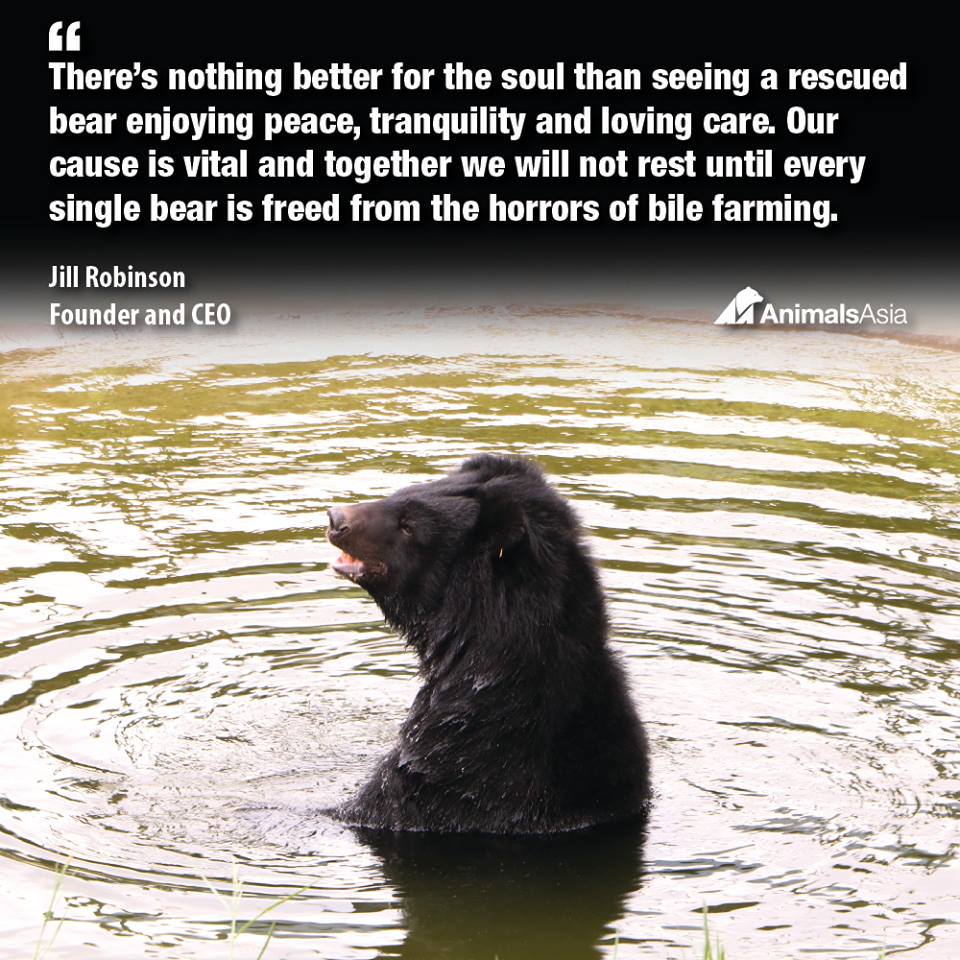
From educating the public to empowering law enforcement, Animals Asia and their Vietnam Bear Rescue Centre are on course to end bile farming in Vietnam.
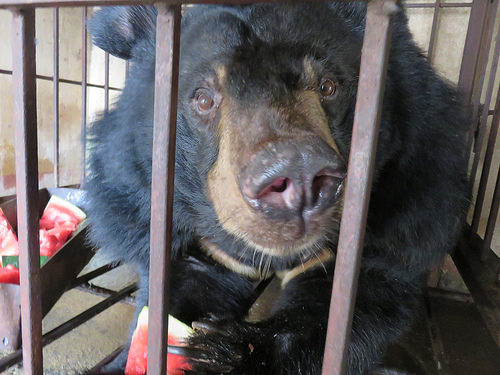
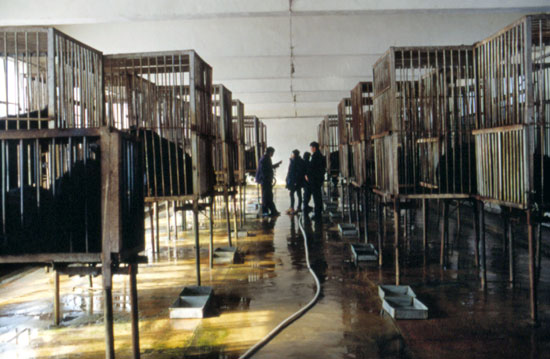
Today it is responsible for the poaching of bears from the wild, the trafficking of their body parts on the black market and their unimaginable suffering inside tiny, metal cages on bile farms.
Even so, the battle to end such horrific cruelty is being won. Here’s why:
EDUCATION
Educating the next generation about the horrors of bear bile farming is critical to ending the industry once and for all.
Every year, hundreds of school children and university students visit Animals Asia’s bear sanctuary in Tam Dao National Park to meet bears who have been rescued from a lifetime of misery and exploitation.
These young people are Vietnam’s future and by teaching respect and compassion for all animals, we can ensure these children will grow up demanding an end to animal cruelty.
TACKLING DEMAND
To end the bear bile industry, it is essential to address demand for bear bile.
In 2015 there was a significant breakthrough when Animals Asia signed a Memorandum of Understanding with the Vietnamese Traditional Medicine Association to end prescriptions of bear bile by 2020.
Our partners for at least a decade, the Association has also co-authored a book of herbal alternatives to bear bile.
Animals Asia has also been working alongside traditional medicine doctors in Vietnam’s Ha Giang, Tay Ninh, and Vinh Phuc provinces, to cultivate thousands of herbal plants. More than 30 types of herbs that can be used in place of bear bile are now growing in these gardens – the seeds of a new beginning for Vietnam.
EMPTYING THE CAGES
Since 2007, Animals Asia has rescued 186 bears in Vietnam – mostly from bear bile farms. This has been achieved by working closely with the authorities and in some cases, farmers who have turned their backs on the trade.
Starved, abused and often suffering from a range of ailments, the bears are given a chance to put their pain behind them at our sanctuary where a dedicated team of vets and bear managers are on hand to provide the best possible care for the rest of the bears’ lives.
Not only do the bears receive medical treatment for broken teeth, high blood pressure, cracked paws and other health problems, they undergo a comprehensive rehabilitation programme that takes into account all their health, social and cognitive needs.
A cornerstone of their rehabilitation is being given access to a grassy enclosure, often the biggest space they have ever known, where they can forage for food among trees, pools and wooden climbing frames, and interact with new playmates – everything denied to them in captivity.
EMPOWERING LAW ENFORCEMENT
For a long time authorities turned a blind eye to trafficking and bile farming as they simply had nowhere to put confiscated bears.
With support from Animals Asia, the Vietnamese authorities are able to do their job and protect their county’s precious wildlife from poachers – safe in the knowledge rescued animals will have a home for life.
One of the many bears to benefit from the authorities’ enhanced capacity to act is Murphy.
In 2015, the bear cub was taken to VBRC after he was discovered by Forest Protection Department rangers in the mountainous northwestern province of Son La, which borders both Laos and China. He had been trafficked in a backpack.
Despite attempting to escape, Murphy’s trafficker was tracked down by rangers and while under arrest, he admitted killing Murphy’s mother in order to traffic the cub, paving the way for criminal charges to be brought against him.
Writing the roadmap to end bile farming cruelty
In a historic agreement signed with the Vietnamese government in 2017, Animals Asia committed to ending Vietnam’s bear bile industry forever by rescuing all bears remaining on bile farms within five years.
The MOU also set out a commitment to improve the welfare of captive bears in Vietnam and conserve the country’s wild bear populations. In effect, it offers the possibility of creating a national standard for keeping wildlife in captivity.
Without the extraordinary example set by Animals Asia, this would not have been possible.
Posted on January 31, 2018 by Serbian Animals Voice (SAV)
Mark has just completed giving responses to a UK government consultation on the first draft of a new Animal Welfare Act. This is a unique opportunity to speak out and be a voice for the voiceless for all animals and support stronger legal protections for them in the UK.
So, an opportunity that cannot be missed.
Included in his response; Mark had called for, and justified the need for:
·More definition in the term ‘Sentience’ when applied to all animals and their situations
·Often, in places such as factory farms, animals do not ‘live’; they merely ‘survive’
·The term ‘Animal’ needs much more definition; lab rats, broiler chickens, circus tigers are all ‘animals’ but their protection requirements vary greatly – hence you cannot define everything as an ‘animal’ only – more specific definition is required
·The ‘welfare needs of animals’ should be defined explicitly in written legislation
·UK sheep exported live in Summer in temperatures above documented maximums given as example
·There is no ‘welfare’ for animals that travel constantly with the circus
·Maximum sentences for animal cruelty. Definitely not strict enough. The legal profession to have much more specific legislation as part of statute; which defines the protections which are to be given to any specific animal species which is in any specific environment. In the UK, many judges have recently spoken out that the are only allowed to impose certain maximum sentences for animal abuse; when they would individually (and legally) be allowed to give much harsher sentences.
·For example, if slaughterhouse workers are shown to abuse animals with UK slaughterhouse cctv legislation; then the worker to be dismissed from his job in the industry for life.
·Much heavier financial fines to be given for animal abuse
·A call for the ‘law enforcers’ to actually enforce the law at places such as hunt meets; where legislation is often overlooked
·Examples of the failings of EU legislation; especially that which is supposed to ‘protect’ animals in transport (EU Regulation 1/2005) has been cited as a typical case of ‘paper’ legislation which is actually hardly ever enforced by the authorities. You have seen our many battles with the EU authorities on live (EU) animals being exported to Turkey, for example.
Submission for the consultation finishes on 31/1/18; and so very soon now the government will start undertaking a full review of submissions. We are currently unsure when the first new draft ‘Animal Welfare Act’ will be produced; as we appreciate there is a lot of submissions and opinions (from many different viewpoints) to be considered.
We know that this new Act will become UK legislation in the not too distant future. And knowing the feel of the British and animal welfare, we hope that many of our viewpoints will be included in the new Act.
We are not legal specialists by any means; but there are a couple of near future very important issues to consider:
·The UK will be leaving the EU within the next few years – Brexit negotiations with the EU are well under way
·When it leaves the EU, the UK will be free to establish worldwide trade agreements.
And so, if a new up to date ‘Animal Welfare Act’ is part of UK law / legislation; this will form part of a good negotiating basis for future deals around the world. It is hoped that UK standards can be used in agreements set up with, for example, China; and that Chinese animals welfare will greatly improve as a result. This is just one example and one hope.
The same can be said for trade deals with (current) EU member nations. The UK will be establishing new trade deals with current EU partner states; and as such, UK animal welfare standards will be used as a ‘tool’ during future negotiations.
Who knows, this new Acorn of the Animal Welfare Act could grow into a big tree which then spreads its animal welfare branches (through new trade deals) into nations who currently do not put animal welfare much onto their list of priorities. If they want a good deal with the UK, then hopefully they will have to change that will be the view from the UK.
Existing UK animal welfare legislation – there is already lots – check it out:
Remember that under Brexit negotiations; all existing EU animal law will become new UK (independent) law post Brexit.
The United Kingdom was the first country in the world to implement laws protecting animals. In 1822 an Act to Prevent the Cruel and Improper Treatment of Cattle was passed by Parliament. The UK government has publicly stated that animals are sentient beings, not merely commodities, and has confirmed its commitment to the highest possible standards of animal welfare.
The first general animal protection law, called the Protection of Animals Act, was introduced in 1911 and updated several times since.
Posted on January 30, 2018 by Serbian Animals Voice (SAV)
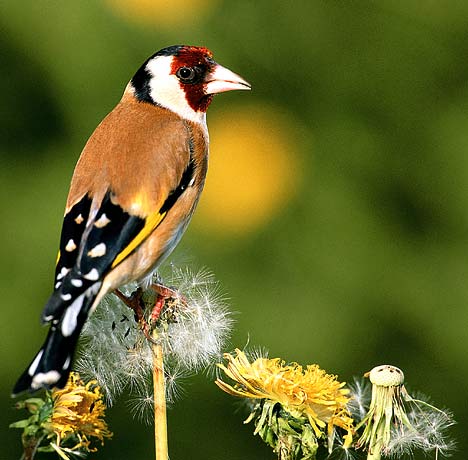
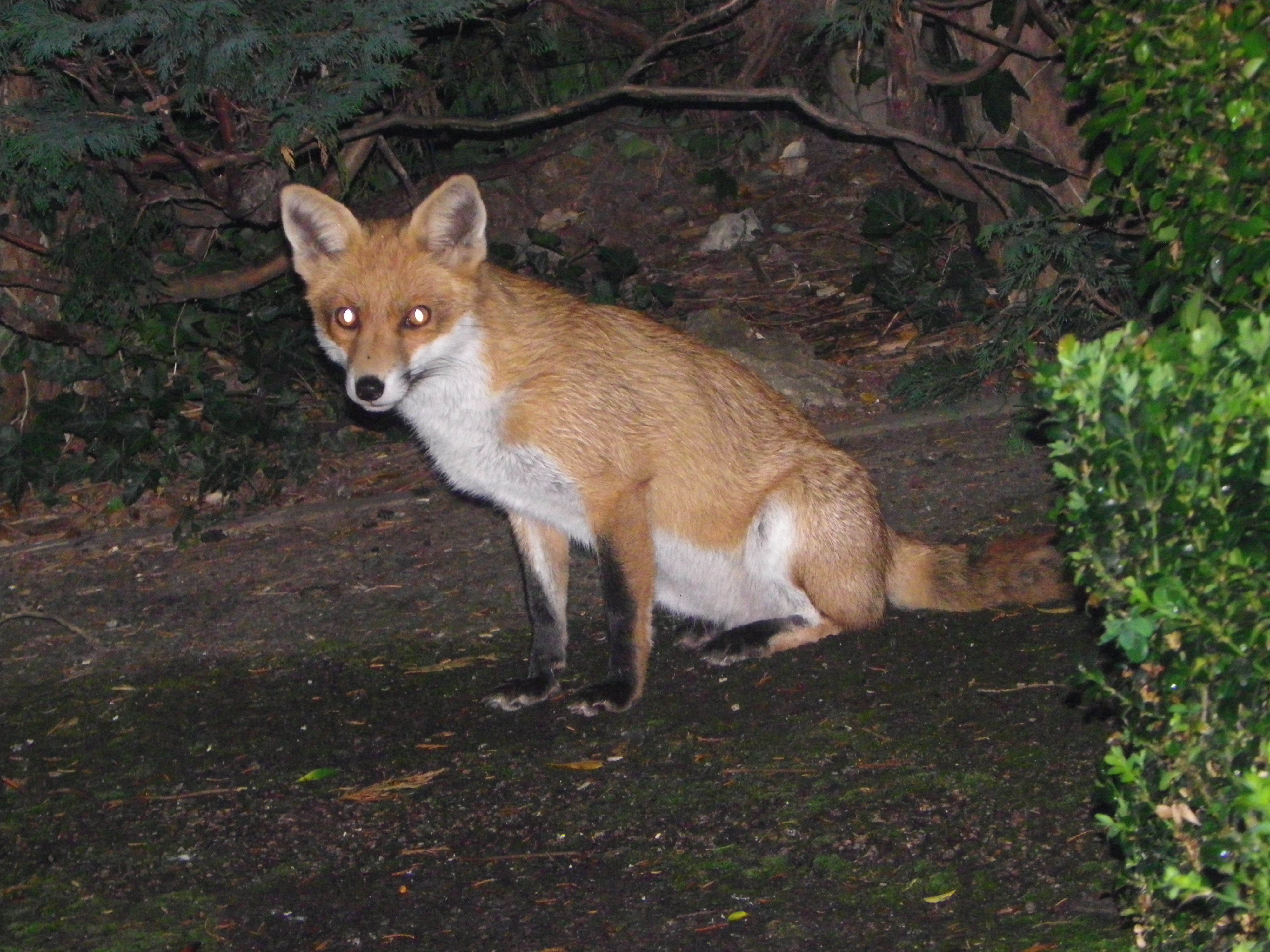
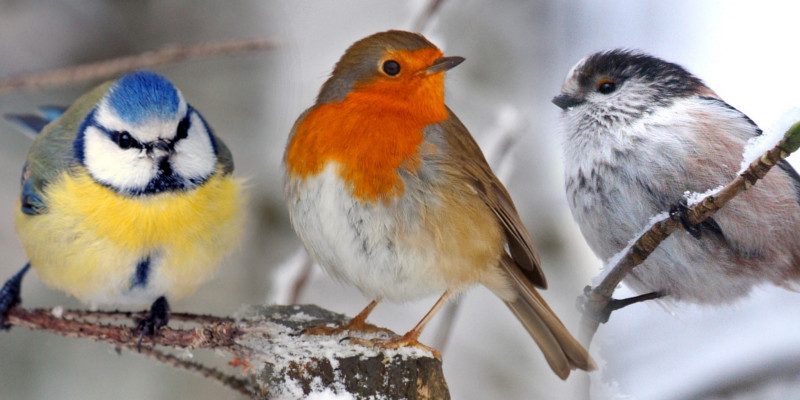
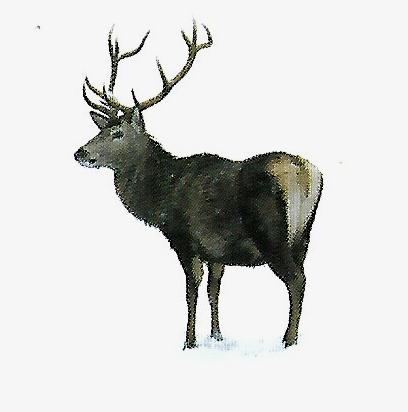
The BBC has, quite rightly, an international reputation for producing excellent wildlife programs. Being English (and not Serbian as the site name suggests) – we can experience a lot of these throughout the year. Every night at the moment we can view ‘Winterwatch’ – which gives an insight into British wildlife in the Winter months. We want to share some of this with you. Foxes, Badgers, Owls, Deer, Birds, etc, etc.



















 Serbian Animals Voice (SAV)