Posted on May 4, 2021 by Serbian Animals Voice (SAV)
UAE scientists inject immune camels with Covid-19 in search of clues to beat the pandemic
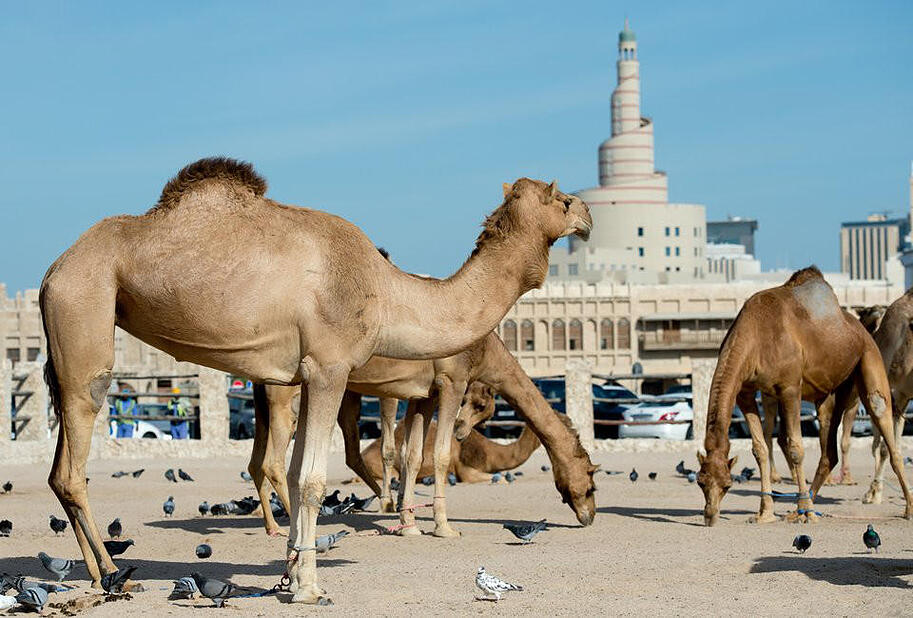
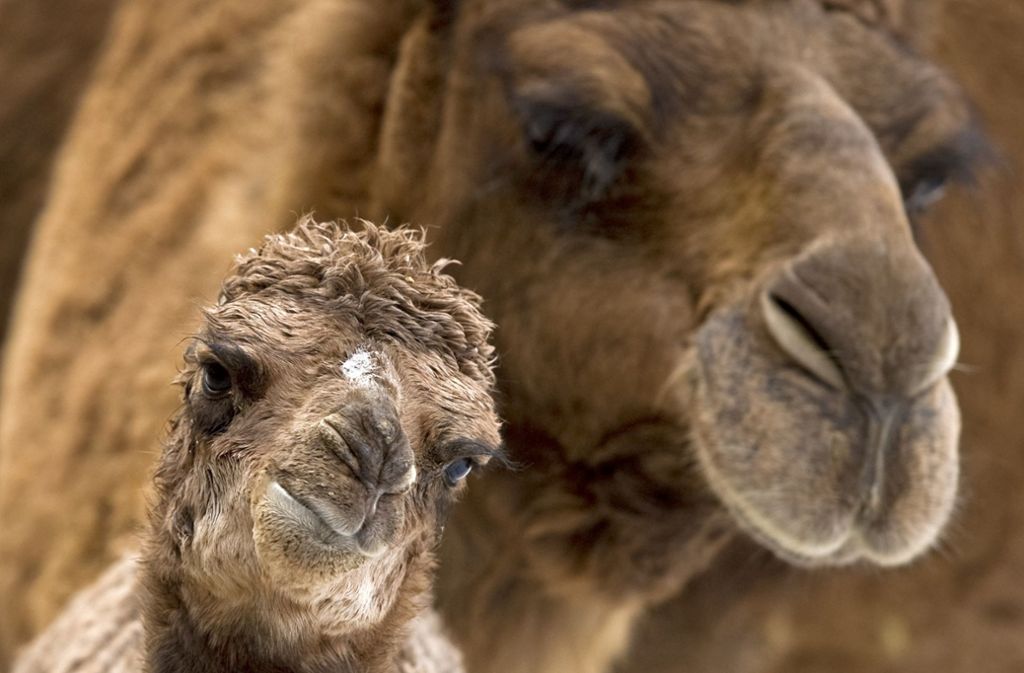
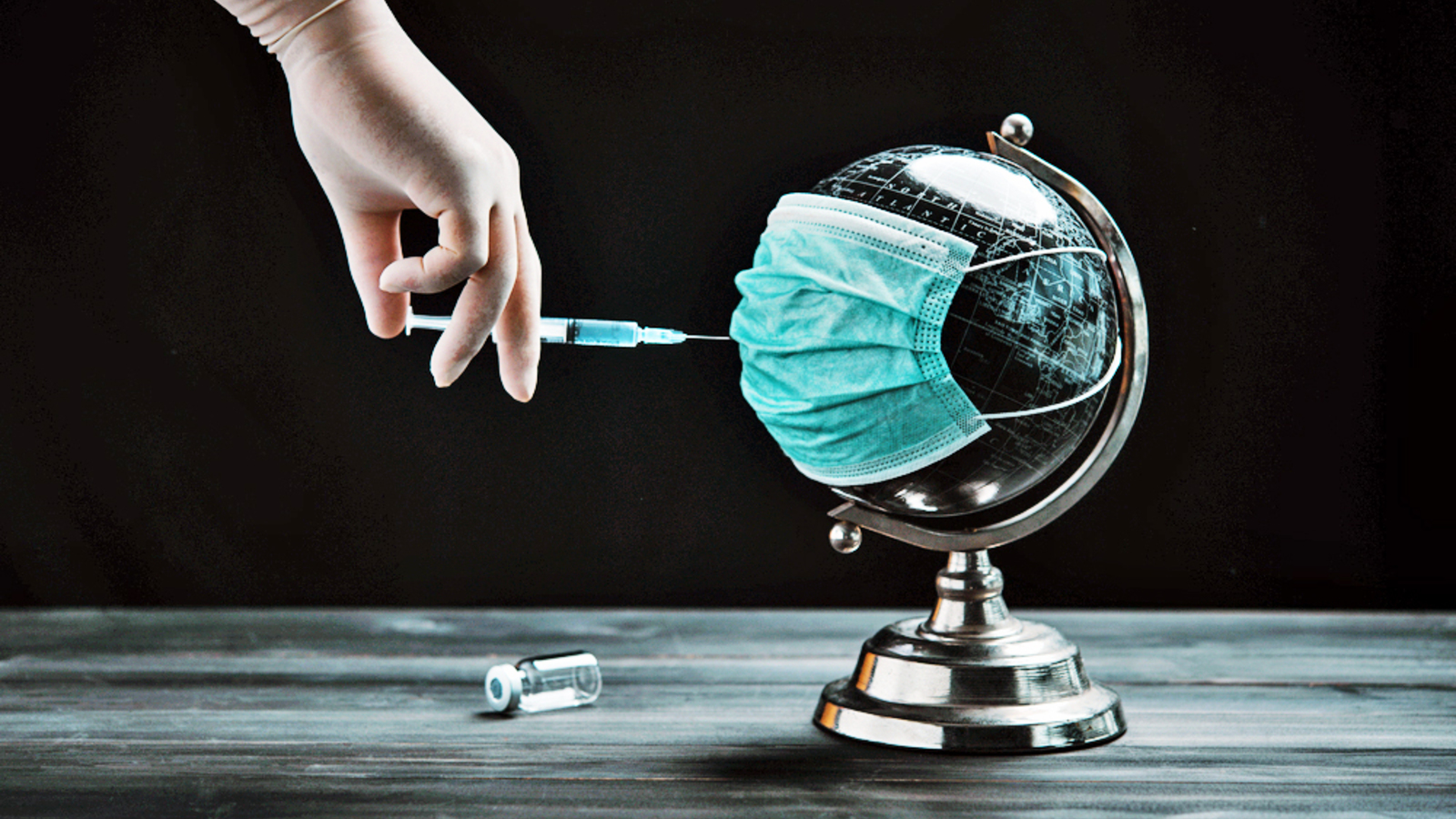
A group of scientists from the United Arab Emirateshave injected camels with dead samples of Covid-19, hoping that the antibodies produced by the animals – which are immune to the virus – can someday be used to cure humans.
The Arabs have relied on camels for millennia and continue to do so in the 21st century, this time recruiting the desert animals in the battle against the coronavirus.
The head of the UAE’s Central Veterinary Research Laboratory, Dr. Ulrich Wernery, and his team have chosen dromedaries or one-humped camels for their experiments because they’re known to be immune to Covid-19 and its predecessor, Middle East Respiratory Syndrome (MERS).
Unlike humans and some other animals, they simply lack a virus receptor, which the disease uses as a gateway into cells.
“MERS-CoV, [camels] can harbor but they don’t get sick. With Covid-19, the virus cannot attach to the camels’ mucosa cells of the respiratory tract as the receptor is absent or dull,” Wernery told Al Arabiya.
“This makes it all very interesting. Besides humans, minks and cats – small and big, such as such tigers and lions – can get Covid-19 and can transmit the virus to other cats and to humans and vice versa. But not camels.”
The scientist explained that camels had been injected with the dead coronavirus so that they could produce antibodies to it. The blood samples from those animals will then facilitate “better tests for the diagnosis for Covid-19,” he said.
“We hope that maybe one day we can use the blood – the antibodies – from camels to treat humans against Covid-19 infections,” Wernery stated.
Covid-19 has already infected over 153 million people and killed more than 3.2 million around the globe. And it turned out that animals weren’t immune to the disease. During the pandemic, reports emerged of cats, dogs, monkeys, tigers, lions and others getting sick and even dying of the virus.
Last year, Denmark had to cull its whole population of mink due to a mutated coronavirus strain.
The scientist explained that camels had been injected with the dead coronavirus so that they could produce antibodies to it.
The blood samples from those animals will then facilitate “better tests for the diagnosis for Covid-19,” he said.
“We hope that maybe one day we can use the blood – the antibodies – from camels to treat humans against Covid-19 infections,” Wernery stated.
Covid-19 has already infected over 153 million people and killed more than 3.2 million around the globe.
And it turned out that animals weren’t immune to the disease. During the pandemic, reports emerged of cats, dogs, monkeys, tigers, lions and others getting sick and even dying of the virus.
Last year, Denmark had to cull its whole population of mink due to a mutated coronavirus strain.
The exact origins of the coronavirus are currently unknown, but one of the likely scenarios considered by the World Health Organization is that the virus was transmitted from bats to humans through another animal host.
And I have only a simple question… Where did they get that from?
How could a virus that has never been identified or isolated in a lab be injected into anything?
To this day no virus has been isolated, China admitted that.
This is pure garbage to further prop up the covid19 psychology operation.
So, if their current vaccines don’t work, they want to inject us with Camel blood next -Cruelty to animals is planned again
Does anyone else trust the medical profession and the pharmaceutical industry?
Posted on May 4, 2021 by Serbian Animals Voice (SAV)
Germany: The Lübeck start-up Bluu Biosciences is working on making fish from the laboratory ready for the market 👏
A sustainable alternative because natural stocks can be conserved in this way.
Overfishing threatens the seas – this warning from scientists and environmentalists around the world is not new. But one possible solution to this problem: fish farming without killing fish.
This is exactly what the Lübeck start-up Bluu Biosciences is committed to. The young company wants to use cell cultures to produce sustainable fish.
Bluu Biosciences is the first company in Europe to specialize in the development and manufacture of cell-based fish. “We isolate fish cells from a small biopsy. The fish we use doesn’t even have to die for this,” explains Sebastian Rakers, co-founder of the company.
“We take a small piece of muscle and can use it to isolate what are known as stem cells.”
For example, stem cells take over repairs in the organism and keep producing new cells. Bluu Biosciences stimulates the stem cells to grow in a bioreactor.
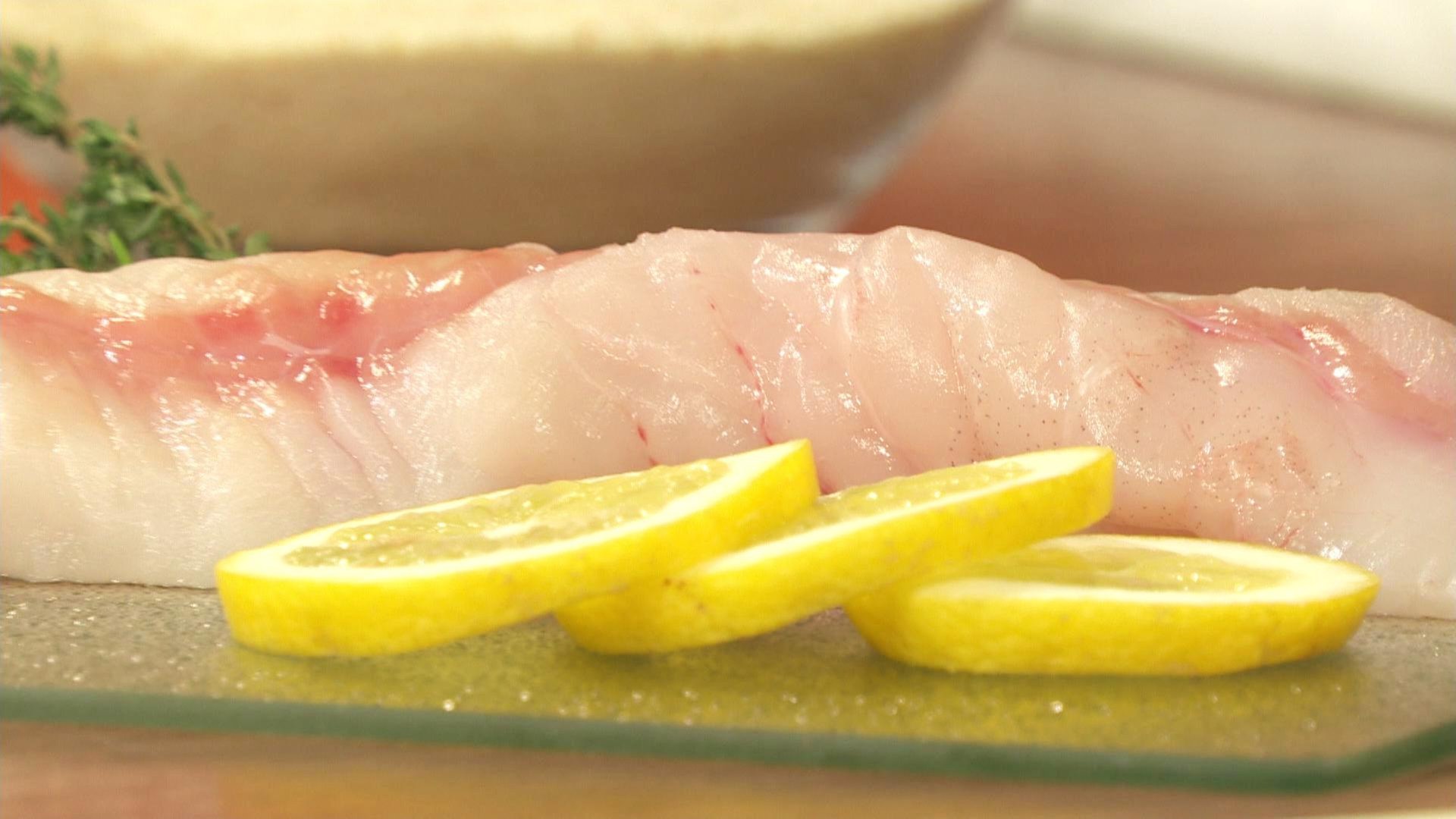
In a sense, this creates a piece of fish fillet. Experiments with the meat of salmon, trout or carp have already worked in Lübeck.
Food production should become more sustainable
Sebastian Rakers declared goal is to change today’s food production: “We want to bring in a lot more sustainability and produce in cycles. We see a clear advantage in our technology. We no longer have to kill animals to produce food, and we don’t have any direct environmental pollution more. “
The Lübeck researchers want to create a food prototype by the end of next year at the latest. The first fish fingers from the laboratory could hit the market in 2025.
Feeding the world population needs new strategies
Sebastian Rakers does not expect a taste difference to real fish. After all, the fish grown in the laboratory is still an animal product.
A product that is obtained without endangering animal welfare.
For Sebastian Rakers this is trend-setting: “We see this as an important alternative to fishing.
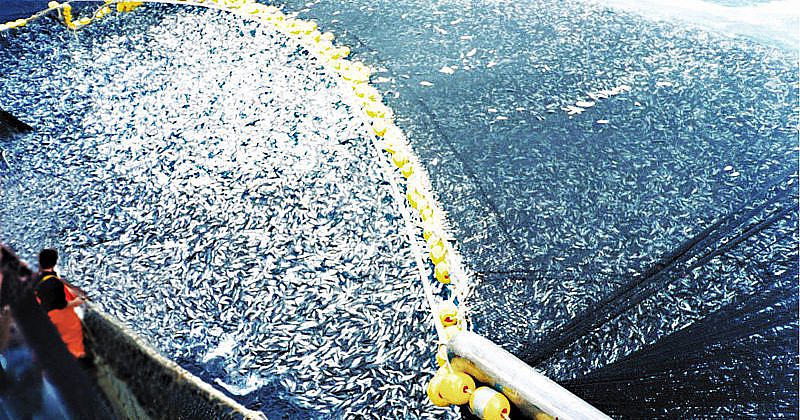
Nowadays, 60 percent of commercially used fish stocks are fished to the maximum.
A higher yield is not possible here – and 30 percent are already overfished. That means, with growing world population we think about how we want to feed these many people on earth in the future. “
Vegan nutrition is considered to be particularly climate-friendly
According to the Food and Agriculture Organization of the United Nations, the demand for fish is increasing worldwide. This also increases the problem of ocean overfishing. The Lübeck start-up led by Sebastian Rackers could help limit the problem:
“We will not be able to solve this alone, the challenges are too complex for that. I think that must be counteracted in many areas. Our contribution is certainly an important step towards this, but it will not get the problem under control on its own.”
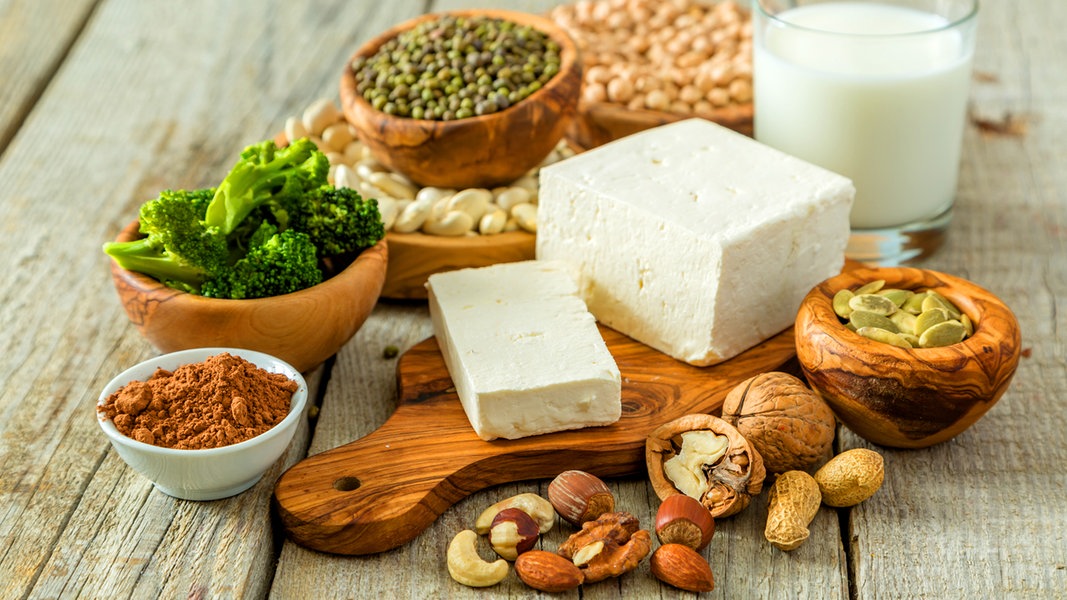
For a more climate-friendly diet, vegan fish substitutes made from tofu or seitan are an alternative instead of fish from the laboratory.
According to a study by the non-profit climate consultancy CO2 online, a plant-based or vegan diet is actually by far the best for the climate.
According to the study, a vegan diet avoids 1010 kilograms of CO2 per capita per year.
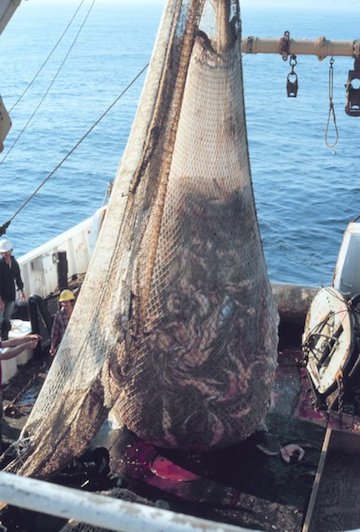
And I mean…The fishing industry is the most destructive industry in our oceans.
There is no sustainable commercial fishing industry.
“The fishermen in their tiny boats in the waters of Africa or India are not the problem. In fact, they are the victims of the problem, as industrialized, high-tech ships plunder their seas for a profit,” says Captain Watson
“Traditional artisanal fishing communities in the southwestern coastal province of Kerala, India, have long suffered from mechanized vessels financed by Norway.
Norwegian commercial fishing off India is forcing hundreds of thousands of Indians into poverty, making Norway, the world’s second largest fish exporter and the world’s largest killer of whales, a major exporter of fish to India today, ”said Watson.
More than 2 trillion fish are caught from the sea each year, excluding the 120 billion that are killed on fish farms.
That killing is far greater than the estimated 65 billion animals killed for meat and fur each year.
Corruption, slavery and human trafficking are not uncommon in the fishing industry.
Slaves, for example, have to work on ships for up to twenty hours a day under inhumane conditions; Some report executions on board.
Captains sell the people on to other ships for a few hundred euros.
A study published in Fish and Fisheries found that China catches more fish for non-human consumption than any other country in the world.
This catch is usually converted into fish meal and fish oil, which is used to feed fish in aquaculture, but also in pig and chicken feeding.
Besides the increasing CO2 emissions that are ruining our planet, we know that there are more reasons to forego fish and meat.
The fish alternatives that already exist in the market are very good and are getting more and better every day.
Posted on May 2, 2021 by Serbian Animals Voice (SAV)
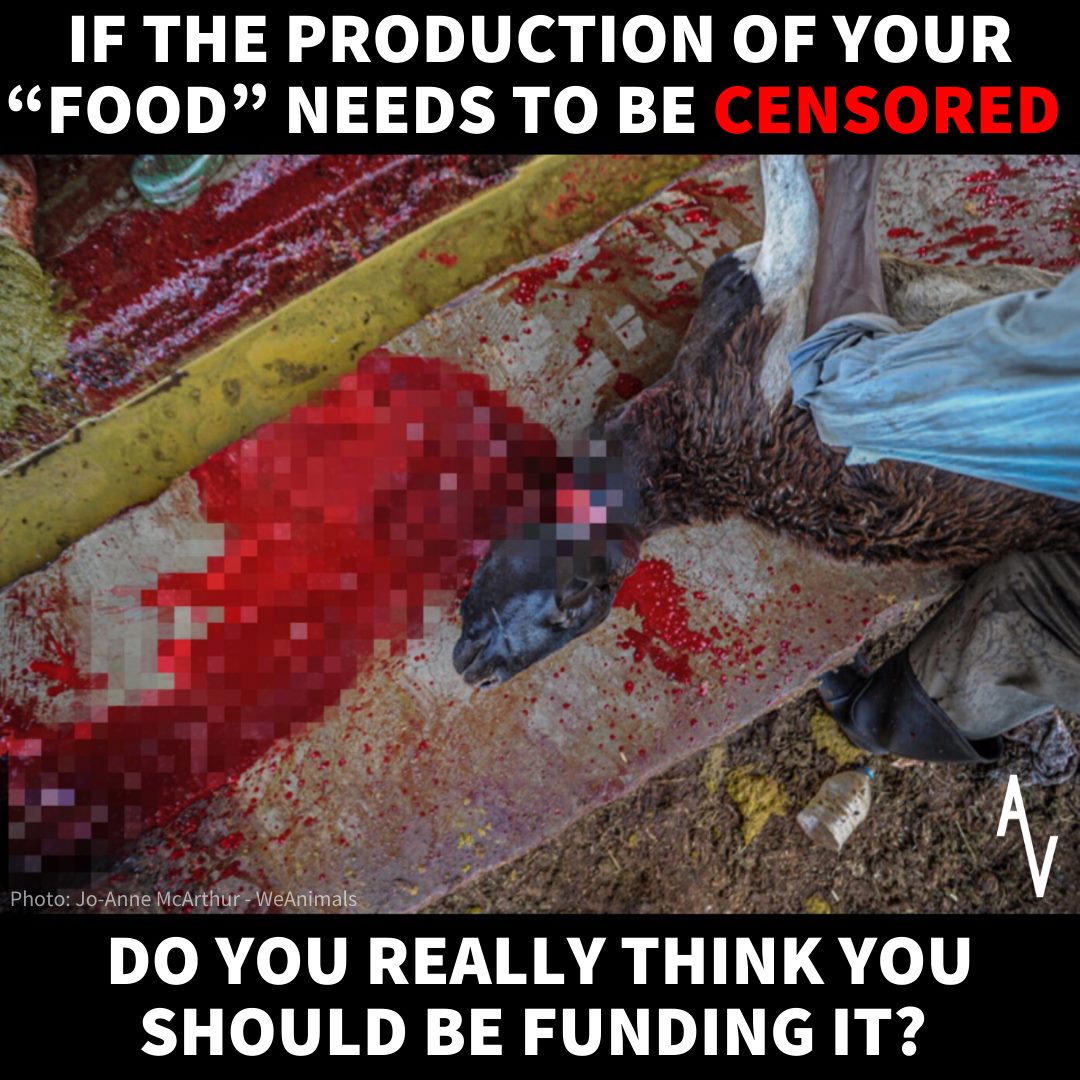
As soon as we take the violence out of this fascist system – that is, stop eating animals – then this system would cease to exist.
That is why the meat industry goes to great lengths to hide its victims and their violent death.
The principle is simple: if we don’t see how this business works, we won’t question it either
Therefore: It is not the vegan that is perverse, but the system in which this fascism works
Posted on May 2, 2021 by Serbian Animals Voice (SAV)
In the lush spring of 2010 at the University of Wisconsin – Madison, thousands of newly minted graduates walked the stage to receive their diplomas and left campus to begin the next chapter of their lives.
Elsewhere on campus that same weekend in May, away from the celebratory pomp and circumstance, a rhesus macaque named Cornelius was born in a barren laboratory at the Wisconsin National Primate Research Center(WNPRC).
He’s been trapped there ever since.
Cornelius’ decade of life has been defined by loneliness and misery. Like most monkeys born in laboratories, he was taken from his mother when he was just an infant, as his mother was so distressed that she couldn’t even care for him.
As a newborn, he was given just an inanimate surrogate—perhaps a piece of a fleece wrapped around a block of wood—to cling to for comfort.
As a baby, he suffered from a rash that covered his body and limbs. As a juvenile, he was plagued by persistent diarrhea—a sign of stress in monkeys in laboratories. He’s struggled to keep on weight, and experimenters have observed bald patches all over his body, likely from tearing out his own hair.
Checked out and passed around like a library book to various experimenters, including notorious Ned Kalin, Cornelius has endured a litany of assaults.
He’s been subjected to repeated blood draws and put under anesthesia numerous times—a frightening and disorienting experience for any animal.
On multiple occasions in 2019 and 2020, experimenters strapped Cornelius into a restraint chair.
He was used as a “semen donor,” which means that workers painfully electroshocked painfully his genitals until he ejaculated so that his semen could be used to breed more monkeys for lives of misery.
Big cats like lions belong in the wilderness, not in the arms of tourists – even if they are sugary and cuddly as babies.
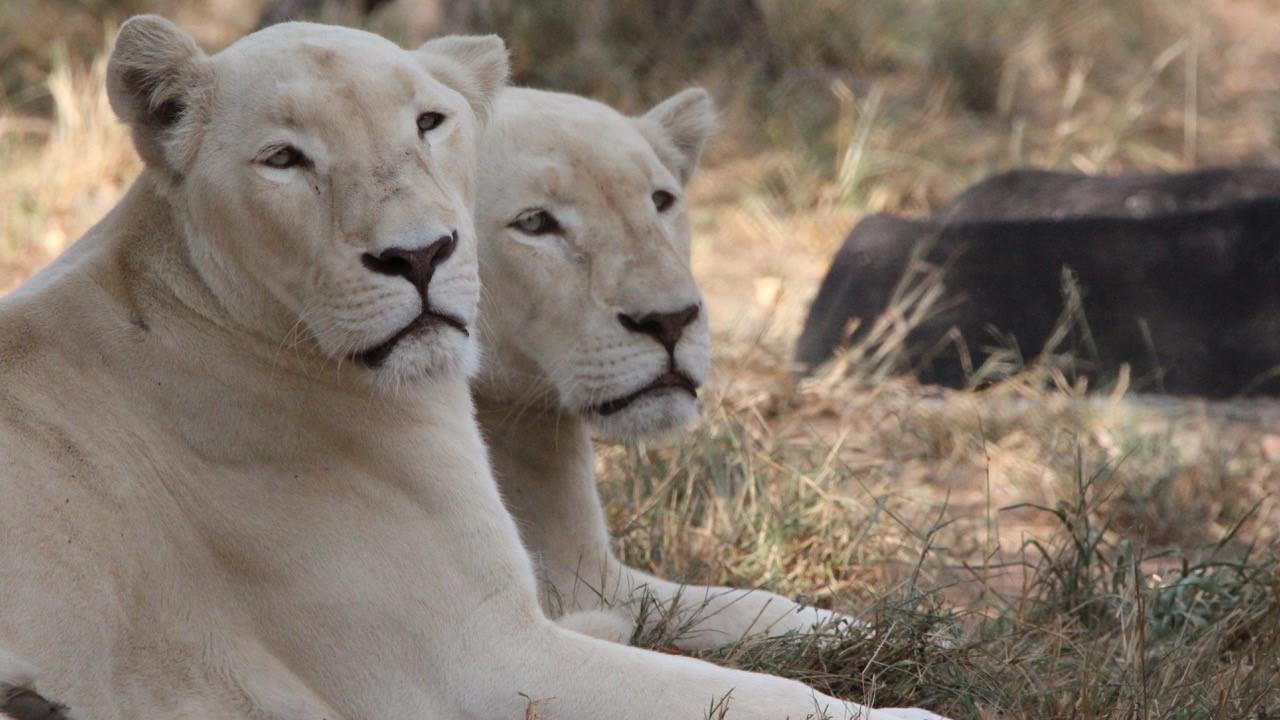
The rare white lionesses Alpha and Omega are a sad example of this: They had to be used for cuddling dates, photos, and walks with people all their lives.
When it finally came to a tragedy, the fate of the beautiful animals seemed sealed – but at the last moment, the sisters got a second chance.
Despite death: lionesses are exploited for years
Alpha and Omega were separated from their mother at an early age as boys.
In South Africa, cuddling with baby predators is a real industry: tourists allow themselves to be lured by the clumsy little ones, pay a lot of money to hold them in their arms, and be photographed with them.
When the lion sisters got too old for this, their keeper used them for daily walks with visitors.
One day Alpha and Omega managed to break out of their enclosure. They killed a farmworker in the process.
But although lion experts such as the “Global White Lion Protection Trust” urgently warned against forcing the predators to continue tourist work, the tours continued.
The next tragedy was inevitable: two years later, the lionesses killed their owner on one of the walks.
Alpha and Omega were threatened with euthanasia. But at the last moment the “Global White Lion Protection Trust” stepped in: “These majestic sisters will stay together in a large, protected enclosure in their natural habitat.
Wild packs will visit them regularly and they are surrounded by the natural ecosystem” says Linda Tucker, founder of the foundation, in “People” magazine.
The foundation does not usually keep white lions with them – their main goal is to protect and increase their small numbers in the wild.
But Linda hopes the Alpha and Omega story will serve as a wake-up call: “This first-pet-then-kill industry is an incredibly exploitative, mass-production of cute babies that are torn from their penned mothers after birth and passed from tourist to tourist to be cuddled for payment – and then disposed of, “she clarifies in” People “.
“It is nothing less than a global catastrophe.”
At least for Alpha and Omega, the days of exploitation are finally over.
They are allowed to spend the rest of their lion life as it should have been from the beginning: without tight leashes and chains.
And I mean…First, the slaves kill the wrong person.
It can happen when you’re out of practice.
But then they caught the right one!
Slave keepers actually have no right to exist in a civilized society.
But because they are under human rights, they are protected by their conspecifics and are allowed to keep other animals as slaves.
Alpha and Omega corrected that.
We are on their side and wish the two brave sisters all the best for their new life in freedom and dignity
Posted on May 1, 2021 by Serbian Animals Voice (SAV)
The PETA undercover horse-drugging Investigation that changed racing as we knew it
Did you know this year’s #KentuckyDerby# marks the FIRST drug-free year of the Triple Crown?
People cheer as they watch a race at Churchill Downs before the 145th running of the Kentucky Derby horse race on May 4, 2019, in Louisville, Kentucky.
This is progress and follows years of PETA work. There’s still more the horse racing industry can do!
And I mean… In the United States, nearly 500 thoroughbreds died in competitions and hundreds more in training in 2018.
48 horses have been killed on German racetracks since 2015. Already eight horses in 2019 alone.
The number of unreported “failures” during training is higher because these are not included in the count.
“Racehorses” are tortured and beaten to the point of death. They either die on the racetrack or end up in the slaughterhouse as soon as their performance deteriorates.
“Racehorses” are regularly given medication by trainers to hide the animals’ pain and improve their performance.
Who thinks that’s good?
Only unscrupulous who are directly or indirectly involved in this billion-dollar business.
There is no justification whatsoever for the cruelty inflicted on these animals.
The horse racing industry will not give up its billion-dollar businesses voluntarily.
We are all responsible for forcing them to stop this criminal business.


 Does anyone else trust the medical profession and the pharmaceutical industry?







 Serbian Animals Voice (SAV)