1. Bear bile does have medicinal uses but there are cruelty-free alternatives
Bear bile has been used in traditional Asian medicine for thousands of years. It contains high levels of ursodeoxycholic acid (UDCA) known to be useful for treating liver and gall bladder conditions. However, there are now many readily available herbal and synthetic alternatives with the same medicinal properties. Traditional medicine practitioners agree, nobody’s health will suffer due to a lack of bear bile.
In the past bear bile would be obtained by hunting bears in the wild and killing them to remove their gall bladder. It would have been a particularly rare and prized ingredient at the time used sparingly for specific medical conditions. In the 1980s however, bear bile farming began to be practiced as a way of constantly extracting bile for the duration of a bear’s life. Today more than 12,000 bears are believed to be kept on bear bile farms in China and Vietnam
2. Extracting bile from bears is as cruel and painful as you would imagine
The extraction of bear bile from live bears causes unimaginable suffering and long term health problems for these physically and psychologically damaged animals.
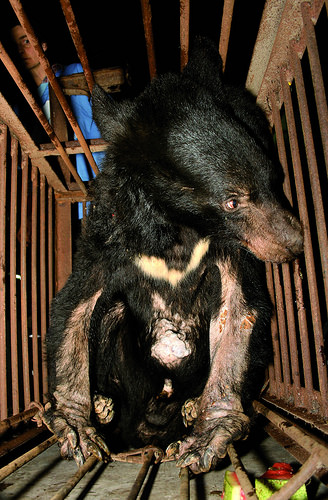
A number of techniques exist, all of which are particularly gruesome. While the techniques vary between Vietnam and China, each involves bears being kept in tiny cages. Extraction methods range from “free drip” where the bear suffers a hole in their gall bladder, to the insertion of permanent catheters.
Crush cages and bears locked into metal jackets have now been made illegal in China – but are likely to still be used in poorer farms. Bears literally grow up in tiny cages to the point where their bodies have contorted to fit the bars. Most have few teeth left due to literally trying to chew their way out
In China some farms have breeding programmes, but also rely on these being added to by poaching bears from the wild. Many bears can be caged as cubs and never released, suffering up to 30 years of continuous torture by bile extraction.
Most farmed bears however are starved, dehydrated and suffer from multiple diseases and malignant tumours that ultimately kill them.
3. The Chinese people don’t want bear bile farming
A 2011 poll by Animals Asia found that a staggering 87% of Chinese people interviewed disagree with the cruel practice of bear bile farming
The medical community too is shunning bear bile farming, with thousands of pharmacies recently pledging never to stock bile products as part of Animals Asia’s Healing Without Harm programme.
This year the owners of Nanning Bear Bile Farm asked us to take over and convert it into a sanctuary. They were in agreement that the industry must end – because, in their words, bear bile farming is both cruel and hopeless.
Meanwhile Kai Bao, the biggest single buyer of bear bile, recently announced they were pursuing research into bear bile alternatives with government backing. The suggestion remains that the market is reducing.
4. It’s still legal in China but not in Vietnam
Unfortunately, bear bile farming is still completely legal in China – albeit with regulations aimed at curbing the worst cruelty of the industry. Regulations that are circumvented or ignored time and again – so far, with no prosecutions being made.
In Vietnam, bear bile farming has been technically illegal since 1992, but it wasn’t until 2005 that species-specific legislation was introduced banning the exploitation of these endangered animals. Sadly, bear bile farming persists in the country due to legal loopholes as well as the fact that demand still exists.
5. We won’t stop fighting until bear bile farming is ended for good
Since being set up in 1998 Animals Asia has continuously campaigned to end bear bile farming in China and Vietnam. Thanks to the staunch support of people all over the world, we have been able to take bear bile farming from a dark secret to an international outrage. We have rescued more than 500 bears in Vietnam and China from the cruelty of bear bile farms and are absolutely committed to ending this cruel trade.
But we can’t do it alone. We need your help and the help of everyone you know to condemn this barbaric industry to the history books. So please, tell your friends, share this article and support our work. Together we can end the cruelty.
Posted on July 10, 2017 by Serbian Animals Voice (SAV)
SAV Comment – Having been involved with live animal transport / export monitoring for over 25 years, we think it fair to say that we have noticed an excess amount of accidents involving animal transporters happen especially in Germany. Why ? – long hours for drivers; having to get animals to the slaughterhouse ready for when they open in the morning ? If we can track our past instances, then we will be adding these to this post at the end.
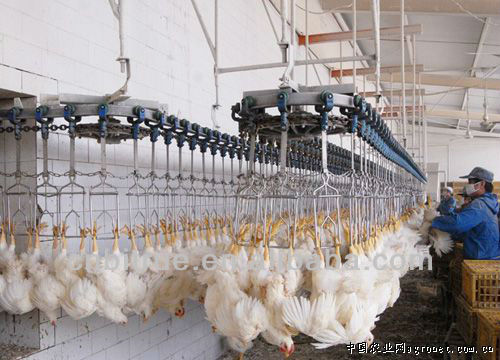
On Tuesday, July 4th there was an accident with a truck transport with 7,000 chickens on the autobahn in between Salzburg and Vienna.
The presumed cause: the driver is asleep !!!
Many of the animals died on the accident, others were running around, but most of them should be euthanized.
We can imagine how the animals were loaded when the number was 7,000!!!.
The organization PETA has created display against the driver. And I would also grant an indication against the morality of my fellow men, who ordered their roast chicken at the restaurant. For such accidents and victims are the direct guilty and the indirect guilty responsible!
The firefighters have complained that the other drivers on the highway did not want to leave a rescue zones. And there were also many scoundrels who just looked and did nothing!!
This made the rescue of the animals even more difficult.
Yes, of course! they are only chickens, they thought. If the victims were people?
Exactly on this question has answered Helmut.F.Kaplan, the well-known Austrian animal ethicist on his website following:
The Difference:
When people have an accident, the salvation comes.
When animals have an accident, the battle command comes.
With my best Regards to you and all
Venus
On July 6th, a truck transport with 150 pigs has also been tipped over. That was in northern Germany and the truck was on the way to the slaughterhouse, near Bremen.
Half of the animals died or were euthanized by veterinarians.
Posted on July 1, 2017 by Serbian Animals Voice (SAV)
We have some great news from Shelter Felix.
See our recent post below – do you remember that everyone was informed that Argos had lost his sight and was completely blind ? – well there is some great news – the large hematoma behind his left eye has greatly reduced in size and as a result he has his left eye vision returned ! – that is wonderful news – he can see !
Argos is still under treatment, he’s being given injections at the vet’s every day while two different kinds of eye drops are being used locally. The vet is very satisfied with the kitten’s recovery, as a huge hematoma behind his eyes has reduced in size, his left eye’s totally cleared up now and his broken jaw is healing nicely. Unfortunately, his right eye is lost forever.
Please go to the following for other ways to donate:
Posted on June 28, 2017 by Serbian Animals Voice (SAV)
Latest ‘fur news’ from Mark and the crew at ‘Respect for Animals’, Nottingham, England.
———————————————————–
Probably unlikely, but we are taking measures in advance:
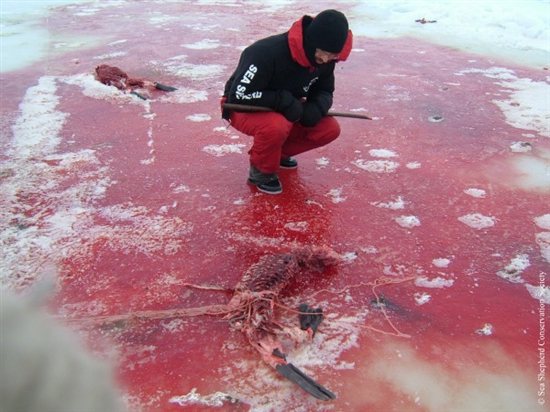
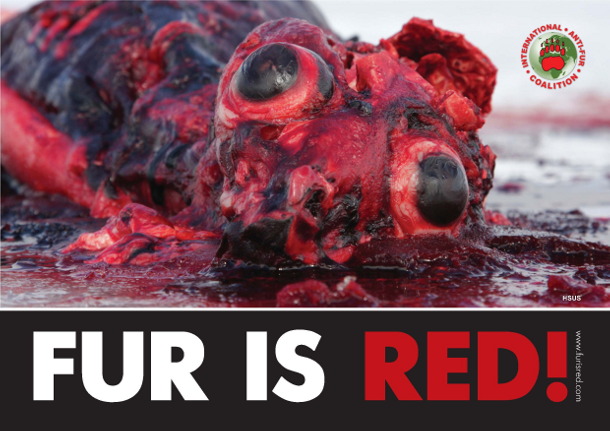
This year nearly 80,000 seal pups, less than 3 months old, were brutally clubbed or shot for their fur. Worryingly in the UK, there is a risk that seal product imports could resume once we leave the EU.
Respect for Animals is asking the government to guarantee that this import ban will remain in force.
Top academics and campaigners from around the world are descending on Oxford from 23-26 July to discuss the ethics of the fur trade.
Sponsored by the Respect for Animals Educational trust, it will result in a new up to date and authoritative report intended to transform the debate around wearing fur.
Germany’s last fur farm will close down with a new Bill enforcing stricter regulations and effectively make fur farming of mink non-viable for farmers.
Fantastisch!
Thank you Germany.
Fur Farming In Europe
The fur farming ban has been effective in the UK for over 15 years now.
We were proud to have led that campaign and many of you helped make it possible. today, we use our experience and campaigning record to support campaigns in countries around the world where similar bans are being proposed and who look to the UK as an example to be followed.
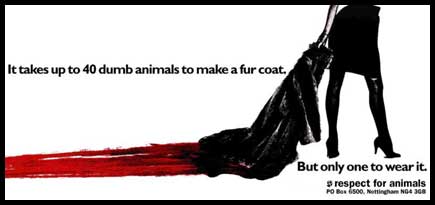
It takes up to 40 dumb animals to make a fur coat
– BUT ONLY ONE TO WEAR IT !
Fur is for animals.
Thank you for your support.
Mark Glover, Director
For more news and to make a donation for campaigns, please go to:
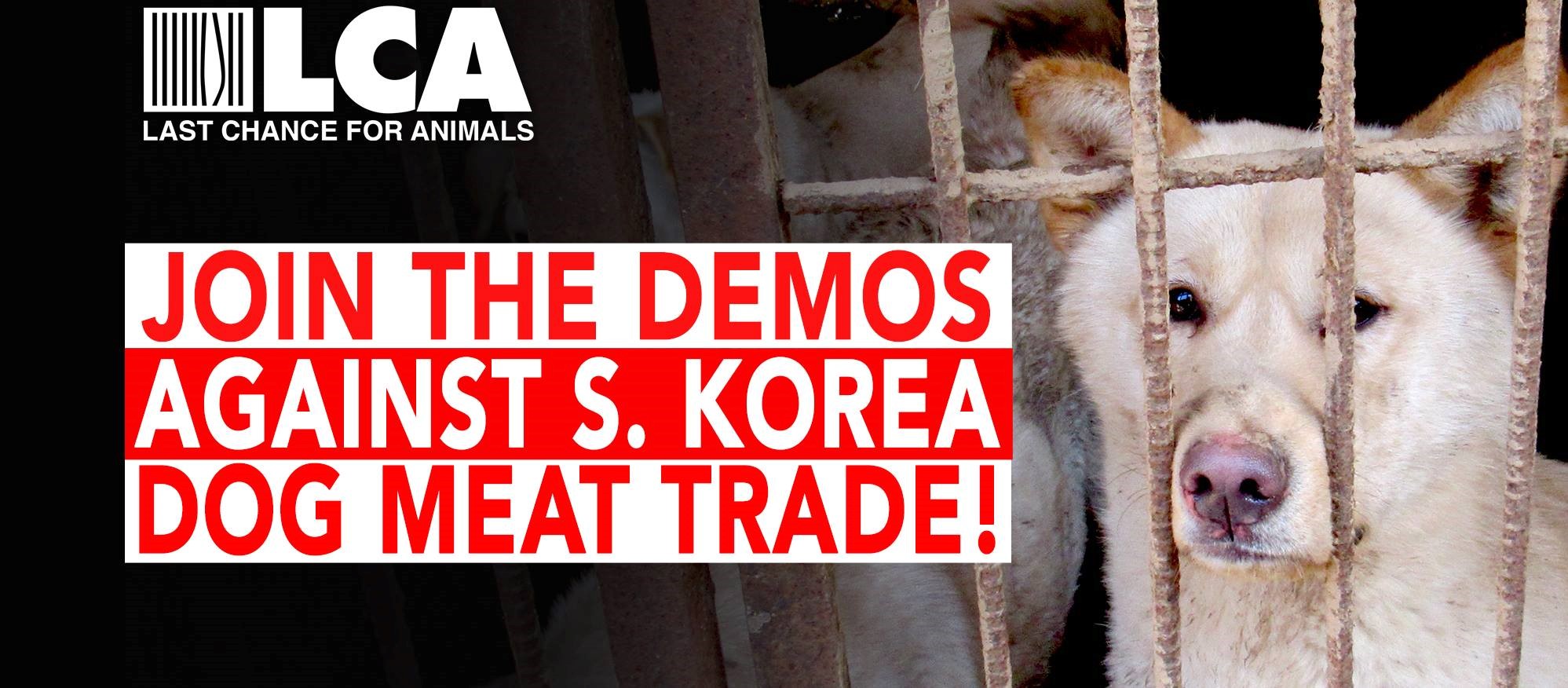
This is translation of Korea Animal Rights Advocates (KARA)’s post. In an era when 10 million dogs are considered companion animals, more than one million are being slaughtered every year at 3,000 of the “world’s only meat dog farms.”
It would not be an exaggeration to call these meat dog farms “companion animal slaughterhouses.” These statistics, however, may be low and the breeding environment and slaughtering process of dogs is unregulated.
While dog meat consumption still exists in countries like China and Vietnam, South Korea is the only country with farms that breed dogs continually, and where large farms housing more than 1,000 dogs are in operation for the purpose of human consumption.
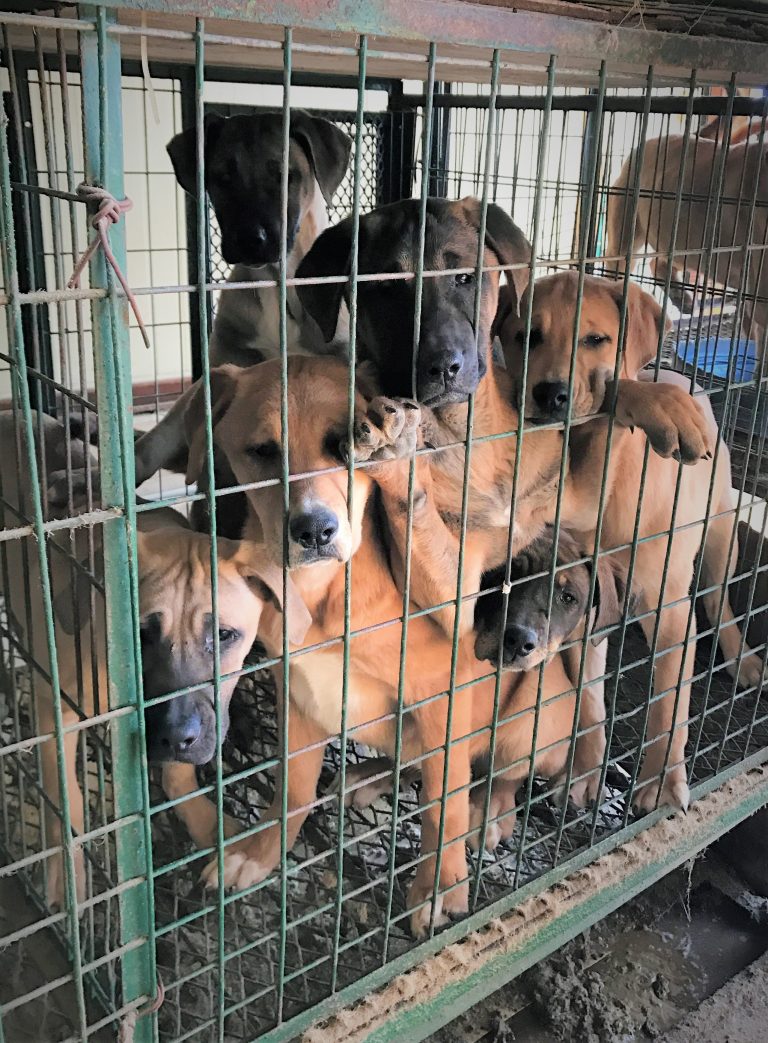
These animals are confined their entire lives to tiny steel raised wire cages before they are slaughtered and eaten. To gain an understanding of the meat dog farms that operate in the darkness of no governmental regulation, Representative Lee Jeong-Mi of the Justice Party and animal rights group Korea Animal Rights Advocates (KARA; Im Soon-Lye, director) requested data from the Ministry of Environment on dog farms that are required to submit reports for the livestock manure treatment facility and conducted analysis.
Based on this data, KARA conducted field investigations in sample areas including Gyeonggi-do Gimpo and Yeoju, Gangwon-do Wonju, Gyeongsangbuk-do Gimcheon for 10 months beginning August 2016 and inspected the state of the breeding conditions and livestock manure treatment status of these dog farms.
As a result, it was confirmed that there are at least 2,862 dog farms in South Korea that are over 60 square meters and therefore are required to file livestock manure treatment facility reports. At least 781,740 dogs were being bred on these dog farms, with an average of 273 dogs per farm.
NEW PETITION – Please sign! Shut down the “Hell on Earth” illegal dog farm in Yangsan Sangbuk-myeon Gongwon-ro! .
Busan Korea Alliance for the Prevention of Cruelty to Animals (KAPCA) investigated a dog farm located in Yangsan and reported them for violations to the local authority.
They described it as “worst they have ever seen” and they have seen many dog farms. Right now they need your help to put more pressure on their government to take action to close down this illegal dog farm.
This is a long story. I plan to work on the translation. For now I need all of you to file petition with the Korean government through e-people: http://koreandogs.org/e-people/
Posted on June 25, 2017 by Serbian Animals Voice (SAV)
Hello Mark,
I send you the promised article about meat eating.
I have been inspired by the beautiful photo exhibition in Berlin, I have seen the topic from a different perspective!
Best regards
Venus
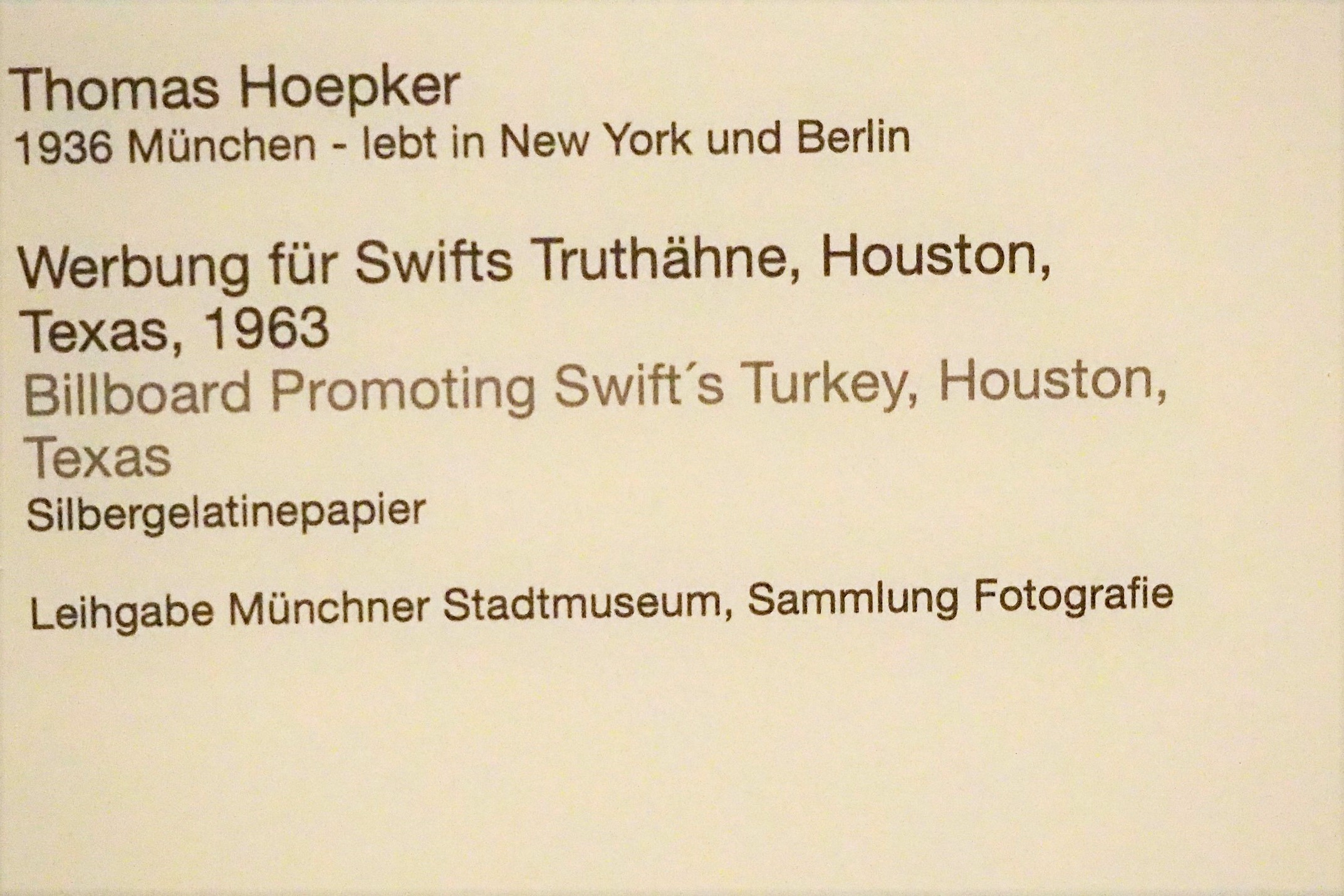
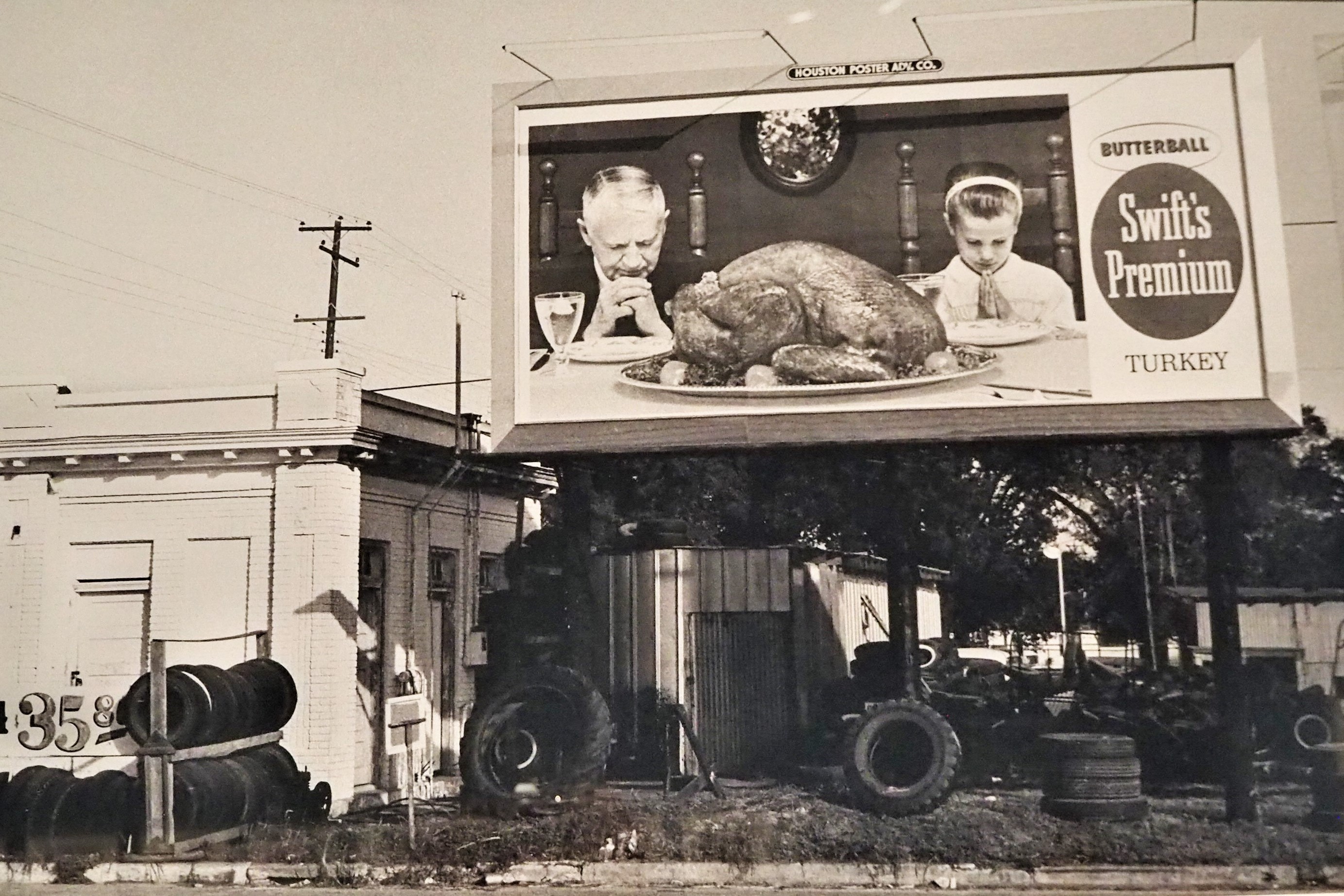
This photo, taken in 1963, was especially noticeable from me at a photo exhibition in Berlin.
Yes! So we always asked at the table at home: “Give us our daily bread today, Lord!”
The word “bread” was symbolic, in fact meat was mostly eaten.
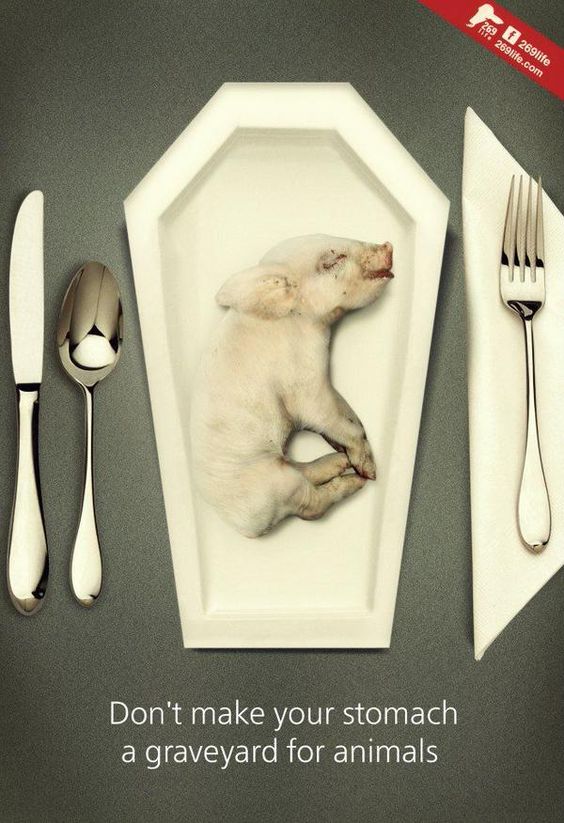
Today, as then, we look at the corpses that are served on our table as the right food.
We prefer the clubs, the ribs, the bellies, the breast parts of massacred animals as our daily bread.
The meat industry, today as then, is particularly concerned with advertising on meat.
The turkey, the pig, the rabbit are nicely done and deliciously served in everyday life as in festivals.
But the greatest effort of the meat industry is that the life, the misery, the production of these animals remain invisible at all.
Even more invisible is the fact that the body of a turkey is actually the body of a child who dies of hunger because we want to have our daily flesh here.
“A child who dies of hunger today is murdered”, said Jean Ziegler.
By whom murdered?
By all who are involved in this system.
Because tragically, a large portion of the world’s food and land is used to produce cattle and other farm animals and as a food for the rich, at the same time 43,000 children die daily of hunger in the Third World.
We cannot say today, we do not know where the “daily bread” comes to our table.
And when some naive still pray to the god that their plates are filled with corpses every day, their morals and consciences have long since sold to the God of the meat-mafia.

















 Serbian Animals Voice (SAV)