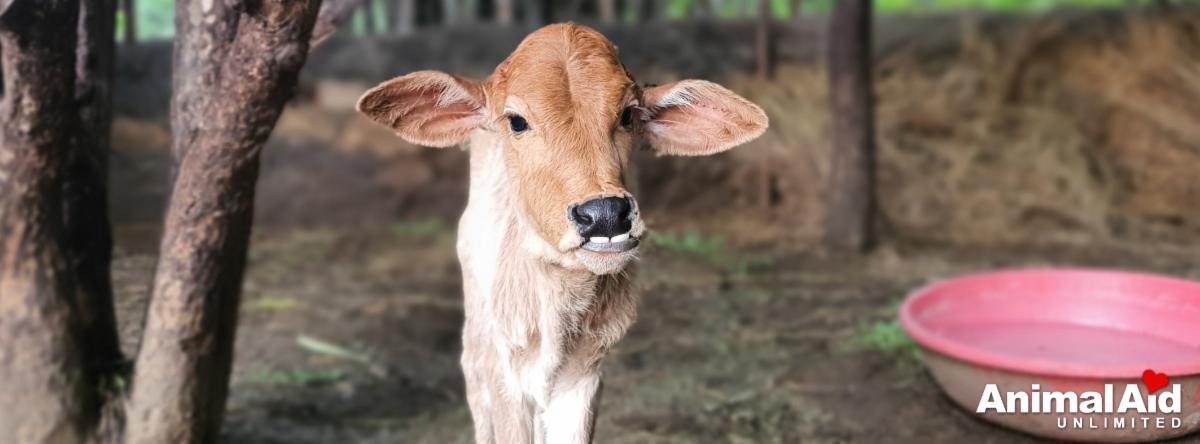
India: September Rescues from ‘Animal Aid Unlimited’ (AAU).

Dear Mark,

Healing is often quicker at home than in the hospital, even when home is in the street. When animals with minor conditions are treated in their own neighborhoods, they usually feel much more calmthan if they are in a new place with strangers. People witness our Street Treatment team and participatemore in their care, and we avoid exposing animals to viruses. In the video below, we show you one of the 40 cases we treat on the street each day. We’re deeply grateful for your help. We couldn’t do it without you.

Healing little Jeelu’s massive wound.

Jeeluwas hiding as many animals do when they are suffering acute pain. Normally cheerful and always charming, this young teenage puppy must have had her skin snagged by a passing vehicle and the wound was so wide that stitching it closed was not an option. She needed several weeks of daily wound care, antibiotics and painkillers, flushing, re-bandaging and rest in order to stabilize.

The final stage of healing could take place outside the hospital.With a kind and caring family in her home neighborhood, we knew it would be safer to return her where human and animal friends would welcome her, and avert the danger of exposure to the viruses other hospital patients can carry.

Checking up on her every week, we watched Jeelu flourish, and you can too.

For small animals with big wounds: Please donate.

Tender-hearted Samson’s neck was wounded ear-to-ear.

Lacerated and infected with bacteria and maggots, themassive wound encircled this little donkey like a hideous necklace of pain. This injury was caused by the friction of a rope bound far too tight. At first the gentle victim was terrified of being touched, but as days turned to weeks in his beautiful healing process, this sweet little guy gained trust.

We’ve named him Samson, after the famous story of Samson’s great strength to right wrongs. Someday with your help animal cruelty will stop.

For all the meek and mild, let your love give strength. Please donate.

What a pleasure to know a story like this!


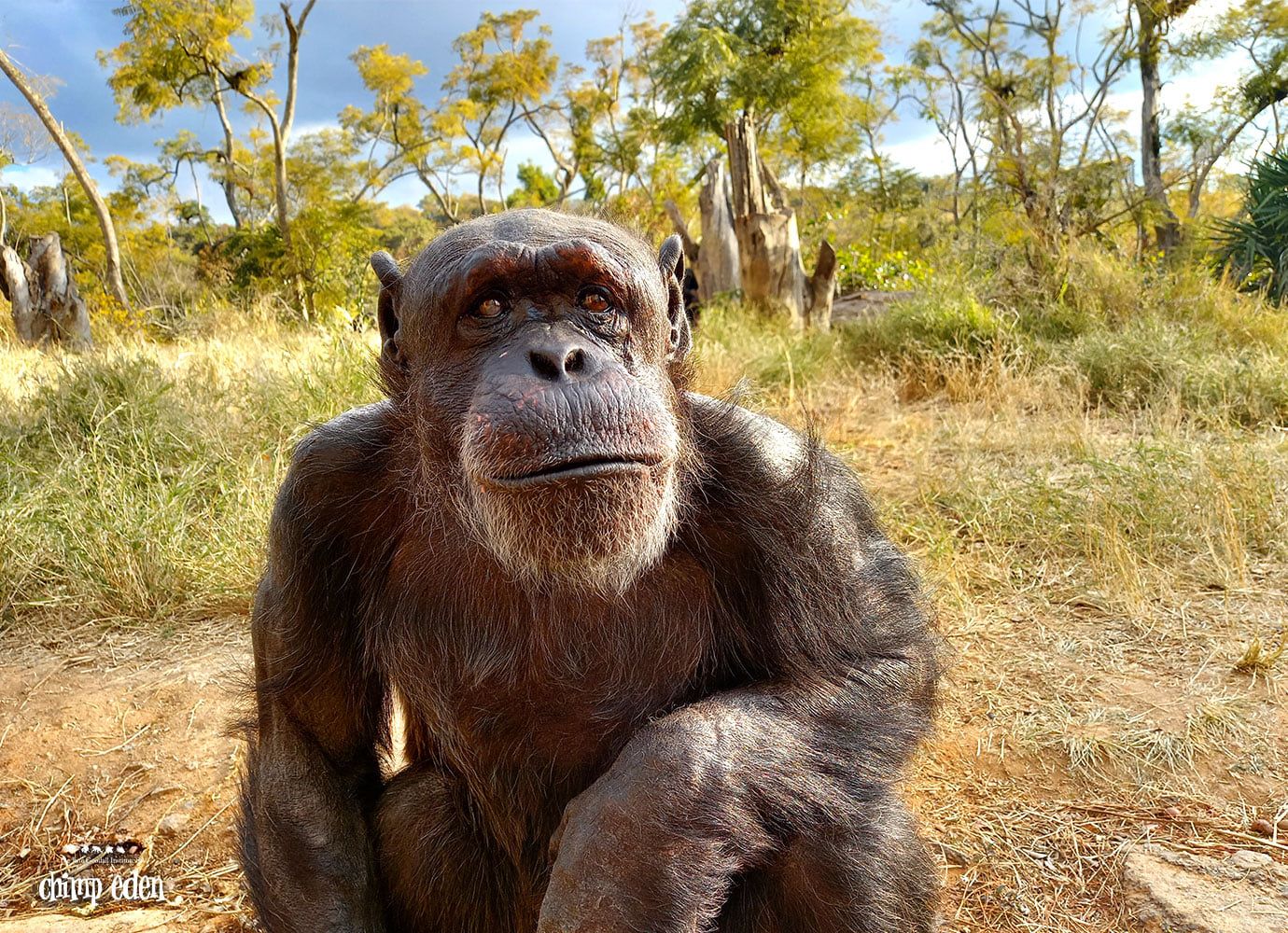
Joao, the world’s oldest chimpanzee, group 2’s elder, and former alpha and still going strong.

Born between 1943 – 1948, starting his journey in Mozambique as a circus act, only to be given to a local zoo in Maputo with his companion when they were still young. Sadly, Joao’s companion passed away 😔

Soon after war broke out and subsequently Joao ended up living in isolation for many years.

Kind locals fed Joao before he eventually arrived at the sanctuary in 2006 🌳

Joao is a kind, wise old man and has lived one heck of a life. Now between 72 – 77 years old, Joao lives the rest of his days in peace with a loving family.

Great Ape Project

Have a good night, Venus


Swiss: Poaching of gamekeepers in Valais!

The Valais is a canton in the southwest of Switzerland.
In terms of area, the Valais is the third largest canton in Switzerland and lies entirely within the Alps.

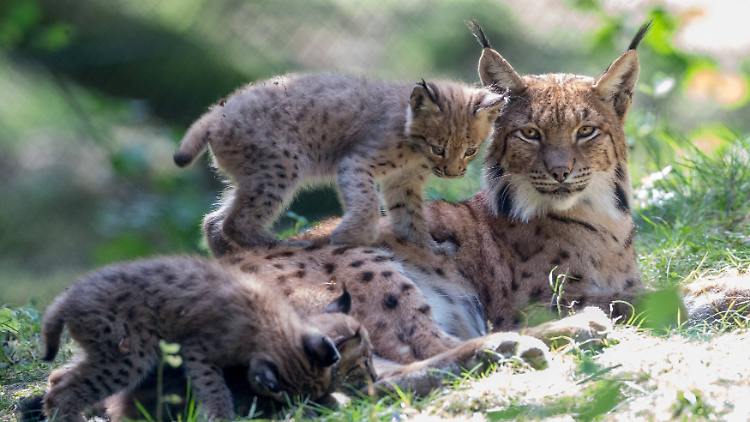
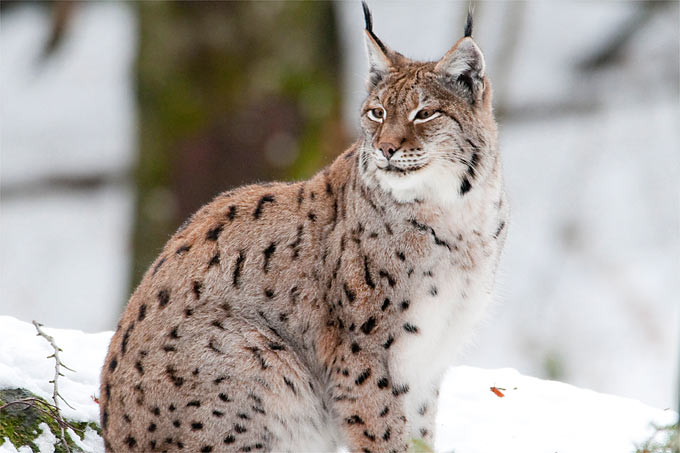
There are practically no lynxes in the south of Valais. Although the living conditions are ideal, last year not a single animal fell into one of the more than 130 photo traps set up by the Kora Foundation.

The suspicion: poachers kill the protected animals as soon as they enter the mountain canton. Five years ago, researchers at the University of Bern discovered a total of 17 snare traps that had been set up on the border with Vaud.

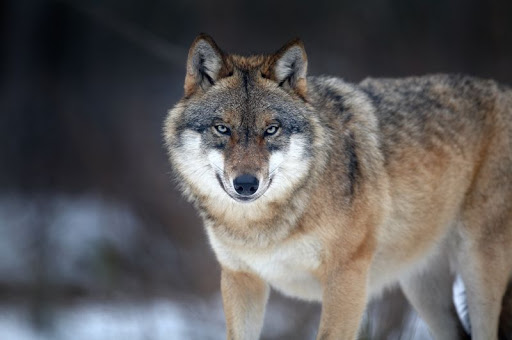
Three Valais rangers are accused of illegally hunting lynxes and wolves.

This puts the cantonal authorities in a dubious light shortly before the vote on the new hunting law in Switzerland.

Even then, the researchers were wondering whether the Valais authorities are adequately combating poaching – or whether the canton is even holding its protective hand over the poachers.

This now seems to be confirmed: BLICK Magazin has spoken to several witnesses who report exactly that.
According to their report, the problem is far more serious.

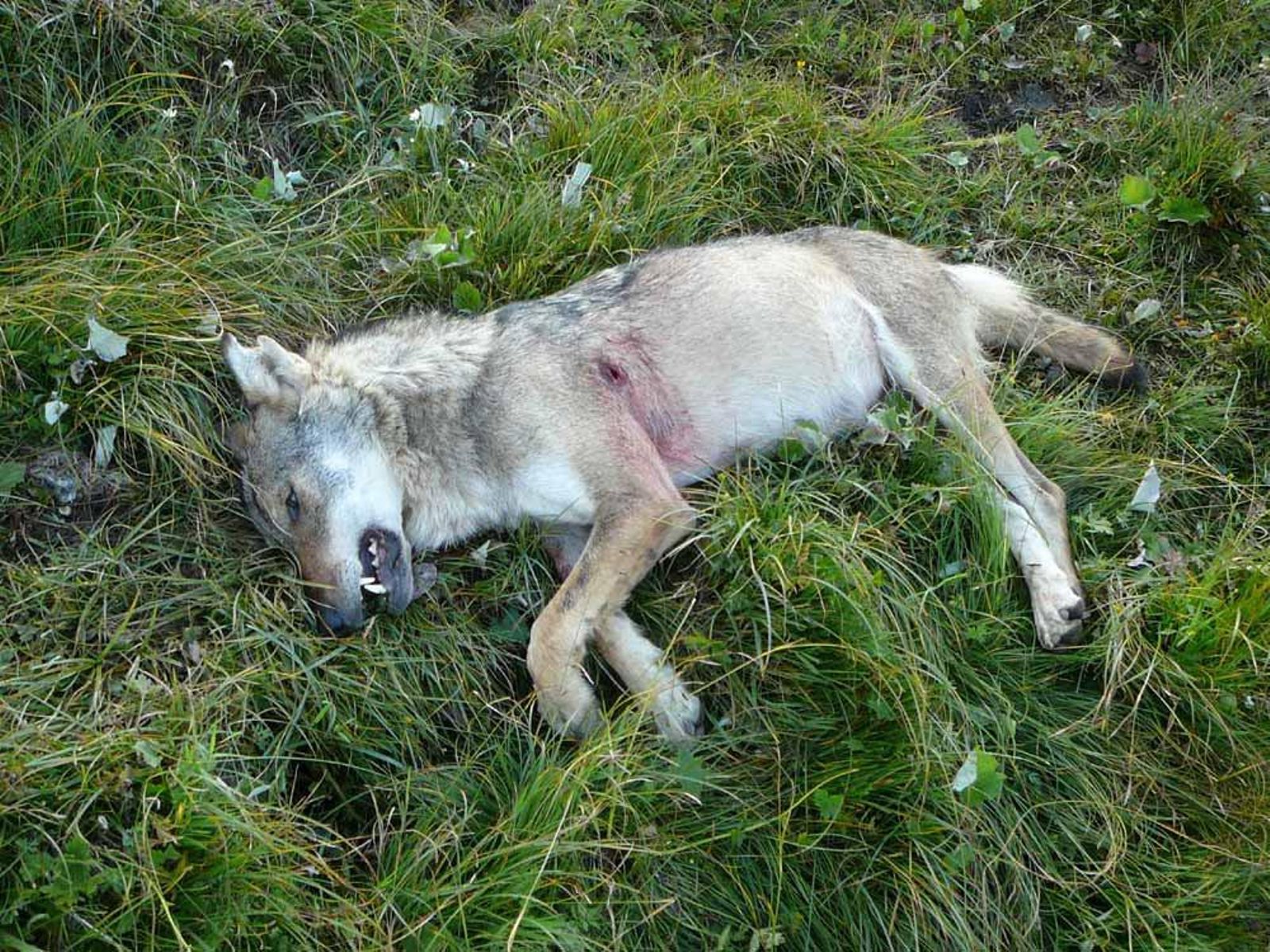
They claim: several game rangers – state employeeshave illegally hunted lynxes and wolves themselves!

A total of five people were willing to give BLICK Magazin information personally. They accuse an active and two former Wallis rangers of poaching.

In particular, game warden Pierre D. *, who is still on duty, is not a blank slate.

Several criminal proceedings are currently ongoing against the Valaisan. He is accused of having two eagles imprisoned at his home and illegally shooting a deer in a no-hunting area while on a trophy hunt.

Now the air is getting even thinner for Pierre D.
BLICK has a photo in which he is holding a dead lynx in his hands – and grinning broadly into the camera.

The authorities assume that the lynx got caught in a fence in an attack on sheep and was killed in the process. The gamekeeper does not seem to be saddened by the animal’s death.

“A good lynx is a dead lynx” – this motto is said to have prevailed for a long time in the cantonal office for hunting, fishing, and wild animals.

Game rangers are usually responsible for protecting wild animals.

They count the stocks and shoot sick and injured animals. Also protected, but only after an official decision of the canton in accordance with the Hunting Act Ordinance.


For more…at https://worldanimalsvoice.com/2020/09/19/swiss-poaching-gamekeepers-in-valais/


And I mean…Switzerland also has to learn: it is not enough to have one of the best animal protection laws in the world.

You have to control its executors.
Now the hunting mafia accused the eyewitnesses !!!

We live in a world where it is considered a greater crime to reveal crimes against animals than to commit them.
Which explains, why hunters mostly go unpunished in their long, criminal lives, and the animal rights activists or simple animal lovers get a criminal complaint as soon as they get in hunter`s way.

If this is confirmed, the authority must be dissolved, the hunting licenses including weapons withdrawn, and the whole thing rebuilt.

It’s like the customs authorities are building a drug ring themselves.

It is best to use gamekeepers only outside the canton for a few years or to refrain from hunting completely because the large carnivores would not attack any herds if humans did not hunt their food and it was in abundance …

If we abolish the hobby hunt, we would have no problems with wolf and lynx in Switzerland and all over the world.

Therefore on September 27th: Switzerland says NO to the new shooting law!

My best regards to all, Venus

«Ein guter Luchs ist ein toter Luchs» – Diese Devise soll lange Zeit in der kantonalen Dienststelle für Jagd, Fischerei und Wildtiere geherrscht haben. 

EU: Telling Us the Bloody Obvious – European pig sector suffering from animal welfare and environmental problems, says research by European Parliament.

This image has an empty alt attribute; its file name is eu-aw-logo-1.jpg

WAV Comment:  As if we did not know ! – we have been shouting about this, and providing evidence for years !

Check out all our pig issues at  https://worldanimalsvoice.com/?s=pig

European pig sector suffering from animal welfare and environmental problems, says research by European Parliament

15 September 2020

The European Parliamentary Research Services recently published a comprehensive briefing on the EU pig meat sector that is meant to inform MEPs and their assistants. Animal welfare and environmental degradation feature prominently among the issues to be urgently addressed.

Pig meat production accounts for half of the total meat production of the European Union, which is also the main global exporter of pig meat products. Exports and pig meat prices increased substantially in 2019-20 due to the epidemic of African Swine Fever in Asia, which has decimated the local pig population. 

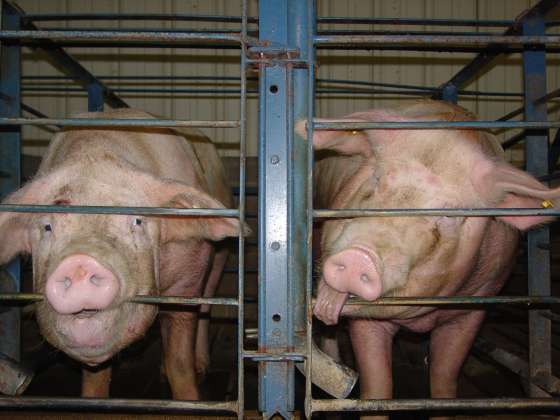
But it’s not all about the economy, and it’s definitely not all roses. In a new report, the European Parliamentary Research Service importantly stresses that “the vast majority of pigs in the EU are bred, kept and slaughtered for meat within an intensive system that gives rise to numerous issues linked in particular to animal welfare and pollution.” And we are talking about 150 million animals. 

The report goes into detail on the generalised lack of compliance with the Pigs Directive explaining that “Despite EU regulations prohibiting routine mutilation, most piglets in the main pig producing Member States are routinely subjected to harmful practices.”  We were pleased to see that the important activities of the Intergroup for the Welfare and Conservation of Animals and our campaign End Pig Pain, which collected more than 1 million signatures asking for better lives for pigs, are mentioned in the report.

Another major issue is the environmental impact of pig farming, which is responsible, according to the research services of the European Parliament, for significant water and air pollution, as well as “odour and noise, the spreading of heavy metals, pesticides, toxic substances and pathogens (including antibiotic resistant pathogens), water pollution by residues of pharmaceuticals, excessive use of groundwater”. 

https://www.eurogroupforanimals.org/news/european-pig-sector-suffering-animal-welfare-and-environmental-problems-says-research-european

Regulation of the hunter population


“I had to act.
He had lost the fear of the wolf”


Have a good night, Venus


China and cosmetics: less animal testing in sight

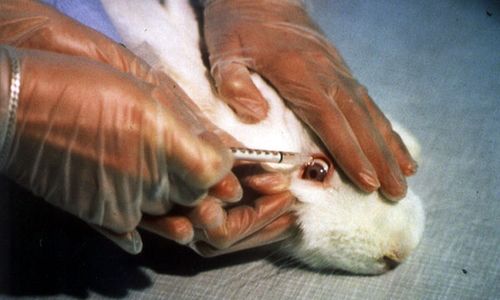
In 2012, PETA was able to show that some previously animal-free companies had started to market their products in China and to have the animal tests required by the Chinese authorities carried out approvingly.

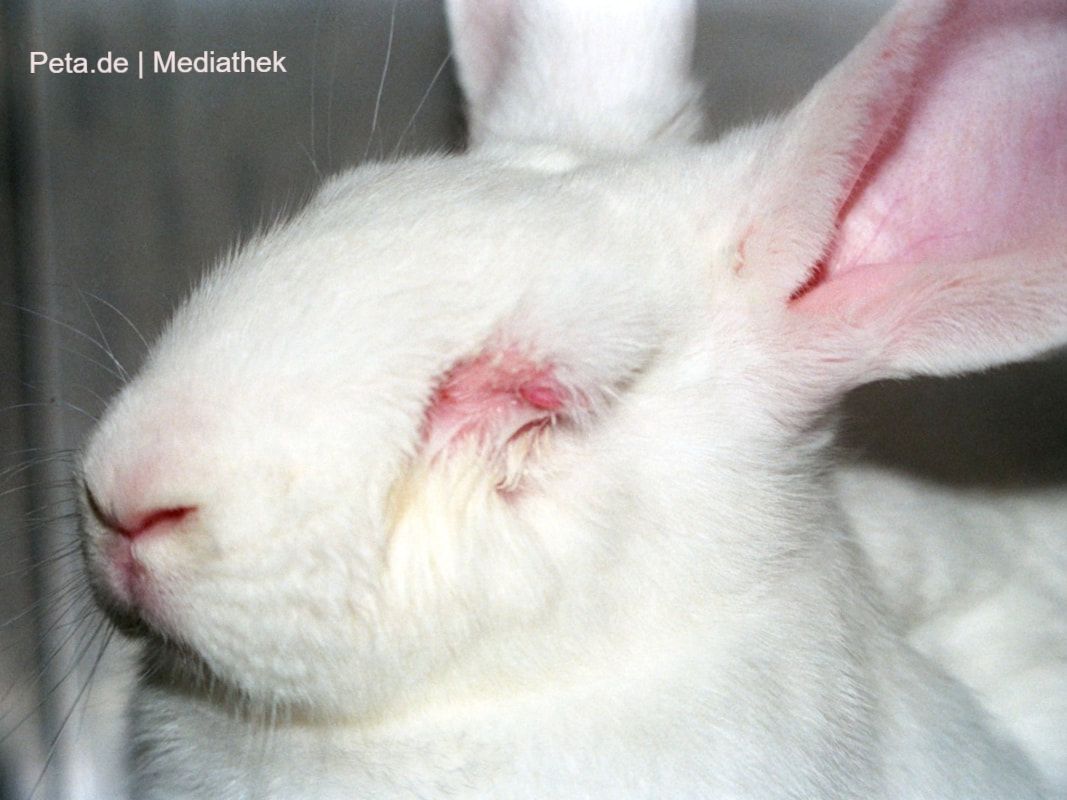
For such experiments, hundreds of thousands of animals are tortured every year in cruel, fatal poisoning tests in which substances are forcibly administered to them, chemicals are applied to their skin, or chemicals are dripped into their eyes.

The latest developments in China in animal testing for cosmetic products give hope for great animal-friendly improvements.

The Chinese government is now taking new steps and easing its requirements for cosmetic tests on animals.

In detail, it looks as if China will soon no longer require animal testing for imported cosmetics in the “Non-Special Use” category (e.g. shampoo, shower gel, body lotion, make-up) so that these products can be marketed in China.

In January of this year, a long-awaited new draft of the so-called Cosmetic Supervision and Regulation (CSAR), China’s outdated cosmetics regulation, was drawn up.

The final publication for implementation was delayed due to COVID-19, but the final draft has now been published and is currently being analyzed.

If it is passed, it would be possible in the future to market many imported cosmetic products in China that have not been tested on animals.

That would be a huge step forward and save countless animals from cruel experiments!

Unfortunately, however, it does not mean that animal testing is no longer carried out in China at all.

Companies that manufacture products in the “Special-Use” category must continue to have animal tests carried out for marketing in China, which means that animal tests are still required for these products – regardless of where the products were made.

This category includes special cosmetic products such as hair dyes, perm products, whitening products, sunscreens, or hair loss agents.

The passing of the CSAR would be a very important milestone, but the suffering of the animals would not end there and countless animals would still need our help.


https://www.peta.de/china-kosmetik-tierversuche-neue-regelung


And I mean… Companies that want to export cosmetics to China have to accept animal testing.

Without registration with the CFDA (China Food and Drug Administration), customs clearance is not possible – and therefore no market entry.

This regulation is now to be relaxed.
In addition, the Chinese government has approved two new cruelty-free testing methods

We are really happy.

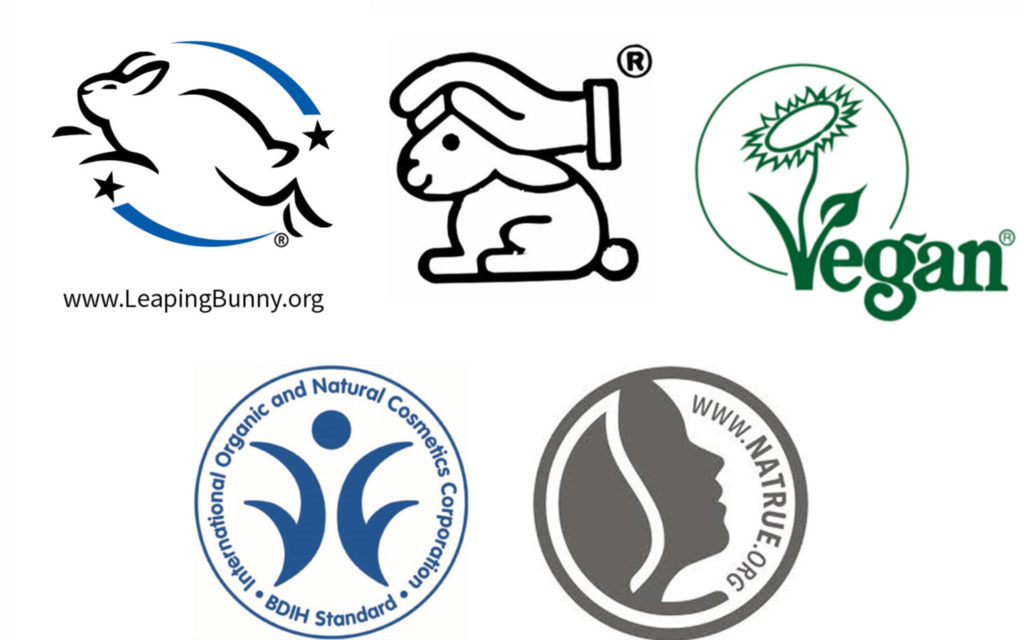
Of course, there is still no ban on testing cosmetic products on animals, but at least and with the new regulation, companies can now officially decide freely whether to use methods that do not involve animal suffering

The animal rights organization Cruelty-Free International (CFI) sees this as a very important step.
It remains to be seen whether China will abandon animal testing for cosmetics altogether.

That would eventually increase China’s sales, because the many cosmetics companies that don’t want to sell their products there, for this reason, would do it again.


My best regards to all, Venus


What a message!!!

We can’t quite believe it yet!!
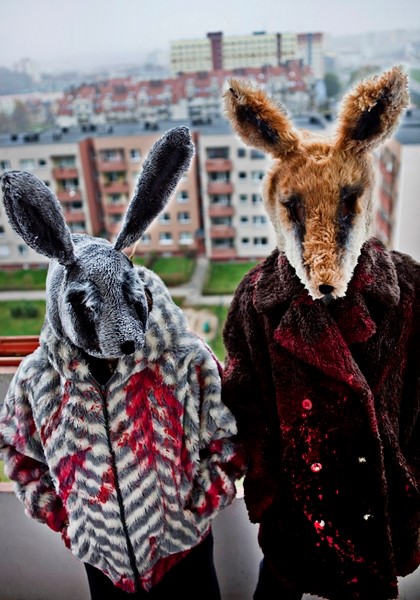
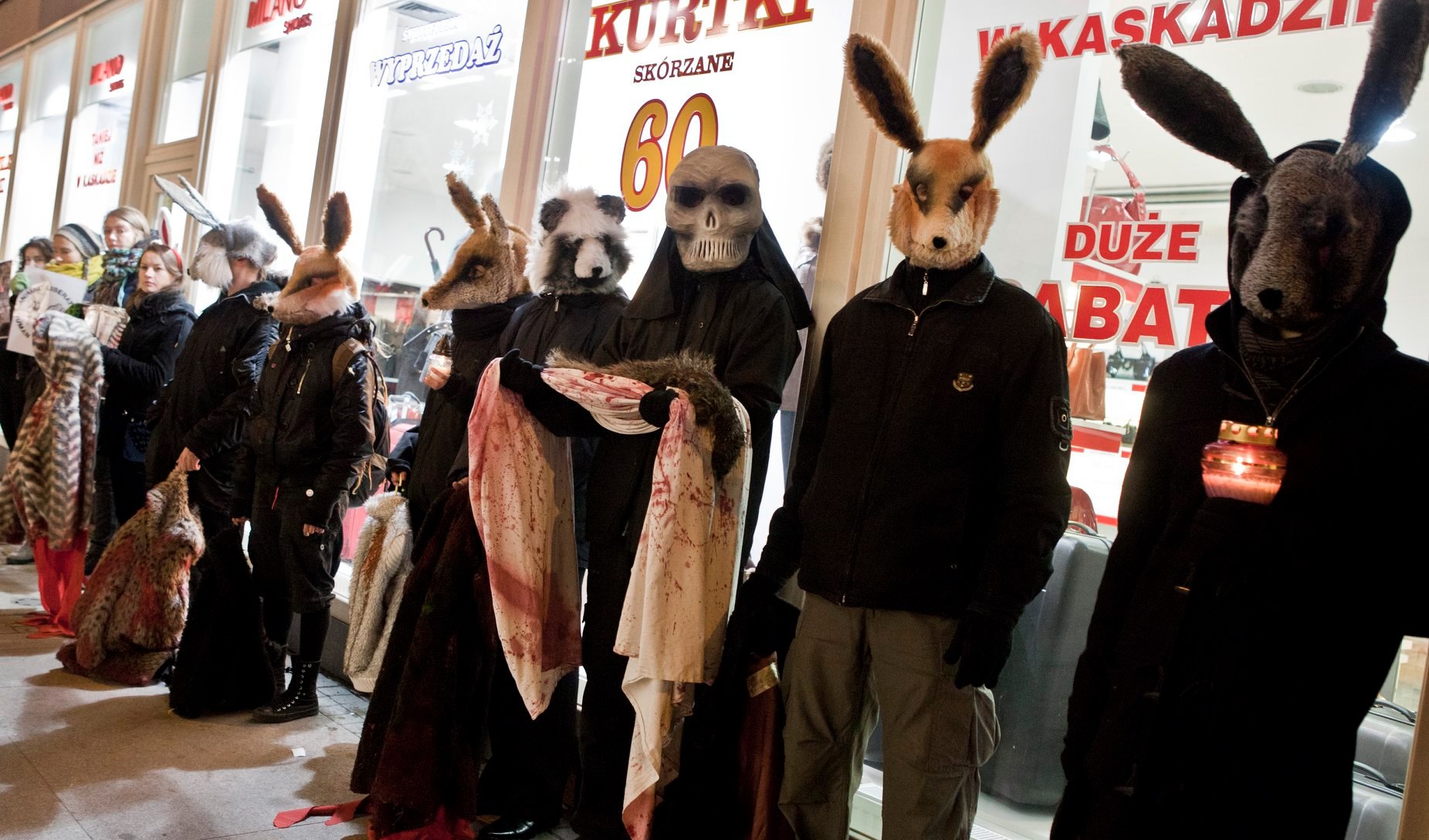
Poland’s parliament has voted for a new animal welfare law that also provides for the end of the fur industry.

Rabbits are an exception. For them, the agony continues.
The owners of the fur farms have one year to close their farms.

If Poland, as the third-largest fur producer in the world, actually excludes from this torture, then it will be a gigantic success.

If Poland falls after number 4, the Netherlands, then we will also be able to free Europe from the chains of the fur industry.

This is thanks to the many great animal rights activists in Poland.

Many thanks to all people and organizations for their joint actions! Thank you for your own initiatives that you are taking so actively!

Thank you for your many years of campaigns for animal rights!

Image: BASTA Inicjatywa na Rzecz Zwierząt


We post some photos of the action, protests with local residents against mink farming.
Much of it has come together in 10 years …

Image: BASTA Inicjatywa na Rzecz Zwierząt

Thank you Otwarte Klatki
Thank you BASTA Inicjatywa na Rzecz Zwierząt
Thank you, Viva, and all the others.

My best regards to all, Venus