EU: PR – Green Deal puts animal welfare back on the EU’s agenda ?

Green Deal puts animal welfare back on the EU’s agenda
20 May 2020
EurogroupforAnimals
Press Release

https://www.eurogroupforanimals.org/news/green-deal-puts-animal-welfare-back-eus-agenda


The day has finally arrived: the Farm-to-Fork and Biodiversity to 2030 strategies of the European Union’s Green Deal have been adopted. Both contain positive points that suggest the Commission is ready to take action for animals – but will these strategies deliver the concrete changes the EU needs to move away from intensive farming and the exploitation of wild animals and their habitats?

Last week, an open letter from Eurogroup for Animals and its member organisations asked the European Commission to take our recommendations for both strategies on board, and our members also mobilised to drum up support at national level as part of our “Stop Pandemics – Start Here” campaign.

Indeed, during the preparation of the strategies, the COVID-19 pandemic offered a particularly timely reminder that devastating results can come out of the way we trade, farm and keep animals. Wild and domestic animals have carried viruses and bacteria for millennia, but what has changed is the way we humans interact with them. The legal and illegal wildlife trade, urbanisation and the destruction of wildlife’s natural habitats for agricultural purposes, especially for the intensification of animal farming, are combining to push humans, wildlife and other animals closer than ever before – and heightening the risk of pandemics like the one we’re suffering now.

With the presentation of the finalised texts today, it seems that the Commission has indeed taken most of this to heart.

The Biodiversity to 2030 Strategy takes many of our recommendations on board, committing to keep existing environmental policies strong and stimulating the enforcement of the Birds and Habitats Directives, with ambitious goals for protecting European species. It also makes a commitment to legally protect a minimum of 30% each of the EU’s land and sea areas, and says that at least 25% of the EU’s agricultural land must be organically farmed by 2030.

The Commission will propose a further tightening of the rules of EU ivory trade in 2020, and by 2021, it will revise the Action Plan against wildlife trafficking to step up efforts to combat the illegal wildlife trade. It states that the EU will enhance its support to global efforts aimed at applying the ‘One Health’ approach, by promoting better protection of natural ecosystems coupled with efforts to reduce wildlife trade and consumption, to improve resilience to possible future diseases and pandemics.

However, to ensure that the strategy is implemented effectively, the Commission should also regulate the legal wildlife trade, which impacts global biodiversity and animal welfare, and poses health risks to EU citizens. An EU-wide ‘Positive List’ for exotic pets, specifying which animal species are suitable and safe to be kept as pets, would offer a much-needed precautionary approach, given the continuous shifts in species and numbers of animals in trade, and would be coherent with the ‘Do No Harm’ principle promoted in the strategy.
“The document is ambitious,” says Reineke Hameleers, CEO of Eurogroup for Animals. “However, we will be pushing for implementing actions to regulate the exotic pet trade to protect EU consumers, animal welfare and biodiversity. Going by the strategy’s acknowledgment of the ‘Do No Harm’ principle and the fact that any product on the market should comply with EU and international commitments, we hope they’ll be open to the idea. We also urgently need a full ban on the ivory trade, stricter regulation of the legal trade in wildlife, and a EU-wide Positive List.”

As for the Farm-to-Fork Strategy, happily the Commission makes it clear that animal welfare legislation will be revised and broadened, and the revision will have to provide higher welfare standards than existing ones. This is an opportunity for all existing animal welfare laws to be revised, particularly the Transport and Slaughter regulations, but also others such as the Broiler and Pig Directives. This also opens the opportunity to deliver on the recent ECI “End The Cage Age”, calling for an end to the use of cages in livestock systems, and to include specific animal welfare provisions for species such as cattle. As the strategy makes the link between legislative change for animal welfare and the aquaculture sector, this is the opportunity to introduce the first species-specific provisions for farmed fish, too.

However, in other respects the strategy is less ambitious. While the Commission accepts that moving to more plant-based diets and less meat consumption is good for health and the environment alike, earlier versions of the strategy proposed an end to promotional measures for meat. The finalised text now says only that the Commission will undertake a review of EU promotional support for agrifood products with a view to enhancing its “contribution to sustainable production and consumption”. We expect this review to lead to a transparent conclusion that meat should not be promoted, and we regret that the language has become so weak in the final version.

The strategy announces the creation of a framework for a sustainable food system, but remarkably a reflection on the role of the intensive livestock industry in the spread of zoonotic diseases is missing. Eurogroup for Animals believes the new framework law should lead to a profound system change including a phase-out of intensive animal farming practices. Although the strategy commits to considering options for animal welfare labelling, there is no mention of method-of-production labelling, which would provide an objective and harmonised framework to support the transition towards higher welfare and sustainable livestock systems.

The strategy also recognises the detrimental impact imported products can have on the environment in producing countries, calling to avoid the externalising or export of unsustainable practices. The call for EU trade policy to contribute to enhancing cooperation, and particularly to obtaining commitments from third countries on animal welfare, is very welcome.

“This document is historical in so many ways, opening the door to a potential better world for farm animals in the EU and other parts of the globe. It shows the Commission’s willingness to strengthen animal welfare legislation after years of stagnancy, and that they’re listening to the voices of millions of EU citizens,” says Reineke Hameleers. “Nevertheless, we need systemic change and that needs a lot of determination, as well as resources. The Commission’s plan for a sustainable food system is laudable, but will they also provide additional support to farmers in the transition towards higher animal welfare systems and regenerative agriculture?”

Both strategies recognise that the wildlife trade and intensive farming together add up to more than the sum of their parts, and not just where zoonoses such as COVID-19 are concerned. The Biodiversity to 2030 Strategy states several times that it will work in tandem with the new Farm-to-Fork Strategy and the revised Common Agricultural Policy, and that the Commission will ensure that the CAP’s strategic plans lead to the use of sustainable practices such as organic farming, agro-ecology, and stricter animal welfare standards. Similarly, the Farm-to-Fork Strategy asserts that “the Commission will ensure the implementation of this strategy in close coherence with the other elements of the Green Deal, particularly the Biodiversity strategy”.

The finalised strategies will now be rolled out, with the European Parliament adopting a resolution on the content later this year. At Eurogroup for Animals, our next opportunity will be to influence the European Parliament’s response to the two strategies, so our members will start to mobilise citizens in the days ahead to contact their MEPs and make their voices – and our recommendations – heard.

We start the day with good news

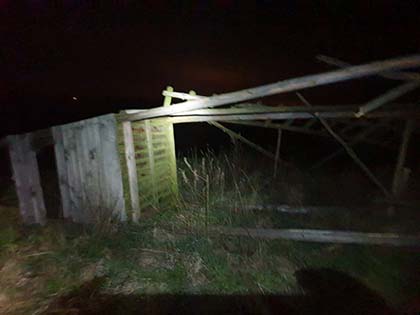
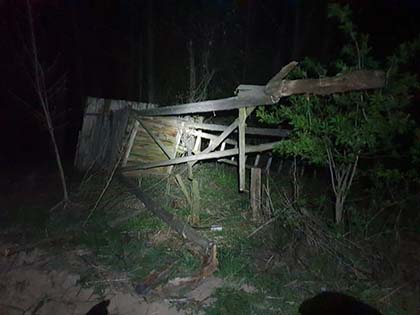
From the Animal Liberation Press Office: “Received anonymously: 3 hunting towers destroyed in Poland


3 hunting towers destroyed. Government has banned blocking hunting so we have no choice.


And I mean…From an ethical point of view, hunting is and remains murder.
Therefore, it is not wrong to destroy towers and it is not forbidden to be happy about them.

My best regards to all, Venus


China: Wuhan BANS eating wild animals: Five-year rule brought in after global coronavirus pandemic was linked to city’s wet markets.


Read the full article, complete with pictures and video at:

https://www.dailymail.co.uk/news/article-8340725/Wuhan-BANS-eating-wild-animals-five-years.html

Wuhan BANS eating wild animals: Five-year rule brought in after global coronavirus pandemic was linked to city’s wet markets

  • New rules forbid the consumption of wildlife, including those bred by farms

  • Experts believe the coronavirus outbreak was caused by the practice in China

  • The virus likely jumped to humans from animals sold at a wet market in Wuhan 

  • The law also bans people from producing, processing and trading wild animals 

  • Beijing in February issued a temporary ban on the trading and eating of wildlife

Experts in China said in January that the virus had likely jumped onto humans from wild animals sold as food at a wet market in the city of 11million.

Apart from seafood, the market’s offerings included live wild animals, such as foxes, crocodiles, wolf puppies, giant salamanders, snakes, rats, peacocks, porcupines, koalas and game meats, according to a previous report .

The Chinese province of Hubei, of which Wuhan is the capital city, in March passed a law to ban the eating of wild animals completely, including those bred or raised by people.

Viral footage purports to show a fashionable Chinese young woman biting one of the wings of a cooked bat at a fancy restaurant. The deadly coronavirus could come from the animal

Pictures emerging on Twitter shows soup cooked with a bat. Bats are used in traditional Chinese medicine to treat a series of illness, including coughing, malaria and gonorrhea

WAV Comment – Bat soup, to ‘treat a series of illness’; But we assume Coronavirus is not one of them ?


We love all animals, big and small

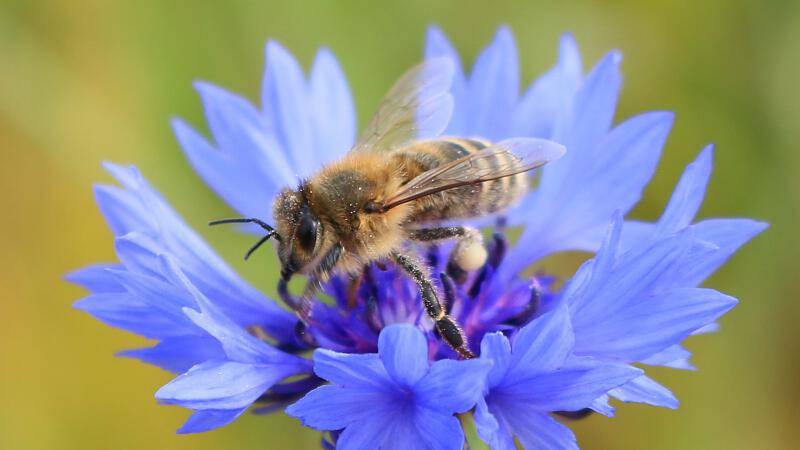
Today is World Bee Day 🐝🐝


A dear animal rights activist found an exhausted WASP just today, and had to help her, that was not planned for World Bee Day 😅!

It wobbled and kept falling over.
The animal quickly recovered with a little sugar water.

After strengthening, the wasp cleaned itself quickly ..
and then it flew away 🐝

That’s how nature is – always good for a surprise!


Thanks to everyone who loves even the smallest animals.


Regards from Venus


England: Stadium confirms end of greyhound racing in Peterborough after 75 years.

Stadium confirms end of greyhound racing in Peterborough after 75 years

The final lap of greyhound racing has been completed after the city’s stadium confirmed there would be no more racing there – even after the COVID-19 pandemic is over.

The stadium owners confirmed the decision today, due to the financial pressures partially caused by the current pandemic.

In a statement, a spokesman for the stadium said: ““After much careful thought and consideration, and after 75 years, the Perkins family have decided to cease trading as a greyhound racing stadium with immediate effect.

“We are an evening greyhound racing venue and rely heavily on income from customers attending the venue to eat, drink, and bet (on our Tote) to survive. Without the substantial number of visitors we have experienced in the run up to the current Coronavirus outbreak, and the prospect of this not being achieved in even the longer term as social distancing measures remain in place, the long- term viability of continuing to trade from the site as a greyhound racing stadium is unsustainable.

“This is a decision that has not been taken lightly and has been taken in conjunction with and on the advice of our accountants. Long term, we are advised that the site cannot make a sufficient return to continue operating profitably as a greyhound racing stadium.

“So, it is with a heavy heart that the Perkins family would like to thank all greyhound owners and trainers, past and present, who have been attached to the stadium over the years for their support. We would also like to thank all those patrons who have visited and enjoyed a night`s racing with us over the years.

“The company remains active, and we are looking at other opportunities.”

Mark Bird, managing director of the Greyhound Board of Great Britain (GBGB) said; “We are extremely saddened to hear the news that Peterborough Greyhound Stadium is to close.

“It is a long established, family run track run by the Perkins Family since 1945 that has served its community throughout all that time and holds incredible, long lasting memories for racing fans throughout the country.

“The news clearly makes it a bittersweet week for our sport, as we have welcomed a safe return to trialling at many of our tracks and turned a corner since the start of this pandemic.

“We have also, of course, had the announcement that greyhound racing will shortly be returning to Towcester which is such a positive signal for the future of our sport.

“Our thoughts and best wishes are obviously with all those associated with the stadium at this incredibly difficult time. The ongoing situation with coronavirus is taking a significant toll on all sport, hospitality and leisure businesses which rely on spectators for their income.

“At GBGB, we will continue to provide whatever support we can, in particular to those trainers and owners affected. We will shortly be contacting all Peterborough attached trainers to check on their position moving forward.”

https://www.peterboroughtoday.co.uk/business/stadium-confirms-end-greyhound-racing-peterborough-after-75-years-2858152


South Africa: SIGN: STOP HORRIFYING PROPOSAL TO LIST Elephants As Meat.

SIGN: Stop Horrifying Proposal to List Elephants As ‘Meat’


SIGN: Stop Horrifying Proposal to List Elephants As ‘Meat’

Posted by Jane Wolfe


Petition link – https://ladyfreethinker.org/sign-stop-south-africa-from-classifying-elephants-rhinos-and-other-endangered-species-as-meat/?utm_source=Newsletter&utm_medium=Email


PETITION TARGET: Minister of Agriculture, Land Reform and Rural Development Angela Thoko Didiza

In a devastating setback for animal conservation, elephants, rhinos and other endangered animals on the brink of extinction could be list as “meat” in a proposed legislative amendment in South Africa.

These animals, along with giraffes, hippos, zebras, and even the critically endangered white antelope, could soon be added to the Meat Safety Act. A vast array of wildlife would be viewed as food rather than the majestic, sentient creatures they are.

“South Africa is preparing to expand and intensify captive breeding of wild species and sell their meat in the food markets,” according to the African Conservation Foundation. “The proposal is to expand the number of non-domestic but edible species ‘that can be slaughtered as food for humans or for animal consumption.’”

Killing and eating wild, endangered and threatened animals isn’t just cruel and reckless — it poses a serious risk to human health, as the coronavirus pandemic clearly demonstrates. Wild animals carry a host of zoonotic diseases that can — and do — jump to humans and spread rapidly throughout our own populations. Elephants alone can spread tuberculosis, anthrax and salmonella, potentially sickening and killing any humans they come in contact with.

We must send a clear message to the government of South Africa: endangered animals are NOT food.

Sign this petition urging the Minister of Agriculture, Land Reform and Rural Development, Angela Thoko Didiza, to halt this terrible amendment, preventing the slaughter and consumption of some of South Africa’s most rare and wonderful animals and potentially saving humans from another global tragedy.


the happy life of Ferdinand

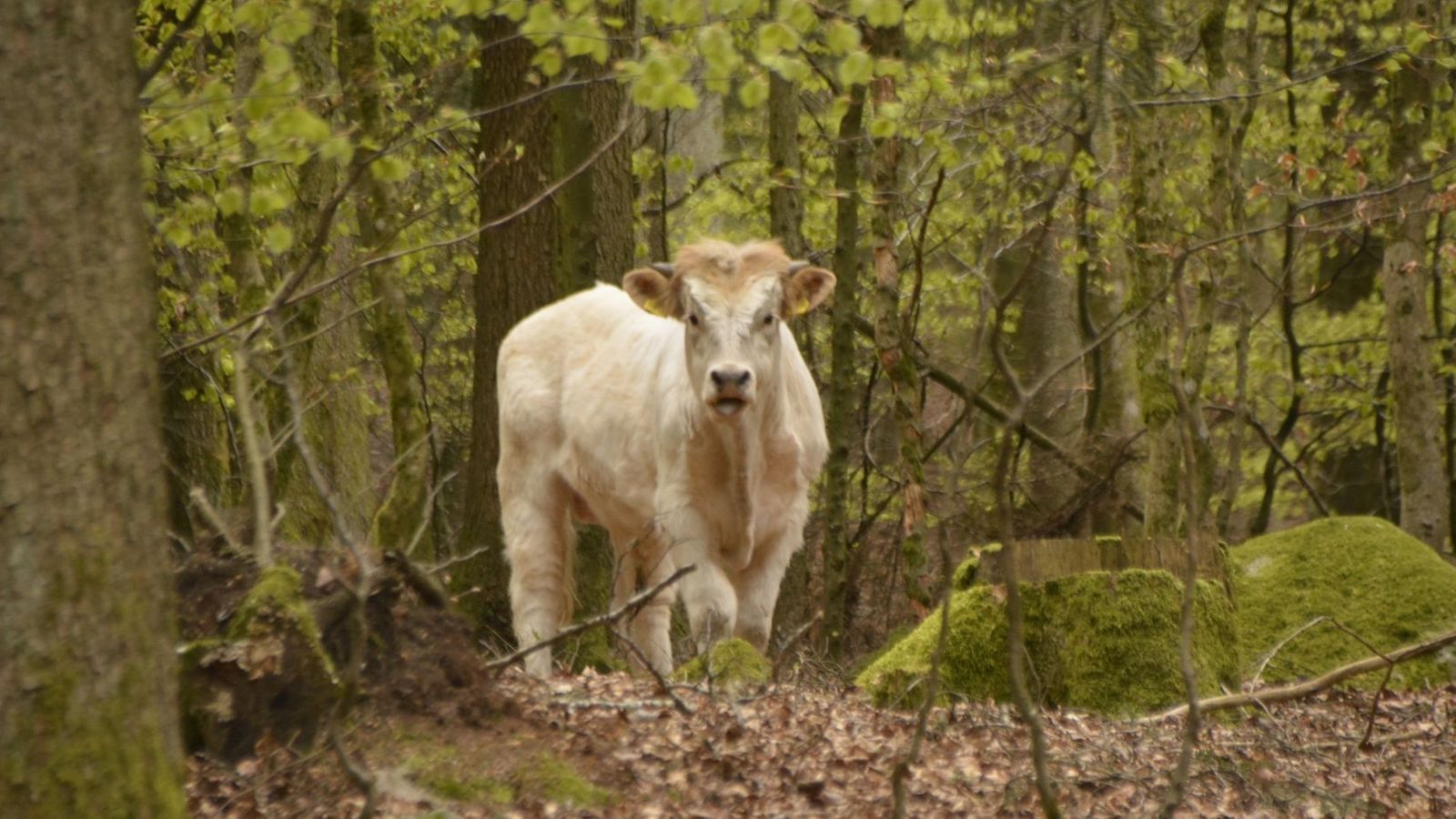
Do you remember Ferdinand?

It was the young bull who managed to jump out of his killing box on the way to the slaughterhouse and escape into the forest.


https://worldanimalsvoice.com/2020/04/18/ferdinand-the-bull-who-wanted-to-live/


Erdlingshof employees bought the animal and started a two-week fishing campaign with two bait cattle.
Ferdinand is in this wonderful courtyard today and here is the current video and report about his new life:


“Ferdinand has been on the “Erdlingshof ”  for 2.5 weeks now. And he already has so much trust in us that we wonder how it can be after everything he has already gone through.

🐮😢 We are overjoyed that he gives us his love and trust and even lies on the floor with Johannes as if it were the most normal thing in the world. 😲

❤ Ferdinand, we are so happy that you managed to escape death in the slaughterhouse and hope that your story will open many hearts! 🙏”

I think...There is nothing better than watching happy animals!


My best regards to all, Venus