Ship transporting 60,000 sheep on journey of death gets ‘clean bill of health’
The sheep are doomed to spend three weeks at sea in squalid conditions should a live export permit be granted, and many will not make it out alive.
The Al Shuwaikh livestock vessel destined for Kuwait, which has docked in East London for the past few days awaiting shipping 60,000 sheep onto it has been given a clean bill of health, according to Dispatch Live.
It was earlier reported that a permit had already been granted, but has since been corrected to reflect that this is only expected to take place later this week, department of rural development and agrarian reform spokesperson Ayongezwa Lungisa told Dispatch Live on Monday.
Lungisa says veterinarians are expected to be inspect the sheep for diseases and vaccinations before the Al Shuwaikh heads for Kuwait. If this is in order, a live export permit is expected to be granted.
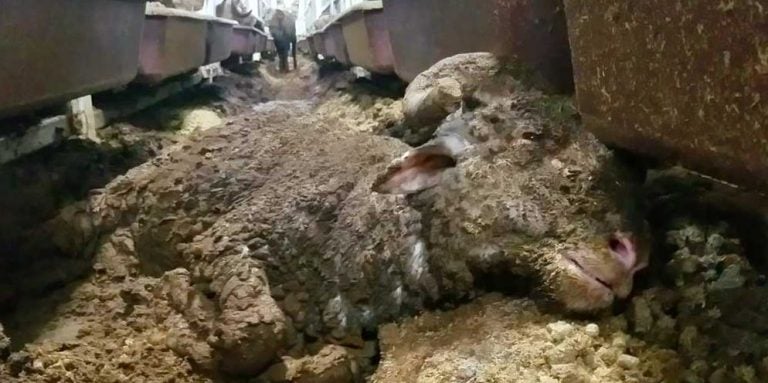
The sheep are doomed to spend three weeks at sea in squalid conditions, and many will not make it out alive.
Al Mawashi, the livestock transport and trading company facilitating the live export, ironically claims that it does not tolerate poor treatment of livestock in any part of its supply chain.
However, in November 2017 during a voyage on the Al Shuwaikh, an average of 37 animals died each day onboard the ship. In June 2018, an average of 20 animals died per day on a 30-day voyage, and in September 2018, 659 deaths were recorded on a 24-day voyage.
The National Council of SPCAs (NSPCA) urged both government and the public to reconsider the shipment.
The permit being granted has hit them and other animal rights organisations hard.
In a statement, the NSPCA details the gruesome conditions the sheep will face on the ship.
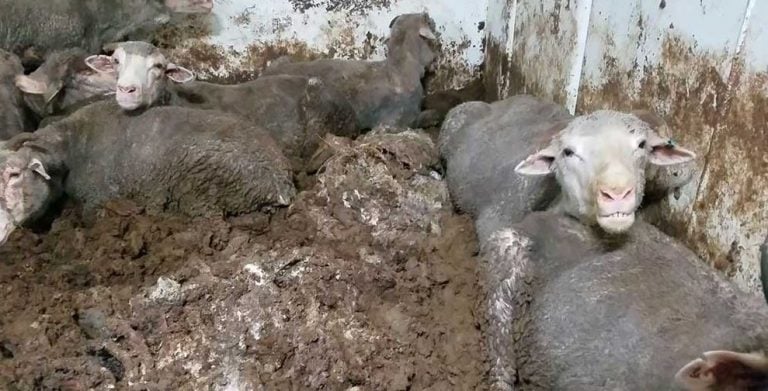
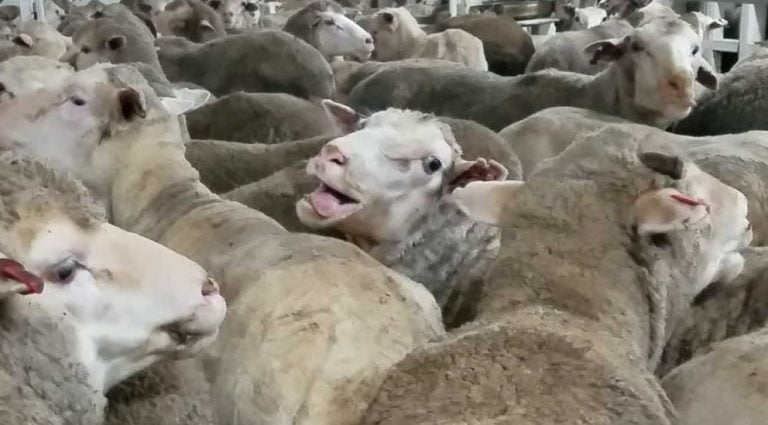
“Onboard this ship, they will be crammed so tightly that many will not be able to lie down and rest. For three weeks, they will stand, with limited access to food and water, and some will have no access at all … They will be forced to stand in their own excrement, wearing what is called “faecal jackets”.
Marcelle Meredith, NSPCA executive director, said: “The South African government have the power to stop this shipment, they have a responsibility to ensure that welfare is a primary concern, especially in light of our success in the high court recently with regards to permitting issues and welfare considerations.”
In a damning statement, the NSPCA has slammed the company’s blatant hypocrisy, pointing to claims that they operate transparently.
The NSPCA continues to advocate that live export by sea for slaughter purposes is unethical, unnecessary, and unacceptable.
According to Animals Australia, over 100,000 litres of urine and faeces accumulate on a trip like this each day the sheep are onboard.
This combined with the Middle East’s high temperatures results in sheep being unable to regulate their own body temperatures causing heatstroke. This, the statement reads, literally results in sheep being “cooked alive” while in oven-like temperatures.
Waste build-up makes it dangerous for the sheep to lie down, as they risk being buried alive, and ammonia from their excrement often leads to respiratory infections, and burning eyes and throats.
“All this mixed with disease, overcrowding, pneumonia, motion sickness, physical trauma and injuries, and stress, creates the perfect environment for excruciating suffering, and many animals will die in transit.”
The fate of those that survive the journey is not good either – they will face “inhumane handling” before being violently slaughtered while they are still alive.
Carte Blanche screened horrifying footage of the live export trade on Sunday evening, with the video still making the rounds on social media.
The NSPCA hoped their online petition would encourage government to reconsider the shipment.
“South Africa must take a stand against this abhorrent and unnecessary practice and rather export packaged meat, which not only ensures that animals do not suffer unnecessarily, but helps the country’s struggling economy.”
Those who wish to make a donation to the NSPCA can do so by clicking here.
Posted on October 2, 2019 by Serbian Animals Voice (SAV)
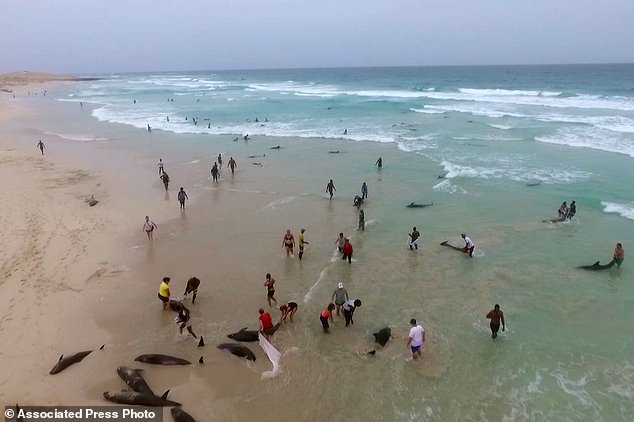
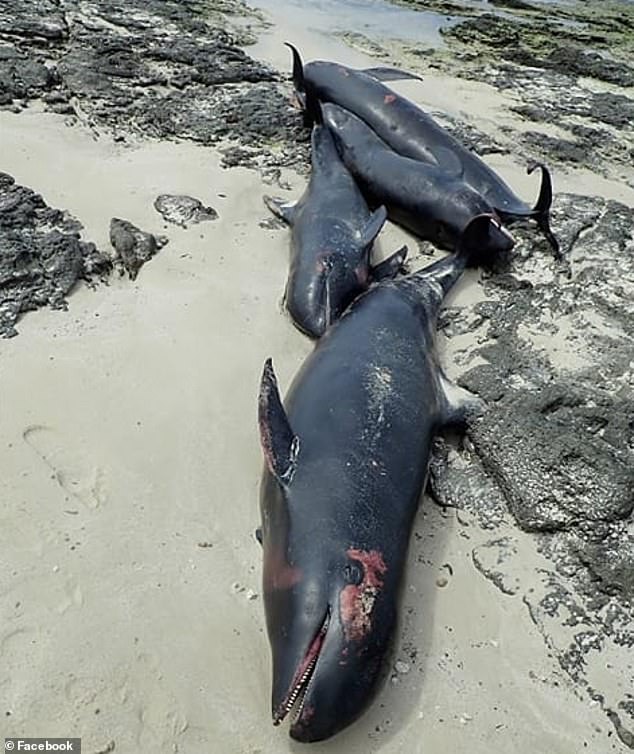
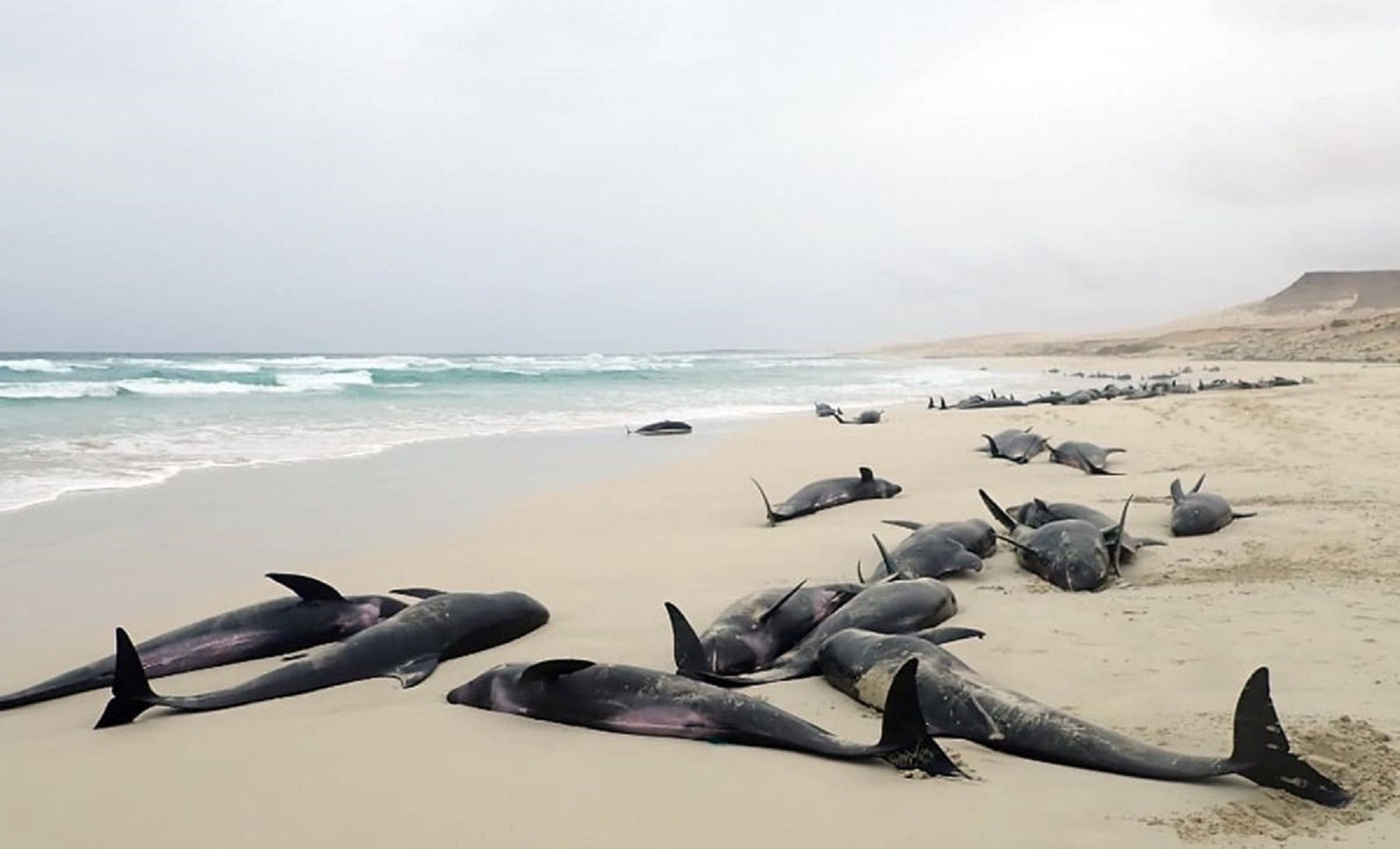
Nearly 200 dolphins stranded themselves on a beach of Boa Vista island off the coast of West Africa on Tuesday.
Authorities in the Cape Verde islands have called on Spanish experts to help determine why the mammals beached themselves.
Officials, residents and tourists managed to drag some of them back out to sea, but many returned.
Mystery as 200 dolphins wash up on a tourist beach on Cape Verde – with some beaching themselves after locals managed to drag them back to sea.
Despite their efforts, authorities had to bury 136 dead dolphins.
Although some of the dolphins swam off and survived the mass beaching, experts fear that they may not have long left to live due to the trauma of their ordeal.
Scientists believe that the leader of the dolphin school may have got lost or disorientated and the rest of the animals followed.
BIOS Cape Verde, a volunteer environmental association in the former Portuguese colony, said on its Facebook page Friday that it took samples from 50 dolphins and four others were placed in deep freeze by the local council.
The group said veterinarians from the University of Las Palmas in Spain’s Canary Islands are due in the coming days to perform tests.
Activists warned that similar incidence have been seen in the past and called for the protection of the the diverse wildlife off the Atlantic coast of Africa.
In March it was reported that 1,100 dolphins had beached themselves on the shores of France in just three months, a 40-year record high.
Many were mutilated with injuries sustained from being trapped in fishing nets and having their fins cut off.
My comment: Again and again there are reports of mysterious animal mass extinctions.
The mass extinction of the sea mammals is no more enigmatic and no less rare.
There are several reasons for this:
– The oceans are getting more and more polluted and overfished, they acidify and heat up, the oxygen content sinks.
– Drilling or the search for gas and oil deposits with compressed air guns produce the sound waves that irritate the sensitive sensory organs of the animals and take their bearings.
This brings us back to the conclusion that the human species is (mostly) the designer of such massacres!
Posted on October 1, 2019 by Serbian Animals Voice (SAV)
„What I had learned about human rights proved to be directly relevant to my thinking about animal rights. Whether any animals have rights depends on the true answer to one question: Are any animals subjects-of-a-life?
This is the question that needs to be asked about animals because this is the question we need to ask about us.“ – Tom Regan
Posted on October 1, 2019 by Serbian Animals Voice (SAV)
“No one is allowed to disturb, harass, or treat the cow without respect. The killing of the cow is the most abominable of all earthly sins,“says the teachings of God Krishna.
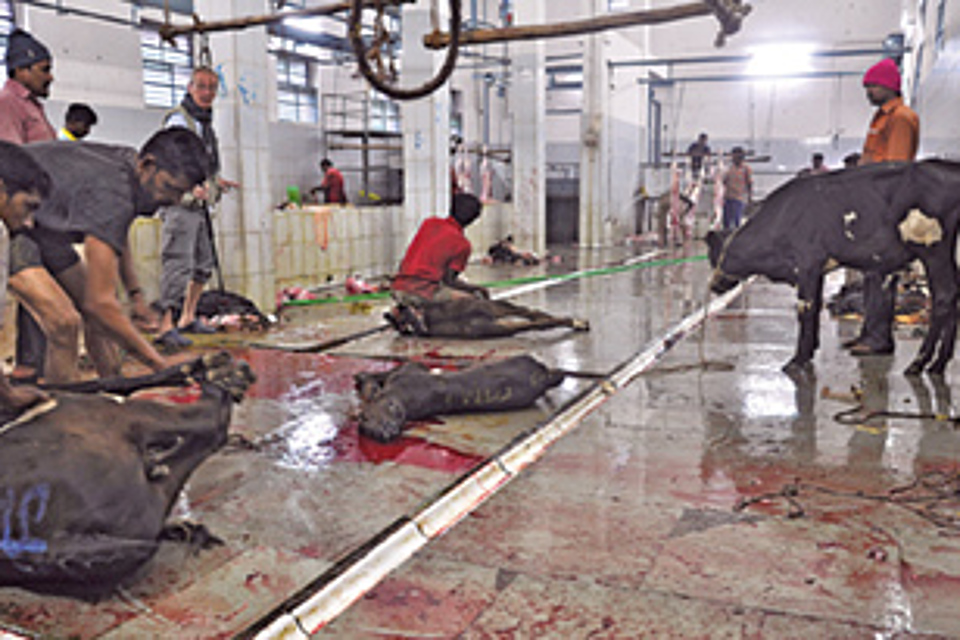
And yet India is the world’s second largest leather exporter: Throughout the country, cattle are slaughtered to millions in illegal slaughterhouses, in backyards and even in the living room. In 2016, India exported $ 6 billion worth of leather.
The demand for leather comes mainly from the USA, Germany and the United Kingdom. About 90 percent of Indian leather lands in the European Union.Germany is the second most important market. Pretty much everyone wears it, with little or no thoughts about where the leather came from.
And so it happens that shoes are sold in German shops for which “holy cows” from India in Bangladesh are killed without any anesthesia in slaughterhouses or on the street.
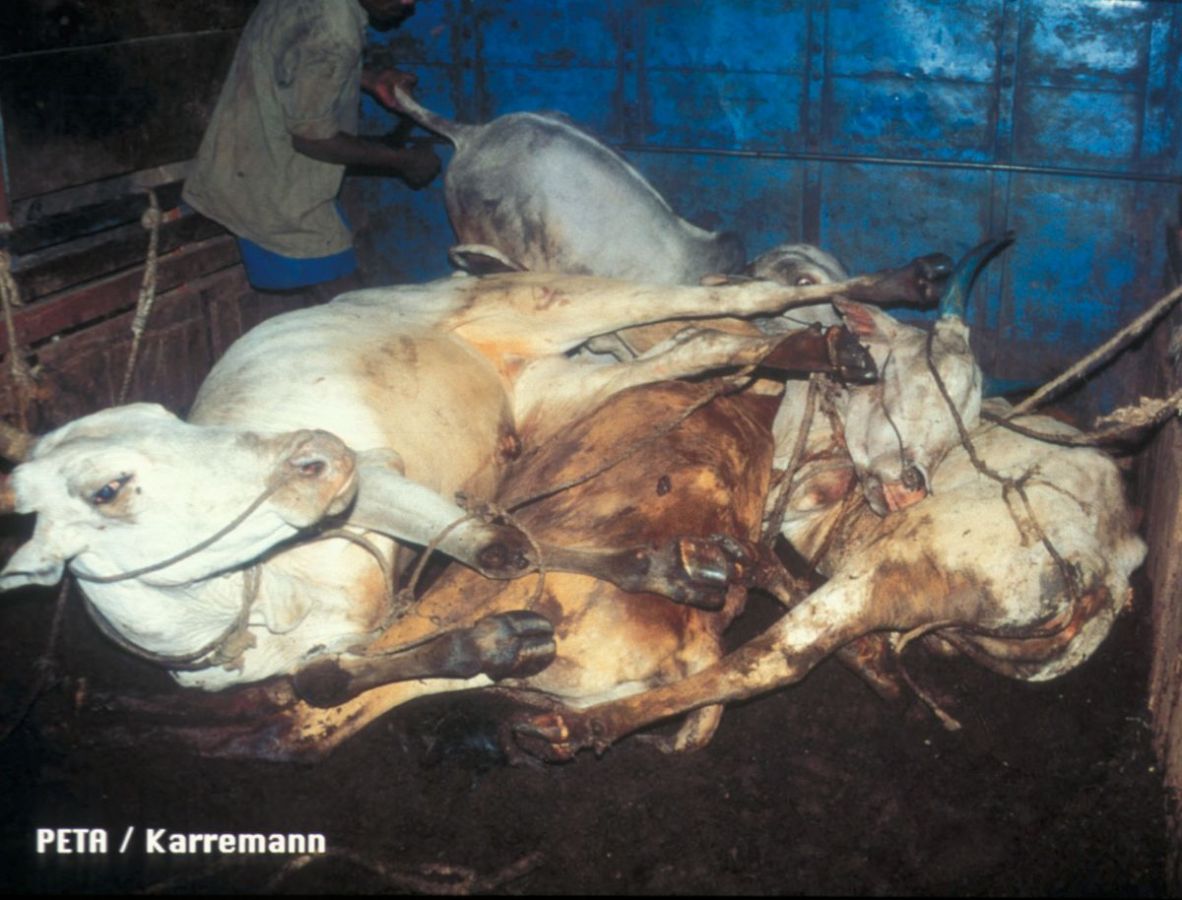
Because killing cows is banned in most states, much of the slaughter takes place in Kerala and West Bengal, where there is no ban. This is where cattle from the southern and western states are smuggled. Millions of animals are transported under appalling conditions to the slaughterhouses of Kerala and West Bengal.
There are 32,000 unlicensed in the country against the 3,600 legal slaughterhouses.
Men load a van like this: They tie the cattle close together. Space is so tight, so forbids Indian law .. But men do not stick to it – to keep costs down. A total of 31 animals are swinging workers in a van. Then it’s over 600 kilometers to the slaughterhouse. The animals are standing all the time and can barely move. They are also not allowed to eat and drink on this exhausting journey.
The cattle traders put red chili peppers or tobacco in their eyes and purposely break the tail of the exhausted animal.
So a “Made in Italy” simply means that the assembly of the items to the shoe was carried out in Italy.
For example, the upper leather of a shoe may have been tailored and dyed in Turkey, the tanning and slaughtering previously took place in Bangladesh, and the cow was originally from India.
-Animal suffering during medieval transports
-Battle under medieval conditions on open streets
-Children work in tanneries with toxic and carcinogenic substances
– Contaminate river and groundwater with chemicals
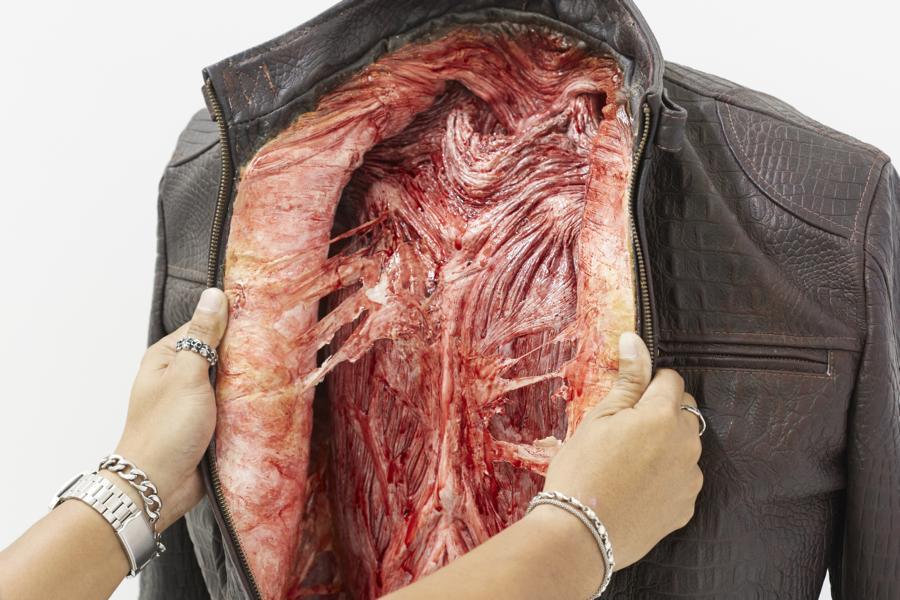
Does anyone need more reasons not to buy or wear leather in any form?
Posted on September 30, 2019 by Serbian Animals Voice (SAV)
As demonstrated by the athletes and research featured in The Game Changers, switching to a diet centered around plants can yield significant performance advantages, providing optimal fuel, increasing blood flow, making muscles more efficient, and speeding recovery by lowering inflammation. These benefits can not only be experienced by athletes, but by anyone who wants to feel and perform better in any aspect of their lives. UN LAB Middleware Label: Petition Body Ends
Hard-working muscles run primarily on glycogen, a form of carbohydrate stored in our liver and muscle. Carbohydrates, which come almost exclusively from plants, also provide our brain with its primary and preferred fuel — glucose — which helps us stay sharp and focused during intense training sessions and competitions (1).
Performance-based diets built around meat and other animal products often provide dietary fat at the expense of carbohydrates (2,3). Unlike carbohydrates, fat can’t produce energy fast enough to meet the demands of intense exercise, so diets that sacrifice carbohydrates typically impair high-intensity performance (1). Low-carbohydrate diets, including the ketogenic (keto) diet, have been shown to cause so much fatigue that they even affect our motivation to begin a training session, let alone finish it (4-6).
Protein can also be used as a fuel source, but it’s highly inefficient, wasting 20-30% of each calorie as heat (7).
All told, carbohydrates are the ideal source of energy for optimized performance, whether it’s doing squats, playing football, or running a marathon.
And as we’ll discuss later in Getting and Staying Lean, despite the common misconception that “carbs make you fat”, unrefined carbohydrates — like those found in whole plant foods, including oats, sweet potatoes, and bananas — are consistently associated with decreased body fat, another advantage for most performance goals.
Increased Blood Flow
Efficient blood flow is another cornerstone for optimized performance, since blood is how oxygen and vital nutrients reach the cells in our muscles, brain, and the rest of our body, while also helping to eliminate waste (8).
Just as the experiment conducted on three NFL players in The Game Changers revealed, a single animal-based meal can quickly thicken our blood (9), which slows down the flow of oxygen and the nutrients blood transports to the areas that need it most, including the muscles we use during exercise (10). People who avoid meat experience the opposite effect, since plant-based meals allow blood to remain fluid and flow quickly to its destination (11).
Adding insult to injury, animal-based meals can cripple our arteries, preventing them from fully opening to allow for increased blood flow. Research has shown that just two hours after eating a heavy animal-based meal, arteries can constrict by 40%, essentially causing a traffic jam. The calorie-matched plant-based meal allowed them to open freely for quick, easy transit (12).
But it isn’t just the lack of “baggage” in plant foods that help keep our blood flowing quickly; there is also a common ingredient found in plant-based foods like spinach, lettuce, carrots, and beets that actually signals our blood vessels to open, allowing more blood to flow through at a faster pace (13). This ingredient is nitrates which, unlike the cancer-causing nitrates in cured meats like bacon (14), serves another important function.
Improved Muscle Efficiency
The energy reserves our muscles use for intense training or competition are limited, and when we run out, we’ve reached the end of line. The more efficiently our muscles work, the further these energy reserves can take us.
In addition to encouraging our arteries to expand, the nitrates found in plant foods also allow our muscles to contract more efficiently, sparing their energy reserves and allowing them to accomplish more work with the same amount of effort (15). This translates into measurably better performance, whether it’s lifting weights at the gym, playing football, or running sprints (16).
Reduced Inflammation
Inflammation is our bodies’ natural immune response to injury, foreign invaders, or even exercise. In its acute form, like after spraining an ankle, coming down with a bacterial infection, or recovering from a workout, inflammation is an immediate and necessary part of the healing process. Left unchecked, or further intensified, inflammation can prolong healing time from injuries or sickness, and also increase soreness and swelling, slowing recovery between workouts and competitions.
Chronic inflammation often begins with the same cellular response, but shifts in nature when the immune system fails to heal the injury effectively, eliminate the foreign invaders, or continues to respond to a threat that no longer exists. Once it reaches this stage, inflammation often begins damaging healthy tissues, including muscles and joints (17).
Taking all of this into account, unnecessary inflammation can have a significant negative impact on our physical performance (18).
Fortunately, diet can be a powerful tool to get us through acute inflammation faster and combat chronic inflammation as well. But it can also have the opposite effect.
Animal-based diets fall into the latter category. Extensive research has shown that meat and other animal products contain (or lead to the formation of) a wide range of pro-inflammatory compounds and molecules, including bacterial endotoxins, trimethylamine N-oxide (TMAO), nitrosamines, heterocyclic amines (HCAs), N-Glycolylneuraminic acid (Neu5Gc), and polycyclic aromatic hydrocarbons (PAHs) (19-23). If these words sound scary, you’re right: the damage they inflict can be severe, with research showing that a single hamburger can increase measures of inflammation by 70 percent (24).
Plants fall on the opposite end of this spectrum, coming naturally packed with high doses of anti-inflammatory compounds, including thousands of powerful antioxidants. The contrast between these two classes of food is dramatic, with plants having on average 64 times the antioxidant content of animal foods (25). This helps explain why switching to a plant-based diet can help reduce measures of inflammation by 29 percent in just three weeks (26).
Not surprisingly, numerous studies have shown that the anti-inflammatory nature of plant foods can help decrease soreness, reduce muscle damage, and support recovery — all of which contribute to improved performance (27-31).
Eating plants also combats the inflammation caused by animal foods (24,32). Therefore, decreasing animal foods while increasing plant foods has a dual effect: it not only replaces pro-inflammatory compounds with anti-inflammatory ones, but also frees up the beneficial plant compounds to address the inflammation caused by exercise, injury, and sickness (33).
The reduction in both acute and chronic inflammation reveals why so many plant-based athletes, including those featured in The Game Changers, report reduced DOMS (delayed onset muscle soreness), quicker recovery times after workouts and competitions, faster healing from injuries, reduced tendonitis and joint pain, improved immunity, and significantly increased career longevity.
Plants for the Win
Whether you’re a competitive athlete, weekend warrior, or someone who simply wants to feel and perform better in the gym, at work, or at home, eating more plants and fewer animal foods can provide powerful advantages. As we’ll see in Optimizing Health, eating a diet centered around plants can also have a dramatic effect on our health.
Posted on September 30, 2019 by Serbian Animals Voice (SAV)
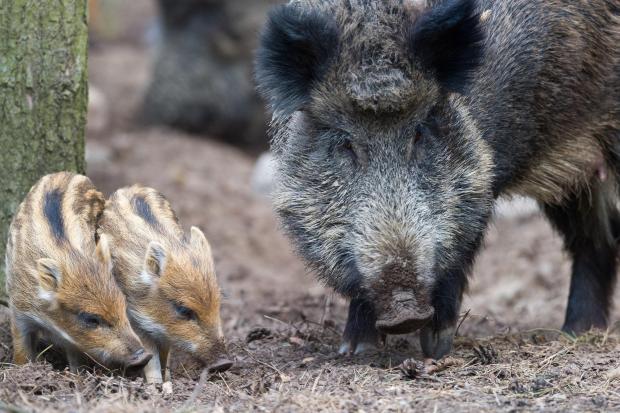
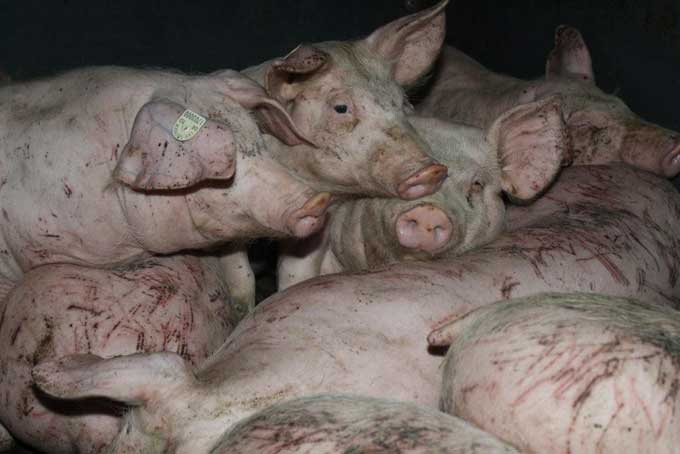
In order to prevent the spread of swine fever in Germany (where so far not a single case has been reported), sow bottom-catches are tested in Lower Saxony!
In certain counties in Lower Saxony, the Lower Saxony Ministry of Agriculture has new execution methods, the so-called “sow bottom-catches” set up.
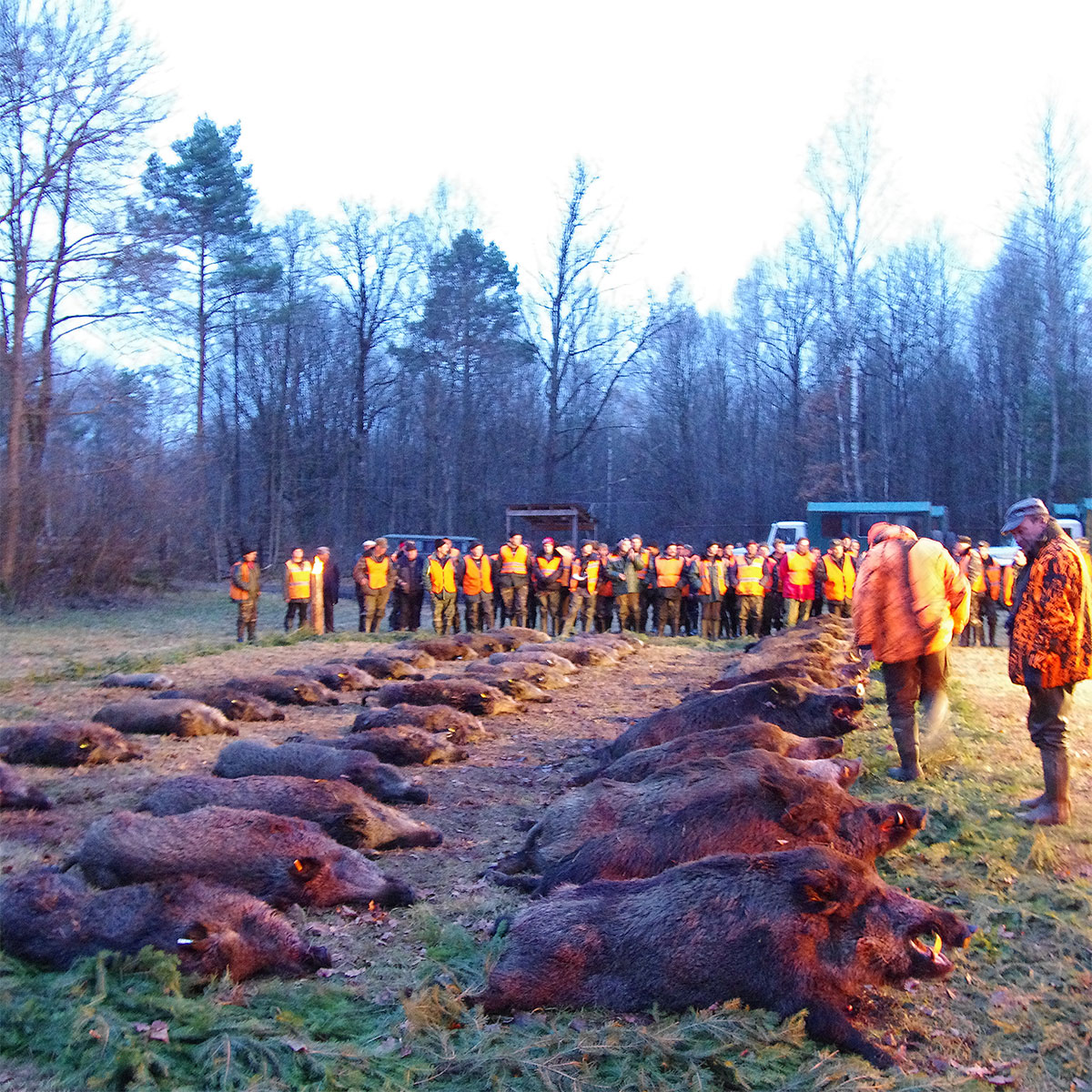
These are about 20 square meters of fishing enclosures, in which entire pig herds can be trapped and killed. The ministry considers this more effective than individual shootings. This should not only be allowed if the virus is detected, but also for prevention (!!!)
There, the hunters lay out food for the wild boars until they go into the cage with the whole group. Then the flap closes and the aktion ends in a masacre. This should not only be allowed if the virus is detected, but also for prevention (!!!).
“The hunt in bottom traps usually ends in a masacre, says the Chairman of the Animal Welfare Association of Lower Saxony Dieter Ruhnke. In escape attempts, the pigs injured each other.
In order to meet them more purpose, hunters need an “extensive shooting training” that they have not received, criticized Ruhnke, who considers the increased hunting for fear of African swine anyway absolutely absurd.
He rejects the regulation as well as the preventive use of traps. All this serves only to protect the meat industry.
African swine fever is a disease affecting both wild and domestic swine. It is harmless to humans, as is the consumption of infected pork.
It spreads through blood and blood-containing tissue. For example, if a hunter shoots an infected boar, has blood on his shoe and then goes to his pigsty, he can lure the virus in.
The same applies to a carelessly thrown sausage bread, which is eaten by a boar.
Very slow, however, is the spread of wild boar to wild boar.
The disease almost always ends in death for the animals. For pig farmers, the outbreak of the virus in their own barn represents a major economic loss. Although they are well compensated for it. From the EU fund, that means with our money.
Farmer slaughter their pigs anyway, that is, they do not care whether the animals are slashed open in the slaughterhouse or die from African plague. Only .. in the second case they can not make a profit.
The Vice President of the German Farmers’ Association,Werner Schwarz (who operates a pig mast himself), has given us a “clear explanation” to why in the “Land of Meat Mafia” (Germany) hunters and their policy accomplices invest so much imagination, money and effort in preventative murder methods for something that has not even claimed a sacrifice in their own stables:
“The economic and social impact of an outbreak of African swine fever is hard to imagine. Already the appearance in the boar population would mean that pork can no longer be exported to third countries, ie to countries outside the EU “!
And if we translate that into mathematical numbers, then 600,000 wild boars should be killed (with premiums of 25 euros per boar), so that about 60,000,000 pigs (so many are slaughtered per year in Germany) can be slaughtered.










 Serbian Animals Voice (SAV)