Global News Snippets from the SP, England.

earth butterfly

With thanks to good friend Sue at the SP here in England:

Direct SP link:

http://www.shoreham-protester.org.uk/

The Shoreham Protester was first issued during the live export protests at Shoreham Harbour in 1995. 

http://www.independent.co.uk/news/uk/1000-police-drafted-to-animal-port-1566585.html

It now covers a whole range of animal rights issues, national and international, and is produced as a monthly newsletter, available by post for £12 (cheques made payable to SPAAA) for 10 issues and sent to 7 Stoneham Road, Hove, East Sussex BN3 5HJ

For FREE trial edition, click on button on leftside column.

The small profit made from the sale of the paper goes directly to help animals.
The Shoreham Protester online edition reports a few of the main items from the newspaper

Veganism is taking off in Israel, where few people had even heard of the term a few years ago. Animal-rights organisations such as Anonymous and Let the Animals Live have operated for more than 2 decades, and there have always been vegetarians in Israel.  But while vegetarians are pretty common, abstaining from eggs and dairy products has been perceived here as an esoteric practice adopted by health-freaks or high-school radicals. So, how did the vegan craze hit Israel’s shores?  By most accounts, it all started in April of last year, when Daniel Erlich and Hovav Amir, 2 animal-rights activists who run the online TV show Animal Log, added Hebrew subtitles to an American lecture about veganism and posted it on YouTube under the title “the best speech you’ll ever hear.” The lecturer is a Jewish American animal-rights activist named Gary Yourofsky, who usually speaks to high-school and college students in the United States. He is considered a criminal or even a terrorist by many, is banned from entering Canada and the U.K., and has a long history of arrests. He even spent 77 days in a Canadian maximum-security prison once, after raiding a fur farm. Yourofsky doesn’t hesitate to use shock-tactics: He calls eggs “chicken period” and honey “bee vomit,” and frequently advocates violence. His angry speech would probably cause any hamburger-eater to feel terribly guilty. In it, he combines statistics, nutrition information, and discussions of morality, interspersed with shocking films of slaughterhouses. News of the eye-opening lecture spread virally and with the help of activists handing out leaflets. Erlich and Amir even got a leading tofu manufacturer to print a QR code on tofu packages linking to the Israeli Yourofsky site. More than half a million Israelis have watched the YouTube video. Many others attended, and keep attending, screenings at universities, schools, and various public places around the country, and last September Yourofsky himself held a successful lecture tour in Israel—his first outside the United States—which was accompanied by much media coverage. Erlich and Amir can now boast that more than 700,000 Israelis, close to 10% of the country’s population, have heard Yourofsky’s gospel.  “I think that experts on the Israeli vegan scene will agree to the estimate that at least a few thousands have become vegan after watching Gary’s speech,” Amir told said in an interview. Now the signs of Israel’s vegan revolution are everywhere. There are vegan cooking courses and workshops, vegan blogs, online vegan cooking programmes, a new smartphone app called Vegan Spotting that locates vegan dishes served in your area, and a slew of new businesses that cater to vegans, like an online vegan shop  selling everything from vegan pet food to condoms. Vegan Friendly is a new initiative making the vegan lifestyle in Israel easier and more accessible by identifying vegan restaurants, cafés, hotels, and other establishments. There even is a Facebook page for Israeli vegan parents looking for help figuring out what to feed their kids.

Australia’s largest supermarket chain, Coles, will as of January 1 stop selling company branded pork and eggs from animals kept in factory farms. As an immediate result, 34,000 mother pigs will no longer be kept in stalls for long periods of their lives, and 350,000 hens will be freed from cages. Not to be outdone, the nation’s other dominant supermarket chain, Woolworths, has already begun phasing out factory farmed animal products. In fact all of Woolworth’s house brand eggs are now cage-free, and by mid-2013 all of their pork will come from farmers who operate stall-free farms. Coles and Woolworths together account for a dominant 80% of all supermarket sales in Australia. The move to open up the cages was fuelled by “consumer sentiment,” and it has been synchronous with a major campaign against factory farming of animals led by Animals Australia. The campaign features a TV ad, titled “When Pigs Fly,” in which an adorable piglet tells the story of animals sentenced to life in cramped cages, and then flies to freedom.  http://vimeo.com/51967590

Brazil has notified international animal health regulators of its first case of bovine spongiform encephalopathy, BSE, commonly called mad cow disease. The cow died 2 years ago, but the test confirming the deadly brain disease was not done until 18 months later, and the results not made public until Thursday. This time lag allowed Brazil to export roughly 67m pounds of beef to the United States since the suspect Brazilian cow was identified.

Israeli dairy giant Tnuva faces criminal probe for alleged animal abuse. The Environmental Protection Ministry launched a criminal investigation against Tnuva following an exposé aired by the television investigative programme Kolbotek on mistreatment of animals at its Adom Adom slaughterhouse. About 300 animal rights activists gathered in Tel Aviv on Monday – International Animal Rights Day – to protest abuse. In response to the programme and the resultant investigation, Adom-Adom CEO Erez Wolf stressed that the company “unequivocally condemns this behaviour,” detailing a number of steps that had been taken against the employees involved. “Abuse is not kosher,” the protesters chanted, according to the group Anonymous for Animal Rights. “The Tnuva CEO must resign.” Actress Orna Banai likewise took part in the demonstration, calling for a consumer boycott of Tnuva products and stressing that the company must be held accountable for evading its responsibilities. Members from the Left and Right, meat-eaters and vegetarians, ultra-Orthodox and secular showed up to the protest and echoed Banai’s call. “We must remember that if these seem to be the procedures and guidelines at the largest and most advanced slaughterhouse in Israel, the grave abuse that we have seen in the Kolbotek investigation is just the tip of the iceberg,” said Hagai Cohen from Anonymous.

Turkey cruelty – no charges

The top prosecutor in Sampson, Duplin and Onslow counties said that there is insufficient evidence of animal abuse by workers at farms linked to Butterball LLC to pursue criminal charges. Mercy for Animals conducted an undercover investigation in October and collected hidden-camera video of what the animal rights group described as turkeys being kicked, stomped on, dragged by their wings or necks and thrown into crates on top of other birds.

E-coli contamination ignored

Federal beef inspectors at the XL Foods plant in southern Alberta whose E. coli crisis sparked the country’s largest meat recall were ordered to turn a blind eye to contamination on carcasses being processed for sale to Canadians, CTV News has learned, a directive that was imposed by the inspectors’ supervisors lasting 4 years. The 2008 memo written by a Canadian Food Inspection Agency (CFIA) meat hygiene supervisor at the Brooks, Alta., plant, obtained by CTV, instructed CFIA inspectors stationed at one of the plant’s final inspection stops to give extra scrutiny to carcasses shipped to Japan, but to ignore visible faecal and intestinal contamination on meat for Canadians. “Our number 1 priority is to ensure this standard is met with Japan eligible carcasses,” the memo said of the inspection station.  “Ensure that non-Japan-eligible carcasses are not inspected for spinal cord/dura-matter, OCD (other carcass defects) and minor ingesta,” the note continued. “Ignore them.” The union representing workers at the Brooks plant says this practice is “ridiculous.” “There’s one standard for beef being shipped to Japan and there’s another standard for beef being shipped elsewhere,” said Doug O’Halloran, president of United Food & Commercial Workers Local 401. “It is incredible that you could allow material to leave the plant that could have contamination on it just because it’s not going to Japan. “No disrespect to Japan, but what about the rest of the human beings in the world? It’s like we’re second class citizens,” he said. The memo – dated Sept. 12, 2008 – was sent to CFIA inspection staff at the Brooks, Alta., plant and was re-issued to them again in 2010 and 2011. The CFIA memo added that the contaminants can be detected later on in the meat-processing process, something with which the union representing CFIA inspectors disagree.

White lion cubs exported for Japanese circus

4 rare white lion cubs born in a UK safari park have been sent to perform in a Japanese circus after being trained in a British facility. The cubs were born at W. Midlands Safari Park, in Bewdley, Worcester, in 2008 but will spend their adult lives entertaining crowds in the Far East.

Animal rights charities have expressed outrage after discovering they were flown 6,000 miles to Japan’s Circus Kinoshita.   The animals were given to British businessman Jim Clubb who runs Amazing Animals, which also goes by the name Heythrop Zoological Gardens, in Chipping Norton, Oxon.  A Japanese investigator working for CAPS discovered one of the lions has been moved to a zoo in the west of the country after it was attacked by the other circus animals. The lion is reported to have developed a ‘nervous disease called autonomic ataxia’ causing his mane to completely fall out.  CAPS director Liz Tyson said: ‘The current Government has promised an outright ban on the use of wild animals in circuses as a result of overwhelming public, expert and parliamentary support.  ‘And yet here we have a zoo apparently providing lion cubs to this cruel and unethical trade via a middleman, whilst publicising their work to their paying visitors as based in conservation and welfare.  ‘It is an appalling betrayal of those people that trust the zoo to protect and care for the animals.  ‘But most importantly, it is an appalling betrayal of the lion cubs who appear to have been abandoned to this hopeless fate by W. Midland Safari Park.’  An investigation by CAPS claim the safari park has close ties with Clubb’s animal entertainment business. In 2007 Clubb appeared on the zoo’s own TV channel talking about his company which provides animals to the entertainment industry. Jim Clubb confirmed he had provided the lions to the circus – saying it was ‘business.’  He said: ‘We did receive the lion cubs from W. Midlands Safari Park and provided them to the circus in Japan.  ‘There is nothing illegal or underhand about this whatsoever. I will not discuss our financial arrangements but we are a business of course.  ‘I have no idea whether West Midlands Safari Park knew the lions would be going to the circus, that is a matter for them. I will not go into the arrangement we have with them.’  The safari park – which attracts 1.3m visitors each year – confirmed they had ‘sent’ white lions to Clubb ‘in good faith and were unaware of any subsequent moves.’   The Mail 27th Nov

A trailer full of circus animals overturned on an interstate in Georgia, trapping several animals inside.   The driver of the truck was transporting llamas, ponies, camels and zebras to the UniverSoul Circus in Savannah when he lost control, hitting a sign, authorities said.   The trailer full of 8 circus animals detached and fell on its side as the truck came to a halt atop a guardrail.   Neither the driver nor the animals were seriously injured.   But several animals were stuck behind metal partitions after the accident. Firefighters arrived at the scene to help the animals escape from the trailer uninjured. NY Daily News Nov 20

Mumbai is now gearing up to fight for the rights of circus animals across the country. Members of an animal rights organisation protested outside a circus camp in Bandra. The protesters, chained and wearing masks of elephants, held signs that read, ‘Abolish Slavery: Ban Animal Circuses’. According to the animal rights activists, all circus animals are treated like slaves.

After decades of captivity inside America’s zoos, the elephants arrived broken in many different ways. Maggie barely survived the harsh winters of the tiny Alaska Zoo. Confined many days to a cramped, indoor pen, she developed crippling foot and joint disease, collapsing to the floor – lifted only by a crane. Zookeepers conceded that frigid Anchorage was no place for a 4-ton tropical beast. Annie spent much of her life in chains at the Milwaukee County Zoo until the public learned of brutal training sessions. Zookeepers routinely anchored the elephant’s feet with chains, then struck and gouged her with a bullhook, even videotaping sessions to teach others how to make an elephant perform on command. And there is Wanda, whose cracked feet and arthritic legs deteriorated with each bitter winter at the Detroit Zoo. Its officials concluded that captivity was unnecessarily cruel for the world’s largest land mammal. The 3 elephants now share a different life at a 2,300-acre compound nestled in the San Andreas foothills. Pat Derby, co-founder of the sanctuary, says, “This is where elephants come to die.” But if the zoo industry’s trade group had its way, their elephants would never come at all. The Northern California sanctuary, and another in Tennessee, could represent a welcome, zero-cost option for zoos with aging or ill elephants. Instead, the Association of Zoos and Aquariums (AZA) opposes sanctuaries for a key reason: Sanctuaries refuse to breed more elephants into captivity. Privately-owned sanctuaries are not open to the public and “inhibit zoos’ efforts to preserve and study elephants,” says Bruce Bohmke, deputy director of Seattle’s Woodland Park Zoo and member of the AZA national committee that oversees elephant management inside accredited zoos. “We believe that breeding is essential to sustaining elephant populations in zoos,” Bohmke said. Despite repeatedly telling the public that elephants are thriving in captivity, the zoo industry knows otherwise and is desperate to breed more elephants. For every elephant born in a U.S. zoo, on average 2 others die, a Seattle Times analysis has found. Under current conditions, with just 288 elephants inside 78 accredited U.S. zoos, they could be “demographically extinct” within 50 years, studies show. Seattle Times 2 Dec

Jailed for abuse in Eire

In July 2011 a Dublin man, John Byrne, who had been living rough for over 20 years had his rabbit, Barney, thrown callously into the River Liffey by a passerby. The 37-year-old risked his life by jumping in after his beloved pet and saving him with the kiss of life before he himself had to be rescued by firefighters. Shortly afterwards the person responsible for abusing the rabbit was apprehended. Gary Kearney, who is currently serving a 6 year jail sentence, was given a 4 month sentence on top of what he is already doing, for throwing Barney into the river.  ARAN was delighted with the 4 month sentence handed down, the judge stated he was not going to be lenient and that it was a serious case. Most animal abuse cases rarely make it to court, let alone the offenders getting a fine, so 4 months is to be welcomed. Of course we also asked for a psychological evaluation of Kearney and a personal ban on owning animals for life. We did not get this however. Shortly after the case, media outlets nationwide began picking up on the story and all over Facebook it was causing a hugely positive mood for the many people speaking out against cruelty to animals.

Almost half of Gibraltar’s famous monkeys could be shipped off the Rock as they are considered ‘fearless’ of humans. Although friendly charming and inquisitive the wild Barbary Macaques are increasingly running riot through the town’s streets. ‘They’ve lost their fear of humans and regard them as a source of rich food,’ said Gibraltar’s Environment Minister Dr John Cortes. Almost 60 people needed hospital treatment this year after being bitten by one of the monkeys. A government led campaign, titled Get Our Monkeys Back To Nature, has since been launched to teach people not to feed the iconic primates. Feeding the Barbary Macaques is illegal and punishable by a fine but the law is routinely ignored, particularly by tourists who flock to the areas around Apes Den and the Siege Tunnels at the top of the Rock. The campaign is part of a wider action plan being developed by the colony’s government with the support of primate experts at the Born Free Foundation. A boost to a contraceptive programme forms part of the scheme as does ‘the possibility of relocating up to 120 monkeys to north Africa’, according to a government statement. Dr Cortes, an authority on the Barbary Macaques, said that the current population is around 230. He reiterated that culling was not supported by the government. Although the Barbary macaque is a much-loved national symbol of Gibraltar mystery surrounds its arrival on the Rock.  Their existence was noted by the first chronicler of Gibraltar in the early 17th century. Gibraltar’s monkeys were under the often affectionate care of the British Army, and later the Gibraltar Regiment, from 1915 to 1991.  Sgt. Alfred Holmes was one well remembered Officer-in-Charge of the monkeys who cared for, fed, nursed and named the monkeys for almost 30 years from the mid-1950s.  Holmes described the monkeys as Gibraltar’s ‘greatest treasure’ and even ensured any sick animals were attended by the same doctors as soldiers at the Royal Naval Hospital. A belief that the Rock will stay British as long as the monkeys remain was behind a move by Sir Winston Churchill to import monkeys when the Gibraltar population plummeted to just 7 individuals during World War Two.  The species is commonly referred to as the ‘Barbary ape’ though the light brown animal is actually a stubby-tailed monkey.  Dr Cortes said the campaign would present challenges but would succeed with community support.

25 wild bottlenose dolphins that once roamed free in the Pacific are facing a life of boredom, stress, frustration and slow death, thanks to Resorts World, which plans to confine them at their attraction at Sentosa, Singapore.  You can complain to the resort via a a link at www.saddestdolphins.com  It’s worth posting a comment on Sentosa Resort’s Facebook page www.facebook.com/#!/TheSentosa?fref=ts

A dying rhino summoned the strength to save her calf as poachers went on a killing spree on a game reserve in South Africa, keepers said. The slaughter lasted between 3 and 4 days and left maggot-covered carcasses dotted across the landscape at the Finfoot Game Reserve near Sun City in North West province. Gamekeepers said after being shot at, the pride of the reserve named Longhorn realised she would die. But in a final act of bravery she led her 18-month-old calf to the reserve farm’s lodge, where she would be safe. Longhorn, who was 24-years-old, was then butchered for her 3ft-long horn. Rhino horn is highly sought after and is sold for around $60000 per kilo. Another calf found by gamekeepers did not escape the slaughter – it was found lying next to its mother, butchered for its tiny horn that measured just an inch.

Longhorn was the first animal Mr Lappeman bought from the Natal Parks Board, and the reason he spent 25 years caring for his breeding herd of White Rhino on his farm. Her calf has been taken to a place of safety. Since the slaying, a group of 7 men has been working around the clock to protect the remainder of the herd, with the help of Mark Prangley, an anti-poaching operator. Mr Lappeman says it is inevitable that the poachers will return. ‘Its not “if”, it’s “when”,’ he told Times Live.  ‘We are fighting a bush war against trained professionals, with people who are not trained for it,’ he says.  Pelham Jones, chairman of the SA Rhino Owners’ Association, said: ‘We are losing this war and people who think there is a quick fix are living in denial.’  Mr Prangley, however, proposes a practical solution: ‘Kill the poachers.’  5 men have been arrested in connection with the massacre and are due to appear at Brits Magistrates’ Court next week charged with illegal possession of a firearm and poaching.
Sales of fur reached record highs this year, the International Fur Trade Federation (IFTF) has said, as China’s growing appetite for luxury goods put the once-taboo material back on the catwalks. The value of the global fur market should exceed $15bn this year, compared with $9.1bn in 2000, driven by demand from the growing affluent classes of China and Russia, the industry body said.

Fur farming to continue in Ireland

Minister for Agriculture Simon Coveney has said fur farming of mink will be allowed to continue in Ireland. He is reversing a decision by the last government to close down the industry on welfare grounds at the end of Nov. Mr Coveney said lots of people are uncomfortable with the industry but it is not that different from intensive farming in other sectors and if he was to close its down, significant compensation would have to be paid to the fur farmers that operate here. Mr Coveney has, however, pledged that while fur farming in Ireland will not be prohibited, more stringent conditions of inspection, veterinary attention and animal welfare will be introduced. Fur farm licences will be reviewed every 5 years, and any fur farm can be inspected, without prior notice.30 Nov RTE News
fur is 2


UK; Cameron Is At It Again – Thinks He Knows Better Than The Governments Scientific Advisors – Please Sign The Petition To Stop His Short Term Political Gains.

uk

cameron mirror

David Cameron – Thinks He Is More An Expert on Marine Conservation Than

Government Scientific Advisors

petition pic

stop overfishing 2

Tell the UK Government to Get Serious about Ocean Conservation

Petition Link:

http://www.thepetitionsite.com/463/393/788/tell-the-uk-government-to-get-serious-about-ocean-conservation/?z00m=20472582

  • Target: The Government of the United Kingdom
  • Sponsored by: Judith B.

On the 13th of December, the UK government promised to designate 31 new sites as marine conservation zones. This sounds like great news for ocean ecosystems and the industries that depend upon them. In fact it is anything but.

The government’s own scientific advisors actually said that 127 conservation zones are needed. 59 of the proposed sites are under severe threat, with action required immediately.

The argument for this very weak approach to ocean conservation is to help industry, in particular fisheries. The problem with this argument is, of course, if you don’t conserve ocean ecosystems properly, there won’t be any fisheries. Rejecting expert advice in this manner is bad news for ocean wildlife, fish stocks and the economy.

Tell the UK government to stop basing crucial policies on exceedingly short-term economic and political gains and start listening to marine scientists.

Petition wording – We the undersigned ask that you revise your marine conservation zone plans. Protecting ocean ecosystems is crucial, not least for the fishing industry, and the plans as they stand are nowhere near enough. Protecting 31 areas by the end of 2013 might seem like a step in the right direction, but not when it involves the rejected of the other 96 advised.  The current plans are completely insufficient to protect our country’s ocean wildlife and fish stocks.

overfish1


UK (England) / EU: Live Animal Export Campaign For Better Animal Welfare Grows in Strength.

England

EU AW LOGO

The Joline - photo 1

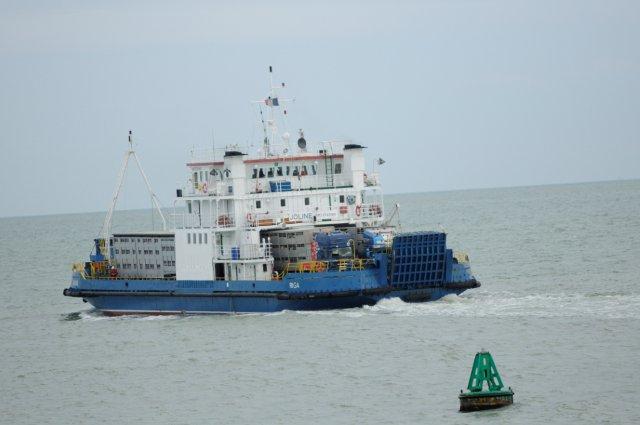
The Joline - photo 2Joline with box wagon on board

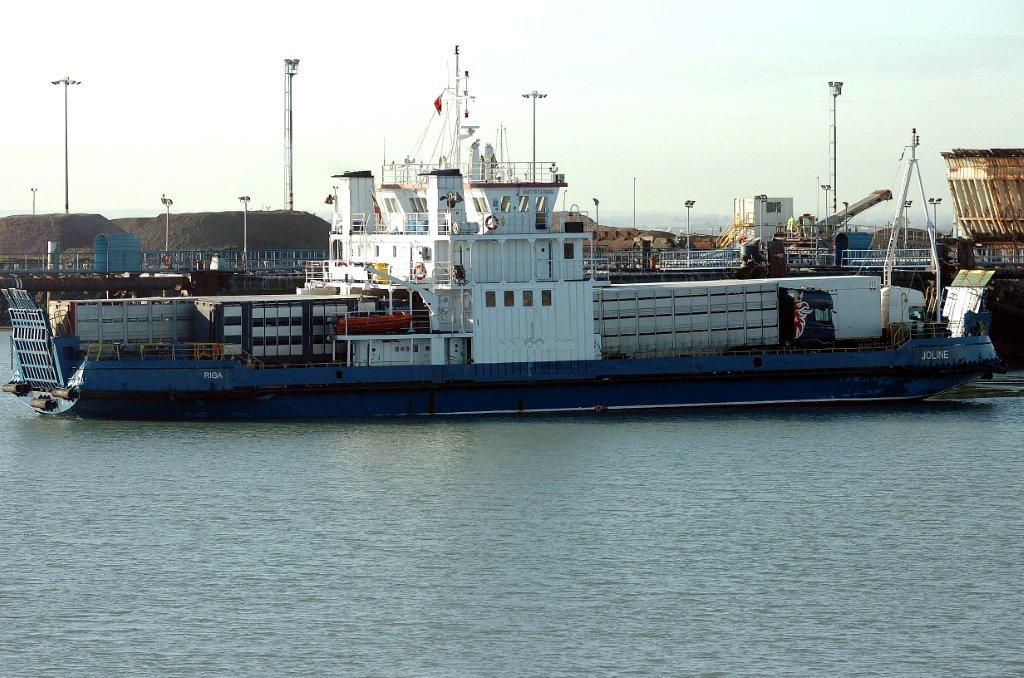
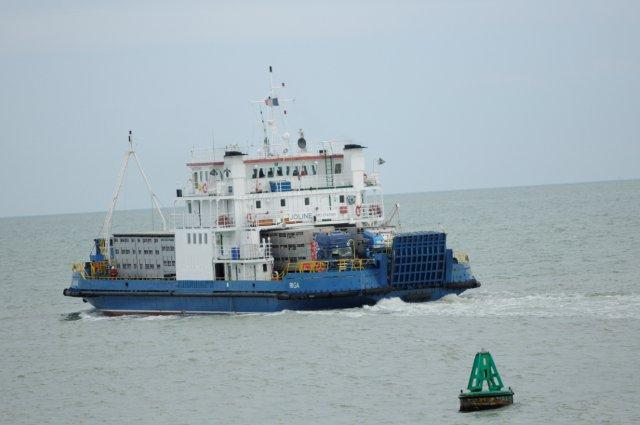
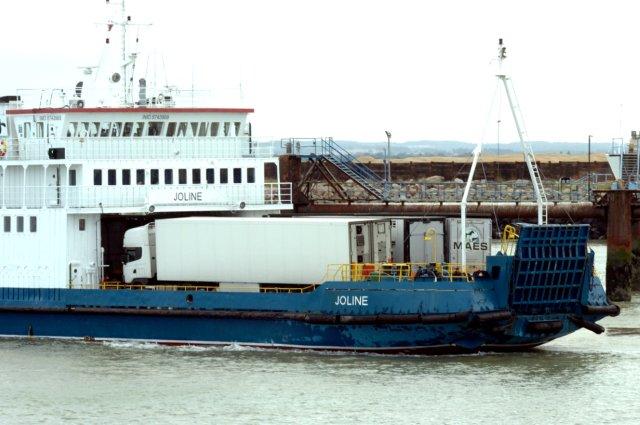
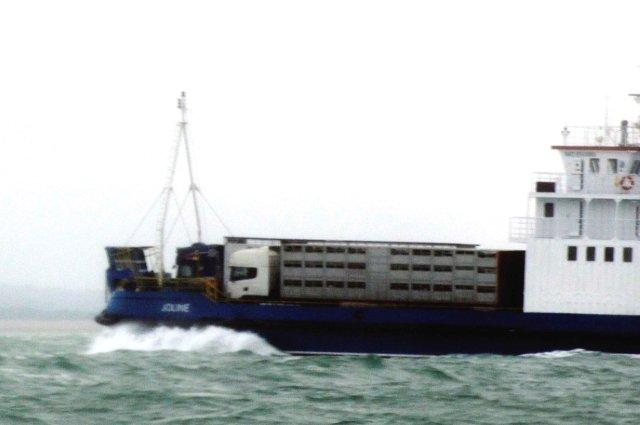
Pictures Above – The ‘Joline’ (at Ramsagte) – Photos by V Cameron – KAALE.

To visit the Kent Action Against Live Exports (KAALE) website; for which SAV founder Mark is also the EU and media correspondent; please click on the following link:   www.kaale.org.uk 

Vita KAALE Logo 9 9 2011  VITA Photo

The following is a summary of recent events regarding live exports from the UK.  Ramsgate is the only port in the UK which now exports live animals.  Ramsgate is located in South East England on the English Channel.  At present there is only one sailing every two weeks, comprising a maximum of six livestock transporters.  Live animal exports from the UK has virtually stopped – there is just the final hurdle to overcome now and hopefully the UK will be live export free.

Live Exports – Criminals running the show

Johannes Onderwater runs a Dutch registered company called Onderwater Agneaux BV. He pleaded guilty on behalf of his company at Folkestone magistrates’ court on 5 July 2010 to 6 offences of not displaying any sign on his vehicles indicating the presence of live animals contrary to the Welfare of Animals (Transport) (England) Order 2006 & of Council Regulation (EC) 2005 on the protection of animals during transport.  The prosecutor was Kent Trading Standards.  Mr Onderwater had also described the cargo of live animals in consignment notes as seafood, frozen meat and boxed meat.

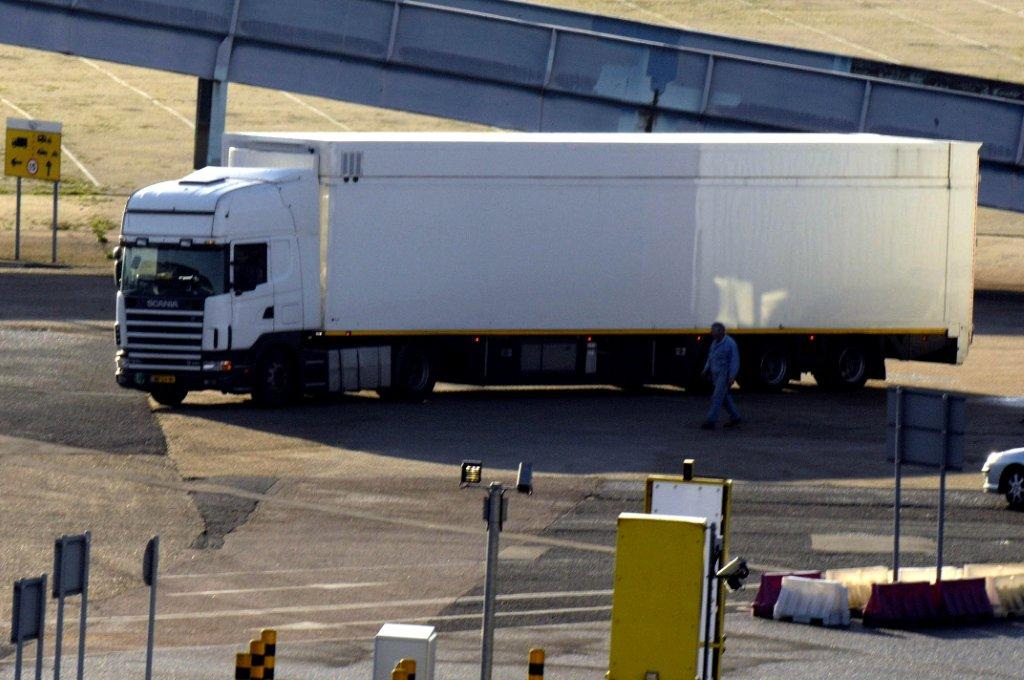
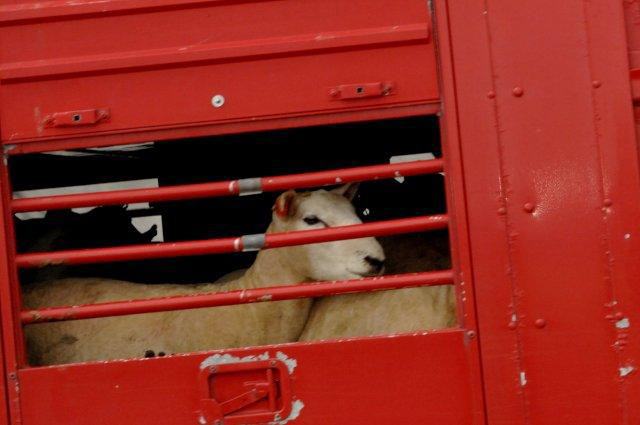
The Box Wagon Carrying Live Animals

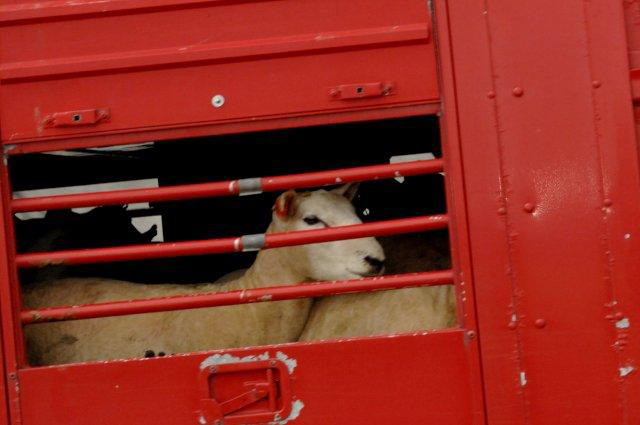
This ‘Box Wagon’ IS actually carrying live animals.

The court found this was in order to deceive the ferry companies. Mr Onderwater had been informed on several occasions that he was contravening the legislation by not displaying such signs yet the company continued to commit the same offence in the 2 months following the first detection. On 1 Sept 2009, 320 sheep were transported described as meat.  On 30 Sept 2009, an unspecified number of sheep described as meat for further processing.  On 11 Nov 2009, 240 sheep described as meat.  On 14 Nov 2009, 307 sheep described as seafood.  Mr Onderwater was driving this lorry.  Also on 14 Nov 2009, 286 sheep described as boxed meat.  On 19 Nov 2009, 270 sheep described as frozen meat.

He was fined £1,000 for each offence, with costs of £4,355.  Onderwater represented his company at an appeal against this sentence at Canterbury Crown court on 10 Aug 2010. On appeal the total fine remained at £6,000 but costs were reduced by £680 to £3,675.  Judge O’Sullivan fined the company £400 for the 1st offence, £800 for the 2nd, £1,000 each for the 3rd 4th & 5th offences and £1,800 for the 6th.

Judge O’Sullivan said in his sentencing remarks that there was no offence which involved “mistreatment of animals” but that the company’s persistent offending despite being caught made it quite clear that the company had no intention of trying to abide by the regulations.  The judge noted that there is a wider use for these signs to indicate the presence of live animals on vehicles and that it is important, for instance, in case of an accident that the cargo can be identified as being livestock so that the necessary measures for safeguarding the welfare of the animals can be put into operation. Despite all this he continues to “run the show” from Ramsgate

Shipments from Ramsgate

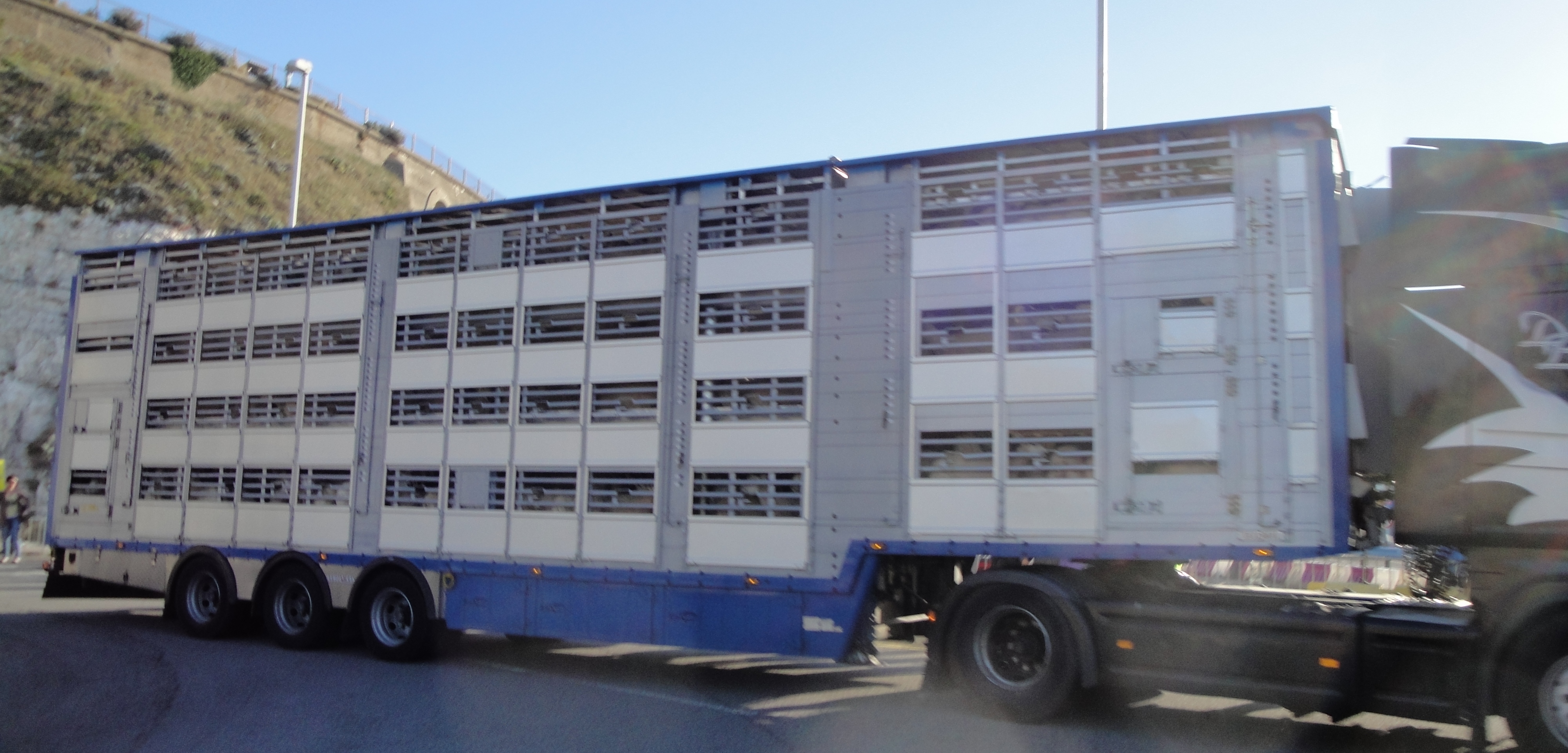
15th Nov – Joline berthed in Ramsgate around 05.00 hrs. 7 lorries arrived from 9.15 in convoy. All were Dutch, 5 with 3 tiers of sheep, one with 4 tiers of sheep and finally the white chiller box trailer.  All bar this one had the ventilation slats closed on arrival and inside the docks.

J Onderwater even went so far as to tell the RSPCA inspectors that they were not allowed to touch, look into or interfere with his lorries in any way or to prevent him exporting his livestock – to which reply was given that the RSPCA just wanted to ascertain the animals were in good condition and health for the journey ahead and not suffering in any way. We can only assume that J Onderwater has much to hide. Loading of the vehicles onto the Joline was at a steady pace with Rinus Van Beer on first, eventually the 2 halves of this rig were separated and stowed apart on deck. Any inspection of the lorries by Animal Health was swift and of short duration. Ship sailed at 10.25 bound for Calais.

21st Nov – At 0320hrs on 21st, the Maritime and Coastguard Agency (MCA) issued a warning – Gale force 6 currently off Dover, gusting 7/8 from lunchtime onwards. A formal complaint from KAALE was sent to the MCA regarding the deteriorating weather conditions and the Joline’s intention to sail loaded with livestock into a potentially ever increasing Channel gale. KAALE requested that their complaint be formally logged by the MCA.

No action was taken by Defra Animal Health to stop the sailing as far as KAALE are aware. Despite RSPCA objections and severe weather warnings, a ship left Ramsgate at 11am carrying 2 lorry loads of sheep on an open deck in gale force winds.  The ship eventually turned back due to the severe weather, arriving at Ramsgate at 4:30pm.  Some animals had been crammed aboard trucks for 14 hours, 6 of those hours spent at sea in a gale. Just imagine how they felt.  After a very brief inspection by an Animal Health approved vet which was undertaken on the vessel, and lasting in total 8 minutes – including the time taken for the vet to walk onto the ship; ‘inspect’ all the animals in the transporters, and leave again; the vehicles were given the ‘ok’ to move.  DEFRA / the vet, was allowed onto the ship to inspect the animals as the conditions on the quay were so bad he felt it would be unsafe. They departed Ramsgate to return to their place of origin. The 2 transporters were the Dutch white box chiller type trailer carrying sheep x 3 tiers and a vehicle known to belong to local, Kent based, haulier/dealer Trevor Head carrying sheep x 3 tiers. Since there was nothing in Kent in the form of a suitable ‘facility’ to which animals could be sent should any emergencies happen, or bad weather delays occur at Kent ports, despite the 2008 EU report stating there should be, the Dutch lorry returned to Kettering.

Joline10

Jane1

Animal Health appear to be blaming the Joline captain and the MCA for what happened. The RSPCA were refused access by AHVLA to do any inspections. Please write to your MP and ask him or her to ask Rt Hon David Heath, the secretary of state for DEFRA, personally to answer why this obviously unsuitable ship was allowed to sail in such weather conditions, and also why, the RSPCA is being denied access to inspect the animals.   KAALE understands that the box trailer was told to stop in a service area and rest for one hour before continuing its journey to Kettering.  Understandably, and quite rightly, the RSPCA are once again very frustrated and angry with the general ‘carry on’ fiasco witnessed on the 21st but are helpless in view of DEFRA and Animal Health’s insistence that it is ‘nothing to do with them’ and ‘they should mind their own business’.  We also understand that Animal Health are now issuing reports on Twitter.com/avhla which says the events were all the MCA’s fault as they told captain it was OK.  We wonder what the MCA thinks of this?

Following this incident Keith Taylor MEP for S.E. England and a member of the European Parliament’s Intergroup for Animal Welfare has written to the UK’s Animal Welfare minister, David Heath MP, to request an urgent meeting. Keith is urging the government to take this issue seriously so that the welfare of animals is properly protected during live transport. He is also calling for urgent action to be taken to address consistent violations of animal welfare legislation.  Keith said: “EU legislation is in place to ensure animals do not have to experience these awful conditions and it is unacceptable that we are frequently witnessing the law being violated by both the live exports industry and the government.

These poor animals are needlessly continuing to suffer.”   He’s also written to the new EU Commissioner with responsibility for animal welfare, Tonio Borg, calling on him to take action on the UK’s lack of enforcement of EU legislation.  Keith Taylor concluded: “As a Green MEP, I am opposed to live exports of animals from the UK and believe there should be an 8 hour maximum journey time across the EU. European regulations must also be strengthened to better protect animals. In the meantime I believe that EU member states must fully enforce current EU rules protecting animals in transit.”   Keith has written to the government’s Animal Health Agency urging them to accept the support of RSPCA inspectors in monitoring the welfare of the animals.

Fri 23rd Nov – The Joline had moored in Ramsgate to await more favourable weather conditions. Suddenly, during the early afternoon of 23rd she moved from that mooring and requested to occupy Berth 2. The Harbour Master denied this request as the statutory 24 hours notice had not been given. This behaviour is typical; the master does not appear to know the rules by which ports and harbours operate to facilitate smooth running and safety. Having been refused access to the berth, The Joline’s master then switched off his ship to shore radio and proceeded along to berth 2 and swung his vessel across all the berths, thereby effectively blocking them and denying any other vessels access.  He demanded use of berth 2.  Meanwhile, 3 livestock lorries loaded with sheep were seen heading for Ramsgate. These must be the same sheep from the aborted sailing 2 days previously. There were originally to have been 4 lorries for that shipment, but only 2 actually made it.  Back at Ramsgate 2 vessels which work for the Wind Farm (London Array) that operates out of Ramsgate, were trying to get into their berths in the port in order to carry on their legitimate business; but they were unable to do so.  (We hope they put in a formal complaint)  Eventually they were able, with difficulty, to squeeze around the Joline to get into their required berths.  The 3 livestock lorries sped into the port, joined by a 4th. When they all arrived at the docks they were refused entry. Had the sheep had been unloaded from the lorries since the aborted Wednesday fiasco?? The situation was finally resolved when Port owners, Thanet District`Council’s legal team, arrived at the docks and overrode the decision of the harbourmaster; thus allowing Joline the use of berth 2. The legal team, are obviously minded of the ruling by Judge Burton that until the Judicial review the operation of Joline and the livestock export for slaughter trade be allowed to continue. Allowing a legal trade to continue legitimately is one thing, but when that trader takes the law into his own hands and holds a port to ransom, is quite another. Tantamount almost to piracy.   DEFRA, who had obviously been tipped off about the shipment by their chums, Peter Z and Johannes Onderwater, gave the 4 livestock lorries a ‘cursory glance’ and declared them fit, as always. The Joline then left the port at 16. 20 hrs. The RSPCA had not been informed of this shipment and were not present, no doubt a ploy to prevent any hold up in the contrived inspections of the sheep by the so called ‘competent’ government authority.  Peter Z and the Animal Health operatives then exited the docks at Ramsgate by the back entrance.

Wed 12th Dec –Meridian & BBC South East TV were at the port together with protesters and police.  As this was the first sailing since the Joline’s aborted sailing of 21st Nov and her subsequent piratical seizing of the berth at Ramsgate on 23rd Nov one would have expected a larger shipment this time, so maybe their business is not as flourishing as they would wish. Joline berthed just before 0800 hrs. At 0850 hrs the lorries, all carrying sheep in 3 tiers, arrived – 3 Dutch and one English (Trevor Head). The RSPCA inspector in attendance noticed that on this transporter the roof over the top tier had been lowered, giving the sheep on this level scant headroom. When requested, Mr Head raised the roof to allow more headroom.  DEFRA to inspect all 4 transporters in this shipment as per new edict. One issue we disagree with Defra and AHVLA over is the carrying of horned and dehorned animals in the same lorry.  Defra says that as the sheep were “all from the same flock and ‘familiar’ with each other”; in their opinion, all was perfectly ok. KAALE is of the opinion that such a flock in a large field is all well and good as there is plenty of room for the flock’s hierarchy to work properly; but in the cramped and confined conditions of a livestock trailer, this hierarchical structure cannot work so well.

The day before the debate in Parliament about Ramsgate live animal exports, Defra Minister (and ex pig farmer) David Heath made the very antagonising statement about the RSPCA,  saying: “The RSPCA …. needs to make a choice over whether they are a fringe campaign group or a responsible organisation working with us in partnerships on animal welfare. They cannot do both.” Maybe because they do not agree with the government view (aka David Heath) on live animal exports, suddenly a well respected animal welfare charity becomes a fringe organisation. It is the government who are out on the fringe, totally out of tune with public opinion. Maybe they are getting worried about the situation; like introducing new inspection regulations at Ramsgate just the day before live exports are discussed in Parliament. KAALE

Barco de Vapor, Dutch-based owner of the ferry Joline, alleges Thanet district council, which runs the port of Ramsgate, is trying to damage legitimate businesses. The council denies any collusion with protesters.

Campaigners against live exports from the Port of Ramsgate have staged a demonstration outside Kent Police headquarters in Maidstone. The protesters handed in a letter addressed to the county’s new police and crime commissioner, Ann Barnes, urging her to look at the way the force handles the protests. They claim it has been heavy handed. Police said public safety was the main consideration when policing protests.

Parliamentary debate on live exportsGo to the following linkto find the debate of 13th Dec.  Scroll forward to 12.13 for the start of this debate.   www.parliamentlive.tv/Main/Player.aspx?meetingId=11990&wfl=true 


Other live export routes

Cattle from farms in England and Scotland have been transported via a Scottish port and Northern Ireland for export either to Ireland or to Spain. Although the numbers of sailings are relatively low, the government’s Animal Health and Veterinary Laboratories Agency (AHVLA), responsible for ensuring proper welfare arrangements, has revealed 9 consignments totalling more than 1,000 cattle, mostly unweaned calves,  were sent out of the UK in this way in the first half of 2012. It is understood that the route is still being used, since the trade is legal under EU law. The AHVLA inspectors check the animals at a centre near one of the ports but the agency has withheld information about which port or ports in Scotland are used, where ships dock in Northern Ireland, details of the final destinations or those involved in the trade. Doing so might jeopardise the health and safety of its staff, it says. But data released to Compassion in World Farming (CIWF) under freedom of information requests prompted the charity to warn of a “furtive return” to the trade by other ports. CIWF says in the 18 months between Jan 2011 and June 2012, over 80,000 sheep and nearly 12,000 cattle were exported from Britain. Young calves, which could be just 2 to 3 weeks old when exported, were poorly equipped to stand up to such trips. Philip Lymbery, chief executive of CIWF, said: “Calves are being taken from England up to Scotland, via ferry to Northern Ireland, on through Ireland and over to Spain via another, gruelling, ferry journey. The only way we were able to find this out was through FoI requests – we’ve had to drag information out of Defra and we think it’s something people will want to know. “I think many British people will be appalled that these young animals are being taken on these nonsensical journeys of almost 100 hours. For one journey totalling 94 hours in June, there is no evidence of any inspections having taken place. If this is the case, there are calves going on gruelling journeys, likely to take a terrible toll on them physically, without having their wellbeing monitored.” The charity said it had commissioned a YouGov online opinion poll of 2,059 adults which suggested just 6% of people thought animals should be exported live for food. 66% would prefer the animals to be slaughtered in the UK, a preference shared by the government. The poll also said 62% felt companies involved in the trade should bear greater costs instead of British taxpayers subsidising it by funding policing and inspections of animals by government staff. “We are in a ridiculous position in Britain, where we don’t agree with live exports but are forced to subsidise it with our taxes,” said Lymbery. “It’s shocking that calves from this country are being transported over several days across Europe. Profit is clearly taking precedence over the welfare of our farm animals.”  The Guardian 13th Dec

And there is further good news:

European Parliament votes to improve welfare of live animals during transport

http://eurogroupforanimals.org/news/european-parliament-votes-to-improve-welfare-of-live-animals-during-transpo

Posted on 12/12/2012

Eurogroup for Animals welcomes the outcome of the vote today in the European Parliament plenary on the own-initiative report of Janusz Wojciechowski MEP on the protection of animals during transport which sends a strong message to the Commission urging it to act quickly.

Despite the on-going implementation of Council Regulation (EC) No 1/2005, on the protection of animals during transport severe problems persist, due mainly to poor enforcement by Member States. This report goes a long way towards addressing the issues we see and calls on the Commission to act now:

  • to ensure an effective and uniform enforcement of existing EU legislation on animal transport across all Member States;
  • to present a full evaluation of all the economic, environmental and social costs and benefits incurred by the transport of animals, including a comparison between the transport of animals for slaughter and the transport of carcasses and food products;
  • to implement an extensive consumer information campaign on the subject of the European regulations on animal welfare, providing continuous information on the changes being required of European producers for the purposes of raising the profile of their work and improving the added value of their production;
  • to ensure that in all bilateral trade negotiations with third countries the EU’s animal welfare rules are included as the minimum standard required;
  • to introduce legislative proposals before 1 January 2014, aimed at creating an EU-wide common framework for data collection and control through real-time satellite navigation;
  • to undertake research into how new and existing technology can be applied in livestock vehicles to regulate, monitor and register temperature and humidity to protect the welfare of animals during transport;
  • to increase the number of unannounced Food and Veterinary Office (FVO) spot inspections focused on animal welfare and the transport of animals;
  • to ensure that veterinary controls on animals being transported take place at the end of their transport.

“The Report sends a clear message to the European Commission that Europe’s citizens see the problems associated with the transport of live animals as a major issue. Mr Wojciechowski has listened to these concerns and produced a Report, that is supported by the European Parliament and which is extremely positive for animal welfare. However, as Eurogroup we still believe that there are some areas where we would call on the Commission to go even further especially when it reconsiders limiting the transport time of animals. We believe that this time should be minimised as much as possible and that animals should be slaughtered as close to the place of origin as possible,” commented Michel Courat, policy officer – Farm Animals at Eurogroup for Animals.

“There has been much resistance by the Commission to come forward with new legislation but it must take its responsibilities seriously. It must also act today to ensure that all Member States play their part and enforce the current legislation to improve the welfare of millions of animals today and penalise effectively those who flout the laws,” he concluded.

RSPCA – We’ve vowed to take on legal fight for live export animals

http://www.rspca.org.uk/home

13.12.12

We have vowed to fight on for the animals after a High Court judge has indicated he will consider a fresh judicial review application from us in the New Year, concerning the transport of live animals from Ramsgate port.
This comes after Thanet District Council lifted its temporary ban on live animal exports out of Ramsgate in November, despite huge opposition from the public and animal welfare organisations alike.
Inadequate facilities explained in court

We have told the court that the port of Ramsgate still has inadequate facilities to help animals in the event of an emergency as happened on the 12 September, or disruption to sailings due to very rough weather, as occurred on 21 November.

We further note that Animal Health and Veterinary Laboratories Agency are no longer carrying out thorough inspections of the animals at the port.

Having heard the legal arguments, Mr Justice Mailes indicated that he would consider a fresh judicial review application on this issue in the New Year.

Thanet District Council took the decision to close the port to live exports after a horrific incident in September when 47 sheep died.

A High Court judge, Mr Justice Burton, then said in October that the port should reopen pending a judicial review brought by the hauliers against the Council’s temporary ban. That case was effectively brought to an end at yesterday’s hearing.
Animal Fighting Fund

Today we are launching a ‘Fighting Fund’ to help pay for such legal cases to fight for animals in court.
RSPCA chief executive Gavin Grant said:

We will not step away from this – the battle to end live exports is far from over.

The lack of proper facilities at the port of Ramsgate and the failure to thoroughly inspect animals as they loaded aboard ship are both unacceptable. This cannot go on.

We are here for the animals and they deserve their case to be heard in court, to do that we need the public’s help. We have a highly professional and successful legal team but going to court is not cheap.

The RSPCA relies entirely on the public to fund our work and I am certain that they will dig deep and ensure the animals get their day in court.

We are urging our supporters to contact their local MP to persuade them to attend the House of Commons on Thursday where a debate will be held on live exports.

To donate to the RSPCA Animal Fighting Fund please:

To give £3 now text FIGHT to 88010
(Texts cost £3 + 1 standard network rate message)
To donate via phone, please call  0300 123 8181  now (24 hours a day)
To donate online, please visit: www.rspca.org.uk/urgent

Thank you.

Romania: Exposed – Dogcatchers Pocketing EU (Animal Welfare) Provided Funds For Themselves, Why Animals Are Left To Starve And Die. THE EU Politicians MUST ACT !

RMNA0001

Brasov3

Above – Remember him –  we have exposed this person from the Romanian Animal Mafia before

Brasov4

Brasov1

Brasov2

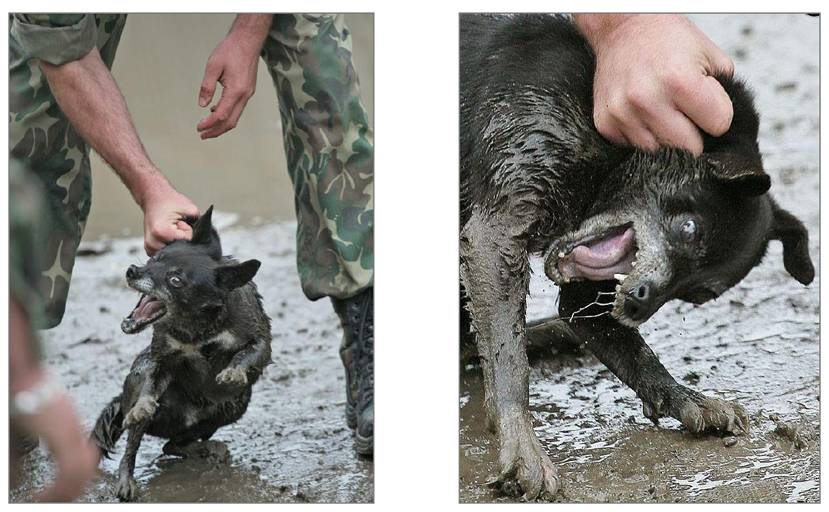
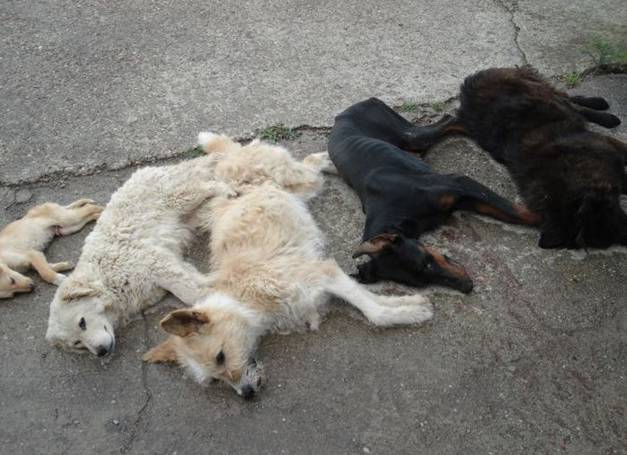
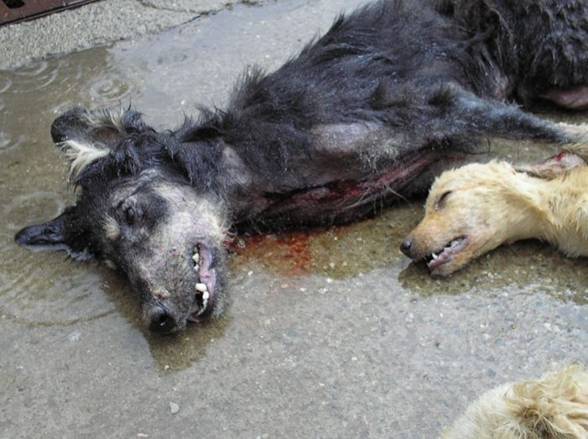
Romanian dogs are starving – EU money being given to authorities to care for dogs, but money going elsewhere.

We aim to provide all the information to EU authorities asking why the animal  mafia of Romania is being allowed to take the money given for animal welfare issues to the Romanian authorities.

We may have an English translation of the German video information over the next few days.  We will post this if it becomes available – SAV.

European Youth Olympic Festival in Brasov (Romania) 2013 – but No Fair Play for Street Dogs!

Please take action now!

Disturbing photos as above also shown in video links below.

Every voice counts from across the world.

Please can all national and international animal protection groups come forward to help this dire situation in Romania.

Please politely protest to these email addresses about the  dogs who are allegedly being starved and those dogs that have already been killed!-

scripcaru@brasovcity.ro
gabor@brasovcity.ro
secretar@brasovcity.ro
cic@brasovcity.ro

Please note you can use your google translator to translate the German information on the links below concerning these poor Romanian dogs 

Sent: Saturday, December 15, 2012 10:31 AM

Subject: NEGATIVE UPDATE – (RO) Brasov: <European Youth Olympic Festival> in Brasov 2013 – but No Fair Play for Street Dogs

We have just received the information that as of yesterday, Dec. 14th, the mayor of Brasov has banned AW advocates from feeding the dogs at the shelter Brasov-Stupin. The animals will die.

Please spread and take decisive action.

http://www.bmt-auslandstierschutz.de/

European Youth Olympic Festival» in Brasov 2013 – but no fair play for street dogs!

The Olympic Winter Festival of the European Youth takes place in Brasov in 2013.

The Olympic village and all venues lie close to this town in the South East of Romania. The communities participating are Predeal, Rosenau (Rasnov), Poiana Brasov and Brasov itself.

To expect the setting of a humane example and fair play is difficult owing to the fact that over 30,000 dogs have been killed in the area in the last few years, and even now hundreds of dogs are starving to death in the local and council-run pounds of Brasov Stupin and Rasnov.

The council funds end up in the pockets of dog catchers – first and foremost amongst those the known animal abuser Flavius Barbulescu (see photo above) and his unscrupulous vet  Filip Ailin.

The impounded dogs, at this moment some 400 animals, receive no veterinary attention whatsoever, and proper food only when it is fed and paid for by AW activists.

Mayor Scripcaru holds a very cynic view on the matter and is happy to let the animals starve. The mayor of Rasnov also has made himself a name as dog hater and by completely ignoring current animal welfare legislation.

The German ARD TV station has shown a documentary on Dec. 8th 2012 about the machinations of Romanian dog catchers titled “a dog’s life in (Ro) shelters)”

… TV-Mitschnitt      (link to TV recording)

It is not different in Brasov Stupin: (Caution – cruel scenes from 2011)

… Video

At this moment some 250 dogs suffer in Brasov Stupin!

Current videos from 30.11. 2012(WARNING – Distressing Scenes of animal suffering)

… Video 1

… Video 2

… Video 3

… Video 4

… Video 5

… Video 6

… Video 7

… Video 8

No Fair Play for street dogs: Rasnov disposes of all dogs in the run-up to the “European Youth Olympic Festival” in February 2013.

… Video

The machinations of the dog catcher mafia slams the breaks on animal welfare in Romania

… Current situation in Brasov in August 2012

… Report on current situation in Brasov May 2012

Report by Petra Zipp (BMT) of 04. May 2012 (with Protest addresses)

… Protest Newsletter 04-2012 (online Protest)

… Letter to the city of Codlea

… Reaction of the city of Codlea

… Letter to town council of Brasov

Brasov4


Serbia: 14/12/2012 – More Pictures From ‘Felix’ Shelter To Go With Our Very Recent Post.

Serbian  Flag

Ex16

Photo UPDATE 14/12/2012:

Here are some extra photographs from Danica at Felix Shelter, Serbia.

As you can read in the text in our other recent post: https://serbiananimalsvoice.com/2012/12/11/serbia-122012-winter-strikes-early-at-cat-shelter-felix-can-you-donate-to-help-the-cats-thank-you/  

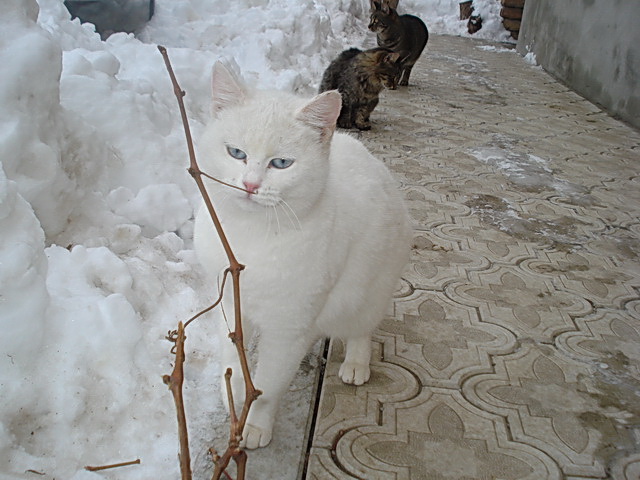
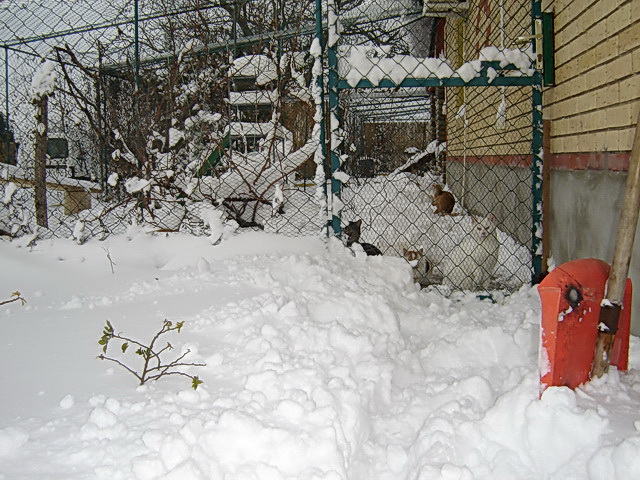
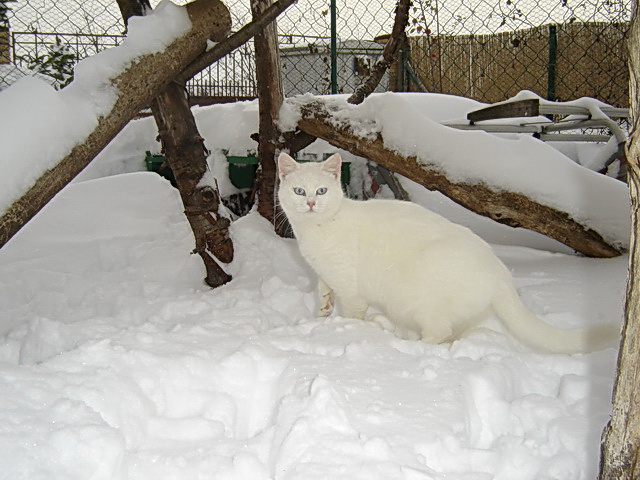
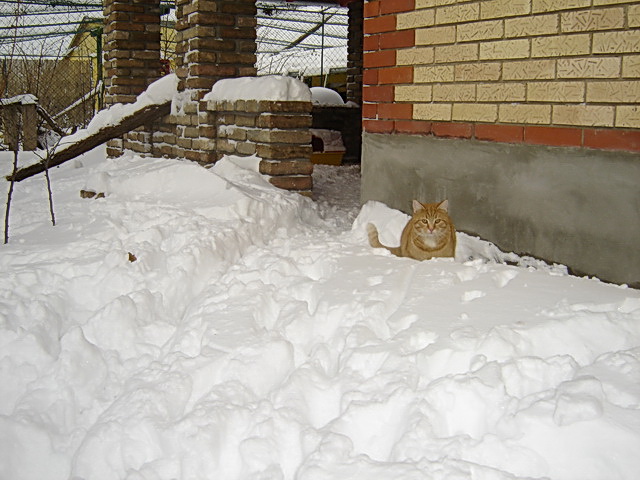
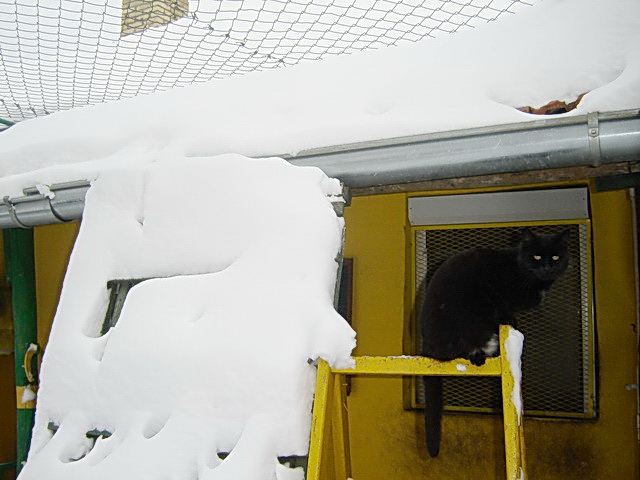
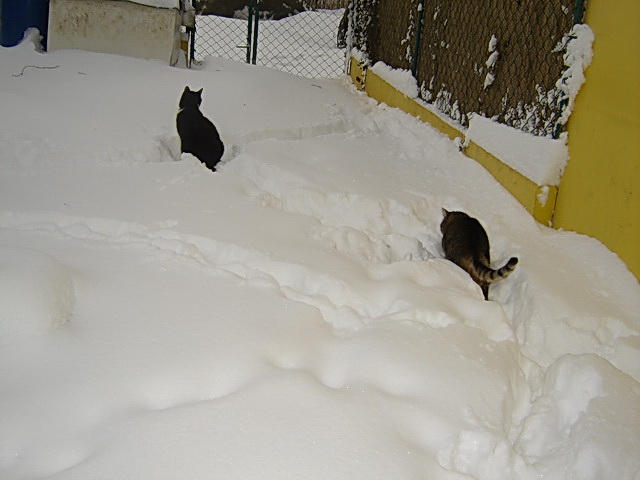
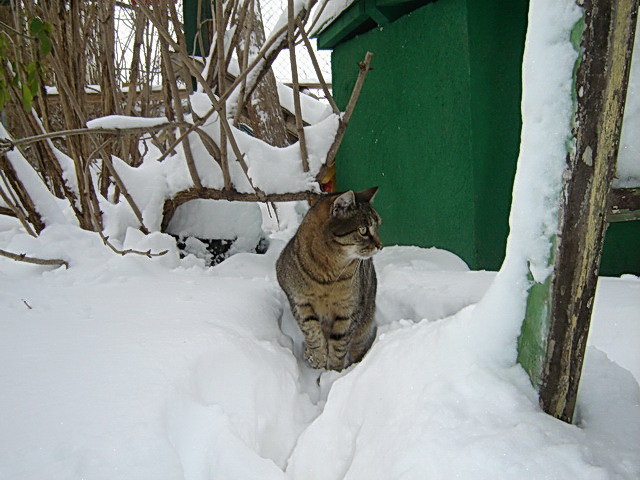
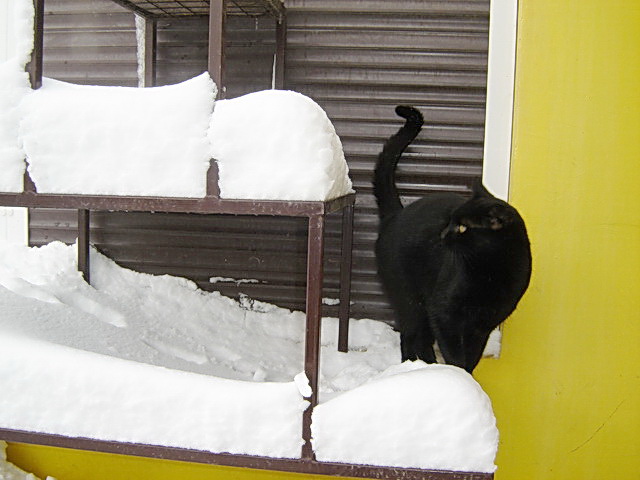
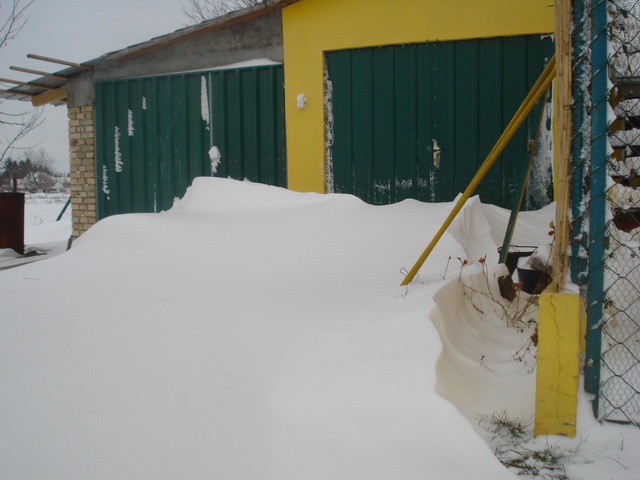
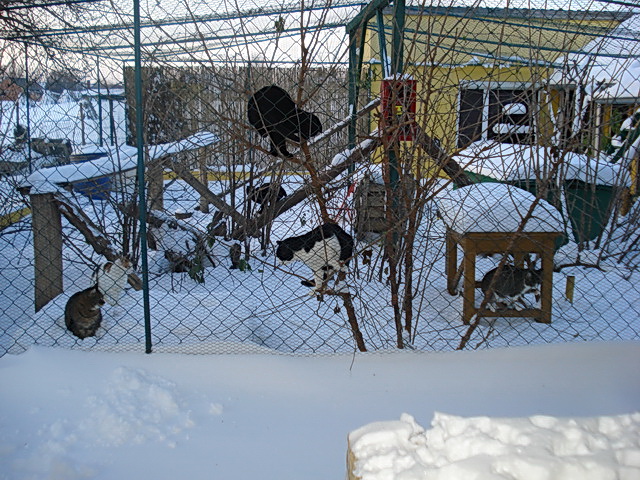
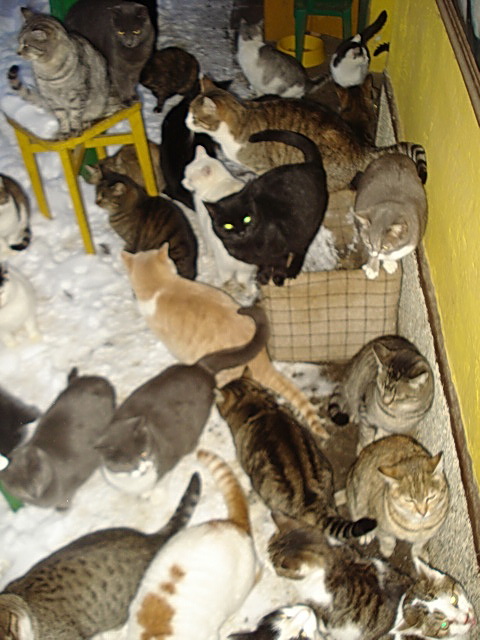
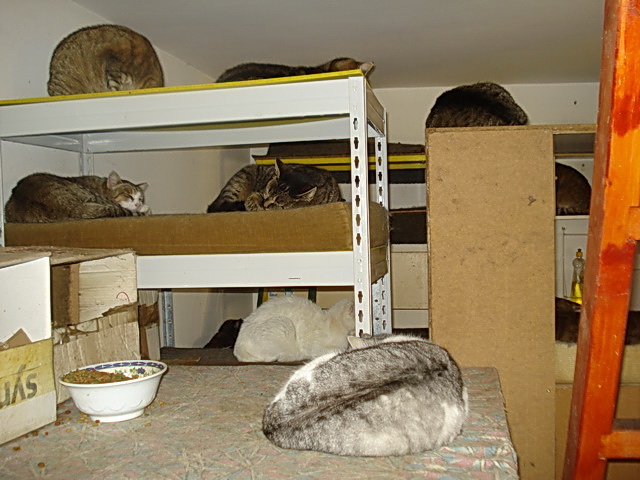
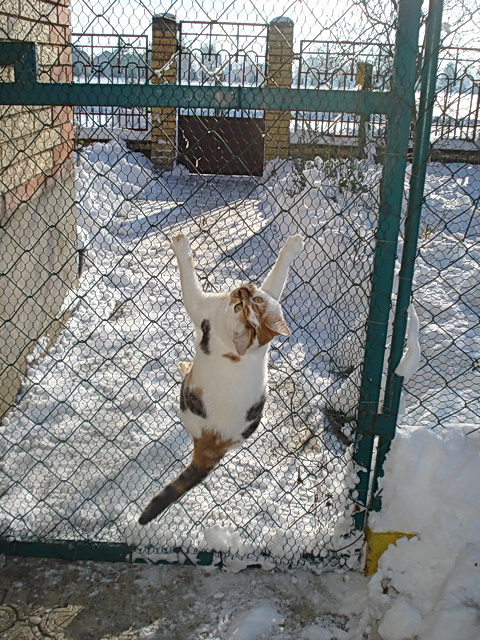
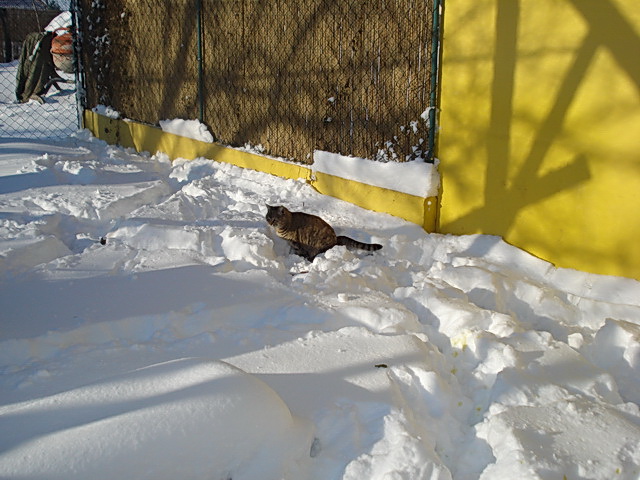
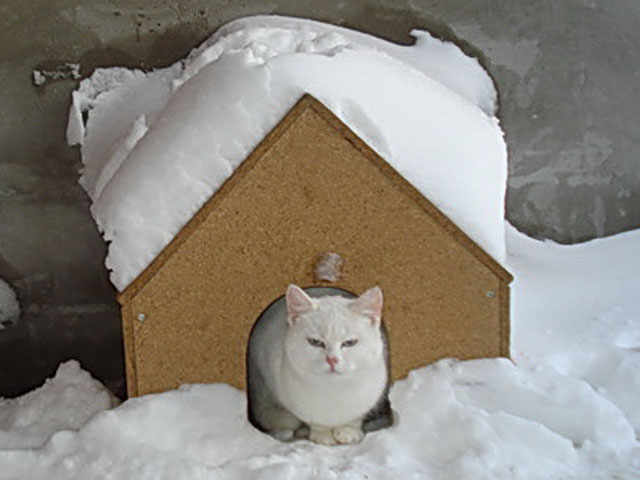
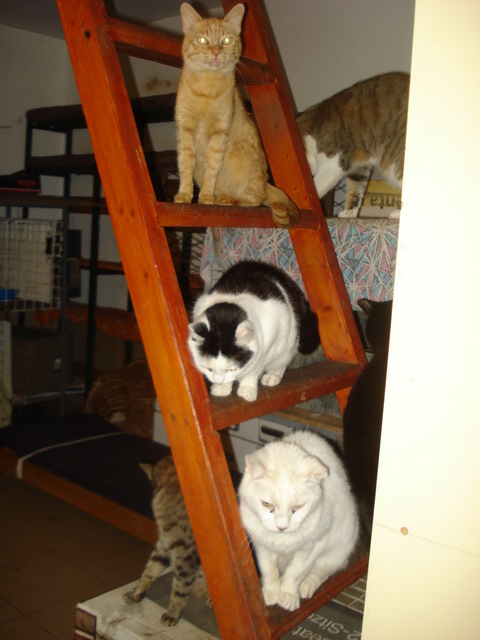
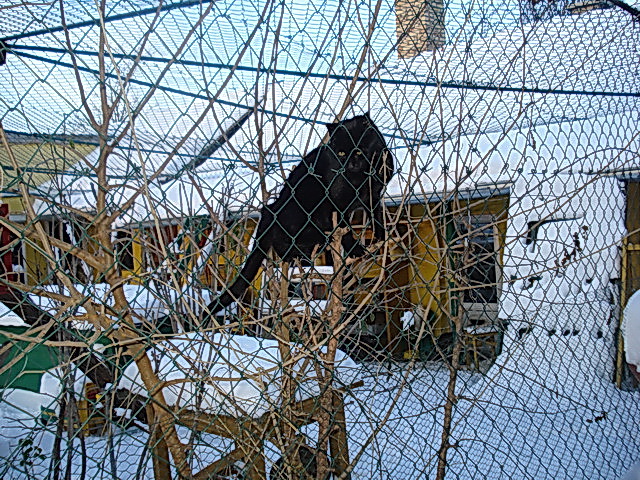
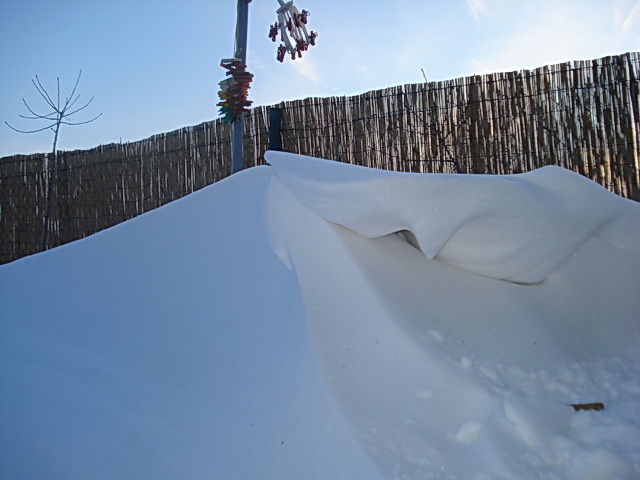
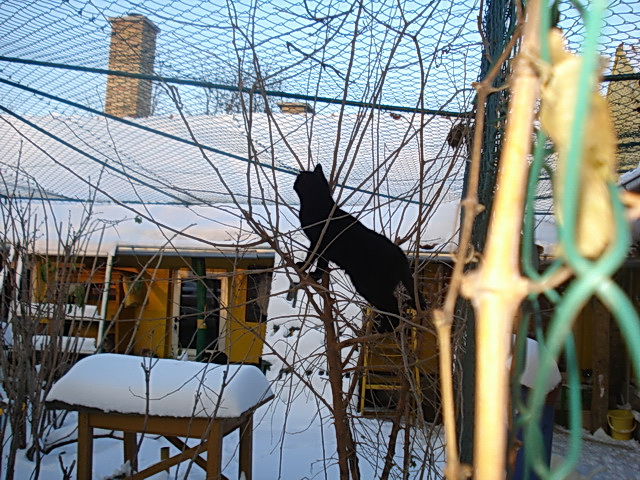
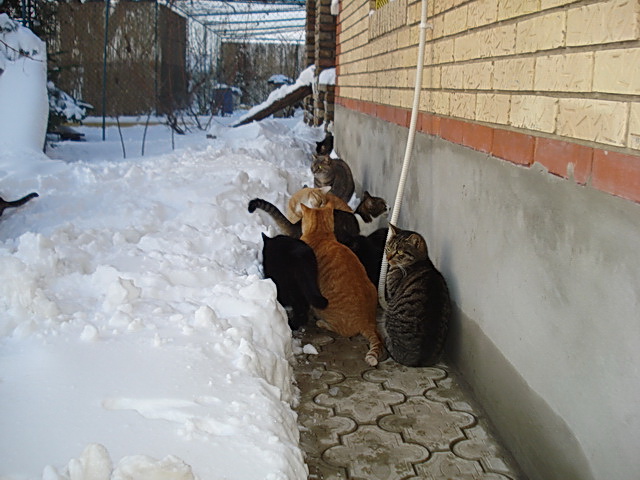
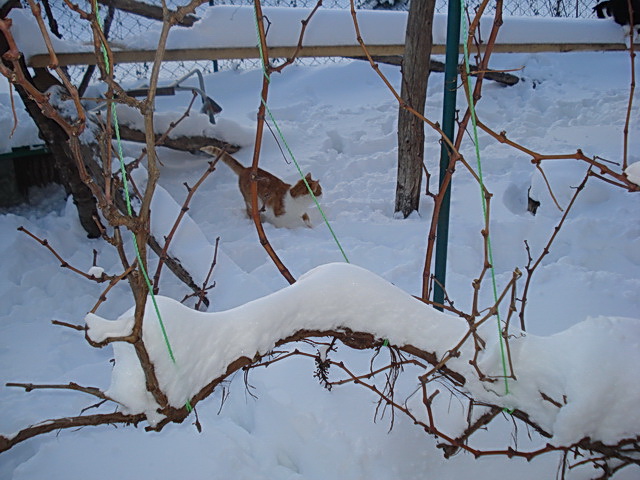
and can see in these and the other post photographs, Winter has well and truly arrived !  Food delivery for the cats has become difficult as the delivery truck is not able to get through in the snow.

If you are able, please give a donation which will help to keep the cats warm and fed through the long winter.


Thank You – SAV


PayPal button is on our blog:

http://novisadcats.blogspot.com/

and our website: 

http://catshelterfelix.com/

Webshop: 

http://www.cafepress.co.uk/catshelterfelix

Dinarske uplate: Felix-Felinolosko drustvo  355-1070729-96

Ex1 Ex2


Ex3

Ex4

Ex5

Ex6

Ex7

Ex8

Ex9

Ex10

Ex11

Ex12

Ex13

Ex14

Ex15

Please donate if you can – Thank You.


Serbia: 12/2012 – Winter Strikes Early At Cat Shelter ‘Felix’ – Can You Donate To Help The Cats ? – Thank You.

Serbian  Flag

felix9

D4

D12

D16

Here is the latest (December 2012) news from Danica at Felix Shelter, Serbia.

As you can read in the text and see in the photographs, Winter has well and truly arrived !  Food delivery for the cats has become difficult as the delivery truck is not able to get through in the snow.

Please read the message from Danica below; and please, if you are able, give a donation which will help to keep the cats warm and fed through the long winter.

Thank You – SAV

D1

Klea D2

D3

—————————————-

PayPal button is on our blog:

http://novisadcats.blogspot.com/

and our website: 

http://catshelterfelix.com/

Webshop: 

http://www.cafepress.co.uk/catshelterfelix

Dinarske uplate: Felix-Felinolosko drustvo  355-1070729-96

Hi Mark,

“Winter has just struck with all of its fierce power. We’ve been literally snowed in for the last couple of days and a state of emergency has been declared for Vojvodina.  When even the highways are buried in snow drifts, what can you expect of the local roads? And yet my shelter, although not fully prepared for the winter weather, is holding on in a small snow-covered village…

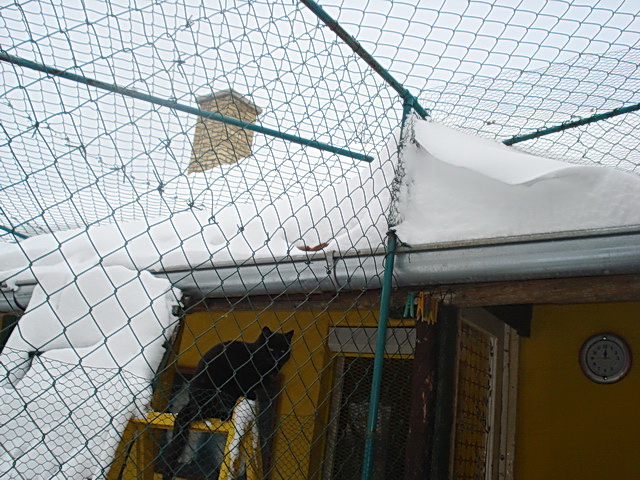
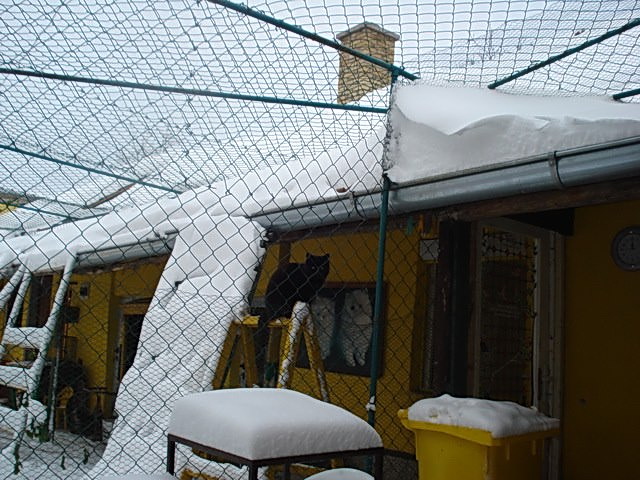
We’re in the grip of a deep freeze, with continuing snowfall accompanied by frosty, biting and stinging northerly winds.  Luckily, this heavy snow can’t contrive to pile up on my chain link fence, but the heaps of snow do build up on the rooftop. I guess it’s a good thing that I still don’t hear ominous cracking sounds from the roof as it is successfully bearing the burden of extra weight, at least for now.

D5

D6

D7

D8

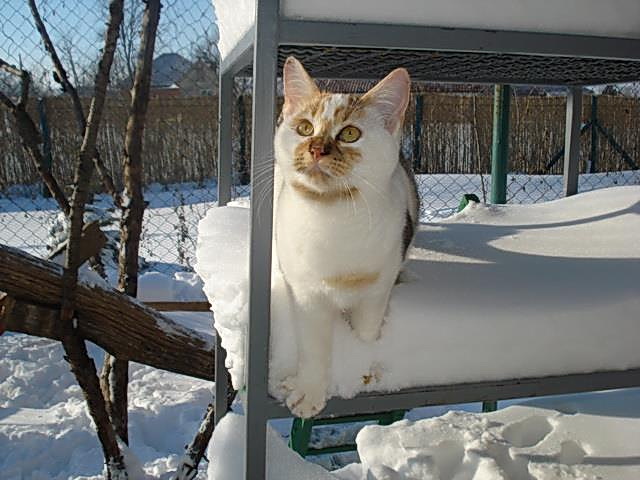
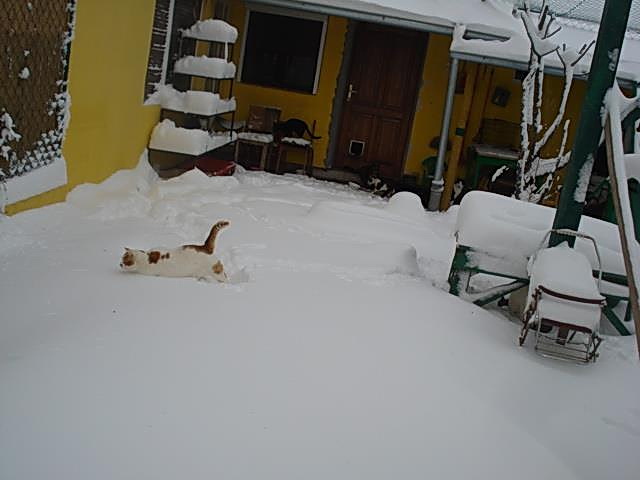
The yard resembles a winter wonderland. It’s not so magical, though, for those of us who are shoveling paths through the deep snow so that the others, the furry, four-legged ones, can run and jump easily all over the yard.  The youngsters are having a great time and loving the snow (yeah, it’s easy for them to love it), but most of the older kitties are definitely not impressed. Some of them took a brief walk through the snow on that first day, decided they didn’t like it and are now resting in their warm rooms, while the others didn’t even desire to set foot outside. The only exception is Speki, whose fascination with snow is well known, but he won’t be so delighted if the food delivery truck doesn’t manage to push its way through.

D9

D10

D11

Although we’re in mid-December, the snow caught everyone by surprise. When things get back to normal again, all of the doors of the kitties’ indoor enclosure and the gates will have to be strengthened and fixed. This winter is obviously going to be brutal, with above normal heavy snowfall and frigid winds. We must do everything within our power to prepare for the cold months coming ahead the best we can.

Please, help us with whatever you are able to give! It’s a dire emergency here and there’s no more time to waste!”

Warm wishes

Danica

PayPal button is on our blog:

http://novisadcats.blogspot.com/

and our website: 

http://catshelterfelix.com/

Webshop: 

http://www.cafepress.co.uk/catshelterfelix

Dinarske uplate: Felix-Felinolosko drustvo  355-1070729-96

 D13

D14

D15

Previous SAV Posts with Felx Shelter:

https://serbiananimalsvoice.com/2012/09/18/serbia-end-08-start-09-2012-latest-news-from-danica-at-felix-shelter-lots-of-necessary-work-which-costs-money-can-you-help-with-a-donation/

https://serbiananimalsvoice.wordpress.com/2012/07/02/serbia-020712-more-news-and-photos-from-danica-at-felix-shelter-can-you-help-with-a-donation-towards-roof-repairs-thank-you/

https://serbiananimalsvoice.wordpress.com/2012/05/09/serbia-latest-from-felix-cat-shelter-sanctuary-photos-info-and-appeal-to-help-with-new-building-updates-due-to-terrible-winter-can-you-help-please/

https://serbiananimalsvoice.wordpress.com/2012/04/11/serbia-post-winter-repairs-at-felix-shelter-are-costing-can-you-help-costs-with-a-donation-paypal-link-provided/

https://serbiananimalsvoice.wordpress.com/2012/02/26/serbia-the-felix-kitties-have-got-a-website-please-visit-and-take-a-look/

https://serbiananimalsvoice.wordpress.com/2012/02/08/serbia-big-freeze-across-europe-latest-pictures-from-cat-shelter-felix-can-you-help-with-a-donation/

https://serbiananimalsvoice.wordpress.com/2012/01/15/serbia-please-help-the-kitties-at-felix-shelter-with-a-winter-donation-thank-you/

https://serbiananimalsvoice.wordpress.com/2011/11/22/serbia-financial-appeal-to-help-the-cats-this-winter-at-felix-shelter/

https://serbiananimalsvoice.wordpress.com/2011/09/30/serbia-felix-cat-shelter-a-request-for-financial-help-please-can-you-give-a-donation-full-details-below/

Please give a donation if you are able – anything will help, no matter what the size.

Please crosspost to all your contacts;

Thank You – SAV.

UK: The Live Animal Export Debate Gets Hotter – UK Parliament Debate on 13/12/12. RSPCA Issue Formal Brief On Their Views.

England

Please click on the following for more information:

Vita KAALE Logo 9 9 2011VITA Photo

KAALE – Mon 10th Dec – Official RSPCA Brief on Live Animal…

The Kent Action Against Live Exports (KAALE) website can be accessed at http://www.kaale.org.uk 

RSPCA

Long distance live transport and the transport of animals to the continent

brieflivetrans

Overview

The RSPCA believes that animals suffer during long distance live transport and supports a
‘carcass only’ trade. Animals have often been crammed into trucks on UK roads for hours
before facing a gruelling channel crossing of up to another six hours before heading for
conditions illegal in this country.

The RSPCA wants to see:


An end to long-distance transport of live animals in favour of a ‘carcass-only’ trade
 A maximum eight-hour journey time for all animals travelling for slaughter or
‘further fattening’ across the EU Amendments to existing legislation that allow ports to refuse the cruel trade in live animals.


While the trade continues, for the full costs of veterinary and Animal Health
regulatory inspections as well as lairage and emergency facilities to be borne by the
hauliers, rather than by the taxpayer.

Introduction

European rules on the live animal transport of animals agreed in 2005 (Regulation 1/2005/EC) and
implemented in England by the Welfare of Animals (Transport) (England) Order in 2006 lay down
general conditions for the transport of animals, including that they should not be transported so that
they are caused injury or suffering, and give specific rules on journey times for animals and the
authorisation process for transporters, vehicles and ships.

Journey times vary according to different species. Whilst there is an eight hour maximum journey
time, this can be extended if the vehicle meets a number of additional standards such as ventilation
systems maintaining a range of temperatures from 5 degrees C to 30 degrees C, a navigation system to record the journey times and appropriate bedding and food.

Maximum journey times vary from 19 hours for calves to 24 hours for horses and pigs and 29 hours
for sheep before a 24 hour rest is required. Following this rest other journey times can be taken until the final destination is reached.

What is the present situation on the long distance transport of animals?

The live transport trade in calves from the UK to other countries was virtually brought to a halt for
about a decade (1996–2006) by the outbreak of BSE. The total numbers of all farm animals exported
from the UK for slaughter or further fattening has been slowly declining from 752,000 in 2000 to
437,000 in 2009, with over 70% of these being sheep. In 2012 around 30,000 sheep will be
transported through Ramsgate. Trade in calves has also been impacted by concerns from certain
importing countries about Bovine TB but resumed in 2007 when 93,000 calves were transported to
the continent, a figure which steadily declined to just under 7,000 in 2009 and is expected to be
around 6,000 in 2012. This trade has declined as it has become more economic to keep and raise the
calves in the UK.

What are the concerns of the RSPCA?

The trade in live animals changed to Ramsgate from Dover in May 2010 as the loading bay in the port
of Dover had been damaged. One sailing occurred in 2012 from Ipswich when the port owners
closed Ramsgate. The RSPCA has sent inspectors to inspect all vehicles passing through Ramsgate in
April 2012 after consulting with Thanet District Council, the owner of the port, which gave permission
for our inspectors to be present.

Although the RSPCA has no statutory powers it was initially able to inspect all vehicles going through
the port. Animal Health, the statutory body responsible for carrying out animal welfare checks at
ports and at loading, carries out risk based inspection which means that a third of vehicles are
inspected. The RSPCA has inspected 15 sailings and 60 vehicles from two ports (Ramsgate and
Ipswich) in the five month period to the end of September 2012. Since October although RSPCA
inspectors are still present at Ramsgate, inspections have became more difficult to undertake on
every vehicle as the transporters have closed down the shutters on the vehicles, and Animal Health
have not informed us of sailings. As the RSPCA has no statutory powers, it is difficult to properly
inspect vehicles unless we have the cooperation of Animal Health.

The RSPCA concerns fall into five main areas:

1. The condition of the ship being used to cross the channel, the Joline.

The Joline - photo 2

This is an old Russian tank carrier that was used as a river ferry and has been upgraded for ocean
transit. It can transport up to six articulated lorries at a maximum speed of 8 knots. As it is flat
bottomed with a shallow draft, it is more exposed to poor weather conditions. It’s travel is therefore
limited to wind conditions below Force 6 (the SCAHAW report into the welfare of animals during
transport in 2002 recommended to the EU Commission that journeys of Ro-Ro ferries should not be
permitted in wind conditions above a Force 5).
However, on 21 November 2012, it was allowed to set sail for Calais and had to return to port some
four hours later, as the weather had deteriorated and the sea was breaking across the vessel. As the
vessel is slow there is little flexibility in the time taken to cross to Calais (four and six hours) and the
maximum journey time limit for transport of calves (nine hours after their one hour statutory rest
requirements at the port). In another sailing, adverse weather warnings held the boat at Ramsgate
for two hours and the lorries were in danger of exceeding their nine hour limit allowed before the rest period occurred. The sheep that were on the ferry on 21st November had to be rested for 24
hours as they had reached their maximum journey time. They were then exported on 23rd
November. When the Joline sailed from Ipswich the 15 hour journey time meant that the sheep
were also close to their maximum journey time allowed .

2. The conditions used to transport the animals over long distances

The RSPCA would prefer to see a carcass trade rather than a live trade and believe that a journey
time of eight hours should be the maximum allowed.

The RSPCA has issued six warning notices to vehicles involved in the trade through Ramsgate
in the six month period it was inspecting every vehicle for infractions. One vehicle had to have all
its sheep offloaded and 46 subsequently had to be euthanized due to lameness or other problems.
Another vehicle has been refused to continue its journey as it had a tyre problem.

Since September 2012 all animals being transported are subject to a system of supervised loading
(we are unsure what supervised loading actually is, and have suspicions that welfare problems will be
missed because of the need for expediency), and inspection by Government inspectors at the control
post. As this occurs a matter of hours before the vehicle reaches the port, official inspections are
limited or non-existent at the port. The RSPCA believes that welfare problems can arise in the
interim period, and further inspections should occur at the port. One animal had to be euthanized
due to a ripped horn found by RSPCA inspectors at the port, despite it being in the period when
supervised loading was occurring.

3. The unloading facilities required at ports

Council Regulation (EC) No 1/2005 states that in the case of emergencies (Article 23) the animals
should be able to be transferred to another means of transport, returned to their place of departure
or be unloaded and held in suitable accommodation. Breaches of the Animal Welfare Act 2006 may
also ensue if the provisions of the Regulation are not complied with. The RSPCA has issued a report
stating that ten issues need to be provided at a port to comply with Article 23 including covered
lairage area to accommodate all animals, adequate flooring and isolation areas. The RSPCA has
conducted visits to Ramsgate, Ipswich and Newhaven and the evidence collated shows that these
ports do not meet such standards.

4. Enforcement

The RSPCA is concerned that enforcement of existing live transport laws is lacking in many Member
States, including the UK. The European Commission’s own report into live transport states that
effective enforcement remains a major challenge. However the Commission has decided not to
review or amend Regulation 1/2005 but to focus on improving enforcement, although how it will
achieve this remains unclear.

For further information about this please contact politicalaffairs@rspca.org.uk

December 2012

The RSPCA also has concerns that the animals are going to conditions illegal in this country. For
instance the calves sent abroad in 2012 have mainly been destined for Spain, where standards for
housing calves are below those in the UK, in particular, the provision of bedding for the animals. The
sheep in the trade are probably destined for France and many were transported for the Eid festival
following Ramadan. As agreement on updating the EU labelling laws has not been reached, it is legal
for an animal being slaughtered in France to be labelled as produce of France despite it spending the
majority of its life in the UK. It is hoped that the country of origin law currently being discussed by
the European institutions will prohibit this.

5. Ports should be able to choose

Under the 1847 Harbours, Docks and Piers Clauses Act ports are limited in their ability to stop the live
animal trade occurring through their port. The RSPCA believes that if the port owners do not want
the trade going through their port because they do not have the facilities, or there is public demand
for the trade to stop, they should be allowed to stop the trade.

Conclusion

The RSPCA believes that the trade in animals should be a carcass only one. Indeed over 80% of the
trade is already in this format. The trade in live animals only continues for a small number of
reasons:
• port owners are not able to choose whether to stop the trade,
• confusing labelling rules means that animals can be passed off as being from the country of
slaughter rather than the country of production, and
• because the full economic costs of the trade including enforcement costs do not fall to the
trader or exporter.

The RSPCA believes that given the current set of circumstances within the UK, the long distance
transport of animals can never be properly enforced. Whilst the European Commission has decided
not to make any changes to the present legislation, the UK should use current legislation which
allows it to set higher standards than the Regulation in order to help safeguard animal welfare, whilst
proactively encouraging a carcass-only trade.