Posted on November 28, 2017 by Serbian Animals Voice (SAV)
The European Commission has called on the public to participate in a consultation to gather views on the ivory trade in Europe and what actions should be taken against the illegal ivory trade.
Global elephant populations are rapidly declining, with 20,000-30,000 elephants killed every year. Meanwhile, the ivory trade has grown and demand fuels both the legal and illegal trades. The EU is the single largest exporter of ivory items, acting as a main transit route for ivory coming out of Africa; the products mainly destined for Asian markets.
The EU is lagging behind, which undermines international efforts to ban the trade. This stokes global demand and increases the pressure elephant populations.
The elephants need you to speak up for them and before Friday 8th December!
It will take about 10 minutes to complete and you can save a draft of your response until you are ready to submit. ADI will also be submitting a full response to the consultation.
Thank you for taking action for the elephants.
A similar consultation process is being carried out in the UK and we will be in touch soon to ask for your help once again. If we don’t stand up for the elephants now, they will be gone.
To support our campaigns to protect elephants and other threatened wildlife,
Posted on November 26, 2017 by Serbian Animals Voice (SAV)
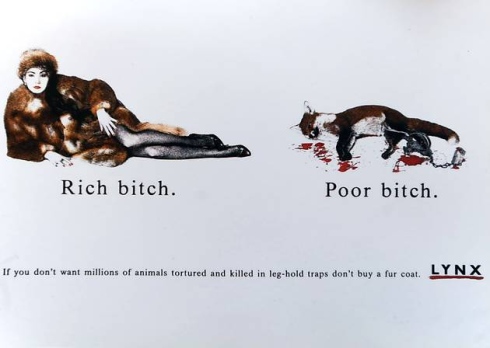
Germany is currently running a campaign against fur.
It is organized by “Deutsches Tierschutzbüro” and aims to force the department store “Breuninger” to be fur free. This department store is quite noble and has several branches throughout Germany.
On 21st and 22nd November the activists also came to my city. They told it me by mail and I said I would be there, even though I did not belong to this organization.
From the photos one can see that it was a good, strong action.
Therefore, the acceptance in the society was very big, many people hugged me and wished “keep it up, we need you” !!
We had four journalists from four different media.
Above – A journalist (Red) interviews a campaigner (Blue)
And they were not only there; but they also reported on the action via media outlets.
All those who have experience with such actions know that the most important thing is talking to people. The 8,000 flyers we distributed are no guarantee that we have convinced the same amount of people against fur.
But most of them have sought the dialogue while reading the flyer, and that is positive for me.
Campaigns (unlike to demos) have the goal of putting a particular company under pressure to force it to refrain from its bloody business. This goal can only be achieved if we go public and get the support of society.
Therefore, there is also a petition in support of the campaign.
Not real animals – but a display of (mock) fur bearing animals.
When the police came to tell us on Wednesday, November 22nd, that the department store was complaining against the loud speaker, a lot of people were around us and started scolding the police: “Let the activists be in peace, we need them, they do something good” said some.
That’s where politics starts, and I think you have to go out on the streets again, take action, come to the old forms of persuasion and education that used to be successfully practiced many years ago by political parties.
I firmly believe that animal welfare should become a political debate, and we can achieve that only if we mobilize the masses against the politicians who are responsible for crime and exploitation against animals.
The store – ‘Breuninger’ which sells fur
The campaign is not over yet, it’s still running in other cities and in December we’ll be back “on the streets” in my city for two days!
And the first success is already there: In Stuttgart, after our action, the department store “Breuninger” removed all fur parts from its show window.
This petition is worded below in the languages of all EU member states.
Petición al Parlamento Europeo: Prohibir la caza con galgos en España
Petition to the European Parliament: Stop the hunting with Galgos in Spain
Español – English – Cestina – Deutsch -ελληνικά- Francais – Hrvatski – Italiano – Magyar nyelv – Nederlands – Polszczyzna – Portugues – Romana – Slovencina – Slovenscina – Suomi – Svenska
– ESPAÑOL –
Los galgos se usan tradicionalmente para la caza de liebres. Todos los años se crían nuevos cachorros, de cuales solamente los mejores galgos se usan para cazar y el resto se matan a empezar la temporada de caza. Alrededor de los 3 años incluso a los galgos que han cazado bien se matan, porque piensan los galgueros que los galgos jovenes son los más eficaces.
Los métodos traditionales de matar a los galgos son brutos, ahorcamiento es común. Para los calgos que han cazado mal ahorcamiento con las patas traseras tocando el suelo (el ’pianista’). A veces se dejan los galgos en el bosque, atados o con una pata rota, para morir de hambre. Algunos les echan en pozos secos o abajo precipicios. 50.000 – 100.000 galgos son matados cada año, la mayoria con estos métodos tradicionales e ilegales.
Otras regulaciones de caza en la UE ya existen, como por ejemplo EEC No 3254/91. Ahora es tiempo prohibir también la caza con Galgos (si desean también con otras razas de ’Sighthounds’) en la Unión Europea.
– ENGLISH –
Galgos are traditionally used to hunt for hares.. Every year new litters are born, from which only the best galgos are used for hunting, and the rest are killed at the beginning of the hunting season. Around 3 years of age even the galgos that have been hunting well are killed, as the hunters believes young galgos to be more efficient at hunting.
The traditional methods of killing the galgos are brutal, hanging is common. Galgos that have not been good at hunting are hanged with their back paws left on the ground (the so called ’pianist’).
Alternatively, galgos are left in the forest, tied or with a deliberately broken leg, to starve to death. Others are, when still alive, thrown into empty wells or into steep canyons.
50.000 – 100.000 galgos are killed each year, most of them with these traditional and illegal methods.
Other hunting regulations by the EU already exists, such as for example Council Regulation EEC No 3254/91. It is time to also forbid hunting with Galgos (if desired also with other breeds of Sighthounds) in the European Union.
– CESTINA –
Petice k Evropskému parlamentu: Zastavte lov s galgos ve Španělsku
Galgos jsou tradičně používány k lovu zajíců. Každým rokem se rodí nová vrh, ze které se pro lov požívají jen ty nejlepší druhy Galgosu a zbytek je zabit na začátku lovu. Okolo 3 let se dokonce zabijí Galgové, kteří lovili dobře, protože lovci věří, že mladí Galgos jsou účinnější při lovu.Tradiční metody zabíjení Galgosu jsou brutální, visí je běžné. Galgové, kteří nebyli dobří v lovu, jsou pověšeni zadními tlapkami ponechanými na zemi (tzv. “Pianista”). Alternativně je Galgos ponechán v lese, vázán nebo úmyslně zlomenou nohou, aby zemřel hladem. Jiní jsou, když jsou ještě naživu, hodeni do prázdných studní nebo do strmých kaňonů.50.000 – 100.000 Galgos je zabito každý rok, většina z nich má tyto tradiční a nelegální metody.
Jiné předpisy EU o lovu již existují, například nařízení Rady EHS č. 3254/91. Je na čase také zakazovat lov s Galgos (v případě potřeby i s jinými plemeny chrtů) v Evropské unii.
– DEUTSCH –
Petition an das Europäische Parlament: Beenden Sie die Jagd mit Galgos in Spanien
Windhunde sind traditionell für die Hasenjagd eingesetzt. Jedes Jahr züchten sie neue Welpen, von denen nur die besten Windhunde verwendet werden, um zu jagen und die restlichen werden getötet, um die Jagdsaison zu starten – jedes Jahr.
Auch nach rund 3 Jahre werden sogar Windhunde, die gut gejagt töten, weil sie denken, dass junge Windhunde am wirksamsten sind.
Die traditionalen Methoden des Tötens der Windhunde sind grauenhaft, aufhängen ist weit verbreitet. Meist noch grauenhafter hängen sie die Hunde so auf, dass die Hinterbeine nur knapp den Boden berühren, sie tänzeln so lange, bis sie der qualvollen Methode erliegen, was sehr lange dauert.
Manchmal werden die Hunde im Wald angebunden, auch mit einem gebrochenen Bein, um zu verhungern. Einige Leute werfen sie in trockenen Brunnen oder unter Abgründe. 50.000-100.000 Windhunde werden jedes Jahr getötet, die meisten mit diesen illegalen Methoden.
Andere Jagdbestimmungen der EU existieren bereits, wie zum Beispiel die Verordnung ECC Nr. 3254/91. Es ist an der Zeit, auch die Jagd mit Galgos (und wenn gewünscht, auch andere Rassen des Windhundes) in der Europäischen Union zu verbieten.
-ελληνικά-
Αναφορά προς το Ευρωπαϊκό Κοινοβούλιο:Απαγόρευση κυνηγιού με λαγωνικά στην Ισπανία.
Τα λαγωνικά παραδοσιακά χρησιμοποιούνται για το κυνήγι του λαγού. Κάθε χρόνο μεγαλώνουν νέα κουτάβια, και μόνο τα καλύτερα λαγωνικά χρησιμοποιούνται για το κυνήγι και τα υπόλοιπα σκοτώνονται πριν ξεκινήσουν την κυνηγετική περίοδο. Μέχρι να φτάσουν 3ων ετών όπου και αυτά τα κυνηγετικά λαγωνικά σκοτώνονται, επειδή οι κυνηγοί θεωρούν ότι τα νεαρά λαγωνικά είναι τα πιο αποτελεσματικά.Οι παραδοσιακές μέθοδοι δολοφονίας του Γάλγκου είναι βίαιες, η κρέμονται ανάποδα από τα πισινά πόδια (ο λεγόμενος «πιανίστας»), Ή εναλλακτικά τα αφήνουν στο δάσος δεμένα με ένα σκόπιμα σπασμένο πόδι, για να πεθάνει από ασιτία. Ενώ άλλοι, όταν είναι ακόμα ζωντανοί, ρίχνονται σε άδεια πηγάδια ή σε απότομα φαράγγια.50.000 – 100.000 Galgos σκοτώνονται κάθε χρόνο, οι περισσότεροι από αυτούς με αυτές τις παραδοσιακές και παράνομες μεθόδους.
Άλλος κανονισμός του Συμβουλίου αριθ. 3254/91. Είναι επίσης καιρός να απαγορεύσετε το κυνήγι με λαγωνικά Galgos (επίσης το ίδιο και με άλλες φυλές Sighthounds για πτηνά κ.α.) στην Ευρωπαϊκή Ένωση.
– FRANCAIS –
Pétition au Parlement européen : Arrêtez la chasse avec les galgos en Espagne
Les galgos sont traditionnellement utilisés pour la chasse aux lièvres. Chaque année naissent de nouvelles portées, dont les meilleurs galgos seront élevés et utilisés pour la chasse ; les autres sont tués avant la saison de la chasse. Même les galgos qui ont bien chassé sont tués à l’âge de 3 ans, car les chasseurs pensent que seuls les jeunes galgos sont efficaces à la chasse.Les méthodes traditionnelles pour tuer les galgos sont brutales, la pendaison est communément utilisée. Les galgos qui n’ont pas su bien chasser sont pendus, leurs pattes arrières trainant sur le sol (les chasseurs appellent cela le pianiste). D’autres galgos sont abandonnés dans la forêt, attachés ou avec la patte volontairement cassée, pour y mourir de faim. D’autres sont jetés vivants dans des puits vides ou dans des canyons aux pentes raides.50.000 à 100.000 galgos sont ainsi tués chaque année, la plupart d’entre eux avec des méthodes dites traditionnelles et illégales.
D’autres règlements de chasse existent déjà dans l’UE, comme par exemple le Règlement de Conseil N°. 3254/91. Il est temps d’interdire la chasse avec les galgos (ainsi qu’avec d’autres espèces de lévriers) dans l’Union Européenne.
– HRVATSKI –
MOLBA EUROPSKOM PARLAMENTU: ZABRANITE LOV S HRTOVIMA U ŠPANJOLSKOJ!
Hrtovi se već dugo koriste za lov na zečeve. Svake godine uzgajaju se novi štenci, od kojih se samo najbolji koriste za lov, dok ostali budu ubijeni na početku lovne sezone. S tri godine ubijaju čak i hrtove koji su dobro lovili jer uzgajivači misle da su mladi hrtovi učinkovitiji. Ubičajeni načini ubijanja hrtova su okrutni, najčešće je vješanje. Hrtove koji se nisu iskazali u lovu objese tako da stražnjim šapama mogu dotaknuti tlo (zovu ih “pijanistima“). Katkad ostave pse u šumi, zavezane ili sa slomljenom nogom, da uginu od gladi. Neke bacaju u suhe bunare ili u ponore. 50 000 – 100 000 hrtova ubijeni su svake godine, većina na takve okrutne i nezakonite načine.
Drugi lovni zakoni u Europskoj Uniji već postoje, kao primjerice EEC No 3254/91. Sada je vrijeme da se u Uniji zabrani i lov s hrtovima (i, ako želite, s drugim pasminama koje služe za lov na zečeve).
– ITALIANO –
Petizione indirizzata al Parlamento Europeo: Fermate la caccia con i galgo in Spagna
I galgo vengono per tradizione usati per la caccia alla lepre. Ogni anno nascono nuove cucciolate, dalle quali vengono selezionati solo i migliori cacciatori, mentre gli altri vengono uccisi all’inizio della stagione venatoria. Attorno ai 3 anni di età vengono uccisi comunque anche i galgo che hanno dimostrato di essere bravi cacciatori, perchè i galgueros ritengono che solo i galghi giovani possano essere bravi nella caccia.I metodi tradizionali di uccisione sono brutali, ed è comune l’impiccagione. I Galgos che non si sono distinti nella caccia vengono appesi in modo che i loro piedi sfiorino il terreno (chiamato “il pianista”). In alternativa i galgos vengono abbandonati nei boschi dopo essere stati legati o dopo che deliberatamente gli sono state spezzate le zampe, così da farli morire di inedia. Altri vengono, da vivi, buttati in pozzi o in burroni.50.000 – 100.000 Galgos vengono uccisi ogni anno,, la maggior parte con questi metodi tradizionali anche se illegali.
Esistono già regolamenti di caccia da parte dell’Unione Europea, come ad esempio Council Regulation EEC No 3254/91. E’ ora che venga proibita la caccia con i galgo (se possibile anche con altre razze di cani per la caccia) nella Comunità Europea.
– MAGYAR NYELV –
Kérelem az Európai Parlamentnek: Kérjük, segítsenek megállítani meg a Galgo-vadászatot Spanyolországban! A Galgo egy spanyol agárfajta.
A Galgo-kat hagyományosan a mezei nyulakra való vadászatkor használják. Minden évben sok új alom születik, melyekből azonban csak a legjobb Galgokat választják ki a vadászatokra és a többieket, a vadászati szezon kezdetekor, megölik. 3 éves kor körül azokat a Galgo-kat is megölik, akikkel addig vadásztak, mivel a vadászok úgy hiszik, a fiatalabb Galgok eredményesebben teljesítenek a vadászatban.A Galgokat a hagyomány szerint brutálisan és kegyetlenül végzik ki, általában felakasztják. Azokat a Galgokat, akik nem teljesítettek jól a vadászatkor, úgy akasztják fel, hogy a hátsó mancsaik érik a földet (úgy nevezik, hogy a „zongorista”).Más esetekben a Galgokat az erdőben hagyják összekötözött vagy eltört lábakkal, akik így éhhalált halnak. Másokat, még élve, kutakba vagy mély kanyonokba dobnak.50.000-100.000 közé tehető az évente meggyilkolt Galgok száma, közülük a legtöbbet ezekkel a kegyetlen és illegális módszerekkel végeznek ki.
Már léteznek az EU-n belül vadászatra vonatkozó törvényi szabályozások, mint például a Council Regulation EEC No 3254/91 (Tanácsi rendelet).Itt az idő, hogy a Galgo-vadászatot is betiltsák (egyben más agárfajtákkal történő vadászatot) az Európai Unióban.
– NEDERLANDS –
Petitie aan het Europees Parlement : Stop de jacht met Galgo’s in Spanje!
Galgos worden normaal gebruikt voor het jagen van hazen. Elk jaar worden er nieuwe nesten van Galgos geboren, maar alleen de beste worden geselecteerd voor de jacht, de rest wordt gedood voor het jachtseizoen. Als de Galgos drie jaar oud zijn, zelfs als ze goed jagen, worden de gedood, omdat de jagers vinden/denken dat jongere Galgos efficiënter jagen.
Galgos die niet goed jagen, worden opgehangen met hun achterpoten nog op de grond (de zogenaamde “pianist) Andere Galgos worden in het bos achtergelaten, vastgebonden met vaak opzettelijk gebroken poten om daar uitgehongerd te sterven. Anderen worden levend in putten of diepe ravijnen gegooid.
50.000 tot 100.000 Galgos worden op deze illigale maar traditionele manier per jaar gedood.
Er bestaan al andere jachtregelementen door de EU, zoals bv. regelgeving EEC. No 3254/91.Het is tijd om de jacht met Galgo’s volledig te verbieden binnen de Europese Unie! (En als dat nodig is ook met andere windhonden rassen.)
– POLSZCZYZNA –
Petycja do Parlamentu Europejskiego: Wprowadzenie w Hiszpanii zakazu polowania z użyciem chartów
W Hiszpanii tradycyjnie charty używane są do polowania na zające. Każdego roku psy tej rasy są rozmnażane, ale tylko najlepsze z nich z używane są do polowań; reszta jest zabijana już na początku sezonu łowieckiego. Po około 3 latach również te, które sprawdziły się na polowaniach są zabijane, ponieważ ich właściciele sądzą, że tylko młode osobniki są wystarczająco skuteczne.Psy zabijane są w okrutny i brutalny sposób, zazwyczaj przez powieszenie.Charty, które “nie sprawdziły się ” na polowaniu są wieszane tak, aby ich tylne łapy ledwo dotykały ziemi , co przedłuża ich cierpienia (jest to tzw. metoda “na pianistę”). Często porzucane są w lesie, przywiązane do drzewa lub z połamanymi wcześniej łapami, tak aby umarły z głodu i pragnienia.Inne wrzucane są do studni, zrzucane z urwiska lub podpalane.Każdego roku zabija się od 50 000 do 100 000 chartów, większość ginie okrutną śmiercią.
W UE obowiązują już przepisy dotyczące polowań, jak na przykład EEC No 3254/91. Pora aby objęły one również charty oraz inne rasy psów myśliwskich.
– PORTUGUES –
Petição ao Parlamento Europeu: Parar a caça com galgos na Espanha
Galgos são tradicionalmente usados para caçar lebres. A cada ano novas ninhadas são nascidos, a partir do qual só os melhores Galgos são usados para a caça e o resto são mortos no início da temporada de caça. Em torno de 3 anos de idade até os galgos que foram a caça são mortas, bem como os caçadores considera os jovens Galgos para ser mais eficiente na caça.Os métodos tradicionais de matar os galgos são brutais, travando é comum. Galgos que não tenham sido boa a caça são enforcado juntamente com suas patas posteriores esquerda no solo (o chamado “Pianista”). Alternativamente, Galgos são deixadas na floresta, amarrado ou com uma perna quebrada deliberadamente à fome. Outros são, quando ainda vivo, jogado em poços de vazio ou em íngreme canyons.50.000 – 100.000 Galgos são mortos a cada ano, a maioria deles com estes métodos tradicionais e ilegal.
Outros regulamentos de caça pela UE já existe, como por exemplo o Regulamento CEE nº 3254/91. É tempo de também proibir a caça com Galgos (se desejado também com outras raças de Sighthounds) na União Europeia.
– ROMANA –
Petitie catre Parlamentul European: Opriti spanzurarea ogarilor in Spania
Ogarii spanioli sunt folositi in mod traditional la vanatoarea de iepuri. In fiecare an se nasc noi pui, dintre care doar cei mai buni se folosesc pentru vanatoare, iar restul sunt ucisi la inceputul sezonului de vanatoare. In jurul varstei de 3 ani, chiar si ogarii care au vanat bine sunt ucisi, deoarece vanatorii considera ca ogarii tineri sunt mai eficienti la vanatoare.Metodele traditionale de ucidere a ogarilor spanioli sunt brutale, iar spanzurarea este obisnuita. Ogarii care nu au fost buni la vanatoare sunt spanzurati cu labele din spate pe pamant (asa-numitul ’pianist’). De asemenea, ogarii sunt lasati in padure, legati sau cu un picior rupt in mod intentionat, pana cand mor de foame. Altii sunt aruncati de vii in puturi sau in canioane abrupte.50.000 – 100.000 de ogari spanioli sunt ucisi in fiecare an, majoritatea prin aceste metode traditionale si ilegale.
Alte regulamente emise de UE referitor la vanatoare exista deja, de exemplu Regulementul EEC Nr 3254/91 al Consiluilui Europei. Este timpul sa interzicem vanatoarea cu ogari spanioli (daca se doreste si cu alte rase de ogari) in Uniunea Europeana.
– SLOVENCINA –
Žiadosť adresovaná Európskemu Parlamentu: Zakážte lov Galgami v Španielsku.
Galgovia sa tradične používajú na lov zajacov. Každý rok sa rodia nové vrhy, z ktorých sa na poľovníctvo používajú iba tí najlepší a zvyšok je zabitý na začiatku loveckej sezóny. Dokonca aj dobrí lovci sú zabití vo veku okolo 3 rokov, pretože lovci veria, že mladí Galgovia sú pri love užitočnejší. Tradičné metódy zabíjania Galgosov sú brutálne, bežné je obesenie. Galgovia, ktorí neboli dobrí v love, sú obesení so zvesenými zadnými labkami, ktoré zostali na zemi (takzvaný “klavirista”). Takisto zvyknú byť ponechaní v lese, uviazaní alebo s úmyselne zlomenou nohou, aby zomreli hladom. Iní, keď sú ešte nažive, sú vhadzovaní do prázdnych studní alebo do strmých kaňonov. Ročne je zabitých okolo 50 000 – 100 000 Galgov a väčšina z nich týmito tradičnými a nezákonnými metódami.
Existujú aj iné nariadenia o poľovníctve EÚ, ako napríklad nariadenie Rady č. 3254/91. Je načase zakázať lov s Galgami (ak je to žiaduce aj s inými plemenami Chrtov) v Európskej únii.
– SLOVENSCINA –
Peticija v Evropskem parlamentu: Ustavitev lova z Galgosom v Španiji
Galgos se tradicionalno uporablja za lov na zajce. Vsako leto v novem leglu, vzamejo le najboljše Galgose za lov, preostali v leglu pa jih na začetku lovne sezone ubijejo. Približno 3 leta starosti, tudi Galgosi, ki lovijo dobro, so ubiti, saj lovci verjamejo, da je mladi Galgos bolj učinkovit pri lovu.Tradicionalne metode ubijanja Galgosa so brutalne, običajno jih obesijo. Galgos, ki niso bili dobri pri lovu, so obešeni tako, da visijo z zadnjimi tačkami, navzdol (temu pravijo t.i. pianist). Druga možnost je, da Galgose pustijo v gozdu zvezane ali jim namerno zlomijo tace, da bi umrli. Drugi, ko so še vedno živi, vrženi v prazne vrtine ali v strme prepadeVsako leto ubijejo 50.000 – 100.000 Galgosov, večina jih je s temi tradicionalnimi in nezakonitimi metodami.
Drugi lovski predpisi EU že obstajajo, na primer Uredba Sveta EGS št. 3254/91. Čas je tudi prepovedati lov s Galgosom (po želji tudi z drugimi pasmi sighthounds) v Evropski uniji.
– SUOMI –
Vetoomus Euroopan Parlamentille: Galgoilla metsästys on lopetettava Espanjassa.
Galgo-koiria käytetään perinteellisesti jänisten metsästyksessä. Joka vuosi syntyy uusia pentueita, joista vain parhaat galgot käytetään metsästykseen. Loput tapetaan metsästyskauden alussa. Noin kolmen ikäisenä myös metsästykseen valitut galgot tapetaan, koska metsästäjien mielestä nuoret galgot metsästävät tehokkaammin. Perinteellinen tapa tappaa galgon on brutaali: hirttäminen. Ne galgot , jotka eivät ole olleet hyviä metsästäjiä hirtetään takajalkojen ollessa maassa (niin sanottu ’pianonsoittaja’). Vaihtoehtoisesti ne jätetään metsään: puuhun sidottuna tai tarkoituksellisesti jalat murtuneena ja jätetään kuolemaan nälkään. Toiset galgot heitetään elävinä kuivaan kaivoon tai kanjoneihin. 50 000 – 100 000 galgoa tapetaan joka vuosi, suurin osa näillä perinteellisillä ja laittomilla keinoilla.
On jo olemassa muitakin metsästyssäätelyitä, esimerkiksi EEC 3254/91. Nyt on aika kieltää Galgoilla metsästys (halutessa myös muillakin vinttikoirilla) Euroopan Unionissa.
– SVENSKA –
Petition till Europaparlamentet: Förbjud jakten med galgor i Spanien.
Galgon – den spanska vinthunden används traditionellt till jakt på harar. Varje år föds nya valpkullar upp, då endast de bästa galgorna används vid jakten och övriga galgor avlivas brutalt redan vid jaktens början. Vid ca 3 års ålder avlivas även de galgor som jagat bra, då yngre vinthundar anses jaga effektivare. Avlivningsmetoderna är synnerligen brutala, hängning är vanligt. De galgor som inte anses ha jagat bra hängs med baktassarna stående på marken, så att de skall dö långsammare (kallas för ’pianisten’). En annan vanlig metod är att lämna vinthunden i skogen, bunden eller med ett avsiktligt brutet ben, för att svälta ihjäl. Det förekommer ofta även att galgor kastas levande ner i torra brunnar eller utför branta stup. 50.000 – 100.000 galgor dödas varje år, de flesta med dessa traditionella och illegala metoder.
Det finns redan lagstiftning för jakt inom EU, till exempel EEC 3254/91. Nu är det tid att även förbjuda jakt med galgor (om så är önskvärt även med andra vinthundsraser) inom den Europeiska Unionen.
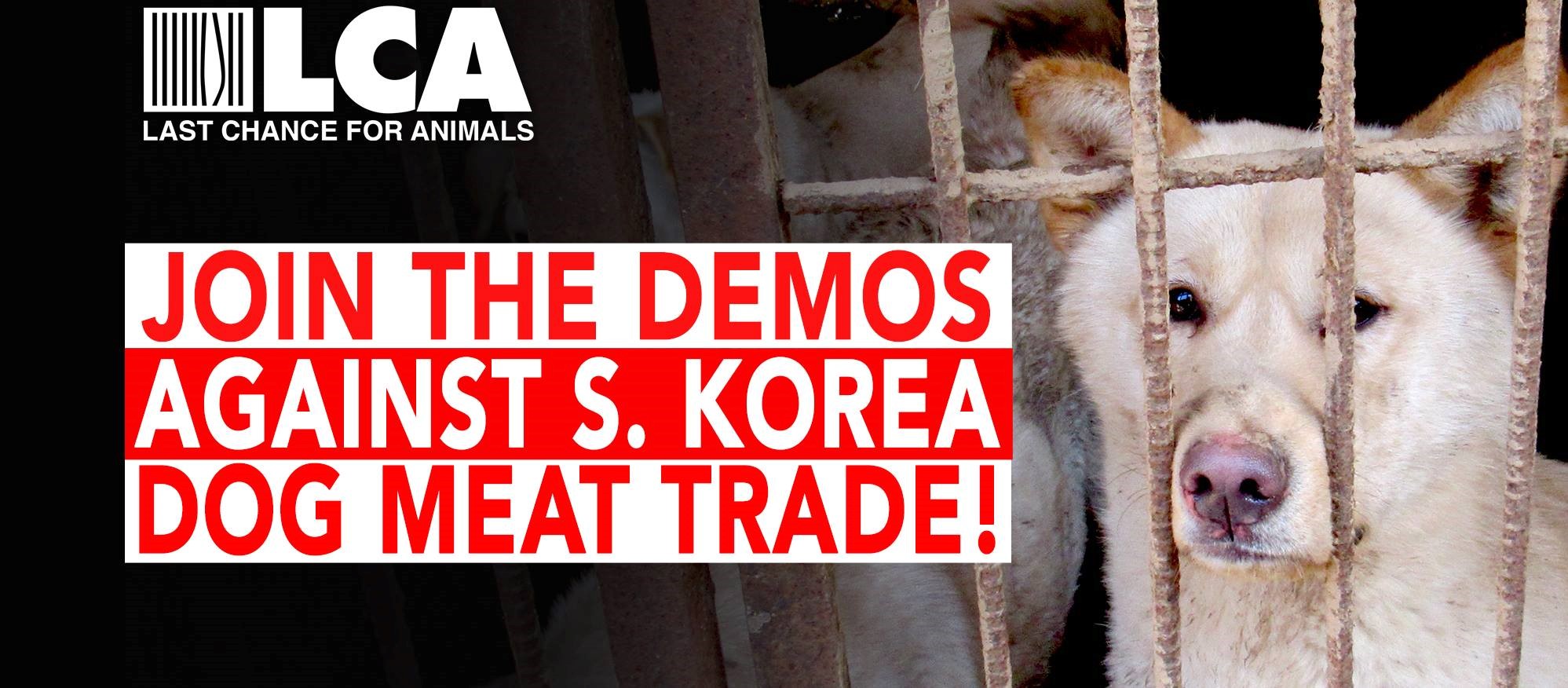
Adopt dogs rescued from dog meat industry by SaveKoreanDogs.org
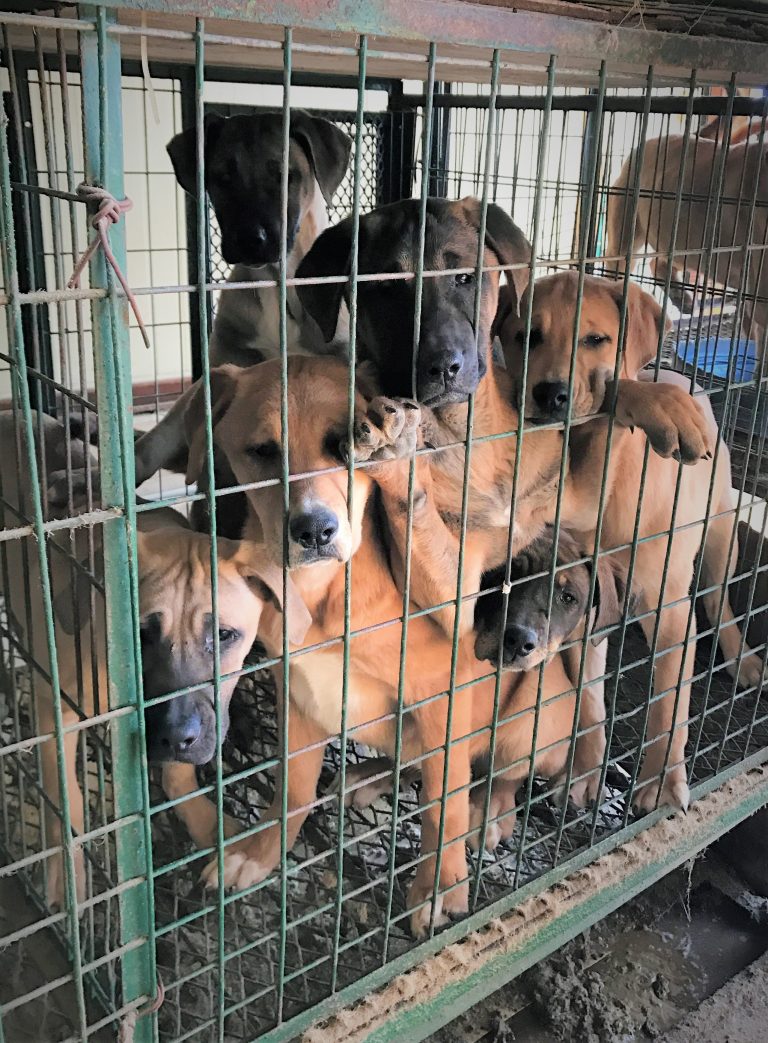
Dogs rescued from dog meat industry in South Korea by Nami Kim and her team are waiting for their loving and caring forever homes. Click the below button to learn about how you can adopt them. Thank you for opening your heart and your home to these angels!
DOGS LOOKING FOR ‘FOREVER’ HOMES
Click here to see all the dogs looking for adoption and new forever homes:
See the many videos below to see the horrendous conditions in which many of the dogs were kept before they were rescued. You may find many of the videos disturbing, but this is the reality of the dog meat trade. Everything done on the cheap by those who really do not give a damn about the suffering they cause to animals. The only good thing to remember is that despite what is shown in the following videos; the situation for all ha moved on and all the dogs kept in thee hell holes have now been rescued and are up for adoption, you can see in the adoption link which we provide directly above.
Posted on November 24, 2017 by Serbian Animals Voice (SAV)
Photo – EoA (Netherlands)
There has been a lot of scaremongering here in England in recent weeks that the UK is not going to recognise animals as ‘sentient beings’ once the UK leaves the EU.
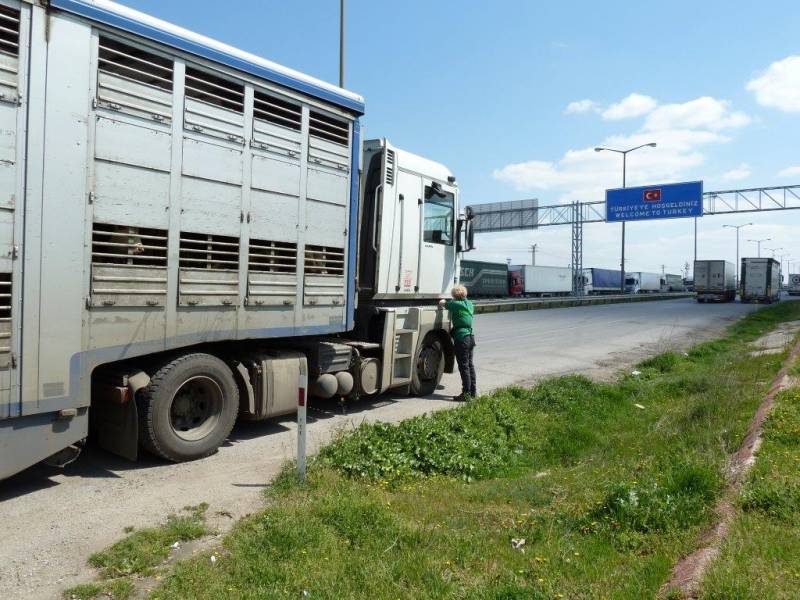
Animals are defined as being ‘sentient’ by EU legislation, although with live exports from the EU to Turkey for example, as we have exposed many times on this site, the EU does nothing to enforce its own regulations about animal welfare. As we have always said and often shown, EU laws really mean very little when it comes to protecting the rights of animals.
You may not believe us ? – so check these out for example:
Also, the UK has a very strong animal rights movement; and so it was (in our mind) unthinkable that animals would not be given protection once the UK leaves the EU. As we said, there has been a lot of scaremongering by certain groups in the last few months that animals were going to lose their protection. So we are very pleased to see that Minister Michael Gove MP has now clearly set out the governments position for animal welfare once the UK leaves the EU.
As we have said in past posts on this site, leaving the EU will actually allow the UK to strengthen its legislation on animal welfare – the UK will take back legislative control of regulations which have never been enforced by the oh so wonderful(?) EU – and this will allow the UK to strengthen animal protection as it sees fit; and as constantly pressurised by the excellent campaign organisations that exist in the UK.
Will leaving the EU and taking back control of our own laws be better for animals ? – we very much think so.
The EU has all the written legislation; it speaks the speak; but the reality is, when presented with the evidence by welfare organisations, the EU just turns the other way and says that there is nothing it can do; despite allegedly having all these rules in place in accordance with EU law !
When it comes to the EU protecting animals in accordance with EU Regulations; the whole thing is basically a joke. The rules are not worth the paper they are written on.
So, EU based animal welfare organisations who have constantly been ignored with their evidence of cruelty and abuse for many years now have to watch and see how things progress in the UK – which we will make sure they will.
Already there are movements in place to ban live animal exports from the UK on the very first day that the UK formally leaves the EU. EU member states have to decide if they want to continue presenting evidence to the EU – only then to be ignored – or do they follow the UK and get out – thereby taking back control of their own national laws law and making sure that they, as individual member states, enforce their own national legislation ?.
Time will tell; but the UK is leading the way on the issue of animal welfare.
(Minister) Michael Gove has set out the (UK) government’s position on animal sentience after we leave the EU in a Written Ministerial Statement
The sentience of animals WILL CONTINUE to be recognised and PROTECTIONS STRENGTHENED when we leave the EU, Environment Secretary Michael Gove confirmed today.
This Government is committed to the very highest standards of animal welfare. As the Prime Minister has set out, we will make the United Kingdom a world leader in the care and protection of animals.
It has been suggested that the vote last week on New Clause 30 of the EU Withdrawal Bill somehow signalled a weakening in the protection of animals – that is wrong.
Voting against the amendment was not a vote against the idea that animals are sentient and feel pain – that is a misconception.
Ministers explained on the floor of the house that this Government’s policies on animal welfare are driven by our recognition that animals are indeed sentient beings and we are acting energetically to reduce the risk of harm to animals – whether on farms or in the wild. The vote against New Clause 30 was the rejection of a faulty amendment, which would not have achieved its stated aims of providing appropriate protection for animals.
The Prime Minister has made clear that we will strengthen our animal welfare rules. This government will ensure that any necessary changes required to UK law are made in a rigorous and comprehensive way to ensure animal sentience is recognised after we leave the EU. The Withdrawal Bill is not the right place to address this, however we are considering the right legislative vehicle.
We are already proposing primary legislation to increase maximum sentences for animal cruelty from six months to five years, and the creation of a new statutory, independent body to uphold environmental standards.
The current EU instrument – Article 13 – has not delivered the progress we want to see. It does not have direct effect in law – in practice its effect is very unclear and it has failed to prevent practices across the EU which are cruel and painful to animals.
In contrast, here in the UK, we are improving animal welfare standards without EU input and beyond the scope of Article 13.
We are making CCTV mandatory in all slaughterhouses – a requirement which goes above and beyond any EU rule. We will consult on draft legislation to jail animal abusers for up to five years – more than almost every other European nation. We propose combatting elephant poaching with a ban on the ivory trade which is more comprehensive than anywhere else in Europe. Our ban on microbeads which harm marine animals has been welcomed by Greenpeace as “the strongest in the world”, and is certainly the strongest in Europe.
Once we have left the EU there is even more we could do. EU rules prevent us from restricting or banning the live export of animals for slaughter. EU rules also restrict us from cracking down on puppy smuggling or banning the import of puppies under 6 months. Article 13 has not stopped any of these practices – but leaving the EU gives us the chance to do much better. We hope to say more in these areas next year.
This government will continue to promote and enhance animal welfare, both now and after we have left the EU.
Above – Minister Michael Gove with Canine friend.
SAV Comment –
when we say ”the EU does nothing to enforce its own regulations about animal welfare” -this is evidence and proof of the situation, evidence and proof which the EU conveniently on its part, turns a blind eye to.
From our good friend Lesley at ‘Eyes on Animals’ in the Netherlands:
This week Eyes on Animals was on German TV!
The famous German filmmaker, Manfred Karreman, made a powerful documentary about our year-long inspections of live animal transports from the EU to third countries and of the slaughterhouses where the animals end up in.
You can view the footage here – **Warning** – animals suffering throughout.
PETA Asia just released eyewitness video footage of the Chinese donkey-skin trade, which is fueled by the demand for a traditional “medicine” that contains ejiao, gelatin made from donkey skin. The exposé reveals that thousands of donkeys are crammed into filthy concrete-floored pens, beaten with sticks at the donkey market, and bashed in the head with a sledgehammer at the slaughterhouse.
Ejiao can be found in beverages, candy, and even beauty products. Donkeys are now being imported into China for slaughter from other countries in Asia and from nations in the Middle East, Africa, and South America in order to meet the demand. While some countries, such as Pakistan and 10 African nations, have closed Chinese-funded slaughterhouses and developed policies to ban the export of donkey skin to China, others are shamefully considering a live-export trade. The industry is fueling a black market for donkeys, and many are being stolen or slaughtered illegally so that people can profit from China’s medicinal market.
The Northern Territory government in Australia exports donkey hides to China to support the cruel ejiao industry and is considering expanding this business by implementing a live-donkey export industry. View video footage from our exposé, and please urge Australian Prime Minister Malcolm Turnbull to ban exports of live donkeys to China immediately.






























 Serbian Animals Voice (SAV)