USA: Cows Electrocuted, Abused at California Slaughterhouse

Cows Electrocuted, Abused at California Slaughterhouse

by Piper Hoffman   – August 21, 2012 – 6:00 pm

After seeing an undercover video of shocking cruelty to cattle at California slaughterhouse Central Valley Meat Company, the USDA shut the plant down, according to the Associated Press and National Public Radio. At least two USDA inspectors worked on-site at the facility; both have been suspend

View a four-minute excerpt of the video here .

Compassion Over Killing taped the torture at Central Valley Meat Company over the course of two weeks this summer. It showed workers abusing cows who could not walk by shocking them with electric prods, shooting them repeatedly with captive bolt guns, kicking them, pulling them by their tails, and prodding them with forklifts. Workers also killed conscious animals, leaving them to bleed to death while hoisted in the air by one ankle.

The USDA visited the slaughterhouse after receiving the video from animal advocacy group Compassion Over Killing and found “egregious inhumane handling and treatment of livestock.” According to the USDA, this means “an act or condition that results in severe harm to animals,” and it includes seriously repulsive conduct:

1. Making cuts on or skinning conscious animals;

2. Excessive beating or prodding of ambulatory or nonambulatory disabled animals or dragging of conscious animals;

3. Driving animals off semi-trailers over a drop off without providing adequate unloading facilities (animals are falling to the ground);

4. Running equipment over conscious animals;

5. Stunning of animals and then allowing them to regain consciousness;

6. Multiple attempts, especially in the absence of immediate corrective measures, to stun an animal versus a single blow or shot that renders an animal immediately unconscious;

7. Dismembering conscious animals, for example, cutting off ears or removing feet;

8. Leaving disabled livestock exposed to adverse climate conditions while awaiting disposition, or

9. Otherwise causing unnecessary pain and suffering to animals, including situations on trucks.

Slaughterhouse owners Brian and Lawrence Coelho denied any wrongdoing. According to the Better Business Bureau, Central Valley Meat Company has been in business since January 1989.

Central Valley Meat Company provides ground beef to the USDA for its food programs, including school lunches. The cows it slaughters are dairy cows who no longer produce enough milk to be profitable to their owners. Dairy cows make up approximately 2.8 million of the 150 million cattle who are slaughtered for meat each year in the United States.

It is illegal to slaughter sick cows for human consumption. The USDA’s investigation of the slaughterhouse includes ascertaining whether the cows abused because they could not walk were weak from illness.

Compassion Over Killing’s undercover investigators have documented abuses of animals raised for food at many facilities, including those producing chicken, eggs, turkey and foie gras.

http://www.care2.com/causes/cows-electrocuted-abused-at-california-slaughterhouse.html

http://www.huffingtonpost.com/john-robbins/central-valley-meat_b_1821942.html

Could Anyone Find This Animal Abuse Tolerable?

Posted: 08/22/2012 1:09 pm

Yesterday, the USDA shut down operations at Central Valley Meat Co. in Hanford, Calif. The facility, located at the center of California’s dairy industry, slaughters California dairy cows when their milk production declines and sells their meat to make hamburger for the school lunch program. Federal regulators took the action after receiving undercover footage taken at the slaughterhouse by an animal welfare group, Compassion Over Killing.

Central Valley Meat Co. is owned by Brian and Lawrence Coelho. Asked for a comment, Brian Coelho said: “Our company seeks not just to meet federal humane handling regulations, but exceed them.”

Meanwhile, the California Milk Advisory Board tells us that “Happy Cows Come From California.” In fact, the agency has just this past week once more cranked up the ad campaign with a new twist. Titled “Friends,” the new ads use a happy and talkative cow to convey the unmistakable feeling that by eating California cheese and drinking California milk, you are expanding your family to include friendly cows. The tag line is “Make us part of your family.”

Factory farm dairies have long employed the PR tactic of telling consumers that they treat their animals “just like members of their own families.” Considering the footage provided by Compassion Over Killing, I hope that isn’t true. It shows dairy cows bleeding and thrashing painfully after being repeatedly shot in the head with a pneumatic gun in bungled efforts to render them unconscious prior to killing them. One cow is shown still conscious and flailing as a conveyor lifts her by a single leg for transport to the area where her throat will be slit.

If you’ve eaten at In-N-Out Burger recently, you may have eaten a burger made from the flesh of a cow killed at Central Valley Meat Co. The burger chain has regularly obtained meat from this slaughterhouse but severed ties with the company yesterday after learning of the current situation. After seeing the footage, USDA officials began investigating whether beef from sick cows has reached the food supply and should be recalled. The practice of sending meat to market from sick animals is illegal.

How often are dairy cows treated this badly in today’s slaughterhouses? It’s anybody’s guess. The industry has gotten legislation passed that makes it illegal to take undercover footage of cruelty to farmed animals, so undercover investigators risk years in prison to do so.

The industry considers people who take footage like this to be criminals and wants them jailed. I consider them heroes who are trying to return our society to a semblance of morality in the way we treat dairy cows and other livestock. Either way, I find it difficult to imagine anyone who could watch this footage and find it tolerable.

Here is the footage. Please be prepared if you watch it. It’s grotesque. I don’t think anyone with a heart could possibly find this tolerable.

WARNING: Video contains graphic content.

******************************

http://beefmagazine.com/beef-quality/addressing-emotion-animal-welfare

Addressing The Emotion Of Animal Welfare

Aug. 22, 2012 3:57pm

During a recent meeting in Nebraska, a slide depicted two photos. One was of caged laying hens, and the other was a small cage containing two parrots. The message was obvious – why do so many of the public oppose the housing situation for the laying hens, but see no problem with the quality of life of the parrots?

Candace Croney, a Purdue University associate professor of animal behavior and well-being, recently addressed Nebraska producers about the role of ethics in current farm animal welfare debates.

“Looking at these two photos, many people see no problem with the level of inconsistency in their thought process,” she says. “People don’t like to look at what they’re doing in their own backyard. It’s much easier to tell someone else how they should be doing things. When we think about animal welfare, everyone has a different idea of what that means.”

Livestock producers and consumers agree they want food that’s safe, palatable, affordable and accessible. However, some consumers question the methods by which their food is produced. As a result, a gap is forming between rural and urban dwellers regarding animal welfare and its regulation.

BEEF Daily Blog: Is It Animal Rights or Animal Welfare? For Me, It’s Animal Care

Animal welfare isn’t top of mind to most consumers, Croney says. “However, when negative things happen, or you have a negative story in the media regarding animal welfare, people’s attention is quickly drawn to the issue.

“Everyone agrees it’s our moral obligation to do right for the animals under our care,” Croney continues. “But, what does it mean to ‘do right’ by our animals? This is a big debate that animal rights activists have tapped into with the public, trying to force them to form an opinion on these issues. They’re also using their influence to impact policy regarding animal welfare.”

Animal welfare has different definitions to different people. For many, particularly producers, it’s providing good animal husbandry, and taking care of the physical needs of animals for food, water and shelter. However, others feel the biological and behavioral needs of the animal should also be considered.

Closer Look: Animal Science Or Animal Emotionalism?

Animal activists are successfully influencing the consumer’s view of animal welfare by appealing to the core values people believe in, such as compassion, justice, fairness and freedom, she adds. Activists also highlight issues easily grasped by consumers, like housing, handling and pain; they then develop modest appeals for change by adopting a high moral ground or even using religion.

As an example, Croney points to farrowing crates to contain sows. “The activists say, ‘Can’t we give this pig just a little more room to turn around?’ That sounds completely reasonable, but the urban consumer doesn’t understand how a sow behaves. They don’t understand it’s not that easy. Their opinion is ‘What’s the problem? Just do it.’”

With a vast majority of U.S. consumers far removed from agricultural production, their main contact with animals is via pets, zoos and mass media. “More people are thinking about animals in human terms. We don’t see animal welfare conversations happening in developing countries where people are still struggling to put food on the table. In the U.S., the way many people think about their companion animals starts to color how they think food animals should be treated,” she says.

Reaching out to consumers

Animal agriculture needs to do a better job reaching consumers through Extension, outreach groups, teachers and education, she says.

“People not connected to the farm are interested in what happens on the farm. Even though producers are busy, they should take the time to open their doors and show others what they do, and why and how they do it,” she says.

Often, agriculture’s response on housing issues is that change isn’t really necessary, and then they go on to respond with food safety, nutrition, affordability, food access, and sometimes environmental stewardship explanations that don’t really address the question at hand, she says.

“We are being challenged on animal welfare, and responding with food safety, which just upsets the consumer. We need to address each issue instead of being like politicians at a political debate who give canned answers to issues they are challenged about,” she says. “When we do this, it makes consumers think there is a reason we are not answering the question.”

Rather, Croney recommends explaining to consumers that today’s food challenges require maximizing the use of land and space. “We also need to mention that it requires us to grow and finish a lot of animals quickly. In the case of sows, we need to show the public how they are fed, and that they are housed in a way to protect workers and other animals,” she says. “The attention span of the American public regarding these issues is about two minutes, so we need to develop a quick and effective way to address these concerns,” she says.

Croney adds that it is more expensive to ignore animal welfare issues than to address them. “If you don’t address these issues, you will get left behind and you can’t afford that. If there’s anything done on the farm that causes pain and can be filmed, be sure you can explain why it is necessary and what is being done to control that pain.”

And when something bad happens that has to do with animal welfare, producers should address that it was bad, she advises. “And be sure people understand you don’t do that and what you do instead to protect the welfare of your animals. Take the high moral ground.”

Most of all, Croney encourages producers to find their voice, and not let others, such as activists groups, speak for them.

“Make sure people know no one is more concerned about our animals than us, and that we are committed to their health and welfare,” she says. “Develop a statement committed to animal welfare, and put it out there where people will read it. Actions speak louder than words, but words can be very effective when people don’t know you or what you do.”

Spain: ‘Ouch !’ – Bullfighter is Gored By A Bull, Madrid – The Bull Did Not Survive.

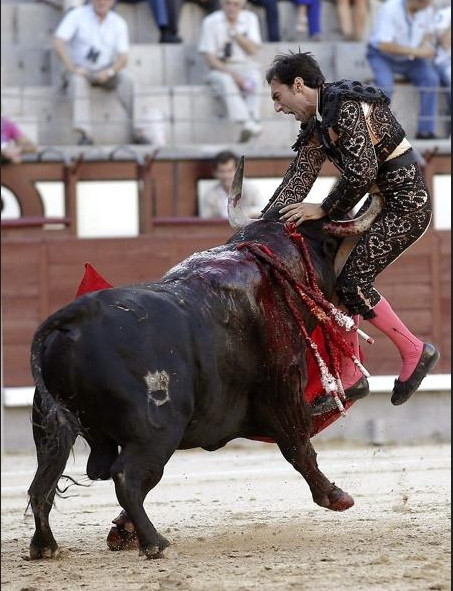
Subject: bullfighter Fernando Cruz is gored by a bull
 
Spanish bullfighter Fernando Cruz is gored by a bull at Las Ventas bullring in Madrid, Spain.

UK: England: Brighton – Farmed Animal March – October 6th 2012


Please click on this link to see the flyer:  

complete march flier 2012

Farmed Animal March – October 6th 2012

Please come to a March for Farmed Animals!  On Saturday October 6th, we will be marking the World Day for Farmed Animals, (on October 2nd every year) with a rally and march in Brighton.

Help raise awareness of the cruelty in farming, and promote a veggie diet for the sake of the animals, the environment, and health!

Meet from 1pm  at The Level, near the vegan cafe ‘The Loving Hut’ for speeches and food, then come on the march at 2.30pm.

We will march through the heart of the city, past many meat-eating restaurants etc, and along the seafront.  We will finish after a couple of hours in Victoria Gardens, not far from the Palace pier, and Pavilion.

The social event is now a benefit for Help the Street Animals of Morocco (HSAM), a Brighton based voluntary group that neuter and treat street animals in Morocco.

There will be a choice of vegan fish or battered sausage and chips with mushy peas or baked beans.  There will also be a cheap bar, pub style quiz (prizes to be won!) and music. 

Tickets are £10 for your chippy meal and quiz entry.  To purchase tickets or for further information please email info@hsam.org.uk or call 01273 241802.  There will be limited spaces on the door so please book in advance to avoid disappointment. 

Please show your support and come to this great night of vegan delights!

If you are unable to make this event, there is a veggie pub nearby with excellent vegan options, ‘The Prince George’ in Trafalgar St., or many veggie/vegan restaurants in Brighton

Please come to show the public there is a more compassionate way to live, and have a great day out in this exciting city, known as ‘The Vegan Capital’!

If you would like any fliers or posters to give to friends, please contact 07757355362 or FarmedAnimalMarch@mail.com.  Donations would also be most appreciated.

Visit us on our website:  www.farmedanimals.org.uk


CANADA: THE TRUE FACES OF HORSE SLAUGHTER – INSIDE ALBERTA’S FEEDLOTS.

CANADA: THE TRUE FACES OF HORSE SLAUGHTER

–INSIDE ALBERTA’S FEEDLOTS.

http://www.youtube.com/watch?feature=player_embedded&v=rXJ5uZatJlE

http://canadianhorsedefencecoalition.wordpress.com/2012/08/21/the-true-faces-of-horse-slaughter-inside-albertas-horse-feedlots/

Canadian Horse Defence Coalition’s Blog

About

We are a collective of people and national groups that have joined forces in order to ban the slaughter of equines for human consumption in Canada, as well as the export of live horses to other countries for the same purpose.

Email us at info@defendhorsescanada.org

Serbia: August 2012 – Latest News and Photos From Cat Shelter ‘Felix’.

Dear Friends and Donors, 

First and foremost, I would like to express my sincerest appreciation and gratitude for your indispensable help! It’s been a busy and nerve wracking few months since the repairs have started, but how I think I can see the light at the end of the tunnel.

A lot has been done, yet there’s still quite a lot left to finish. We couldn’t be doing any of this without the help of our wonderful friends and I want all of you to know how truly grateful I am for your support. If we had more people like you, this world would be a more wonderful place.

Alethe’s babies are happy and chubby; their eyes have already changed color. Many of my older kitties are doing fine, yet some of them are having health problems. Speki has injured his eye and is under treatment; the oldest cats have a hard time with the heat, so every day trips to the vet are a must. When the Fall comes, I’m hoping everything will be easier.

We have made a ChipIn in order to try and obtain necessary funds for paying for food and veterinary care http://danicascatsheter.chipin.com/cat-shelter-felix.  Every cat deserves to be safe, well fed, healthy, loved and cared for, yet it’s not easy to raise funds to enable all of the shelter kitties to have long and happy lives. 

We struggle on a daily basis to cover all of the expenses and we need your help!

Repairs have cost much more than expected, new problems have arisen way too often and we really cannot finish everything that needs to be done alone.

Please, check out our project on betterplace.org. http://www.betterplace.org/en/projects/9425-repairing-the-damaged-cat-shelter and join us in our effort if you possibly can!

I’m truly grateful to all of you for caring! Felix kitties are sending kitty love, purrs and kisses your way!

Warmest regards

Danica Mirkovic, President of Felinologic Association Felix and the owner of Cat Shelter Felix

PayPal button is on our blog:

http://novisadcats.blogspot.com/

and our website:

http://catshelterfelix.com/

Webshop:

http://www.cafepress.co.uk/catshelterfelix

Dinarske uplate: Felix-Felinolosko drustvo  355-1070729-96

PayPal button is on our blog:

http://novisadcats.blogspot.com/

and our website:

http://catshelterfelix.com/

Webshop:

http://www.cafepress.co.uk/catshelterfelix

Dinarske uplate: Felix-Felinolosko drustvo  355-1070729-96

Previous SAV Posts:

https://serbiananimalsvoice.wordpress.com/2012/07/02/serbia-020712-more-news-and-photos-from-danica-at-felix-shelter-can-you-help-with-a-donation-towards-roof-repairs-thank-you/

https://serbiananimalsvoice.wordpress.com/2012/05/09/serbia-latest-from-felix-cat-shelter-sanctuary-photos-info-and-appeal-to-help-with-new-building-updates-due-to-terrible-winter-can-you-help-please/

https://serbiananimalsvoice.wordpress.com/2012/04/11/serbia-post-winter-repairs-at-felix-shelter-are-costing-can-you-help-costs-with-a-donation-paypal-link-provided/

https://serbiananimalsvoice.wordpress.com/2012/02/26/serbia-the-felix-kitties-have-got-a-website-please-visit-and-take-a-look/

https://serbiananimalsvoice.wordpress.com/2012/02/08/serbia-big-freeze-across-europe-latest-pictures-from-cat-shelter-felix-can-you-help-with-a-donation/

https://serbiananimalsvoice.wordpress.com/2012/01/15/serbia-please-help-the-kitties-at-felix-shelter-with-a-winter-donation-thank-you/

https://serbiananimalsvoice.wordpress.com/2011/11/22/serbia-financial-appeal-to-help-the-cats-this-winter-at-felix-shelter/

https://serbiananimalsvoice.wordpress.com/2011/09/30/serbia-felix-cat-shelter-a-request-for-financial-help-please-can-you-give-a-donation-full-details-below/

Please give a donation if you are able – anything will help, no matter what the size.

Thank You.

Germany: Merkel Gives Two Fingers to EU Animal Welfare Regulations and Instead ‘Helps’ the Ukraine With Non-EU Compliant Funding for Egg Production – Causing Additional Suffering to 8 Million Hens.

“The eggs are not meant for the EU market” – Does this mean that animal abuse is ok by German government regulations as a result ?

The German government – that is the German department of trade and industry – is helping out the Ukraine with 2 export credit guarantees for building 2 huge egg-producing facilities (Avangardco) housing some 8 million (3 and 5 resp.) hens in cages which are forbidden in Germany and the rest of the EU.

The department has been heavily criticised for this, as this supports something that is now illegal in Germany and throughout the EU. The department, in turn, defends this support with the fact that the produced eggs are not meant for the EU market.

What this means in effect is that the German government is only really interested in promoting itself throughout Europe, regardless of what suffers as a consequence – in thios case, 8 million hens.

The attitude of the German government is one of ‘the eggs are not meant for the EU market’, in other words; animals can continue to be abused with german government approval; they will rubber stamp animal abuse in non EU parts of Europe; just as long as the European (EU) consumer is not affected.  So whats the problem ?

This, it must be remembered, is from the Christian Democratic Union (Germany); a party headed by Angela Merkel; a woman who hates anything and everything environmental and ‘Green’.  As long as she is making money, then nothing else really matters for this woman.

Angela Merkel:

http://en.wikipedia.org/wiki/Angela_Merkel

Christian Democratic Union (Germany):

http://en.wikipedia.org/wiki/Christian_Democratic_Union_%28Germany%29

The Spiegel article is here:

http://www.spiegel.de/wirtschaft/unternehmen/legehennen-deutschland-finanziert-kaefighaltung-in-der-ukraine-a-848481.html

The protest by the German “Albert Schweitzer-stiftung” here:

http://albert-schweitzer-stiftung.de/tierschutz-helfen/petitionen/keine-burgschaften-fur-legebatterien

Past SAV links associated with non-Green Merkel:

https://serbiananimalsvoice.wordpress.com/2010/10/01/germany-huge-demonstrations-as-stuttgart-21-tree-felling-begins-trees-of-over-300-years-destroyed-for-new-station-plans/

https://serbiananimalsvoice.wordpress.com/2010/11/08/germany-government-attempt-action-against-protestors-regarding-nuclear-waste-carrying-the-castor-transport/

https://serbiananimalsvoice.wordpress.com/2012/02/27/germany-german-pavilion-at-hong-kong-international-fur-fashion-fair/

https://serbiananimalsvoice.wordpress.com/2012/05/16/petition-please-sign-now-save-paul-watson-from-the-german-authorities-angela-merkel-ss/

https://serbiananimalsvoice.wordpress.com/2011/07/29/germany-recent-photographs-of-hunters-game-then-simply-disposed-of-into-waste-bins/

https://serbiananimalsvoice.wordpress.com/2011/02/18/germany-fox-week-letters-to-mail-to-ministers-asking-for-a-closed-season-on-hunting-full-details-enclosed-please-act-now/

https://serbiananimalsvoice.wordpress.com/2011/01/25/very-important-please-read-hunting-and-timber-lobbyists-in-germany-may-influence-eu-wide-wildlife-protection-in-the-future-we-must-not-let-this-happen/

https://serbiananimalsvoice.wordpress.com/2010/02/08/germany-fox-week-update-080210-more-killings-animals-now-skinned/

https://serbiananimalsvoice.wordpress.com/2008/12/10/germany-67000-pigs-to-be-factory-farmed-in-terrible-conditions-please-sign-the-petition/

Rio summit to make fresh bid to tackle environment woes

http://articles.timesofindia.indiatimes.com/2012-06-20/developmental-issues/32335144_1_sustainable-development-rio-summit-global-development

RIO DE JANEIRO: A crucial summit on global development kicks off here today with nearly 20 heads of state and government, including Prime Minister Manmohan Singh, in attendance in a fresh bid to rally the world behind a common environmental blueprint amid economic woes and discord.

As calls go out to world leaders to commit to reaching an accord that addresses the most pressing environment and social woes, Singh will pitch for the principle of common but differentiated responsibility during the meeting, 20 years after the first Earth Summit was held in this Brazilian city.

How very typical: Angela Merkel and David Cameron are not attending – so much for their environmental view on the worlds future !

US President Barack Obama and leaders of Germany and Britain — Angela Merkel and David Cameron — are NOT attending the two-day Summit, officially called the United Nations Conference on Sustainable Development. Secretary of State Hillary Clinton is leading the US delegation.

Germany: The Mink (Fur) Farm Which Considers It Is Above the Law – Owned by Alfons Grosser; President of the German Fur Animal Breeders Society.

Link:

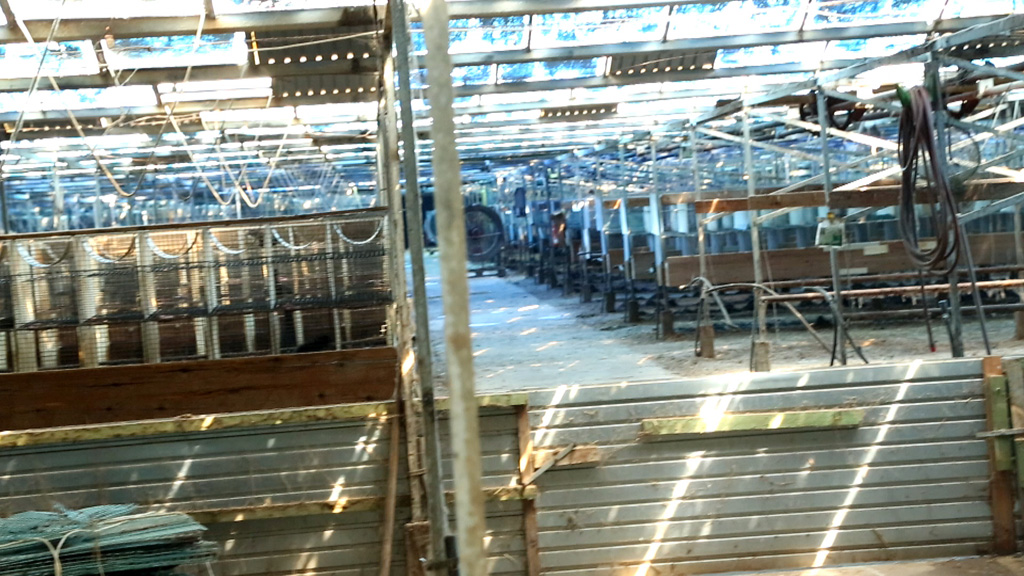
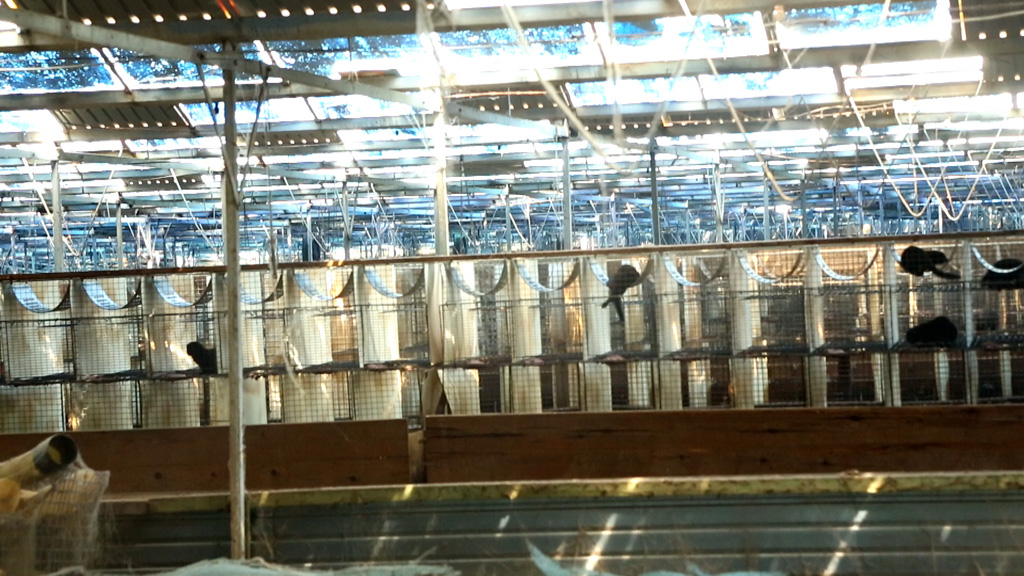
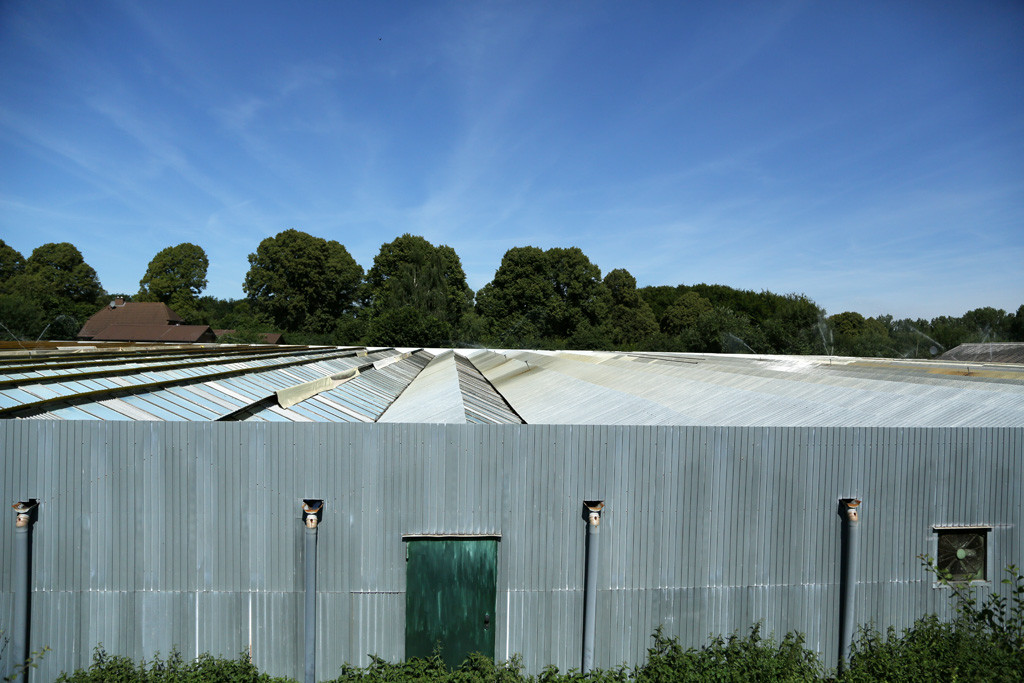
http://www.tierschutzbuero.de/undercover-nerzfarm-bielefeld/

At this link above you see recent undercover footage and images of Germany’s most notorious mink farm at Bielefeld.

The owner, one Alfons Grosser (President of the German Fur animal breeder’s society), has repeatedly flouted the new regulations – for one, requiring more space for each animal (up to 10 times more than provided at this facility).

Authorities had also issued a ban on stabling animals in this way to this owner, which he also flouted.

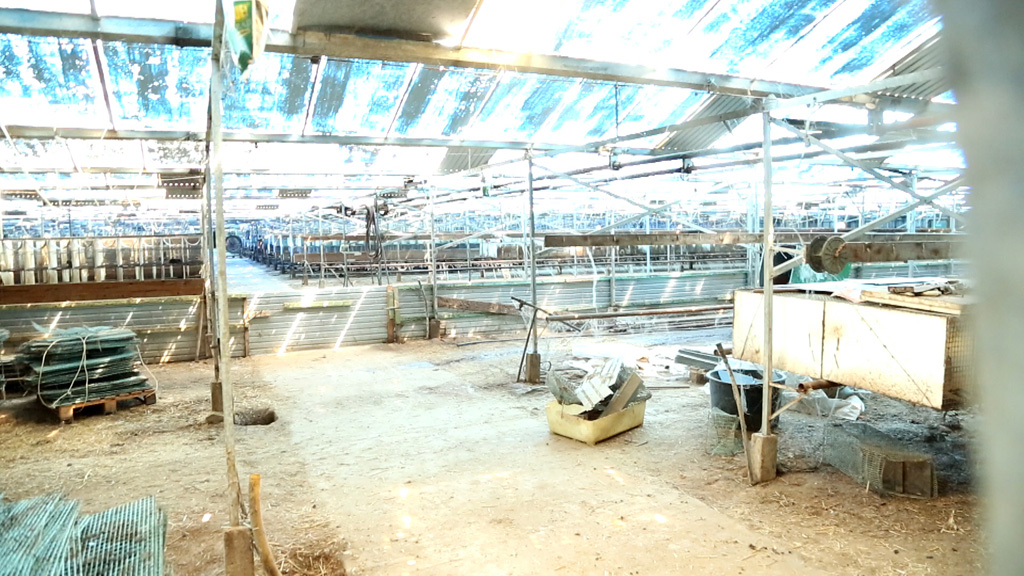
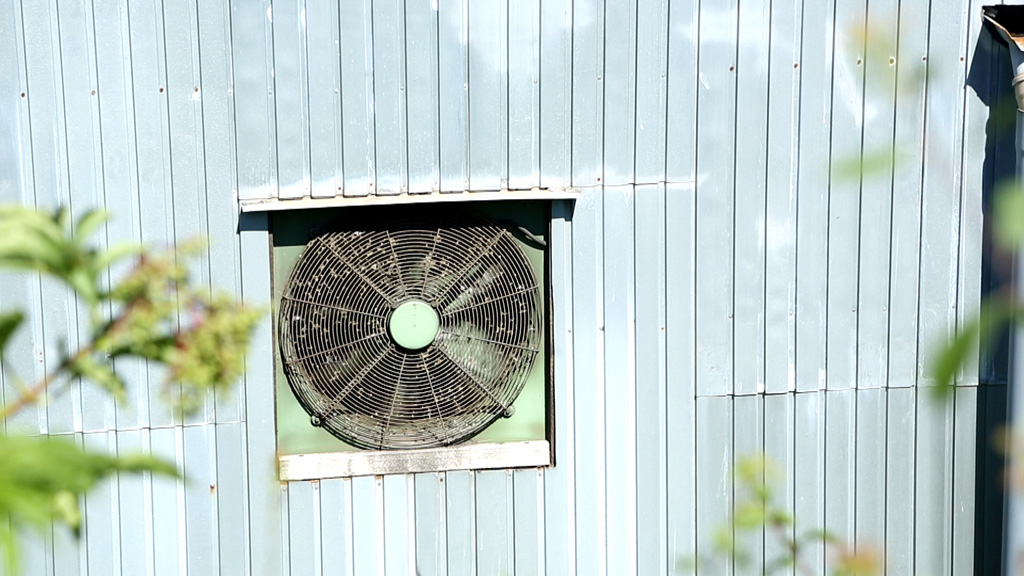
The animals are caged much like plants in a hothouse, with rows upon rows in a closed storage building, with minimal temperature control/air conditioning – causing many animals to die of heat exhaustion.

Authorities are investigating.

SAV Comment – the authorities need to do more than just investigate; they need to close this whole operation down; prosecute and imprison Grosser – the major animal abuser !

We say:


On the other hand:


Israel Reconsidering Fur Ban

by Alicia Graef

August 9, 2012

A bill brought before the Knesset at the end of July may, if passed, make Israel the first country in the world to ban the sale of fur, reports the Jerusalem Post.

The bill, drafted by MK Ronit Tirosh (Kadima) in conjunction with the Israel-based International Anti-Fur Coalition, received the support of eight Knesset members from across the political spectrum – Tirosh, Eitan Cabel (Labor), Nitzan Horowitz (Meretz), Yoel Hasson (Kadima), Dov Henin (Hadash), Miri Regev (Likud), Nino Abesadze (Kadima) and Masud Ganaim (United Arab List).

An independent opinion poll conducted for the International Anti-Fur Coalition and Israeli animal rights group Let Animals Live found 86 percent of Israelis believe killing animals for their fur is morally wrong and 79 percent would support a nationwide ban.

However, previous efforts to ban fur sales in Israel received opposition from the fur industry, which doesn’t want anything cutting into its profits, or to see anyone pave the way towards an end to the fur trade, but also by the Orthodox Jewish community, whose cultural headdress, called a shtreimel, is made of fur.

This time around, the bill will allow for the sale of fur used in science or to express cultural identity.

The text of the bill explains that there is no longer any necessity for fur, as synthetic fabrics heat much more efficiently, and fur is now simply a fashion item and status symbol. A ban on the sale of fur within Israel would provide animals protection according to the Animal Welfare Law, and would be in accordance with the values of human compassion and Judaism, the bill text says.

“Fighting for people’s consciousness is a daily undertaking, and this legislation may yet save millions of animals. It’s time to do this at last and finally end the fur trade in Israel. Such legislation should gain immense respect for Israel and its citizens.

Another important point to note is that unlike the first bill, proposed by MK Ronit Tirosh, the new bill doesn’t suggest a ban on fur imports, hence the bill is an entirely internal matter and any intervention by foreign furriers will be neither ethical nor justified,” said Jane Halevy, chairperson of the International Anti-Fur Coalition.