Germany: ‘Knut’ the Young Polar Bear Dies at the Weeknd – A Life of Misery at Berlin Zoo. RIP Knut; Now Reunited With Thomas.


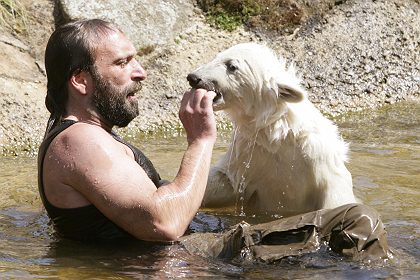
Knut as a youngster with his beloved keeper Thomas

Last weekend saw the early death of Knut – the little Polar bear who lived at Berlin Zoo.

The following post outlines much of Knuts troubled life; a life of making money for a zoo and a director still in charge who has allegedly killed animals using his own bare hands – see further on.

Knut probably lost all love of life after the  untimely death of his keeper Thomas, who in the end was not even allowed to go near Knut.  This situation obviously took its toll on both of them in such a huge way.  Thomas and Knut are together again somewhere now – which is without doubt the best thing.

As for the zoo and its animal killing director; he continues to try and make money from Knut by having him skinned and stuffed.

If you wish to leave a message of condolence for Knut (and Thomas) afeter reding the articles below, then please do so.  The link is as follows.

But please note that the zoo appears to be monitoring and censoring all bad comments on its site.  Maybe the zoo director does not like hearing the truth and what so many people have to say about himm.  We say that it is time for him to go – to take a walk of shame.  He is no good and is directly responsible for the death of Knut.

——-
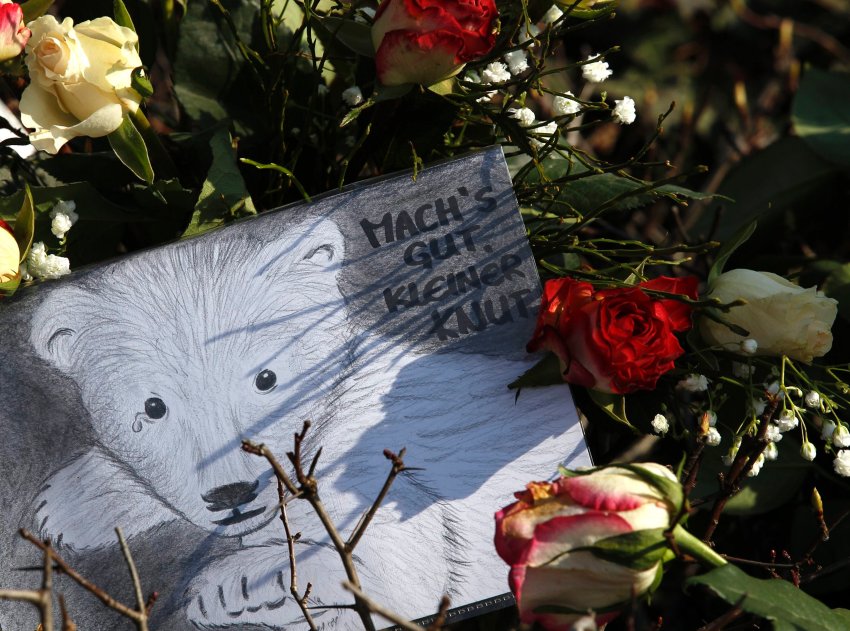
The link to the online page for condolences:

http://www.zoo-berlin.de/zoo/service/service/knut.html

One message left from yesterday:

Andrew Watts

My Dear KnutiAndrew & Rebecca
London
xxxx

This is the 3rd time we have signed this book. We miss you so much, but we know you are in a happier place now with Thomas and my own dear father who passed away 4 years ago. The sun is shining very brightly in London today – the reason? You have graced Heaven with your presence!

We will love and remember you always.

Latest news is that his body has already been skinned – the skin meant for stuffing – and the rest has been disposed of in the direction of an animal body rendering plant.

With this, the Zoo goes against the wishes of all who cared about Knut, who has suffered enough by the incompetent treatment and keeping at Berlin Zoo.

Responsibles at the zoo see no fault of their own in Knut’s death, although expert opinions clearly say otherwise, and have done so for over a year.

Comments left on the condolence page of the Berlin Zoo are now heavily censored, as more and more people come forward and critisise the Zoo for its conduct.

Knut’s close relationship with Humans, the loss of his foster father 2008, then that of his girlfriend Gianna (after 10 months) 2010, the constant bullying that he could not escape by 3 much older female bears all contributed to his early death.

The brain condition that killed him may well have been the result of near constant stress.

It was all about the money in Berlin, and Knut was abused all his life, neglected after Doerflein’s death, and now will end catching dust in a museum, where people will continue to gloat at him for ever.

Zoo director Blaszkiewitz has been in the news for years with recurring accusations (by PETA) of flogging Zoo animals off cheaply to traders, butchers and labs.

He is also known to have killed surplus cubs of a rare cat species with his bare hands once.

He is not someone who can be trusted around animals, and he keeps repeating his opinion these days that as a “scientist” he needed to view events such as this dispassionately. An animal was an animal, not a Human.

Knut, for him, was a means to an end (money), and he was dispensable the moment he stopped earning them millions.

Farewell, Knut and Thomas – together again.

Photo Credits –  http://www.spiegel.de/international/germany/0,1518,752247,00.html
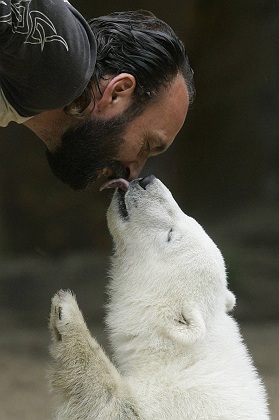
Obituary

Farewell Knut, Thanks for the Memories

By David Crossland

Gallery: http://www.spiegel.de/fotostrecke/fotostrecke-65970.html 

REUTERS

Knut, Berlin’s world-famous polar bear who died on Saturday, was a product of the age of celebrity. But it wasn’t just his stranger-than-fiction story that made him unique — this bear had charisma, and will be very sorely missed. Berlin has lost an icon, and should erect a monument in his memory.

Fairytales aren’t meant to end like this. Knut, the polar bear who gave so many people so much joy, deserved a happy-ever-after. He has been deprived of it, and millions of people around the world are feeling the loss after his untimely death on Saturday, at just four years and three months.

On Sunday, hundreds of people gathered at Berlin Zoo to lay down flowers and leave messages. “Thanks for all the happy memories,” “Bye Knut,” “We loved you so much.” Many were in tears. “He was like our child. We watched him grow up,” said one elderly lady, with tears running down her face.

People spent a long time gazing at his empty enclosure. The sunshine brought no comfort.

The scene was all the more poignant because it was almost exactly four years ago, on March 23, 2007, a similarly sunny spring day, that Knut toddled happily onto the world stage and into people’s hearts when he made his first public appearance at Berlin Zoo. It was a global news event. International broadcasters provided live coverage, satellite trucks were parked in front of a startled rhinoceros and hundreds of photographers and journalists jostled to catch a glimpse of him.

A Global Fan Club

There he was, flanked by the German environment minister at the time, Sigmar Gabriel, and Thomas Dörflein, his devoted keeper. Within seconds, the snow-white ball of fur with black button eyes, playful and mischievous, had gained a fan club that stretched from Berlin to Sydney.

What was all the fuss about? Knut may have been the first polar bear born in Berlin Zoo for over three decades, but new births of the species in captivity weren’t uncommon around the world.

There can be no denying that the media turned him into a star. He was a product of the cult of celebrity, and he sold newspapers. SPIEGEL ONLINE was among the news sites that gave him blanket coverage, because so many people would read the stories. The Berlin Zoo, initially reluctantly, went along with the hype in order to make money, but also because it had little choice.

That, however, is only part of the story. Knut was a special bear because he had real character. That spring and summer of 2007, he entertained as many as 15,000 visitors a day by biting Dörflein’s backside, hiding under a green blanket and chasing after a ball.

Too Friendly for a Killer

Later on, as he grew, he would stand on his hind legs with his front paws up, seemingly waving to visitors. He would even play with them, grabbing his ball with his snout and tossing it over the moat for them to throw back. He would lay on a veritable Knut Show. It may seem banal, but he had a very friendly face, far too friendly for the lethal predator he was supposed to be. That was the essence of his charm.

Had he been put out into the wild, one could imagine him spending his time sitting on an ice floe, waving at the seals and waiting for a trawler to come by to throw him some croissants — his favourite food — and a football.

Animal rights campaigners claim that his almost-human behaviour was part of a disorder caused by hand-rearing, and by his strange life in the public eye, facing flashguns and constant shouts of “Knuuuut” from adoring fans.

That may be so. But life tells strange stories, and Knut’s had a tragic inevitability. Had the Berlin Zoo not raised him in an incubator and hand-reared him after his mother Tosca rejected him, he would have died. And, let’s face it, he was unfeasibly cute even by polar bear cub standards. If he hadn’t been, Berlin tabloids wouldn’t have got the celebrity circus going by publishing photos of him.

The pictures showing him chewing on a toilet brush, sleeping in his box with his cuddly toys, lying on his back with his paws in the air or standing up with his little tongue hanging out and holding onto the hands of Dörflein, his devoted surrogate parent and friend, were irresistible.

Kill Cute Knut?

When a wildlife expert demanded he be put down to spare him the behavioural problems he would suffer from hand-rearing, the public uproar was predictable, and the bear came a decisive step closer to superstardom. Kill cute Knut? Murder this furry little ball of fun? Are you nuts? Although the call had never been taken seriously, the stories got international attention.

By the time Knut was presented to the public, his celebrity was already feeding on itself, and a roller-coaster life of glamour and fame beckoned for the unsuspecting cub.

He soon featured on the cover of Vanity Fair magazine with Leonardo di Caprio, and spawned a range of merchandise ranging from cuddly toys to marshmallows and expensive porcelain figurines. Berlin Zoo even had to hire security guards to help organize the crowds.

Knut’s relationship with Dörflein, his bearded, bear-like keeper, who slept on a mattress next to his charge, bottle-fed him a special porridge, burped him, rubbed baby oil into his fur and patiently played with him, was highly entertaining and delighted the crowds.

All that summer, Knut made people forget their troubles. This was a sunny fairy tale. The spectacle of man and beast interacting so happily satisfied people’s desire for harmony. Maybe it was an illusion, but it looked real enough. He became an icon of the city. Seeing Knut became part of every tourist’s itinerary, up there with visiting the Brandenburg Gate. Millions came to visit him.

But fate started to catch up with him. His cuteness wore off as he mutated into a chubby bruiser. Dörflein got strict instructions from the zoo management not to go near him any more. Visitor numbers dwindled. Knut started to look lonely in his enclosure. But his diehard fans, many of them middle-aged women who visited him almost daily, remained loyal. And the zoo continued to give him birthday cakes — fish and vegetables frozen in ice — every December 5.

The Death of Dörflein
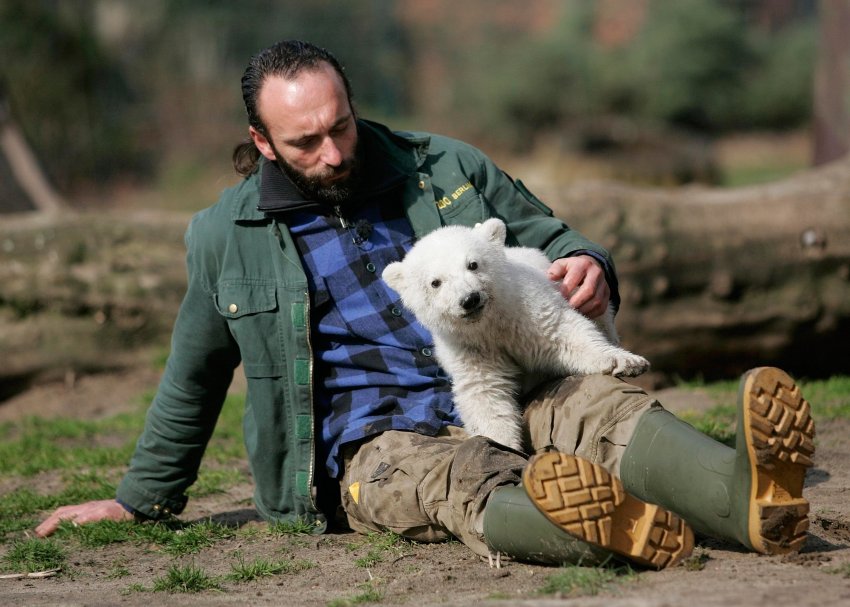
In September 2008, when Dörflein died suddenly of a heart attack, the story of Knut took its first tragic turn. Would he cope with the loss of his friend? Was Knut’s life blighted? Would he come to a sticky end himself, like so many child stars who can’t cope with their fame in later life?

Attempts to get him to make friends with a female polar bear, Gianna, who joined him in his enclosure for a few months, met with mixed success. She would swipe his snout and steal his food, but they seemed to get on all right by the time she returned to her zoo in Munich.

In 2009, Knut fans in Berlin mounted a successful campaign to force the zoo to abandon a plan to move Knut to another zoo.

Then in 2010, he was moved to a bigger enclosure with three older female polar bears, including his mother Tosca. Knut’s fans said he couldn’t cope with the bullying that ensued. The cause of his death has not been established yet, but animal experts and fans say it could have been an epileptic fit brought on by stress.

“He wasn’t happy here. They kept snarling at him and pushing him into the water,” Annemarie Bürger, a pensioner who came to see Knut every week, told SPIEGEL ONLINE at Berlin Zoo on Sunday, in between sobs. “He died much too soon.”

Another mourner, Roswitha Klekotta-Last, said: “He’ll be reunited with Dörflein up there now. That’s a bit of comfort.”

In Memory of a Bittersweet Tale

Berlin Zoo, understandably, had tried in recent years to treat Knut like any other polar bear. But the strange circumstances of his life had made him unique. That contradiction may have — inevitably — contributed to his early death.

What remains? Berlin Zoo has said it may have Knut stuffed, but his supporters find that idea unbearable.

There has never been an animal burial at Berlin Zoo, and simply incinerating him like any other animal would seem deeply inappropriate given what Knut has done for the zoo, for Berlin and for raising the awareness of the plight of polar bears in the face of global warning.

Whatever happens to Knut’s remains, the city should put up a monument in his honour, large and prominent, to remind visitors for decades to come of the bittersweet tale of an innocent bear who enchanted millions.

http://www.spiegel.de/international/germany/0,1518,752537,00.html

Preliminary Autopsy Results

Knut May Have Died of Brain Disease

AFP

The tragic death of Knut, the world-famous polar bear, may have been caused by brain problems, the Berlin Zoo said on Tuesday following the release of preliminary findings of his autopsy. The zoo plans to erect a memorial in his honor.

The sudden death of Knut, the celebrity polar bear, may have been caused by a brain disease, the Berlin Zoo said on Tuesday following an autopsy.

“The first results of the examination found significant changes to the brain, which could be regarded as the reason for the sudden death of the polar bear,” the zoo said in a statement. “The pathologists didn’t find any changes in other organs.”

Berlin’s Leibniz Institute for Zoo and Wildlife Research will take several more days to complete bacteriological and organ tissue tests, the zoo said. No further details were immediaterly available.  Knut had collapsed on Saturday afternoon after suffering what eyewitnesses said appeared to be an epileptic fit.

He fell off a rock into the moat surrounding his enclosure and drowned before zookeepers could reach him. Hundreds of visitors witnessed the tragic spectacle.

The polar bear was hand-reared at the Berlin Zoo after his mother rejected him shortly after his birth on Dec. 5, 2006. Fans around the world are mourning his death.

Zoo director Bernhard Blaszkiewitz has denied accusations by animal welfare organizations that Knut died of stress caused by being forced to share his enclosure with three other polar bears. Knut fans say he was often bullied by the older females, including his mother Tosca.

Monument to Knut

The president of the German Animal Welfare Federation, Wolfgang Apel, said the zoo had been too eager to get Knut to mate with the females. Having to share enclosures was “pure stress” for polar bears, which are accustomed to living alone in the wild.

Berlin Zoo will erect a monument in Knut’s honor, said Thomas Ziolko, the chairman of the Friends of the Berlin Zoo. “Knut will live on in the hearts of many visitors, but it’s important to create a memorial for coming generations to preserve the memory of this unique animal personality,” he said.

The sculpture will be financed through donations. Blaszkiewitz said on Tuesday that the sculpture might depict Knut in his heyday — as the polar bear cub who enchanted so many people. Knut may also be stuffed and put on display in a Berlin museum.

Video of his last sad moments: http://www.youtube.com/watch?v=F_XNSobxPzs


China: Has Banned Animal Circuses and Warned Zoos That They Must Stop Abusing Animals.


China has banned animal circuses and warned its zoos they must stop abusing animals or face closure.

9:00PM GMT 18 Jan 2011


Live animal shows and circuses are hugely popular in China, and draw around 150 million visitors a year at 700 zoos. However, animal rights campaigners have repeatedly complained that the shows should be stopped.


“A zoo in my city had a show where they forced an adult lion to stand on the back of a horse for a sort of animal acrobatic performance,” said Xiao Bing, the chairman of the local animal protection association in the southern city of Xiamen.


“I also saw one entertainment park where the monkeys seemed to have wounds all over their bodies. The manager told me the monkeys got hurt during live monkey-fighting shows,” he said.


Other cases of abuse include beating lions to make them jump through rings of fire and forcing bears to walk across tightropes, said Hua Ning, at the International Fund for Animal Welfare.


Chinese circuses have defended their shows, saying that the animals are well fed and that teaching them tricks can help them become “stars”.


However, the Chinese government has now issued a total ban, which came into force on Tuesday across the 300 state-owned zoos which are part of the China Zoo Association.


“We are hopeful it will have an effect,” said David Neale, the Animal Welfare Director at Animals Asia. “I visited Chongqing zoo before Christmas and their circus was clearing out, and Kunming zoo has also said its circus has been closed.”


Other zoos, however, said they had received no notice of the new rules. “We will help police the ban and report any cases we find to the government,” vowed Mr Neale.


The ban will also force zoos to stop selling animal parts in their shops and zoo restaurants will have to stop serving dishes made out of rare animals, another widespread practice.


Similarly, zoos will no longer be able to pull the teeth of baby tigers so that tourists can hold them and will have to stop attractions where live chickens, goats, cows and even horses are sold to visitors who can then watch them be torn apart by big cats.


A spokesman for China’s State Forestry Bureau said a three-month investigation last year had uncovered more than 50 zoos where animals were suffering severely because of abuse.


However, the closure of the shows could push some zoos towards bankruptcy and may leave many animals with an uncertain future. “In some cases, I am not sure where the animals will go,” said Mr Neale.


“In some cases I would recommend euthanasia, since there are animals in a very bad way after a few years of being in these performances.”


http://www.telegraph.co.uk/news/worldnews/asia/china/8266563/China-bans-animal-circuses.html


Ukraine: New Video Footage Provided of the Appalling Conditions for Animals at Kharkov Zoo Park


We have been fortunate enough to be provided with some excellent footage of the appalling situation for animals at the Kharkov Zoo park in the Ukraine.

The direct link to this video footage is as follows:

http://www.kharkovguide.net/blog/2010/11/15/kharkov-zoo-park-ukraine/

We would like to thank Dan for initially contacting us and providing the video footage which can be seen via the above. This link provides more written information relating to the situation for the animals in the zoo.

An opportunity is provided at the end of the post at which a comment / reply can be left should you wish to do so.

Further information relating to Kharkov can be found at the following site:

http://www.kharkovguide.net/blog/


Indonesia: Zoo Kills Hundreds of Animals Due to Management Infighting


Indonesian zoo kills hundreds of animals

Neglect and infighting between the management of Indonesia’s largest zoo cost the lives of hundreds of animals, including a rare Sumatran tiger over the weekend, an official says.

Link:   http://www.timeslive.co.za/world/article605352.ece/Indonesian-zoo-kills-hundreds-of-animals

 Aug 16, 2010

Neglect and infighting between the management of Indonesia’s largest zoo cost the lives of hundreds of animals, including a rare Sumatran tiger over the weekend, an official says.

“The deaths of the animals were a result of neglect in the zoo as the officials were busy fighting over who would manage the facility,” Surabaya zoo’s interim management member Tony Sumampau told AFP.

A 20-year-old critically endangered Sumatran tiger died on Saturday. A lioness died on Wednesday and female Papuan kangaroo two days earlier.

Between June and August alone, 20 animals died from illnesses and poor living conditions such as overcrowded cages, he said.

“In January, 13 baby Komodo dragons died due to overcrowded cages and lack of sunlight,” he said.

Sumampau recorded 362 animal deaths in 2008, and 327 last year, attributing the majority to treatable illnesses including pneumonia, diarrhoea and malnutrition.

Thousands of animals in the zoo are languishing in cramped and dirty cages, he said. Due to internal conflicts, the zoo’s management had not renovated the cages for about 20 years, although the government allocated billions of rupiah annually for the zoo’s upkeep, Sumampau said.

Lebanon: Excellent News – First National Workshop on Animal Welfare !

Experts from across the European Union will join stakeholders in Lebanon for the first national workshop on animal welfare on May 18th and 19th.

Held under the patronage of the Lebanese Minister of Agriculture, HE Dr. Hussein Hajj Hassan, this two day workshop is a major initiative to enact national animal welfare legislation.

The European Commission offers training and assistance to countries surrounding the European Union through its Technical Assistance and Information Exchange (TAIEX) program. Animals Lebanon was invited to a regional TAIEX workshop held in Jordan in 2009 and after seeing the potential benefits worked to have a similar workshop take place in Lebanon. “The Ministry of Agriculture has accepted that animal welfare is an issue important to the public and has to be addressed,” said Lana El-Khalil, President of Animals Lebanon. “We are pleased they agreed to work with Animals Lebanon and allowed us to organize this important workshop.”

For two full days, some of the top experts in the field of animal welfare will participate in the workshop, speaking about European Union minimum standards and how they can be applied in and benefit Lebanon.

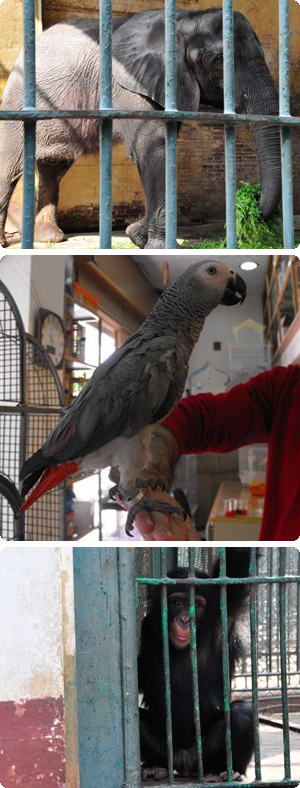
The two main topics that will be discussed are zoos and CITES, the Convention on International Trade of Endangered Species, two areas where Lebanon lags far behind other countries in the region. The Minister of Agriculture has committed to having Lebanon join CITES by 2011, and expressed his intentions at the recent CITES conference in Qatar. Despite this, the smuggling of endangered wildlife continues and lions, grey parrots, chimpanzees and other animals are smuggled through or into Lebanon. Nearly all countries have joined CITES, and those which haven’t are often used as hubs for smuggling. Since 2005 three new zoos have opened in Lebanon, and many others have existed for years. There is no legislation to license or regulate zoos in Lebanon, and no zoo is part of the World Zoo Association or the European Association of Zoo and Aquaria.

In zoos throughout the country there is little or no conservation or education value and animals suffer in horribly inadequate conditions. In an effort to improve compliance with and join CITES, experts will explain about such as issues as how to deal with confiscated animals, transport conditions of CITES listed animals, and animal welfare at border posts. Presentations on authorization and inspection of zoos, registration of animals, and animal welfare in zoos will illustrate how zoos in Lebanon must improve and the necessity of national legislation regulation zoos.

“The value of the workshop can be measured by what the 70 participants put into it,” Lana explained. “We need a room full of stakeholders who are actively engaged, and realize that they are each in a position to help make a major difference. This is a good first beginning to enacting national animal welfare laws and now is the time for everyone to prove this is an issue that is being taken seriously.”

The process of enacting national animal welfare legislation will be long and difficult. Animals Lebanon is committed to bringing about the time when laws are enacted and enforced. Donate now to support the campaign to enact animal welfare legislation in Lebanon.

Serbia: NGO Requests to Government Ministry for Information About Zoo Animals Result in ….. Order From Ministry for NGO to Re-Vaccinate Its Animals or Face Massive Fine

SERB0001

Five days ago (late July 2009), one Serbian animal welfare organisation (EPAR of Subotica city) filed a charge with the government requesting that they forward a list of euthanasia, forensic results and diagnosis relating to deaths of animals in Palic Zoo, located 6km from the city of Subotica in Northern Serbia.

In a response sent by Mr. Micovic, Director of the government Veterinary Department, Mr. Micovic declares that the zoo does not come under the control of, or basically have anything to do with Republic Veterinary Inspectors.

According to our information and the new Serbian law for animal welfare, republic veterinary inspectors must be involved with all aspects of animal welfare WHEREVER animals are present in the country (Serbia).

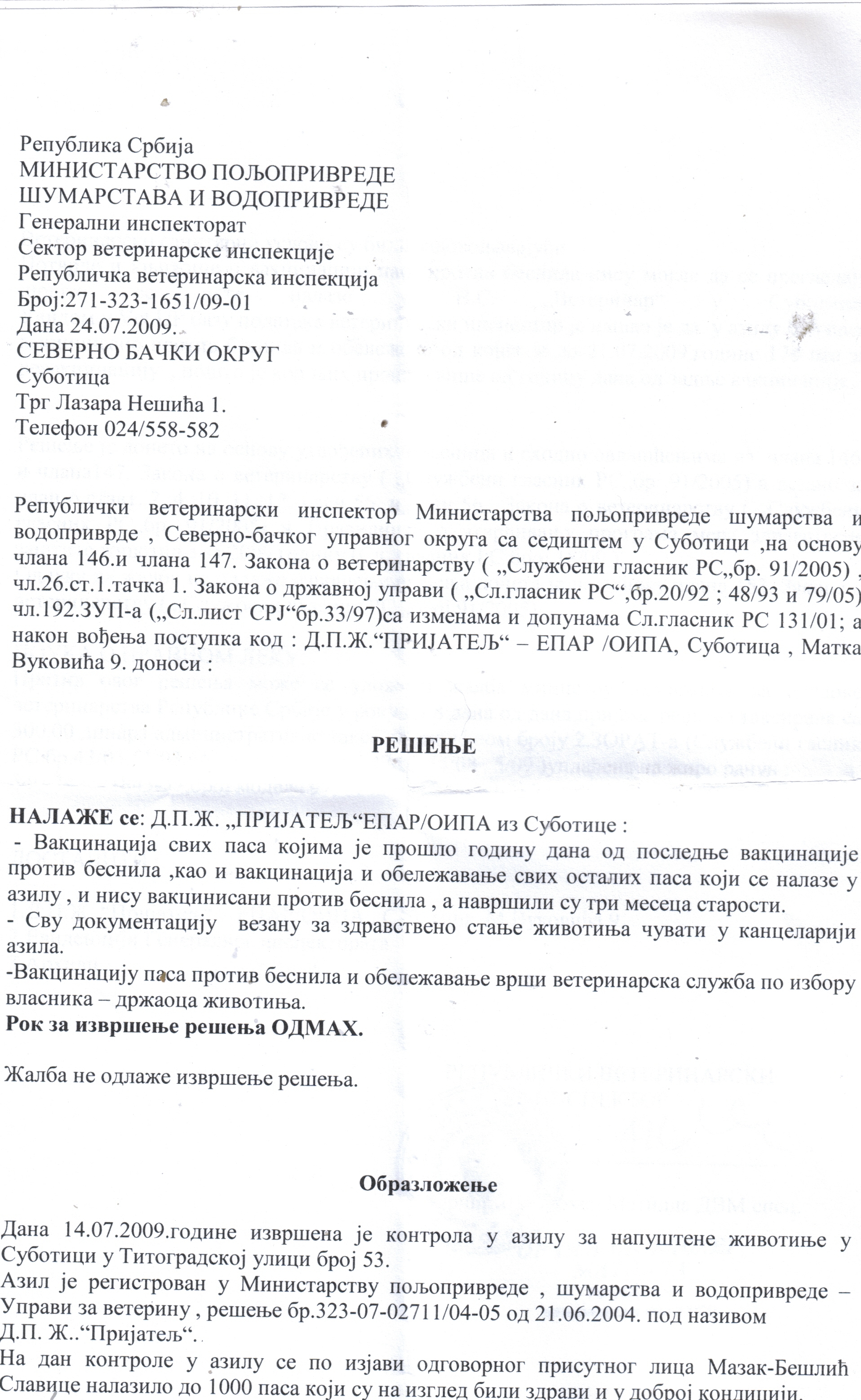
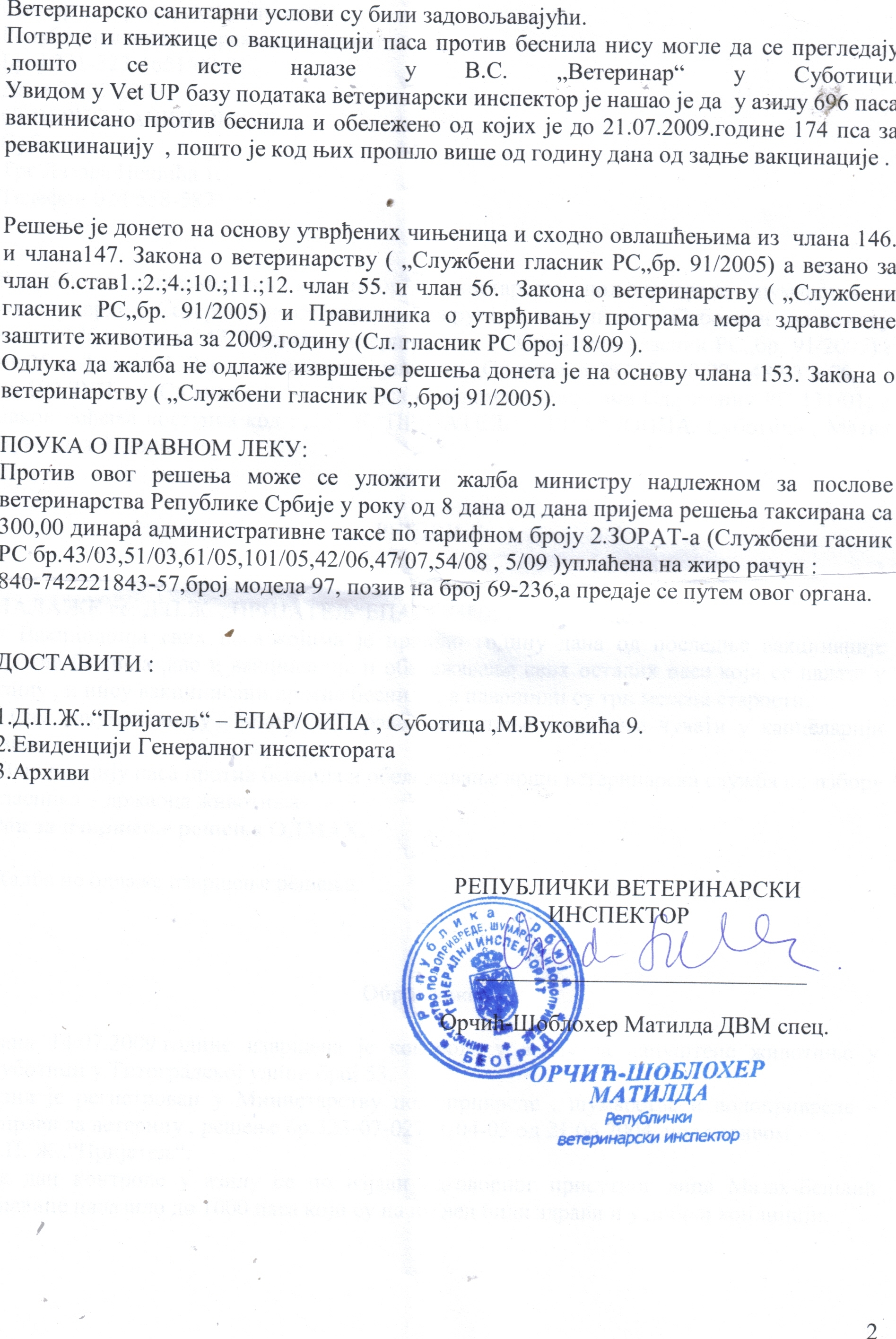
In the past, republic veterinary inspectors who have visited and inspected the EPAR shelter many times, and always having found everything to be correct, have, on 26th July, now written to EPAR shelter and demanded that 174 dogs at the shelter must immediately be re-vaccinated.  All of the dogs which the inspectors require to be vaccinated were vaccinated on 21/07/2008, almost one year ago to the day.

If the dogs are not vaccinated, then EPAR have been informed that they will be punished by the veterinary inspectors.  EPAR will be fined 3,000,000 dinar and the President of EPAR will personally be fined 300,000 dinar.

EPAR shelter has many times requested that the veterinary station at Subotica visits EPAR shelter and undertakes a vaccination of all the dogs who are not already vaccinated.  Those dogs, the 174 vaccinated by EPAR in 07/2008 could also be re-vaccinated now, one year later.

EPAR shelter, being a shelter which takes animals from the streets and animals which are delivered / left at the entrance of the shelter, requested that a veterinary inspector attends the shelter and undertakes the vaccinations using money from the republic budget allocated for such vaccinations

But in return, the veterinary station director has responded in writing and demanded that the EPAR shelter pays 500 dinar out of its own funding for each and every dog which they declare has to be vaccinated.

174 dogs x 500 dinar = 87,000 dinar.

demand july 09

demand 2

Quite understandably, EPAR consider that this is a pressure being put on them by the government simply because of the original EPAR charges relating to information requests about Palic Zoo and the requests for copies of information and documentation about the standards for animals at the zoo.

EPAR are correct to think that they are being punished by the government for requesting information which should now be provided in accordance with the new animal welfare law of Serbia.

EPAR have also campaigned hard for the government to investigate further and to prosecute people and organisations in relation to hunting issues throughout Serbia. 

The government have done nothing about this in the form of any prosecutions, but they have now attempted to impose an 87,000 dinar penalty on EPAR shelter for vaccinations which should be funded out of the national budget.

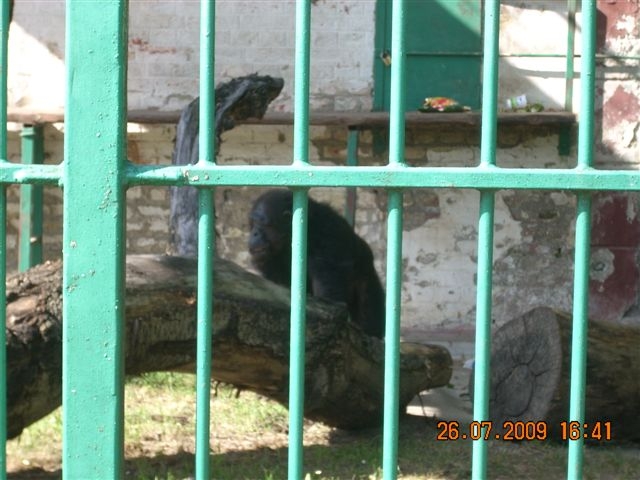
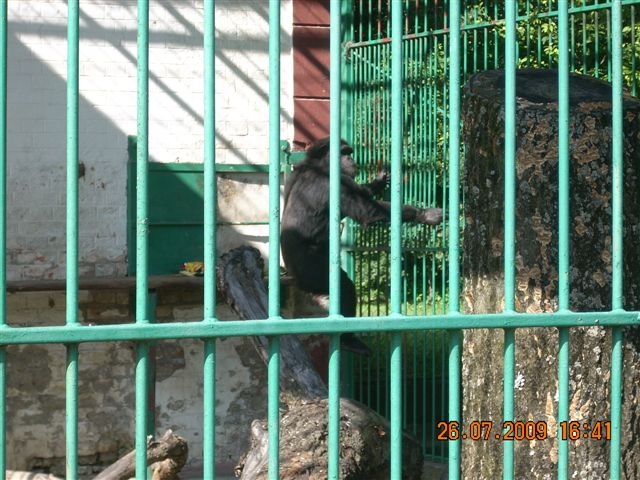
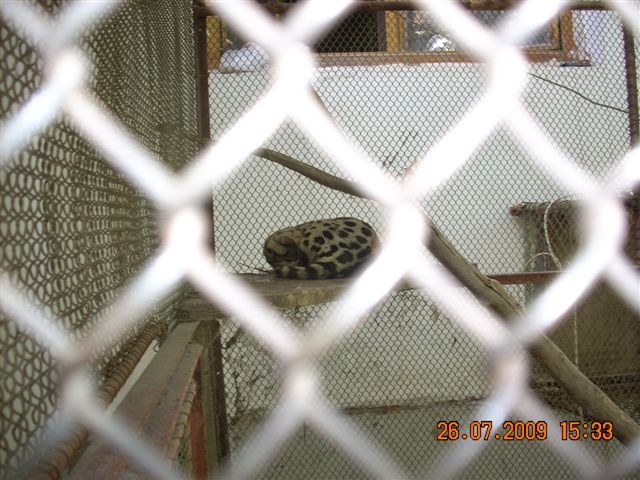
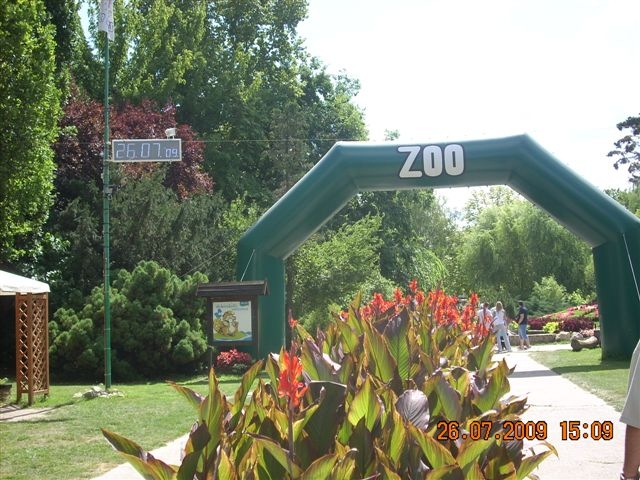
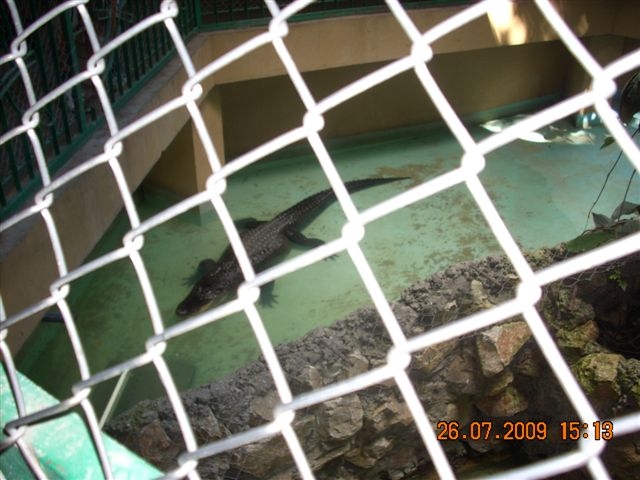
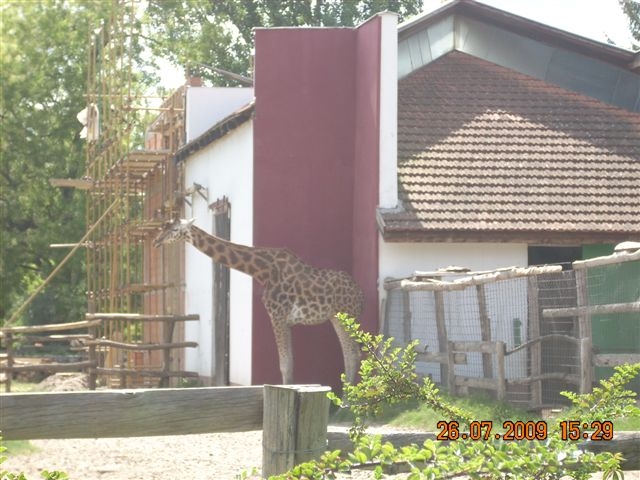
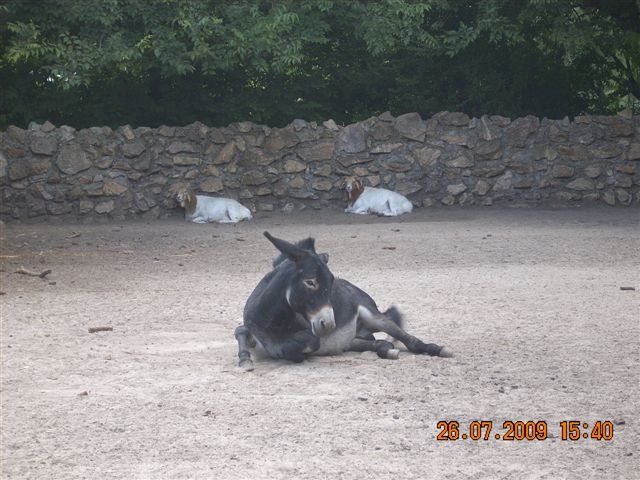
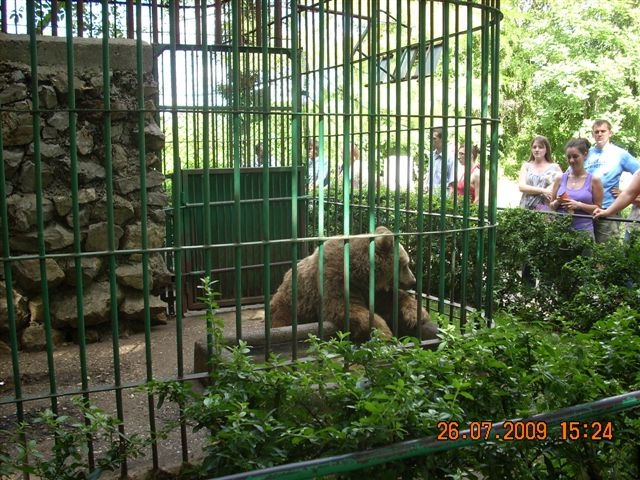
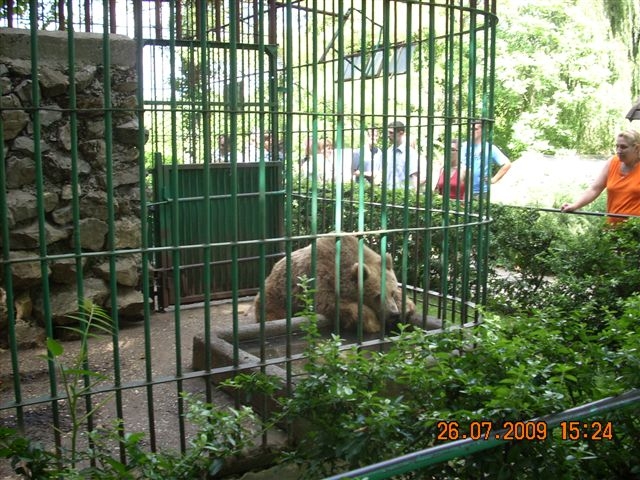
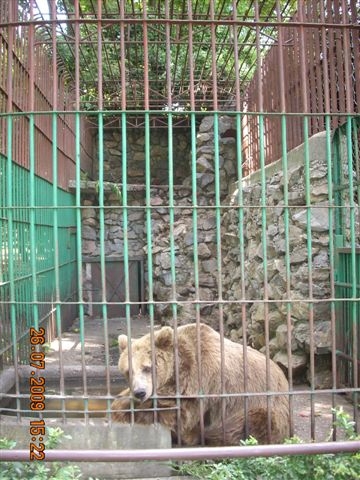
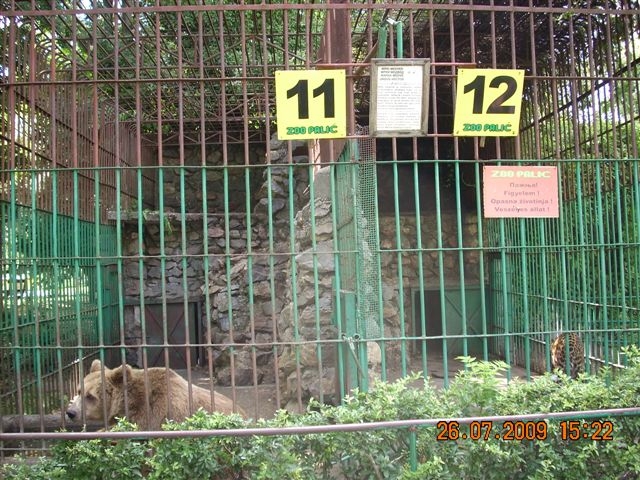
Please view the following very recent photographs (26/07/09) taken at Palic Zoo and then ask yourself if you consider that animals here should be exempt from any veterinary inspections by government authorities.

palic1

palic2

palic3

palic4

palic5

palic6

palic7

palic8

palic9

palic10

palic13

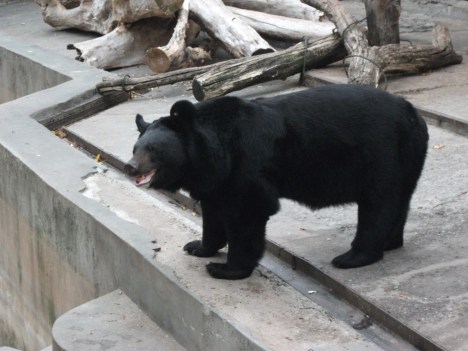
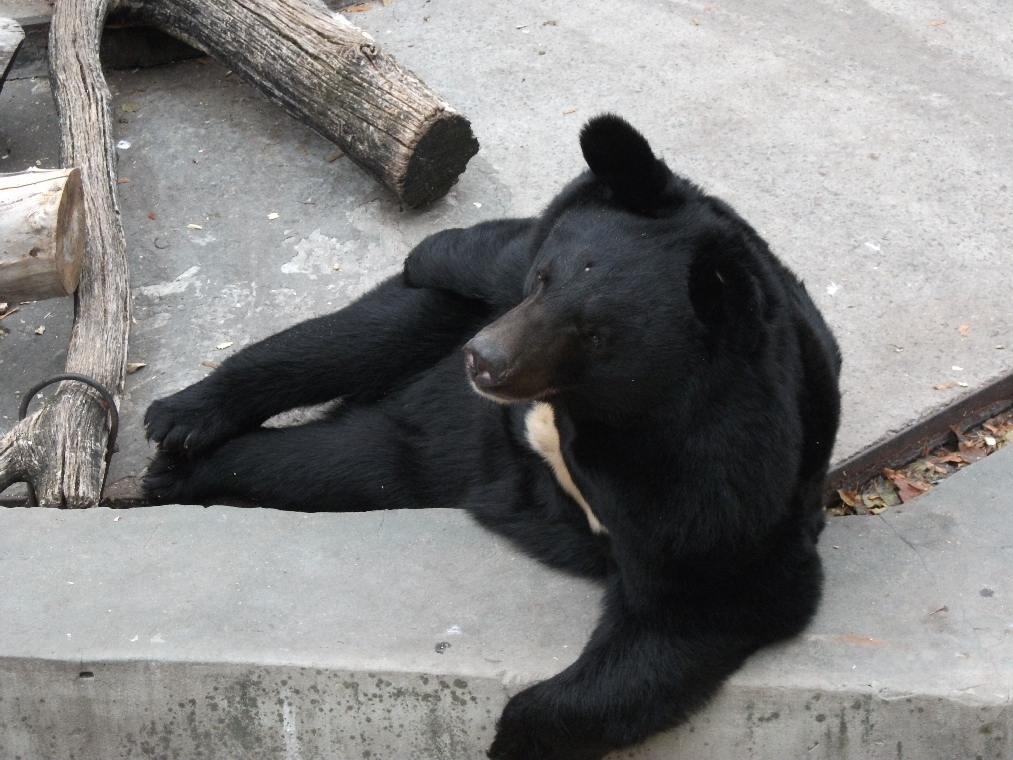
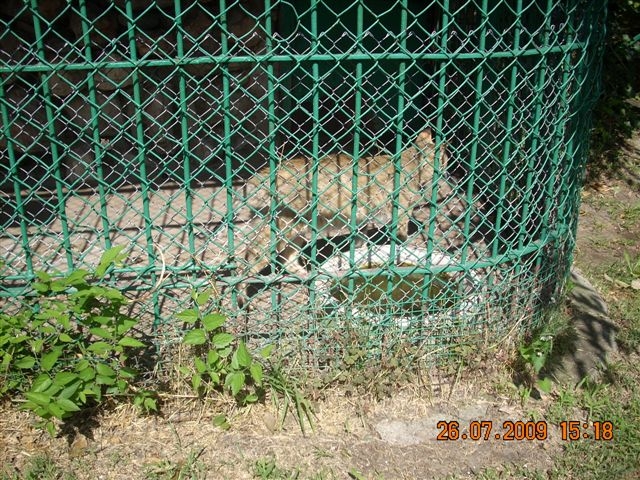
Brown Bear in its ‘enclosure’

palic14

Conditions suitable for a roaming animal ? – it would appear not

palic15

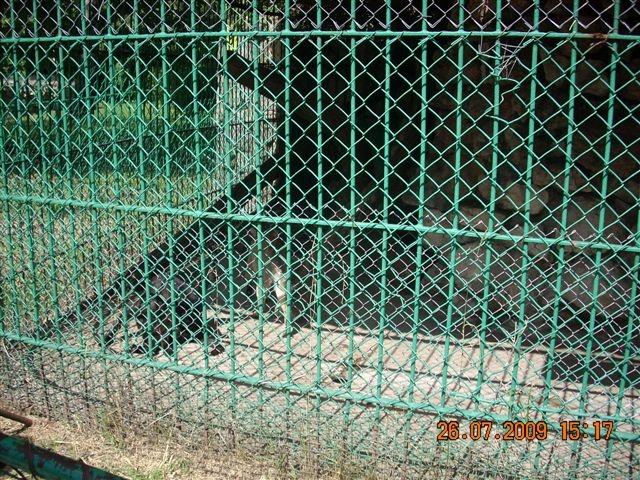
View of same enclosure in another direction

palic16

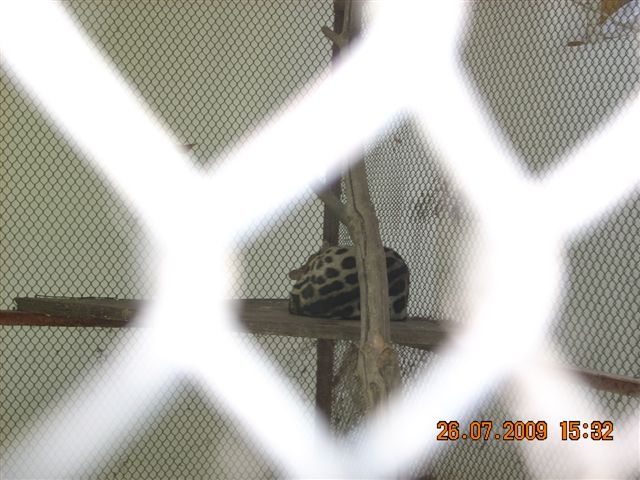
Brown Bear Enclosure with Adjacent Leopard Enclosure

The Palic Zoo website is at the following, with a link to the ‘animals gallery’:

   http://www.zoopalic.co.rs/index.php/gallery2/action/list/?g2_itemId=224

Pictures taken of the zoo animals by independent investigators in recent weeks at the Palic zoo are shown above.  We consider that in the least, especially in relation to the conditions in which the Brown Bear and its neighbour, the leopard are kept, the very, very least which should be done by the government is to send veterinary inspectors into the zoo to check on the health of individual animals and as importantly, animal living conditions.

SAV have been in contact with international zoo check organisations; supplying photographs of the animals and living conditions where necessary.  This is an on-going task and we are awaiting responses.

So it is rather strange; an animal welfare organisation (EPAR) asks for information on animal welfare at a Serbian zoo; and the government responds by informing that the zoo inspections have nothing to do with their veterinary department inspectors, and yet at the very same time the government veterinary authority demands that the animal welfare organisation which originally asks the questions now has now been instructed to immediately vaccinate 174 dogs at their shelter, at a cost of 87,000 dinar, of which the government wants nothing to do with funding !

This situation is currently under investigation by campaigners, and we think and hope that we will have some breaking news on the veterinary vaccination procedures in the very near future.  Information obtained to date appears to be very interesting !

Please watch for new posts and updates which we hope to publish within the next 3 or 4 days.

Serbia / Uk: Press Release From (Uk) RSPCA Regarding Serbian Animal Welfare

We would like to  share the following news with you, all of our friends and fellow campaigners around the World.  For several days now we have been debating if this should be posted, as we know there is opposition about this from some Serbian campaigners, especially regarding the involvement of ‘ORCA’ at the meeting.


Yes, we are fully aware of the goings on at ORCA Belgrade in the recent past, and we have posted this information on this site – see links to past news at


https://serbiananimalsvoice.wordpress.com/2008/03/07/activists-4-serbian-animals/


But, we consider that the meeting with President Tadic and the signing of the petition calling for a Universal Declaration of Animal Welfare can only be positive news for the animals of Serbia.  Maybe Serbian politicians are finally realising that, and as we have always campaigned along the lines of, Serbia should not be allowed accession (membership) of the EU until it vastly improves its animal welfare legislation.

We hope that the information given in the Press Release (given below) by the Uk Royal Society for the Prevention of Cruelty to Animals (RSPCA) shows that the link between better animal welfare legislation and EU membership may have finally hit home in Belgrade.

The animal welfare framework law covers all species, and includes research animals, the protection of farm animals, transport and slaughter and the protection of wildlife in captivity, as well as forbidding wild animals in circuses.

Links to both Serbian circus and zoo posts below show that the current situation is dire; and so in our opinion, anything which will change this for the better is worth applauding.  We hope that you agree.

Circus and Zoo links:


https://serbiananimalsvoice.wordpress.com/2008/10/15/prisoners-of-the-medieval-belgrade-zoo/


https://serbiananimalsvoice.wordpress.com/2008/10/05/action-against-circus-belgrade-october-5th-08/


As stated, some campaigners in Serbia are not particularly pleased with the news given below due to ORCA being at the meeting.  But we feel that if new legislation improves animal welfare in zoos and circuses alone, regardless of anything else, then it is a very positive step forward.  One thing can be assured, with implementation of the animal welfare framework law, NGOs will be able to monitor and report failures in the system to the authorities.  Once it becomes an EU member state, Serbia can be formally reported to the Commission if serious failures in legislation implementation are continually seen.  This can result in state prosecutions by the EU Commission if necessary.  Some members of SAV have been involved with similar processes against Uk authorities during the past few years relating to failures in animal welfare legislation implementation, and now have considerable experience of what is required should it be necessary to help giving advice in the future.


We hope that like us, you feel that the news given in this PR below is reason to celebrate for once.


As always, anyone can leave comments on the site; that is down to the individual.  Maybe it will encourage more debate.  We respect every persons views, especially our friends who live and experience the daily troubles of Balkans strays.  All that can be hoped is that the issue will unite campaigners rather than drive wedges between them; there is only one way the future will improve for animals, and that is for cooperation between parties who should all be on the same side – the animals side !!!


SAV.

———————————————————————————————–


Press Release info is as follows:

http://www.politics.co.uk/opinion-formers/press-releases/animal-welfare/president-of-serbia-meets-with-rspca-ahead-of-first-animal-welfare-law-$1290130$366366.htm


President of Serbia meets with RSPCA ahead of first animal welfare law

Thursday, 23, Apr 2009 12:00

Serbia has today signalled its intent to improve animal welfare following a meeting between the country’s president and the RSPCA, ahead of the introduction of new legislation to better protect animals next month .

RSPCA International’s Senior Programme Manager for Europe, Alexandra Hammond-Seaman met President Tadic after Serbia joined a long line of countries worldwide signing a petition calling for a Universal Declaration of Animal Welfare.

Alexandra said: “It was a great honour to meet President Tadic and discuss such a vitally important issue. The Minister for Agriculture, Saša Dragin signed the petition and confirmed that Serbia will be adopting its first animal welfare framework law in May.”

Serbia is a potential country to join the European Union, and this move will allow the country to harmonise with current EU legislation on animal welfare.

The animal welfare framework law covers all species, and includes research animals, the protection of farm animals, transport and slaughter and the protection of wildlife in captivity, as well as forbidding wild animals in circuses.

After the adoption of this law Serbia will adopt the full EU legal framework on animal welfare into national legislation, as one of the prerequisites in the process towards the EU integration.

Alexandra added “RSPCA International has been actively engaged with Serbia for over five years now, by providing assistance and training with issues such as dog population control and stray dog management. We also work very closely with Serbian government agencies and the veterinary profession on improving farm animal welfare in the Country. We look forward to continuing to play a central role in helping to enforce the law.”

RSPCA International attended the meeting with another non-governmental organisation, the Organisation for Respect and Care for Animals (ORCA) which has in the past worked in Serbia to promote responsible pet ownership.

-ends-

RSPCA International

RSPCA International is one of the main organisations assisting in the humane treatment of animals overseas.

·         It advises governments and organisations on animal welfare legislation based on UK and European precedents.

·         It responds to appeals for help with crises caused by natural disasters such as oil spills by sending trained people, veterinary equipment and drugs.


·         It offers help through training and aid improving animal welfare standards in communities and countries where funds and resources are minimal.

In 2008 the RSPCA Overseas Fund distributed more than £600,000 to projects in over 30 different countries. More information can be found online at http://www.rspca.org.uk/international

Universal Declaration of Animal Welfare

The Universal Declaration is an agreement among people and nations to recognise that animals are sentient beings and can suffer, to respect their welfare needs, and to end animal cruelty – for good. The Declaration aims to help establish the world’s first international agreement on animal welfare. The final destination for the Universal Declaration on Animal Welfare will be the General Assembly of the United Nations. More information can be found online at http://www.udaw.org

RSPCA, Wilberforce Way, Southwater, Horsham, West Sussex RH13 9RS Uk