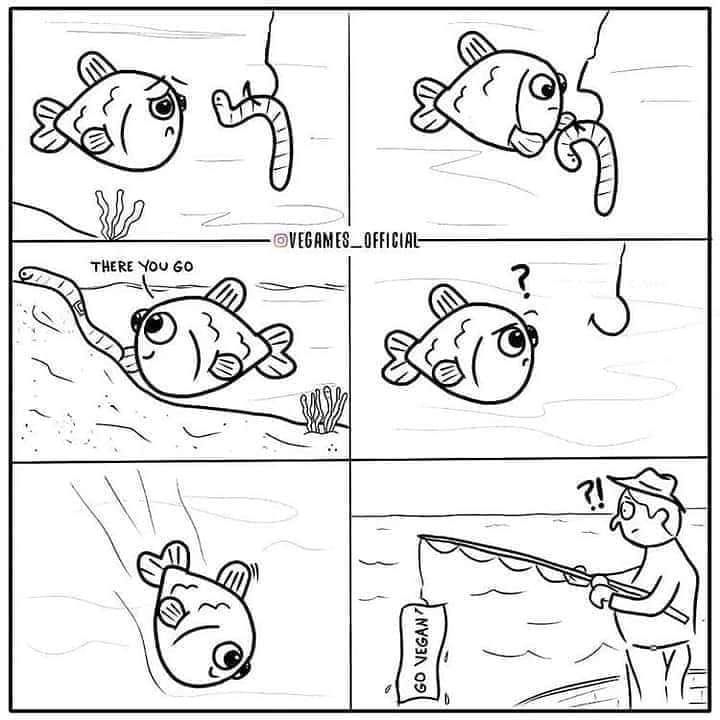
One has to educate…

…some people think they can’t learn anything from fish

regards and good night, Venus

The “lockdown-dogs” – the product of an infantile society

It is fair to say that 2020 was a year full of bad news and everyone, especially in lockdown, was looking for something nice.

For this reason, many people decided to adopt a pet so that the time in their own four walls became a little more bearable.

Because many working from home, they could now take better care of the animals. Some animal shelters were even completely empty after the onslaught due to the high demand.

Unfortunately, the tide has now turned.

While some have thought about adopting an animal for a long time and taken appropriate action, others acted more spontaneously and were not aware of the consequences for the future.

This led to many “lockdown dogs” being given back.

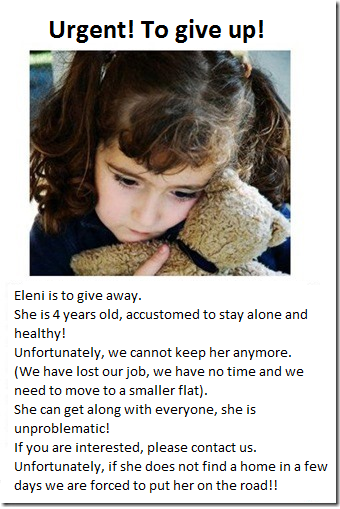
There are more and more ads showing dogs for sale.
The owners want to collect several hundred euros for the animals, even though they only took them in a few months ago.

At that time, however, many were still unemployed or had more time, but can no longer look after the poor animals because the circumstances have changed.

“Unfortunately, due to obligations at work, we can no longer take care of him and give him the love and affection he needs,” said one owner to the Sunday Times who is now offering his 6-month-old Collie Spaniel for sale.

“I got a new job and that changed the situation completely,” says another.

Other owners have given their animals to local charities. The newspaper goes on to say that the animal welfare organization The Dogs Trust received more than 1,800 calls in the past three months because people wanted to get rid of their animals.

Chairman Adam Clowes said that it is primarily because many simply took in an animal during the quarantine without thinking too much.

“All the excitement during the lockdown -” We never have to go back to the office, come on, let’s get a dog! “- we see the consequences of that now,” says Clowes.

This thesis is supported by a survey by The Kennel Club, the umbrella organization of British dog breeders’ associations, which says that two-thirds of the people surveyed said that their dog was a “bright spot in lockdown” and a quarter admitted that they had little before informed and many of the “spontaneous buyers” were unsure what to do with the animal should the quarantine be over.

The animal welfare organization RSPCA has had to take in many abandoned dogs in recent months and fears that more will follow.

“We were concerned that many families who had time due to the lockdown would spontaneously take in a dog,” reports the RSPCA.

“And now, just a few months later, that’s exactly what happened. Many are only now realizing what kind of responsibility a dog entails, have run into financial difficulties or because they have to go back to the office, they no longer have time”

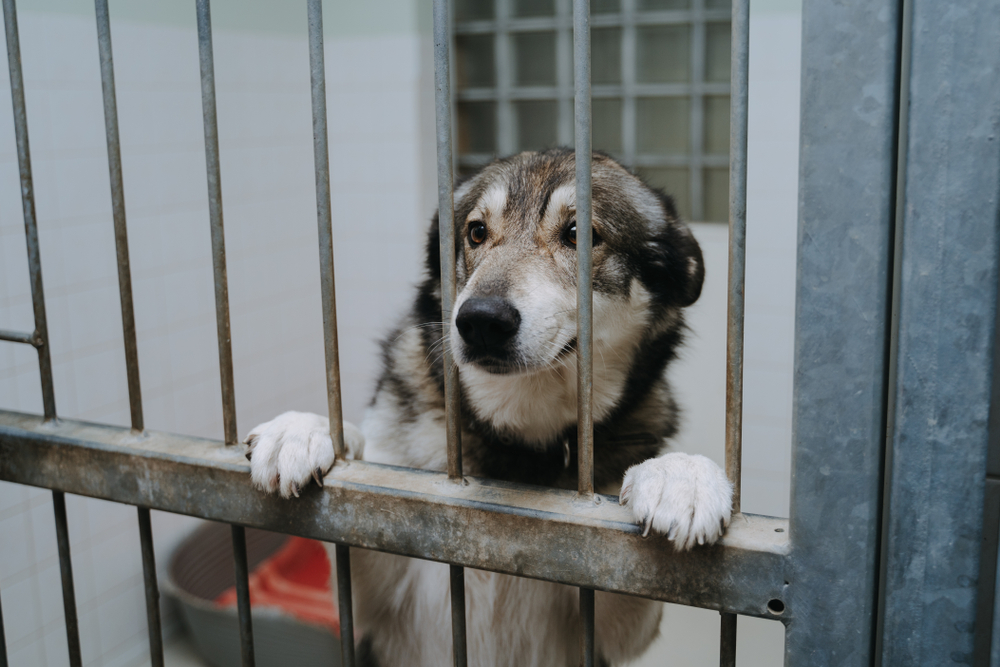
Many dogs in the shelters hope to finally be adopted, but you have to be clear about whether you can take good care of the animal.
We hope these poor lockdown pooches will find a new home soon.

Share this article to remind every animal lover of great responsibility.


Hunderte Hündchen, die während des Lockdowns spontan gekauft wurden, werden jetzt wieder abgegeben


And I mean…There is no sin more miserable than to betray the one who believed you.

The real issue of animal rights here is less that of suffering than that of betrayal.

When existence for one another does not work, and the strongest person decides the fate of the weak.
In the moment of need, of social isolation, the weak gave the traitor consolation and loyalty.

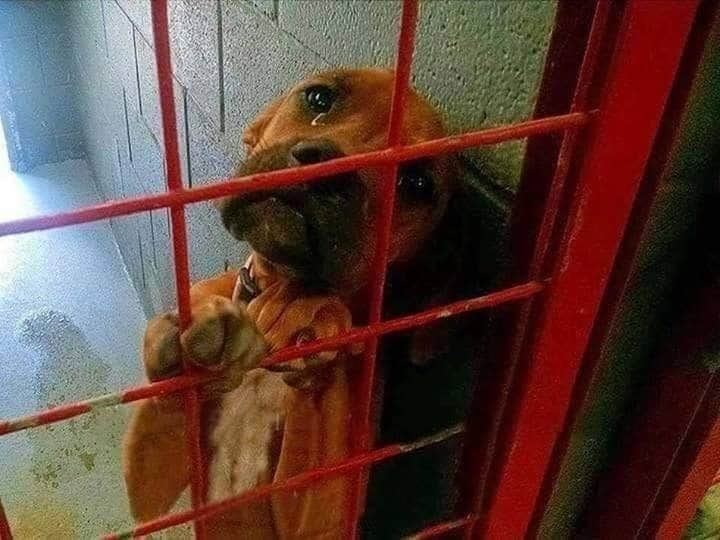
And then the victim stands all alone in an animal shelter, longing for the one who betrayed him.
The betrayal has condemned him to loneliness and sadness.

It is said that man learns only in pain.
The animals experienced it themselves.
Obviously we humans have learned nothing, understood nothing in these difficult times.

I have a simple message: be loyal to the animals, because only one animal will always be there for you

My best regards to all, Venus


THE STARTLING LINK BETWEEN ANIMAL CRUELTY AND HUMAN ABUSE.

THE STARTLING LINK BETWEEN ANIMAL CRUELTY AND HUMAN ABUSE

By Jason Bales | January 6, 2021

In the early 1970s, notorious serial killer Ted Bundy began a brutal killing spree that likely resulted in the death of more than 100 innocent victims. He admitted to the murder of 36 women.

About two decades earlier, Bundy tortured defenseless dogs and cats.

Similar stories are true of Jeffrey Dahmer, John Wayne Gacy, “The Boston Strangler” Albert DeSalvo, and many others. But the connection between early animal abuse and later human abuse isn’t confined to serial killers.

Animal cruelty is linked to all forms of human abuse, from domestic violence to sexual assault.

Despite clear evidence suggesting the connection between animal abuse and future criminal behavior, authorities have failed to treat cases of animal cruelty with the same severity as violence against humans. They allow murderers like Bundy to hone their sadism without consequence.

Until January 2017, the Federal Bureau of Investigation (FBI) filed animal abuse under the “All Other Offenses” category in their National Incident-Based Reporting System.

But then John Thompson, the current deputy executive director of the National Sheriffs’ Association, stepped in.

Thompson, who has close to four decades of law enforcement experience, didn’t initially recognize that harming animals is a strong indicator of future violent crimes against people – what some call “The Link.”

“I spent 35 years in law enforcement and couldn’t have cared less about animal abuse,” Thompson admitted to The Atlantic“I was stupid. No one was educated.”

When he did make the connection, Thompson pressured the FBI’s policy advisory board to create a separate category for filing animal abuse, which the agency did.

That decision may save lives.

It’s worth noting that not every person who abuses animals has committed or will commit another crime. But harming people is statistically more likely when animal cruelty is involved. And animal cruelty must be taken seriously.

ANIMAL CRUELTY AND MURDER

The link between animal torture and the world’s most sadistic serial killers has long been established.

Ted Bundy tortured his pets. Jeffrey Dahmer decapitated dogs and nailed cats to trees. John Wayne Gacy set turkeys on fire with gasoline-filled balloons. Albert DeSalvo stuffed helpless dogs and cats into boxes and shot them with arrows.  Dennis Rader, or the “BTK Killer,” hanged cats and dogs.

All of these heinous crimes occurred during the killers’ childhoods.

Recent studies also have revealed that many school shooters also abused animals prior to turning their guns on people.

Eric Harris and Dylan Klebold, of the Columbine High School shooting, bragged about mutilating animals to their classmates. Kip Kinkel, before his attack on Thurston High School parents and students, blew up cows and decapitated cats. Luke Woodham , who murdered his mother and two schoolmates at Pearl High School, wrote in his journal about setting his dog Sparkle on fire.

Unfortunately, animals are easy first victims for killers.

“Animal abuse is often the first sign of serious disturbance among adolescent and adult killers,” Gail F. Melson, professor emerita of developmental studies at Purdue University, wrote in Psychology Today.

Without severe consequences for animal cruelty, killers will continue to escape the penalty and psychological intervention needed to prevent future crimes.

ANIMAL CRUELTY AND DOMESTIC VIOLENCE

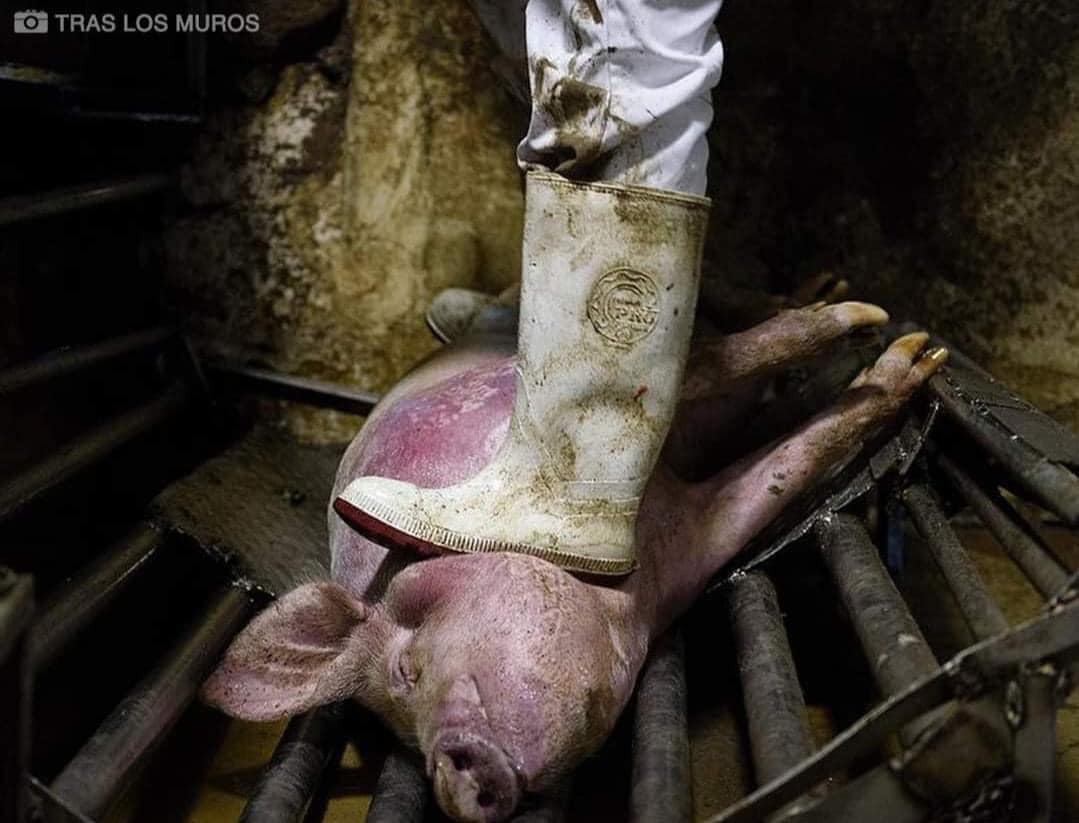
Household pets are often used as a way to control or further harm victims in cases of domestic violence. 

Domestic violence survivors have reported in studies that their abusers threatened to kill, torture, or otherwise harm their companion animals — or actually followed through on the threats — to prevent them from leaving their abusive situations.

Abusers also use animal abuse or threats against survivor’s beloved animals to isolate victims and children, to eliminate competition for attention, and to force the family to keep violence a secret, according to an article published via the Animal Legal and Historical Center.

This cruel behavior is commonplace for domestic violence victims, with more than 85% of women entering shelters discussing incidents of pet abuse in their families.

Another study, published in Violence Against Womenfound that women in domestic abuse shelters were 10 times more likely to report their partner had hurt or killed their pet, compared to a group of women who had not experienced intimate violence. 

The violence toward animals harms more than just the pets; victims of domestic violence also suffer trauma and fear, which makes escaping their abusers. 

ANIMAL CRUELTY AND CHILD ABUSE

In households prone to family violence, animals are often the first victims of abuse, followed by children, according to Cynthia Hodges.

The statistics supporting a direct link between animal and child abuse are staggering:

  • 88% of families surveyed that had incidents of child abuse also had incidents of animal abuse
  • 63% of children entering shelters admitted to incidents of pet abuse in their families
  • More than 80% of families being treated for child abuse reported animal abuse in their homes
  • More than 60% of families with child abuse and neglect also had pets that endured abuse and neglect

But it gets worse: When violence becomes “normal,” some children sometimes push the boundaries of their own desensitization by becoming animal abusers themselves.

More than 30% of pet-owning victims of domestic abuse reported that their children had hurt or killed a pet, according to a survey by the Humane Society of the United States. 

Why do children who are abused, or witness abuse, sometimes become abusers themselves?

A report published by the International Journal of Environmental Research and Public Health posits that severe and prolonged trauma, especially when experienced at a young age, can stunt children’s emotional and social development.  Some children therefore become less empathetic toward animals and more likely to copy the abuse they see in their homes.

Randall Lockwood, the American Society for the Prevention of Cruelty to Animals (ASPCA)’s senior vice president for forensic sciences and anti-cruelty projects, also described how witnessing animal abuse can have a severe psychological impact on children.

Lockwood described how children suppress their feelings toward pets as a coping mechanism for the pain they experience when watching persistent animal abuse. This negatively impacts healthy empathetic development. In certain cases, children kill their pets themselves to gain control over the situation and end the animals’ suffering, Lockwood said.

Animal cruelty must be taken more seriously if this vicious cycle of abuse is ever going to end. 

ANIMAL CRUELTY AND SEXUAL ASSAULT

Bestiality is a taboo subject, but the practice exists and is part of the animal cruelty problem.

According to one study, of the juveniles who admitted to sexually abusing animals, 96% also abused humans. 

“The results suggest that animal sex offending may be linked to other criminal behavior,” the study concluded. 

While reliable scientific data on the prevalence of bestiality is limited, preliminary studies suggest sexual abuse toward animals is a pervasive and underreported issue with infrequent penalties. Complicating the matter is a lack of state and federal legislation prohibiting the inhumane acts.

Engaging in sex with animals is actually legal in four states — Wyoming, Hawaii, New Mexico, and West Virginia — and the District of Columbia. In more than 20 states, bestiality is only a misdemeanor crime.

There are no federal laws against sexual abuse to animals.

The leniency in existing legislation means that people who commit bestiality often go unpunished. Of 456 bestiality-related arrests made over the last 40 years in the United States, less than 40% resulted in prosecution.

The lack of prosecution also means the animal abusers are free to go on to commit crimes against people: More than 50% of animal sex offenders had prior or subsequent criminal records, including human sexual abuse. 

ANIMAL CRUELTY AND NON-VIOLENT CRIMES

Research also shows a positive correlation between animal abuse and nonviolent crimes, like theft and drug use.

One study, published in Between Animal Abuse and Human Violence, found that men who abused animals were four times more likely to have committed property crimes and three times more likely to have committed drug and disorderly conduct offenses.

Another study, on the relationship of animal abuse to violence and other forms of antisocial behavior, published in the Journal of Interpersonal Violencesampled persons ranging in age from 11 to 76 years. Of those sampled, over 40 percent of animal abusers had committed property crimes (compared to about 10 percent of non-abusers), and over 35 percent of animal abusers had committed drug and disorderly conduct offenses (compared to slightly over 10 percent of non-abusers).

ANIMAL CRUELTY IS A HUMAN PROBLEM

Animal cruelty is a serious offense and is predictive of past and future criminal activity, from violent mass murders to minor drug offenses. In this area — as in many others, ranging from  zoonotic disease to combating climate change — helping animals is helping people. 

By taking animal cruelty more seriously, policymakers and law enforcement will save lives. Animal and human victims will be safer. Abusers can receive the psychological intervention necessary to prevent violent crimes in the future. Ultimately, the world will be a more peaceful and compassionate place. 


I do not like animal abusers

Humans are for me one of many living beings on this earth who have the same right to live here as other living beings.

Anyone who abuses or tortures an animal devalues his own humanity.

I am then incidentally a misanthrope, as I don’t like child molesters, sadists, murderers, thieves, liars, and animal abusers.

regards and good night, Venus


Palm oil destroys life

By now, you may have heard about palm oil: it’s a substance used in many products as a preservative, appearing in everything from foods to bath soaps.
Unfortunately, the way we farm it is rife with environmental and animal abuses.

That’s why it’s so disheartening to learn that a brand like “Earth Balance” that produces vegan products and claims to be both environmentally and animal friendly actually uses it in their products.

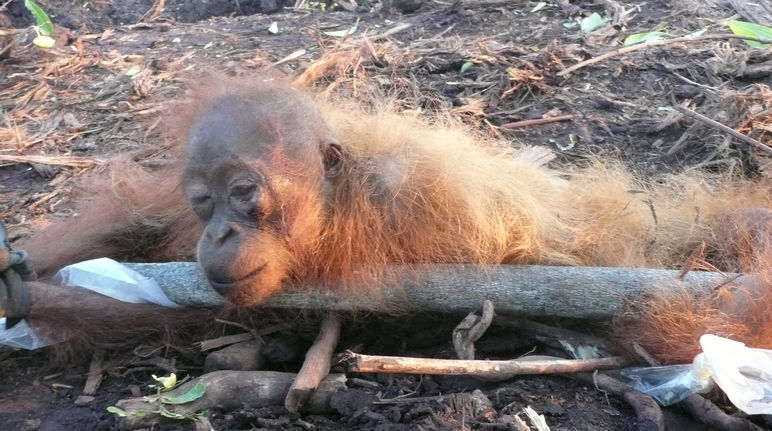
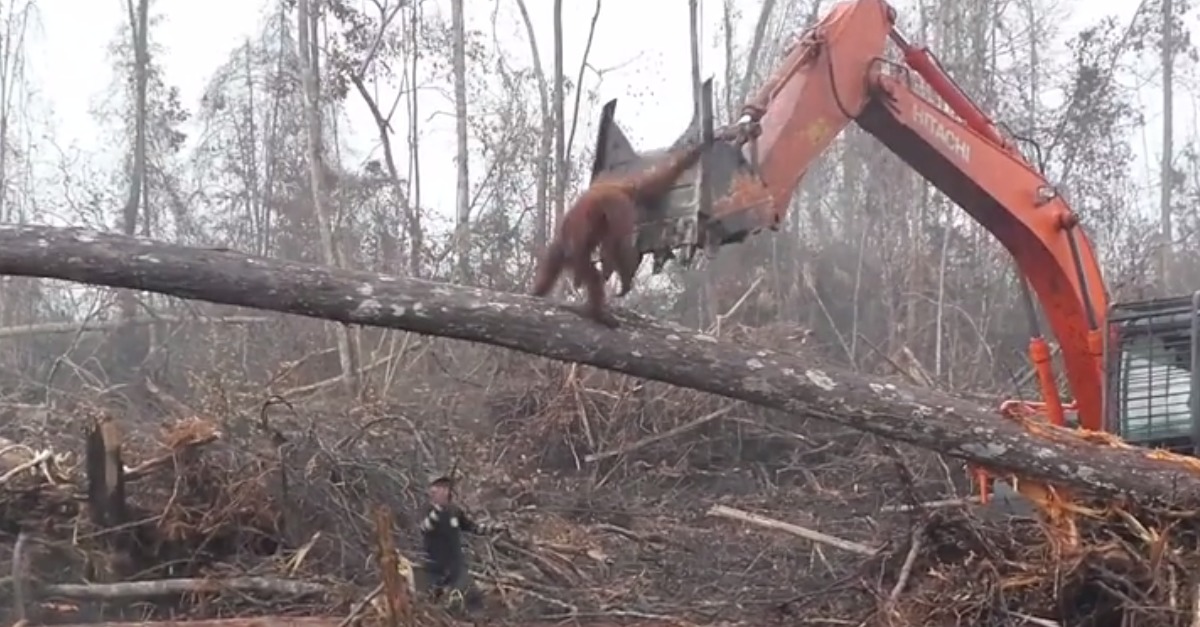
Palm oil is a vegetable oil made from the fruit of an African oil palm tree and it’s the leading cause of orangutan extinction. That’s because these primates’ habitat is being cleared rapidly to make room for palm oil plantations.

And when their habitat disappears, they are forced into spaces where they come into more conflict with humans and are poached.

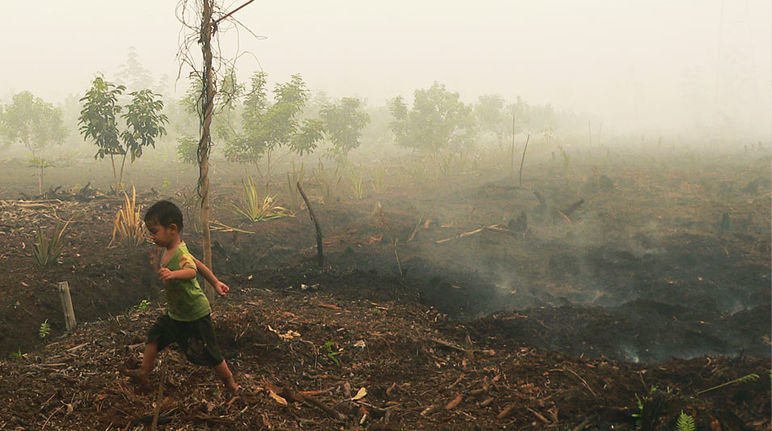
Even worse: farmers often set fire to the orangutans’ forest homes, causing whole animal communities to go up in flames.

Just in the past few years, wildlife sanctuaries have seen huge increases in the number of horrifically burnt orangutans needing immediate life-saving care.

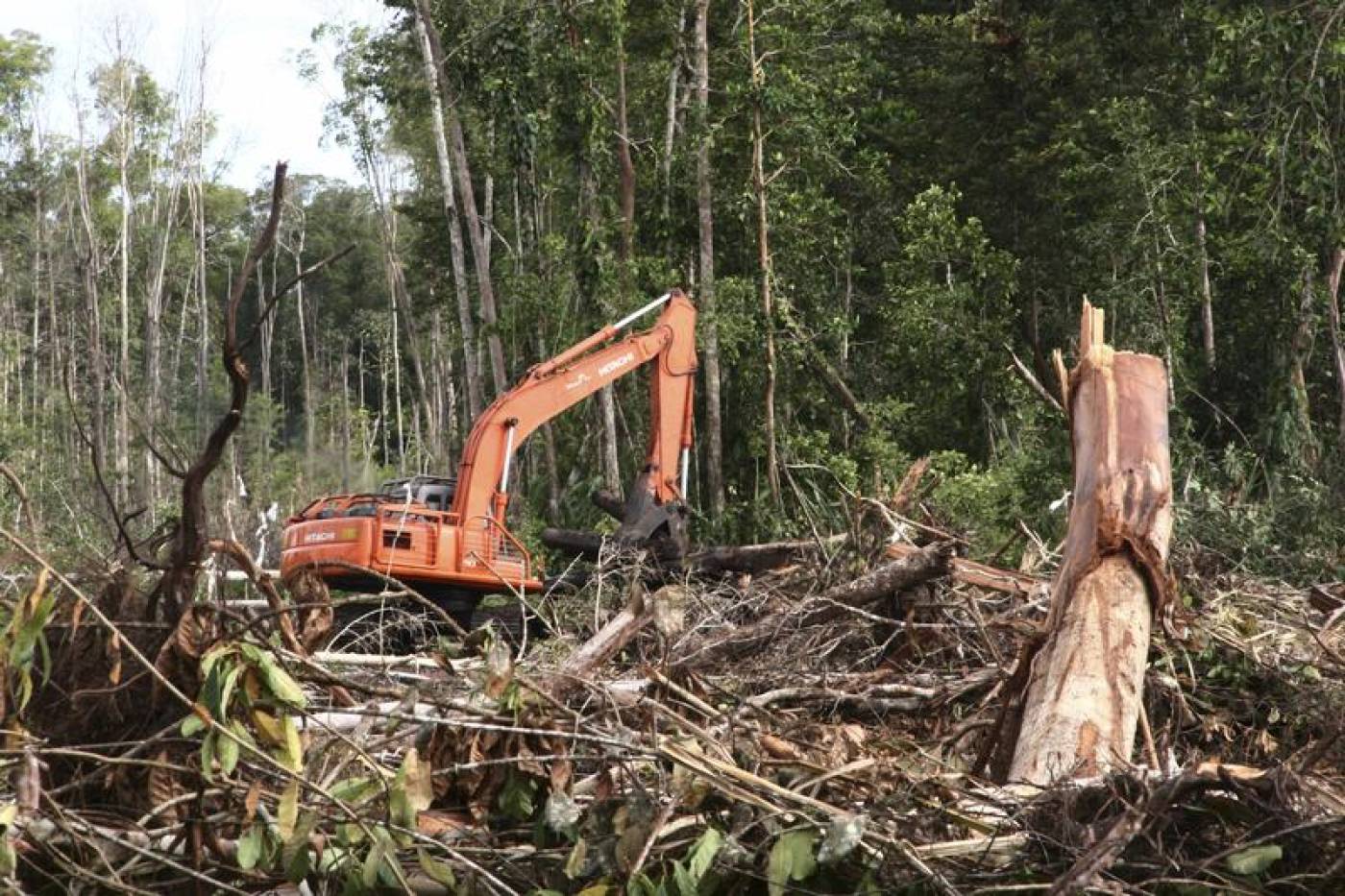
But not only are orangutans threatened by palm oil plantations, so is the broader environment. The palm oil tree can only grow in extremely humid conditions, but that’s where tropical forests are that act as a carbon sink for us.

Carbon sinks are important because they absorb greenhouse gases from the atmosphere, and when they’re upended, all of that stored carbon is released — making things that much worse.

So every time another forest is bulldozed to plant palm oil trees, we are inching closer to both devastating climate change and the loss of the entire orangutan species!

Destroyed forest, destroyed habitat

Palm oil is found in somewhere around 50% of western products. While it’s good for individual consumers to try not to buy products with palm oil, that’s not possible for everyone to practice, nor does everyone know how bad it is to support this industry.


For more…at https://worldanimalsvoice.com/2021/01/06/palm-oil-destroys-life/


And I mean…We here in Germany regularly contribute to the fact that every year thousands of orangutans die, lose their homes, burn, capture, and even sell as pets.

A study by the Society for international cooperation (GIZ) has shown that Germany imported around 1.3 million tons of palm oil from Indonesia and Malaysia in 2015 alone!!

Wild animals like the Sumatran tiger or the Borneo pygmy elephant are becoming extinct. Maybe someone has lost their home for our chocolate delicacies.
The reason for the suffering and the clearing of the rainforest is palm oil.

Palm oil is the most commonly produced vegetable oil in the world.
Detergents, shampoos, chocolate, sweets, ready meals, and cosmetics – they all mostly contain the raw material of palm fruits.

Many foods, candles, cleaning agents, cosmetics, and even “biofuel” contain palm oil – to be more precise, in every second product in the supermarket.

So our purchase contributes to the destruction of rainforests, habitats for humans and animals, and the worsening of the greenhouse effect.

The Tripa peat forest in the Indonesian province of Aceh on Sumatra was once called the global capital of orangutans.

Only an estimated 200 of the great apes now live in the area.
According to estimates by the International Union for Conservation of Nature, IUCN, there are only about 14,600 specimens left in Sumatra.

The message has to be: Don’t choose palm oil, the demand for palm oil has to be drastically reduced, only then is it really possible to stop the clearing of tropical forests.
So we all need to be mindful. When shopping, we have to take the time to pay attention to the ingredients and the fine print.

Preferably buy organic products and products with local oils (e.g. sunflower, rapeseed oil, or olive oil).

Substances such as palmitates, glyceryl, or vegetable oil can be indications of palm oil, which destroys the habitat of orangutans and humans.

The orangutan is not the last in this chain to lose the desperate fight for survival sooner or later.
Humans themselves (and even here only the self-appointed, civilized part of humanity) will pay in the near future as the trigger and sole beneficiary of the catastrophe.

Sign on the petition if you want Earth Balance to stop using Palm Oil finally!

My best regards to all, Venus


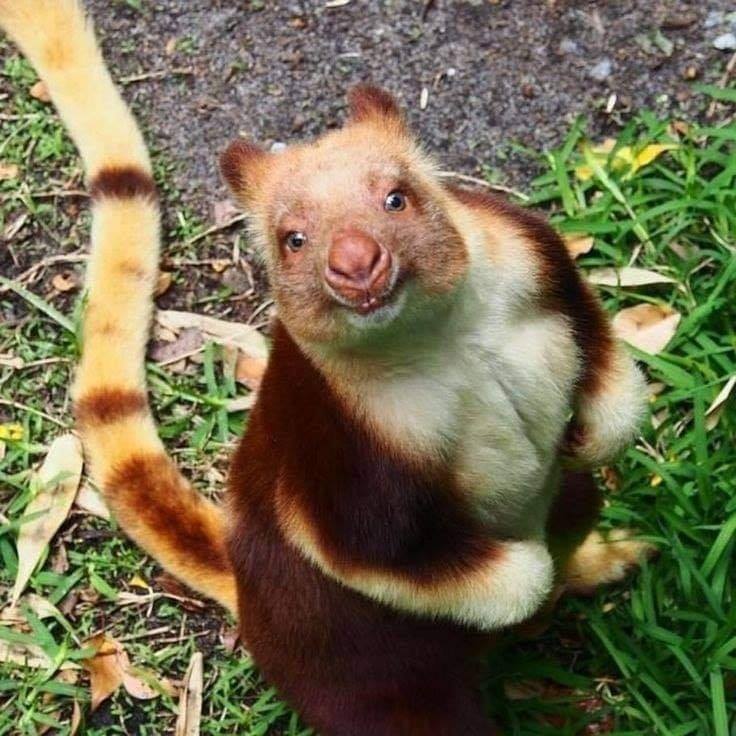
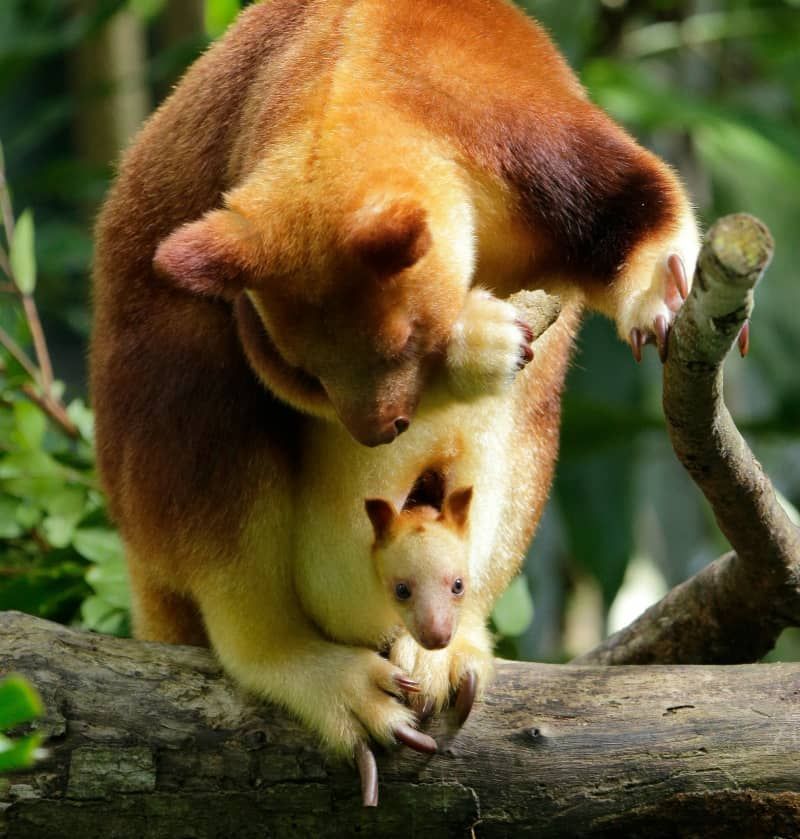
The Goodfellow tree Kangaroo

This cute kangaroo is endemic to the Huon Peninsula in northeast New Guinea.
A population on Umboi Island was likely introduced by humans.
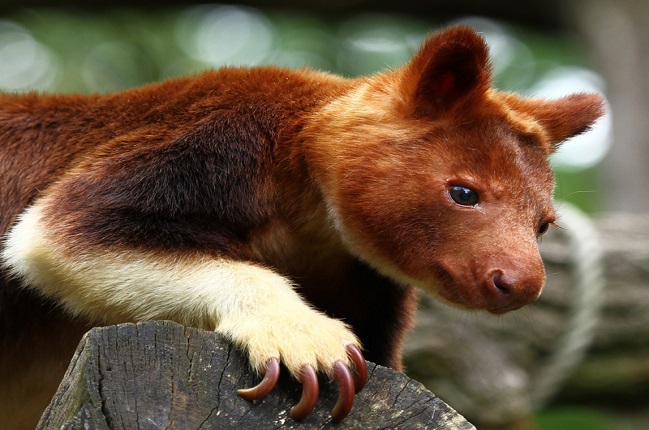
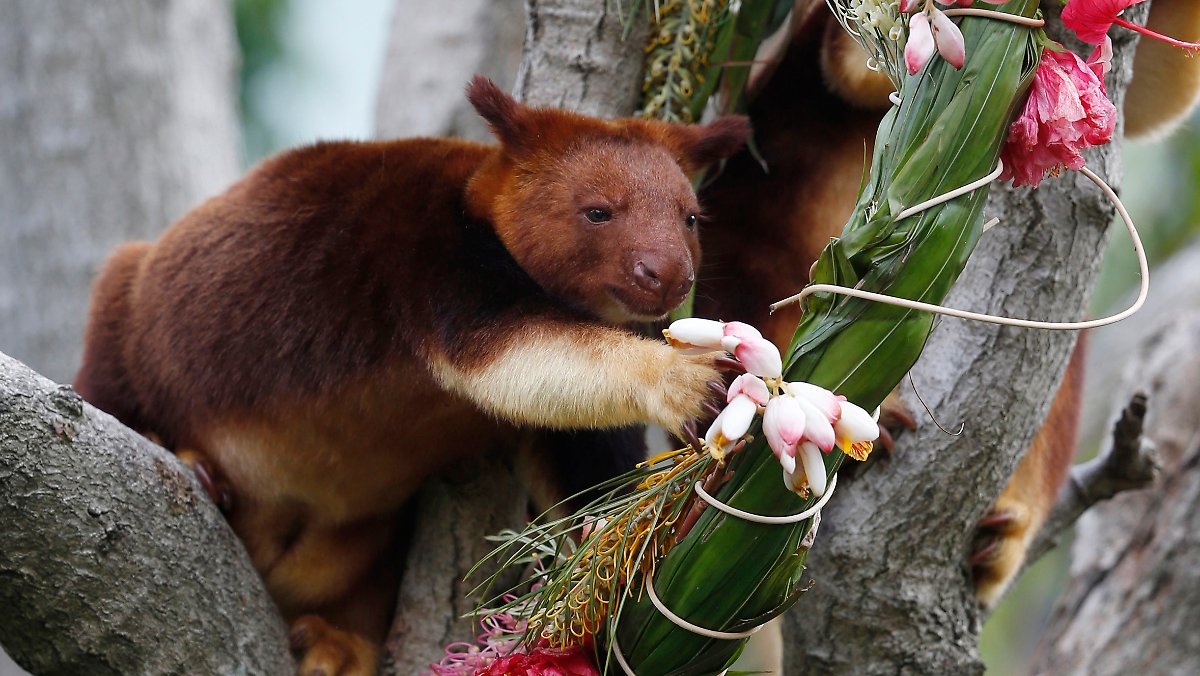
The Goodfellow tree kangaroo is a medium-sized, short-tailed tree kangaroo.

Unlike the kangaroo we know, the fluffy tree kangaroo doesn’t live on the ground, but rather in the high treetops of the rainforests of Australia and New Guinea.

Females reach a head-body length of 51 to 63 cm, males are in most cases 61 to 66 cm larger.
The tail of the females is 45.5 to 68.5 cm long and the male is 55.5 to 62 cm long.
The weight of the animals is between 7 and 10.5 kg.

The fur is dense and rich in contrast.

The basic color is brown, throat, chest, forearms and lower legs, the insides of arms and legs, hands and feet, the tail, the muzzle, and the ears are light yellowish

They have bear-like claws so that they can hold on to the trees. The fur colors also vary depending on the species. There are tree kangaroos with black, gray or gray-brown, red or even white fur.
The animals are solitary, not easy to meet, and inhabit relatively extensive territories, usually over 120 hectares in size.
Overlaps with the territories of other animals of the same sex occur.

Goodfellow tree kangaroos feed primarily on leaves of trees, shrubs, ferns, orchids, and herbs.

Fruits and flowers are also eaten, but makeup only a small part of the diet.

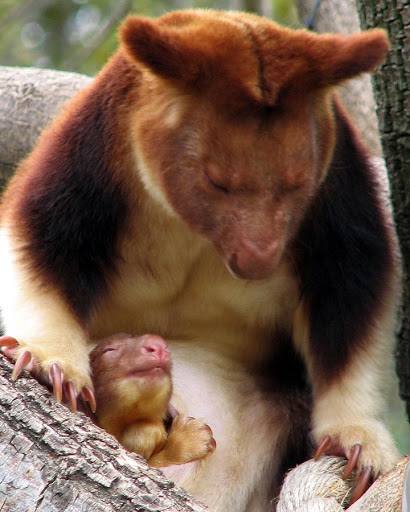
The sexes lead a solitary way of life and only meet briefly to mate. The females have a well-developed pouch that opens upwards.
Inside the bag, there are four teats for suckling the offspring.

After a gestation period of 30 to 40 days, the female gives birth to one or two young animals that are only two centimeters long and weigh one to two grams.

The birth takes place in a sitting position.

The little developed young animals are in the embryonic stage at birth and crawl independently from the birth canal into the pouch and suck on one of the teats.

The young remain in the bag for about six months before they lookout for the first time.
The kittens leave the pouch for the first time at eight months, but keep returning to the pouch.

By the age of ten to twelve months, they are weaned and independent.

The Goodfellow tree kangaroo is unfortunately threatened because of the heavy hunting of the animals by the local population and the clearing of the forests and is listed as critically endangered in the IUCN Red List.

The total range of the species is less than 14,000 km² and the total number of fully grown individuals is estimated at only 2500 specimens.

The last retreat points are now only in a few reserves in the highland rainforests.

However, it is only a matter of time before these forests will also fall victim to the chainsaws of the wood industry. Goodfellow tree kangaroos are an easy target for poachers, as the animals move slowly and can hardly escape.

http://www.tierdoku.com/index.php

And I mean…We are just a somewhat advanced breed of monkeys who have made themselves the only living being with rights through the right to vote, and who can decide about the (hardly existing) rights of animals.

So this brood of monkeys, human species, is no better in any way, but it just took that right away.

One of the worst injustices on the planet is that the human species is getting more and more and the animal species is getting less and less

My best regards to all, Venus


The Terrible Situation for Stray Dogs In Azerbaijan – Take Action Now ! – Click on Link Below.

Please click here to learn more, including actions to take, videos etc:

The Situation with Stray Dogs in the Republic of Azerbaijan. – World Animals Voice

Image may contain: outdoor
Image may contain: 1 person, text