Posted on April 1, 2021 by Serbian Animals Voice (SAV)
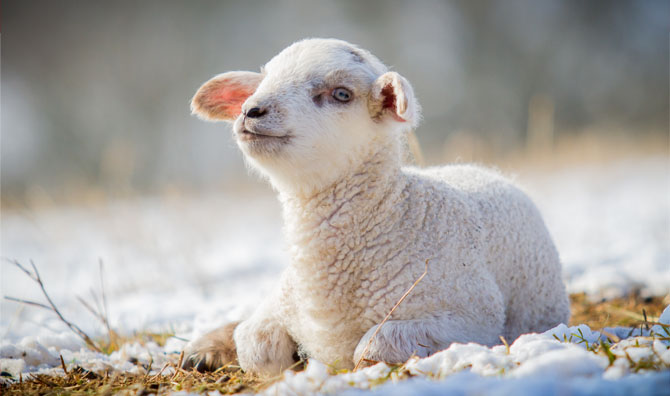
The beautiful picture of the little lambs is not only elicited by children.
Many adults also shout at this sight: “How cute! How cute! ”
But the cruel truth is: All these little lambs will soon end up under the butcher’s knife – punctually for Easter, they end up on the plate as roast lamb.
Because for many people who celebrate the “Festival of Life”, children’s corpses are part of the traditional Easter banquet.
In Germany, sheep have long ceased to be kept for their wool, as world market prices for wool are below production costs. Today sheep are used almost exclusively for meat production: 98 percent of the sheep farmers’ income is generated from meat sales. One to two million sheep – almost exclusively lambs – are slaughtered in Germany every year.
A particular specialty at Easter is milk lambs – infants who still drink from their mother and have never eaten grass, between 8 weeks and six months old.
Suez Canal Situation Highlights Atrocious Animal Trade, With 200K Animals Stuck On Ships
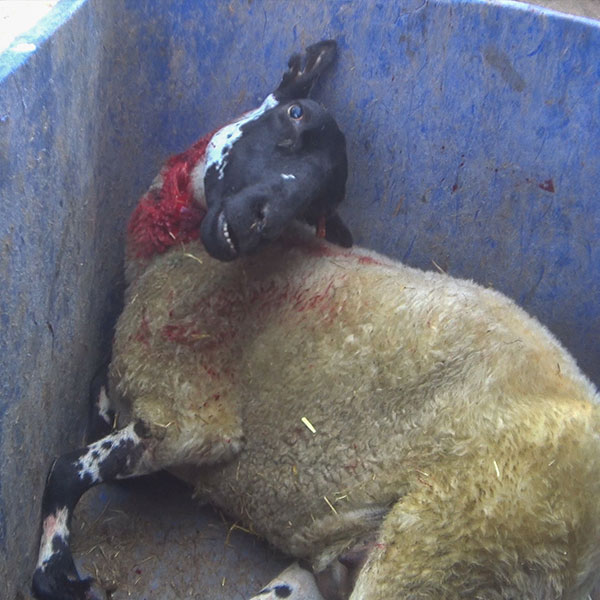
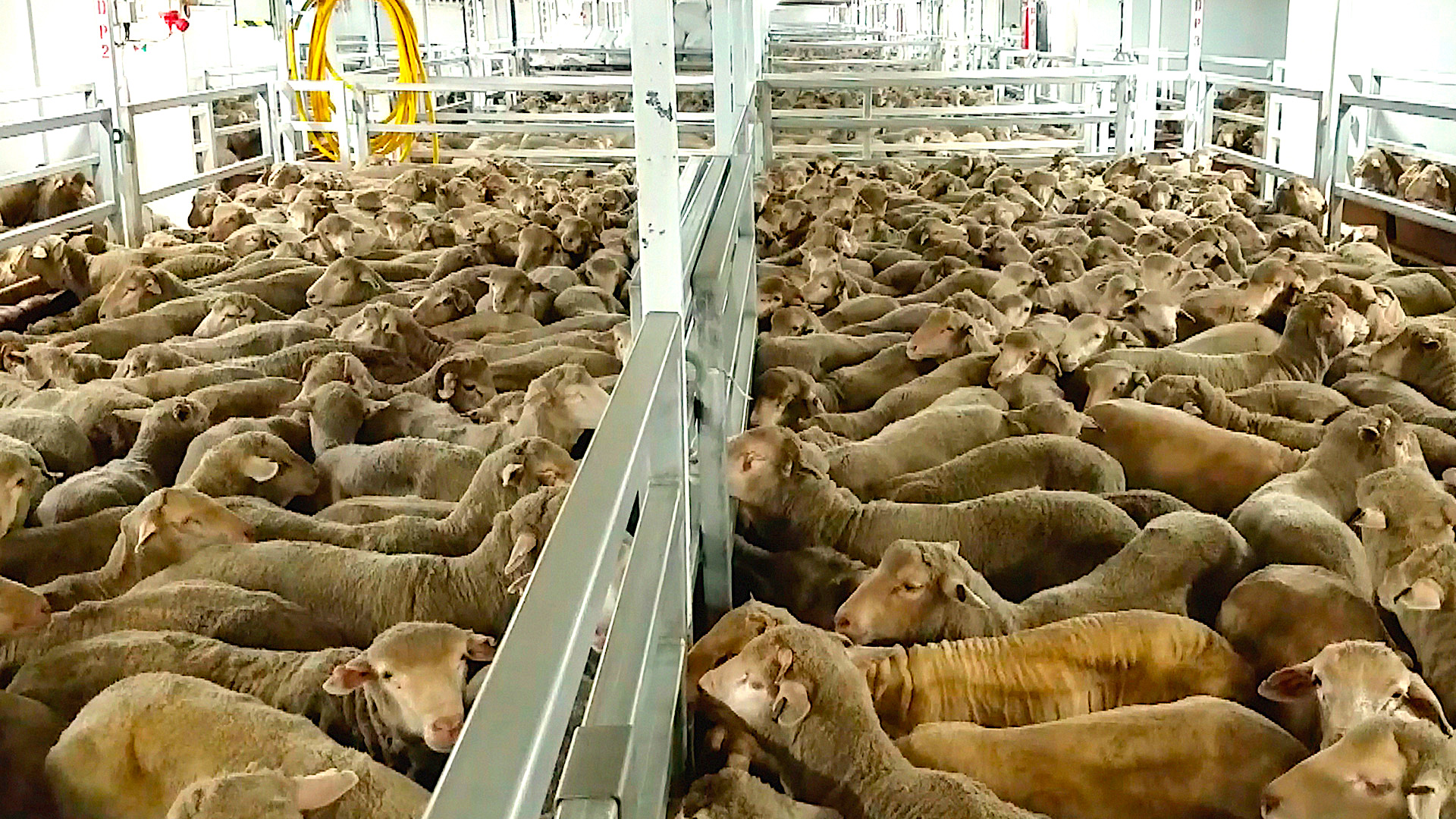
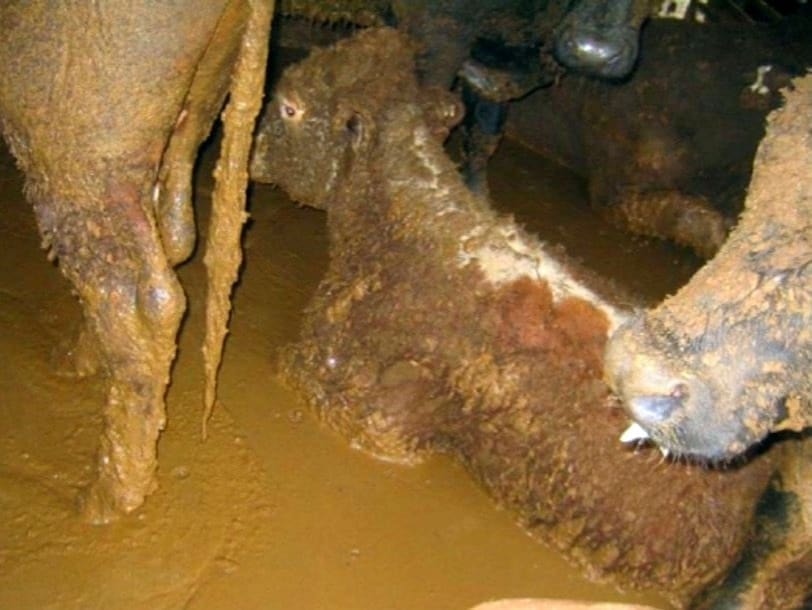
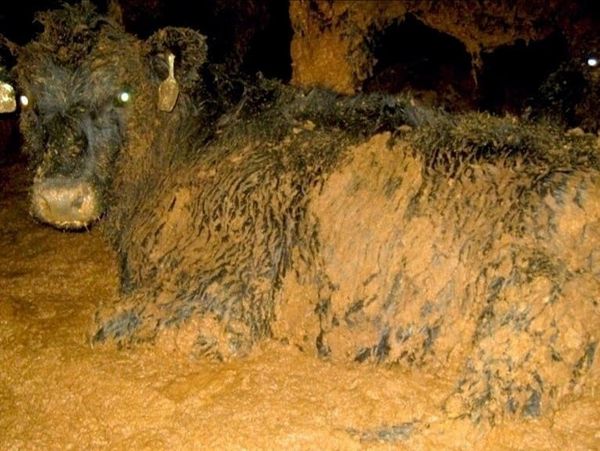
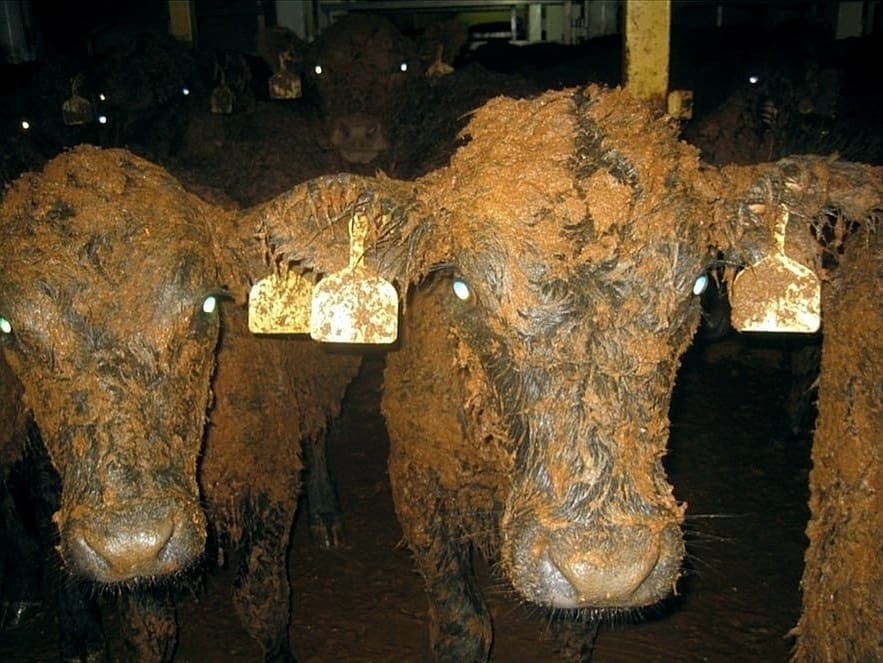
When things go awry at sea, livestock on board ships suffer immeasurably. Animals have to stand in their own waste, for weeks on end. And if resources run out, the animals suffer dehydration and starvation; the ones who don’t survive are thrown overboard.
The atrocities these sentient beings are forced to endure are overwhelming.
Recently, a livestock ship with 1,800 head of cattle was denied port entry for THREE months! According to The Guardian, nearly 200 of the cattle died in conditions described as “hellish.”
The animals forced onboard these ships of death are already slated for death – must they suffer unnecessarily before they are slaughtered? Does anyone care for their welfare?
Your signatures and comments will be sent to the European Parliament along with our letter asking for this cruel live export transportation business to come to an end.
The worst maritime animal welfare tragedy in history could, by now, be unavoidable, says Gabrile Păun, the EU director for Animals International, an NGO.
There are 16 ships taking live animals from the EU to the Persian Gulf which have been stuck for several days behind the stranded ‘Ever Given’ cargo vessel in the Suez Canal.
Even with the Ever Given now slowly moving again, the live animals inside the blistering cargo containers, which are quickly running out of feed and water, are now nearing an even more tragic end than that which awaits them in the slaughterhouses at their destination.
Even if the ships were to resume full course today, the water and food would not last until their sea journey is over.
Romania is the source for the 130,000 of the 200,000 live animals now caught in the Suez bottleneck.
Some six of the 11 ships full to the brim with the live animals from the South-Eastern European nation are in a particularly critical situation. They were supposed to reach harbours in the Persian Gulf over four days ago, but still have not left the Canal.
According to EU law, ships carrying live animals need to load 25 percent more food than planned for their trip in case of delays, but animal welfare organisations warned that this rarely happens.
Meanwhile, Păun explained to EUobserver that even with the 25 percent buffer, these ships would now run out of animal feed long before they arrive in port.
“A ship that left Romania on 16 March was scheduled to arrive in Jordan on 23 March, but instead it would now reach port on 1 April at the earliest. That is a nine-day delay. Even if the ship had the required 25 percent additional animal feed, it would only have lasted for 1.5 days”, he said.
The ‘ANSVSA’, the Romanian authority in charge of live-animal exports issued a press release two days ago saying that after reaching out to those in charge on board the ships, there is enough food and water to last a few days.
The press release added that live animal exports have been currently suspended until the situation in the Suez is dealt with.
But for Păun, those responsible for the shipment would never admit that animals are dying by the thousands on their vessels.
Meanwhile, the EU legislation does not compel an EU member state to report on animal mortality on board these ships and Romania would never release that information voluntarily because authorities know that it would lead to investigations, he added.
Romania is one of Europe’s largest live-sheep exporters and has several times been singled out by the European Commission for its bad practices regarding live-animal exports.
Last year, Romania was red-flagged by Brussels for failing to meet live-animal transport conditions after more than 14,000 sheep drowned when a cargo vessel capsized off the Black Sea coast.
A year earlier, the then EU commissioner for food safety, Vytenis Andriukaitis, urged Romania – to no avail – to stop the export of 70,000 live sheep to the Persian Gulf because temperatures inside the cargo vessel exceed 60 degrees Celsius.
Instead, Romanian authorities increased their live-animal exports, despite an investigation that showed animals exported to Gulf countries dying from the high temperatures, being unloaded violently off ships, squeezed into car trunks, and slaughtered by unskilled butchers.
Păun says the only chance now for some of the animals to make it to destination alive is for Egyptian authorities to move quickly and clear the ships trapped in the Suez.
“I am appalled that legislation did not offer Romania the power to command cargo ships to return back home. Romania should have used diplomatic pressure to resolve the issue,” he said.
“According to a ruling by the European Court of Justice, the EU member state exporting live animals to a third party country is responsible for their wellbeing until reaching destination”, he added.
For Păun, Romania should move toward exporting meat rather than live animals.
“It would cancel the unnecessary suffering of the animals and would be more economically profitable for Romania”, he said.
But even though other countries have agreed that exporting processed and refrigerated meat is far more profitable and less cruel, live animal exports remain unabated from Romania.
Posted on March 31, 2021 by Serbian Animals Voice (SAV)
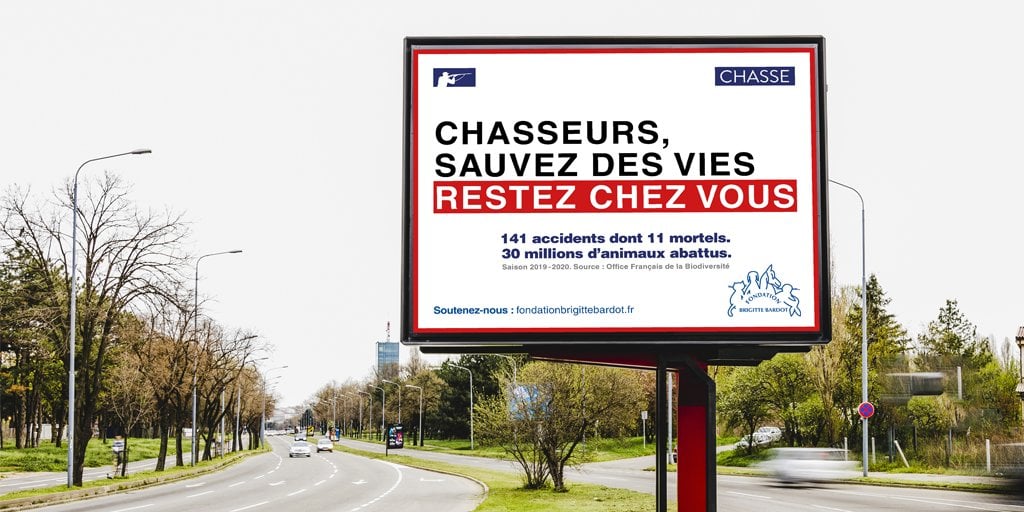
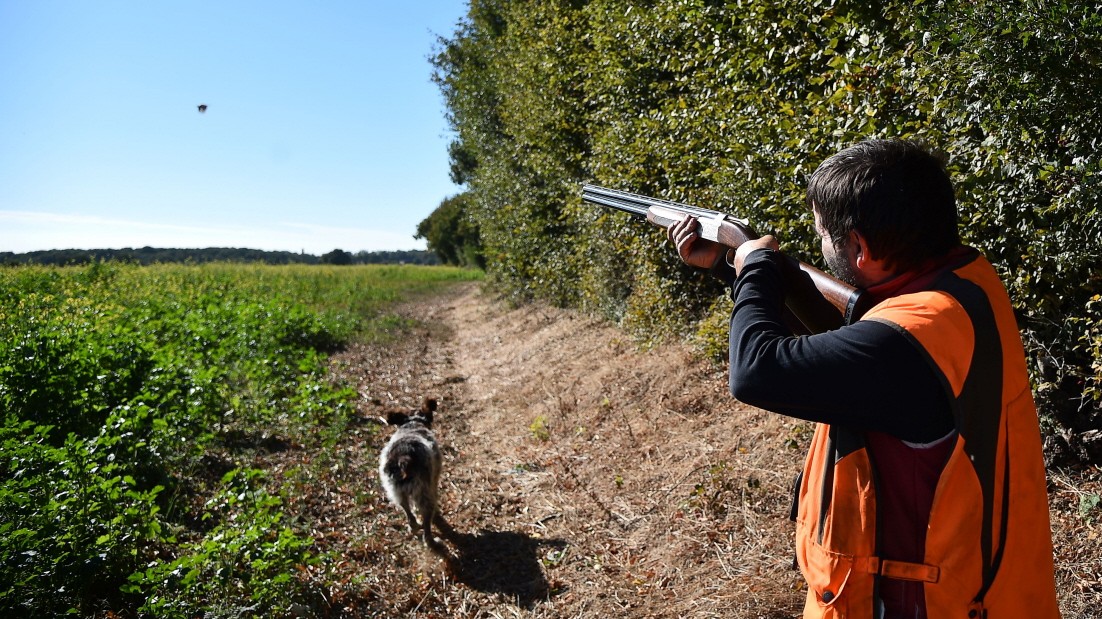
“Hunters, if you want to save lives stay at home” we can read on the posters. At the bottom of this slogan, figures revealed by the French Biodiversity Office.
During the 2019-2020 season, 114 hunting accidents occurred,11 were fatal and 30 million animals were slaughtered.
“In 20 years the hunters have killed more than 400 people”!
This hobby is the only one to cause the death of non-participants (mountain bikers, walkers, some victims were killed at home)
71% of French people do not feel safe walking in nature during hunting season.
50% of hunting accidents occur on Sunday, a day of rest and leisure for a majority of French people
78% of French people are in favor of Sunday becoming a day without hunting.
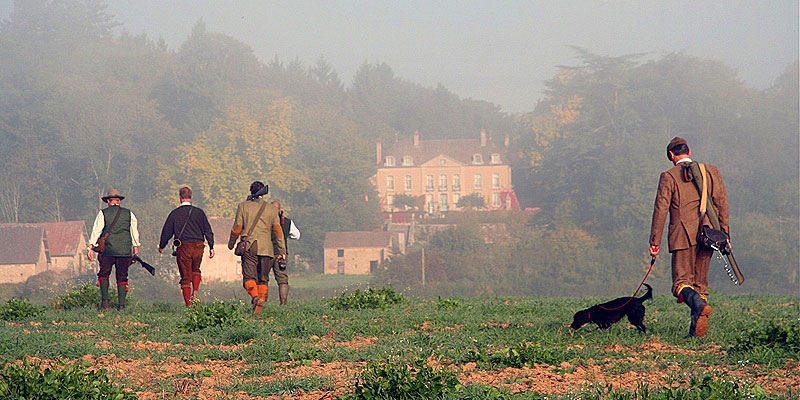
In France, according to the National Union of Hunting Game Producers, 14 million pheasants and 5 million partridges are reared each year to be released a few hours before the hunt begins.
Thus, 9 out of 10 pheasants killed in hunting come from farms.
For the Foundation Brigitte Bardot… “these grain-raised animals serve as targets for hunters who engage in a real clay trap in a henhouse!”
The situation of these farms is so absurd that the deputies Guillaume Pelletier (LR) and Pascal Brindeau (UDI) intervened with the Minister of Agriculture to request the extension of the hunting period in order to be able to organize the slaughter, by hunters, game not released during the confinement period.
And I mean … 1.3 million hunters are registered in France. Just for comparison: The German Hunting Association currently has 397,414 hunting licenses.
If you add a wife to every hunter, because hunting remains a men’s hobby, you get two and a half million French voters who need to be courted.
Emmanuel Macron understood that.
Macron’s bows to the hunters are sometimes tangible, sometimes symbolic.
He has halved the price of the hunting license from 400 to 200 euros.
And he celebrated his 40th birthday in 2017 at Chambord Castle, the former royal, now legendary hunting ground.
On the night of his birthday party, Macron joined the hunters and their freshly shot boars.
Despite asking for discretion, the hunters proudly tweeted a photo of the Halali president around the world.
In Germany every year 5 million wild animals are shot, or killed in traps.
5 million animals every year – that’s 13,700 every day, 570 an hour, almost 10 animals a minute. Every 6 seconds an animal dies at the hands of a hunter.
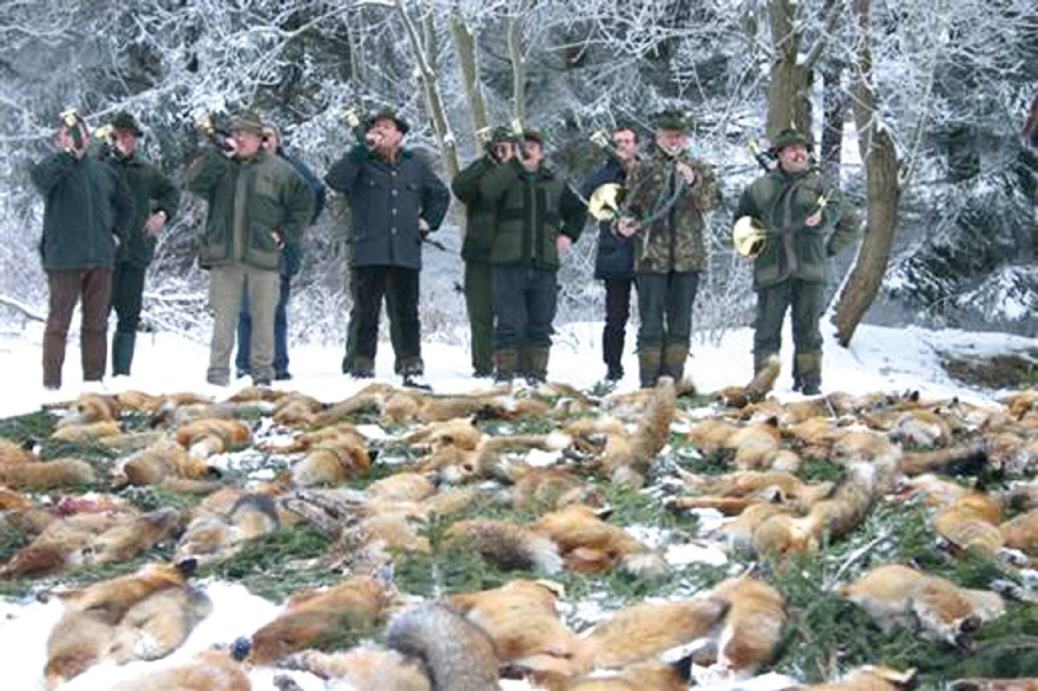
The most hunted animal in Germany is the fox.
The justification for the 500,000 bloodbaths with foxes, which are actually only supposed to hide one’s own desire to kill, is rabies, which has been practically eradicated in Germany since 2008.
Theodor Heuss, the 1st President of the Federal Republic of Germany, put it in a nutshell about 50 years ago: “Hunting is a subsidiary form of human mental illness“.
Whole job done: the result of a fox hunt. There should be people who get intoxicated at such a sight. And they are even allowed to run around freely …
Heuss was right! If you see these pictures, you agree with him.
After more than three months stranded in the Mediterranean, the surviving bulls onboard a livestock ship were humanely slaughtered by the Spanish authorities in Cartagena on Sunday. An official Spanish veterinary report described dire conditions onboard the Elbeik, on which 179 bulls had already died.
The Elbeik and a second livestock ship, the Karim Allah, had been refused entry to multiple countries on health grounds. We look back on the events that shaped this “hellish ride”.
18 December 2020 Two livestock ships, the Karim Allah and the Elbeik, leave Spain bound for Turkey loaded with young Spanish bulls. The Karim Allah departs from the port of Cartagena carrying almost 900 animals and the Elbeik leaves from Tarragona with nearly 1,800.
27-29 December The Karim Allah arrives in Turkey on 27 December and the Elbeik on 29 December. Both ships are refused entry due to fears the bulls may be infected with a bovine disease called bluetongue. The shippers blame a mistake on health certificates issued by Spain’s agriculture ministry; the ministry denies this. On 1 January, the Karim Allah leaves the Turkish port of İskenderun and the Elbeik leaves from another Turkish port, Derince.
6 January The Karim Allah arrives in the Libyan port of Tripoli on 6 January and departs again on 9 January with all the bulls on board, after being refused permission to unload.
9 January The Elbeik arrives in Tripoli on 9 January and leaves again on 25 January, after also being refused permission to unload. The ship’s next port of call is Alexandria, Egypt, arriving on 1 February and leaving on 4 February.
27 January The Karim Allah reaches the Italian port of Augusta, Sicily, and leaves again on 29 January.
19 February The Karim Allah arrives in Sardinian waters near the port of Cagliari. On the same day, the Elbeik anchors off the coast of northern Cyprus, near the port of Famagusta. Animal welfare organisations call for vets to visit the ships. Cypriot vets are placed on standby to check the animals but neither ship approaches or requests veterinary assistance.
22 February The Karim Allah returns to waters near Cartagena, Spain, but does not enter. The shippers plan to have the cattle’s blood tested and, if the animals are cleared of any disease risk, to re-export them. The shipper says the Spanish agriculture ministry has said the animals “face immediate slaughter” if the ship docks.
25 February The Spanish agriculture ministry’s deadline for the Karim Allah to slaughter its cattle expires. A legal tussle ensues as the shippers try to block an official Spanish slaughter order.
26 February An official Spanish vet report dated 26 February finds 22 of the Karim Allah bulls died at sea, with two corpses still on board. The report notes that other corpses were chopped up and thrown overboard during the journey. It concludes that the animals suffered from the lengthy journey, were generally unwell and not fit for transport outside the EU, nor should they be allowed into the EU for disease-control reasons. Euthanasia would be the best solution, it says. The report does not say if the cattle have bluetongue, but it notes a range of other skin, eye and leg conditions including alopecia, flaking, scabs and joint inflammation compatible with septic arthritis.
6 March The legal tussle ends and the slaughter of the Karim Allah bulls by Spanish officials begins on 6 March. By 9 March, all the Karim Allah bulls are dead.
18 March Under orders from Spanish officials, the Elbeik finally returns to port in Cartagena three months after it left Spain, following stops near Cyprus, in Greece, to stock up on supplies, and off the coast of Menorca.
19 March Spanish veterinary officials complete and sign a report describing dire welfare conditions onboard the Elbeik. The report cites the Elbeik’s captain as saying that, of the 1,789 bulls originally loaded, 179 died during the journey. The bodies were chopped up and thrown overboard. Ten other carcasses were also found on board, the report says, and of the remaining animals, some are dying, while others are starving and extremely dehydrated. In some pens, it notes, “the crew had placed fodder in the corral in a way that the starving animals were forced to eat on the corpses of their companions”. The urine and manure buildup covers the animals’ hooves, it says, leaving them without dry areas to lie down.
22 March A separate veterinary inspection, conducted on behalf of the Elbeik cattle owners, found that only 136 of the bulls required immediate euthanasia. The rest, it said, could recover after a period of rest and adequate feeding if cleared of the risk of bluetongue or other diseases.
28 March The last of 1,610 surviving bulls from the Elbeik are slaughtered in the port of Cartagena. Spain’s agriculture ministry says it has forwarded the veterinary report to the public prosecutor on the basis that “the facts described therein could constitute indications of a possible offence in relation to the current legislation on animal welfare”. The cattle owner, who does not wish to be named, has disputed the findings of the report.
Arrival and departure times for the Elbeik and the Karim Allah were supplied by Marine Traffic.
Posted on March 31, 2021 by Serbian Animals Voice (SAV)
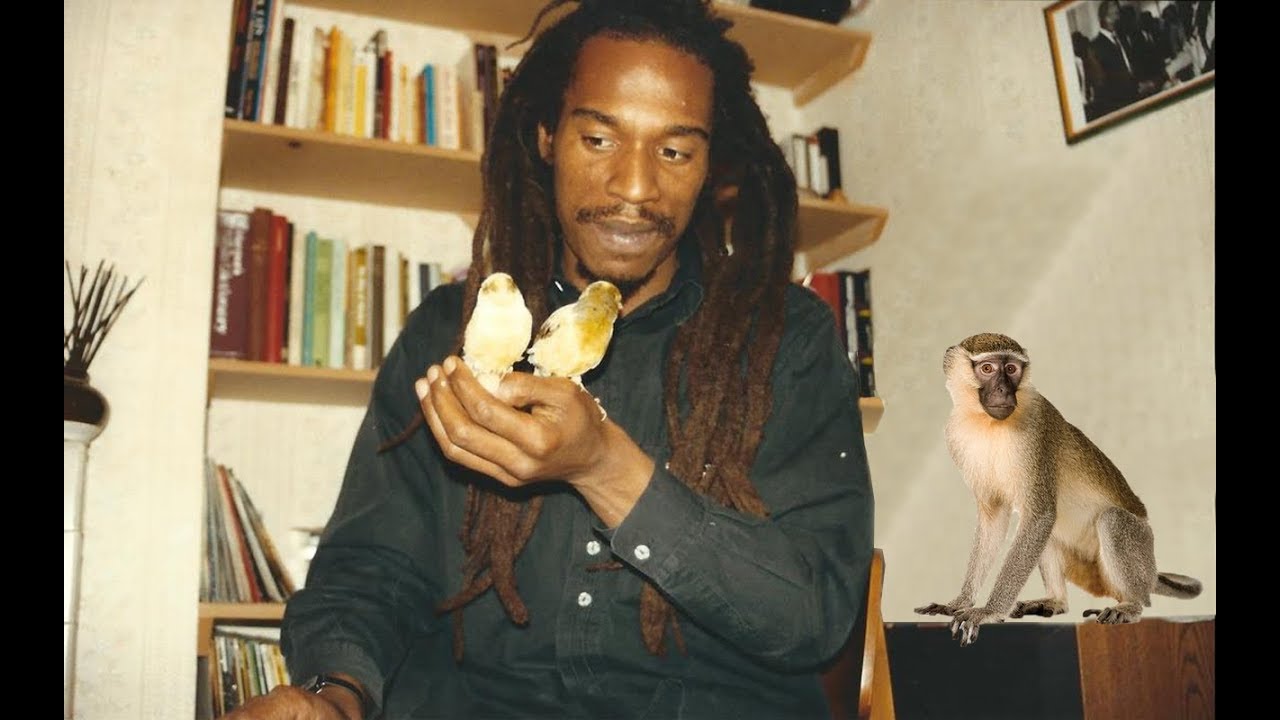
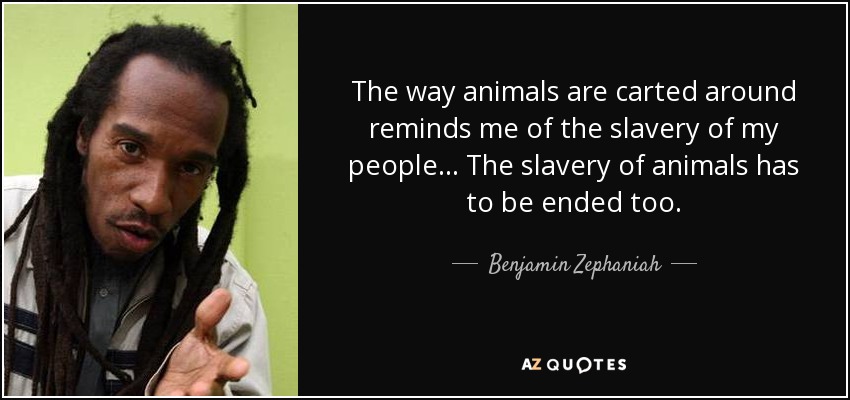
I have loved (in a ‘blokey’ sort of way) ! Benjamin since I saw him at a London animal rights demo decades ago. So seeing him again the BBC this morning; I thought it was time to introduce him to you. Here are a few shorts of his life and actions; a passionate animal rights advocate, he wrote the foreword to Keith Mann‘s book From Dusk ’til Dawn: An insider’s view of the growth of the Animal Liberation Movement
Dedicated – Yes; do we want him – for sure.
Regards Mark
Benjamin Obadiah Iqbal Zephaniah (born 15 April 1958)[1] is a British writer and dub poet. He was included in The Times list of Britain’s top 50 post-war writers in 2008
Turning vegan at 13 Benjamin is pretty much a lifelong vegan. He is now 58 and as a busy performer, writer and with a passion for martial arts, he just naturally shows people what it is like being vegan and doesn’t “ram veganism down peoples throats”.
In 2004, he wrote the foreword to Keith Mann‘s book From Dusk ’til Dawn: An insider’s view of the growth of the Animal Liberation Movement, a book about the Animal Liberation Front.
Posted on March 31, 2021 by Serbian Animals Voice (SAV)
WAV Comment – we feel this a very important petition to support as it has huge implications throughout the EU regarding plant based dairy censorship. Please give your support, thank you – petition link below.
STOP PLANT-BASED DAIRY CENSORSHIP
Dear European Commission and EU Member States,
We want you to put a halt to plant-based dairy censorship
Please reject amendment 171. If adopted, it would totally counteract the consumer shift to more sustainable eating habits that’s urgently needed to fight climate change.
Dairy terms are already protected by law. Amendment 171 would go further and censor all use of dairy-related language, packaging, or imagery for plant-based foods.
Words and phrases like “contains no dairy” or “creamy texture” might be banned. The same goes for a tweet or an advert mentioning scientific data showing that a product causes, for example, “half the carbon emissions of dairy butter”. Bizarrely, the amendment could even prohibit plant-based foods from using photos of their own products on packaging.
In this way, amendment 171 would not only hide information from consumers, but also hinder innovation and the emerging sustainable food sector. Altogether, it would be a huge reversal of the work done so far to meet the EU’s own goals on public health and sustainability, as agreed under the terms of the Paris Agreement. Given the urgency of the climate crisis, it’s a highly irresponsible move.
Please add your name and tell the European Union to stop plant-based censorship.









 Serbian Animals Voice (SAV)