Posted on April 26, 2020 by Serbian Animals Voice (SAV)
‘Filthy bloody business:’ Poachers kill more animals as coronavirus crushes tourism to Africa
Key Points
As the coronavirus pandemic halts tourism to Africa, poachers are encroaching on land and killing rhinos in travel hot spots now devoid of visitors and safari guides.
In Botswana, at least six rhinos have been poached since the virus shut down tourism there. In the northwest South Africa, at least nine rhinos have been killed since the virus lockdown.
“It’s a bloody calamity. It’s an absolute crisis,” said Map Ives, founder of Rhino Conservation Botswana, a nonprofit organization.
Ryan Tate is supposed to be in South Africa right now helping to fight off poachers who hack horns off rhinos and kill elephants for their ivory tusks.
But since the country announced a national lockdown in March to slow the spread of the coronavirus, Tate is stuck in the U.S. He can’t join his team out in South Africa’s wilderness and can’t meet with private donors in the U.S. for his anti-poaching nonprofit organization, which is seeing donations dry up.
“It’s a helpless feeling,” said Tate, a 35-year former Marine and the founder of VetPaw, a group of American military veterans who fight poachers in a remote private reserve in the far north of South Africa.
“Poaching doesn’t stop just because there’s a virus — if anything, it picks up,” he said.
Although poaching is not uncommon in Africa, poachers during the coronavirus pandemic have encroached on land they wouldn’t normally visit and killed rhinos in tourism hot spots now devoid of visitors and safari guides.
In Botswana, at least six rhinos have been poached since the virus shut down tourism. Botswana’s security forces in April shot and killed five suspected poachers in two incidents. In northwest South Africa, at least nine rhinos have been killed since the virus lockdown. All the poaching took place in what were previously tourism areas that were safe for animals to roam.
“It’s a bloody calamity. It’s an absolute crisis,” Map Ives, founder of Rhino Conservation Botswana, a nonprofit organization, said of poaching across the continent.
There are still rangers in the African reserves, but the loss of tourist vehicles in parks provide poachers a significant advantage.
“The poachers have been emboldened because the playing field is in their favor and they won’t have as many problems moving around,” said Ives, who has lived on the Okavango Delta in northern Botswana for four decades but is stranded in South Carolina due to travel restrictions.
Highly organized illegal poaching threatens to send black and white rhinos, elephants and other African wildlife into extinction over the next several decades. The black rhino population has plummeted 97.6% since 1960 and the lion population is down 43% in the last 21 years, according to the World Wildlife Fund. At least 35,000 African elephants are killed each year and roughly only 1,000 mountain gorillas and 2,000 Grevy’s zebras remain on the continent.
“They are professional and adept at running off with rhino horns in minutes and dodging security forces. They are masters at evading detection,” he said. “It’s a filthy bloody business.”
Since Botswana’s booming tourism industry collapsed because of the virus lockdown, Ives has seen an anecdotal rise in rhino and bush meat poaching incidents. His company is running short of cash as donations dry up amid the global lockdown, and that may result in reduced patrols as a result.
“We lost hundreds of sets of eyes and ears in the delta,” Ives said. “I’m sure poachers know this — they watch these camps closely and see tourism activity.”
Africa’s $39.2 billion tourism industry is also vital in funding wildlife conservation efforts across the continent.
Africa received 62.5 million visitors, creating 9.1 million direct jobs in travel and tourism sectors in 2015, according to estimates from the African Development Bank.
Funding from sources like national park fees and safari rides are vital to wildlife conservation in Africa.
But now people working in tourism are being laid off because of the pandemic and national parks that provide wildlife a safe place from poachers are losing revenue. All three national parks in Rwanda have temporarily closed, along with Virunga National Park in the Democratic Republic of the Congo and Kruger National Park in South Africa.
“There’s a lot of people struggling in Africa, a lot of private reserves that have helped save a few species including rhinos,” said Tate. “Now they don’t have that ecotourism they depend on, it’s gone. There’s going to be a lot of damage done from this.”
There’s also a major concern that as the coronavirus harms African economies and sharply raises unemployment levels, people will become desperate for income streams and pursue poaching to make a living.
Africa reported a 43% jump in coronavirus cases over the last week, according to Africa Centers for Disease Control and Prevention. The World Health Organization has warned that the continent of 1.3 billion people could become the next epicenter of the outbreak, potentially pushing 30 million people into poverty.
Conservationists expect that in addition to professional poachers killing more animals, countries across Africa will experience a massive surge in bush meat poaching by average people since it’s cheaper to kill animals for meat than to buy it.
“Why do criminals commit acts of crime? They do it because they’re desperate and it’s a quick easy means for money,” Ryan said. “Poaching is no different. There’s a lot of desperate people out there because of the virus and [poaching] will absolutely pick up.”
Posted on April 25, 2020 by Serbian Animals Voice (SAV)
Pandemics like the present are a consequence of our dealings with animals and the environment. If we do not change this, the next catastrophe will not be long in coming.
Imagine that while your country is practicing social distancing, tens of thousands of citizens are crowded together in gyms in a neighboring country.
Imagine that this neighboring country is also carrying out genetic and pharmaceutical interventions that help its citizens maintain productivity under such adverse conditions, but with the unfortunate side effect of destroying your immune system.
To finally accomplish this dystopian vision: Imagine that your neighbors had reduced the number of doctors tenfold at the same time.
Such measures would radically increase the number of deaths not only in your neighboring country, but also for you. Pathogens do not respect national borders.
They are neither Spanish nor Chinese.
Pathogens also do not respect the boundaries between different species. Flu and corona viruses move fluently between human and animal populations, just as they move fluently between nations.
There is no separate animal and human health in pandemics – just as there is no Korean and French health.
Social Distancing only works if everyone practices it – including animals.
We actually know that
The meat we eat today comes mainly from genetically homogeneous, immunocompromised and permanently medicated animals, tens of which are housed in buildings or stacked cages – no matter how the meat is labeled in the end. We know that.
And most of us would very much wish it was different. But there are many things in the world that we want – but unfortunately they are different.
But for most of us, the future of livestock farming is pretty low on their priority list, especially in the current situation. It is understandable that we are most concerned with ourself in such a situation.
The problem is that we are not particularly good egotists.
We do not yet know the entire history of the development of Covid-19, the strain of the coronavirus that threatens us today. But given the recent threat from influenza viruses such as H1N1 (swine flu) or H5N1 (avian flu) and pandemic viruses, there is no doubt that these viruses have emerged in large chicken and pig farms.
Genetic analysis has shown that critical components of H1N1 have emerged from a virus that circulates in North American pigs.
But it is the commercial poultry farms that appear to be the Silicon Valley of viral development.
Of 16 strains of novel influenza viruses currently classified by the Centers for Disease Control and Prevention (CDC – an agency of the United States Department of Health) as “particularly worrying”, including H5N1, 11 are from H5 or H7 viruses.
In 2018, a group of scientists analyzed the 39 antigen shifts, also known as “conversion events,” which we know have played a key role in creating these particularly dangerous strains. Their results demonstrate that “all but two of these events have been reported in commercial poultry production plants.”
The abbreviation CDC stands for an authority in the USA, whose name is actually Centers for DiseaseControl and Prevention.
We are dropping prevention from the acronym because it already sounds innocent enough. But we also tend to dismiss serious discussions about prevention in favor of reactive strategies.
This is understandable – especially in the middle of a pandemic – but in a dangerous way irresponsible.
We are concerned with the production of face masks, but apparently we do not care about the companies that cause pandemics.
The world is on fire and we are always reaching out for new extinguishers while the petrol soaks the tinder at our feet.
To reduce the risk of a pandemic for ourselves, our focus must be on animal health.
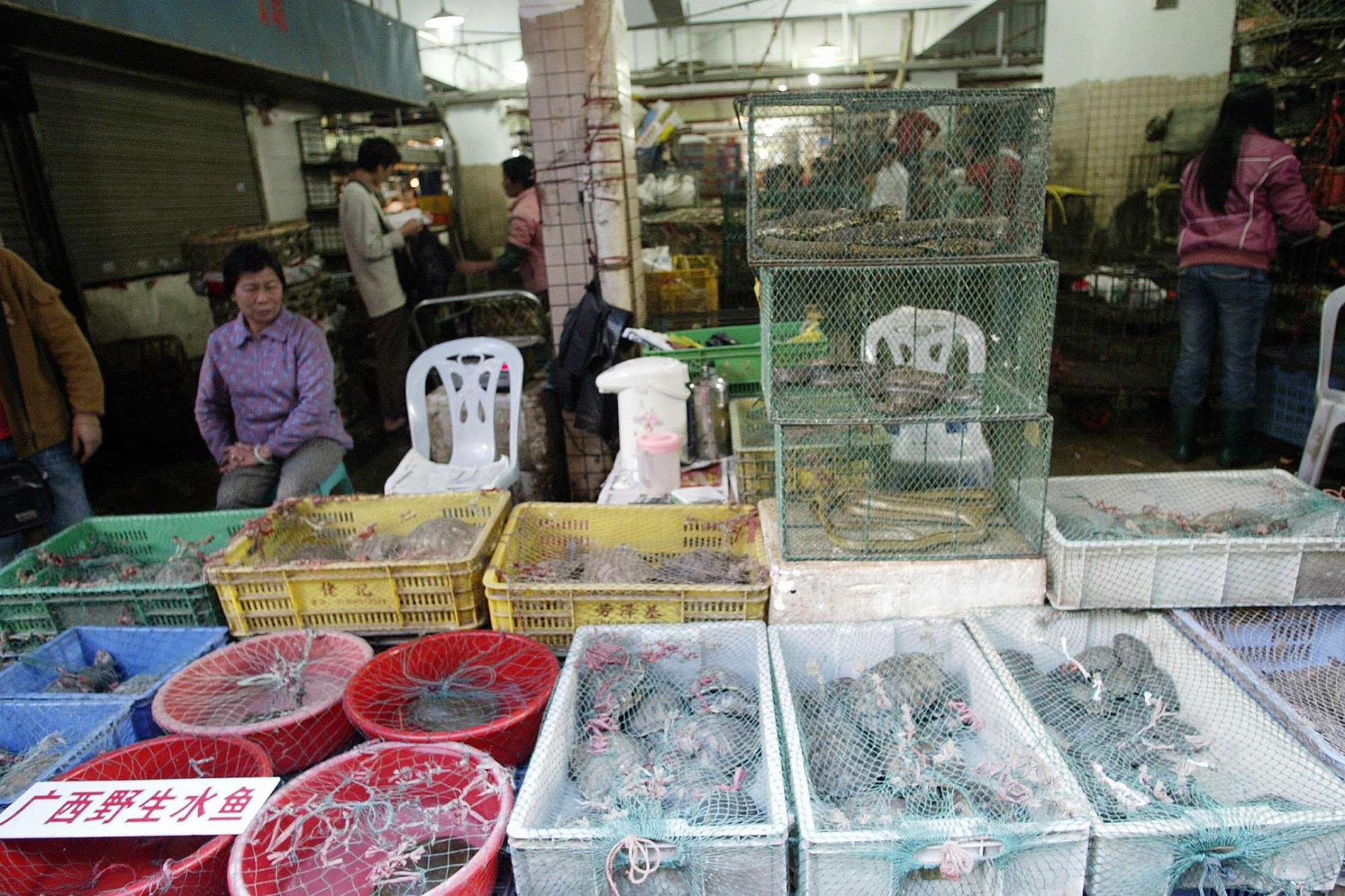
When it turned out that a number of people had become infected with the virus after visiting a wet market in Wuhan, where the virus was probably transmitted to humans by bats via an intermediate host, China closed 19,000 wildlife farms and banned wild meat from wet markets.
In the case of farm animals, however, the lack of public understanding has enabled unscrupulous corporations to steer politics in exactly the wrong direction.
Across the world, corporations have managed to implement policies that use public funds to promote industrial agriculture. A study suggests that the public is providing $ 1 million a minute in global agricultural subsidies, mostly used to support and expand the current broken model.
The same $ 1 million a minute that fosters industrial agriculture also increases the risk of pandemics.
The consequences of a mortality rate of one to two percent are omnipresent: half of the world lives under house arrest, one generation faces economic bankruptcy. Are we able to imagine the impact of a 60 percent death rate?
Try to imagine that half of the people you knew who had the flu last year would now die. If you have children, how many of them had the flu in the last year? Force yourself to imagine these things, and then ask yourself: How much would it be worth sacrificing now to avoid that?
All of this leads to the most important question: What can we do?
The link between factory farming and increasing pandemic risk has been scientifically well documented, but the political will to contain this risk has been lacking in the past.
Now is the time to let this will arise.
It is very important that we talk about it, share our concerns with our friends, explain these problems to our children, think together about how we should eat differently.
Changing one of the most powerful industrial complexes in the world – factory farming – cannot be easy, but at this moment, with what is at stake, it may be possible for the first time in our lives.
And I mean…I read this article in the “Friday” newspaper and think it is very good. A very complex topic is presented in simple words.
I only disagree with the author on one point: “But for most of us, the future of animal husbandry is pretty low on their list of priorities, especially in the current situation. It is understandable that in such a situation we are most concerned about ourselves take care of yourself.”
We put the misery of animals and the dangers that come from factory farming, not only since yesterday at the end of the list of our interests.
We always did this on principle, and most don’t associate the pandemic with meat consumption.
Because they don’t want to see the reality, they deny it.
The meat eaters believe that this is a temporary problem, so they don’t worry about how to solve it. And none of them thinks questioning a system that creates pandemics and dangers through factory farming. Because this system thinks for them.
We can only protect ourselves against viruses and epidemics if this system no longer exists – the animal production system.
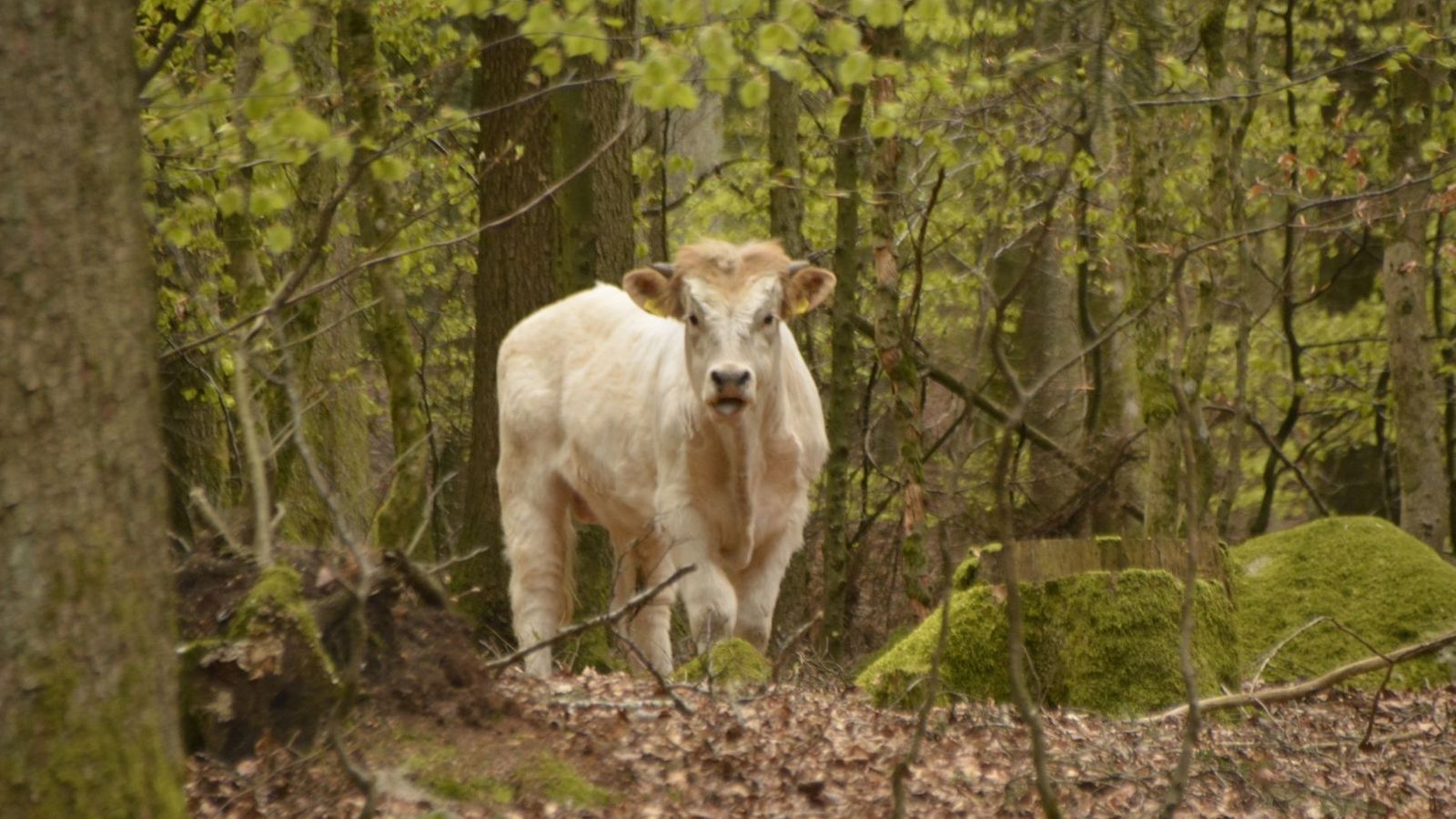
Now there is a new video of him; Ferdinand has got a beautiful home and lives a life that every animal deserves: in freedom, happiness and integrity.
Such pictures also make us very happy, we thank Ferdinand’s rescuers for the nice life they have given him.
(From the video): Ferdinand had another exciting day today. He was able to go on a tour of discovery and looked around extensively. 😃
He already knew the chickens and turkeys, but he had never seen our pig granny 🐽 Bonnie up close. 😄 Of course he also met his new cattle buddy 🐮 Milo again.
Posted on April 24, 2020 by Serbian Animals Voice (SAV)
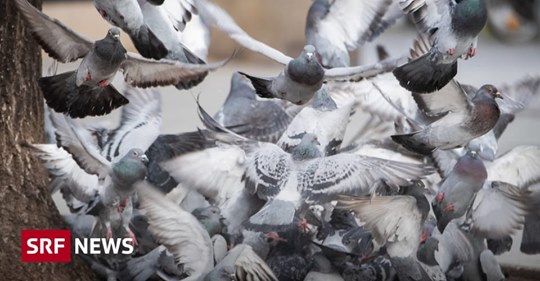
The pigeon fever broke out in Basel (!!!)
The disease is fatal and highly contagious to the animals. The virus is also transferable to humans (!!!)
It sounds like a bad joke. In fact, the authorities have proven pigeon fever in several animals. The disease is deadly and highly contagious for the pigeons.
Signs of the disease are increased frightfulness of the pigeons and one-sided paralysis of the wings and legs, said the Basel health department on Wednesday.
Contagious to people but not dangerous
And: the virus can also be transmitted to humans. The pathogens could cause conjunctivitis or mild flu symptoms, but otherwise they did not cause any serious symptoms, the message says.
The health department warns not to touch sick or dead animals. After direct or indirect contact, thorough hand washing is the order of the day.
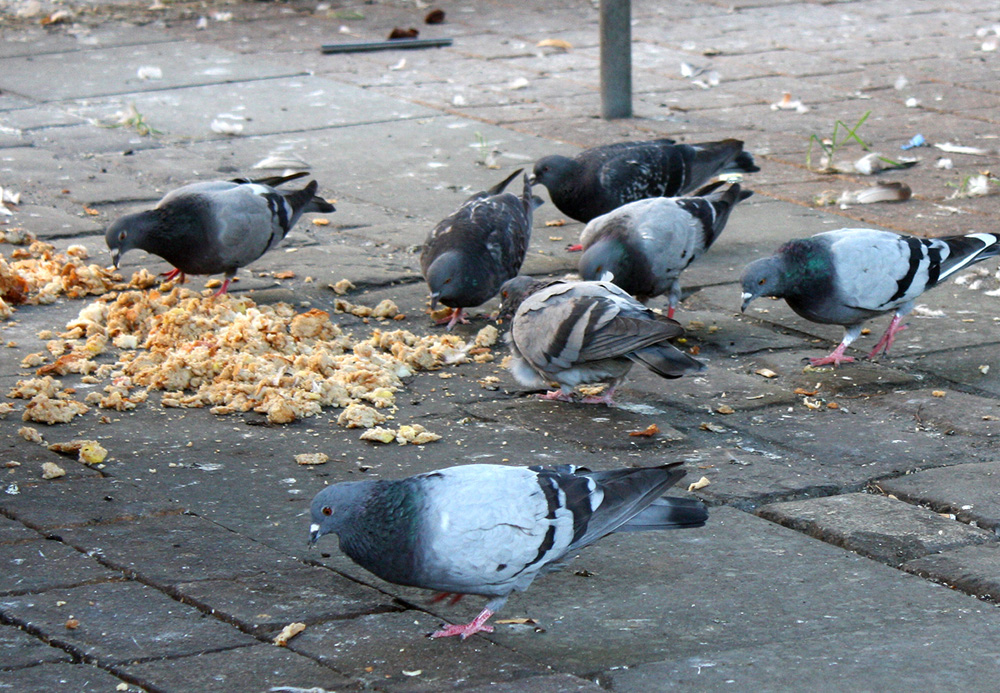
Don’t feed pigeons now (!!!)
Calls on social media channels to feed city pigeons due to alleged food shortages in the course of the corona virus lockdown are aimed in the wrong direction and are ultimately also harmful to the pigeons.
Feeding places that attracted virus-bearing, but also healthy pigeons, were a significant source of infection from non-infected pigeons, writes the health department.
And I mean…These peaceful animals are the product of human cruelty, and are distributed everywhere and with cruel methods.
In “normal” times they survived through leftovers in the cities.
But since the Corona quarantine, they have been suffering from hunger, and many have died miserably.
In Germany it is not allowed to feed them.
After all, it didn’t matter to us whether it was or not allowed, many activists fed the animals.
And now Switzerland suddenly comes up with the idea that the problem “pigeon feeding” with panic, fear and hatred among the population can be solved “otherwise” very well!!
And so the press announces solemnly a new epidemic!
This is how the media works hand in hand with liars and fraudsters in politics.
If some compassionate people continue to feed the pigeons despite fines, threats and bullying then only the panic method helps to stop them.
This method is known, has been tested and found to be good:
create an epidemic and so you have everyone in your power.
Posted on April 24, 2020 by Serbian Animals Voice (SAV)
A factory farm near Wieckowice in Poland, owned by US pork giant Smithfield Foods, the biggest pig factory farming corporation in the world, has been infected with African Swine Fever. The Guardian reported on 8th April 2020 that over 10,000 piglets on the farm would be culled.
I went to Wieckowice to film my (2009) Channel 4 documentary Pig Business where I met local residents and workers suffering from respiratory, neural and intestinal diseases because of toxic emissions from this very same pig factory that has closed today. I climbed factory farm perimeter fences to film suffering pigs and interviewed Smithfield Foods’ US lawyer and local directors, EU bankers and EU bureaucrats to hear their excuses for their destruction of rural culture, health and economies.
Meanwhile on 16 April 2020, 700+ workers at a Smithfield Foods processing plant in South Dakota, were tested positive for COVID-19, representing 55% of all confirmed cases in the state.
In this uncensored version of the 2009 film Pig Business you will hear pork processing workers describing their cramped, dangerous and unsanitary conditions in Smithfield’s slaughter and packing plant at Tar Heel, North Carolina. Though most of the meat is now sent to China and the workers have union representation, most of the workers are undocumented migrants whose rights are undermined. So it is not surprising that during this pandemic Tar Heel is still open and slaughtering 34,000 pigs per day.
In 2009, the censored version of Pig Business was broadcast by Channel 4. We have now posted the uncensored film that includes footage of local doctors, workers and of Robert F Kennedy Jr that had to be taken out of the Channel 4 broadcast version because of threats of defamation from Smithfield Foods.
The competitive imperative for livestock farms to ‘get big or get out of the industry’ is threatening the health of people, animals and ecosystems around the world. What hope of curbing the possible vector of viruses in the UK if pig and poultry factory farms continue to grow ever bigger?
The launch of the Pig Business, The Full Tail – an uncensored version of Pig Business (2009) comes as US pork giant Smithfield Foods – featured in the documentary – slaughters 10,000 pigs stricken with African Swine Fever in a factory farm in Poland, and closes its packing facility in South Dakota where 700+ workers tested positive for COVID-19. Where Smithfield Foods sowed bad karma of cruel treatment of pigs and sick workers and neighbours, so they now reap the consequences.
When I first heard about the outbreak of COVID-19, one emotion I didn’t feel was surprise.
No measures were taken to prevent the root cause of swine flu, mad cow disease and avian flu, and so it was only a matter of time before some new and deadly disease spread from animals to humans. This time it is COVID-19. Many scientists are again suggesting that the pig and poultry industries could be the vectors of the disease in its passage from bats to humans. So, instead of our governments only investing in cures and vaccines, we urgently need to prevent the outbreaks of zoonotic diseases by ending factory farming.
My film Pig Business, exposes the true costs of the corporate takeover of the pig industry focusing on US pig giant Smithfield Foods’ invasion of Poland. It was broadcast on Channel 4 in 2009, during the global pandemic H1N1 (swine flu) that killed approximately 253,000 people worldwide, though some sources report much higher.
Smithfield Foods’ takeover of pig farming and processing in Poland has come home to haunt it. They were in the headlines earlier this month when African Swine Fever struck their factory pig farm in Wieckowice, Poland, 93 miles from the German border, and all 10,000 piglets had to be slaughtered.
A week later, Smithfield was in the news again when their packing plant in S. Dakota was closed due to a staggering 700+ confirmed COVID-19 cases among Smithfield employees and people associated with them. Smithfield-related infections account for 55% of the caseload in the state.
My film tells the story of neighbours living near the US-based (and now Chinese owned), Smithfield Foods, the world’s biggest pork producer, that had expanded into Poland in the late 1990’s thanks to a favourable loan from the European Bank for Reconstruction and Development. Imported pork began flooding the Polish, European and UK markets undermining local smaller scale farms. Smithfield Foods pork is only cheaper because they are raised in cruel overcrowded and unhealthy conditions with hundreds of thousands of tons of waste polluting the surrounding countryside.
Pigs are raised in unhealthy, stressful conditions that cause such suffering to the animals that they have to be given prophylactic antibiotics to keep them alive. The sheds become a breeding ground for antibiotic resistant diseases that form part of the toxic brew, including ammonia, hydrogen sulphide from biodegrading faeces, that threatens the health of both workers and neighbours with respiratory, neural and intestinal diseases.
To compete with this global race to the bottom, EU and UK pig farms are still expanding and externalising their true costs, or facing bankruptcy.
When the BBC World rejected the film, Pig Business for fear of litigation, Channel 4 agreed to air it. But when Smithfield got wind of it in 2008, they instructed a London lawyer to threaten Channel 4 with a libel action if they dared go ahead with the broadcast. Channel 4 hired a specialist libel lawyer to alter the film to ensure it was protected from the very corporate-friendly libel laws that prevailed in the UK at the time. In 2013 the law was changed so that now a profit-making entity must prove serious financial loss before it can sue for damages.
Though Channel 4 did broadcast the film, Smithfield’s threats to sue them resulted in scores of important testimonials being removed. I am now publishing the Pig Business ‘The Full Tail – uncensored version’ film that contains those powerful extracts as they are as relevant today as they were back in 2009. The arrival of African Swine Fever in their farm in Poland and the rates of COVID-19 in their processing house proves that their dangerous businesses practices have not changed despite the suffering and diseases that locals have complained about for decades.
Below are some of the statements that have returned into the Director’s cut.
Polish Minister for Agriculture; ‘Often they try to keep the inspectors out of the farms altogether. The owners use various legal loopholes and tricks……to stop vets entering the farms’
Why was this removed? In a libel court in the UK we would have to prove that this happened repeatedly and on specific farms on specific dates’
Smithfield former farm worker; ‘The doctor asked where I worked before… and I said on the pig farm… He said I simply breathed all those fumes and my lungs couldn’t cope. He said my lungs had shrunk day by day. I’ve damaged my lungs and there was no cure.’
‘When there was an inspection, we were told to remove all the treatment charts and when they’d gone we hung them up again. If the inspectors should ask us questions we were instructed to say we were only cleaners…and that the vet was doing all the treatment not us.’
Why was this removed? No workers were allowed to be used in the film
Smithfield former farm worker ‘Most people are sick but hide it for fear of losing their jobs. They come from local villages. The problem is the microclimate… which contains concentrated… hydrogen, sulphate, nitrogen… and other poisonous substances.’
‘…because of the large amount of pigs, we found many sick pigs during our routine rounds, so we would give medicines all the time”
Why was this removed? No workers were allowed to be in the film. Smithfield might argue that we cannot prove specific cases with medical records, although 25%-30% of factory pig farm workers suffer permanent lung damage.
Neighbour of the Wiekowice pig factory; ‘The gasses from the farm have been tested. A certified company called Atma conducted the research. This was paid for by the county mayor. The results showed the pollution was up to 30 times above the recommended guidelines’.
Why was this removed? They had to be able to prove that these gasses are emitted every day.
Each day’s test cost £1,100 so the local mayor could only afford one test
Robert F Kennedy Jr: ‘They can’t raise hogs with this kind of cruelty unless they give them lots of antibiotics, sub-therapeutic antibiotics. The United States dept of agriculture just made a study that said that every one of these facilities puts out 1 billion antibiotic-resistant bacteria every day that crosses the property line and threatens the health of people who live down-wind of those facilities and the herds of animals that live down-wind of those facilities’.
‘They can’t produce a pork chop cheaper than a family farmer without breaking the law.’
Why was this removed? Can’t use Robert Kennedy unless he is speaking in the senate
With global trade, pig farming has to compete with global ‘vertically integrated’ giants like Smithfield Foods that own both pig production and processing to reap the profit from the entire system. Their monopoly enables them to push down the prices of pork and so bankrupt independent pig producers and their contract farmers and externalise their true polluting costs onto the broader community. Local diseases are now proving to be global. The power is in our hands. We can prevent these diseases by only buying meat from local small scale family farms where animals are treated as sentient beings not industrial raw materials.
The good karma of only eating meat with a high welfare label will reap the reward of less animal-to -human diseases. The health of our animals is integral to our own survival. Look for the high welfare labels RSPCA Assured, Free Range or best of all, Organic or go direct to your farmer via farmers market, websites like Big Barn or your local box delivery scheme to find high welfare. Please sign and share our petition asking the government not to sign a trade deal with the US that allows imports of pork raised in conditions that are illegal in the UK.
Posted on April 24, 2020 by Serbian Animals Voice (SAV)
Hi Mark,
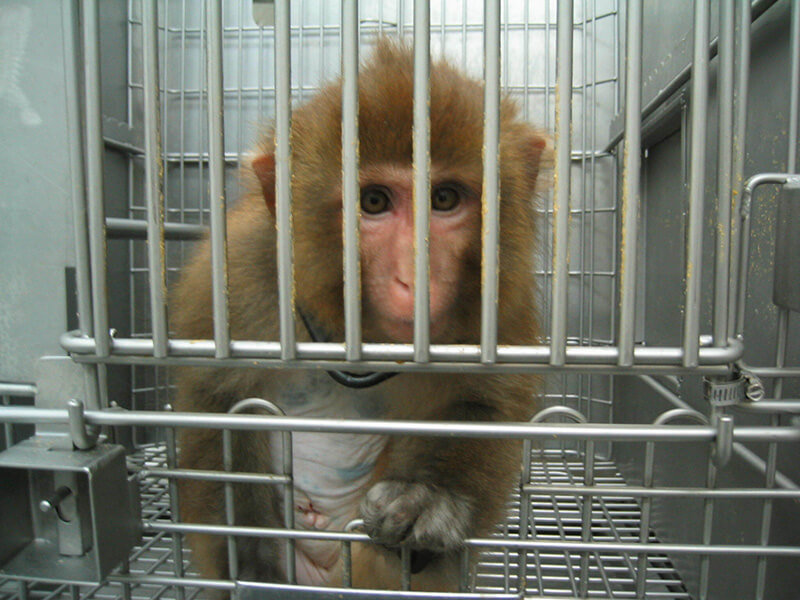
Unable to hold a real protest because of restrictions on social gatherings, PETA is staging a march by an army of adorable animal figurines against a backdrop of the Houses of Parliament today to mark World Day for Animals in Laboratories.
Our tiny protesters are calling on the government to commit to ending all animal experiments and redirecting resources towards superior, non-animal methods – such as sophisticated tests using human cells and tissues and advanced computer-modelling techniques – which would benefit humans and animals alike.
Will you join us by adding your name to PETA’s petition?
European Union Directive 2010/63/EU on the protection of animals used for scientific purposes is clear – the EU’s ultimate objective is to replace all experiments on animals. Shamefully, Britain has yet to commit to this important goal in its own national legislation – and as the end of the Brexit transition period fast approaches, the UK government is running out of time.
Over 90 per cent of drug trials in humans fail, even though the drugs have already passed experiments on animals. The problem is that the differences between species are so vast that results in animals are, at best, a very poor approximation of what will happen in humans or, at worst, dangerously misleading. A paradigm shift away from all studies using animals is needed. The government must create a clear strategy and timeline for replacing animals used in experiments. With greater investment in animal-free science and bold policy initiatives, far more promising cures and treatments for humans as well as more effective and reliable methods for toxicity assessment can be developed.
Please sign our petition to the Home Office; Department of Business, Energy and Industrial Strategy; and Department of Health and Social Care.
Urge the Government to Commit to Ending All Experiments on Animals
To: Home Office; Department of Business, Energy and Industrial Strategy; and Department of Health and Social Care
Please commit to the EU’s final goal of fully replacing the use of animals in scientific procedures to ensure that the UK is not left behind – in either animal-welfare standards or scientific innovation – in the wake of Brexit. Although EU Directive 2010/63/EU (the Directive) has been transposed into the Animals (Scientific Procedures) Act 1986, the UK has not formally adopted the EU’s ultimate goal of replacing the use of animals in scientific procedures, as reflected in Recital 10 of the Directive. We, the undersigned, respectfully request that the government take this official step immediately, establishing a clear policy within a legislative framework, mandating an end to experimentation on animals, and providing a clear strategy and timeline for achieving this goal. Redirecting funding away from unreliable and unethical tests on animals and instead investing in superior, non-animal methods will benefit humans, animals, and the future of science in the UK.












 Serbian Animals Voice (SAV)