Posted on April 24, 2020 by Serbian Animals Voice (SAV)
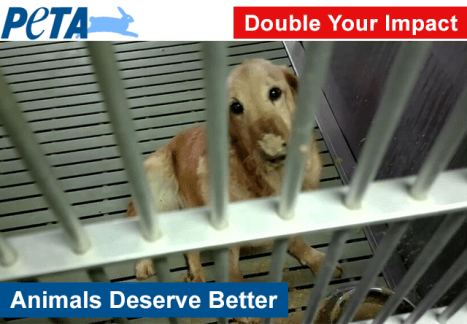
Cannoli, a sweet and healthy golden retriever, should be enjoying comfort and safety with a loving family right now.
Instead, he’s languishing in a laboratory cage—even though Texas A&M University (TAMU) has temporarily closed because of the COVID-19 pandemic and sent students home to their families.
After a determined PETA campaign led TAMU to announce last year that it had stopped breeding dogs to be tormented in painful, pointless canine muscular dystrophy (MD) experiments, Cannoli was made available for adoption. But now he’s been taken off the list and transferred to another laboratory, where his suffering will continue.
Experimenters have been confining dogs with debilitating canine MD to barren cages and tormenting them in painful tests for more than three decades—which hasn’t yielded a single treatment that reverses symptoms of MD in humans.
Crude, cruel tests on animals waste lives and resources when researchers should be focusing on actually helping humans, and now, even the most stubborn companies, institutions, and government agencies are finally changing their tune. For example, the National Institutes of Health has taken a potential COVID-19 vaccine straight to human trials—without waiting for a lengthy animal-testing phase, paving the way for cruelty-free research in the future.
PETA is leading the charge to spare dogs horrible lives in laboratories and breeding mills, end crude “fright” experiments on monkeys, stop the terrifying forced swim test on mice, and promote the development and use of animal-friendly, human-relevant testing methods and technology.
When we started our campaign against canine MD experiments, TAMU experimenters had nearly 100 dogs in their clutches and were intentionally breeding them to develop symptoms of the disease. Today, after our determined online activism, our demonstrations, our lawsuits, the help of MD patients and 500 physicians, and more, the school has ended its breeding program, and fewer than 30 dogs are still suffering there. We’re making huge progress—but we must keep pushing to cross the finish line, because TAMU is still treating Cannoli and dozens of others like disposable lab equipment rather than the sensitive individuals they are. Animals deserve better.
Donation Link –
Filed under: GENERAL NEWS - International / National / Regional | Leave a comment »
Posted on April 23, 2020 by Serbian Animals Voice (SAV)
on the day of the laboratory animals, April 24, 2020
We will not be silenced.
We will not stop fighting for the animals 💚

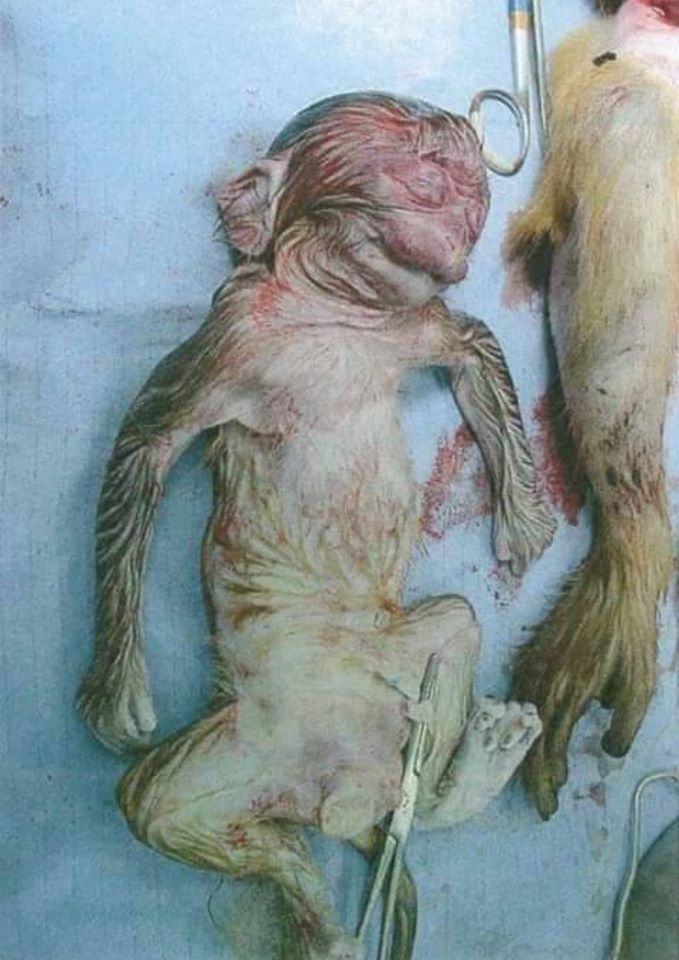
His mother was poisoned with chemicals while she was pregnant.
Then he was cut out of the mother to investigate how these chemicals affect the unborn baby.
With what right does man take such cruelty towards his fellow creatures.
STOP ANIMAL TESTING IMMEDIATELY AND FOREVER!
My best regards to all, Venus
Filed under: GENERAL NEWS - International / National / Regional | Leave a comment »
Posted on April 23, 2020 by Serbian Animals Voice (SAV)
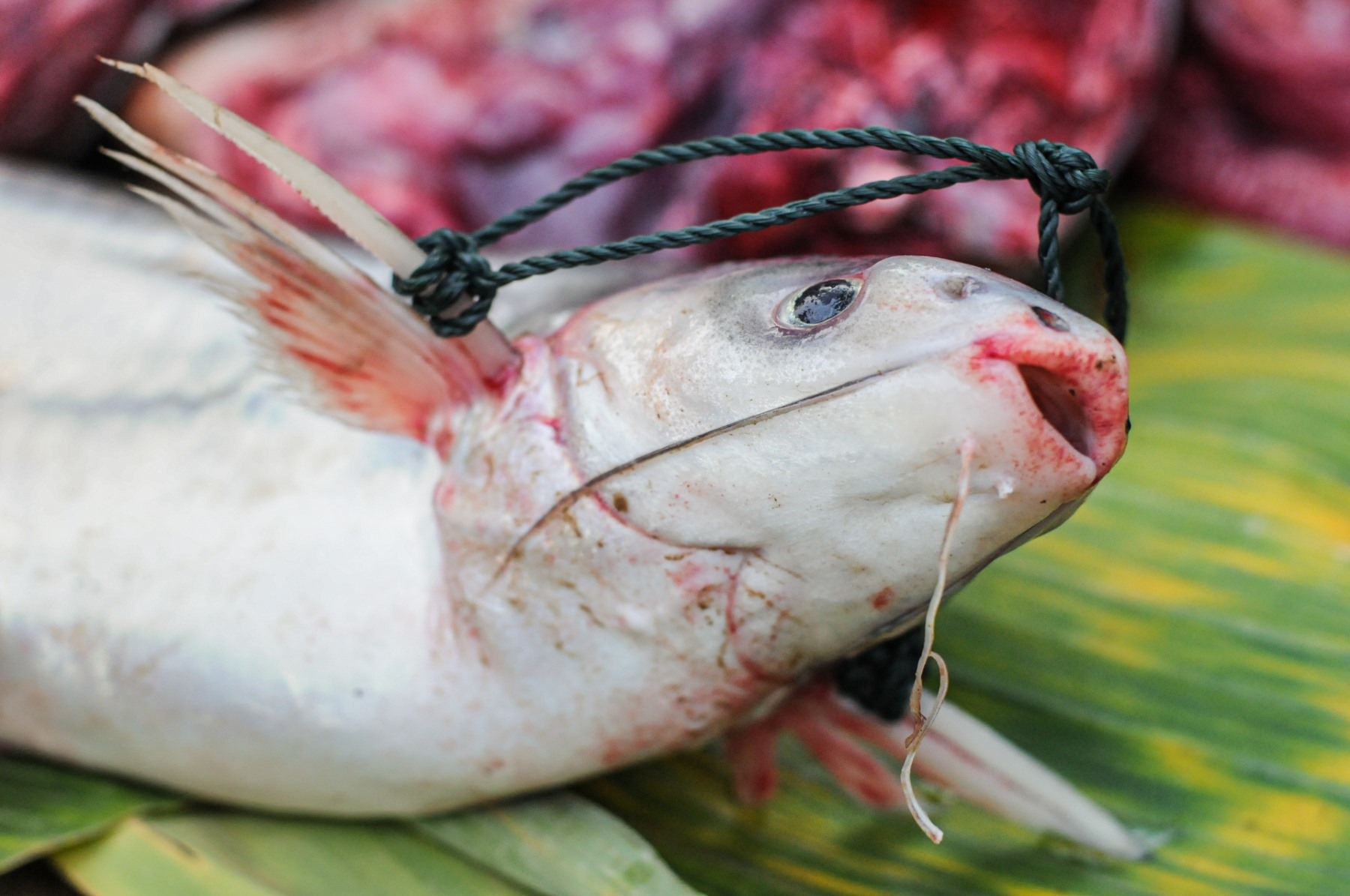
Worldwide, 1,500 billion fish are caught each year, which is more than all other animals combined. In Germany alone there are 978,000 tons per year, including mainly herring, mackerel, shrimp and cod.
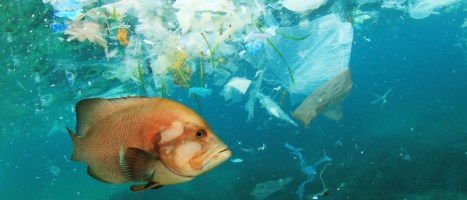
Although fish are the most often killed “farm animal” worldwide, there is an exception for them in the animal protection slaughter regulation, as a result of which they must suffer unnecessarily.
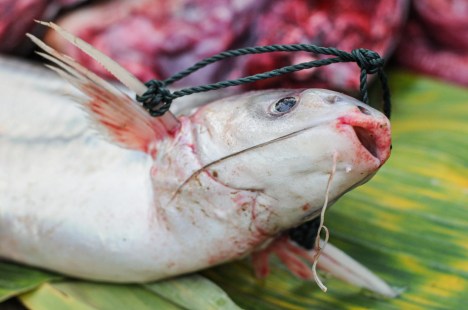
In practice, this means that many animals suffocate slowly and painfully. In some cases, they are still cut open and gutted.
The suffering of the fish receives little attention.
We encounter images of abused dogs, anxious mice in test laboratories or the fear-filled eyes of a mink on a fur farm almost every day on video platforms, websites or on social networks.
But the hundred million fish cause less outrage. In his new book “What A Fish Knows”, the ethologist Jonathan Balcome addresses this controversy: “Fish live below our surface of perception and so we do not perceive the suffering of the animals. They practically swim under our radar.“
How we deal with fish is not just irresponsible for the author.
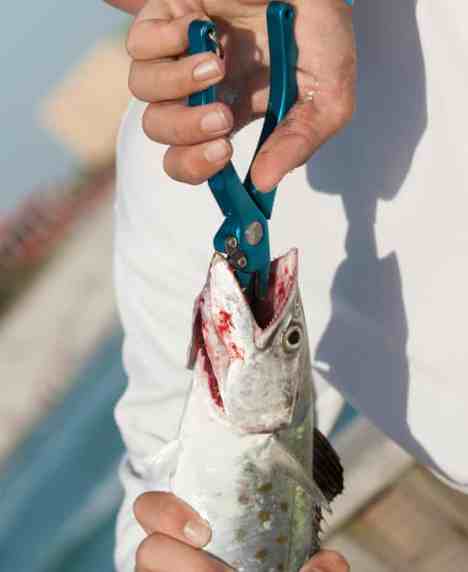
They often die through a loophole in the law without protective measures for stunning and slaughter.
The problem: The fish is a largely unexplored living being and there is no consensus about the pain sensation of the animals.
A large number of studies have shown that the animal is able to feel pain like any other living being. These state that fish carry out complex thinking processes and their blood pressure and pulse would increase immensely under stress.
In addition, the animals are social and trust their peers and prefer individual members of their flock.
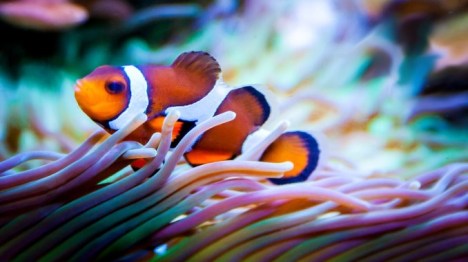
Other studies judge that this is not the case and that the animals do not share our feeling of pain. Because there is no clear state of science, the paragraph in the Animal Welfare Slaughter Ordinance plays such a big role in animal welfare for fish.
So it says in paragraph 1, paragraph 3, number 4:
” The provisions of this ordinance do not apply to large-scale catches of fish, provided that, according to the state of the art, stunning is either not possible or would only be possible with a disproportionate amount of effort “. (see »gesetze-im-internet.de/bundesrecht/tierschlv_2013/otal. pdf).
In commercial fishing, this paragraph is always interpreted to the detriment of fish.
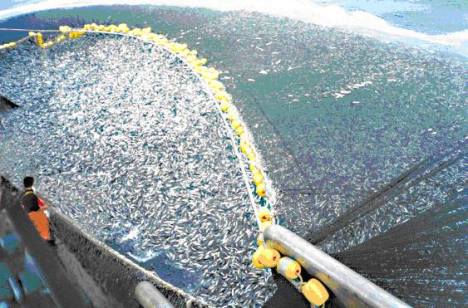
The last agonizing minutes in a fish’s life!
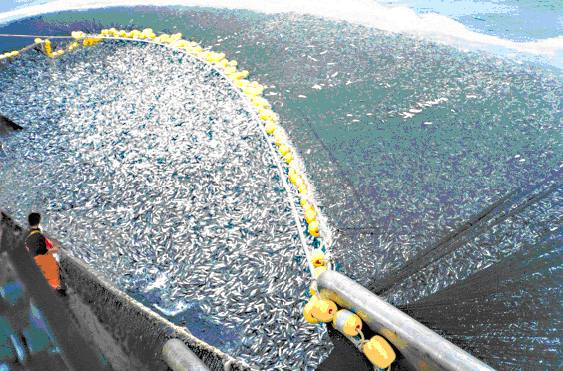
Overall, more than a billion fish and crustaceans are caught in commercial fishing worldwide every year, according to Fish Count, a UK organization. The German fleet alone is lined up with 219,001 tonnes from the seas every year – herring, small pelagic species, mackerel, shrimp and cod are the main victims in this country.
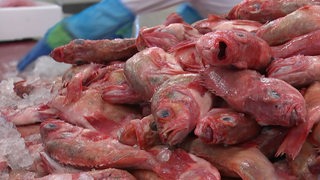
The bodies of the animals are ruthlessly crushed in the nets. Fish that are higher up in the nets suffocate in the air as no anesthetic is required. Some of those who survived the transport of water on board are still processed alive. Other fish are stored and prepared in a state between chilled and still alive.
My comment: 80 percent of the fish on the German market is imported. A third of this comes from illegal fishing.
They are caught in huge nets on the open sea. If they are pulled out of the water, they suffer a painful reduction in pressure. The swim bladder burst and the eyes gush out of the caves due to the enormous internal pressure. Many fish are still alive when cut and gutted.
But the fish also suffer beyond the mass catch. During the fishing process, fish inevitably experience pain, stress and fear of death if they get caught in the hook, are pulled out of the water and are suffocated or gutted while alive.
There are about five million recreational anglers in Germany.
In principle, they are not allowed to kill the animals just for fun without the so-called intention to sell them, but practices that are contrary to animal welfare, such as fishing or “catch and release”, are practiced in disguise.
Prohibitions of particularly cruel fishing methods in the fisheries laws and regulations of the countries do not help if surveillance on lonely shores and on commercial fishing ponds is not possible.
Since 2018 it has been possible to catch fish in EU waters with electricity: electric fishing uses nets with small electrodes attached to them.
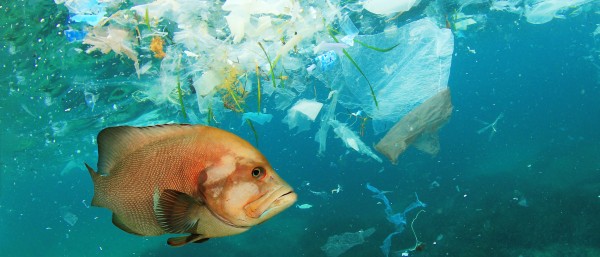
Fishing is an insane cruelty to animals. Thanks to overfishing, there will probably be more plastic than fish in the oceans by 2050.
In the meantime, the oceans have become so polluted and poisoned that fish are considered to be harmful to health.
The only positive thing about overfishing: once all fish have been murdered, none can be barbarously tortured.
My best regards to all, Venus
Filed under: GENERAL NEWS - International / National / Regional | Leave a comment »
Posted on April 22, 2020 by Serbian Animals Voice (SAV)
Posted on April 22, 2020 by Serbian Animals Voice (SAV)
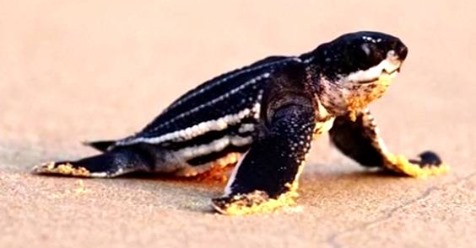
Thailand: Rare turtle babies hatch in record numbers thanks to corona measures.
There haven’t been that many in over 20 years.
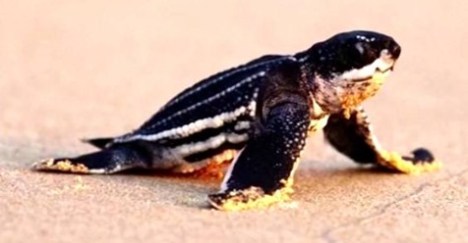
According to media, in Thailand the curfew should continue for a while.
Perhaps we should consider not only extending the ban on human animals, but also protecting the animal-friendly virus.
Regards and a good night from Venus
Filed under: GENERAL NEWS - International / National / Regional | Leave a comment »
Posted on April 22, 2020 by Serbian Animals Voice (SAV)

We are guests on this planet, not its masters.
My best regards to all, Venus
Filed under: GENERAL NEWS - International / National / Regional | Leave a comment »
Posted on April 22, 2020 by Serbian Animals Voice (SAV)
A “Silent Animal Welfare Tsunami” Could Be Coming for Australia’s Horses!

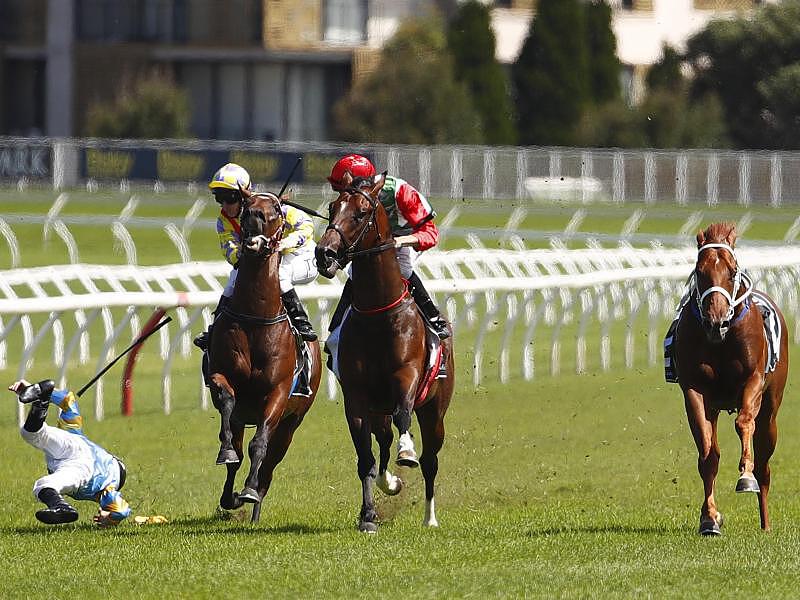
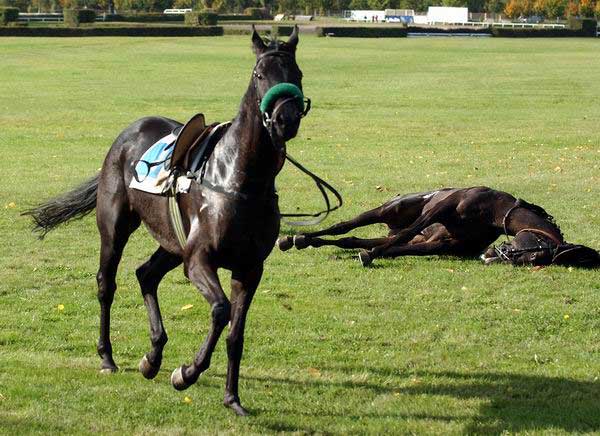
The sport of horse racing is the epitome of cruelty. Constantly injured, horses are forced to race on half-treated wounds as handlers slash recovery times in order to squeeze every last penny out of the poor animals.
Many are pumped full of painkillers to keep them going through otherwise insurmountable pain and exhaustion.

When, inevitably, their bodies give up, their racing potential completely depleted, the horses are mercilessly euthanized. After all, the mindset goes, if they aren’t making humans any money, why keep them alive?
So, the news that Australia’s island state of Tasmania has banned all animal racing during the coronavirus pandemic should be cause for celebration. Well, not quite.
Sign on to demand that Racing Australia, the leading horse racing industry authority in Australia, ensure that all horses forced into temporary retirement due to the racing ban be protected, cared for, and kept alive!
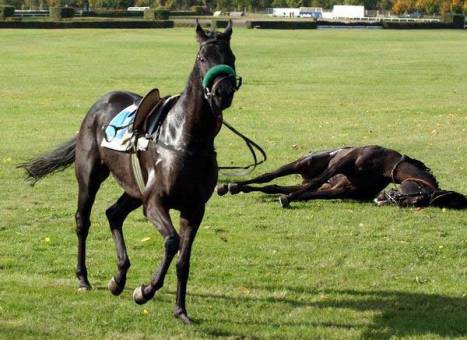
Tasmania temporarily outlawed horse racing in the face of COVID-19, the disease caused by the novel coronavirus. The virus is known to spread easily and rapidly in large gatherings of people, a fact that put horse racing and the huge crowds it draws on the chopping block.
Many believe that it is only a matter of time before the entire country of Australia bans the sport for the duration of the pandemic. But unfortunately, that does not mean the out-of-work racing horses will get a vacation.
Australia’s racing industry does not exactly have a clean record when it comes to how it treats its retired horses.
Last year, a racing company in Victoria came under fire when footage surfaced of race horses being shipped to slaughterhouses — a direct violation of Racing Australia’s Rules of Racing.

With an impending ban on racing in the entire country, some 20,000 horses’ lives are at risk. The industry that decides their fate has tunnel vision when it comes to profit.
What can we guess they will do when faced with caring for tens of thousands of horses, with their income temporarily suspended? If it were up to them, surely the slaughterhouses would fill up.
They must be held accountable for keeping these horses safe, happy, and healthy for the duration of this pandemic!
Please, help us protect these beautiful animals. Sign the petition today and let Racing Australia know they MUST prepare a plan to keep all racing horses alive while the sport is on hiatus!
My comment: I have long considered whether or not to post this petition.
Because the first question that arises is: Would the racehorse’s mafia deliberately destroy something worth $ 50,000 or more?
NO! They will not deliberately eliminate the horses.
Losing a good racehorse is a much greater loss for the company than the loss due to the cost of living for a horse during this 4 or 6 month break.
And the second thought was: The petition is trying to gain sympathy, but for the horse racing industry.
80,000 Signers require Racing Australia to keep their horses safe, happy and healthy during the corona.
This means indirectly that they would not mind that this criminal event, for which the animals often pay with their lives, can be preserved in the future. And once Corona is over, should these “safe”, “huppy” and “helth” animals continue to be abused and tortured to death?
Racehorses are not safe, not happy and certainly not healthy. Nowhere in the world, with or without corona.
Corona has us on its violence and all murderers, fraudsters, animal abusers from the animal industry (no matter of what kind), try to get compensation because they are currently not allowed to torture, exploit or abuse animals.
I wouldn’t be surprised if Australia’s races after 80,000 signatures asked for support from the Australian government.
Filed under: GENERAL NEWS - International / National / Regional | 1 Comment »










 Serbian Animals Voice (SAV)