Posted on April 28, 2020 by Serbian Animals Voice (SAV)
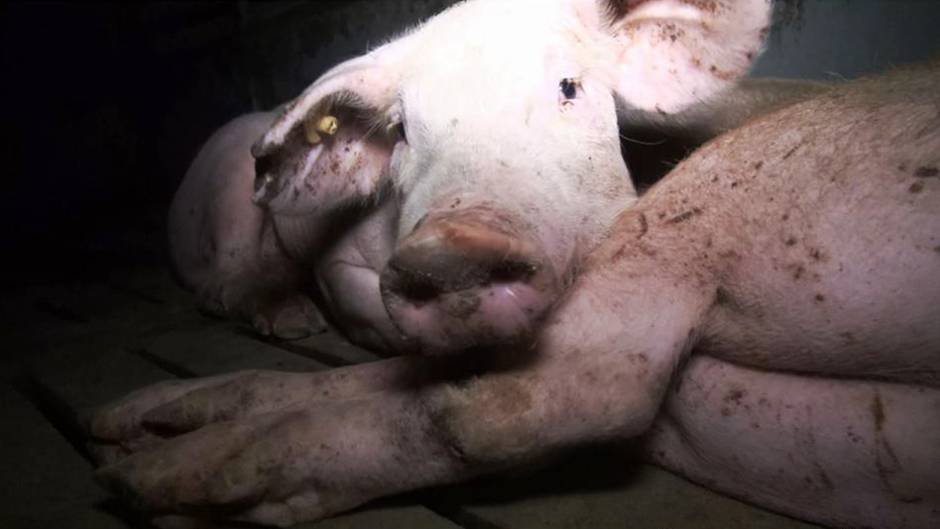
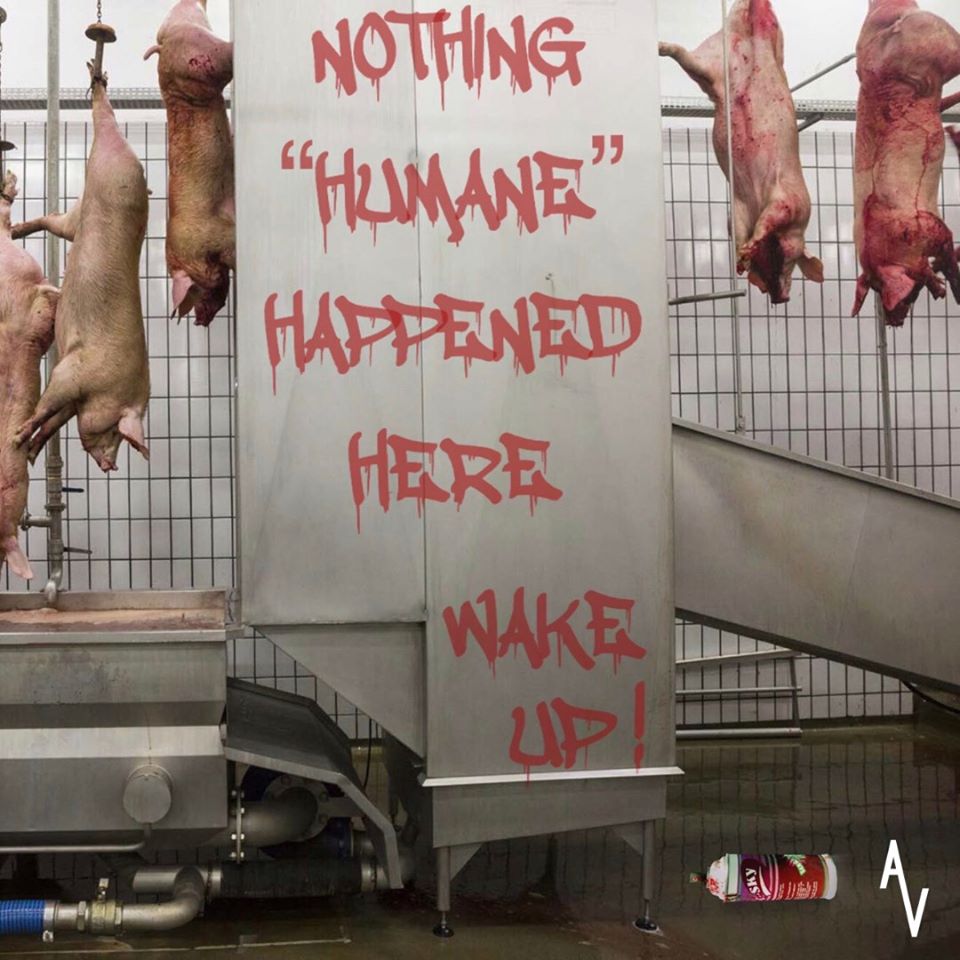
USDA inspector describes filth and mistreatment at “MODEL” high -speed- slaughterhouse
Inspector files sworn statement in support oflLegal challenge to pig slaughter deregulation.
Press release
Rochester, NY: A New Trump administration rule that largely deregulates pig slaughter operations will increase fecal contamination; diseased pigs being allowed for human consumption; toenails, hair and abscesses allowed into meat; and animal mistreatment, according to a new sworn statement by a federal slaughterhouse inspector.
The statement was filed in federal court late last Friday, April 10, in support of a lawsuit brought by seven animal and environmental protection organizations to challenge a U.S. Department of Agriculture (USDA) rule, and comes as slaughterhouses across the country shutter due to COVID-19 outbreaks, including Smithfield Foods’ Sioux Falls, South Dakota plant that is slated to increase line speeds and reduce federal oversight under the challenged rule.
The inspector, Jill Mauer, works inside Quality Pork Processors, a large Minnesota slaughterhouse that has served as a model for the USDA’s controversial move to reduce oversight of pig slaughter nationwide.
In December, the Animal Law Litigation Clinic at Lewis & Clark Law School filed a lawsuit challenging the rule in federal district court for the Western District of New York in Rochester.
The plaintiffs are Farm Sanctuary, Animal Equality,Animal Legal Defense Fund,Animal Outlook, Center for Biological Diversity, Mercy For Animals, and North Carolina Farmed Animal Save.
The Center for Biological Diversity and Earthrise Law Center at Lewis & Clark Law School serve as co-counsel in the case.
The USDA recently asked the court to dismiss the challenge, arguing that the rule’s harms are speculative—even though the agency itself determined that slaughterhouses responsible for 93% of pigs killed for food in the United States will take advantage of the rule, and will slaughter about 11.5 million more pigs annually.
In response, the plaintiffs on Friday fired back with a legal brief detailing why these harms are imminent. The brief was supported by a declaration from veteran USDA inspector Jill Mauer, which was obtained with the help of the whistleblower advocacy organization Government Accountability Project Food Integrity Campaign.
Mauer, who has worked under both the traditional inspection system and the deregulated system notes that under the deregulated system:
-Line speed increases consistently resulted in a greater number of hogs slaughtered daily and annually.
-Citations for fecal contamination have increased, exacerbating food safety concerns.
-Defects including toenails, hair, and abscesses are routinely allowed in meat intended for human consumption.
-Diseased pigs, including those with conditions that can trigger serious health problems in humans, have been allowed for human consumption.
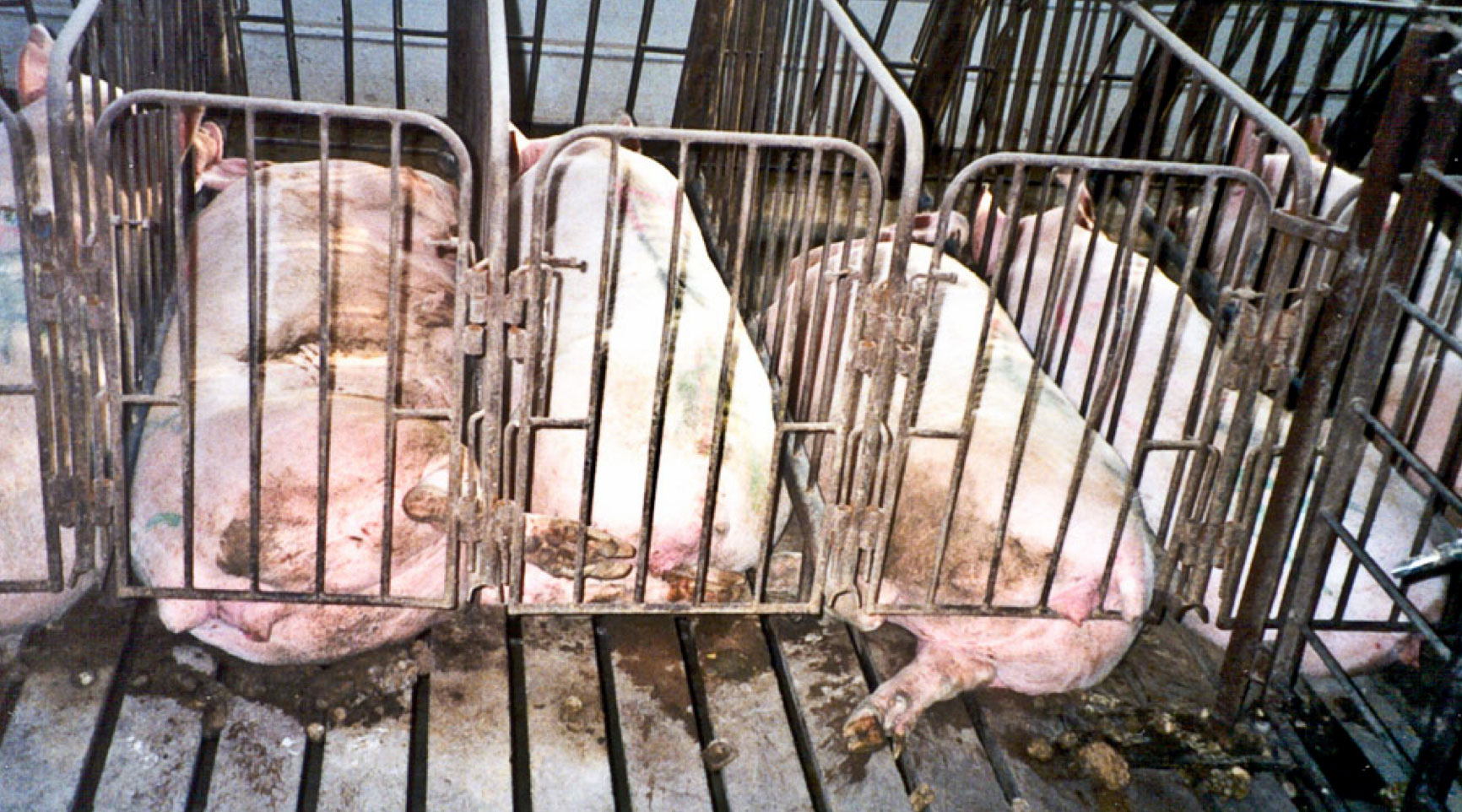
She has regularly observed pigs who were “driven to move faster than a normal walking speed, workers who have raised their paddles over their heads to strike the hogs, hogs vocalizing (a sign of stress) while moving, and heavy crowding of hogs.”
She has seen an increase in pig carcasses with scalding tank water in their lungs—an indication that they may have still been breathing when dropped in the tank.
The concerns set forth in her statement go beyond those that she expressed when featured on NBC late last year. “The conditions Ms. Mauer observed are straight out of a nightmare,” says Sarah Hanneken, legal counsel for plaintiff Animal Equality.
“But it isn’t a nightmare, it’s reality—a living nightmare for the animals and workers exploited at these facilities.”
As Delcianna Winders, who directs the Animal Law Litigation Clinic and, with her students, represents the plaintiffs, notes, “This inspector’s statement makes clear that this deregulatory rule sentences untold numbers of pigs to being beaten in an effort to keep pace with ever-increasing kill lines, and to have their throats slit and possibly even be boiled while still fully conscious. It also ensures that the number of potentially life-threatening pork products on the market will increase.”
“Ms. Mauer’s chilling observations of the increased harms to hogs and risks to human health drives home why this rule must be reversed,” said Hannah Connor, an attorney at the Center for Biological Diversity representing the plaintiffs. “Increasing slaughter line-speeds at these dangerous facilities will cause more animal suffering and pollution, degrade ecosystems, and speed the extinction crisis.”
Mauer’s attorney, Amanda Hitt of the Government Accountability Food Integrity campaign, added, “Jill is just the tip of the iceberg. Many more meat inspectors have reached out to my office echoing the same and more concerns about the new inspection system.”
The USDA has until April 24 to respond to this new filing.
My comment: Across the U.S., more than two-thirds of the water is contaminated with agricultural pollutants. Pig breeding in particular has skyrocketed in the past 25 years.
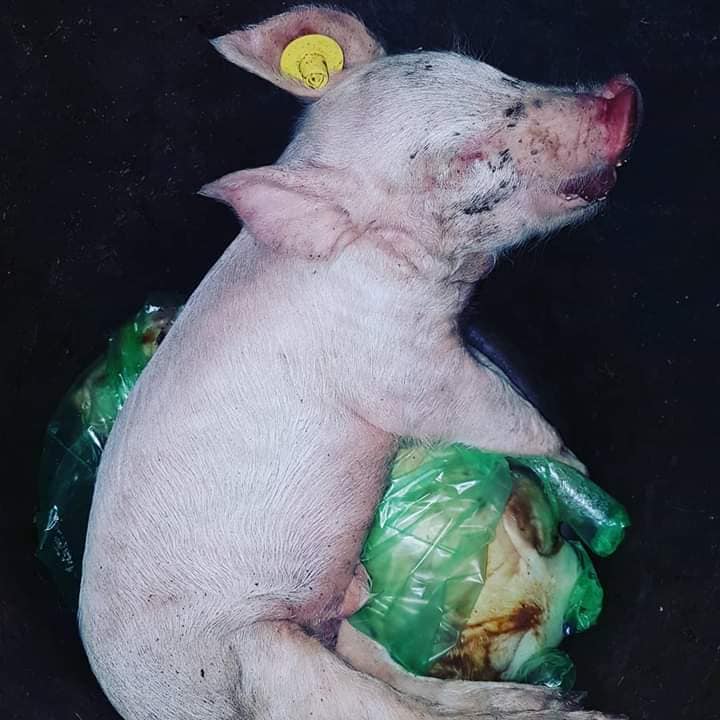
Female pigs are at their limit in the United States. On average, they have to give birth to 23 piglets a year. Their body can no longer withstand this. Sows mortality is increasing rapidly. It has almost doubled in the past three years!
Germany is the world’s third largest producer of pork – with 57 milion pigs in the year – after China and the USA.
As long as politics deliberately refuses to ban the production and trade of animal cruelty in factory farming, only the consumer can initiate change.
Those who boycott animal products and, instead of these, buy animal-friendly products damage the bloody business of traders and producers in the animal industry.
If no meat, milk and egg-containing products are eaten, the fewer animals are tortured (at least in the long term).
This is not even difficult, because today there is a wide range of animal-friendly and delicious plant-based products. They are now available in every supermarket.
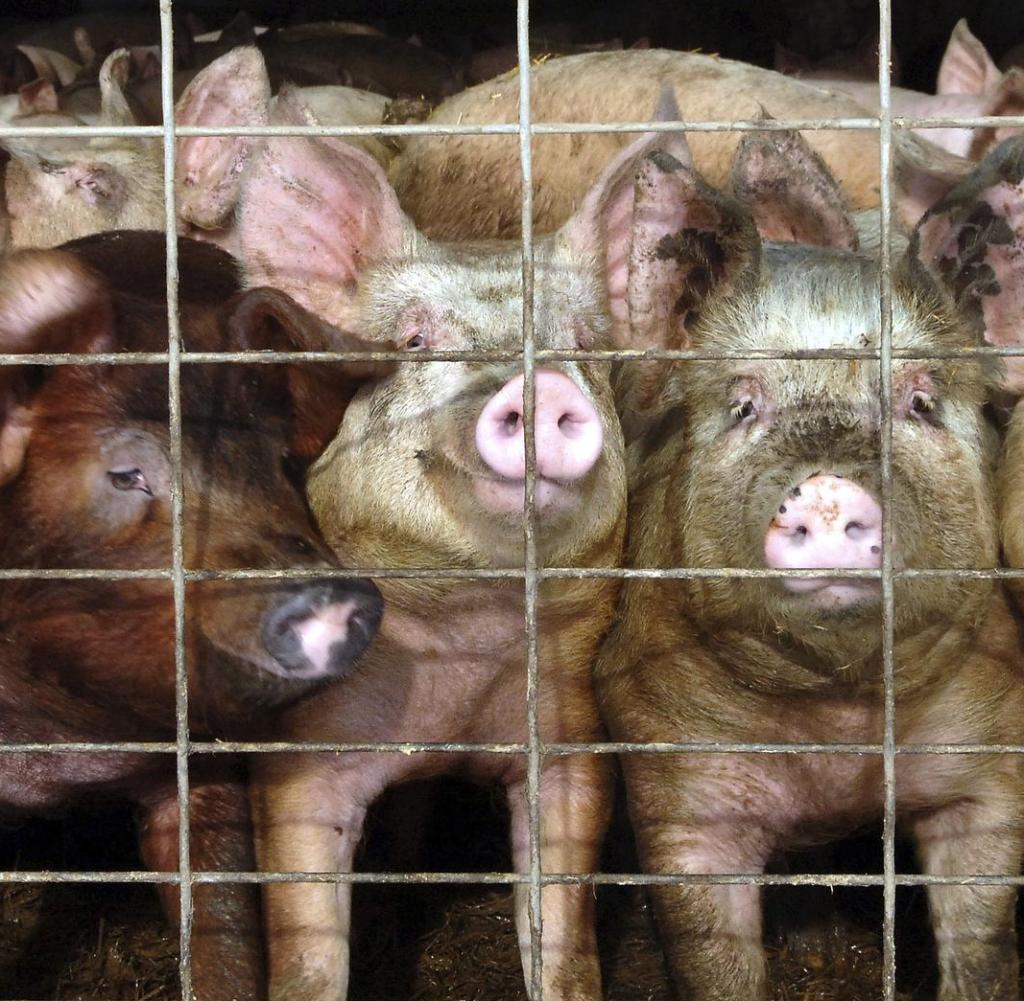
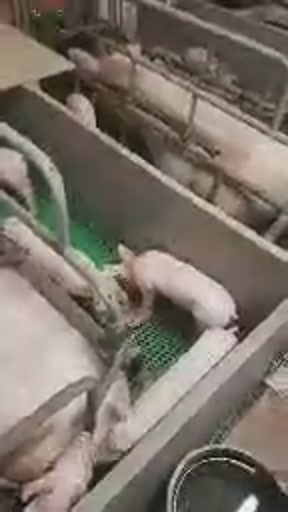
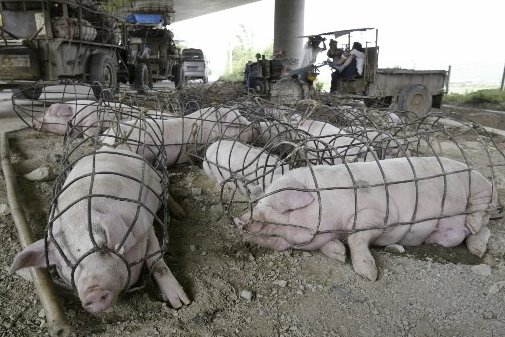
This picture is from 2007 and belongs to a report about a mysterious pig death in southern China:
“An unknown disease had killed hundreds of pigs at the time, the cages are indeed transport cages, probably to minimize contact”.
This is not how we, human animals, have been treated to minimize the risk of corona transmission.
Wherever in the world, animals have no rights and if epidemics like Corona break out among them, they are treated like a piece of shit.
Posted on April 27, 2020 by Serbian Animals Voice (SAV)
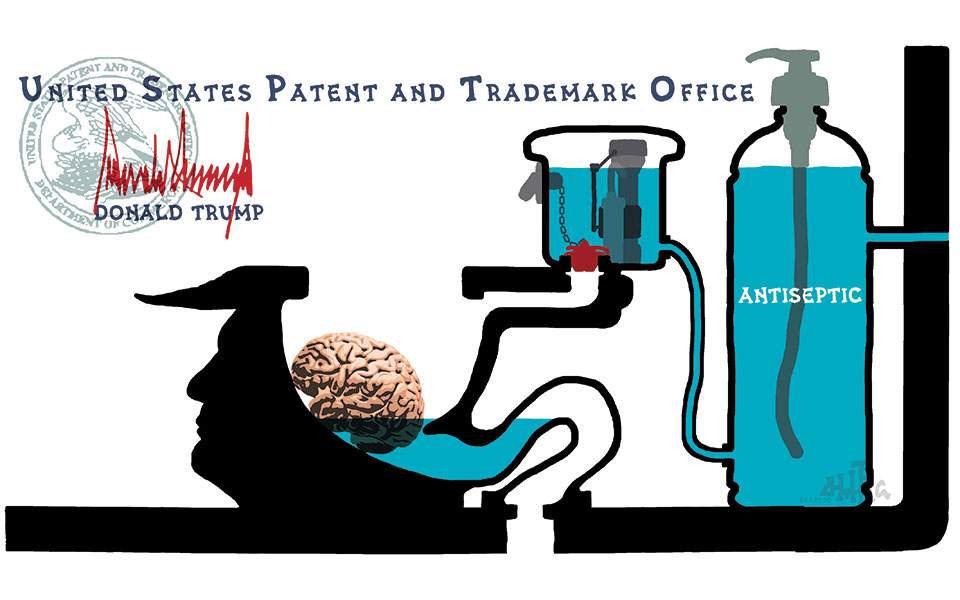
Update of April 26, 12:06 p.m .: More than 50,000 people in the USA have already died after being infected with the Cov2 virus.
Among other things, the Neue Zürcher Newspaper comments on Donald Trump’s current behavior: “Just now the US President says in front of the cameras that one should try to inject people with disinfectants. Maybe that will help. ”
We don’t comment on it.
We trust Trump that he tried it himself.
WAV Comment – Seems as if Bill has hit the nail on the head with everything that he covers in his video. People should really listen to this – and more importantly; move and do something to make the changes.
I received very good news today:
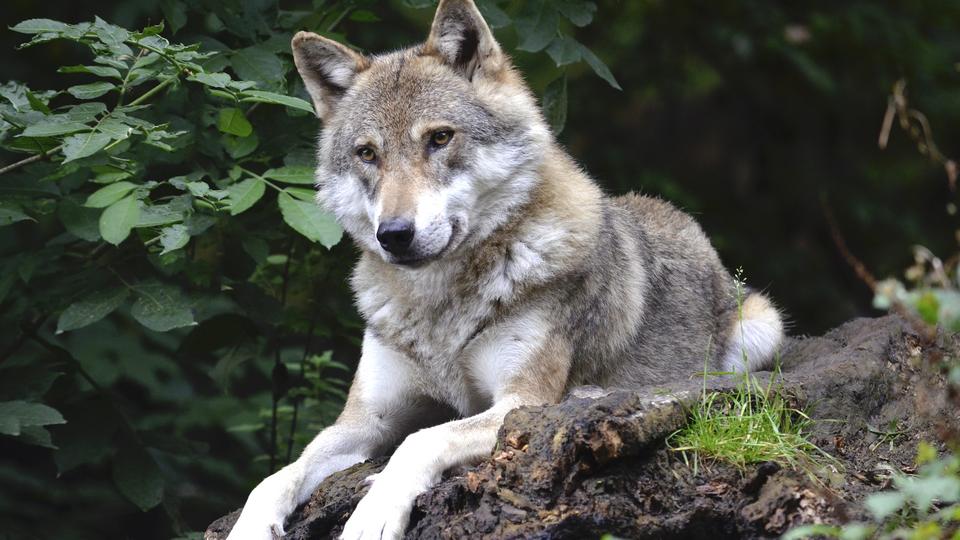
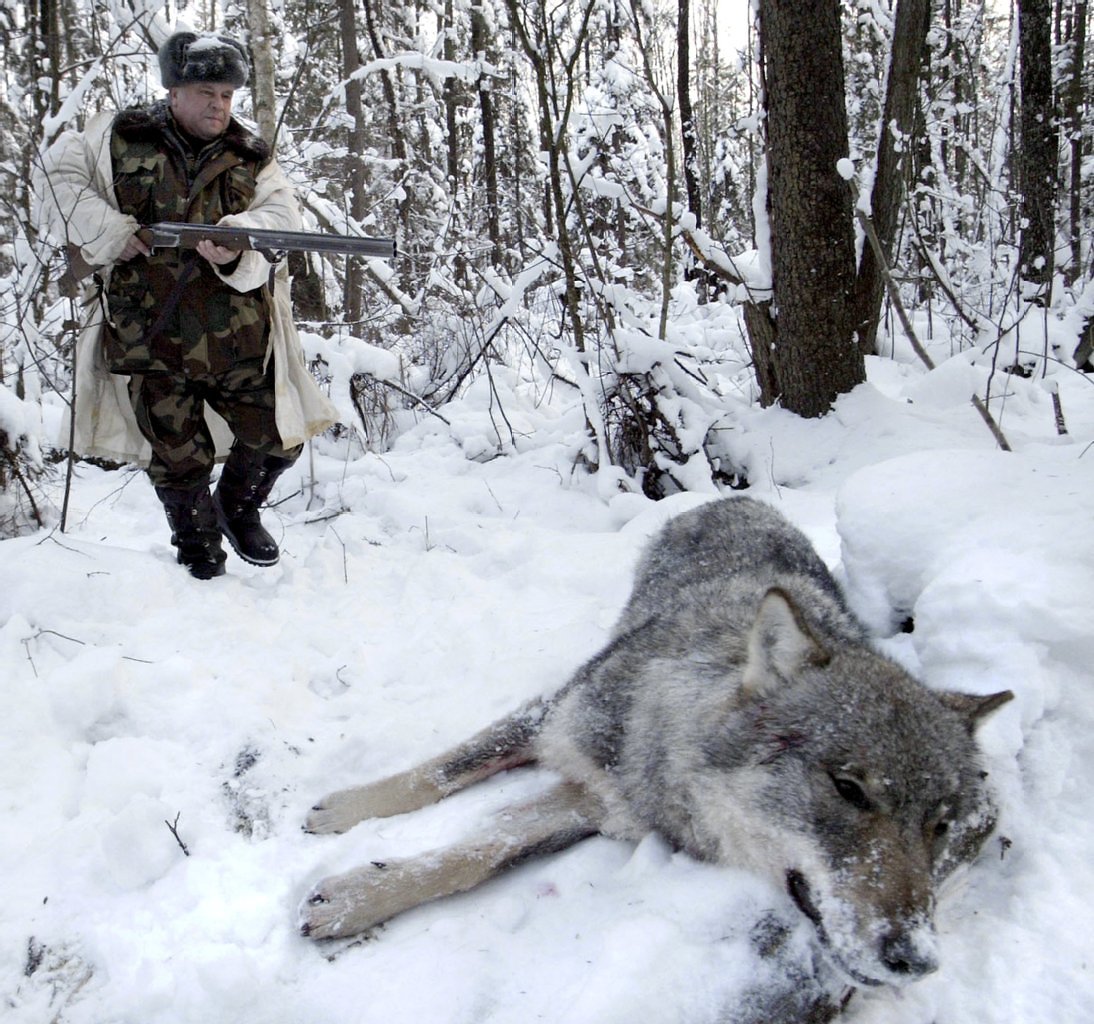
The North German Broadcasting(NDR) is reporting that no wolf is being shot in Lower Saxony for the time being.
Minister Lies is thus following a “request from the Lüneburg administrative court,” it says.
The Society for the Protection of the Wolf filed a lawsuit against this exception for the execution of the three animals in Lower Saxony and filed a complaint about the shooting of protected animals.
And I mean..Shortly before the decision to execute was made, the Federal Environment Ministry stated clearly and publicly: “The wolf remains strictly protected”!
Shortly afterwards and with a view of Lower Saxony came the press release that the three “problem wolves” are released for shooting.
The “exemptions” had been launched under pressure from farmers and hunters with “favorable” changes in the Federal Nature Conservation Act.
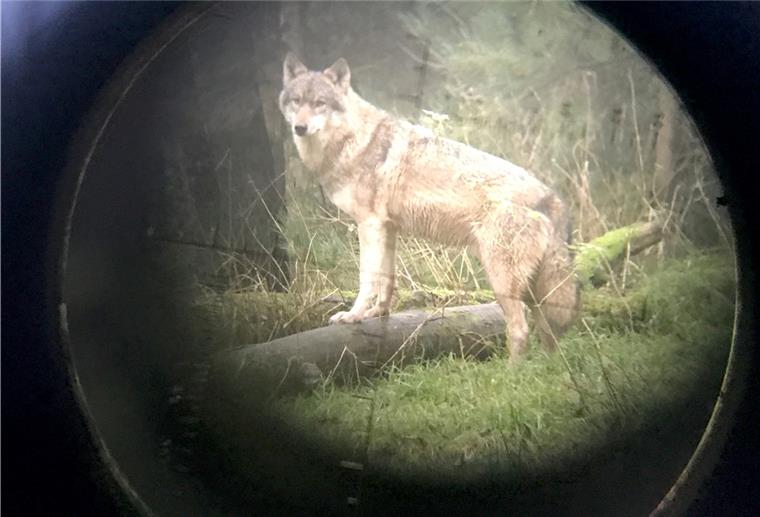
The Minister gave the argument that not just one but two wolf packs were involved in “multiple tears of (allegedly) adequately protected farm animals”.
IIt is so easy today to execute another animal if it tries to survive.
Farmers and corrupt politicians always find an excuse for this.
The farmers will slaughter their animals anyway and get compensation for any loss.
But as long as the farmers slaughter their animals for the money, that’s meat production.
If a wolf tears up a sheep, it is a problem wolf.
At least we won the fight for the lives of these three wolves this time.
We are very happy about it!!
AMSTERDAM (Reuters) – Two mink farms in the Netherlands have been put into quarantine after animals were found to be infected with the new coronavirus, the agriculture ministry said on Sunday, urging people to report any other likely cases in the animals.
The mink, which were tested after showing signs of having trouble breathing, were believed to have been infected by employees who had the virus, the ministry said in a statement.
The possibility that they could further spread the virus to humans or other animals on the farms was “minimal”, the ministry said, citing advice from national health authorities.
However movement of the ferret-like mammals and their manure was banned and the ministry said it was studying the outbreak carefully, including testing the air and soil. People were advised not to travel within 400 meters of the farms.
They were the first reported cases in animals in the Netherlands of the disease, which has been found in some pets and zoo animals around the world after spreading among people. [nL3N2CA4PU]
The towns where the farms are located, Germert-Bakel and Laarbeek, are both in the southern Noord Brabant province of the Netherlands which has seen the country’s worst coronavirus outbreak.
The mink are bred for their fur, which is sold in China, Korea, Greece and Turkey. After pressure from animal rights activists, the Dutch government banned new mink farms in 2013 and said existing ones would have to close by 2024.
The World Health Organization has said bats in China, where the new coronavirus emerged last year, were a likely reservoir of COVID-19 and that an intermediate animal host that is yet to be identified had then infected humans. [nL5N2C901F]
Coronavirus identified on two mink farms in the Netherlands
Covid-19 has been confirmed in mink at two fur farms in the Netherlands, the agriculture ministry confirmed on Sunday.
The animals were tested after developing a variety of symptoms including breathing difficulties and because there was a higher than normal death rate, the ministry said in a statement.
Officials decided to test the animals after several workers at the two farms were also found to have coronavirus symptoms, although they had not been tested for the disease.
The farms, with over 20,000 mink between them, are in Beek en Donk and in Milheeze, both of which are in Noord-Brabant, the epicentre of the Dutch outbreak and the heart of the Dutch mink industry.
The public health institute RIVM has sealed off an area some 400 metres around each farm to walkers and cyclists as a precautionary measure, while saying there is no risk that the virus could be spread to humans. However, air and other samples are being take to check if the virus is spreading and to find out more about it has moved among the animals themselves.
‘There are currently no indications that pets or farm animals have a role in spreading Covid-19,’ the ministry said.
Farm minister Carola Schouten has introduced a reporting requirement for all mink farmers and vets, which means any suspicious illnesses must be reported to the authorities.
According to the ministry statement ‘earlier research’ has shown that ferret-like animals such as mink are susceptible to coronavirus infections.
There have been a few other reported cases of coronavirus in animals, including a tiger in New York and two cats in Hong Kong.
According to Wageningen University, coronaviruses do occur in various animal species but these are different strains to Covid-19, mostly species-specific and non-zoonotic – which means they cannot be transferred to humans.
Fur farming
The Netherlands introduced a ban on fur farming in 2013 which includes an 11-year changeover period and Noord-Brabant is the centre of the Dutch industry.
In 2016, the Netherlands had some 160 fur farms producing five million pelts a year and the country was the third biggest fur farming nation in the world behind Denmark and China.
Posted on April 26, 2020 by Serbian Animals Voice (SAV)
Received anonymously from Unoffensive Animal:
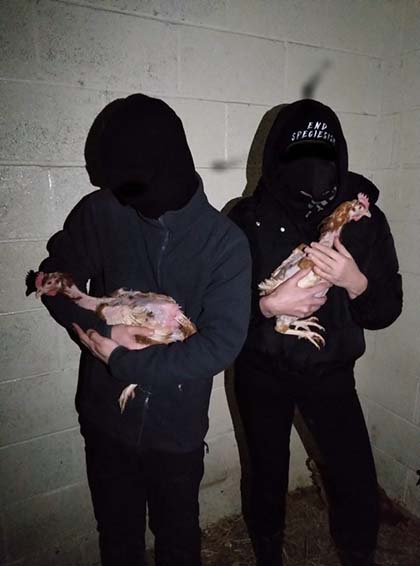
After extensive planning using satellite imagery, we had located some barns typical of egg farms in Derbyshire, UK. For this location, we had to park on a country road and cross many fields by foot.
After reaching the target, we figured out the best point of entry, and 2 climbed in whilst one stayed outside as lookout.
As two of us jumped through the hatch, inside the shed our breath was taken away by the overwhelming stench of ammonia. We were shocked at the poor state of those birds… we’d never seen such pitiful looking chickens – they were naked and thin.
One of us scooped up the birds quickly whilst the other arranged them comfortably in the carriers. When the carriers were full my mate called ‘that’s it’… ‘one more!’ I replied, unable to bring myself to leave them, I grabbed the saddest looking chicken and we left with 32.
Posted on April 26, 2020 by Serbian Animals Voice (SAV)
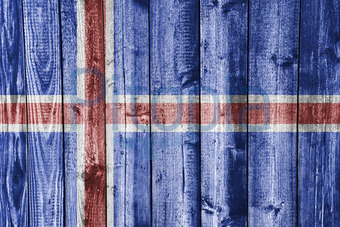
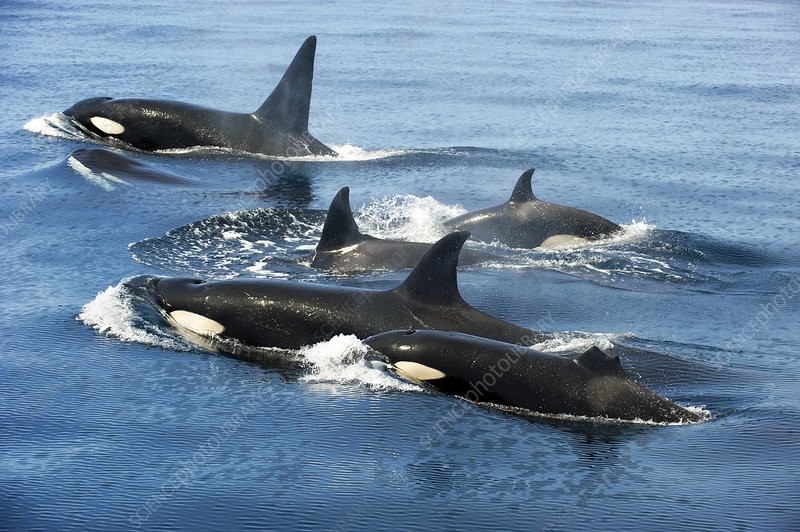
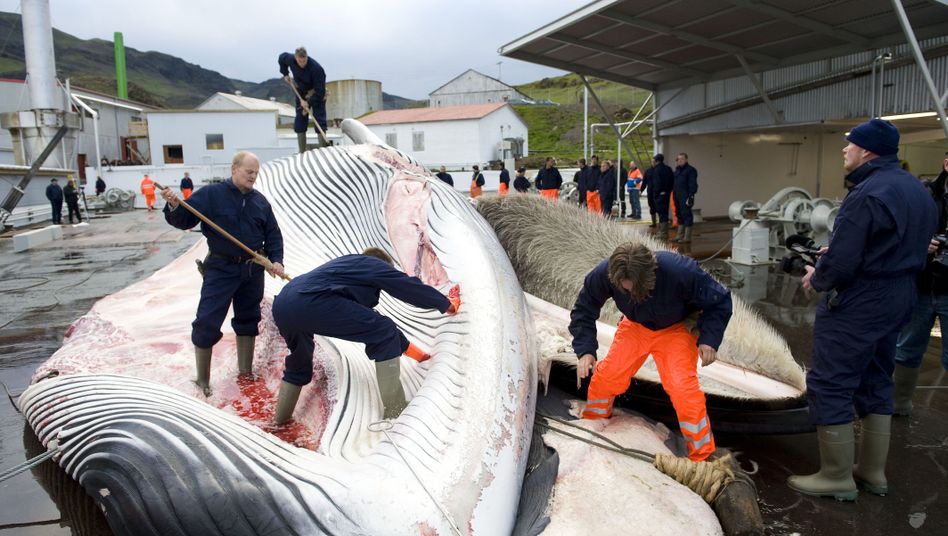
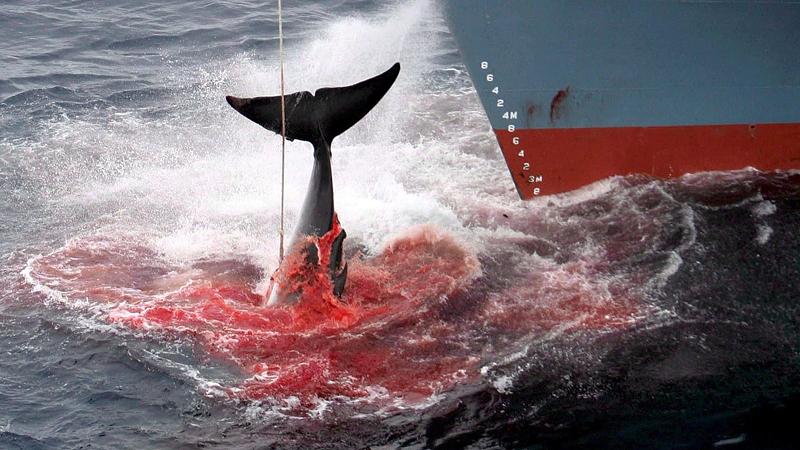
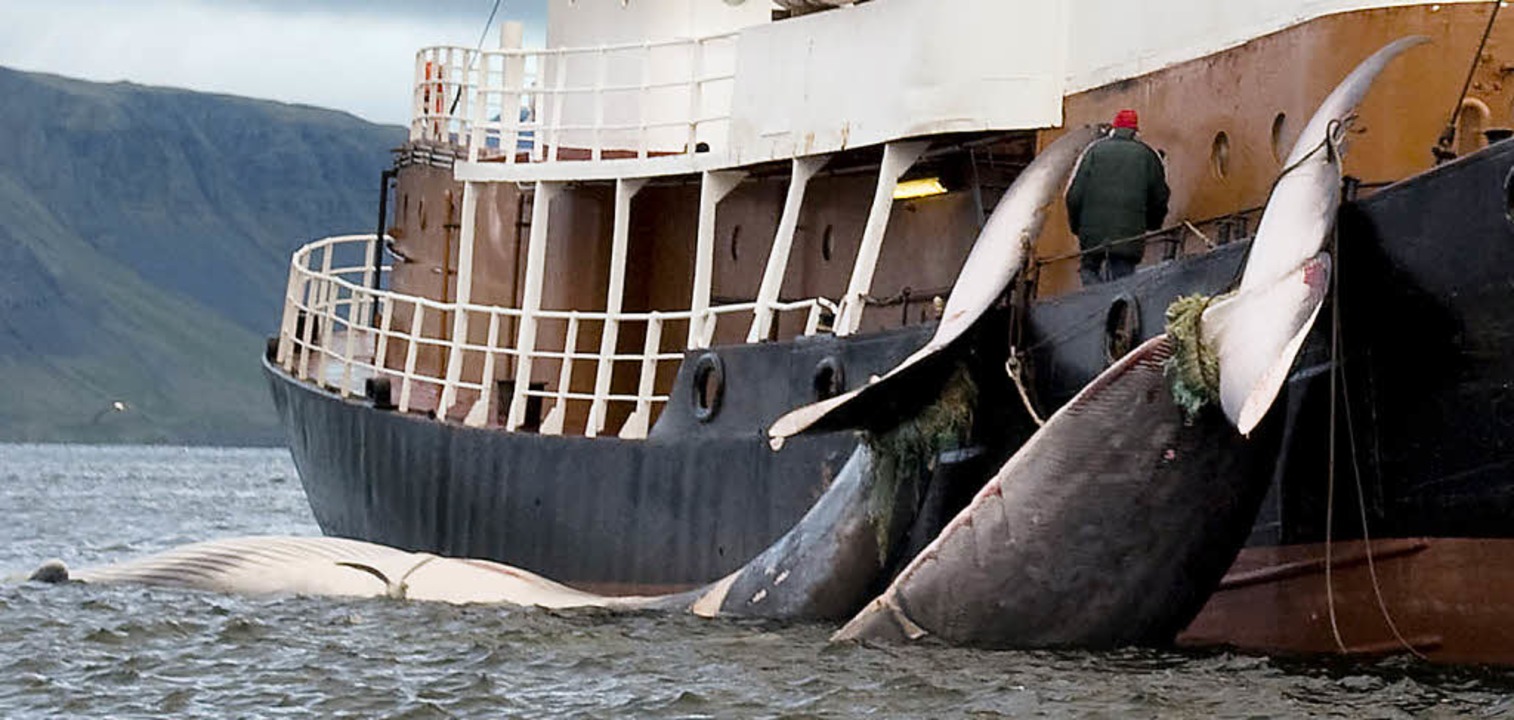
Wonderful news for the marine mammals in Iceland: the whaling season is slated to be canceled this year.
Sales problems and conditions due to the corona pandemic are causing problems for the Icelandic whalers. The hunting season should now be canceled again, a company probably wants to withdraw completely from business.
For the second time in a row, Iceland is suspending the whaling season this summer. This is reported by local media and the AFP news agency.
According to the agency, one of the two still active whaling companies in the country now wants to finally withdraw from whaling: “It is no longer worth it”, said the managing director of the minke whale company IP-Utgerd, Gunnar Bergmann Jonsson.
According to Bergmann Jonsson, the boats would have had to go far out to sea to hunt minke whales because of the expansion of a no-fishing zone off the coast. That would have been too expensive.
Hvalur, a company specializing in fin whale hunting is stopping this season, according to a eport, mainly due to sales difficulties in the Japanese market.
There, the regulations for food safety for meat imports are much stricter than for domestic products, CEO Kristjan Loftsson told the newspaper “Morgunbladid”.
In addition, the companies that process the whale meat have problems meeting the requirements to fight the corona pandemic, Loftsson said.
Because of the distance regulations in the wake of the coronavirus crisis, it is also almost impossible to process the meat of the marine mammals.
The workers in the whaling stations would have to work very closely together.
According to the newspaper, 146 fin whales and six minke whales were caught off Iceland’s coast in 2018.
According to the newspaper, 146 fin whales and six minke whales were caught off Iceland’s coast in 2018.
And I mean…This is finally really good news for the whales!
Because, even this year, Icelandic harpoon cannons will not shred whale bodies.
Up to 209 fin and 217 minke whales are spared the agonizing death.
The Icelandic Marine Research Institute has recommended this number of whales as the annual maximum for hunting.
Hopefully we will soon see a ban on this cruel hunt forever.







 Serbian Animals Voice (SAV)