Posted on March 19, 2020 by Serbian Animals Voice (SAV)
On December 27, 2018, the text for a new animal protection law was passed in Russia. In 2010 the lower house of the Russian parliament received the draft law for the first time.
The Animal Welfare Act has been fully applicable since January 2020. This Animal Welfare Act forms the basis for implementing further improvements in the protection of animals in Russia.
For the welfare of animals, the Animal Welfare Act sets limits and guidelines for the coexistence of humans and animals.
Animals with owners,homeless animals and animals in captivity are affected by the law.
As a result, every individual, animal shelter and facilities such as zoos or circuses are obliged to adhere to certain standards when dealing with animals.
These 5 points from Russia’s Animal Welfare Act should be known:
1. Animals as living beings that experience emotions and suffering
The law names animals as living beings that experience emotions and suffering and turns away from the definition of “animals as possessions”.
Legal recognition is an important success for animals and forms a legal basis to fundamentally question the common way people deal with animals.
2. Castration programs and catch-and-release procedures for dealing with homeless animals.
When dealing with homeless animals – for example if they are to be caught – they should always work together with an animal shelter and the animals should be housed there.
If a human companion can be identified for the animal, it is brought back there. Simply abandoning an animal rather than moving it to a new owner or shelter is prohibited.
Once at the shelter, homeless animals are to be vaccinated and sterilized or castrated. The use of pain relievers is also legally required for such interventions.
They also get a brand that cannot be removed. After veterinary care, the animals return to their usual environment, i.e. to the place where they were found.
The capturing and resetting of the animals should be filmed and open to the public.
Homeless animals should remain in the shelter until the previous human companions are found, a new home is found, or the animals succumb to their age.
Killing homeless animals is prohibited.
If euthanasia is necessary, this may only be carried out by appropriate specialist staff.
3. Cruelty to animals
The law formulates an extensive definition of cruelty to animals, which includes torture through physical violence, hunger or thirst.
To better protect animals, the law also prohibits:
-Abuse animals as bait for another animal
-To promote any form of cruelty to animals
-To let animals fight against each other on purpose
This gives competent authorities an important basis for consistently preventing and punishing cruelty to animals.
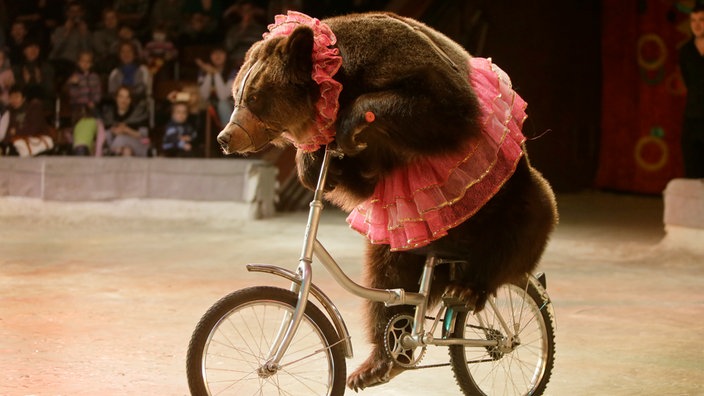
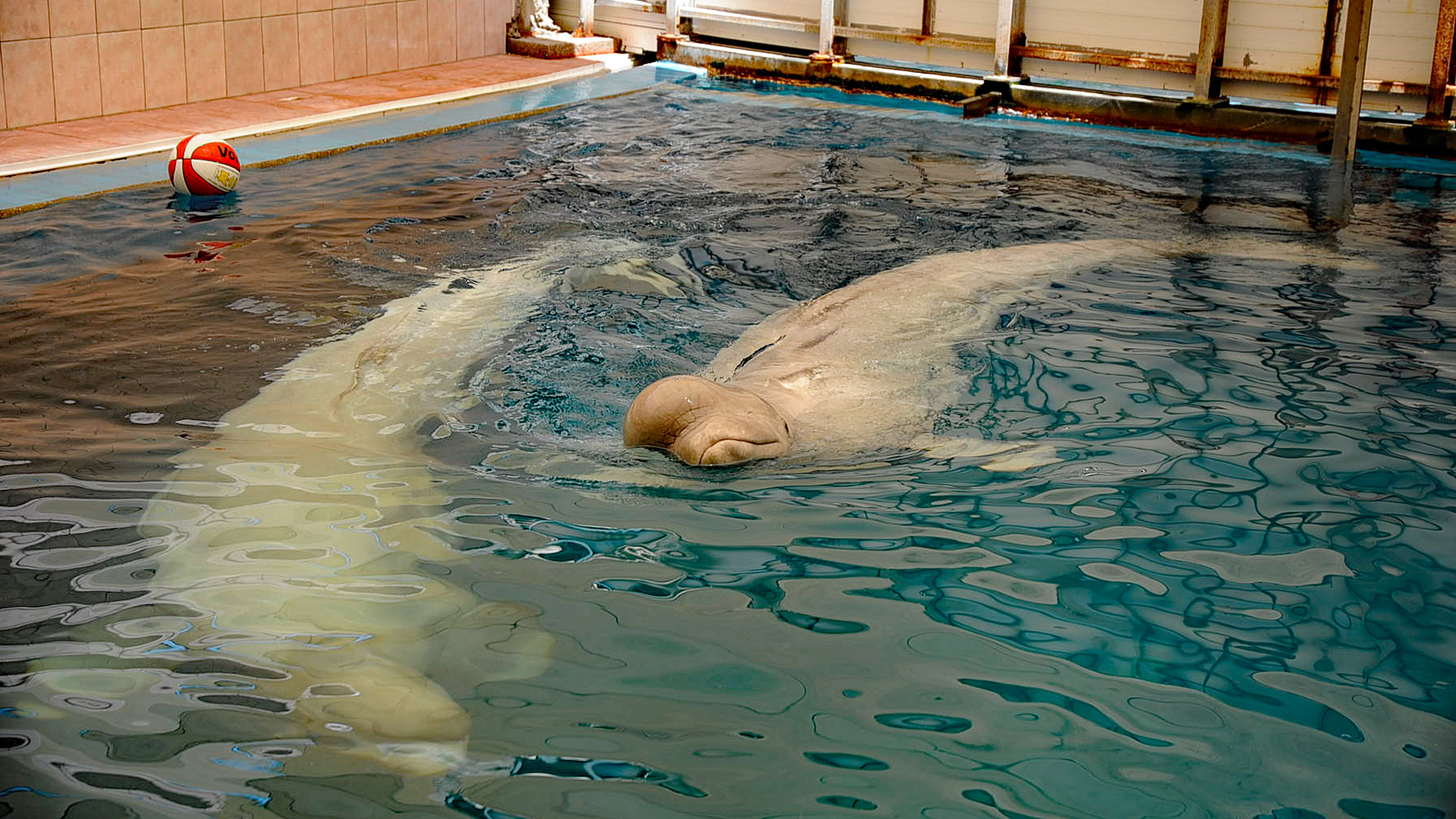
More needs to be done for animals in the entertainment industry, since the license introduced for zoos, circuses, aquariums or similar establishments merely sets guidelines for the exploitation of animals instead of abolishing them.
Animals continue to be forced to behave unnaturally in these facilities for questionable cultural or entertainment purposes. Animals are not there to entertain people, which is why PETA Germany works every day to ensure that animals are not misused and tortured to entertain people.
4. Wild animals as animal roommates
The Animal Welfare Act prohibits the acquisition and keeping of wild animals as roommates in Russia. Wild animals are no longer allowed to be kept in private apartments, houses, gardens or in bars and restaurants.
Unfortunately, this regulation only applies to the purchase of animals after the Animal Welfare Act comes into force. Wild animals that already live with humans are not affected by the law.
They will probably not be able to live in a species-appropriate way.
5. Dealing with offenders
Cruelty to animals must always be taken seriously and punished. If people torture animals by inflicting them psychological or physical injuries, or even killing them, these actions must have corresponding legal consequences.
The Animal Welfare Act provides for various penalties for these cases. For example, a fine of up to 80,000 rubles (about EUR 1086.00) or up to six months in the amount of the monthly salary of the offender. If minors are present during the crime, a fine of up to 300,000 rubles (around EUR 4072.50) or up to five years in prison can be imposed.
Animal welfare laws have the potential to bring about significant changes in how humans treat animals.
The more specifically the legal texts name criminal behavior, the less excuses there are for criminals.
Although the Russian law now recognizes animals as living beings that experience emotions and suffering, there is no consistent implementation.
Facilities such as aquariums, dolphinariums, circuses and zoos that imprison animals for entertainment purposes may continue to do so.
The condition is a valid license. It is now up to the responsible authorities and institutions to enforce the guidelines of the new law in an animal-friendly and consistent manner so that the text of the law not only reads well, but also means noticeable changes for the animals.
My comment: If we take into account that Russia is not an EU country, we have to praise the legislator.
But that’s only one dimension of the law.
The other is its practical application.
The German animal protection law is also very good on paper.
For example, the first section says:
§ 1“Nobody may cause pain, suffering or harm to an animal without a reasonable reason.”
This also means “useful” animals.
But every day we experience conditions in factory farming as if we had no animal protection law.
An animal protection law is as good as its consistent application in practice.
We hope for Russia. That the police, authorities, veterinarians and, last but not least, the court remain consistent and true to their progressive animal welfare laws.
Posted on March 19, 2020 by Serbian Animals Voice (SAV)
Committee Against Bird Murder e.V.
Storks and illegal hunting in Lebanon.
Over the past few weeks, tens of thousands of white storks have made their way back to their breeding grounds.
From Lebanon, where the migration routes of numerous populations overlap, numerous large swarms have been observed and reported by our partner associations since the beginning of the month.
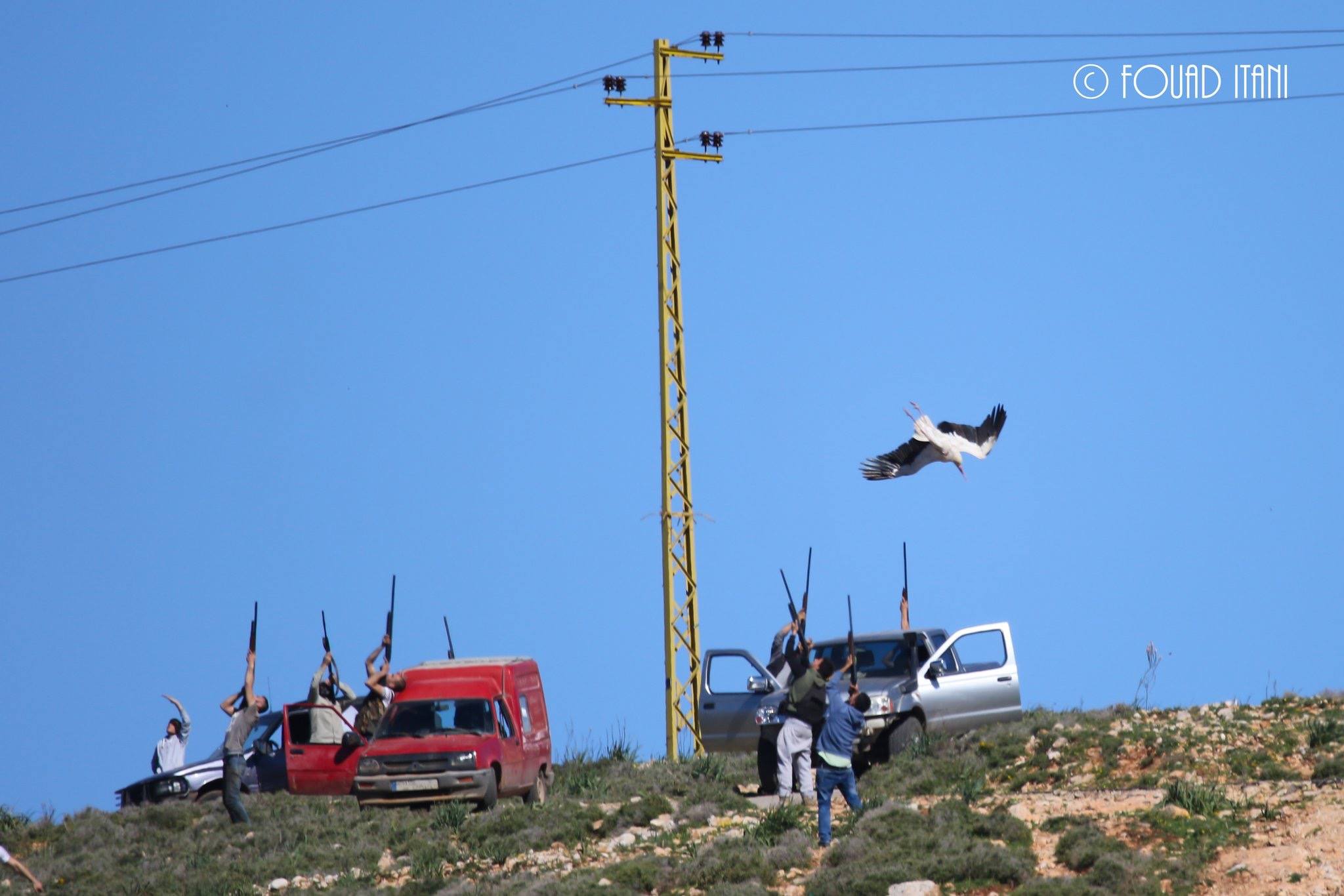
Unfortunately, we have received dozens of reports of illegal shooting of storks at the same time.
Yesterday, our Lebanese colleagues released these recordings, which show the shooting down of a stork resting on a mast near Akkar (northern Lebanon district) last week.
The material has been published by numerous Lebanese media, as well as the call by the committee and its partner associations to immediately report any such incident to the police.
And I mean…The estimated number of illegally killed birds in Lebanon is more than 2,600,000 annually.
But not only in Lebanon!
In the European Union, more than 53 million wild birds are legally shot down by hunters every year, including numerous species that are critically endangered in Germany.
Hunters, poachers, bird catchers and animal traders threaten our migratory birds everywhere along their hiking routes.
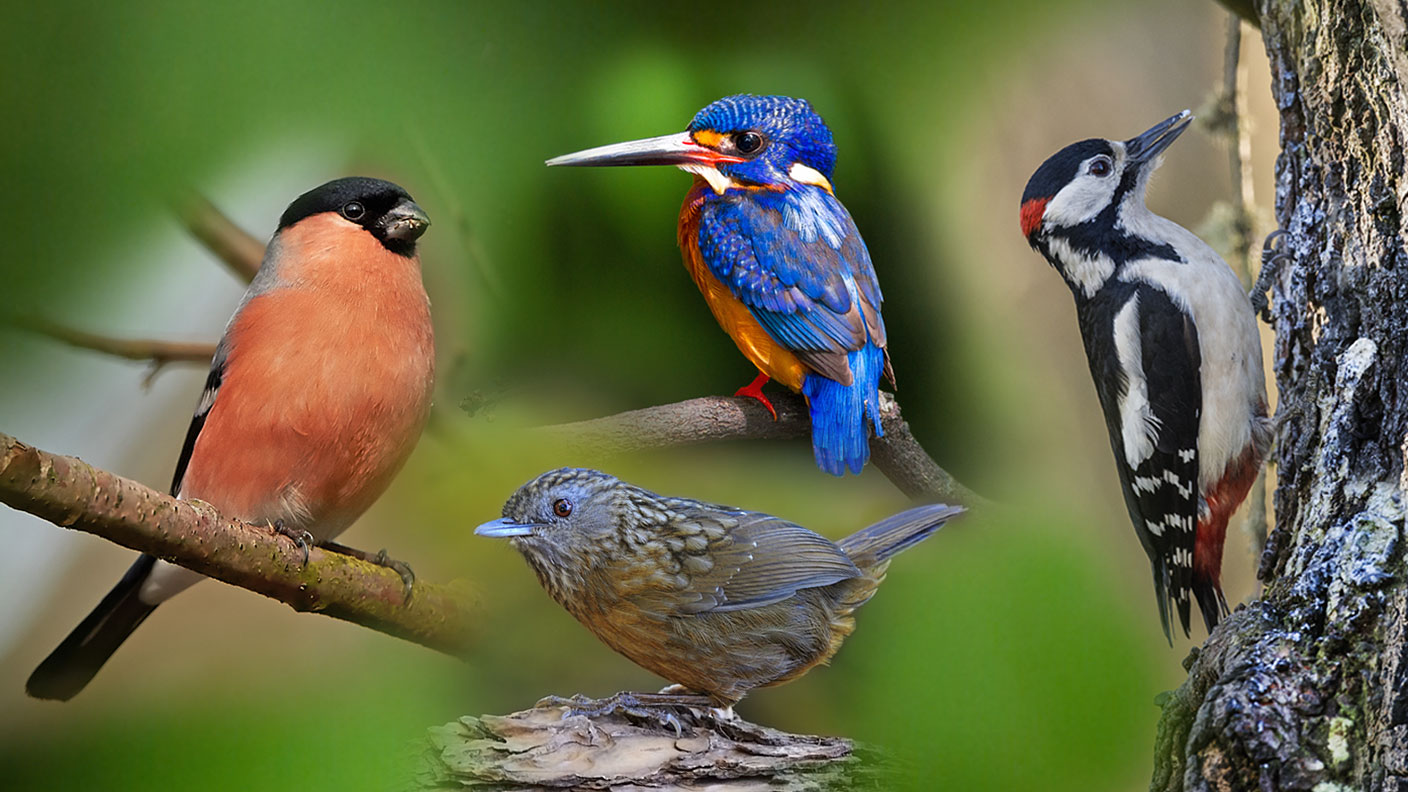
Whether in Italy, France and Spain, in Malta and Cyprus, in the Balkans, Greece and Egypt and probably also in other countries, songbirds migrate to the grill plate instead of to the winter quarters!
In theory, bird hunting is forbidden in the EU, but it is still “as a tradition” and in France they even want to increase the “catch quota”!
Why should the loss of biodiversity of birds and other animals interest the corrupt morons in politics?
Most of them are hunters themselves.
Therefore, penalties are not so high that hunters hurt; only the corruption is high and increases every day. They help each other to hide and continue to kill our songbirds, and not only.
No wonder that we have fewer and fewer birds in our home gardens, parks and in nature.
We are not only by animal haters, we are surrounded by life haters!
Posted on March 18, 2020 by Serbian Animals Voice (SAV)
ANCHORAGE, Alaska (AP) — One of the Iditarod’s top sponsors is dropping financial support, the second major sponsor with Alaska ties to sever relationships with the sled dog race this month.
Fiat ChryslerAutomobiles confirmed Monday that the Anchorage Chrysler Dodge Jeep Ram dealership will no longer sponsor the race.
The dealership for 30 years has been one of the race’s principal partners and annually presents the race winner with a new pickup at the finish line in Nome.
A statement from Fiat Chrysler Automobiles, or FCA, noted the parent company did not sponsor the Iditarod.
“Anchorage Chrysler Dodge Jeep Ram Center – an independently owned and operated dealership – had been a sponsor of the race. We understand and can confirm the dealership will no longer continue sponsoring the race. As such, FCA and the Chrysler, Dodge, Jeep and Ram logos will no longer be associated with the race,” the statement said.
Chuck Talksy, a spokesman for the Anchorage dealership, initially said they planned to sponsor the race again next year, finances permitting.
Later, when informed of Chrysler’s statement, he said, “That’s kind of news to us. As a franchisee, we are subject to various controls.”
An email to Iditarod officials seeking comment was not immediately returned.
The announcement came as mushers are making the final push for Nome in this year’s race. The nearly 1,000-mile (1,609-kilometer) race started March 8 in Willow with 57 mushers. Six have withdrawn.
Thomas Waerner of Norway was leading the race, the first musher to reach the checkpoint in Koyuk, about 150 miles from the finish line.
Alaska Airlines, the Seattle-based airline that got its start decades ago in Alaska, earlier this month announced it was dropping its sponsorship of the race, which has been targeted by an animal rights group.
People for the Ethical Treatment of Animals (PETA) was first to announce the departure of both Alaska Airlines and Chrysler as race sponsors.
The group says the nearly 1,000-mile race across Alaska is cruel for the dogs.
It also claims more than 150 dogs have died since the race started in 1973. Iditarod officials dispute that number but have not provided their own count of dogs who died on the trail despite numerous requests by The Associated Press.
PETA is the race’s biggest critic and has for years targeted sponsors.
In Chrysler’s case, that includes more than a quarter million emails from PETA supporters, television ads in the Detroit area and protesters dragging a sled filled with fake dead dogs around downtown Detroit, the organization said in a statement.
“After feeling some real pressure from PETA, Chrysler put the brakes on its connection with the Iditarod and is sending the message that dogs deserve better than being run to death for mushers’ prize money,” PETA Executive Vice President Tracy Reiman said in a statement.
“Alaska Airlines has also withdrawn its sponsorship of this wretched race in which over 150 dogs have died, and we hope this year is the last year dogs will suffer in this way.”
Alaska Airlines denied PETA had anything to do with its decision to drop sponsorship of the race after more than 40 years and instead said it was a change in the company’s corporate giving strategy.
PETA is the race’s biggest critic and has for years targeted sponsors.
In Chrysler’s case, that includes more than a quarter million emails from PETA supporters, television ads in the Detroit area and protesters dragging a sled filled with fake dead dogs around downtown Detroit, the organization said in a statement.
And I mean…THANK YOU! Another step that brings the end of the animal cruelty event closer.
The Iditarod is worse than a nightmare for dogs!
The animals run about 160 kilometers a day and are only allowed to rest for almost 40 hours over a period of two weeks. The race takes place in the deepest winter and brings the dogs to the limit.
Many are injured, fall into ice water, break down or get sick. Their paws get sore from the many races and often their muscles give up at some point.
The dogs have no legal protection in Alaska. People can go out into the woods and shoot their dog for whatever reason. Sometimes that might be injury, sometimes it’s because they’re too old to race. The mushers make remarks like, ‘”this guy isn’t running so well, we’re gonna get rid of him”, as if he’s a piece of furniture or a machine.
And these people are lauded in the public eye.
In the racing industry of animals, killing is common; once they get sick, weak, old, or injured, they are eliminated without crying an eye for them
And when the dogs are not running, they are usually kept in small cages.
We can only hope that this mortal torture will soon come to an end.
The Alaska Neanderthals, the mushers, should do the route themselves, which helps to stay fit and healthy.























 Serbian Animals Voice (SAV)