Ismael Fernández broke down in tears while reuniting with his beloved donkey, Baldomera, after spending over two months apart because of a mandatory coronavirus quarantine.
During the lockdown, Fernández’s brother cared for Baldomera, and the two siblings kept in touch through video chats. Even so, Fernández, who lives about 20 miles away from the mountain that Baldomera calls home, still worried that the donkey would not remember him when they finally met again.
Baldomera quickly soothed his friend’s fears, running up to Fernández to greet him with love and affection.
“Hello!,” Fernández excitedly said, greeting his animal companion in Spanish. “What’s up? Where is my little donkey?”
“I am not embarrassed for you to hear me cry,” he continued, “because here is one of the best demonstrations of unconditional love that exists.”
As life slowly returns to normal in the wake of the coronavirus pandemic, heartwarming moments like this one remind us of the virus’s impact on all friendships and the joy of reuniting with those we miss so dearly.
Non-profit animal rights organization Mercy For Animals has released a shocking video detailing the horrifying processes used in high-speed poultry slaughterhouses. Innocent animals are subjected to agonizing torture and workers are put in danger due to the pace at which they’re required to work.
An undercover investigator captured the sobering hidden-camera footage at a Maryland poultry factory, where fully-conscious birds are shackled and hung upside-down, immersed in electrified water, and slit across the throat. At one point during the investigation, a facility-wide power outage forced helpless birds to spend over an hour dangling from their feet as they waited to die.
Under recently revised USDA standards, slaughter lines can move at hazardous pace, killing up to 175 chickens per minute. This forces employees to work at an unreasonable rate, jeopardizing their safety and increasing their risk of injury.
The ongoing coronavirus pandemic has drawn much-needed attention to the inevitable hazards of slaughterhouse and factory farm environments, where workers are required to stand shoulder-to-shoulder and frequently come into contact with live animals, giving dangerous zoonotic viruses potential opportunities to “make the jump” to human hosts.
This investigation makes it clear: high-speed slaughter has to go.
Posted on June 4, 2020 by Serbian Animals Voice (SAV)
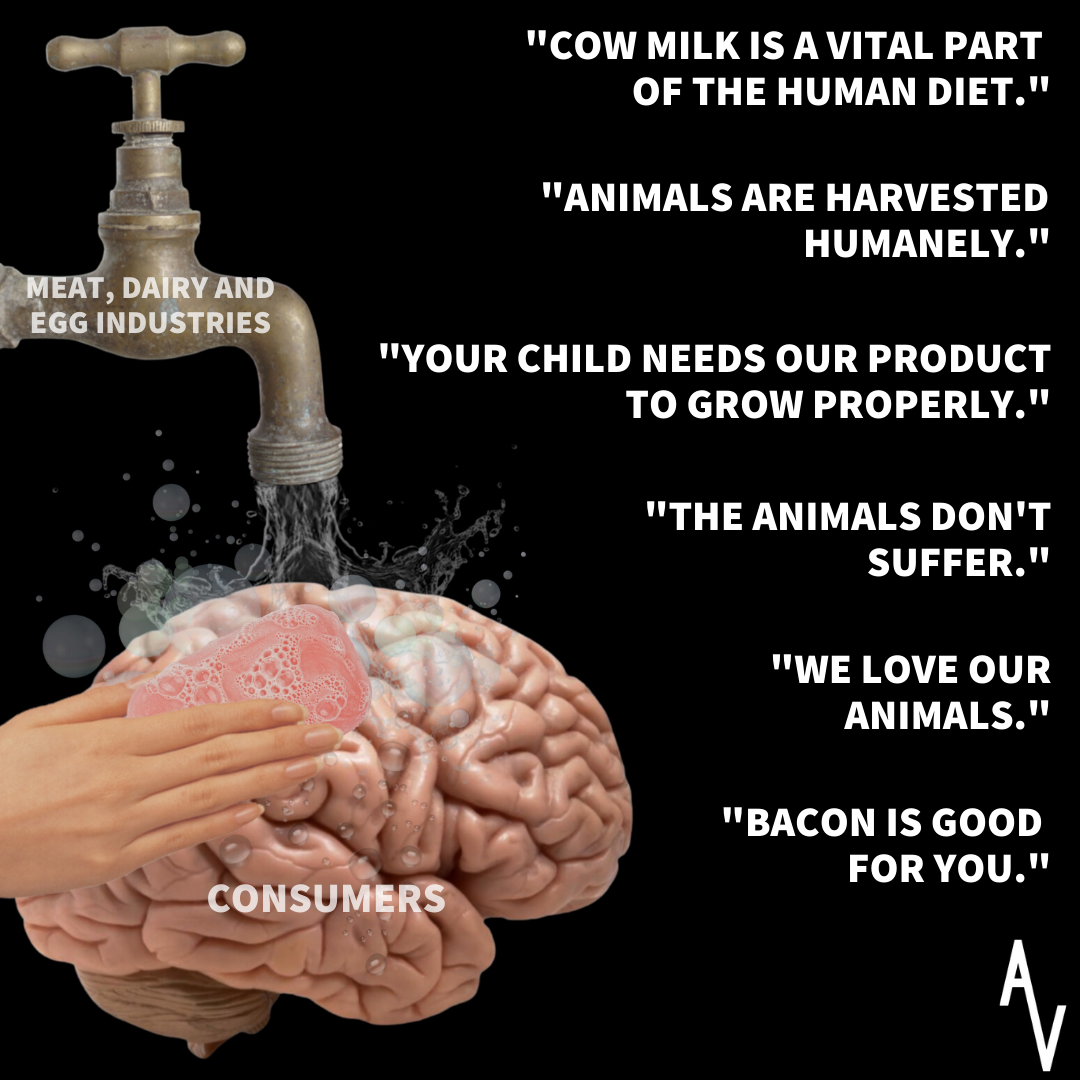
Not consuming meat and animal products is not just compassion for the animals.
It is also a blow to the fascist system of exploitation, a blow to the meat and milk mafia, which are the main partners of every political system in the world.
Posted on June 3, 2020 by Serbian Animals Voice (SAV)
Mother chickens are loving and gentle to their offspring.
Even if only the wind ruffles the fluff of her chicks, the mother hen also becomes restless and shows the same stress symptoms as her offspring, even though she does not feel the wind herself.
The hen feels with her chicks, literally gets her heart racing, and tries to calm the chicks with gentle sounds when a strong wind blows over her chicks.
Every animal has the right to life and freedom.
Protect them and their families.
Don’t be part of their exploitation and let them live.
Posted on June 3, 2020 by Serbian Animals Voice (SAV)
Joe ‘Exotic’
WAV Comment
I am not in the US, but I think I remember him stating that he would kill, or have killed all his animals rather than they go to somebody else. Shows what kind of person this is. Mark.
Judge gives control of Joe Exotic’s zoo to Carole Baskin
WYNNEWOOD, Okla. (AP) — A federal judge in Oklahoma has awarded ownership of the zoo made famous in Netflix’s “Tiger King” docuseries to Joe Exotic’s chief rival.
In a ruling Monday, U.S. District Judge Scott Palk granted control of the Oklahoma zoo that was previously run by Joseph Maldonado-Passage — also known as Joe Exotic — to Big Cat Rescue Corp.
The Florida group was founded by Carole Baskin, who also featured prominently in the hit Netflix series. Maldonado-Passage is currently serving a 22-year federal prison term for killing five tigers and plotting to have Baskin killed.
Baskin previously sued Maldonado-Passage for trademark and copyright infringements and won a $1 million civil judgment against him. Palk’s judgment Monday found that ownership of the zoo was fraudulently transferred to Maldonado-Passage’s mother in an attempt to avoid paying the judgment.
The decision said the zoo animals must be removed from the property within 120 days but it does not detail what should happen to them.
Attorneys representing Big Cat Rescue Corp. did not immediately return messages seeking comment.
Maldonado-Passage remains incarcerated in Fort Worth, Texas. In a handwritten letter posted Monday on Twitter, he repeated his plea for a presidential pardon.
Posted on June 3, 2020 by Serbian Animals Voice (SAV)
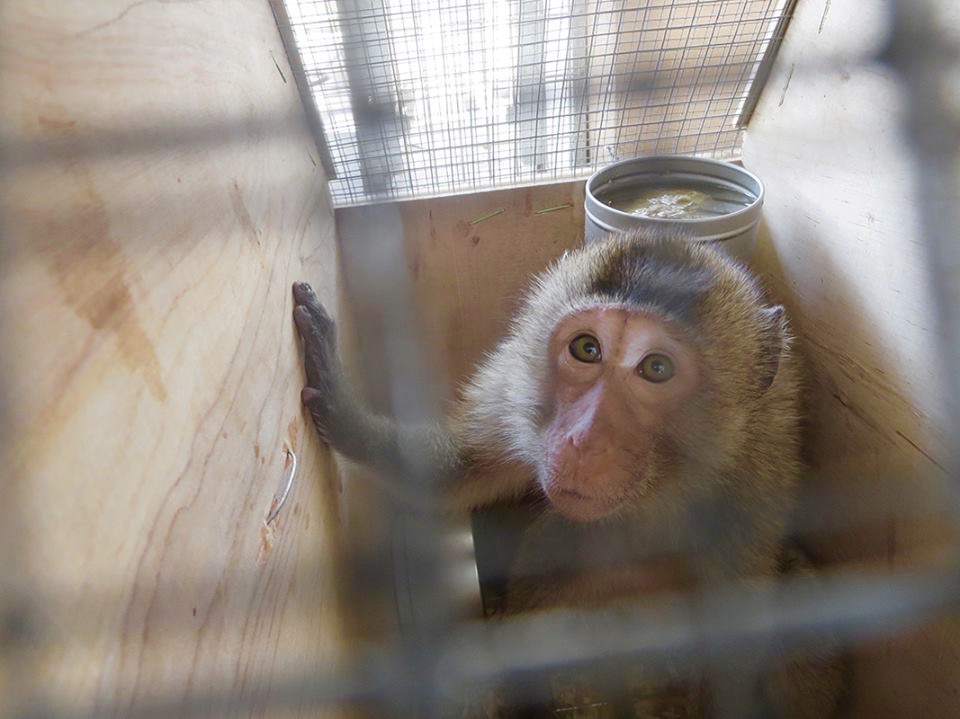
Urgent: We’ve received information that a Volga-Dnepr Airlines flight allegedly transporting more than 600 monkeys destined for experimentation arrived in Chicago yesterday, June 1.
Scroll down for more ways to take action.
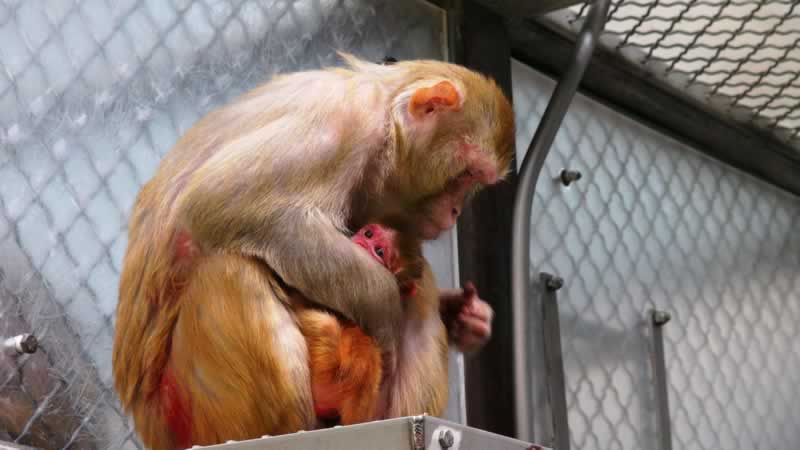
Once monkeys arrive in the U.S., they are offloaded from the planes by cargo-handling agents and left trapped in the cramped wooden crates (which are often filled with feces and urine) on the tarmac or loaded with forklifts into a warehouse. These sensitive monkeys must then wait in fear until they’re loaded into trucks and transported to facilities for quarantine. Then they’re moved yet again to laboratories where more horrors await. They’re imprisoned in cramped cages and often cut open, poisoned, crippled, addicted to drugs, shocked, and killed.
We’ve received more reports that Volga-Dnepr Airlines, a Russian airline owned by the Volga-Dnepr Group, allegedly has plans to transport many more monkeys destined for imprisonment and experimentation in U.S. laboratories. But it’s refusing to confirm or deny this.
First, urge Volga-Dnepr Airlines to tell the truth and cancel all plans to transport monkeys destined for imprisonment and experimentation in U.S. laboratories!









 Serbian Animals Voice (SAV)