
Romania: (30/9/13) – Get Romania Out of the EU Video – Sample Letter To Copy and Send To The European Parliament – Additional Petition At End.

RMNA0001

EUUN0001

preg dog rom 3

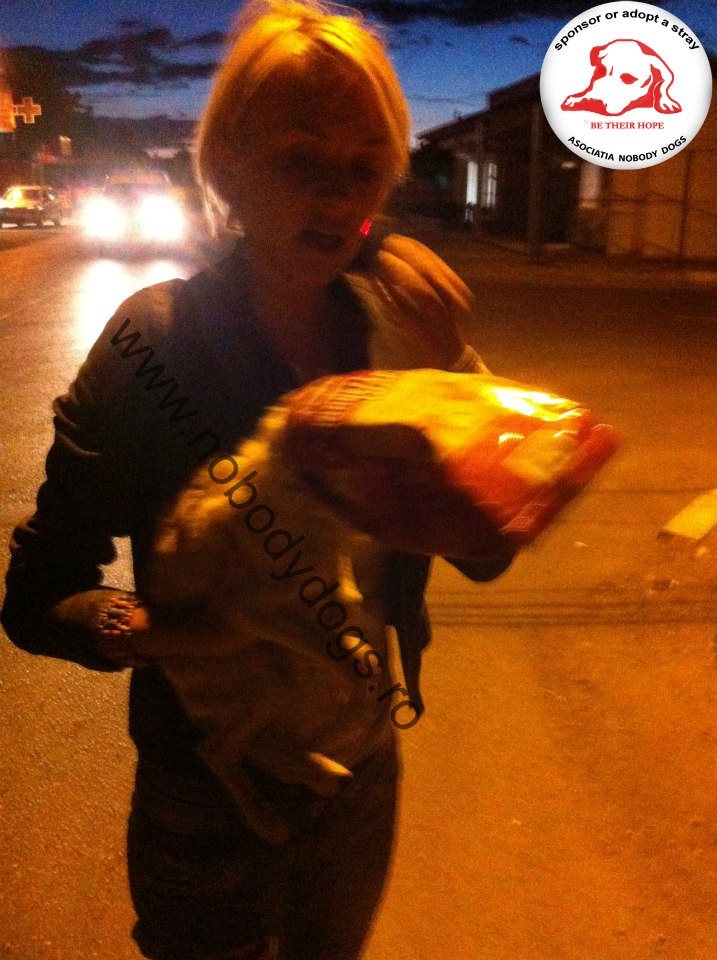
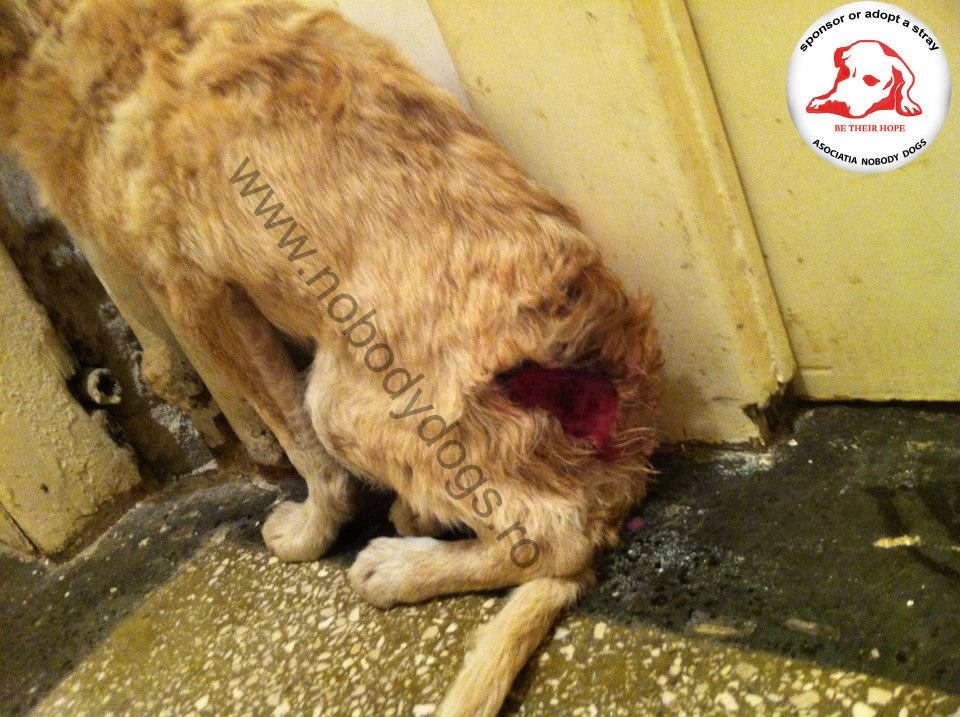
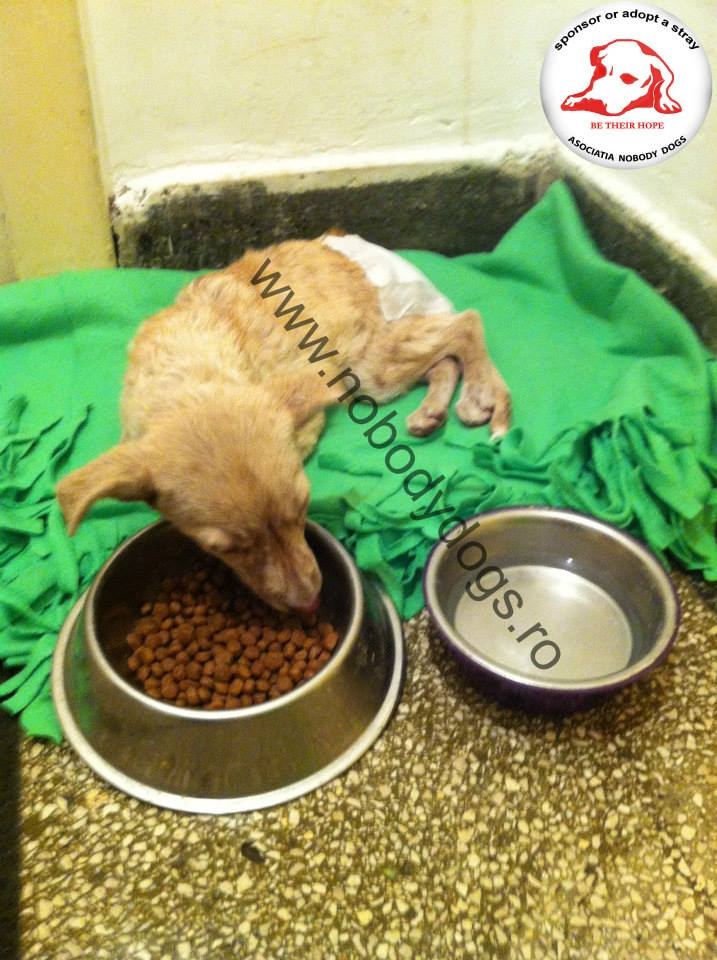
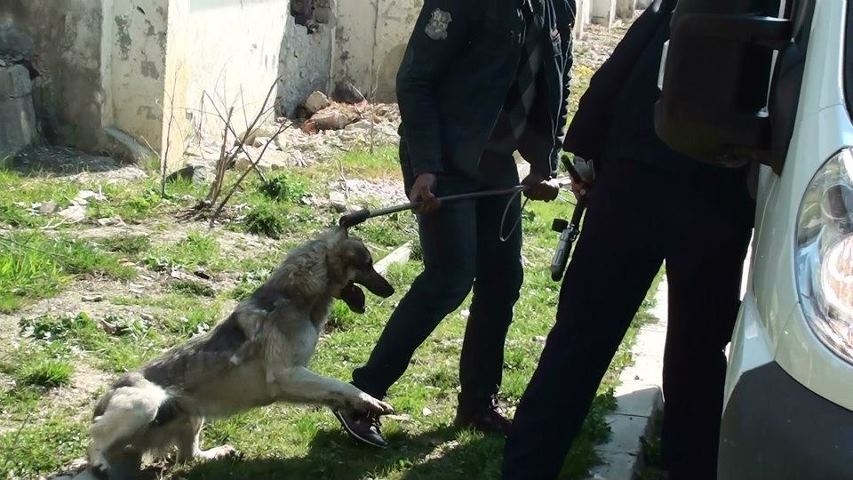
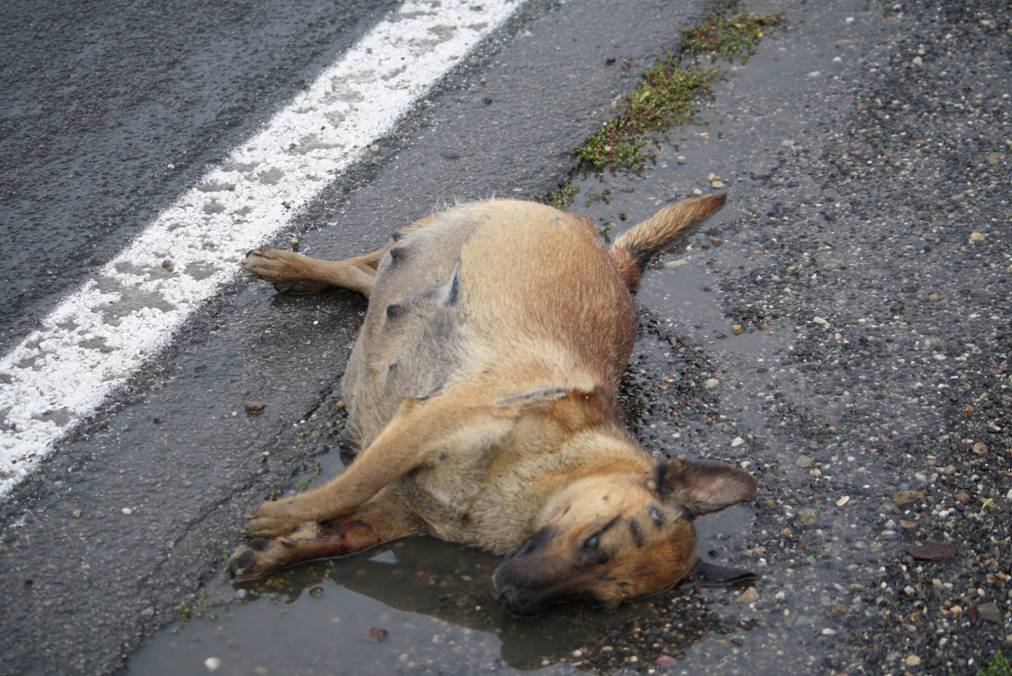
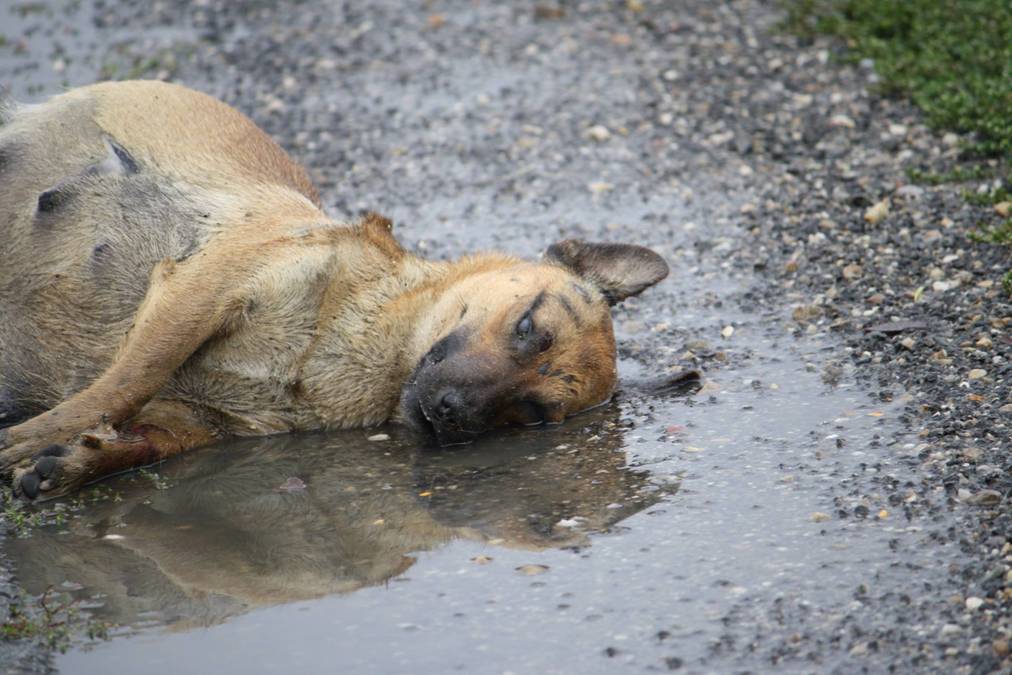
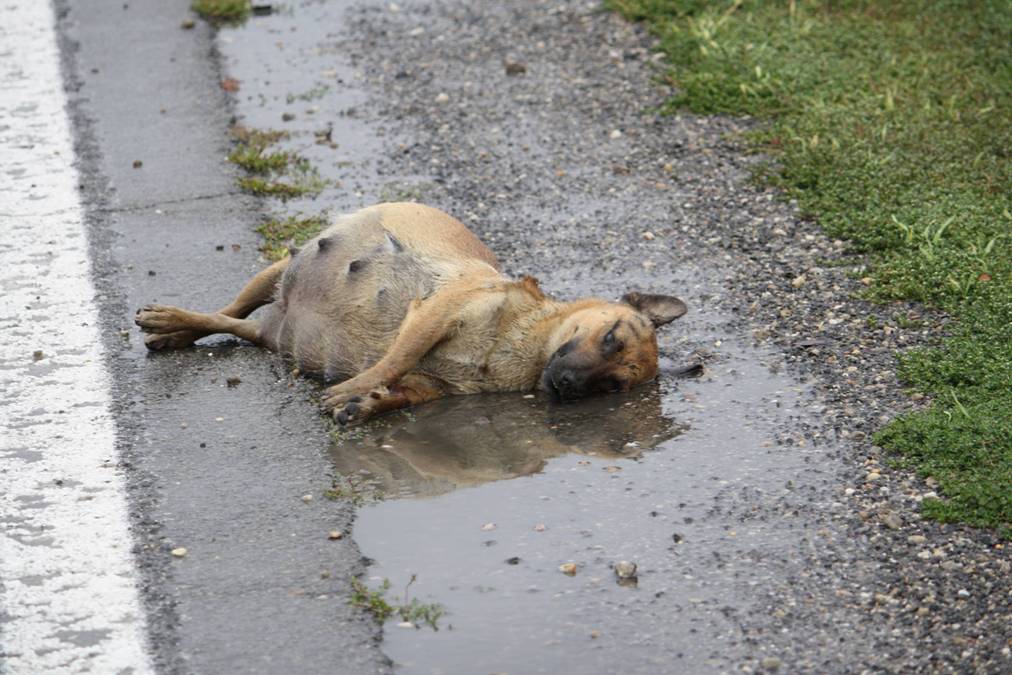
Above – Pregnant Dog Killed By A Romanian Mob – Taken to Vet By AW In Attempt to Save Puppies – But Too Late.

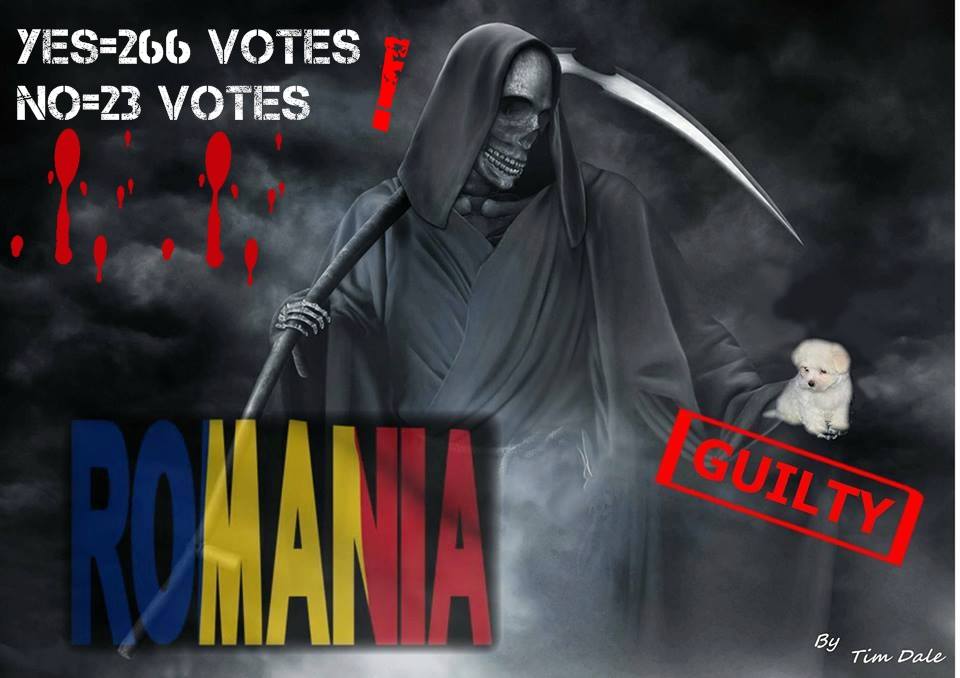
Is it time that Romania was now thrown out of the EU ?

http://www.youtube.com/watch?v=o8lTWP7hB2c
 rom petition photoRomania guilty

ROMANIA – IMPORTANT LETTER TO SEND –

The Declaration of Human Rights are now being severely violated in Romania


SEND A COPY OF THE SAMPLE LETTER PROVIDED FURTHER BELOW IN THIS POST TO HUMAN RIGHTS WATCH, at:

Berlin: berlin@hrw.org
Paris: : paris@hrw.org

PLEASE TAKE A LITTLE TIME AND COPY YOUR LETTER IN TO THESE ADDRESSES:

HUMAN RIGHTS WATCH WASHINGTON DC: http://www.hrw.org/contact/dc

HUMAN RIGHTS WATCH PARIS: http://www.hrw.org/contact/paris

HUMAN RIGHTS WATCH GENEVA: http://www.hrw.org/contact/geneva

BERLIN: http://www.hrw.org/contact/berlin

AMSTERDAM: http://www.hrw.org/contact/netherland


CC: International press and organizations:

voanews@voanews.com, editor@medialens.org,peter.beaumont@observer.co.uk, bill.neely@itn.co.uk,jonathan.munro@itn.co.uk, e.macaskill@guardian.co.uk,ian.black@guardian.co.uk, paul.johnson@guardian.co.uk,alan.rusbridger@guardian.co.uk, mike.wooldridge@bbc.co.uk,steve.herrmann@bbc.co.uk, Craig.oliver@bbc.co.uk,peter.horrocks@bbc.co.uk, helenboaden.complaints@bbc.co.uk,fncspecials@foxnews.com, fns@foxnews.com, newswatch@foxnews.com,foxreport@foxnews.com, foxreport@foxnews.com, jer@foxnews.com,yourquestions@foxnews.com, viewerservices@foxnews.com,editor@mediaguardian.co.uk, Special@foxnews.com,FOXaroundtheworld@foxnews.com, rick.davis@turner.com;jim.walton@turner.com, 48hours@cbsnews.com, bpc@cbsnews.com;evening@cbsnews.com, pma@cbsnews.com, grain@cbsnews.com, 360@cnn.com,candy.crowley@turner.com, jeanne.meserve@turner.com, info@bbc.co.uk,news@bbc.co.uk, info@rai.it, mail@rai.it, news@rai.it,editor@foxnews.com, info@foxnews.com, mail@foxnews.com,news@foxnews.com, marije.cornelissen@europarl.europa.eu,esther.delange@europarl.europa.eu, bas.eickhout@europarl.europa.eu,lucas.hartong@europarl.europa.eu,kartikatamara.liotard@europarl.europa.eu,judith.merkies@europarl.europa.eu,judith.sargentini@europarl.europa.eu,lambert.vannistelrooij@europarl.europa.eu,gerben-jan.gerbrandy@europarl.europa.eu, letters@nytimes.com

 

rom petition photo

red romania 3

preg dog rom 2

If you wish, you can send the sample letter provided below to any of these contacts within the European Parliament.  

We suggest that no more than 100 addresses are sent to each time.

comm-spp-hrvp-ashton@ec.europa.eu , stavros.lambrinidis-office@europarl.europa.eu , nigel.farage@europarl.europa.eu , droi-secretariat@europarl.europa.eu , barbara.lochbihler@europarl.europa.eu , andrzej.grzyb@europarl.europa.eu , jean.roatta@europarl.europa.eu office@ansvsa.ro, callcenter@ansvsa.ro, petitie233@ansvsa.ro, srp@cdep.ro, drp@gov.ro, procetatean@presidency.ro, infopub@senat.ro, cabinet.presedinte@senatro.eu, cabu@senat.ro, capot@senat.ro, office@cmvro.ro, petitii@mai.gov.ro, president@europarl.europa.eu, a.erler@eurogroupforanimals.org, goethem@ec.europa.eu, alberto.laddomada@ec.europa.eu, bernard.van-goethem@ec.europa.eu, keith.sumption@fao.org, Andriy.Rozstalnyy@fao.org, info@eurogroupforanimals.org, m.griffiths@eurogroupforanimals.org, press.president@consilium.europa.eu, private.office@coe.int, info@fve.org, s.orr@ralfflea.demon.co.uk,faouzi.kechrid@yahoo.com, oie@oie.int, heinzk.becker@europarl.europa.eu, martin.ehrenhauser@europarl.europa.eu, karin.kadenbach@europarl.europa.eu, othmar.karas@europarl.europa.eu, elisabeth.koestinger@europarl.europa.eu, joerg.leichtfried@europarl.europa.eu, eva.lichtenberger@europarl.europa.eu, ulrike.lunacek@europarl.europa.eu, hans-peter.martin@europarl.europa.eu, andreas.molzer@europarl.europa.eu, franz.obermayr@europarl.europa.eu, hubert.pirker@europarl.europa.eu, evelyn.regner@europarl.europa.eu, paul.ruebig@europarl.europa.eu,
richard.seeber@europarl.europa.eu, hannes.swoboda@europarl.europa.eu, angelika.werthmann@europarl.europa.eu, slavi.binev@europarl.europa.eu, filizhakaeva.hyusmenova@europarl.europa.eu, stanimir.ilchev@europarl.europa.eu, ilianamalinova.iotova@europarl.europa.eu, ivailo.kalfin@europarl.europa.eu, metin.kazak@europarl.europa.eu, evgeni.kirilov@europarl.europa.eu, andrey.kovatchev@europarl.europa.eu, mariya.nedelcheva@europarl.europa.eu, Nadezhda.Neynsky@europarl.europa.eu, vladkotodorov.panayotov@europarl.europa.eu, antonyia.parvanova@europarl.europa.eu, dimitar.stoyanov@europarl.europa.eu, emilstefanov.stoyanov@europarl.europa.eu, vladimir.urutchev@europarl.europa.eu, kristian.vigenin@europarl.europa.eu, astrid.lulling@europarl.europa.eu, georges.bach@europarl.europa.eu, frank.engel@europarl.europa.eu, robert.goebbels@europarl.europa.eu, john.attard-montalto@europarl.europa.eu, simon.busuttil@europarl.europa.eu, david.casa@europarl.europa.eu, louis.grech@europarl.europa.eu, edward.scicluna@europarl.europa.eu,

daniel.cohn-bendit@europarl.europa.eu , pervenche.beres@europarl.europa.eu, pascal.canfin@europarl.europa.eu, jean-marie.cavada@europarl.europa.eu, rachida.dati@europarl.europa.eu, karima.delli@europarl.europa.eu, marielle.desarnez@europarl.europa.eu, harlem.desir@europarl.europa.eu, marielle.gallo@europarl.europa.eu, eva.joly@europarl.europa.eu, philippe.juvin@europarl.europa.eu, constance.legrip@europarl.europa.eu, patrick.lehyaric@europarl.europa.eu, sandrine.belier@europarl.europa.eu, arnaud.danjean@europarl.europa.eu, joseph.daul@europarl.europa.eu, nathalie.griesbeck@europarl.europa.eu, veronique.mathieu@europarl.europa.eu, michele.striffler@europarl.europa.eu, catherine.trautmann@europarl.europa.eu, liem.hoangngoc@europarl.europa.eu, sophie.auconie@europarl.europa.eu, jean-pierre.audy@europarl.europa.eu, jean-paul.besset@europarl.europa.eu, henri.weber@europarl.europa.eu, philippe.boulland@europarl.europa.eu, helene.flautre@europarl.europa.eu, jean-paul.gauzes@europarl.europa.eu, estelle.grelier@europarl.europa.eu, jacky.henin@europarl.europa.eu, corinne.lepage@europarl.europa.eu, marine.lepen@europarl.europa.eu, lles.pargneaux@europarl.europa.eu, dominique.riquet@europarl.europa.eu, tokia.saifi@europarl.europa.eu, alain.cadec@europarl.europa.eu, sylvie.goulard@europarl.europa.eu, yannick.jadot@europarl.europa.eu,nicole.kiil-nielsen@europarl.europa.eu, agnes.lebrun@europarl.europa.eu, stephane.lefoll@europarl.europa.eu, elisabeth.morinchartier@europarl.europa.eu, bernadette.vergnaud@europarl.europa.eu, philippe.devilliers@europarl.europa.eu, kader.arif@europarl.europa.eu, jose.bove@europarl.europa.eu,

francoise.castex@europarl.europa.eu, alain.lamassoure@europarl.europa.eu, jean-luc.melenchon@europarl.europa.eu, franck.proust@europarl.europa.eu, robert.rochefort@europarl.europa.eu, marie-therese.sanchez-schmid@europarl.europa.eu, damien.abad@europarl.europa.eu, francois.alfonsi@europarl.europa.eu, malika.benarab-attou@europarl.europa.eu, jean-luc.bennahmias@europarl.europa.eu, michel.dantin@europarl.europa.eu, gaston.franco@europarl.europa.eu, francoise.grossetete@europarl.europa.eu, sylvie.guillaume@europarl.europa.eu, jean-marie.lepen@europarl.europa.eu, vincent.peillon@europarl.europa.eu, michele.rivasi@europarl.europa.eu, michele.rivasi@europarl.europa.eu, marie-christine.vergiat@europarl.europa.eu, marie-christine.vergiat@europarl.europa.eu, dominique.vlasto@europarl.europa.eu, elie.hoarau@europarl.europa.eu, maurice.ponga@europarl.europa.eu, patrice.tirolien@europarl.europa.eu, ivars.godmanis@europarl.europa.eu, sandra.kalniete@europarl.europa.eu, krisjanis.karins@europarl.europa.eu, alexander.mirsky@europarl.europa.eu, alfreds.rubiks@europarl.europa.eu, inese.vaidere@europarl.europa.eu, tatjana.zdanoka@europarl.europa.eu, roberts.zile@europarl.europa.eu, laimaliucija.andrikiene@europarl.europa.eu, zigmantas.balcytis@europarl.europa.eu, vilija.blinkeviciute@europarl.europa.eu, leonidas.donskis@europarl.europa.eu, juozas.imbrasas@europarl.europa.eu, vytautas.landsbergis@europarl.europa.eu, radvile.morkunaite-ikuleniene@europarl.europa.eu, rolandas.paksas@europarl.europa.eu, ustas.paleckis@europarl.europa.eu, algirdas.saudargas@europarl.europa.eu, valdemar.tomasevski@europarl.europa.eu, viktor.uspaskich@europarl.europa.eu,
preg dog rom 1

charalampos.angourakis@europarl.europa.eu, kriton.arsenis@europarl.europa.eu, nikolaos.chountis@europarl.europa.eu, spyros.danellis@europarl.europa.eu, marietta.giannakou@europarl.europa.eu, mariaeleni.koppa@europarl.europa.eu, georgios.koumoutsakos@europarl.europa.eu, rodi.kratsa-sagaropoulou@europarl.europa.eu, chrysoula.paliadeli@europarl.europa.eu, georgios.papanikolaou@europarl.europa.eu, anni.podimata@europarl.europa.eu, konstantinos.poupakis@europarl.europa.eu, sylvana.rapti@europarl.europa.eu, nikolaos.salavrakos@europarl.europa.eu, theodoros.skylakakis@europarl.europa.eu, georgios.stavrakakis@europarl.europa.eu, michail.tremopoulos@europarl.europa.eu, ioannis.tsoukalas@europarl.europa.eu, niki.tzavela@europarl.europa.eu, charalampos.angourakis@europarl.europa.eu, kriton.arsenis@europarl.europa.eu, nikolaos.chountis@europarl.europa.eu, spyros.danellis@europarl.europa.eu, marietta.giannakou@europarl.europa.eu, mariaeleni.koppa@europarl.europa.eu, georgios.koumoutsakos@europarl.europa.eu, rodi.kratsa-sagaropoulou@europarl.europa.eu, chrysoula.paliadeli@europarl.europa.eu, georgios.papanikolaou@europarl.europa.eu, anni.podimata@europarl.europa.eu, konstantinos.poupakis@europarl.europa.eu, sylvana.rapti@europarl.europa.eu, nikolaos.salavrakos@europarl.europa.eu, theodoros.skylakakis@europarl.europa.eu, georgios.stavrakakis@europarl.europa.eu, michail.tremopoulos@europarl.europa.eu, ioannis.tsoukalas@europarl.europa.eu, niki.tzavela@europarl.europa.eu, janos.ader@europarl.europa.eu, zoltan.bago@europarl.europa.eu, lajos.bokros@europarl.europa.eu, tamas.deutsch@europarl.europa.eu, kinga.gal@europarl.europa.eu, ildiko.gall-pelcz@europarl.europa.eu, bela.glattfelder@europarl.europa.eu, kinga.goencz@europarl.europa.eu, zita.gurmai@europarl.europa.eu, andras.gyurk@europarl.europa.eu, agnes.hankiss@europarl.europa.eu, edit.herczog@europarl.europa.eu, livia.jaroka@europarl.europa.eu, adam.kosa@europarl.europa.eu, bela.kovacs@europarl.europa.eu, krisztina.morvai@europarl.europa.eu, csaba.ory@europarl.europa.eu, gyorgy.schopflin@europarl.europa.eu, laszlo.surjan@europarl.europa.eu, jozsef.szajer@europarl.europa.eu, csanad.szegedi@europarl.europa.eu, csaba.tabajdi@europarl.europa.eu, proinsias.derossa@europarl.europa.eu, gay.mitchell@europarl.europa.eu, paul.murphy@europarl.europa.eu, liam.aylward@europarl.europa.eu, nessa.childers@europarl.europa.eu, mairead.mcguinness@europarl.europa.eu, patthecope.gallagher@europarl.europa.eu, marian.harkin@europarl.europa.eu, jim.higgins@europarl.europa.eu, brian.crowley@europarl.europa.eu, sean.kelly@europarl.europa.eu,
phil.prendergast@europarl.europa.eu,alexander.alvaro@europarl.europa.eu, Jan.albrecht@europarl.europa.eu, burkhard.balz@europarl.europa.eu, lothar.bisky@europarl.europa.eu, franziska.brantner@europarl.europa.eu, elmar.brok@europarl.europa.eu, udo.bullmann@europarl.europa.eu, reinhard.buetikofer@europarl.europa.eu, daniel.caspary@europarl.europa.eu, jorgo.chatzimarkakis@europarl.europa.eu, michael.cramer@europarl.europa.eu, jurgen.creutzmann@europarl.europa.eu, albert.dess@europarl.europa.eu, christian.ehler@europarl.europa.eu, cornelia.ernst@europarl.europa.eu, ismail.ertug@europarl.europa.eu, markus.ferber@europarl.europa.eu, europabuero@markus-ferber.de, knut.fleckenstein@europarl.europa.eu, karl-heinz.florenz@europarl.europa.eu, michael.gahler@europarl.europa.eu, evelyne.gebhardt@europarl.europa.eu, jens.geier@europarl.europa.eu, sven.giegold@europarl.europa.eu, ingeborg.graessle@europarl.europa.eu, matthias.groote@europarl.europa.eu, gerald.haefner@europarl.europa.eu, thomas.haendel@europarl.europa.eu, rebecca.harms@europarl.europa.eu, jutta.haug@europarl.europa.eu, martin.haeusling@europarl.europa.eu, nadja.hirsch@europarl.europa.eu, monika.hohlmeier@europarl.europa.eu, peter.jahr@europarl.europa.eu, elisabeth.jeggle@europarl.europa.eu, petra.kammerevert@europarl.europa.eu, martin.kastler@europarl.europa.eu, franziska.keller@europarl.europa.eu, wolf.klinz@europarl.europa.eu, juergen.klute@europarl.europa.eu, dieter-lebrecht.koch@europarl.europa.eu, silvana.koch-mehrin@europarl.europa.eu, holger.krahmer@europarl.europa.eu, wolfgang.kreissl-doerfler@europarl.europa.eu, werner.kuhn@europarl.europa.eu, alexandergraf.lambsdorff@europarl.europa.eu, bernd.lange@europarl.europa.eu, werner.langen@europarl.europa.eu, kurt.lechner@europarl.europa.eu, klaus-heiner.lehne@europarl.europa.eu, jo.leinen@europarl.europa.eu, peter.liese@europarl.europa.eu, barbara.lochbihler@europarl.europa.eu, sabine.loesing@europarl.europa.eu, thomas.mann@europarl.europa.eu, hans-peter.mayer@europarl.europa.eu, gesine.meissner@europarl.europa.eu, norbert.neuser@europarl.europa.eu, angelika.niebler@europarl.europa.eu, doris.pack@europarl.europa.eu, markus.pieper@europarl.europa.eu, mail@bernd-posselt.de, hans-gert.poettering@europarl.europa.eu, godelieve.quisthoudt-rowohl@europarl.europa.eu, bernhard.rapkay@europarl.europa.eu, britta.reimers@europarl.europa.eu, herbert.reul@europarl.europa.eu, ulrike.rodust@europarl.europa.eu, dagmar.roth-behrendt@europarl.europa.eu, heide.ruehle@europarl.europa.eu, birgit.schnieber-jastram@europarl.europa.eu, helmut.scholz@europarl.europa.eu, elisabeth.schroedter@europarl.europa.eu, martin.schulz@europarl.europa.eu, werner.schulz@europarl.europa.eu, andreas.schwab@europarl.europa.eu, peter.simon@europarl.europa.eu, birgit.sippel@europarl.europa.eu, renate.sommer@europarl.europa.eu, jutta.steinruck@europarl.europa.eu, alexandra.thein@europarl.europa.eu, helga.truepel@europarl.europa.eu, thomas.ulmer@europarl.europa.eu, sabine.verheyen@europarl.europa.eu, axel.voss@europarl.europa.eu, manfred.weber@europarl.europa.eu, anja.weisgerber@europarl.europa.eu, kerstin.westphal@europarl.europa.eu, rainer.wieland@europarl.europa.eu, sabine.wils@europarl.europa.eu, hermann.winkler@europarl.europa.eu, joachim.zeller@europarl.europa.eu, gabriele.zimmer@europarl.europa.eu,

roberta.angelilli@europarl.europa.eu, alfredo.antoniozzi@europarl.europa.eu, paolo.bartolozzi@europarl.europa.eu, carlo.casini@europarl.europa.eu, silvia.costa@europarl.europa.eu, francesco.deangelis@europarl.europa.eu, leonardo.domenici@europarl.europa.eu, roberto.gualtieri@europarl.europa.eu, guido.milana@europarl.europa.eu, claudio.morganti@europarl.europa.eu, alfredo.pallone@europarl.europa.eu,niccolo.rinaldi@europarl.europa.eu, potito.salatto@europarl.europa.eu, david.sassoli@europarl.europa.eu, marco.scurria@europarl.europa.eu, antonello.antinoro@europarl.europa.eu, rita.borsellino@europarl.europa.eu, rosario.crocetta@europarl.europa.eu, salvatore.iacolino@europarl.europa.eu, giovanni.lavia@europarl.europa.eu, giommaria.uggias@europarl.europa.eu, pino.arlacchi@europarl.europa.eu, raffaele.baldassarre@europarl.europa.eu, andrea.cozzolino@europarl.europa.eu, paolo.decastro@europarl.europa.eu, luigiciriaco.demita@europarl.europa.eu, giuseppe.gargani@europarl.europa.eu, vincenzo.iovine@europarl.europa.eu, clemente.mastella@europarl.europa.eu, barbara.matera@europarl.europa.eu, erminia.mazzoni@europarl.europa.eu, aldo.patriciello@europarl.europa.eu, mario.pirillo@europarl.europa.eu, gianni.pittella@europarl.europa.eu, crescenzio.rivellini@europarl.europa.eu, sergio.silvestris@europarl.europa.eu, salvatore.tatarella@europarl.europa.eu, gabriele.albertini@europarl.europa.eu, sonia.alfano@europarl.europa.eu, magdicristiano.allam@europarl.europa.eu, francesca.balzani@europarl.europa.eu, vito.bonsignore@europarl.europa.eu, mario.borghezio@europarl.europa.eu, sergio.cofferati@europarl.europa.eu, lara.comi@europarl.europa.eu, carlo.fidanza@europarl.europa.eu, mario.mauro@europarl.europa.eu, cristiana.muscardini@europarl.europa.eu, pierantonio.panzeri@europarl.europa.eu, fiorello.provera@europarl.europa.eu, licia.ronzulli@europarl.europa.eu, oreste.rossi@europarl.europa.eu, matteo.salvini@europarl.europa.eu, francescoenrico.speroni@europarl.europa.eu, gianluca.susta@europarl.europa.eu, patrizia.toia@europarl.europa.eu, gianni.vattimo@europarl.europa.eu, iva.zanicchi@europarl.europa.eu, sergio.berlato@europarl.europa.eu, luigi.berlinguer@europarl.europa.eu, mara.bizzotto@europarl.europa.eu, antonio.cancian@europarl.europa.eu, salvatore.caronna@europarl.europa.eu, herbert.dorfmann@europarl.europa.eu, lorenzo.fontana@europarl.europa.eu, elisabetta.gardini@europarl.europa.eu, tiziano.motti@europarl.europa.eu, vittorio.prodi@europarl.europa.eu, amalia.sartori@europarl.europa.eu, giancarlo.scotta@europarl.europa.eu, debora.serracchiani@europarl.europa.eu, andrea.zanoni@europarl.europe.eu, edit.bauer@europarl.europa.eu, monika.flasikovabenova@europarl.europa.eu, sergej.kozlik@europarl.europa.eu, eduard.kukan@europarl.europa.eu, vladimir.manka@europarl.europa.eu, alajos.meszaros@europarl.europa.eu, miroslav.mikolasik@europarl.europa.eu, katarina.nevedalova@europarl.europa.eu, jaroslav.paska@europarl.europa.eu, monika.smolkova@europarl.europa.eu, peter.stastny@europarl.europa.eu, anna.zaborska@europarl.europa.eu, boris.zala@europarl.europa.eu,

frederic.daerden@europarl.europa.eu, veronique.dekeyser@europarl.europa.eu, anne.delvaux@europarl.europa.eu, isabelle.durant@europarl.europa.eu, philippe.lamberts@europarl.europa.eu, louis.michel@europarl.europa.eu, frederique.ries@europarl.europa.eu, marc.tarabella@europarl.europa.eu, mathieu.grosch@europarl.europa.eu, ivo.belet@europarl.europa.eu, frieda.brepoels@europarl.europa.eu, philip.claeys@europarl.europa.eu, jean-luc.dehaene@europarl.europa.eu, said.elkhadraoui@europarl.europa.eu, derkjan.eppink@europarl.europa.eu, annemie.neyts-uyttebroeck@europarl.europa.eu, bart.staes@europarl.europa.eu, dirk.sterckx@europarl.europa.eu, marianne.thyssen@europarl.europa.eu, kathleen.vanbrempt@europarl.europa.eu,

frank.vanhecke@europarl.europa.eu, guy.verhofstadt@europarl.europa.eu, takis.hadjigeorgiou@europarl.europa.eu, ioannis.kasoulides@europarl.europa.eu, kyriakos.mavronikolas@europarl.europa.eu, antigoni.papadopoulou@europarl.europa.eu, eleni.theocharous@europarl.europa.eu, kyriacos.triantaphyllides@europarl.europa.eu, jan.brezina@europarl.europa.eu, zuzana.brzobohata@europarl.europa.eu, milan.cabrnoch@europarl.europa.eu, andrea.ceskova@europarl.europa.eu, robert.dusek@europarl.europa.eu, hynek.fajmon@europarl.europa.eu, Richard.falbr@europarl.europa.eu, jiri.havel@europarl.europa.eu, jaromir.kohlicek@europarl.europa.eu, edvard.kozusnik@europarl.europa.eu, Jiri.mastalka@europarl.europa.eu, miroslav.ouzky@europarl.europa.eu, pavel.poc@europarl.europa.eu, miloslav.ransdorf@europarl.europa.eu, vladimir.remek@europarl.europa.eu, zuzana.roithova@europarl.europa.eu, libor.roucek@europarl.europa.eu, olga.sehnalova@europarl.europa.eu, ivo.strejcek@europarl.europa.eu, evzen.tosenovsky@europarl.europa.eu, oldrich.vlasak@europarl.europa.eu, jan.zahradil@europarl.europa.eu, margrete.auken@europarl.europa.eu, bendt.bendtsen@europarl.europa.eu, ole.christensen@europarl.europa.eu, annee.jensen@europarl.europa.eu, dan.jorgensen@europarl.europa.eu, morten.lokkegaard@europarl.europa.eu, morten.messerschmidt@europarl.europa.eu, jens.rohde@europarl.europa.eu, anna.rosbach@europarl.europa.eu, christel.schaldemose@europarl.europa.eu, sorenbo.sondergaard@europarl.europa.eu, britta.thomsen@europarl.europa.eu, emilie.turunen@europarl.europa.eu, tarja.cronberg@europarl.europa.eu, sari.essayah@europarl.europa.eu, carl.haglund@europarl.europa.eu, satu.hassi@europarl.europa.eu, anneli.jaatteenmaki@europarl.europa.eu, eija-iitta.korhola@europarl.europa.eu, riikka.manner@europarl.europa.eu, sirpa.pietikainen@europarl.europa.eu, mitro.repo@europarl.europa.eu, hannu.takkula@europarl.europa.eu, sampo.terho@europarl.europa.eu, tanja.fajon@europarl.europa.eu, romana.jordancizelj@europarl.europa.eu, jelko.kacin@europarl.europa.eu, mojca.kleva@europarl.europa.eu, alojz.peterle@europarl.europa.eu, ivo.vajgl@europarl.europa.eu, milan.zver@europarl.europa.eu,
hans.vanbaalen@europarl.europa.eu, bastiaan.belder@europarl.europa.eu, thijs.berman@europarl.europa.eu, emine.bozkurt@europarl.europa.eu, wim.vandecamp@europarl.europa.eu, marije.cornelissen@europarl.europa.eu, peter.vandalen@europarl.europa.eu, bas.eickhout@europarl.europa.eu, gerben-jan.gerbrandy@europarl.europa.eu, lucas.hartong@europarl.europa.eu, sophie.intveld@europarl.europa.eu, dennis.dejong@europarl.europa.eu, esther.delange@europarl.europa.eu, kartikatamara.liotard@europarl.europa.eu, barry.madlener@europarl.europa.eu, toine.manders@europarl.europa.eu, judith.merkies@europarl.europa.eu, jan.mulder@europarl.europa.eu, lambert.vannistelrooij@europarl.europa.eu, ria.oomen-ruijten@europarl.europa.eu, judith.sargentini@europarl.europa.eu, marietje.schaake@europarl.europa.eu, laurence.stassen@europarl.europa.eu, daniel.vanderstoep@europarl.europa.eu, corien.wortmann@europarl.europa.eu, adam.bielan@europarl.europa.eu, piotr.borys@europarl.europa.eu, jerzy.buzek@europarl.europa.eu, tadeusz.cymanski@europarl.europa.eu, ryszard.czarnecki@europarl.europa.eu, lidiajoanna.geringerdeoedenberg@europarl.europa.eu, adam.gierek@europarl.europa.eu, marekjozef.grobarczyk@europarl.europa.eu, andrzej.grzyb@europarl.europa.eu, malgorzata.handzlik@europarl.europa.eu, jolantaemilia.hibner@europarl.europa.eu, danuta.huebner@europarl.europa.eu, danuta.jazlowiecka@europarl.europa.eu, sidonia.jedrzejewska@europarl.europa.eu, filip.kaczmarek@europarl.europa.eu, jaroslaw.kalinowski@europarl.europa.eu, michaltomasz.kaminski@europarl.europa.eu, lena.kolarska-bobinska@europarl.europa.eu, pawelrobert.kowal@europarl.europa.eu, jan.kozlowski@europarl.europa.eu, jacek.kurski@europarl.europa.eu, ryszardantoni.legutko@europarl.europa.eu, ryszardantoni.legutko@europarl.europa.eu, krzysztof.lisek@europarl.europa.eu, elzbieta.lukacijewska@europarl.europa.eu, bogdan.marcinkiewicz@europarl.europa.eu, marekhenryk.migalski@europarl.europa.eu, slawomir.nitras@europarl.europa.eu, jan.olbrycht@europarl.europa.eu, wojciech.olejniczak@europarl.europa.eu, miroslaw.piotrowski@europarl.europa.eu, tomasz.poreba@europarl.europa.eu, jacek.protasiewicz@europarl.europa.eu, jacek.saryusz-wolski@europarl.europa.eu, joanna.senyszyn@europarl.europa.eu, czeslaw.siekierski@europarl.europa.eu, marek.siwiec@europarl.europa.eu, joanna.skrzydlewska@europarl.europa.eu, boguslaw.sonik@europarl.europa.eu, konrad.szymanski@europarl.europa.eu, roza.thun@europarl.europa.eu, rafal.trzaskowski@europarl.europa.eu, jaroslaw.walesa@europarl.europa.eu, jacekwladyslaw.wlosowicz@europarl.europa.eu, janusz.wojciechowski@europarl.europa.eu, pawel.zalewski@europarl.europa.eu, artur.zasada@europarl.europa.eu, janusz.zemke@europarl.europa.eu, zbigniew.ziobro@europarl.europa.eu, tadeusz.zwiefka@europarl.europa.eu,

preg dog rom 3

luispaulo.alves@europarl.europa.eu, regina.bastos@europarl.europa.eu, luismanuel.capoulassantos@europarl.europa.eu, mariadagraca.carvalho@europarl.europa.eu, carlos.coelho@europarl.europa.eu, antonio.campos@europarl.europa.eu, mario.david@europarl.europa.eu, diogo.feio@europarl.europa.eu, josemanuel.fernandes@europarl.europa.eu, elisa.ferreira@europarl.europa.eu, joao.ferreira@europarl.europa.eu, ilda.figueiredo@europarl.europa.eu, anamaria.gomes@europarl.europa.eu, marisa.matias@europarl.europa.eu, nuno.melo@europarl.europa.eu, vital.moreira@europarl.europa.eu, mariadoceu.patraoneves@europarl.europa.eu, miguel.portas@europarl.europa.eu, paulo.rangel@europarl.europa.eu, rui.tavares@europarl.europa.eu, nuno.teixeira@europarl.europa.eu, elenaoana.antonescu@europarl.europa.eu, elena.basescu@europarl.europa.eu, george.becali@europarl.europa.eu; sebastianvalentin.bodu@europarl.europa.eu, victor.bostinaru@europarl.europa.eu, cristiansilviu.busoi@europarl.europa.eu, corina.cretu@europarl.europa.eu, georgesabin.cutas@europarl.europa.eu, vasilicaviorica.dancila@europarl.europa.eu, ioan.enciu@europarl.europa.eu, catalin-sorin.ivan@europarl.europa.eu, petru.luhan@europarl.europa.eu, monica.macovei@europarl.europa.eu, ramonanicole.manescu@europarl.europa.eu, marian-jean.marinescu@europarl.europa.eu, iosif.matula@europarl.europa.eu, mimpiarr@gmail.com, norica.nicolai@europarl.europa.eu, rares-lucian.niculescu@europarl.europa.eu, ioanmircea.pascu@europarl.europa.eu, rovana.plumb@europarl.europa.eu, cristiandan.preda@europarl.europa.eu, dacianaoctavia.sarbu@europarl.europa.eu, adrian.severin@europarl.europa.eu, csaba.sogor@europarl.europa.eu, theodordumitru.stolojan@europarl.europa.eu, claudiuciprian.tanasescu@europarl.europa.eu, silviaadriana.ticau@europarl.europa.eu, laszlo.tokes@europarl.europa.eu, traian.ungureanu@europarl.europa.eu, tudorcorneliu.vadim@europarl.europa.eu, adinaioana.valean@europarl.europa.eu, renate.weber@europarl.europa.eu, iuliu.winkler@europarl.europa.eu,

josefa.andresbarea@europarl.europa.eu, pablo.ariasecheverria@europarl.europa.eu, ines.ayalasender@europarl.europa.eu, pilar.ayuso@europarl.europa.eu, maria.badiaicutchet@europarl.europa.eu, izaskun.bilbaobarandica@europarl.europa.eu, pilar.delcastillo@europarl.europa.eu, alejandro.cercas@europarl.europa.eu, ricardo.corteslastra@europarl.europa.eu, agustin.diazdemera@europarl.europa.eu, rosa.estaras@europarl.europa.eu, santiago.fisasayxela@europarl.europa.eu, carmen.fragaestevez@europarl.europa.eu, josemanuel.garcia-margalloymarfil@europarl.europa.eu, iratxe.garcia-perez@europarl.europa.eu, eider.gardiazabalrubial@europarl.europa.eu, salvador.garrigapolledo@europarl.europa.eu, luis.degrandespascual@europarl.europa.eu, enrique.guerrerosalom@europarl.europa.eu, cristina.gutierrez-cortines@europarl.europa.eu, cristina.gutierrez-cortines@europarl.europa.eu, esther.herranzgarcia@europarl.europa.eu, maria.irigoyenperez@europarl.europa.eu, carlos.iturgaizangulo@europarl.europa.eu, teresa.jimenez-becerril@europarl.europa.eu, oriol.junquerasvies@europarl.europa.eu, veronica.lopefontagne@europarl.europa.eu, juanfernando.lopezaguilar@europarl.europa.eu, antonio.lopezisturiz@europarl.europa.eu, miguelangel.martinez@europarl.europa.eu, antonio.masiphidalgo@europarl.europa.eu, gabriel.mato@europarl.europa.eu, jaime.mayororeja@europarl.europa.eu, i.mendezdevigo@europarl.europa.eu, emilio.menendezdelvalle@europarl.europa.eu, willy.meyer@europarl.europa.eu, francisco.millanmon@europarl.europa.eu, maria.munizdeurquiza@europarl.europa.eu, raimon.obiolsigerma@europarl.europa.eu, andres.perellorodriguez@europarl.europa.eu, teresa.rieramadurell@europarl.europa.eu, carmen.romerolopez@europarl.europa.eu, raul.romevairueda@europarl.europa.eu, antolin.sanchezpresedo@europarl.europa.eu, francisco.sosawagner@europarl.europa.eu, francisco.sosawagner@europarl.europa.eu, luis.yanez@europarl.europa.eu, pablo.zalbabidegain@europarl.europa.eu, annamaria.corazzabildt@europarl.europa.eu, lena.ek@europarl.europa.eu, christian.engstroem@europarl.europa.eu, goran.farm@europarl.europa.eu, christofer.fjellner@europarl.europa.eu, anna.hedh@europarl.europa.eu, gunnar.hokmark@europarl.europa.eu, anna.ibrisagic@europarl.europa.eu, isabella.loevin@europarl.europa.eu, olle.ludvigsson@europarl.europa.eu, marit.paulsen@europarl.europa.eu, carl.schlyter@europarl.europa.eu, olle.schmidt@europarl.europa.eu, alf.svensson@europarl.europa.eu, eva-britt.svensson@europarl.europa.eu, marita.ulvskog@europarl.europa.eu, asa.westlund@europarl.europa.eu, cecilia.wikstrom@europarl.europa.eu

emma.mcclarkin@europarl.europa.eu, bill.newtondunn@europarl.europa.eu, glenis.willmott@europarl.europa.eu, johnstuart.agnew@europarl.europa.eu, david.campbellbannerman@europarl.europa.eu,andrew.duff@europarl.europa.eu, vicky.ford@europarl.europa.eu, richard.howitt@europarl.europa.eu, robert.sturdy@europarl.europa.eu, geoffrey.vanorden@europarl.europa.eu, gerard.batten@europarl.europa.eu, mary.honeyball@europarl.europa.eu, syed.kamall@europarl.europa.eu, jean.lambert@europarl.europa.eu, sarah.ludford@europarl.europa.eu, claude.moraes@europarl.europa.eu, charles.tannock@europarl.europa.eu, marina.yannakoudakis@europarl.europa.eu, martin.callanan@europarl.europa.eu, fiona.hall@europarl.europa.eu, stephen.hughes@europarl.europa.eu, robert.atkins@europarl.europa.eu, chris@chrisdaviesmep.org.uk, jacqueline.foster@europarl.europa.eu, nick.griffin@europarl.europa.eu, sajjad.karim@europarl.europa.eu, arlene.mccarthy@europarl.europa.eu, paul.nuttall@europarl.europa.eu, brian.simpson@europarl.europa.eu, bairbre.debrun@europarl.europa.eu, diane.dodds@europarl.europa.eu, james.nicholson@europarl.europa.eu, ian.hudghton@europarl.europa.eu, george.lyon@europarl.europa.eu, david.martin@europarl.europa.eu, alyn.smith@europarl.europa.eu, struan.stevenson@europarl.europa.eu, catherine.stihler@europarl.europa.eu, marta.andreasen@europarl.europa.eu, richardjames.ashworth@europarl.europa.eu, catherine.bearder@europarl.europa.eu, sharon.bowles@europarl.europa.eu , nirj.deva@europarl.europa.eu, nigel.farage@europarl.europa.eu, daniel.hannan@europarl.europa.eu, peter.skinner@europarl.europa.eu, keith.taylor@europarl.europa.eu, giles.chichester@europarl.europa.eu, trevor.colman@europarl.europa.eu, william.dartmouth@europarl.europa.eu, ashley.fox@europarl.europa.eu, julie.girling@europarl.europa.eu, graham.watson@europarl.europa.eu, john.bufton@europarl.europa.eu, Jill.evans@europarl.europa.eu, kay.swinburne@europarl.europa.eu, derek.vaughan@europarl.europa.eu, philip.bradbourn@europarl.europa.eu, michael.cashman@europarl.europa.eu, malcolm.harbour@europarl.europa.eu, malcolm.harbour@europarl.europa.eu, elizabeth.lynne@europarl.europa.eu, michaelhenry.nattrass@europarl.europa.eu, nikki.sinclaire@europarl.europa.eu, godfrey.bloom@europarl.europa.eu, andrew.brons@europarl.europa.eu, linda.mcavan@europarl.europa.eu, edward.mcmillan-scott@europarl.europa.eu, diana.wallis@europarl.europa.eu
Luna 1

CC: International press and organizations:

voanews@voanews.com, editor@medialens.org,peter.beaumont@observer.co.uk, bill.neely@itn.co.uk,jonathan.munro@itn.co.uk, e.macaskill@guardian.co.uk,ian.black@guardian.co.uk, paul.johnson@guardian.co.uk,alan.rusbridger@guardian.co.uk, mike.wooldridge@bbc.co.uk,steve.herrmann@bbc.co.uk, Craig.oliver@bbc.co.uk,peter.horrocks@bbc.co.uk, helenboaden.complaints@bbc.co.uk,fncspecials@foxnews.com, fns@foxnews.com, newswatch@foxnews.com,foxreport@foxnews.com, foxreport@foxnews.com, jer@foxnews.com,yourquestions@foxnews.com, viewerservices@foxnews.com,editor@mediaguardian.co.uk, Special@foxnews.com,FOXaroundtheworld@foxnews.com, rick.davis@turner.com;jim.walton@turner.com, 48hours@cbsnews.com, bpc@cbsnews.com;evening@cbsnews.com, pma@cbsnews.com, grain@cbsnews.com, 360@cnn.com,candy.crowley@turner.com, jeanne.meserve@turner.com, info@bbc.co.uk,news@bbc.co.uk, info@rai.it, mail@rai.it, news@rai.it,editor@foxnews.com, info@foxnews.com, mail@foxnews.com,news@foxnews.com, marije.cornelissen@europarl.europa.eu,esther.delange@europarl.europa.eu, bas.eickhout@europarl.europa.eu,lucas.hartong@europarl.europa.eu,kartikatamara.liotard@europarl.europa.eu,judith.merkies@europarl.europa.eu,judith.sargentini@europarl.europa.eu,lambert.vannistelrooij@europarl.europa.eu,gerben-jan.gerbrandy@europarl.europa.eu, letters@nytimes.com

 rom petition photo

*** SAMPLE LETTER  SAMPLE LETTER  SAMPLE LETTER ***

See the above for contact options:

I, the one signing this letter, want to report how the Declaration of Human Rights are now being severely violated in Romania.

It has been a practice for many years that dogcatchers hired through the public system perform extreme animal cruelty in public places as well as in the death camps that are spread all over the country, the so called public shelters for dogs. This inhumane practice also feeds the corruption in Romania as well as a shady and bloody business often being described as the “dog mafia.” >Please see.

http://mediacenter.dw.de/english/video/item/933957/Romania_The_dog_mafia/

This criminal activity should make the EU suspicious and to take a closer look at how FVO are presented “reports” on how Romania states they have used the annual EU grants for rabies Eradication, for one. Romania stated that, in 2011 of an estimated population of 3.72 million dogs there were 3.42 million dogs recorded as vaccinated against Rabies. In other words 3.42 million Romanian dogs saw a vet.

Please see, EU Ref.: Ares(2012)1173976 – 05/10/2012.

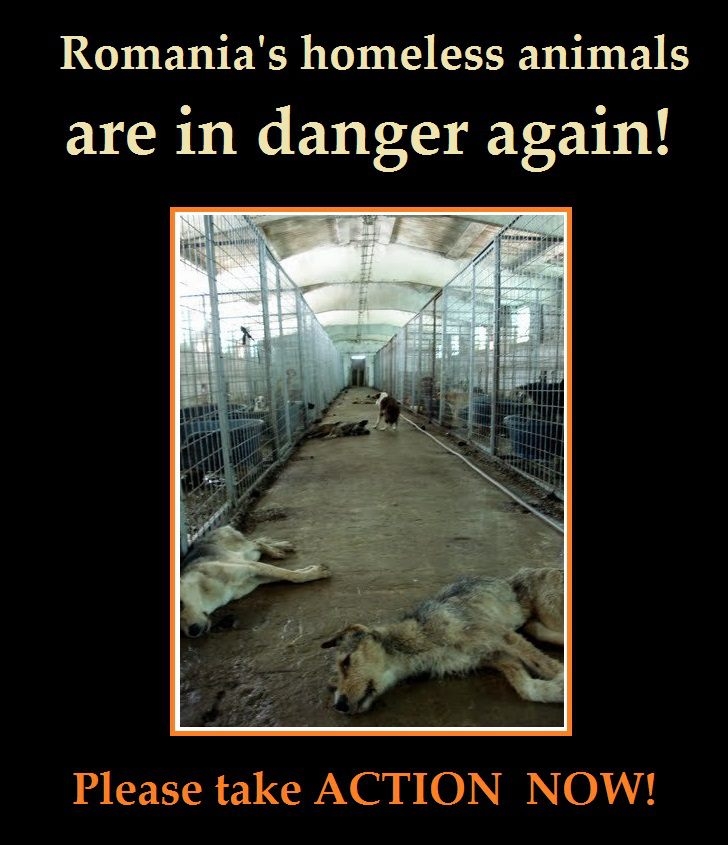
These horrors have now recently been ESCALATED by President Traian Basescu who, after a tragic incident when a little 4-year old boy was found killed and molested in Bucharest on 2 September, 2013, blamed this tragedy on ALL the dogs in Romania and decided for a mass-killing-action across the entire country.

Public polls were then set out to give this charade a democratic façade, all the while a document showing that a decision was already made, leaked out to Romanian press a few days later: http://stirileprotv.ro/stiri/actualitate/exclusiv-referendum-inutil-din-13-septembrie-pot-fi-eutanasiati-cainii-maidanezi-din-bucuresti.html

A gigantic machinery of fear and propaganda has been launched through various TV and radio-stations since the tragic day the little boy was found killed – doubts on the circumstances of the young boy’s death has been expressed in Romania, and even by MEP Tudor – but the hate propaganda against ALL dogs has continued with unrestrained force to back up a “legislation” of mass killings, spreading fear, brutality and more violence all over Romania.

Romania is an EU-member state where all democratic procedures are put aside to promote limitless animal cruelty that traumatizes many Romanians beyond repair or healing, and therefore brings this barbaric conduct into a whole, different area of rights; the human rights as described in the Declaration of Human Rights.

Romanians are being forced to witness extreme cruelty daily to such an extent that their dignity and integrity as human beings are being totally deprived of them.

Children are exposed to barbaric actions which can harm their development into autonomous and compassionate adults and thereby shape a whole, new generation of people who are de-sensitized and de-personalized to such an extent that many of them will be willing recruits to further violence and crimes.

This scenario is chilling and is supported by extensive, international psycho-social and criminal reports and statistics.

This wave of barbarism is now drowning Romania, and human beings in all ages are being intimidated, threatened, attacked, beaten and have even been killed in their attempt to protect the animals. The violation of Human Rights is now taking place on a large scale.

Only a few of these crimes have reached the media:

WOMAN BEATEN AND ABUSED BY DOGCATCHERS WHO STOLE HER DOG THAT SHE WALKED IN A LEASH: http://m.rtv.net/97917

A JOURNALIST ARRESTED BY THE POLICE WHEN TRYING TO SAVE DOGS FROM BEING KILLED IN BUCHAREST: http://www.dcnews.ro/2013/09/jurnalista-tvr-arestata-in-timp-ce-incerca-sa-ia-niste-caini-la-adapost/

A WOMAN GOT HER DOG SHOT WHILE WALKING HIM/HER: http://www.enational.ro/news/cruzime-incredibila-in-bucuresti-caine-impuscat-chiar-sub-ochii-stapanei-332774.html/

A MAN KILLED WHILE TRYING TO PROTECT A DOG FROM SEVERE ABUSE:
http://www.ziare.com/stiri/omor/ucis-pentru-ca-a-incercat-sa-salveze-un-maidanez-1032783

Being aware of the connection between animal abuse, human abuse and organized crime, is vital in order to protect each individual and to see the greater picture of threats and how to prevent them, as the US Department of Justice in April of this year focused on the intersection of animal cruelty and public safety:

http://cnsnews.com/news/article/justice-department-examines-link-between-animal-cruelty-and-public-safety

If the EU does not protect the Human Rights of its member states and its citizens, the whole foundation and purpose of the European Union crumbles and degenerates, leaving the European countries open for increasing barbarism, extremism and terror.

The following articles in the Declaration of Human Rights describing my rights are being violated;

Article 1:
All humans are born free and equal in dignity and rights.

Article 2:
Everyone is entitled to the freedoms and rights as declared in this Declaration.

Article 3:
Everyone has the right to life, liberty and security of person.

Article 5:
None shall be subjected to torture or to cruel, inhumane or degrading treatment or punishment.

Article 6:
Everyone has the right to recognition everywhere as a person before the law.

Article 7:
All are equal before the law and are entitled without any discrimination to equal protection of the law. All are entitled to equal protection against any discrimination in violation of this Declaration and against any incitement to such discrimination.

Article 12:
No-one shall be subjected to arbitrary interference with his privacy, family, home or correspondence, nor to attacks upon his honor and reputation. Everyone has the right to the protection of the law against such interference or attacks.

I put faith in your words, Cathrine Ashton, as declared in 2012: ”Human Rights are one of my top priorities and a silver thread that runs through everything that we do .”

I urge you to protect the Human Rights of Romanian citizens as described in the ‘Declaration of Human Rights’ and thus intervene so the Romanian authorities understand that they must abide by the same Declaration to be fit to be a part of the European Union.

Respectfully written,
romania-5.jpg

Additional Petition Link:

 https://www.change.org/en-GB/petitions/eu-parliament-investigate-what-happened-to-the-public-funds-designated-for-spay-neuter-programme-for-stray-dogs-in-romania


EU PARLIAMENT : INVESTIGATE WHAT HAPPENED TO THE PUBLIC FUNDS DESIGNATED FOR SPAY/NEUTER PROGRAMME FOR STRAY DOGS IN ROMANIA

Petition by K-9 Angels

In connection with the barbaric killing of homeless dogs in Romania, we the European Community and worldwide community demand IMMEDIATE intervention from the European parliament.

Such inhumane, cruel methods applied to neutralise the problem of stray dogs should have no place in the European Union.

Remaining silent on the subject, the Commissioners, MEPs and civil servants employed in Brussels undermine the credibility and effectiveness of dealing with such problems within the European Community.

Public funds were allocated to local authorities in Romania for humane solutions to the stray dog problem including spay/neuter programs but these were never implemented. The money disappeared and animals are dealt with in a most cruel way instead and euthanised in a completely inhumane manner. The reports in the Romanian media and true eye witnesses accounts state these cheap and effective euthanasia methods including beating to death, clubbing, injecting paint thinner or other cheap toxin into the lungs, burning, drowning and poisoning with substances including antifreeze.

In the light of the evidence presented, WE DEMAND IMMEDIATE RESPONSE OF THE SUPREME AUTHORITY OF THE EUROPEAN UNION and as EU citizens we ask you to immediately investigate how the allocated funds were spent.

A killing programme will never be successful if Romania does not implement a spay/neuter programme.

WE DEMAND AN IMMEDIATE REACTION TO THIS BARBARITY.

Romania guilty


Romania and China Move Closer to Live Animal Export Agreement.

RMNA0001china

SAV Comment:

So now we hear that Romania and China have signed a ‘Memorandum of Agreement’ concerning animal health, we can all sleep safe in our beds knowing that any animals involved in this trade will not suffer ? ! ?

Romania ? – well we have covered enough recently on their attitude to ‘animals and animal welfare’ – and China ?

Here is the Chinese attitude to ‘animal health’:

China (Yet again): 6,000 Dead Pigs Dumped in River by “local pig farmers who lack awareness of laws and regulations”.

VERY URGENT ACTION REQUIRED TO STOP ELEPHANT CALVES BEING SENT TO HELL HOLE ZOOS IN CHINA – Please Act Immediately To Prevent This.

China: 800 Caged Cats Rescued Successfully in Tianjin China

China: Truck full of dogs crammed into tiny cages and bound for Chinese restaurants is intercepted by animal lovers

China: Mother Bear Abused (By Chinese Government Inaction) on Bear Bile Farm Kills Cub and Then Itself – Boycott Chinese Products Until Animal Welfare Legislation is Introduced and Bear Bile Farms are CLOSED DOWN.

We at SAV have,  some 25+ years experience in the live animal export trade; something which we publish on a fairly regular basis.  To say that we have any faith in a ‘Memorandum of Agreement’ concerning animal health between Romania and China is like us having faith in a new chocolate teapot arriving at the market.

Whatever happens, we will attempt to continue to expose exactly what goes on with this ‘trade agreement’ between two nations who are not exactly top of the list when it comes to good animal welfare.  They have to prove themselves and that this is worth more than just the piece of paper that was signed in this ‘agreement’; it needs to give attention to the thousands of animals that will become involved.

Yes, there are some great animal people in China and Romania doing what they can to help animals, and we fully respect them for what they are doing; but as the old saying goes, a nation is judged on how it treats its animals; regardless of anything else; and so Romania and China are generally viewed as very poor when it comes to ‘animal welfare’, despite the heroic efforts of the minority few helping animals.

We are watching this to see what happens in the coming months.

——————————————————–

Link:

http://www.romania-insider.com/romania-and-china-move-closer-to-live-animal-export-agreement/106652/

Romania and China move closer to live animal export agreement

Live pork and cattle trade between Romania and China could begin as early as November this year.

Chairman of the Romanian National Sanitary-Veterinary Authority (ANSVSA) Vladimir Manastireanu recently said trade would start after export certificates were straightened out and the necessary protocols were signed, which could happen in late October or early November.

The chairman said export certificates had almost been “harmonized” as negotiations continued with representatives from China’s veterinary services.

The parties are working through issues including the conditions that have to be met by importers and exporters, diseases to be supervised as well as quality levels.

The commencement of trade was only a “matter of time” as both parties were keen on the agreement, Manastireanu said.

The announcement follows an economic delegation to China involving the ANSVSA between September 2 and 7.

On 30 August 2013, Romania and China signed a Memorandum of Agreement concerning animal health and safety in relation to food exports, which paved the way for Romanian producers to enter China’s market of two billion inhabitants.

For the Romanian food companies, as well as for animal breeders, the memorandum also potentially opens export markets in other countries including Vietnam, Hong Kong and Algeria.

According to the data from Romania’s National Institute for Statistics, the total number of pigs in Romania was 5.23 million as of December last year. By head, this was a drop of 2.4 percent compared to the almost 5.4 million pigs recorded during the same period of 2011.

As for cattle, their number slightly increased from 2011 to 2012 with the number hovering around 1.26 million.

Shaun Turton, shaun@romania-insider.com


USA: U.S. House of Representatives: Support H. Res. 736 to Ban Use Of Gas Chambers for Animal Euthanasia.

USA

Especially for US citizens –  this is your call ! –

Please, it is essential to actually watch the video on this link in addition to signing the petition.  Click on the white arrowhead at the centre of the photograph to play the video.

Healthy dogs killed endlessly.

http://www.change.org/petitions/u-s-house-of-representatives-support-h-res-736-to-ban-use-of-gas-chambers-for-animal-euthanasia

Petitioning U.S. House of Representatives

U.S. House of Representatives: Support H. Res. 736 to Ban Use Of Gas Chambers for Animal Euthanasia


Congressman Jim Moran, Northern Virginia Democrat and co-chair of the Congressional Animal Protection Caucus has introduced a resolution, H. Res. 736, opposing the use of gas chambers to euthanize shelter animals.

WARNING:  THE VIDEO IS INCREDIBLY DIFFICULT TO WATCH. 

THOSE EDUCATED IN ANIMAL WELFARE DO NOT NEED TO WATCH THE VIDEO.  IT IS ONLY PLACED HERE FOR THOSE WHO NEED TO UNDERSTAND THE URGENCY TO ABOLISH THIS CRUEL, INHUMANE PRACTICE.

The resolution calls for states to alternatively use established injectable euthanasia drugs and ensure that appropriate training and certification in these methods is widely available.

6,000,000 to 8,000,000 cats and dogs are placed into the care of between 4,000 to 6,000 local animal shelters each year in the United States.  Nearly half of these animals are euthanized each year because adoptive homes are not able to be found for them.

For euthanasia to be considered humane, a technique must expeditiously cause painless unconsciousness, followed by respiratory then cardiac arrest, and ultimately death. Animals euthanized in gas chambers are often forced into confined areas with several other animals, causing unnecessary stress and aggressive behavior and can take over 30 minutes to end an animal’s life and sometimes does not result in the death of all the animals inside.

The use of gas chambers can cause a loss of consciousness and brain function in an animal only after the animal’s vital organs shut down, resulting in prolonged suffering and distress and old, pregnant, neonatal, and injured animals are often biologically unable to absorb the gas as readily as larger or healthier animals, which can prolong the stress and trauma they experience before death.

Our society is striving to become more humane in the treatment of our 4-legged friends.  Your support of H.Res 736 will put an end to an old, outdated and barbaric practice that we can no longer tolerate in good conscience.  Please support H. Res 736.

Video:  Segment from One Nation Under Dog – HBO Films directed by Jenny Carchman, Ellen Goosenberg Kent, Amanda Micheli

Full text of H. Res. 736 here: http://bit.ly/OdI0sL

Like Congressman Jim Moran’s Facebook at http://www.facebook.com/RepJimMoran and thank him for getting this resolution before the U.S. House of Representatives for consideration.

Please share this with all your family and friends via e-mail, Facebook and Twitter.  The more people we have backing Congressman Moran, the better.

Questions?  You can reach me at www.facebook.com/davidrisley or www.twitter.com/drisley. 

Animal loving friends always welcome.

Join the Facebook movement at https://www.facebook.com/TakeAction.BanAnimalGasChambers.

Romania / EU: Romanian Vets Say NO To Killing Healthy Animals – EU Citizens demand EU Investigation Into Funding Given By EU to Romania for Dog Control – Now In Political Pockets ?

RMNA0001

EUUN0001

 VETERINARIANS from Bucharest SAY NO :

– they will not perform the euthanasia on healthy animals…

A special letter, to be sent to the ANSVSA ( National Sanitary veterinary Authority ) and to the CMVR ( Romanian College of Veterinarians ) has been made available ON LINE, for all Romanian veterinarians who decide NOT to euthanise healthy animals .

The veterinarians which sent already the letter, regardless of the town where they live and practice, have explained that the euthanasia is the LAST resort when the dog has an incurable disease, which makes him suffer tremendously, or when the dogs is very very old. Euthanasia is performed ONLY by the veterinarian with the approval of the owner. Thus, if all veterinarians will support this boycott, who will euthanise the dogs ?

QUOTE from the letter
” As a veterinarian I inform you that I will note take part in the implementation of OUG 155/2001 which stipulates the “euthanasia” of dogs deeme clinically healthy, in order to diminish the number pf stray dogs on the streets, because The Veterinarians’ Code of Ethics, art.50 says : The veterinarian should abstain to perform the euthanasia with the exemption of cases where this procedure will end the pain of an INCURABLE patient.”

Also, The CMVR Decision nr. 24/03.12,20122 stipulates that the euthanasia, of dogs, with the exemption of incurable deseases represent a violation of our profession thus been banned ”
I would like to mention that euthanasia is a strictly medical procedure which is performed only on animals in a terminal state of a disease, with the only aim to end the pain, and our code of ethics does not allow me to use this procedure on a healthy animal ( physically and mentaly). The provisions of this law are abusive and have been taken without a consultation with specialists in this matter and do not represent my opinion regarding the management of stray dogs.


“The term “euthanasia ” has been deliberately chosen in order to avoid any other terminology ( assisted killing, killing without pain ) for moral and ethical reasons and also for the image which the other terms might generate. This confusion can raise an important prejudice to our profession as veterinarians and intentionaly lowers the level of acceptance of the deliberate end of a life.”

Thus I would also like a strict delimitation between the veterinarians who perfomr this procedure based on a medical report and those who will perform it on healthy animals..”

http://www.dcnews.ro/2013/09/cine-va-eutanasia-cainii-veterinarii-spun-nu/

 ——————————————————————————

Petition Link:

http://www.change.org/petitions/eu-parliament-investigate-what-happened-to-the-public-funds-designated-for-spay-neuter-programme-for-stray-dogs-in-romania

Petitioning Martin Schulz, President of the European Parliament

 EUUN0001

EU PARLIAMENT :

INVESTIGATE WHAT HAPPENED TO THE PUBLIC FUNDS DESIGNATED FOR SPAY/NEUTER PROGRAMME FOR STRAY DOGS IN ROMANIA

In connection with the barbaric killing of homeless dogs in Romania, we the European Community and worldwide community demand IMMEDIATE intervention from the European parliament.

Such inhumane, cruel methods applied to neutralise the problem of stray dogs should have no place in the European Union.

Remaining silent on the subject, the Commissioners, MEPs and civil servants employed in Brussels undermine the credibility and effectiveness of dealing with such problems within the European Community.

Public funds were allocated to Romania for humane solutions to the stray dog problem including spay/neuter programs but these were never implemented. The money disappeared and animals are dealt with in a most cruel way instead and euthanised in a completely inhumane manner.

The reports in the Romanian media and true eye witnesses accounts state these cheap and effective euthanasia methods including beating to death, clubbing, injecting paint thinner or other cheap toxin into the lungs, burning, drowning and poisoning with substances including antifreeze.

In the light of the evidence presented, WE DEMAND IMMEDIATE RESPONSE OF THE SUPREME AUTHORITY OF THE EUROPEAN UNION and as EU tax payers we ask you to immediately investigate how the allocated funds were spent.

A killing programme will never be successful if Romania does not implement a spay/neuter programme. WE DEMAND AN IMMEDIATE REACTION TO THIS BARBARITY.

http://www.change.org/petitions/save-animals-asbl-b-p-96-l-8501-redange-attert-luxembourg-darüber-diskutieren-diskussion-about-it-now


Petition link:  Petitioning Save Animals asbl B.P. 96 L-8501 Redange/Attert Luxembourg

Save Animals asbl B.P. 96 L-8501 Redange/Attert Luxembourg: Darüber diskutieren!!!!! Diskussion about it now!!!!

Das Thema steht nicht auf dem Programm. Aber es wird “im Rahmen der Konferenz drei Open Discussion Slots geben, in denen spontane Themen adressiert werden. Wenn es genügend Befürworter für dieses Thema gibt, kann das sicherlich im Rahmen eines solchen Slots diskutiert werden.”


Another petition

http://www.yousign.org/en/Capitala-Europeana-cu-solutii-Europene-NU-Eutanasie-t-26534

Romania: This Is How The Pathetic Romanian Government ‘Euthanise’ Their Dogs. Plastic Bag Over the Head Then Put Them In The Middle of the Road !!

RMNA0001

red card 1

https://www.facebook.com/media/set/?set=a.214889828634745.1073741955.122403821216680&type=1

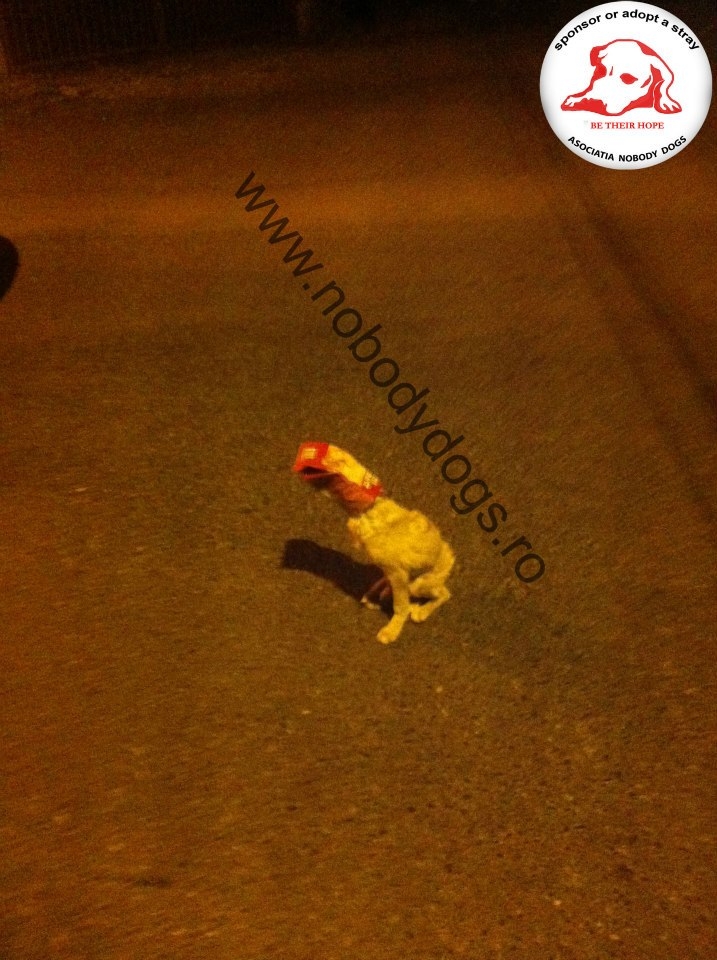
Luna – rescued from a certain death 😦

This is Luna.

We found her yesterday in the middle of the road, with a bag on her head, put by “humans”.

Luna 1

She was already hit by a car, she has a big wound at her back leg and she would have been death in minutes if we didn’t saw her in time :((.

Luna 2

Luna 4

We took her home, cleaned her wound and she will be taken today at the vet clinic to evaluate her state.

She ate good last night and we really hope she will be ok soon.

Luna 3

Luna 5

She will be for adoption after recovery. if you can help us to give her the vet care needed, please donate for her at PayPal: nobodydogs@gmail.com.

THANK YOU!!

Further Reading:

And On Day 1, Afternoon 1

Dog lovers blockade Romanian parliament after supreme court upholds law allowing officials to kill strays

https://serbiananimalsvoice.com/2013/01/10/romania-exposed-the-mass-dog-catcher-and-killer-from-brasov-romania-contact-your-meps-and-ask-them-to-take-action-now/


Romania: A Very Bad Day For Stray Animals, But Only The Start Now For The Actions Euro Politcians Will Be Facing.

RMNA0001

Romania 4

romania-5.jpg

red romania 2

Today, Wednesday 25th September 2013 is a very bad day for European animal welfare.

Please read the following for a full understanding of today’s decision and what it means for the stray animals of Romania.

Whilst a terrible death will come to many animals of Romania, it could also be said that today, by taking this action, the Romanian government and courts have rung the death knell for any productive future for their nation in Europe.

As of now, the Romanian government will be the target of thousands of different actions against them; as will be Romanian Members of the European Parliament (MEP).  Tjhere will be mass petitions constantly; and more effectively, there will be mass e mail protests and mass boycotts of Romanian products sent from the world over – a world today disgusted by what the brain dead politicians of Romania  have decided to do.  For years, the animal welfare groups and welfare NGO’s have been ignored by a government which takes the money for improving stray animal welfare, and then conveniently diverts the money elsewhere.  And all the time, the EU (Romania IS a member nation of the EU); sits back on its haunches and declares that there is nothing it can do.

EU citizens, including many good and supportive animal welfare people within Romania, are completely and utterly disgusted about what has happened; and been allowed to happen by the EU. Regarding the decision in Romania today.

The EU is going to pay a heavy price from the animal welfare lobby for its sit back and do nothing approach; that is a guarantee.  EU Commissioners and MEP’s may find that they get as much in the way of e mails etc as their Romanian counterparts.

The good thing is that in May 2014, EU citizens will vote throughout Europe for new MEP’s to represent them in the coming years.  Maybe MEP’s who did nothing about this issue will now wish that they had – the people of Europe will have their say about part of Europe in May 2014.

Lets hope that ‘do nothing’ EU Commissioners and MEP’s now glance over their shoulders to see who and what actions are happening behind them.

The Romanian government has in its actions today declared war on the rest of the world.

And as the saying goes; if they declare war, then they are going to get one.

red romania 3

EU AW LOGO

Romania guilty

EUUN0001

 ———————————————————–

Article link:

http://www.romania-insider.com/animal-welfare-groups-appalled-by-romanias-decision-to-approve-stray-dog-euthanasia-law/107026/


Added on September 25, 2013 03:53 pm

Animal welfare groups appalled by Romania’s decision to approve stray dog euthanasia law

 Animal welfare groups have vowed to continue their fight against plans to euthanize Romania’s stray dogs despite a decision today declaring the measure legal.

The Romanian Constitutional Court took less than four hours today to approve the law, which was sparked by the fatal mauling of a four-year-old.

The bill, which now just needs the president’s signature to become law, allows strays to be euthanised if they are not adopted after two weeks spent in a shelter.

Protesters outside the court reacted with fury following the announcement, blocking a main road.

President of animal welfare NGO Save the Dogs Sara Turetta said the organisation would continue to fight the “appalling” measure by lobbying Europian politicians.

“Within two to three years, Europe will issue without a doubt a Directive on Companion Animals and Romania will be forced to review this barbaric and senseless law, Ms Turetta said.

“The WHO and the OIE have repeatedly rejected the mass killings as a method to manage the stray dogs population…but the Romanian politicians continue to deliberately ignore these indications.

“It’s a behavior that finds no explanation, as it won’t just cause endless suffering to thousands of stray dogs but it will also create enormous social tensions between animal lovers and those who want to get rid of the dogs.”

Dogcatchers have already started rounding up the city’s estimated 64,000 dogs, after the Romanian Parliament passed the law on September 10, following the fatal mauling of four-year-old Ionut Anghel, allegedly by strays on September 2.

With a population of 1,883,425, there is about one stray dog to every 31 people in Romania’s capital city.

More than 6,000 people were bitten including 1,000 children in the first six months of 2013 in Bucharest, which last year recorded 16,000 incidents of dog bites.

Bucharest’s problem with strays dates back to the 1980s, when the communist dictator Nicolae Ceausescu ordered the demolition of hundreds of houses and their replacement with apartment blocks as part of his urbanisation plan.

Forced to move to smaller apartments, many people abandoned their dogs.

 Romania 4


IF YOU PROCEED TO SLAUGHTER INNOCENT DOGS, THEN BE PREPARED FOR A WORLDWIDE BOYCOTT & SEVERLY DECREASED TOURISM!!! 

THIS IS NOT A THREAT … THIS IS A PROMISE!!!!!

Romania: Court Rules Dogs Can Be Euthanized  //  She was saved .. (Euthanasia Romanian style)  CROSSPOST WORLDWIDE & INCLUDE THOSE ‘BIG BUCK’, SO CALLED CARING FOR ANIMALS ORGANIZATIONS!!!

Subject: Stop mass killing of dogs in Romania!  This information, which includes all email addresses is going out Worldwide!  THIS EMAIL, OR OTHERS LIKE IT, ARE GOING OUT WORLDWIDE – CROSSPOST/POST TO THE UNIVERSE !!!  GOD & THE WORLD IS WATCHING!

I Hope & Pray that this salutation is Truly Correct!
Honorable Members of the Constitutional Court,
Distinguished Officials,

Madams and Sirs,

Please know that mass killing of dogs is the worst decision possible: it is irrational, expensive, rejected by the World Health Organization (WHO) recognizing that dog slaughter has no result on the dog population in the street.  It is an as well known fact that killing stray dogs only pursues certain financial interests, as it is become notorious that tens of millions of EURO have been used formally, on paper, for stray dog management however in fact such amounts were used for other interests.

MASS SPAYING AND NEUTERING is the only LONG TERM solution for the decrease of the stray dogs phenomenon, as it aims to the source of the problem.  Mass killing is simply not the answer and is totally unacceptable in the civilized world of today.

We kindly expect from the Constitutional Court to prove it is correct and righteous and thus confirm by its current Decision the legal constitutional precedent given by the Decision 1/2012.  It is shameful that cruel mass slaughters of dogs can still happen in a member state of the European Union of the 21st century. The world is looking forward to hear you have reached the only correct and humane decision regarding the welfare of these animals, according with European and ethical norms, with the requests of the entire world, with the appeals from 6th and 11th September of European Parliament – Intergroup on the Welfare and Conservation of Animals who considers that this „horrible and useless massacre of dogs” „goes against the values and objectives of the Treaty on the functioning of the European Union”.

Please, be advised that if the killing of dogs starts, we will show to the entire world the reality of the dog camps, we will notify worldwide about the financial interests behind the business of killing dogs, we will withdraw any support that we have given so far to your country, we will boycott Romanian products and tourism, as no one will want to associate with a corrupt, cruel and immoral country.

I am a very simple person, US Citizen, 67 years in age, a Passionate Musician & Animal Advocate Worldwide! I (We) ask you to restore the image of your country and your people for the entire World and say NO to Animal Genocide and ask for implementation of a real, effective and civilized dog management program by mass spaying and neutering!  It is by far more compassionate & Cheaper for your economy to do this!  Offering FREE Spay & Neuter Clinics has been done in many countries, including ours, and it WORKS!  I would be the last person alive on this planet it I said the USA was without blame!!!  There are several parts of our country where Animals not treated right!  Why don’t you set an example, Right Now, that the rest of the World can see, and hopefully emulate!  Right now, you are an Extreme Example of what NOT To Do.

Respectfully, but Respect & Compassion have to be Earned,
Rich Russom-Illinois-USA-Cornwall’s Voice For Animals Patron (CVFA)

Rich Russom
rich@russom.com
http://soundcloud.com/hornhead-1
http://www.facebook.com/rich.russom
http://www.soundclick.com/RichRussom

http://www.reverbnation.com/richrussom

http://abcnews.go.com/International/wireStory/romania-court-rules-dogs-euthanized-20366255

Romania: Court Rules Dogs Can Be Euthanized

BUCHAREST, Romania September 25, 2013 (AP)

Romania‘s constitutional court has ruled that a bill on euthanizing stray dogs is legal, weeks after a 4-year-old boy’s fatal mauling in Bucharest prompted the government to draft legislation allowing the killing of strays.

Hundreds of dog lovers blocked a main road after Tuesday’s court ruling in protest. The bill needs to be signed by the president before it can become law.

Parliament voted on Sept. 10 to allow strays to be euthanized. They will be taken to shelters and, if not adopted or claimed within 14 days, killed.

Bucharest City Hall says there are 64,000 stray dogs in the capital, while animal rights groups say there are 40,000. A hospital that handles infectious diseases has treated 9,760 people for dog bites in the first eight months of the year.

 London rom 15

IMGP7995

IMGP7944

IMGP7926

Japan: The Clinically Clean Hi Tec Killing Machine That Is The Japanese System – More Than 204,000 Pets — 82 Percent of the Total Taken Into Public “Animal Shelters” Are Killed With High Tec Disregard Each Year.

Japan

The Cruel Japanese doing what they know best – killing vast numbers of animals in such a clean, electronic controlled, brain dead workmen type fashion.

Animals gassed using high tech systems that ends up showing scores of newly gassed dogs and cats simply being emptied out of crates like the weeks rubbish.

This is the squeaky clean method of Japanese animal abuse – shame on them !

If you wish to contact your national Japanese embassy about what you have seen here in the videos, then please use the following link(s) – copy and send a link to this article if you wish:

http://www.mofa.go.jp/about/emb_cons/mofaserv.html 

http://www.mofa.go.jp/about/emb_cons/protocol/

https://www.facebook.com/notes/save-japan-dolphins/japanese-embassies-global-list/446594295377742


WARNING – VERY GRAPHIC FOOTAGE.


The first video –  dog killing.

Second – kitten and cat killing.

Video footage is shown in the following link:

http://www.fellbeisser.net/news/automatische-vergasungssysteme-in-japanischen-tierheimen

 ‘Hiroyuki Satake, deputy director of the Tokyo metropolitan government’s Animal Protection and Consultation Center in Setagaya Ward, says it is an uphill battle convincing the public to adopt abandoned pets, although things have improved slightly in recent years.

“Japanese people are in the habit of going to a pet shop and buying a puppy. In Tokyo there are no puppies brought to the pound and so we only have adult dogs to re-home. People don’t want an adult dog — they want to get a dog when it is still young.”

The following article from the ‚Japan Times’ explains more about this issue and the video footage linked above:


http://www.japantimes.co.jp/community/2013/02/19/issues/millions-of-dogs-cats-coddled-200000-gassed-each-year-in-pet-mad-japan/#.UkLxXH9jFOR 

Millions of dogs, cats coddled, 200,000 gassed each year in pet-mad Japan

82% of animals that end up at public shelters face ‘distressing’ death by carbon dioxide

by Simon Scott

Cast in bronze, Hachiko sits in a position of prominence befitting a storied daimyo or prime minister, right next to the busiest intersection in Japan, if not the world.

As the oft-told story goes, the famed golden-brown Akita would greet his master, professor Hidesaburo Ueno of Tokyo University, outside Shibuya Station at the end of every day as he returned from work.

After the professor died suddenly in 1925 of a stroke, Hachiko continued to wait patiently outside the station for his master day in, day out for another nine long years, until his own demise.

This enduring loyalty earned Hachiko the respect and affection of the Japanese public and led eventually to his immortalization in bronze in Shibuya and in modern Japanese folklore, as the embodiment of the unbreakable bond between man and his best friend.

Hachiko was also a dog for his time. Born into 1920s Japan, he lived through the prewar period when Japan’s leaders were busy whipping up a nationalistic storm about fealty to the Emperor and nation to support their military aims in Asia. Hachiko came to symbolize this “dogged” and blind loyalty.

By the standards of the Shibuya pooches of today, who daintily walk in his comparatively very large footsteps, Hachiko would probably be a long way from being considered even remotely kawaii.

Photos from back in the day reveal him to be a mangy-looking mutt with lopsided ears and a grumpy, forlorn face (perhaps understandably, considering his predicament). Yet he was loyal, and that was enough — at least back then.

Today, it is unlikely Hachiko would survive nine hours wandering around Shibuya crossing on his own, let alone nine years. If he managed to avoid being run over by an impatient taxi driver, he would likely be promptly picked up by Tokyo’s animal control division. And then his chances of survival would be very, very slim.

More than 204,000 pets — 82 percent of the total taken into public “animal shelters” that year — were euthanized in 2010, according to the latest available government figures. Just under 52,000 of these animals were dogs; the majority were cats.

In that same year, less than 29,000 abandoned pets — 11 percent of arrivals — were successfully re-homed.

In the U.K., in contrast, just over 7,000 dogs were euthanized in 2011, even though more than 126,000 were abandoned — a rate of less than 6 percent. The euthanasia rate for animals in Canada based on responses from just over half of the country’s shelters in 2010 was 36 percent.

Such comparisons highlight Japan’s very low rehoming rate and beg the question of why so many pets end up being put down.

Hiroyuki Satake, deputy director of the Tokyo metropolitan government’s Animal Protection and Consultation Center in Setagaya Ward, says it is an uphill battle convincing the public to adopt abandoned pets, although things have improved slightly in recent years.

“Japanese people are in the habit of going to a pet shop and buying a puppy. In Tokyo there are no puppies brought to the pound and so we only have adult dogs to re-home. People don’t want an adult dog — they want to get a dog when it is still young.”

Satake adds that even out of the small number of dogs that are successfully rehomed, the majority are not taken in by members of the public as family pets, but are mostly picked up by volunteers working for any number of Japan’s private animal shelters.

One such shelter is ARK (Animal Rescue Kansai), established by Briton Elizabeth Oliver in 1990. One of most well-known and respected animal shelters in Japan, ARK has been something of a trailblazer in the field of animal rights in Japan. Oliver was awarded an MBE (Member of the British Empire) by the queen last year for her services to animal welfare and civil society in Japan.

ARK currently houses about 180 cats and a similar number of dogs at its sanctuary in Osaka Prefecture, with around 30 more animals staying in ARK-registered foster homes in the Tokyo area.

A large number of the animals the shelter takes in are handed over by older people who are no longer able to look after them, Oliver says. “We get a lot of dogs from people in their 60s and 70s. Often they have to go into hospital and can’t take their dog with them.”

Oliver believes the root of this problem lies with the pet shops, which will only sell puppies. “I’m not against older people adopting animals, but if they go to a pet shop, the only animal you can get is one which is very young. If they come here [to ARK], we would say, ‘Well, take a dog which is 6 or 7 years old.’ ”

Oliver adds that in her native England the pet culture is very different and it is common for people to adopt older animals.

“People are more realistic in the U.K. If you are a certain age, you would be thinking to adopt something older. I think in Japan people just see cute puppies.”

ARK also takes in a lot of dogs from hoarders and what she calls “balcony breeders” — amateurs trying to make some quick yen breeding from home but who fail to sell the dogs.

Animal hoarders are people who keep an abnormally large number of domestic pets in their home despite lacking adequate space to house the animals or the ability to feed or look after them properly.

Hoarders are often mentally ill people who have an unhealthy, obsessive attachment to their pets and are unable to comprehend the suffering they are causing.

Recently six miniature pinschers were brought to the ARK shelter after the owner was apprehended by the authorities.

“She was a hoarder type and she had abused the dogs. The animals hadn’t been properly fed,” Oliver explains. “Amongst those six, two have died already. One, a so-called puppy, was about 8 months, but looked about 1 month. It weighed only 560 grams — the weight of a kitten.”

Walking the streets of Tokyo, you could be forgiven for thinking Japanese pets are the luckiest in the world. In many cases, they probably are.

Veterinarian Midori Wada from Daktari Animal Hospital in Tokyo says she is often impressed with how conscientious and devoted most pet owners in Japan are.

“From personal experience interacting with patients and their respective owners, a pet is family, not a family pet,” she says. “If an animal has an incurable disease, Japanese owners tend to be very devoted and they will do whatever they can to prolong the pet’s life rather than euthanize, so they can be together for one more day.

“We have patients who are hospitalized for months. The owners come to visit on a daily basis and I experience the strong human-animal bond and medical miracles that come from not giving up in our hospital.”

Wada adds that the responsible attitudes of many pet owners also make it possible to administer preventative treatment. Even people with completely healthy pets will diligently pay for vaccinations every year, as well as general health checks that include a variety of tests from a physical exam to a blood test — and even a CT scan.

Yet Wada also believes Japanese pet owners can at times go too far and overindulge their pets, which can create problems down the road.

“We have many pet owners who treat animals too much like people, making them good parents to their pets, maybe, but becoming too obsessed with them at the same time,” she says. “I’m used to seeing Louis Vuitton carriers, baby strollers, and a dog’s diet including Kobe beef and Yubari melons, which cost upwards of $50 per fruit.”

Wada says that sometimes this over-the-top treatment can result in serious medical issues for the animals. Forcing dogs into clothes in the very hot summer months can cause matted fur and skin problems, for example, and an imbalanced diet can lead to obesity.

As with any other fashion craze in Japan, ground zero for this pooch-pampering obsession is trendy Shibuya and neighboring Harajuku. Boutiques selling designer doggie clothes and accessories are now almost as common a sight as high school girls dressed up as “gothic Lolitas.”

Dare to imagine it and these shops have probably got it: ripped designer jeans for the Chihuahua, a heavy-knit English duffle coat to keep the Pomeranian warm in winter, or a Buzz Lightyear costume for the miniature dachshund — because, of course, he loved the film.

There are doggie necklaces, bracelets, hats, bootees, socks, carry bags, push chairs, nappies — even a bandana with a built-in gel cooling pad for those scorching summer months. And if money is no object, Chanel, Dior, Hermes and Gucci now have luxury dog product lines in Japan.

Then there are the service industries — pet theme parks, restaurants, cafes, hotels, swimming lessons, grooming sessions, manicures, massages, facials, and even special pet-only spa resorts. One can’t help but wonder who is enjoying themselves here — the dog or the owner?

And if old, noble Hachiko was raised from the dead and ambled once more through his old stomping ground, what would he make of the spoilt brand of toy dogs that crowd the area today? Would he even recognize them as being of the same biological order, let alone species, as himself?

For better or worse, Japan is in the throes of a pet boom and there is serious money to be made. In a climate of general economic stagnation, the industry is proving to be remarkably recession-proof, with the pet business estimated to be worth over ¥1 trillion a year and growing by the day. The nation’s total pet population is now a staggering 22 million — that’s over 5 million more than the number of children under 15 in Japan today.

No one can complain about an industry doing well, and a pet — just like a human — loved too much is better off than one not loved at all. But sadly, as the pet population grows, so does the number of animals that fall through the cracks.

For some pets that end up in the Animal Protection and Consultation Center in Tokyo, rehoming is not even attempted and they are sent to their death after only seven days.

“We observe the animals and decide if the chance of rehoming is high or low,” says Satake, the center’s deputy director.

Factors taken into consideration are the health, age and character of the animal, such as whether or not it is overly aggressive.

“If the odds of re-homing are good we keep it here for a long time, but if they are low then we quickly destroy the animal,” says Satake.

“The decision is ultimately made by one of our staff and it is hard for that person. They must themselves decide on life or death for the pet. This is a heavy burden for them to carry.”

In cases where animals are put down, the method of euthanization is one which has largely been abolished in the West: gassing by carbon dioxide.

The World Society for the Protection of Animals (WSPA) strongly criticized the use of carbon dioxide to put down animals in a recent report, citing the suffering it inflicts.

“Concerns over the humaneness of CO2 stem from its association with breathlessness and hyperventilation,” the report says. “At high concentrations, CO2 dissolves in the moisture of the animal’s airways producing carbonic acid that causes irritation and pain in the animal’s nose. Induction to unconsciousness is accompanied by escape attempts, licking, sneezing and increased movement or agitation indicating exposure is distressing.”

Satake says that carbon dioxide gas is still used in Japan because in the past the number of stray animals was even higher. This made it impractical to euthanize animals individually, such as by lethal injection, whereas with gas a large number can be killed simultaneously.

Satake acknowledges that the system currently in place is not ideal, but says changing to a more humane method would cost a lot of money.

“The truth is the most current method is not carbon dioxide but anesthetic gas,” he says. “There is a machine available which uses this gas, but it is very, very expensive. We want to buy this machine and change to this method, but it’s too costly.”

Currently, Shimonoseki city in Yamaguchi Prefecture is the only municipality in Japan that euthanizes its animals using anesthetic gas.

Another option for euthanizing unwanted pets would be to give them an intravenous injection of a barbiturate or anesthetic agent, inducing death through an overdose.

The WSPA regards an IV injection of a 20-percent pentobarbital solution (a barbiturate) as the most humane method of euthanizing cats or dogs as it induces “rapid loss of consciousness” and causes no “distressing side effects.”

Pentobarbital is also commonly used in conjunction with other drugs for the execution of criminals for capital crimes in some U.S. states.

However, Satake sees obstacles to such a hands-on method being introduced in Japan.

“In the case of giving an injection to each animal, well, it can lead to mental problems for the individual who has to do the killing, so we want to avoid direct methods such as injection,” he says. “In the case of a machine, well, the person can avoid directly handling the animals.”

Tucked away in a corner of the car park at the Animal Protection and Consultation Center — the place where the unwanted pets of Tokyo are processed before being sent to the gas chambers in Jonanjima on the outskirts of the city — is a small shrine.

Here, the staff of the center from time to time burn sticks of incense and say a prayer for the souls of those pets who never found a home — pets who never got to roam, free but lonely, like mangy Hachiko through the crowded streets of Shibuya to bum a stick of yakitori or a pork bun from a friendly passer-by.

Those interested in adopting a pet or donating to ARK should visit www.arkbark.net or email ark@arkbark.net. Send comments on this issue and story ideas to community@japantimes.co.jp .

Three-quarters of euthanized pets in Japan are cats

Of the more than 204,000 pets euthanized in Japan in 2010, around 152,000, or 75 percent, were cats, according to the latest available government figures.

The high proportion of cats being put down reflects a massive decrease in the number of puppies being abandoned, especially in large urban areas, rather than an increase in the number of cats, says Hiroyuki Satake, deputy director of the Tokyo metropolitan government’s Animal Protection and Consultation Center.

For example, in the Tokyo metropolitan area only two puppies were brought to the Animal Control Center in 2011 compared to 1,736 kittens.

Satake says this positive trend for dogs can be attributed to an increase in neutering rates and the urban Tokyo lifestyle.

“Everyone gets their dog spayed nowadays. In the past they didn’t due to the prices, perhaps, or they felt sorry for the animal,” he says.

“Also, in Tokyo everyone keeps their dogs inside their house rather than outside so there is no chance for them to breed.”

Cats, on the other hand, are more likely to roam free and so the risk of an unspayed female getting impregnated is a lot higher, he added.