Australia: New Australian Group: Vets Against Live Export (VALE).

New Australian Group: Vets Against Live Export

http://www.vale.org.au/index.html

PRESS RELEASE

1 March 2012

http://www.vale.org.au/uploads/1/0/4/3/10438895/vale_press_release_120301.pdf

Veterinarians form new group opposing live export

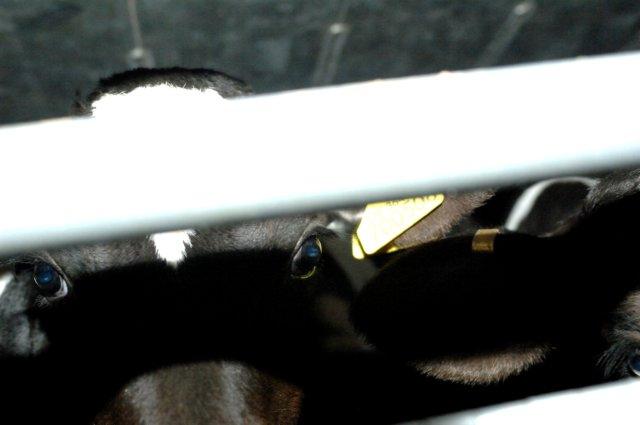
A group of prominent veterinarians have founded a new organisation focusing on the need to phase out export of live animals for slaughter.

Spokesperson Dr Sue Foster says Vets Against Live Export (VALE) counts among its members and advisors two professors of animal welfare in Australian veterinary schools and an on-ship veterinarian who has first-hand experience of the live trade.

Dr Foster said “The national professional body, the Australian Veterinary Association (AVA), continues to condone live export despite overwhelming evidence that regulatory enforcement of animal welfare standards is non-existent, and attempts to improve animal welfare in importing countries have consistently failed.

“We believe that the live export trade for slaughter exposes millions of animals to significant and unnecessary pain, suffering and abuse. It is therefore crucial to correct the public’s impression that all vets – or indeed all AVA members – support live export.

“VALE’s aim is to lead the transition away from live export by giving the public and government a balanced and objective scientific view of animal welfare and regulation of the industry. Our members have direct experience of the willingness of exporters to hide the truth about poor animal welfare and will be seeking to expose this to the public.”

Dr Foster hopes that the Australian Veterinary Association will support VALE’s goal of phasing out the live export trade and assisting with the transition back to a localised slaughter industry with export of refrigerated meat, which would benefit many more Australians through the creation of regional jobs.

“It has repeatedly been demonstrated that the trade is very risky and unreliable. More needs to be done to ensure the long term viability of Australia’s livestock industries, and the AVA should support that notion,” she said.

In addition to the tremendous response to VALE from veterinarians in Australia there has been strong interest in VALE from overseas.

“This is a global issue which has attracted international attention and will continue to do so,” said Dr Foster.

For more information contact Dr Sue Foster on 0423 783 689, info@vale.org.au <mailto:info%40vale.org.au>

England (Uk): “Wild Animal Ban Will Help Circus Industry But Government Must Act”


Source: http://legalaction4animalrights.net/2012/03/24/wild-animal-ban-will-help-circus-industry-but-government-must-act/

“Wild animal ban will help circus industry but Government must act”

Circus master Gerry Cottle: “I believe a ban will, in the end, improve the image of circuses in Britain.

The animal issue has given circuses a bad name.”

Animal Defenders International (ADI) have found an unexpected ally in the campaign to end the use of wild animals in circuses – famous circus impresario Gerry Cottle. Years ago, they were locked in battle as Gerry Cottle’s Circus toured with elephants, lions, monkeys, and llamas. But today ADI applauded Mr Cottle for saying that the time has come to end the use of wild animals in circuses.

Gerry Cottle, once a leading advocate of wild animal acts in the big top, is backing the Government’s promise to ban the practice, saying he has “reluctantly decided to move on”, conceding “The animal issue has given circuses a bad name.”

“Sad as it is for me to say, I now support the ban,” said Mr Cottle. “Times have changed and this issue has to be decided one way or the other. I believe a ban will, in the end, improve the image of circuses in Britain.”

Gerry Cottle’s Circus will start touring again next month completely animal free with human only acts.

Tim Phillips, Campaigns Director of ADI says: “We have said for a long time that the tarnished image of the animal circus is holding back the circus industry as a whole. We have always advocated human only circuses, and are in fact involved in promoting a human only circus festival in Colombia in the near future.”

“However, every time our undercover investigations catch on film savage brutality in the circus, like that meted out to Anne the elephant, or the Great British Circus elephants, then people come to associate that with the big top generally. The longer the Government delays implementing the ban the more harm they are doing to animal welfare and the wider circus industry.”

Data collected by ADI in the past has shown that when animal circuses close they tend to be replaced by animal free circuses. ADI’s huge undercover investigation of the British circus industry in 1998, which led to the convictions of Mary Chipperfield and others, saw more than 50% of the UK’s animal circuses close within six months. Every one was replaced by an animal free circus. Since then animal circuses in the UK have continued to disappear leaving just four with wild animals. But the exposes by ADI have continued with the abuse of Anne with Bobby Roberts Circus particularly shocking the public last year.

In 2011 the Chipperfield Circus, which had previously been exposed by an ADI undercover investigation, finally went animal free.
Tim Phillips says: “We applaud Gerry Cottle for taking this stand. The future of circuses has to be animal free, the traditions and skills can be retained without animal suffering. A ban on wild animal acts can be the best thing to happen to the industry. It’s the best way to escape the taint of all the video footage of lions, tigers, elephants and camels living in small cages and chains being punched, kicked and beaten.”

ADI however remain sceptical about the Government’s proposals for a ban and met with Defra Minister Lord Taylor last week to press for a timetable for a ban.

ADI believe that a licensing regime and inspection system is unworkable and will merely give an undeserved veneer of respectability to circuses with wild animals whilst perpetuating suffering and abuse. The ADI report Out of Control submitted to Defra shows how inspectors have repeatedly been misled by animal circuses concealing sick animals, chains used to restrain animals and physically abusing animals between inspections.

Tim Phillips says: “The only people who want regulation are the circuses with wild animals because for them it is business as usual with a stamp of Government approval. The public, Parliamentarians and now even Gerry Cottle all want a ban, but instead we have a handful of circuses making Defra and the Prime Minister jump through hoops rather than actually deal with the problem. It’s simple, if Defra and the Prime Minister really want a ban, then do it, not just talk about it.”

Earlier this year Greece banned all animals in circuses, and a few months before that Peru banned wild animal acts. National measures to prohibit or limit the use of animals in circuses have already been adopted in Bolivia, Croatia, Bosnia-Herzegovenia, Austria, Czech Republic, Denmark, Estonia, Finland, Hungary, Poland, Peru, Portugal, Sweden, Singapore, Costa Rica, India and Israel and similar laws are being discussed in the USA, Brazil, Chile, and Colombia.

In 2011, ADI undertook an enforcement operation with the Bolivian authorities closing down eight animal circuses that defied the ban there. Every animal was rescued by ADI and relocated including 29 lions to the USA and a baboon to the UK. ADI continues to care for the animals and has offered the UK Government every assistance in enforcing a ban here.
Additional Information:

ADI (London) International and Uk  websites –

http://www.ad-international.org/adi_uk/

http://www.ad-international.org/adi_world/

http://www.ad-international.org/about_us/

Boycott All Animal Circuses !

“Speciesism: The Movie” May Change Your Worldview.

http://www.huffingtonpost.com/bruce-friedrich/speciesism-the-movie-may-_b_1347514.html
 
“Speciesism: The Movie” May Change Your Worldview

Every now and then, a movie comes along that is capable of fundamentally changing the worldview of its audience.

Speciesism: The Movie, a new documentary by Mark Devries, is that kind of film.
The word “speciesism,” which has been popularised by Princeton bio-ethicist Peter Singer, refers to the assumption that a vast gulf exists between the ethical value of human interests and the ethical value of the interests of other animals. At its extreme, we may see ourselves as the only species that matters morally, and view other animals as existing merely for our use: to eat, to make into clothing, to perform experiments on, to be entertained by in circuses and zoos. Like those who grew up having overt racist beliefs assimilated into their worldview, some degree of speciesism has been so well-assimilated into the worldview of most of us that it does not even appear to be worth questioning.

Of course, other animals possess the same five physiological senses that we do, as well as the capacity for a wide range of emotions. In her introduction to The Inner World of Farm Animals, Dr. Jane Goodall writes that “farm animals feel pleasure and sadness, excitement and resentment, depression, fear, and pain. They are far more aware and intelligent than we ever imagined . . . they are individuals in their own right.”
And Dr. Temple Grandin, in Animals in Translation, writes that “When it comes to the basics of life . . . [other] animals feel the same way we do.” She goes on to explain that both humans and other animals share both the exact same core emotions (“rage, prey chase drive, fear, and curiosity/interest/anticipation”) and the same “four basic social emotions: sexual attraction and lust, separation distress, social attachment, and the happy emotions of play and roughhousing.”

So, our worldview may be worth questioning.
Yet, the ramifications entailed in questioning our speciesist assumptions are tremendous: Our entire political discourse centers on how policies will affect humans. If we conclude that speciesism is not justifiable, our thinking about nearly everything in our lives will undergo a transformation.
Prominent philosophers and scientists have criticized speciesist assumptions for many years–in writing. But, as far as I know, these questions have never become the centerpiece of a film. Not only does Speciesism: The Movie ask these life-changing questions, but it does so while taking viewers on an adventure that is tremendously entertaining and often laugh-out-loud funny.
Devries goes to great lengths to put together a thoughtful and entertaining film–whether commissioning an airplane to fly over factory farms’ giant “manure lagoons” with an anti-CAFO Republican from North Carolina, or (somehow) scheming his way into receiving a guided tour of a factory farm.
Along the way, he meets and questions a remarkably broad range of people, including Peter Singer (whom the New Yorker has named “one of the most influential philosophers alive”), Richard Dawkins (the most influential evolutionary biologist of the past century), and Temple Grandin (designer of the animal handling systems used by over half of the slaughterhouses in the United States).
He also speaks with anti-factory farming activists, a man who is dying next to a huge hog farm, a current member of the American Nazi Party, a disability rights activist, a vivisector, quite a few people on the street, and more–all in his quest to thoroughly consider the philosophy that says that bias on the basis of species is unjustifiable. Disclaimer: He also spoke with me.
Above all, Devries confronts some very difficult and uncomfortable questions head-on. For example: How strong are the grounds for believing that humans have special moral worth? How valid are the comparisons between our use of other animals and the slavery of other humans?
For those unfamiliar with speciesism, there may be no more enjoyable introduction to this fascinating subject than Speciesism: The Movie. For those familiar with the topic, and searching for a way to introduce friends and family to the deeper questions, this film may be the perfect solution.

For everyone, watching Devries’ movie is an enjoyable and thought-provoking way to spend 90 minutes.

Ukraine: The Current Situation For Ukraine Strays As Told to SAV During Discussion With ‘Naturewatch’ (Uk Animal Welfare Charity).

Thursday 22 March 2012.

Today, SAV has been in contact with Naturewatch, another Uk animal welfare organisation, dedicated to helping animals worldwide.

Mark at SAV was informed by Debbie at Naturewatch that at this current time, the situation relating to stray animal control schemes in the Ukraine has improved greatly.

The mobile crematorium; of which there was one in operation; not several, has now been completely scrapped and is no longer in use.

We are providing links to the following Naturewatch web information relating to the Ukraine; but we are also copying and repeating a few of the key points below as detailed on the Naturewatch website.

After SAV / Naturewatch conversation today, we are confident that the situation for stray dogs in the Ukraine has changed dramatically in the past few months.  Please check on the following links (and others via these same links) to obtain much more information on the work for strays in the Ukraine.

· Ukraine’s Prime Minister, Mr Mykola Azarov, has instructed humane stray animal control schemes to be implemented across Ukraine and for laws to be more rigorously enforced to prevent the mistreatment of animals. 

Link – http://www.naturewatch.eu/pm-helps-animals

· November 2011
With just six months remaining before EURO 2012, Naturewatch has secured agreements with top Ukrainian government officials to immediately address issues of cruelty to stray animals.

Link – http://www.naturewatch.eu/humane-stray-animal-control

· February 2012

Naturewatch has teamed with two of the largest animal welfare groups in the world in order to tackle Ukraine’s stray animal problem in a humane manner.

Link – http://www.naturewatch.eu/naturewatch,-rspca-and-hsi-team-up

· November 2011
On 10 November 2011, Naturewatch Director, Mr John Ruane, was offered the position of Personal Advisor on Animal Weflare to the First Deputy Mayor of Kyiv City Municipality.

Link – http://www.naturewatch.eu/naturewatch-as-personal-advisor

· Naturewatch is sincerely grateful to Mr Platini for all he has done to address the issues of stray animal cruelty in Ukraine.
Following months of intense international lobbying, UEFA repeatedly contacted the Ukrainian authorities asking for appropriate measures to be implemented to humanely control stray animals. UEFA also made a donation to the Kyiv Society for the Protection of Animals ‘SOS’ to help finance its shelter activities.
Link – http://www.naturewatch.eu/uefa-and-naturewatch

Naturewatch website home link – http://www.naturewatch.eu/

Croatia: Sibenik is a Town in South. Croatia – The Communal Dog Kill Shelter Is Now Full – Animals are At Risk of Death.

Dear All,

I’ve had this from Colleagues in Austria today.

Sibenik is a town in Sth. Croatia – http://en.wikipedia.org/wiki/%C5%A0ibenik

And it has a communal kill shelter, which is full now.

The dogs presented below are in acute danger of being killed, very soon.

The German page to this call for help is this

http://notfallhunde.blogspot.de/2012/02/niemand-hort-ihr-bellen-sibenik-die.html

Please, if you can assist, do – with a new home, with a foster home, even financial help (details below). These are wonderful animals who do not deserve to die.

I know – we see this every day, and no animal like this ever deserves to die. They are all priceless creatures. Unique and precious, every one of them …

I beg you, if you can help them, or at least a few of them, it would mean the world.

Please contact either perugia09@gmx.de  or me – I will translate, of course.

Please also pass on to anyone who might be able to assist.

Thank you so much!

Diana

————————————————————–

Slavica Mazak Beslic commented on Croatia: Sibenik is a Town in South. Croatia – The Communal Dog Kill Shelter Is Now Full – Animals are At Risk of Death.

Hi all

Diference – distinction between euthanasia and “euthanasia“ is in these 3 :
– a way
– a present/absent indication
– a present/absent Wish to die by person whose life is on the table ,
by a person who be euthanized or killed .
All 3 must be `pozitive` or there is not euthanasia, but killing by any way.
Please help these poor dogs, and push authorities of Croatia for doing a new regulation in agreement to The Written Declaration on dog population management in EU-13.10.2011., by putting down 60 days dead rows ( or any other limitation), and by doing that : responsible ownership be a way of control of dog/cat population .Thanks.


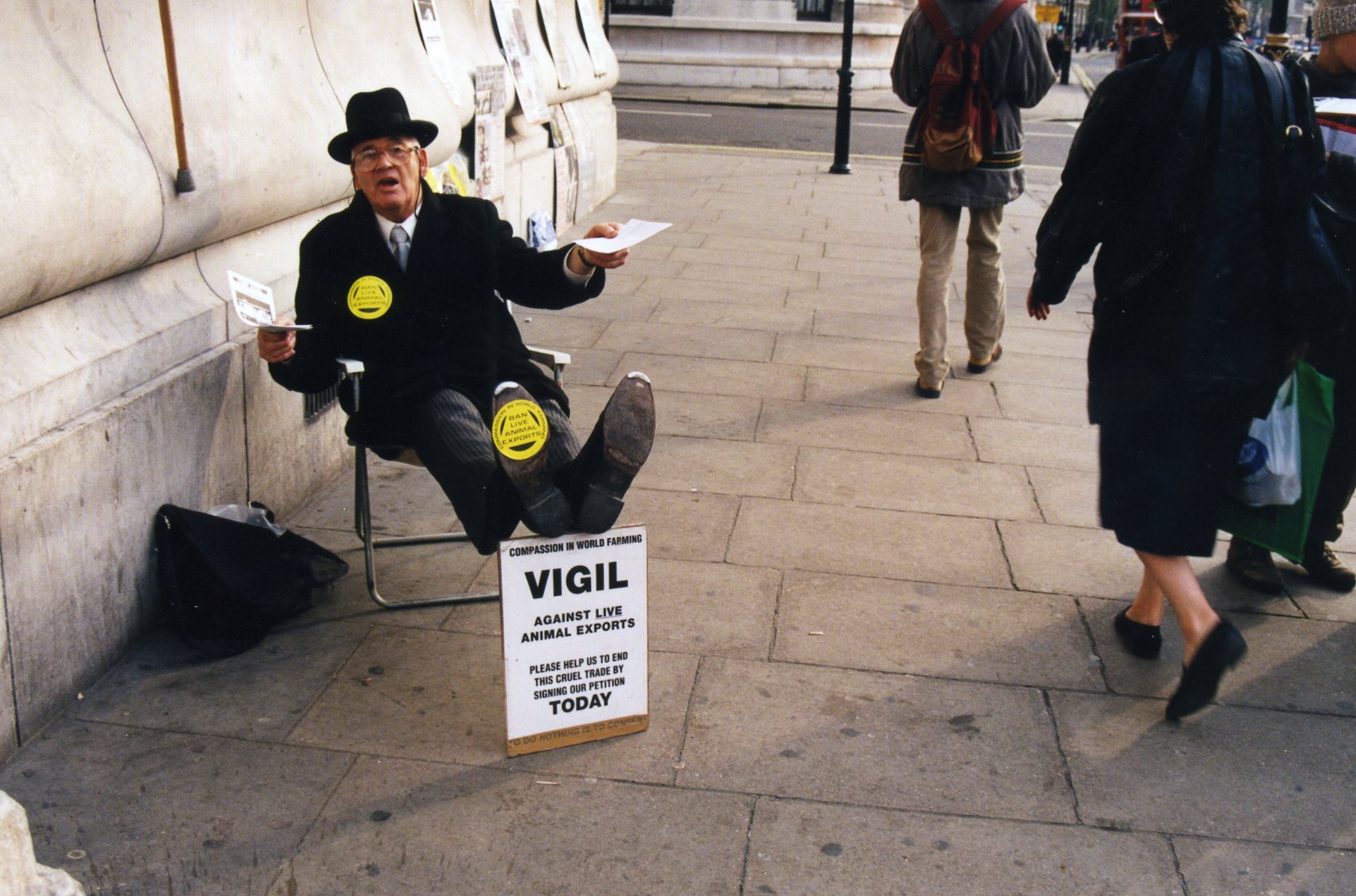
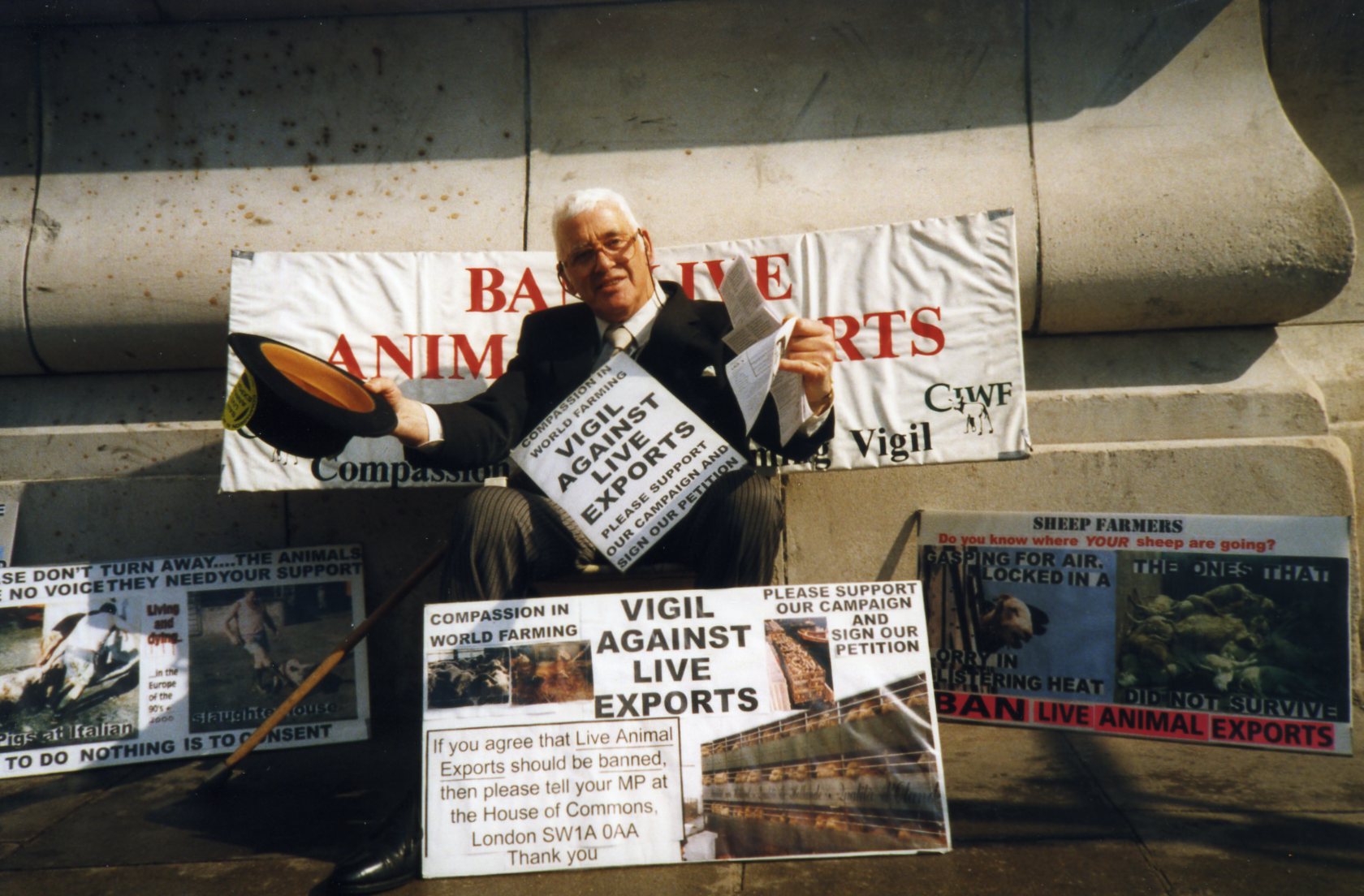
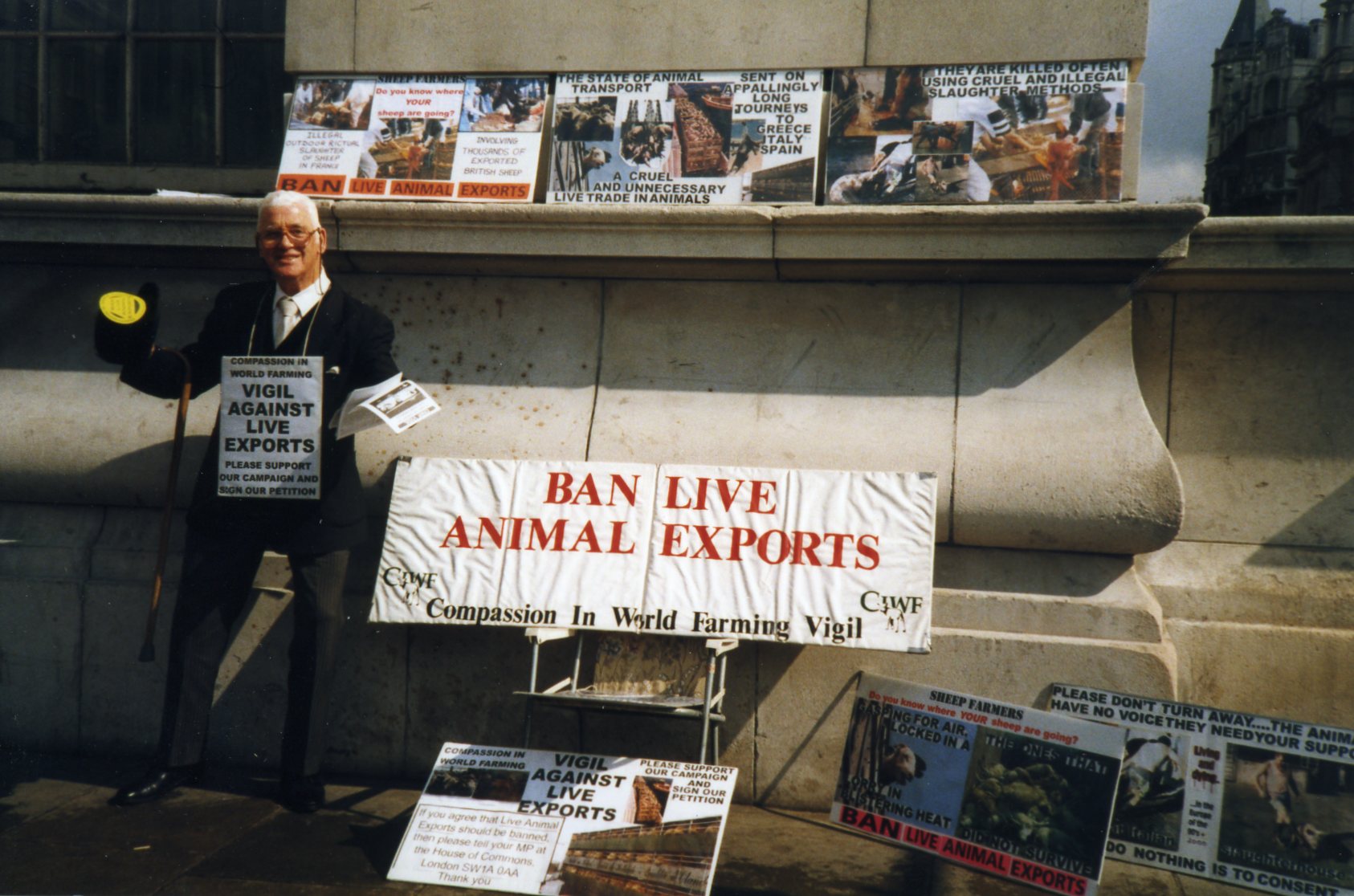
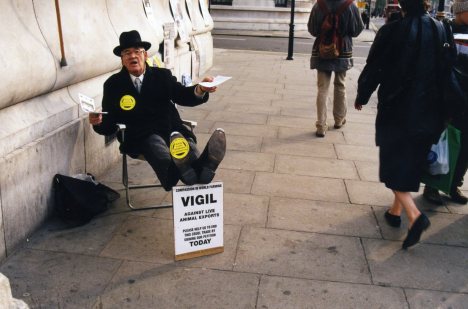
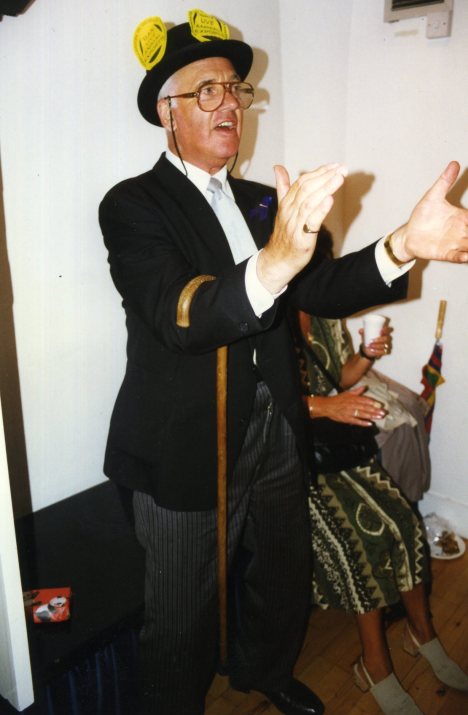
Uk (England): Michael Tucker (Live Export) Campaign Photographs.

Further to our recent post relating to the sad death of Michael Tucker:

https://serbiananimalsvoice.wordpress.com/2012/03/17/uk-england-michael-tucker-a-dedicated-live-animal-export-protester-stalwart/

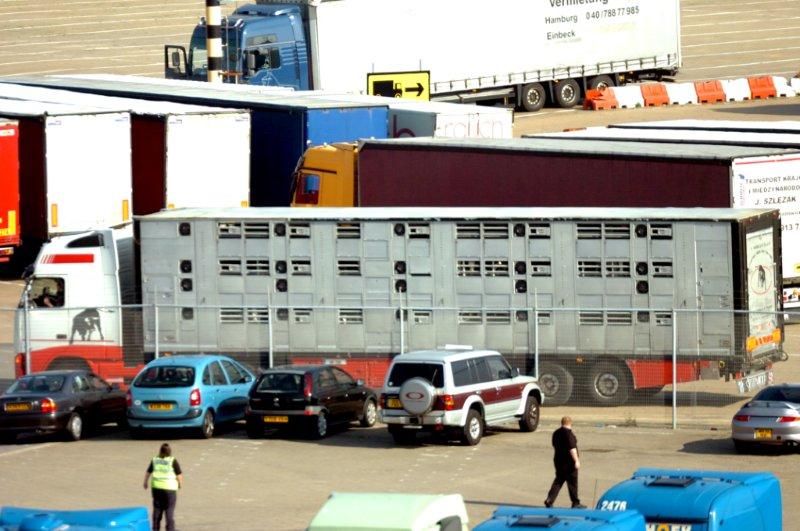
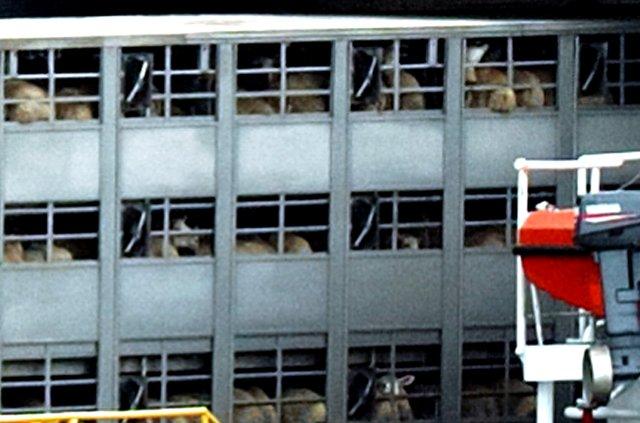
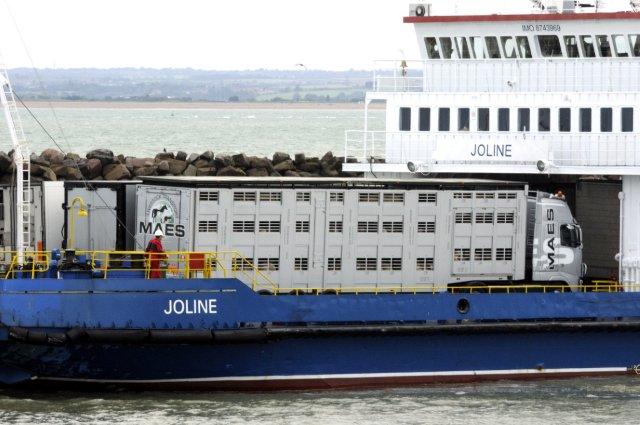
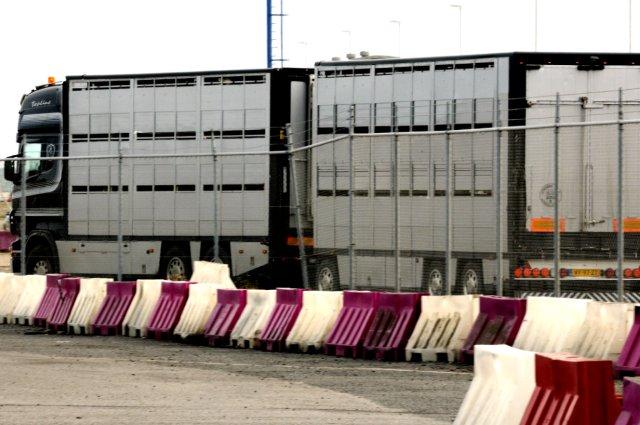
we have now obtained some more good photographs of Michael campaigning in London against live animal exports.  We would like to share them with you.

Photos are with thanks to Philip, Tina and the team at Compassion In World Farming (CIWF) – Godalming, Surrey, England, United Kingdom:

http://www.ciwf.org.uk/

http://www.ciwf.org.uk/about_us/default.aspx

EU: The Written Declaration on the Establishment of a Maximum 8-Hour Journey Limit Has Now Been Adopted Within the EU.

** News 16/03/2012 **

Written Declaration on the establishment of a maximum 8-hour journey limit

Past SAV posts on this issue:

https://serbiananimalsvoice.wordpress.com/2012/01/10/eu-very-urgent-action-for-eu-citizens-by-1503-2012-please-ask-your-national-regional-meps-to-support-written-declaration-wd-0049-2011-for-an-8-hour-maximum-journey-time-for-eu-animals-i/

https://serbiananimalsvoice.wordpress.com/2011/12/05/eu-europe-wide-a-new-written-declaration-wd-for-animals-in-transport-8-hours-maximum-journey-time-please-get-your-meps-to-add-their-signature-now/

The European Parliament during its plenary session in Strasbourg adopted Written Declaration 49/2011 on the establishment in the European Union of a maximum time limit of eight hours for the transportation live animals to slaughter.

“This is a key moment in a campaign that will end only when it has limited the transport of animals over long distances for slaughter. The Declaration and the collection of one million signatures are part of the 8 hours campaign which calls for a limitation on the transport of live animals for slaughter to a maximum of eight hours.

Travel today can last several days, causing extreme suffering to many animals, especially the old and young especially during the warmer seasons and this is completely unnecessary and unacceptable,” commented Dan Jørgensen MEP.

The Intergroup for Animal Welfare and Conservation welcomes this initiative and is extremely pleased that more than half of all MEPs supported this proposal, which was launched by the German organisation Animal’s Angels and Dan Jørgensen MEP, President of the Intergroup.

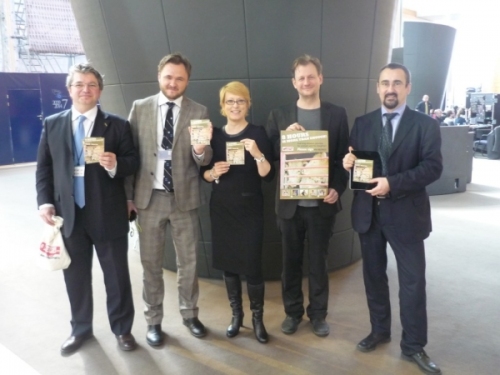
From left to right: MEPs Andrea Zanoni, Dan Jorgensen, Esther de Lange, Carl Schlyter, Pavel Poc.

SAV Comment:

Thank you to all our friends who worked so hard with their national MEPs to get this WD passed.

We can now move on with the support of both the WD and the 1 million + signature petition from the citizens of Europe.

Some political parties in the Uk (Conservative and UKIP) would not give any support to this declaration.  You have to ask why they are in the EU as MEPs when they do not support the requests of so many constituents.

This will be remembered and will form part of animal welfare campaigning at the next EU MEP elections.