Posted on March 7, 2021 by Serbian Animals Voice (SAV)
Mr. Pastor goes hunting!
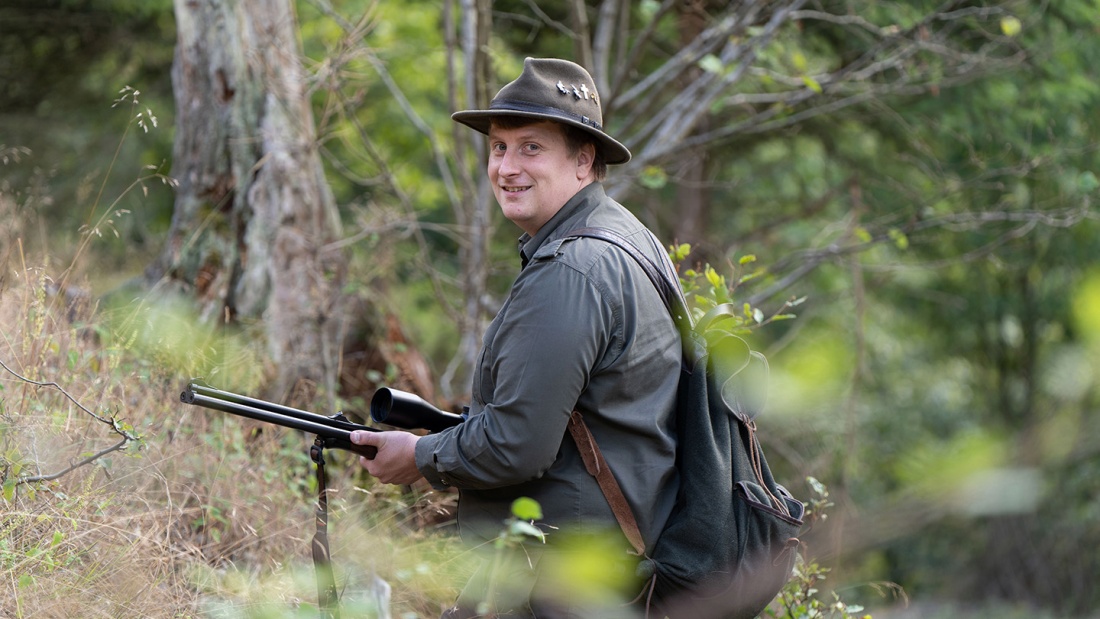
Manuel Fetthauer is a Protestant theologian and passionate hunter!
Some of his parishioners wonder whether a pastor can really just put a rifle on to go hunting in the forest.
The Protestant theologian Manuel Fetthauer from Rhineland-Palatinate has a clear answer.
Manuel Fetthauer prefers to sit under a gnarled cherry tree, with a view of a small valley basin, deserted fields, and the edge of the forest.
Here in the Hintertaunus, he can switch off from everything that kept him busy during the day.
The Protestant pastor from Rhineland-Palatinate has a passion that one would not expect from a theologian: Whenever he has the time, he buckles his rifle on and goes hunting.
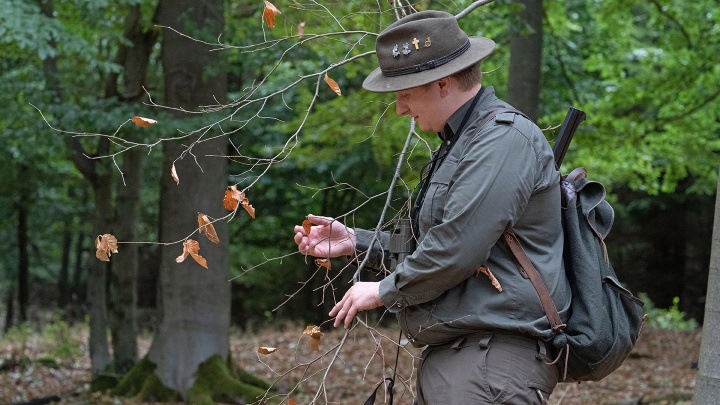
Anyone who wanders through their hunting grounds with Fetthauer quickly understands that there is someone who knows their way around nature.
The 32-year-old knows which bird calls can be heard and which paths the animals usually use.
“The forest is not in good shape,” he says. It is the third dry year in a row and many branches have dried up.
Pastor Fetthauer
Red deer harm the trees says Mr. Pastor
In addition to the long drought, the numerous red deer also bothered the trees, he says.
The animals eat the buds of young plants or gnaw on the bark.
Fetthauer has already seen 200 red deer roaming past his hide in a single evening. Restoring the natural balance is also a kind of “creation mission” (!!!) for the hunted theologian.
Hunting opponents see it differently.
For example, the animal rights organization “PETA” has launched a “Christians for Animals” campaign, which specifically encourages believing people to adopt a vegan lifestyle.
The traditional annual Hubertus masses and hunter services are a thorn in the side of the critics.
The President of the German Animal Welfare Association,Thomas Schröder, accused the churches of justifying the “senseless killing of millions of animals under the guise of customs”.
Even St. Hubertus, the patron saint of hunters, has renounced the hunt, according to legend, after Christ spoke to him in the form of a stag.
Fetthauer likes many of the hunter’s customs.
He celebrates hunting services in November because they also appeal to the hunters’ sense of responsibility, as he says, and he also plays the hunting horn himself.
Posted on March 6, 2021 by Serbian Animals Voice (SAV)
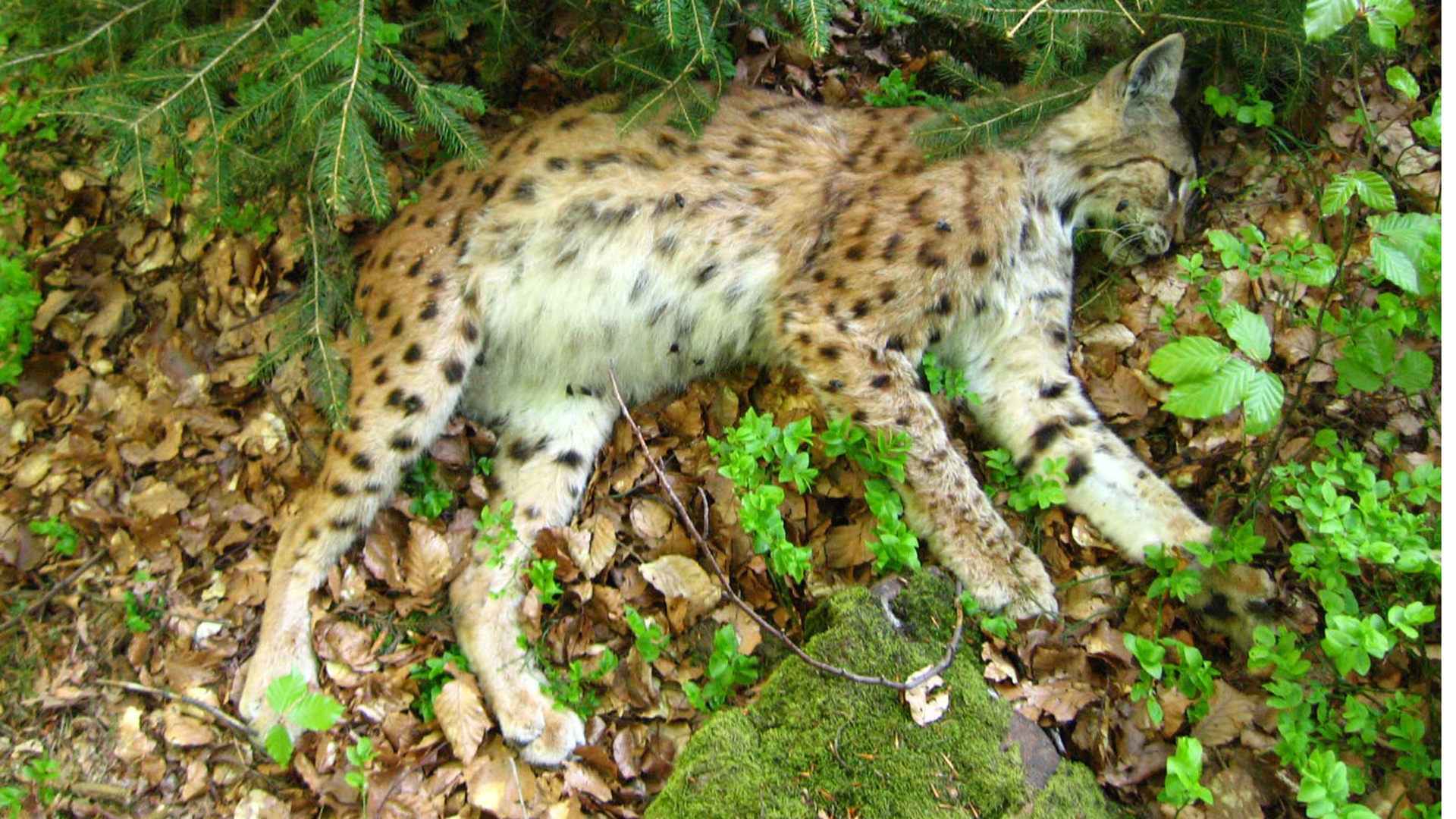
In the past seven years, 12 dead lynx were found in Bavaria(Germany).
The number of unreported cases could be much higher. The perpetrators have not yet been identified. The Socialist Party of Germany(SPD) criticizes this fact and demands results.
Since 2011, 12 dead lynx have been found in Bavaria.
This is in response from the Interior Ministry to a request from the SPD in the state parliament. The number of unreported cases could be 36.
According to this, six lynxes were killed by shooting or poisoning, and another six animals were found as stuffed trophies.
According to the ministry, five lynx were also killed in traffic accidents.
There are still no perpetrators (!!!)
The State Office for the Environment names another 14 cases in which wild lynx have been killed.
In none of the six proven killings, a perpetrator could be identified.
The police were able to find few investigative approaches in the cases despite securing and analyzing evidence, according to the authority.
The SPD member Florian von Brunn criticizes this fact.
At the end of 2015, a dead lynx was found that was believed to have been strangled. It is also particularly strange that there is still no information about the findings of the investigation into two lynxes killed in the Cham district in 2015. At that time there was a police search of a hunter’s house.
“We still don’t know what came out of the ammunition investigation”(Florian von Brunn)
Posted on March 5, 2021 by Serbian Animals Voice (SAV)
Without a sausage in the stadium and artificial fertilizer for the lawn? Can it work?
A Britishprofessional club “Forest Green Rovers” is currently celebrating success with this concept – and could soon become a role model.
Club owner Dale Vince says, “We became the world’s first vegan football club because it’s better for the environment and animal welfare, but also because it improves player performance and gives fans healthier, delicious food on match days”.
In addition, he says, top athletes like Lionel Messi,Lewis Hamilton, and Venus Williams have also gone vegans to improve their performance, they couldn’t be that wrong.
(The video is in English with German subtitles)
And the most important thing – they are successful!
They have been declared the “greenest football club in the world” by FIFA, are the first sports club to be recognized as carbon-neutral by the United Nations, and their stadium is the only completely vegan football stadium in the world.
Posted on March 5, 2021 by Serbian Animals Voice (SAV)
SHANGHAI (Reuters) -Wolf, golden jackal, and large-spotted civet among hundreds of animals granted special status in a first major shake-up of the inventory for over 30 years.
The move is part of a revision to the Wildlife Protection Law, which started with a ban on the trade and consumption of wild animals in February last year
China has added 517 species to its list of major protected wild animals, part of its campaign in the wake of the COVID-19 pandemic to end the wild animal trade and destruction of habitats.
A joint statement on Friday by the forestry and agriculture ministries said adjusting the list had become “extremely urgent” because of recent changes in China’s wildlife situation.
A total of 980 wild animals are now under state protection.
The ministries promised to work with local governments to identify and protect the habitats of the animals added to the list, which include the endangered large-spotted civet and several species of birds that have dwindled in number in recent years.
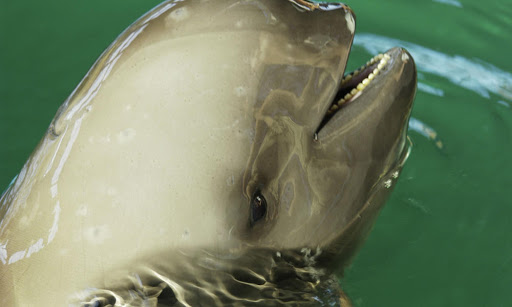
Those who hunt and traffic the animals face fines and even custodial sentences for “level one” protected species, such as the critically endangered panda, pangolin, and Yangtze finless porpoise.
Neophocaena phocaenoides, Finless Porpoise, captive. Wuhan, Hubei Province, China
Posted on March 4, 2021 by Serbian Animals Voice (SAV)
In parts of the USA, there is a fascinating natural spectacle in extremely cold winters: alligators freeze in the swamps and ponds.
What initially looks hostile to life turns out to be a clever survival strategy.
The wintertime sometimes brings with it rare weather phenomena and natural spectacles.
In parts of the USA, the icy winters in recent years have regularly resulted in very special images: the sharp-toothed mouths of alligators protrude from the frozen surface of the water and offer a bizarre sight.
Brazos Bend State Park, Texas, Amerika – Oktober 2016
In 2018 and 2019, for example, the alligators froze in the swamps of the Shallotte River Swamp Park in North Carolina.
This winter, American media reported frozen alligators in lakes in Oklahoma. Mississippi alligatorsinstinctively sense when a body of water freezes over.
The animals seem lifeless in the ice.
The bodies can be seen outlined under the icy surface of the water, only the snouts sticking out of the ice. What at first looks like an involuntary shock freeze, on closer inspection, is a clever survival trick.
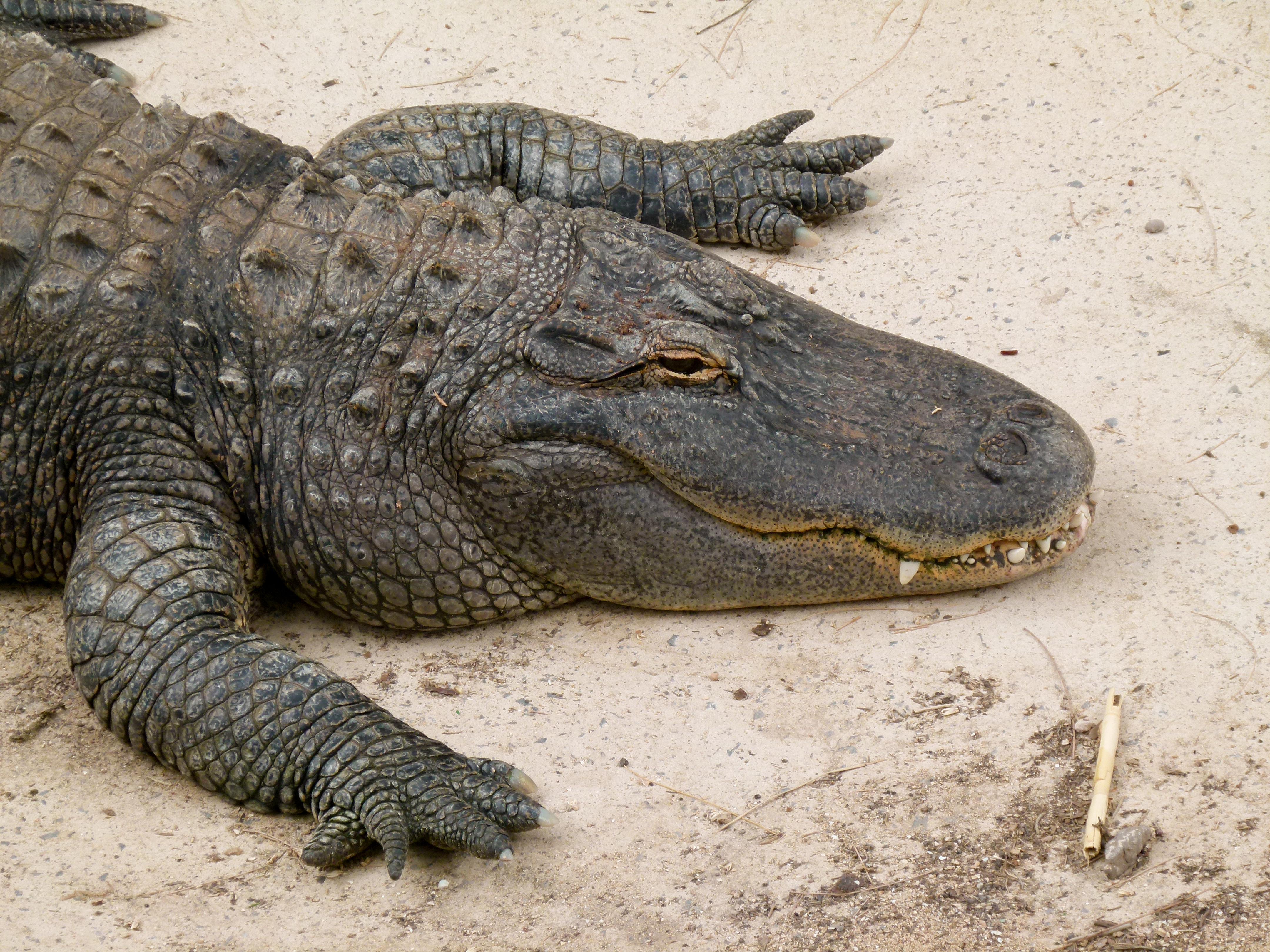
The reptiles are neither accidentally frozen nor are they dead. Instead, the Mississippi alligators, which live in the southeastern United States, are deliberately frozen in order to be able to survive extreme cold spells.
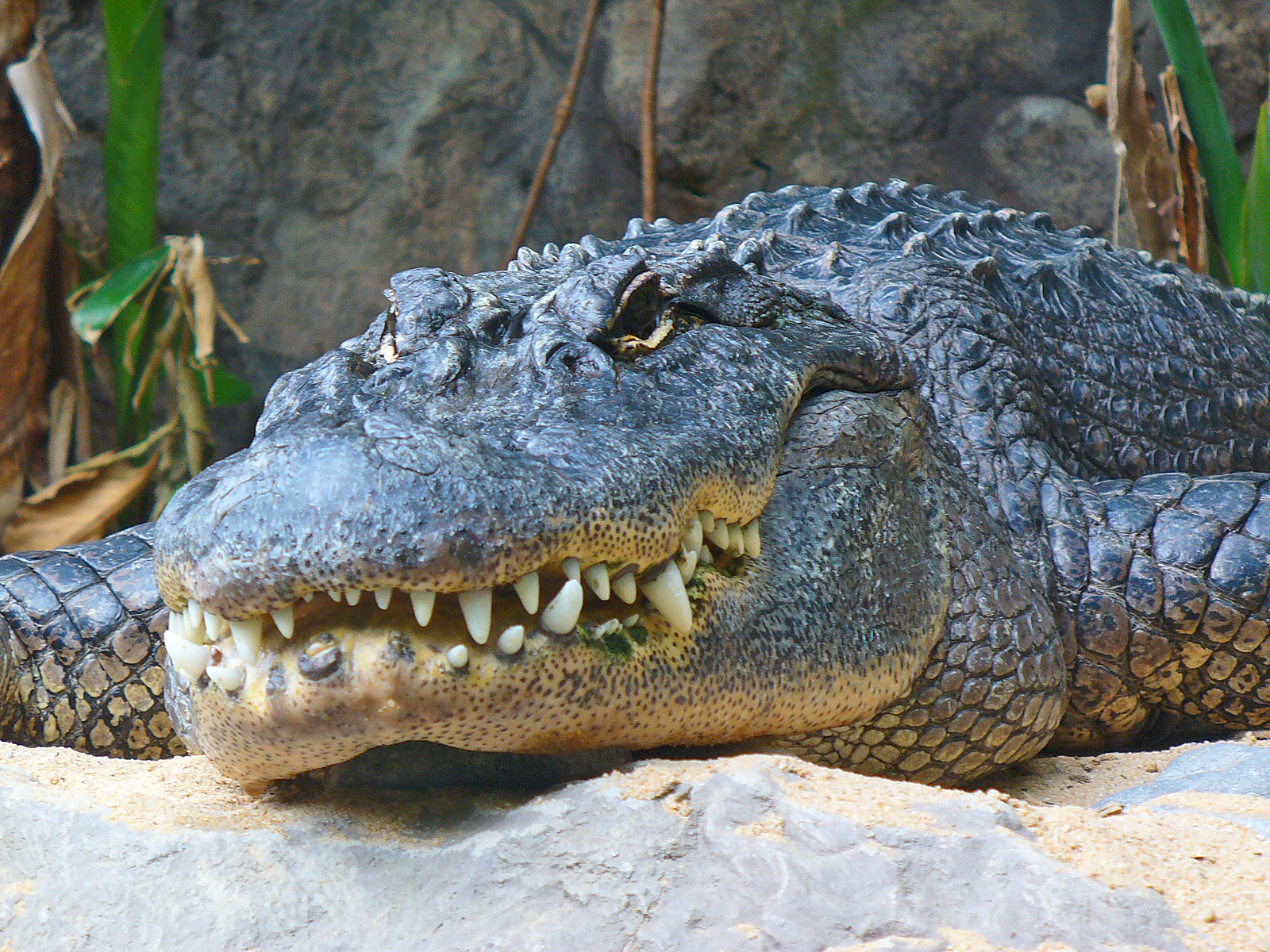
alligator mississippiensis
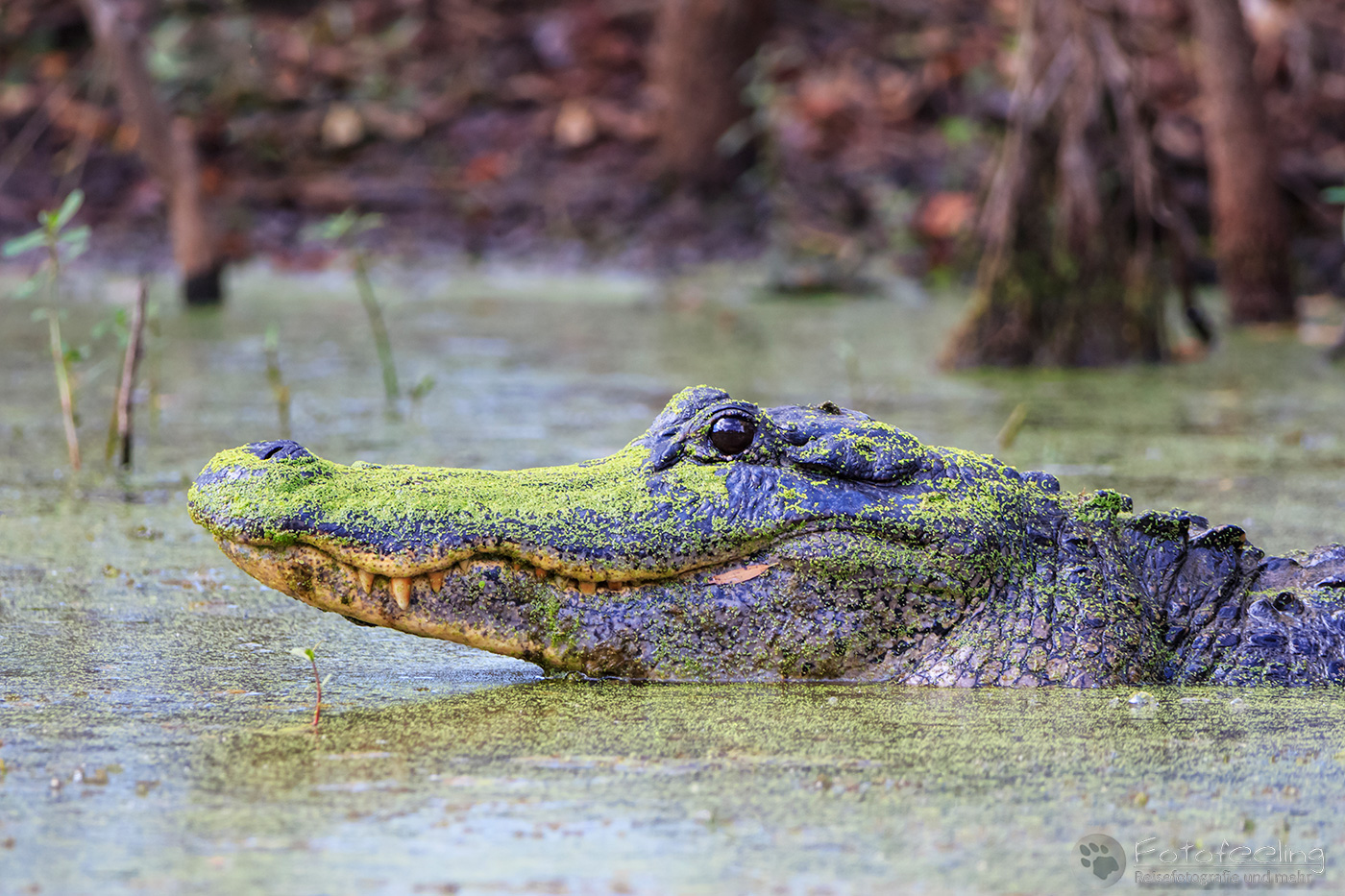
Alligatormississippiensisinstinctively knows when its native water is freezing over.
However, since frozen water is an absolute death trap for him, the alligator enters the water at the right moment and sticks its nose out before freezing – so that it can continue to breathe despite the ice cover.
Then the animal falls into a state that is biologically known as “dormancy” and is similar to hibernation in warm-blooded animals.
The metabolism is shut down, body functions are reduced to a minimum, and energy is saved.
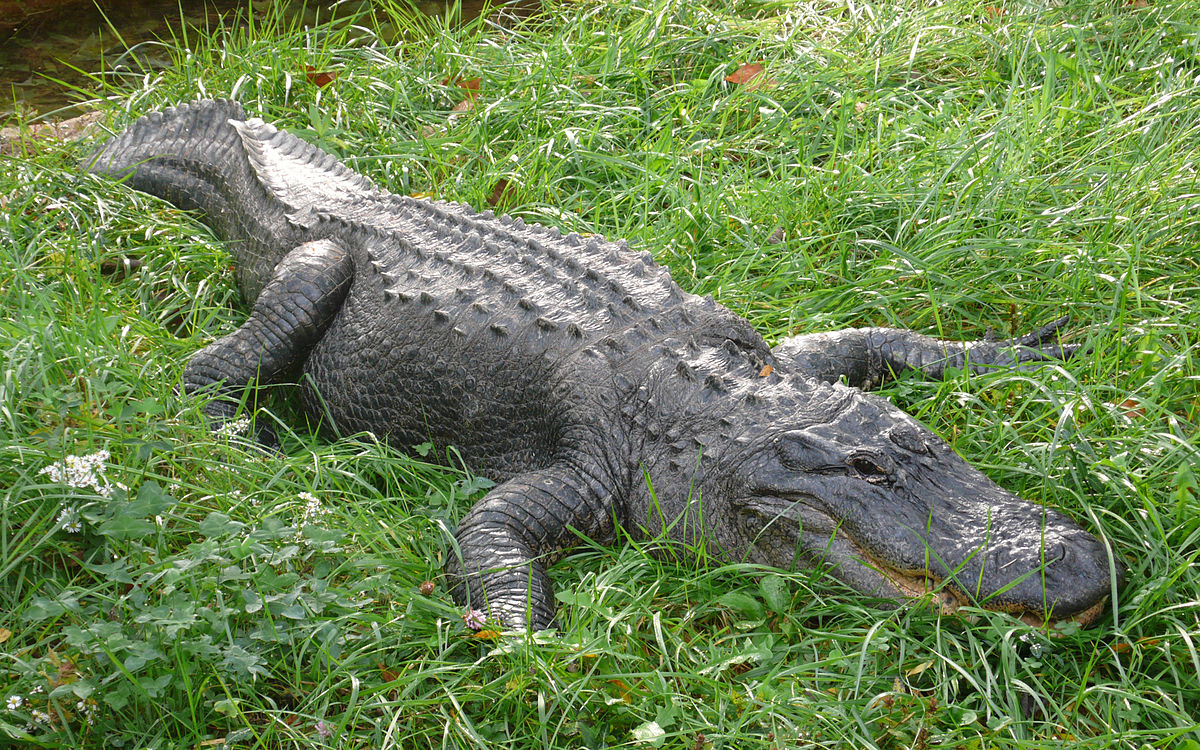
alligator mississippiensis
In this position, the Mississippi alligatorsare able to survive for up to two or even three months in spite of the extreme cold. They just wait for the temperature to rise again and the ice to melt.
Then the reptiles adjust their body temperature and wake up from the rigor.
The animals spend milder winters comfortably buried in the bank mud or in deeper layers of water.


 Pastor Fetthauer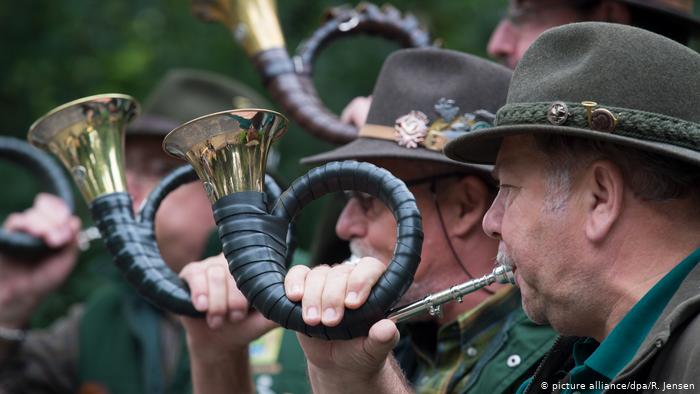


 Serbian Animals Voice (SAV)