Posted on January 7, 2018 by Serbian Animals Voice (SAV)
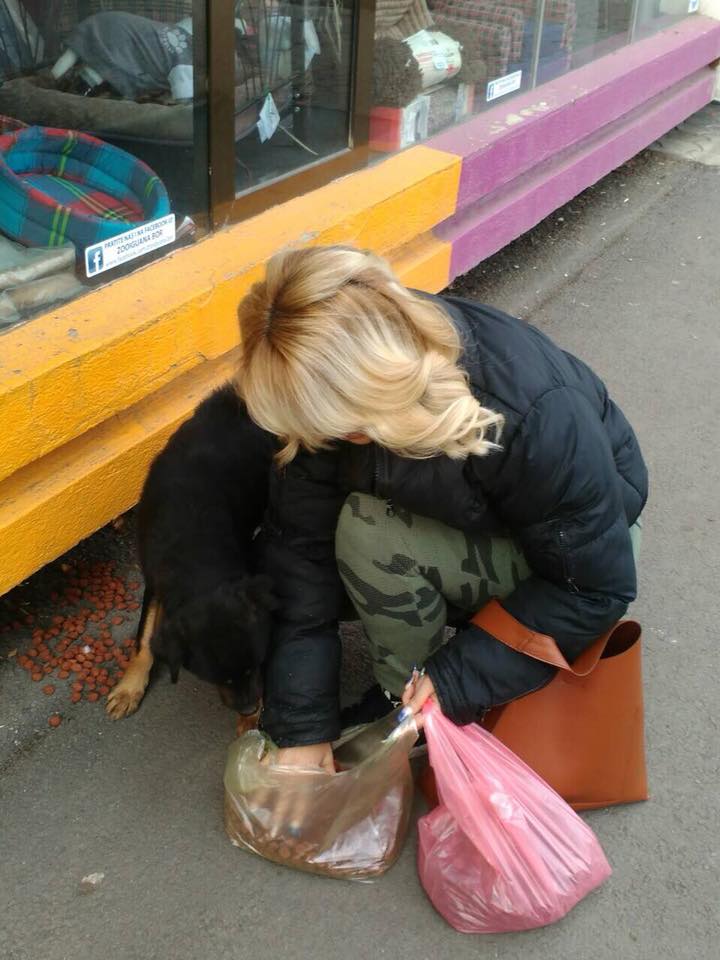
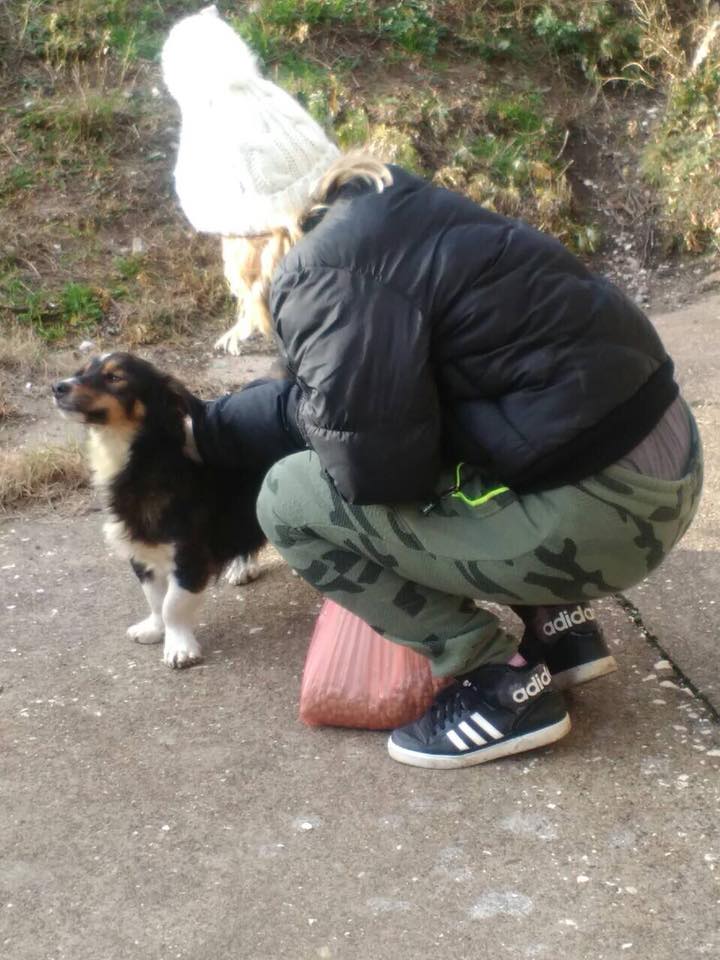
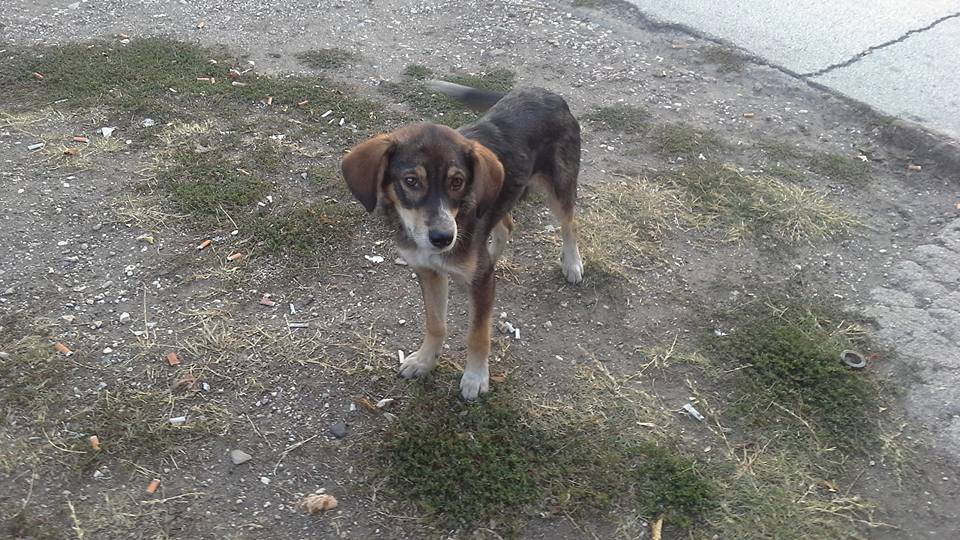
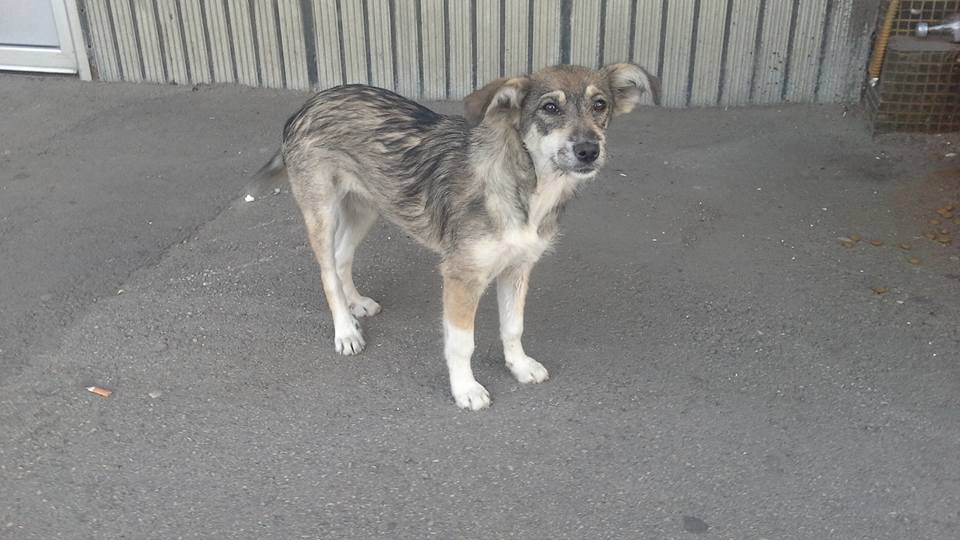
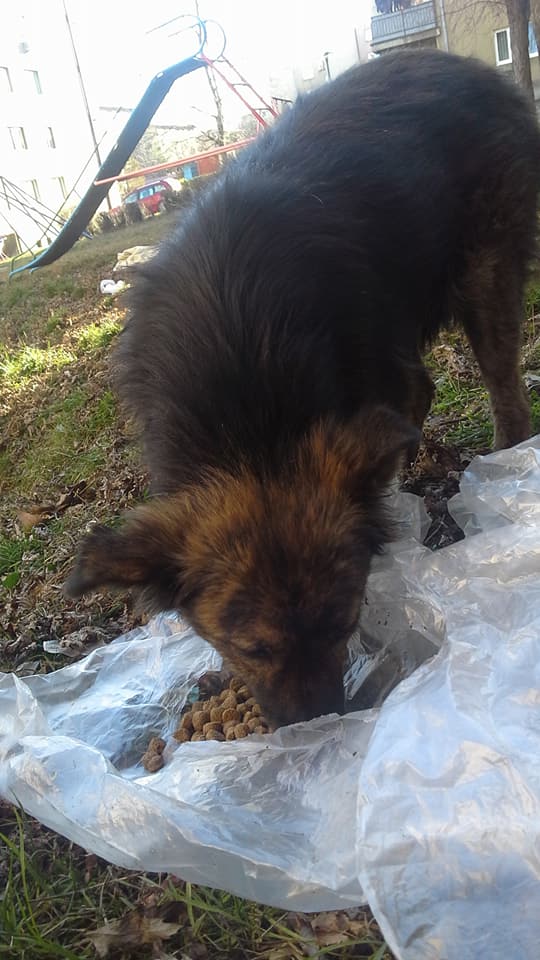
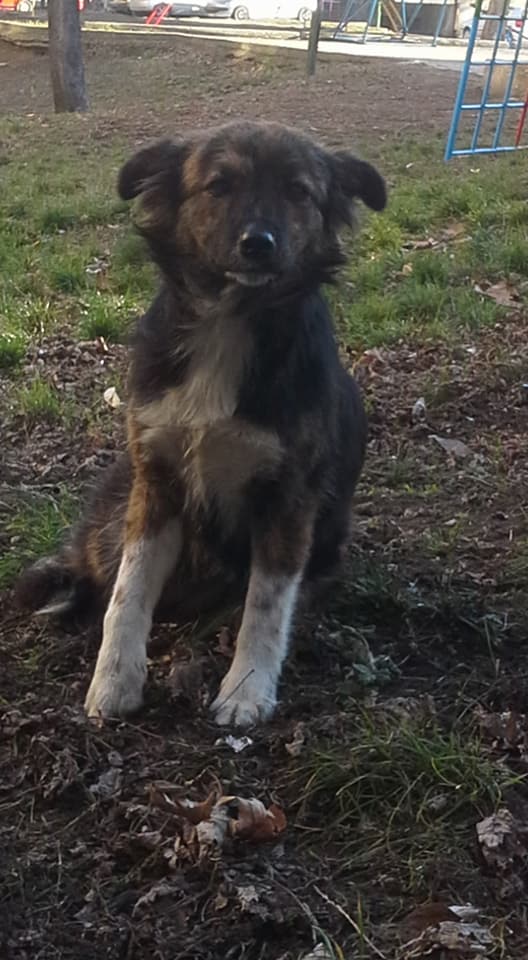
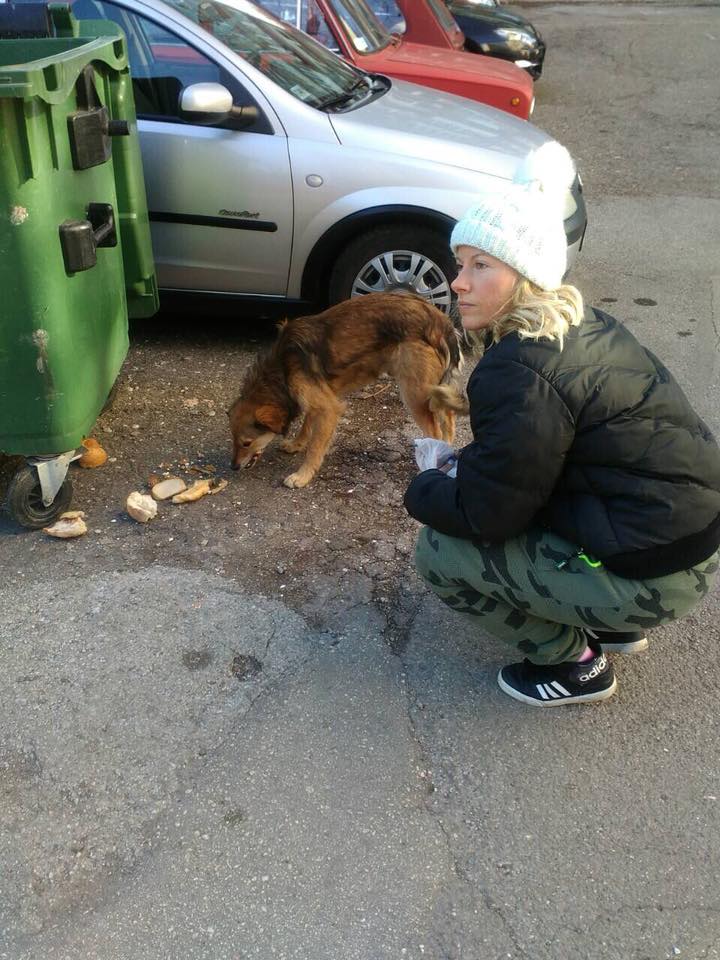
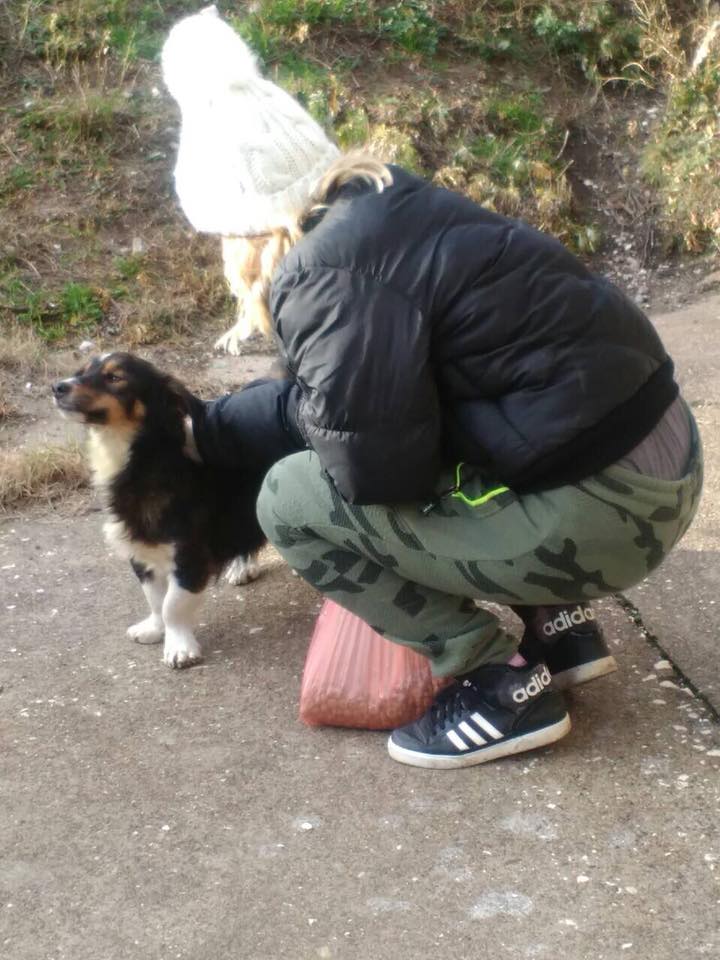
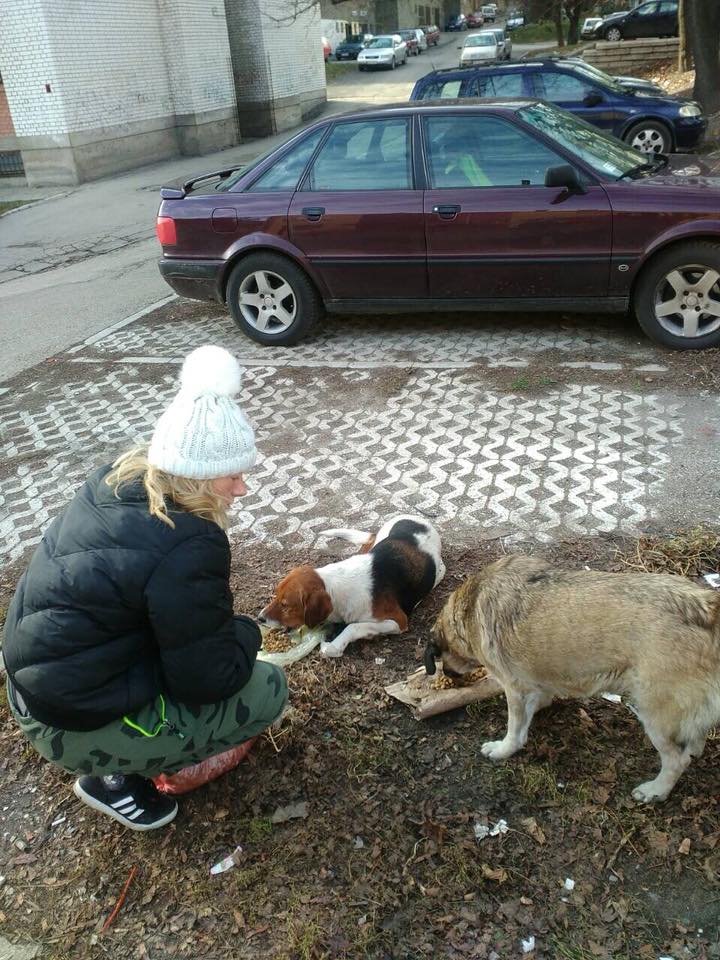
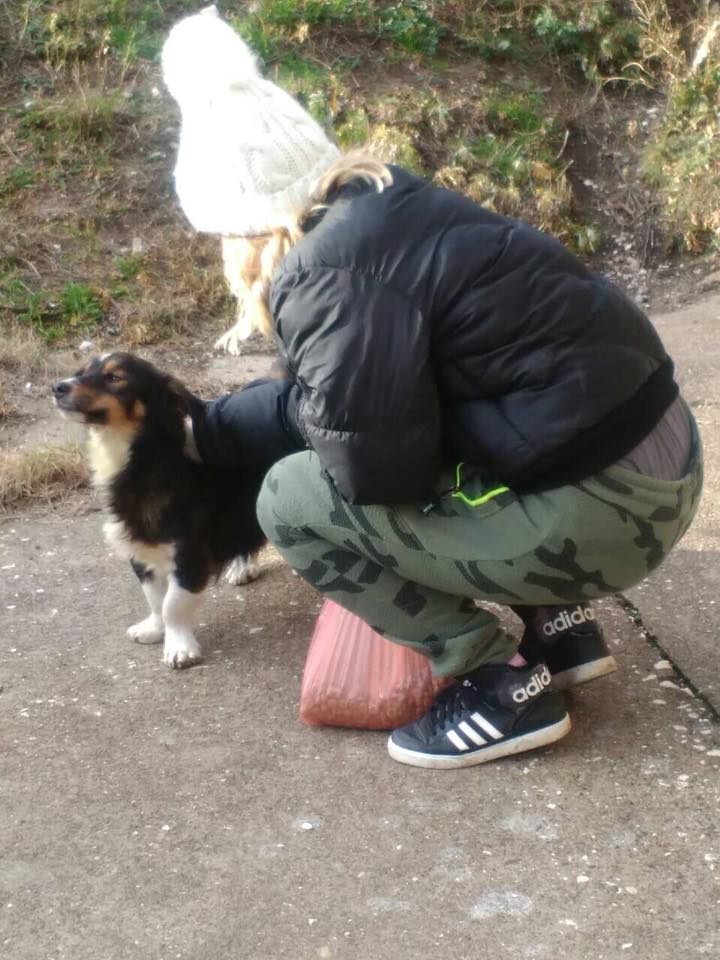
Today orthodox people celebrate Christmas. I celebrate my birthday. For all of them it is one more day, nothing to celebrate. They are no one’s dogs, wandering streets of Bor (Serbia) hungry or thirsty, hot or cold, scared of some people who believe they don’t deserve to live, today alive, tomorrow might be dead;. dreaming about their forever home and warm human touch.. me and Jovan Joja Cvetkovic are doing our best to get as many as possible of them safe, to make them happy as much as possible.. Food, medical help, vaccines, dog kennels, etc is always more than needed, No donation is small!
PayPal:svetlanad781@gmail.com
Or
PayPal:jojacvetko@gmail.com
Thank you 😌
Posted on January 6, 2018 by Serbian Animals Voice (SAV)
(The second incident was in France)
“A hunter was attacked by a boar on a trail hunt near Greifswald and seriously injured”.
During a trail hunt in the Greifswald area, a 50-year-old man was attacked by a boar after a gunshot and was seriously injured.
After the attack he plunged with his head into the lake where he was hunting and stayed there a few minutes with his head in the water.
He later died in the hospital, the animal escaped “.
“Villagers expel hunters and save deer.”
A hobby hunter got an important lesson in a small-town Oise (France) when his hunt ended on a garden plot.
Sweaty wet, with a bloody tongue and trembling joints, a stately deer stands in the middle of the garden. Surrounded by barking hounds, he fears for his life, trembling. The hunter responsible for this situation is some distance away.
Although the animal is in firing position, he does not shoot. The reason: About thirty people have stood between the panic animal and the hunter. The deer was on the run from the hunter’s aggressive dogs, who had previously shot the animal in the forest and wanted to finally settle it in the garden.
But he had the bill made without the host, because the thirty inhabitants did not want to release the animal.
Finally, the mayor of the village came and persuade the hunter to leave.
That’s what I call civil courage, we all have to learn that too.
Because the good news is rarely brought by chance, as in the first case, but they are mostly results of our commitment, our courage.
In any case, these two messages have brought much greater relaxation in my body today than the relax training should bring out.
Or better formulated: who needs relax after such beautiful news …
Posted on January 4, 2018 by Serbian Animals Voice (SAV)
When I saw the animals in this video, and how peaceful and responsible they are to each other, I suddenly realized what psychopaths around us live, who call themselves “hunters”, and who are nothing but mentally ill murderers.
I wish you all the best for the New Year 2018, and hope that together we can achieve victories for Animals in Morocco and Africa.
On the 27 December, we had a very productive meeting with partners (RAF) and Onssa (Moroccan OIE).
You can find the update on attached documents below.
One is in French, the 2sd is translated via google translation in English. Please forgive me if some words are not correct.
A 1st list of Professional associations has been sent by the Regional Representative of the Onssa to the RAF. We hope to get some of the decision makers at the next meeting that will take place on February the 10th in Rabat.
If you have any advices. We are aware that the challenge is absolutely huge but we keep on going, with your support.
The Animal Welfare Party of Germany, the group Lebenshilfe Kuh & Co e.V., the organization Black Forest for Animals e.V. and others, are organizing a demo in front of the European Parliament in Brussels on January 22nd, 2018 at 2:00 pm.
Until now, many people have committed binding, and 1,800 are interested.
I think, this demo is necessary.
I send you directly the text in English, which can be found in the face book page of the main organizers, Lebenshilfe Kuh & Co e.V.
With a high probability, we will be many at that day.
ENGLISH: ========== We will raise our voice for the ANIMALS! LET’S END THE HORROR TRANSPORTS! LET’S END THE ANIMAL ABUSE!
BE THERE: The demonstration will take place on January 22nd 2018, at 2:00 PM in front of the EU parliament in Brussels.
We call on the Parliament in Brussels to forbid these murderous animal transports, not only within the EU, but in country’s that are approved by the EU, for example Lebanon, Egypt and Turkey as well! It is the European Parliaments’ responsibility!
We invite you all to this demonstration in front of the EU parliament building in Brussels.
Together we unite to end all of the animal transports, including the ones that cross our national borders!
Please take the time to join us, and raise your voices for the animals…. NOW!
We will post more details and updates about the course of events here on this site!
For more details please contact Sonja , sonja@isonja.de
GERMAN: ======== WIR erheben unsere Stimme für die TIERE ! SCHLUSS MIT DEN HÖLLENTRANSPORTEN ! SCHLUSS MIT DEM TIERLEID !
Seid dabei: PROTESTKUNDGEBUNG am 22.01.2018 um 14 Uhr ! vor dem EU Parlament in Brüssel.
Wir fordern das Europäische Parlament auf, diese mörderischen Tiertransporte sowohl innerhalb der EU, als auch von der EU abgesegnet in Länder wie z.B. den Libanon oder Ägypten, Türkei zu verbieten ! Die Verantwortung liegt beim EU Parlament!
Wir laden Euch zu dieser PROTESTKUNDGEBUNG direkt vor dem EU Parlament in Brüssel ein!
Um mit uns gemeinsam für den STOP DER TIERTRANSPORTE auch über nationale Grenzen hinweg zu protestieren!
Nehmt EUCH die Zeit ! Erhebt EURE STIMME FÜR DIE TIERE ! JETZT!
Dies soll und wird eine FRIEDLICHE KUNDGEBUNG werden.
Weitere detaillierte Informationen über den Ablauf werden immer hier gepostet und aktuell gehalten:
Posted on January 1, 2018 by Serbian Animals Voice (SAV)
SAV Comment-
A really great start to 2018 – helping dogs with homeless owners – full checks for their animal buddies !
In the UK stray dogs are not really a problem. Chipping is now a regulation and so dogs are usually reunited with owners within hours if they are separated.
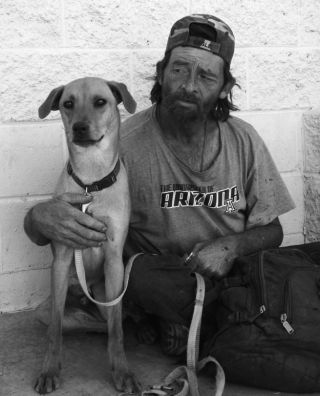
This excellent charity has been set up to help dogs who have owners who are homeless and live on the streets. Lots of street people have animals; and this ensures that dogs etc get a review and check up if they need it. Excellent !
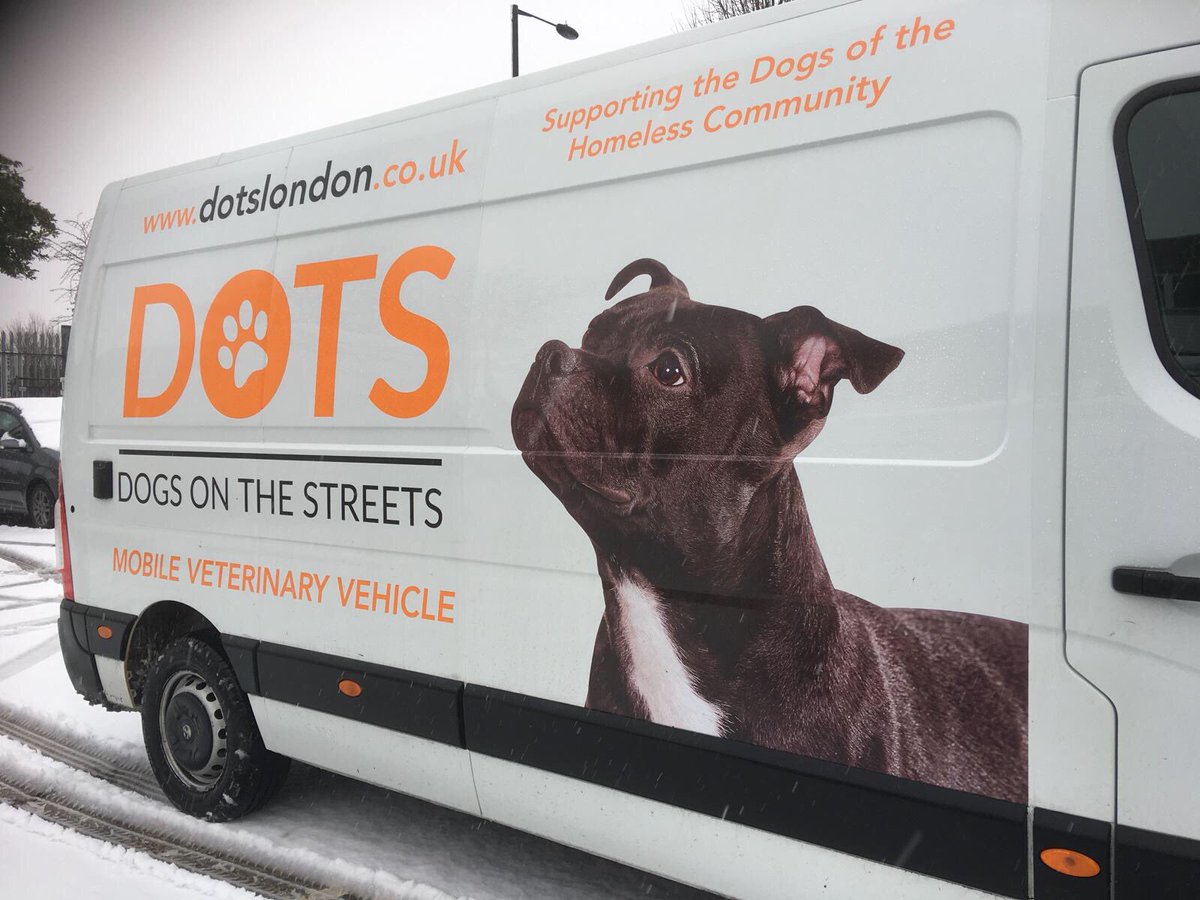
DOTS = Dogs On The Streets.
Dogs On The Streets (DOTS) is on the road to helping even more animals in need, thanks to a new vet van.
The acquisition means the charity’s volunteer vets, groomers, nurses and trainers will be able to reach out to even more homeless hounds in London and beyond.
Founded by Michelle Clark in March 2017, DOTS is the first not-for-profit, independent and voluntary run “street project″ delivering ongoing vet support to London’s homeless community, it said.
Street scene
Static street stations manned by volunteer vets, nurses, groomers and trainers provide a lifeline to homeless people and their pets.
Routine veterinary check-ups, blood tests and biopsies can be conducted in the van, in addition to the provision of medicine and ongoing care for chronic conditions.
Volunteers are also on call 24 hours a day, seven days a week in the event of an emergency.
Vital care is already provided to more than 140 street dogs living in Westminster, Camden, Shoreditch, parts of north London and Kent via the charity.
New era
The vet van was unveiled at one of the charity′s weekly “static street station” events on The Strand in December.
Actor and animal welfare campaigner Peter Egan was on hand to officially declare the vet van open.
DOTS director Michelle Clark is thrilled with the donated van. She said: “It will give us the opportunity to help many more homeless owners and their dogs – not only in London, but further afield.
“It will make treatment and diagnosis easier, with the best vet equipment, refrigeration, kennel and extra space to help us work more efficiently – and, in the event of an emergency, have wheels.”
The charity also supplies homeless owners with essential items, such as dog food, dog coats, bedding, collars, leads and toys.
Posted on December 28, 2017 by Serbian Animals Voice (SAV)
Austria: Mensdorff-Pouilly * lets trained captive breeders shoot.
VGT has filed a criminal complaint.
I translate directly from Martin Balluchs blog; the corresponding video is added:
“Incredible what the pictures in this video show!
The hunting assistants and hunting overseers of Mensdorff-Pouilly not only buy tame breeding ducks from Hungary and place them in their artificial duck pond, but they also train them with the whistle pipe.
Like a “rat catcher”, the hunting helper goes with the ducks in the back to an aviary for feeding. There, the ducks, which are to be the victims for the next hunt, are selected and locked in the aviary.
Then the hunters position themselves in front of the artificial duck pond and the ducks are driven out of the aviary and startled.
On the return to the pond the hunters shoot them from the air!
This approach is of course illegal and animal cruelty.
The authority knows it, but nobody has done anything – for decades!
Now VGT (the association against animal factories) has filed a complaint.
It is a primitive, infantile hunting fun that is driven by someone, behind whom the entire hunt stands. That specified the district hunter master “.
My comment:
At the moment, the activist Martin Balluch comes more often in the media of Austria as the Prime Minister. He acts against the hunt and he has made possible that the gate hunting in Austria will soon be abolished.
Best regards
Venus
*Baron Alfons Mensdorff-Pouilly is a noble landowner who, according to the Serious Fraud Office (SFO), is said to be a lobbyist for the British arms company BAE Systems.
Amal is associated with S/G Rapad Maroc (Morocco) and is the Anaw & Paawa Representative for the North Africa Region.
There are lots of important things going on in Morocco at the moment regarding food production and animal welfare.
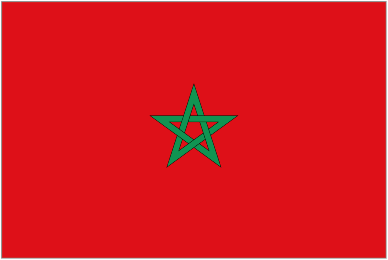
Amal goes to an important meeting in Rabat on the 27th of December, in order to work with Moroccan national partners and ONSSA (National Office for Sanitary Safety of Food Products), on the elaboration of a steering committee. It is certain that this is the first time such discussion will take place in Morocco.
Amal says:
‘According to our approach and in view of the changes taking place within the AU, with the return of Morocco, our country becomes a reference of economic development with regard to the Francophone African countries. Outside the model Plan Maroc Vert (Plan Green Morocco), is already exported in some African countries, with the so-called 3A strategy (Africa Adaptation Agriculture). If we improve this strategy and implement it in Morocco, other African countries will certainly follow.
We must lobby, those who will be future lobbyists, the state’.
So, with this in mind we immediately contacted CIWF (London) to ask if they could become involved with us and give support to Amal. As CIWF is so very experienced with all issues relating to farm animal welfare and food production this is an ideal chance to make a difference from the start.
Dr Nick (Head of Policy) from CIWF has immediately offered help and support to Amal – especially as he was at the UNEP conference in Nairobi only last month.
Nick says to Amal:
‘We entirely understand that many developing countries face similar issues of encouraging agricultural development that does not simply duplicate the intensive farming model and more and more meat consumption which some developed countries have used and instead looks at sustainable models based on moderate meat consumption and a varied diet. It’s encouraging to see the interest in a well-considered development model, taking into account both human and animal welfare and preserving the natural resources of the Mahgreb’..
We then undertook a translation from French to English for Amal regarding better public policy on the safety in foodstuffs. Good animal welfare is obviously a major factor in this.
The report can be read here:
ELABORATION OF A PLATFORM FOR ADVOCACY
A BETTER PUBLIC POLICY ON
SAFETY IN FOODSTUFFS OF ANIMAL ORIGIN
(Scoping Note V1)
CONTEXT
Human nutrition is of particular importance because it is a source of life for all human beings, regardless of their gender or age, in all regions of the world. To play its full role, it must be part of the sustainability of natural resources, especially animal and plant biodiversity, terrestrial and marine; it must also be quantitative and of a qualitative nature.
To this end, the international community, under the supervision of the specialized organs of the United Nations, has taken many steps in the form of multilateral agreements and conventions or strategy proposals. It is not without interest to emphasize that the cultural aspect of food has not escaped the international community since UNESCO is fully involved.
Morocco, as part of this global approach, has also made many provisions, which can be highlighted in particular the Framework Law and the National Strategy for Sustainable Development as well as the plan for agricultural development Plan Green Morocco, including several sectors including the of breeding. The same goes for the industrial acceleration plan and the Public Health Plan.
It should be noted that in the context of its activities, Morocco attaches great importance to cooperation with the African continent, with which it proposes to share its agricultural experience, particularly through the 3A program (Adaptation Agriculture Africa).
It is in this global context that Moroccan NGOs, especially the Rapad Morocco and the Ribat Al Fath Association for Sustainable Development, aware of their role prescribed in the Participatory Democracy clause enshrined in the 2011 constitution, have taken the initiative to launch a national debate aimed at contributing to the development of an advocacy platform for a better public policy on safe and healthy food for all.
THE PROJECT’S OBJECTIVES
Four observations, observable both in the world and in Morocco, are at the origin of the genesis of the project:
i / The first relates to the agricultural production modes marked by the degradation and the exhaustion of all the natural resources: Biodiversity, land, water etc …
ii / The second is the threat to food security, which has become increasingly important because of population growth and consumption patterns marked by both quality requirements and waste;
iii / The third is the worsening of the threat to food security, especially in poor countries, for a number of reasons, including only climate change,
iv / The fourth and final finding is the complexity the issue of food security involving many stakeholders and several variables.
These findings dictated the basic principles and pillars on which the objectives of the proposed project will be based:
Objective 1: As the problem is rather complex, the project will follow a progressive approach. If the development of a global platform, encompassing plants and all terrestrial and marine animal species, remains the long-term goal, the first step of this project will focus on domestic animals only. breeding in Morocco (cattle, sheep, goats, camels, chickens). On the other hand, the project will cover the entire sector, starting from production and arriving at consumption.
Objective 2: At the level of production, the project will focus on the living conditions of animals ensuring their well-being as defined at the international and national levels (food, shelter, care, etc ..) and allowing them to ensure the optimization of the economic profitability of the company. Particular attention will be given to the impact of climate change on the livestock sector so that it can adapt as well as possible and contribute the least amount of greenhouse gas emissions.
-3rd Objective: At the processing level, appropriate measures will be taken to ensure that animals suffer as little as possible during transport and slaughter. Special attention is required to ensure that all animals pass through approved slaughterhouses, that regulatory hygiene conditions are ensured and that slaughterhouses operate in a circular economy mode.
Objective 4: We know that the consumption of meat is a pillar of the food habits of Moroccan food consumption and even a sign of wealth. It seems that some people consume too much and others not enough. It is high time that specialists (Doctors, nutritionists, sociologists, etc.) look into this issue to come out with a diagnosis, a strategy and a scientifically established action plan. It should be stressed that the fight against waste must, at this level, be of great importance.
TOOLS FOR IMPLEMENTING THE PROJECT
-The institutions: While the action of the Ministerial Department for Agriculture remains predominant, it is clear that the actors remain marginalized while they can bring a great added value to the sector. In particular, the territorial communities, the NGOs, the promoters of the SMEs, etc … The improvement of the governance of the sector and its performance imperatively require the establishment of mechanisms of deconcentration, decentralization and concerted and inclusive participation. of all the actors concerned. -The economic and financial instruments: The farmers certainly benefit from subsidies granted by the Ministry of Agriculture; but much remains to be done so that small farmers can benefit, that the constraints they meet in terms of financing are lifted and that they derive the maximum benefit from the conditions of sale of their products.
-Technology: It is obvious that technology is the basis of the success of any project in order to achieve the economic objectives set. The margin of progress is still quite important in Morocco in the field of breeding and production of all products of animal origin, the proposed project sets as a priority to focus on the aspects of scientific research, training and popularization of all successful techniques and all successful experiences. Demonstrative pilot projects can be set up.
Legislation and regulation: As mentioned above, nutrition is of great importance in terms of quality. An effort has been made in the area of legislation and regulation to monitor product quality at both the production and consumption levels. This legislative and regulatory arsenal needs to be completed or updated, but above all it needs to be put in place in good conditions. The project will work in this direction.
-Technology: It is obvious that technology is the basis of the success of any project in order to achieve the economic objectives set. The margin of progress is still quite important in Morocco in the field of breeding and production of all products of animal origin, the proposed project sets as a priority to focus on the aspects of scientific research, training and popularization of all successful techniques and all successful experiences. Demonstrative pilot projects can be set up.
Legislation and regulation: As mentioned above, nutrition is of great importance in terms of quality. An effort has been made in the area of legislation and regulation to monitor product quality at both the production and consumption levels. This legislative and regulatory arsenal needs to be completed or updated, but above all it needs to be put in place in good conditions. The project will work in this direction.
ORGANIZATION OF PROJECT DEVELOPMENT –
A hard core of project leaders already exists, it consists mainly of Rapad Morocco and Ribat AlFath. -Several other actors, at the national and international levels, have already shown their support. -A meeting will soon be organized to refine the project and complete it by the staff to ensure its implementation, by the division of tasks between its members and by the establishment of a timeline and a monitoring mechanism / Evaluation. -Once the project is finalized, it will be submitted for enrichment and validation during an international symposium in which the African partners will participate. A.Bennis
The 23/11/2017
———————————
Being animal welfare organisations; both us and CIWF are committed to improving the welfare of all animals at all times – their life on the farm; a reduction to a minimum the time they undergo live transport; and also ensuring that if and when they are slaughtered; this is done in the most stress free and best conditions for the animal that is possible. We are very aware that ritual type slaughter is undertaken in many parts of Africa at present; but we hope that by setting new and up to date standards within Morocco; this approach and policy will then spread to other nations on the African continent.
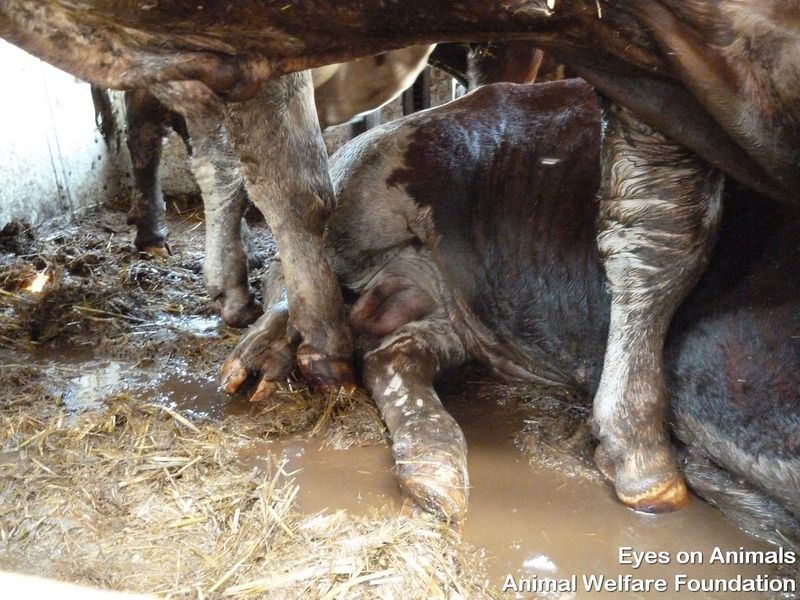
Our friends, headed by Lesley at ‘Eyes on Animals’ (EoA) – https://www.eyesonanimals.com/ in the Netherlands have very recently undertaken investigations into animal slaughter in Ghana, Africa. EoA have for the first time supplied captive bolt pistols to slaughterhouses in Ghana to ensure that animals are fully stunned prior to the slaughter process rather than having their throats cut whilst still fully conscious.
Here is a link to the EoA Press Release on this particular issue:
The situation will be very new for Morocco, so care needs to be taken at meetings in Morocco not to be too pushy to block any negotiations. Diplomacy is paramount.
At the moment it is impossible to discuss veganism and vegetarianism, and the authorities there do not really have any regard for the welfare of animals, let alone meat free diets. A step by step; gradual movement, is the correct way to approach this subject. We have to keep the thought in our heads that generally in Morocco, the population look at the prices of meat most importantly rather than the welfare of the animals that it (the meat) comes from.
Currently, this view is stronger than our attitudes; but over time and with careful diplomacy; some of our views and methods associated with animal farming, transport and slaughter may get accepted as the norm; and importantly, then spread to other areas of Africa. This is also the view of Amal; and can only be good news for animals with regard future practices.
















 Serbian Animals Voice (SAV)