This day of honor for the large marine mammals was initiated by animal rights activists on the island of Maui and has been celebrated there since 1980.
It coincides with the time when a large number of humpback whales roam the coast of Hawaii to give birth and raise their young.
The day is meant to indicate the threat posed by these majestic giants.
Posted on February 20, 2021 by Serbian Animals Voice (SAV)
Mink at a farm in Jyllinge, Denmark. In November it was announced that the country would cull 15 million animals. Photograph: Ole Jensen/Getty
Mink farms a continuing Covid risk to humans and wildlife, warn EU experts
Health experts call for regular testing of staff and animals after coronavirus found at 400 breeding units across Europe
All mink farms are at risk of becoming infected with Covid-19 and spreading the virus, and staff and animals should be regularly tested, EU disease and food safety experts said on Thursday.
Mink are highly susceptible to coronavirus, which spreads rapidly in intensive farms that often breed thousands of animals in open housing caged systems (outdoor wire cages covered with a roof). Humans are the most likely initial source of infection.
Denmark, the world’s largest exporter of mink fur, announced that it would cull up to 15 million mink in November, after discovering a mutated variant of the virus that scientists feared might have jeopardised the effectiveness of future vaccines.
As of January 2021, the virus had been found at 400 mink farms in at least eight countries in the EU and European Economic Area – 290 in Denmark, 69 in the Netherlands, 17 in Greece, 13 in Sweden, three in Spain, two in Lithuania and one each in France and Italy.
While mink-related variant viruses were a risk to human health, experts from the European Food Safety Authority and the European Centre for Disease Prevention and Control (ECDC) concluded in a new report that, “so far these have not shown to be more transmissible or causing more severe impact compared to other circulating Sars-CoV-2”.
The World Health Organization warned this week that the risk of Covid-19 spreading from fur farms to humans and wildlife remained high.
EU experts have now called for weekly testing of animals at all mink farms and frequent testing of everyone in contact with the creatures to ensure the early detection of infection and reduce the risk of disease spread. As mink are usually farmed in open housing systems, the close contact between the animals may help spread infectious diseases.
A number of countries, including Denmark and Sweden, have suspended mink farming after outbreaks of Covid-19. And in the US, officials have recommended workers on US mink farms be given a Covid vaccine as a priority. Breeders expect that a vaccine, currently in development, will be available to use on mink in April or May.
Mark Oaten, CEO of the International Fur Federation, said he supported the testing of workers and mink, “as long as it is reasonable”, but he opposed weekly testing. “It might be that you do more regular testing in areas where Sars-CoV-2 has been detected, and less in areas with no infection. It is not a one-size-fits-all. It would depend on the density of farms in the area too.”
Mink producers said the price of pelts was rising despite fears around Covid-19 and calls for a ban on fur farming to reduce the risk of disease spread.
“We don’t see any further threat to the fur industry from Covid-19 and the price of pelts is rising. It is at about $30 (£21) per pelt and we expect it to be about $40 by this time next year. We are beginning to feel there may have been an overreaction in Denmark [in terms of the Covid related cull],” said Finnish fur auctioneer Magnus Ljung, the CEO of Saga Furs.
Posted on February 20, 2021 by Serbian Animals Voice (SAV)
Dairy calves are usually separated from their mothers… Credit: Animal Equality
Februdairy: A Desperate Attempt To Promote The Declining Dairy Industry
Demand for cow’s milk is declining and plant-alternatives sales have surged…
As public opinion continues to shift, increasing numbers of people are falling out of love with dairy products. Enter Februdairy…
Recent years have seen a significant shift in consumer attitude towards dairy, as more people understand the environmental, health and animal welfare issues associated with the industry.
The UK’s leading vegan campaigning charity, Viva!, has investigated countless British dairy farms and exposed the brutal reality of the industry – helping many people make the switch to dairy-free.
An increasing number of dairy-alternatives are widely available including cheeses, yogurts, milks, and chocolates. Most supermarkets have their own ranges of vegan food – proving these products are big business.
Although the milk market is much bigger, valued at over £3 billion, demand for cow’s milk is declining and plant-alternative sales have surged 10 percent over the past two years.
It’s undeniable, dairy-free sales are booming and show no signs of slowing down. Considering these factors, it comes as no surprise that the dairy industry is desperately trying to claw its way back into public favor.
So what on earth is Februdairy?
Februdairy is a social media campaign created by the dairy industry in a desperate attempt to boost sales and portray dairy in a more favorable light. This is the industry’s fourth annual campaign and is pitched as a direct response to Veganuary.
This year Veganuary announced a record number of sign-ups with a whopping 400,000 people going vegan for a month. Milk producers, pro-dairy consumers, and industry experts, are encouraged to create and share pro-dairy content during the month of February on social media using the hashtag #Februdairy.
Social media Vs Februdairy
When the campaign launched in February 2017, the vegan community commandeered the hashtag to highlight the darker side of the dairy industry, where pain and suffering is an everyday occurrence.
Social media has played an instrumental role in the rise of veganism. It’s clear vegans are well versed in using it as a platform to educate and inform others.
A slew of animal rights advocates and groups such as Viva!, Animal Equality, and Animal Aid, use Februdairy as an opportunity to expose the cold-hard facts surrounding dairy production .
This doesn’t go down well with the dairy industry….
Posted on February 20, 2021 by Serbian Animals Voice (SAV)
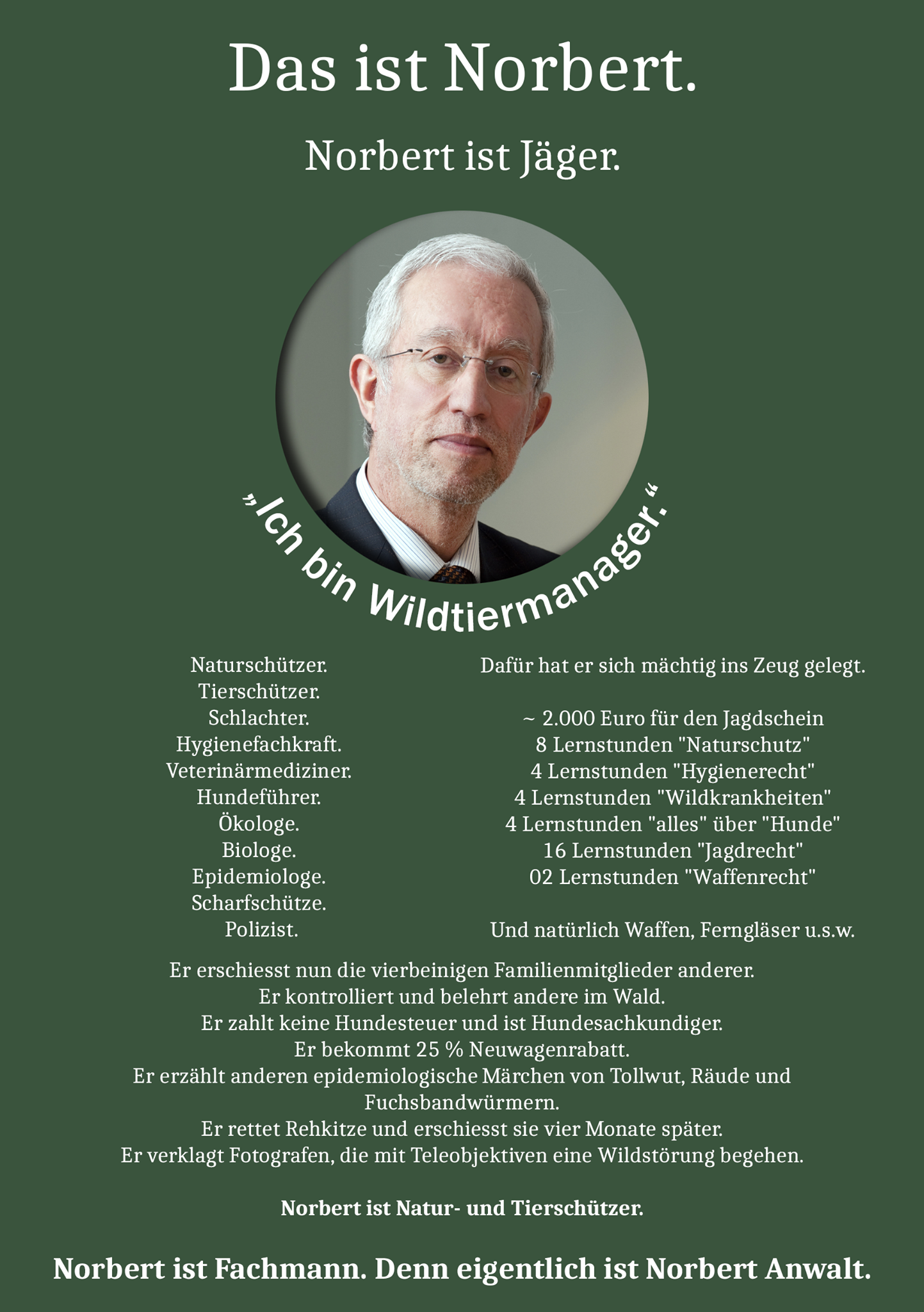
This is Norbert
Norbert is hunter
Norbert says: I’m a wildlife manager
Conservationist Animal rights activist butcher Hygiene specialist Veterinarians Dog leader ecologist biologist Epidemiologist Snipers police officer
He has worked hard to achieve this 2000 for the hunting license 8 hours of nature conservation 4 learning hours of hygiene law 4 hours of study on wildlife diseases 4 lessons “everything about dogs” 16 hours of learning hunting law 02 lessons in gun law And of course weapons, binoculars, etc.
He now shoots the four-legged family members of others. He controls and instructs others in the forest He pays no dog tax and is a dog expert He gets a 25% new car discount He tells other epidemiological tales of rabies, owls, and fox tapeworms He rescues fawns and shoots them four months later He is suing photographers who use telephoto lenses to disrupt wildlife
Norbert is a nature and animal rights activist
Norbert is a specialist. Because actually, Norbert is a lawyer
Posted on February 19, 2021 by Serbian Animals Voice (SAV)
10 February 2021, CAS International (Comité Anti Stierenvechten)
Mexican state Sinaloa prohibits bullfighting
The government of the Mexican state of Sinaloahas agreed to prohibit bullfighting. Sinaloa is the fifth state in Mexico with a recent ban on bullfighting, after Sonora, Guerrero, Coahuila, and Quintana Roo.
Dog fights are also prohibited.
In parliament, a unanimous vote was taken in favor of an extension of the current animal protection law. In addition to the ban on bull and dog fights, wild animals must be better protected. Unfortunately, cockfights are yet allowed to take place in Sinaloa.
Bullfights
Bullfights take place in the city of Mazatlán every year, during Carnival.
This is the only town in Sinaloa where bullfights are held. Mexico is one of the most violent countries in the world and within society, there is increasing support for a ban on bloody spectacles with animals because they would stop a development towards a peaceful society.
Animal suffering is also an important argument to prohibit this type of cruel event. 7 out of 10 Mexicans are in favor of a ban on bullfighting.
Animal Protection Law
Some other new points have been included in the amended animal protection law.
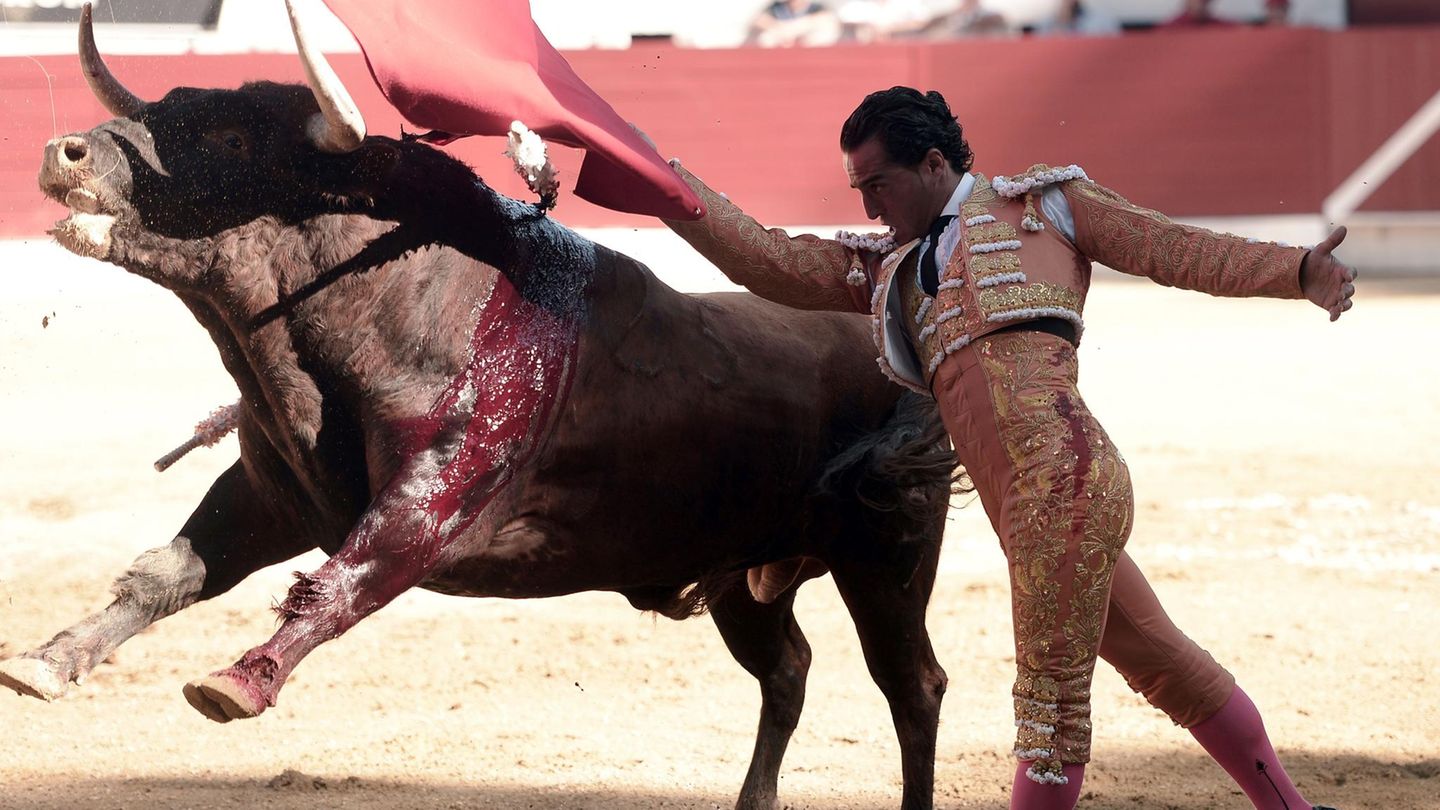
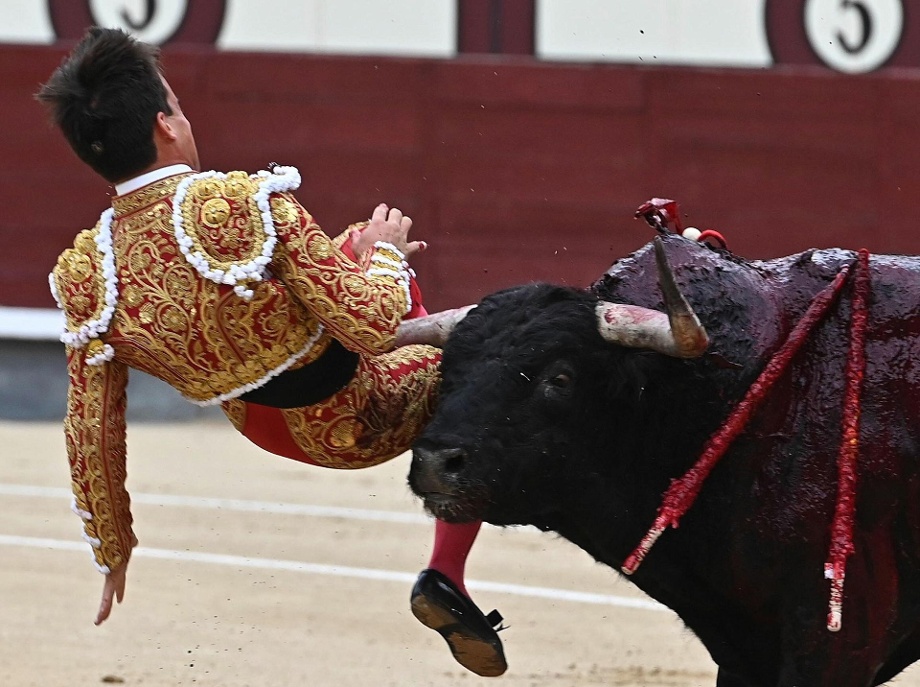
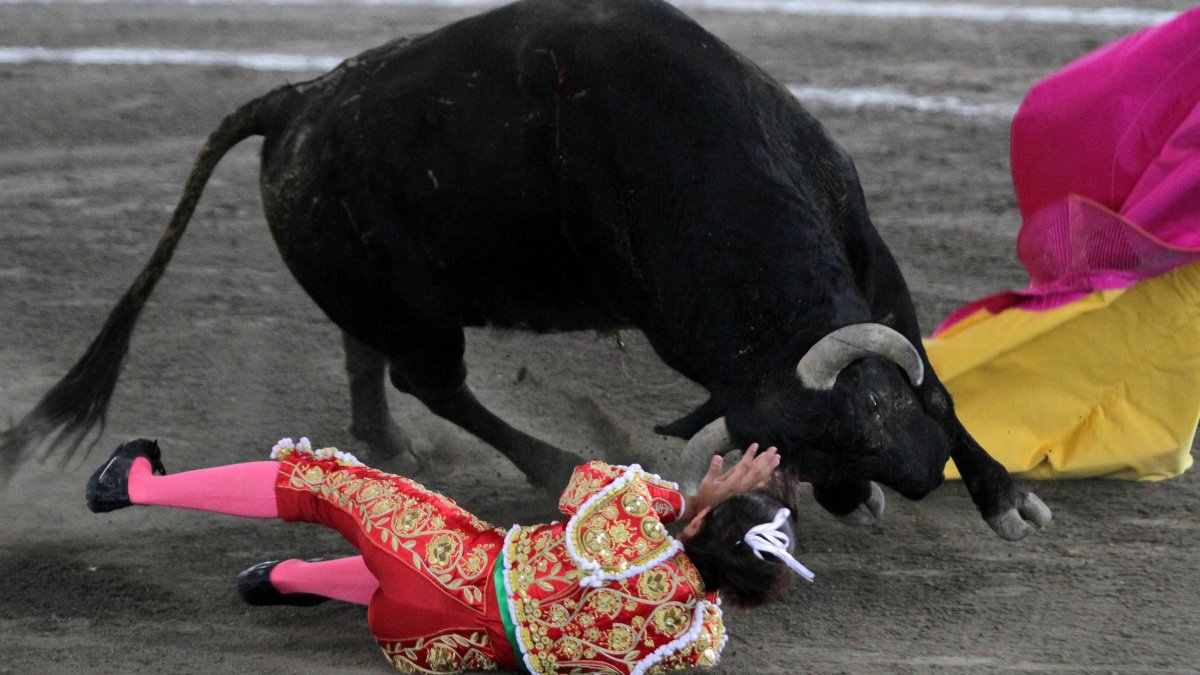
And I mean…During a bullfight in Puebla (Mexico) in May 2019, a 500-kilo bull runs at the little murderer, impaling her face with his horns.
Blood shoots from her face, as it also sheds from his deep wounds.
She falls motionless on the floor, is operated on for hours, and is not allowed to enter the arena for six months. Unfortunately only for six months!
One of the toreros was killed in a bullfight in southern Mexico in 2015.
A bull victim took the bull killer Eduardo del Villar by the horns in the arena of Seybaplaya in the state of Campeche and tore open the artery in his thigh.
Juan José Padilla (39), unfortunately, had a lot of luck in Zaragoza, Spain, in 2011, he only lost one eye when the robust bull victim managed to defend himself against his killer.
He returned, he can’t stop killing and continues to kill in Mexico
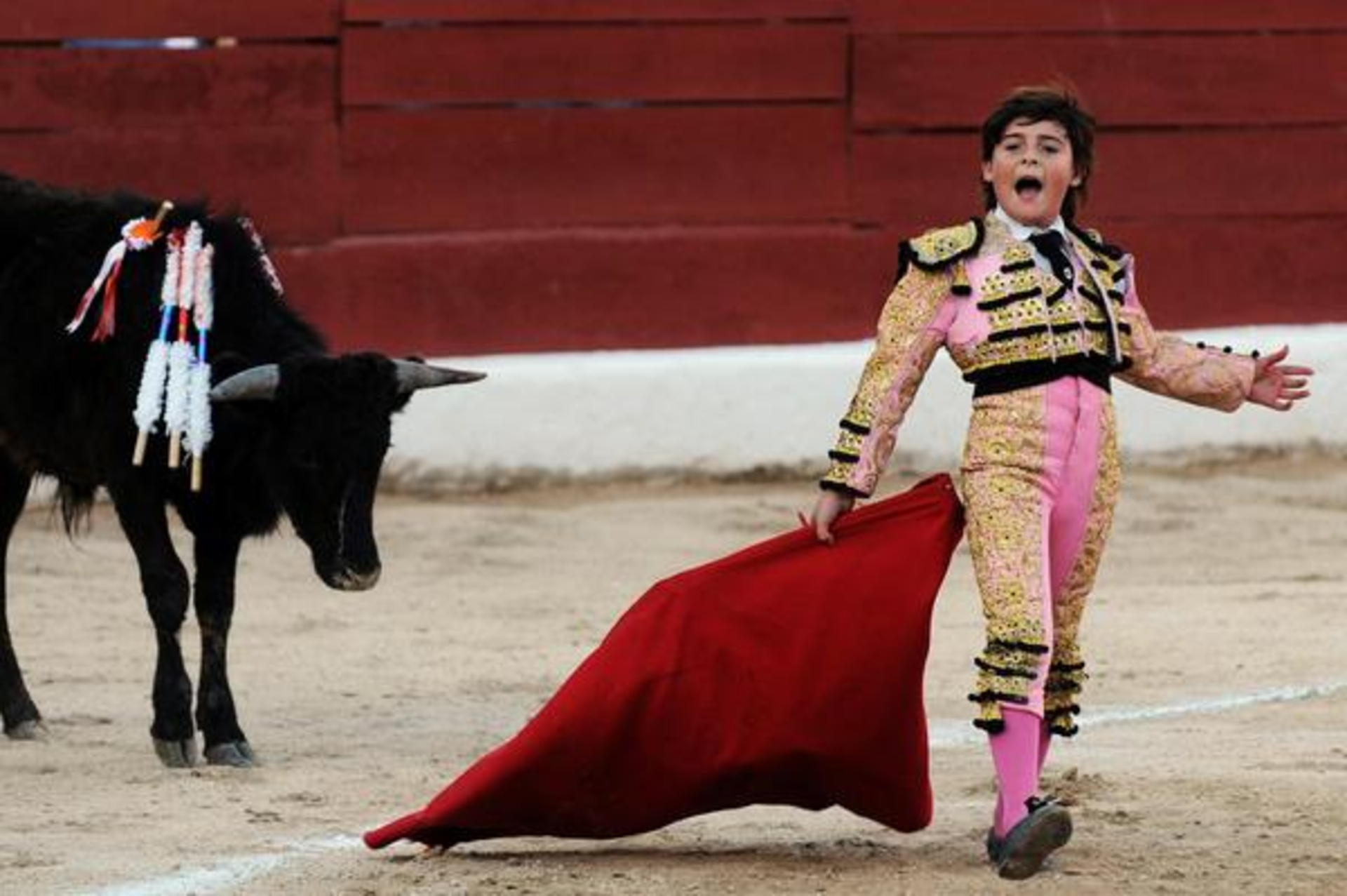
An eleven-year-old mini-killer massacred six bulls in a bullfight in his native Mérida, Mexico, in 2009.
Unfortunately, he got away with no injuries, instead, he got the two ears of the dead animals as a trophy, and his dream is to get into the Guinness Book of Records as a super potent bull killer!
Unfortunately, the “accidents” with the human killers were too few compared to the 250,000 bulls (in Spain) that are brutally murdered annually.
This perversity, which in Mexico – as well as in Spain – is sold as something “festive”, “artistic” and a “fair competition” for stupid tourists and can only inspire a few dull, mentally weak proles, is now banned in one more city of Mexico!
We are happy about this decision, very happy in fact!
Countries that maintain these medieval spectacles are tarnishing their country’s reputation.
Posted on February 18, 2021 by Serbian Animals Voice (SAV)
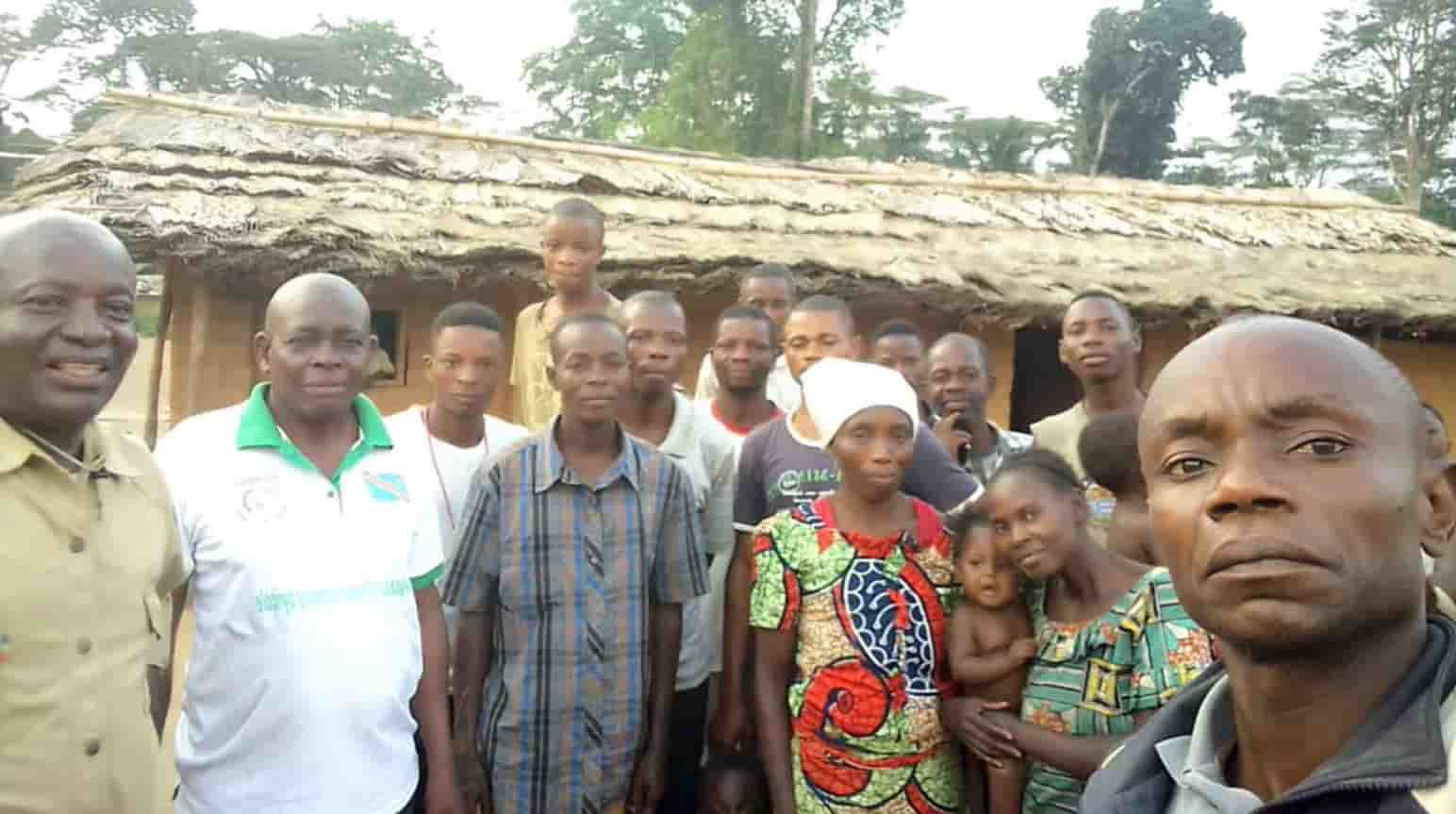
The inhabitants of Mwingi and Bolesa in the Democratic Republic of the Congo need our help: Local activists were jailed after a protest against PHC, a palm oil company.
To: the authorities of the Democratic Republic of the Congo
“We demand the release of the activists and an end to violence and land grabbing. Local people must finally get their land rights and the right to free consent.” Read letter
Communities in the Democratic Republic of the Congo have suffered under palm oil companies for decades, and violence has erupted time and again: In 2015, a couple accused of stealing palm oil fruits was killed, and in 2019, the villager Joel Imbangola was beaten to death.
In February 2021, following a protest march against the palm oil company PHC, villagers, including local members of RIAO-RDC, were beaten and jailed.
Two reportedly received death threats, and women were sexually assaulted.
The occasion for the protest march was an anticipated visit by Kalaa Mpinga, the new CEO of Feronia-PHC. His Mauritius-registered corporation took over the plantations in 2020.
The villagers are accused of “inciting revolt”. Their taking photos of the protest march and giving interviews to journalists is also being held against them.
The roots of the conflict go back 110 years when the first plantations were established.
The local people were never consulted but were simply robbed of their ancestral land and thus their livelihood.
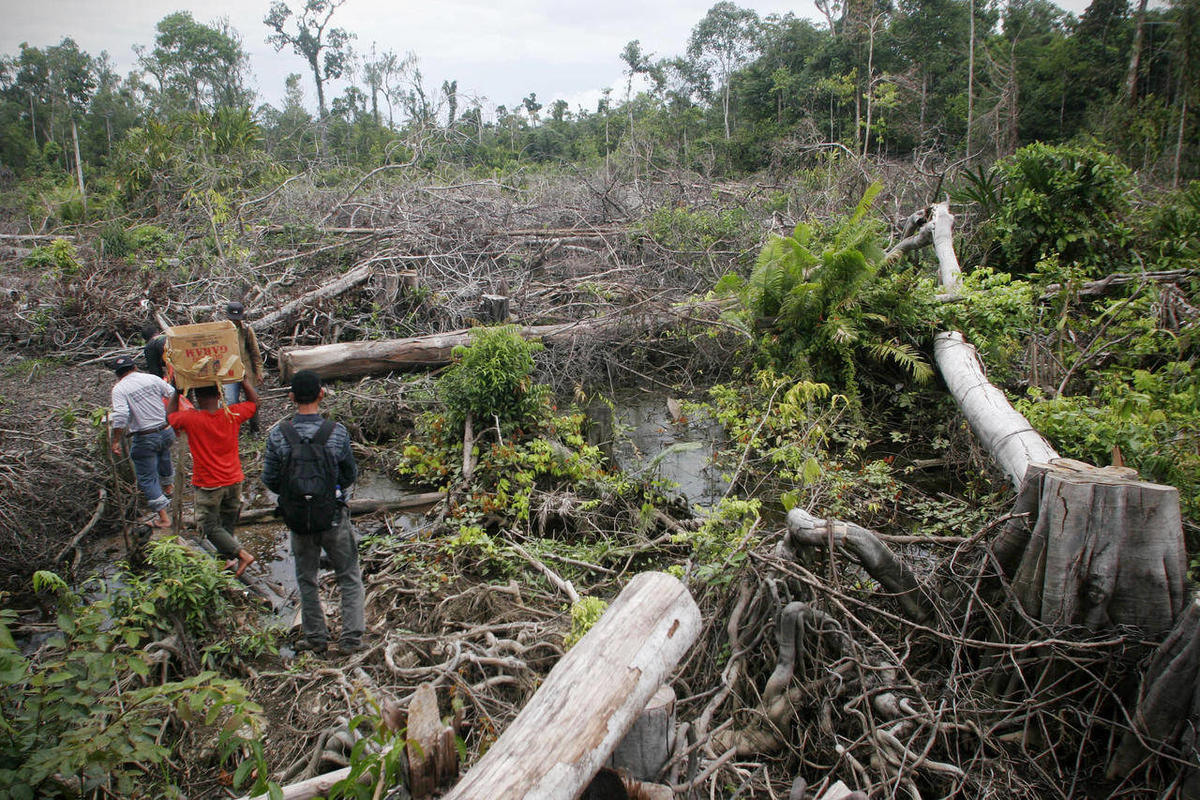
And I mean…Where previously there was a dense jungle, now only cut tree trunks lie on top of each other.
Criminal oligarchs from the palm oil mafia are to blame for this.
25,000 hectares of forest have already fallen victim to the company’s operations. The concessions are vast: They extend over 107,000 hectares – an area roughly the size of New York City.
The oil palms are originally native to Africa, but Malaysia and Indonesia are the largest producers in the world.
According to statistics, the Democratic Republic of the Congo produced 300,000 tons of palm oil in 2013, which puts it in twelfth place, behind other African countries such as Nigeria and Ivory Coast.
Indonesia
But because the area for palm oil is slowly running out in Southeast Asia and the demand for it continues to grow on the world market, more is now to be cultivated in Africa.
That was always the fascist principle of domination of the Europeans against Africa.
The people in Africa don’t want anything for free
They just want us to stop stealing their resources.
Maybe we can help them, we owe it to them. Please sign and share.


 when the ocean dies we die too! we all have to help to save our oceans and their residents.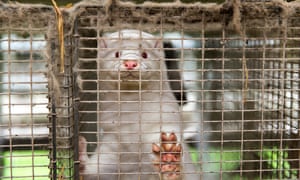




 Serbian Animals Voice (SAV)