The National Park Service (“NPS”) instituted regulatory provisions in 2015 to ban certain extreme hunting practices in the State of Alaska, recognizing that Alaska “has allowed an increasing number of liberalized methods of hunting and trapping wildlife … [that] are not consistent with the NPS’s implementation of [the Alaska National Interest Lands Conservation Act’s] authorization of sport hunting and trapping in national preserves.” These banned practices include killing wolf and coyote pups and mothers in their dens, shooting caribou from boats or from shore, using dogs and bait to hunt and kill bears, and using artificial lights to kill mother black bears and their cubs as they hibernate.
Now Interior Secretary Ryan Zinke and the NPS are proposing to adopt a rule (RIN 1024-AE38) that rolls back the 2015 regulatory provisions, and would again allow egregious and scientifically unsound methods of hunting native predators in Alaska’s National Preserves.
RIN 1024-AE38 is in direct conflict with the NPS’s congressional mandate to conserve wildlife to preserve biological diversity, and to ensure that generations of Americans to come may experience the full beauty of Alaska.
WE NEED YOUR HELP NOW to ensure that these critical protections for Alaska’s wildlife aren’t eliminated!
Please let the NPS know you oppose RIN 1024-AE38 by submitting your comments to the proposed rule here before the July 23 deadline.
Suggested talking points (and please personalize your comments):
·I’m opposed to the National Park Service’s proposed rule to repeal the 2015 regulatory provisions that prohibit killing black bears and their cubs with artificial light at den sites, using bait to attract brown bears for an easy shot, killing wolf and coyote mothers and pups in their dens, using dogs to hunt black bears, and killing defenseless swimming caribou.
·The National Park Service should not reverse its original rule, which was carefully deliberated, based on the best available science, and subject to extensive public input.
·As an American, I appreciate our native carnivores and believe that they should be treated humanely and with an appreciation for the critical role they play in maintaining a healthy ecosystem.
·The National Park Service is directly contravening its own findings that the described methods of hunting and trapping frequently allowed by the Alaska Board of Game to increase opportunities to harvest predators are not consistent with the Alaska National Interest Lands Conservation Act.
·The 2015 protections currently in place only restrict sport hunting in national preserves, which constitute less than six percent of the area in Alaska open to hunting. These limitations are sufficient and reasonable.
·The Alaska National Interest Lands Conservation Act and other federal laws mandate that the National Park Service preserve national lands, including national preserves, for the benefit of present and future generations.
·The proposed rule will increase public safety concerns resulting from baiting of bears. This practice was originally prohibited by the NPS to help protect the public from food-conditioned bears, which are more likely to cause human injury.
Please share this Action Alert — and thank you for helping protect Alaska’s wildlife!
Posted on June 6, 2018 by Serbian Animals Voice (SAV)
SAV Comment – we have been working with ‘Respect for Animals’ for months now regarding this issue. There are a great deal of lies given out by the Serbian Ministry over the amount of people that they think are employed in this business. We have all the facts and they have been given to Respect. The Serbians have had nearly ten years to do a phase out of the farming ready for the ban which was supposed to come in on 1st January 2019. Suddenly now after nine and a half years of the phase out, the Serbian Ministry is saying that it will attempt to overturn the projected ban coming into force next year. How typically Serbian government !! – we expected nothing more really, as this is what you get from a government of animal abusers. We have experienced this for over a decade.
Serbia: animal welfare organisations BANNED from ‘public’ sessions to consider keeping fur farms
The fur industry has been lobbying the Serbian government ruthlessly, in a desperate attempt to keep the right to breed chinchillas in shocking fur farm conditions and avoid another embarrassing defeat. A public session has been arranged at the Serbian parliament on Tuesday 5 June to debate extending the proven cruelty of chinchilla fur factory farming. Shockingly, in an affront to the most basic principles of democracy, animal protection organisations has been prevented from attending the ‘public’ session.
Serbia has passed legislation banning fur farming which comes into effect in January 2019. The ban is now at severe risk.
Chinchillas are the only animals kept for fur in Serbia. The intense battery cage system used on fur farms deprives chinchillas from the opportunity to express their natural behaviour – such as running and jumping – and causes severe welfare problems. International studies have shown behavioral disorders, such as stereotypies, pelt-biting and infant mortality, are highly common on chinchilla fur farms.
The public session about the fur farming ban is scheduled just two days prior to the Make Fur History expo, that will take place in Belgrade on Thursday, June 7.
The exhibition – that was launched in the European Parliament on January 23 and is now touring Europe – invites lawmakers and stakeholders to discuss the negative impact of fur farming on animals, the environment and local communities and shows the urgency for more national bans. Respect for Animals will be attending the event as part of the campaign to end chinchilla suffering at the hands of the barbaric fur industry.
With a 10-year phase-out period, Serbian fur farmers have been given the opportunity to transition to a more economically stable and sustainable industry. With less than one year left before the transitional period runs out, any change to the previously agreed upon legislation would raise serious questions regarding the Serbian legislative process.
We have already written to Serbian politicians and a joint letter from the international Fur Free Alliance has been delivered to the Serbian parliament.
As part of the Fur Free Alliance, Respect for Animals urges the Serbian government to stay true to its legislative commitment to ban the farming of animals for their fur, and save sentient beings from a cruel life and death.
Parliamentary debates don’t lead directly to changes in law, but they can influence decision-making and raise the profile of a campaign.
In this case, the campaign reflects a larger movement that seems to keep gaining momentum. In the past year, major fashion brands like Gucci, Michael Kors, and Versace have said that they’re no longer using fur in their collections. Meanwhile, the city of San Francisco banned all sales of fur, and both Norway and the Czech Republic announced plans to end fur farming in their countries. In the UK, London’s popular Camden market banned sales of fur as of March.
Opponents of fur believe that farming and trapping is cruel and unethical. At the same time, technology has produced faux furs so good that even the fanciest of luxury brands, such as Tom Ford, see them as viable substitutes—giving rise to the argument that, at this point, using fur is simply outdated. “Do you think using furs today is still modern?” Gucci CEO Marco Bizzari said to Business of Fashion last year (paywall) when talking about thecompany’s decision to stop using fur. “I don’t think it’s still modern and that’s the reason why we decided not to do that.”
Not all shoppers agree. In China and other parts of Asia, sales of fur items, such as coats, remain strong. There are still plenty of buyers for fur in places like Europe and the US, too, especially when the fur is used as a trim. Canada Goose parkas, with their hoods edged in coyote fur, are a common sight in the colder parts of America. And not long before Gucci ditched fur, it had a sales hit with its kangaroo-fur-lined loafers. They were one of the items that proved the brand was back on the upswing after its new creative director, Alessandro Michele, took over in 2015.
The UK itself prohibited fur farming in 2000, but still allows fur imports, which is where the dispute before Parliament now lies. The petition that prompted the debate says imports are coming from countries that aren’t safeguarding animals.
Mike Moser, CEO of the British Fur Trade Association, called it “seriously flawed,” in a statement issued by the group. The petition “erroneously states that much of the fur imported into the UK comes from countries ‘that have very weak or no animal welfare laws at all’ as justification for a fur import ban,” he said. “In fact, all fur farms, wherever they are, must be licensed by authorities and independently inspected in order to operate.”
But critics of the fur industry point to investigations that keep turning up cases of animal abuse, despite regulations. Last week, 50 veterinarians and animal behaviorists sent a letter (pdf) to Michael Gove, the UK’s secretary of state for environment, food, and rural affairs, saying there are “severe animal welfare deficiencies inherent to the fur trade.”
They supported Humane Society International UK’s call for a ban on fur imports to Britain.
Posted on June 3, 2018 by Serbian Animals Voice (SAV)
SAV Comment:
A beautiful story from Harmony Fund. We got this story because we give money each month to Harmony – they help animals and people caring for them all over the world.
Please try to support Harmony with a monthly donation – your money will help animals welfare work the world over.
We love sharing good-news updates on how your donations are transforming lives, and today you’ve saved not only several dogs in Romania, but also the woman who cares for them.
In our last newsletter, we told you the story of this sweet Romanian woman named Mandache who became homeless a few years ago when the government took her home through eminent domain for industrial expansion.
Rather than wallow in her own suffering, Mandache summoned all her strength each day to find food for dogs who were also homeless. She would go through town, scavenging for scraps for the animals, despite her own declining health and battle with cancer.
Mandache asked us for help with adopting one particularly gentle dog whom she thought might be harmed by other street dogs when she left for a few days for the allotment of government funded cancer treatment.
Since that time, several of our supporters asked how they could help Mandache and we were able to find a small place for her to live. It’s a kitchen with a little bed to sleep on and a bathroom area. There is running water and heat and It is safe from bad weather and the dangers of the street. She can properly rest and heal in this space. But what has happened since Mandache moved in is nothing short of amazing.
Every morning, Mandache leaves her kitchen early to begin her rounds of street feeding. She has no intention of surrendering her mission to help street dogs, and it is an honor to help her. We’ve already rescued several of the dogs she was feeding and they’ve received full veterinary care and are up for adoption. When we showed Mandache photos of some of the dogs happily settled in at their new homes, she cried with joy and kissed each photo.
In this line of work, we often come upon people like Mandache who devote every ounce of their being to helping others. It is a true privilege to help her to continue in this work. The rent for her room is only $65 a month. Our own Debbie Evans sent her a wonderful gift of essential living supplies and we are providing food and medicines for the dogs on an ongoing basis and continuing a rolling rescue program there.
Posted on June 2, 2018 by Serbian Animals Voice (SAV)
SAV comment – Scotland has its own Parliament. The English parliament is at Westminster, London. There is always a type of ‘competition’ between the Scots and the English parliaments; and what one often does, you will find it is soon repeated by the other. For so many years we have been campaigning to get wild animals banned from circuses in England. We now predict that as the Scottish parliament has undertaken this ban, England will very soon follow for a ban in England.
PS – we (the English) are always better at football and rugby than the Scots – this is a massive issue between UK sports fans. England-Scotland sporting fixtures are notorious for their conflicts.
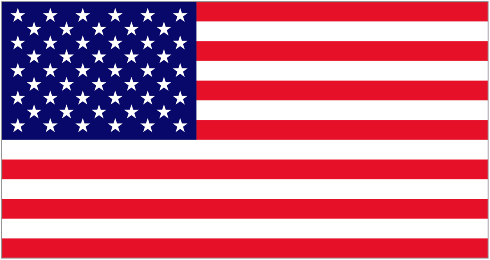
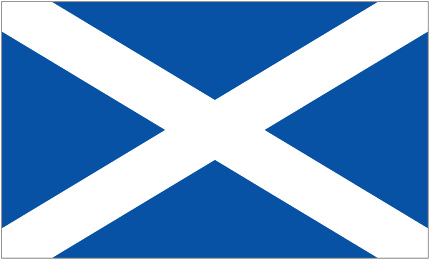
For overseas visitors; each nation of the UK has its own flag – you can see the Scottish flag above.
England has the flag of St George as shown here:
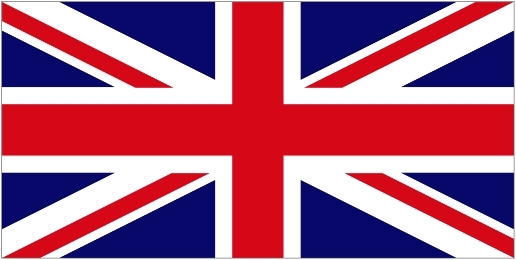
When ALL the nations flags are united under one flag – the ‘Union flag’, or ‘Union Jack’ as it is affectionately known; it is flown as a united (UK) front. The Union flag is not just a representation of England, Scotland, Wales or Northern Ireland individually; it is a flag showing the combined (nations) force. British forces have always fought together in theatre as a combined force – thus the union flag is the only one ever flown. There is (to many peoples surprise). a right and wrong way of flying this. Look at the positions of the red diagonals on the Union flag below; this (their positions) determines the right or wrong way to fly the flag ! – Here is the Union flag; flying correctly:
Amazing news!
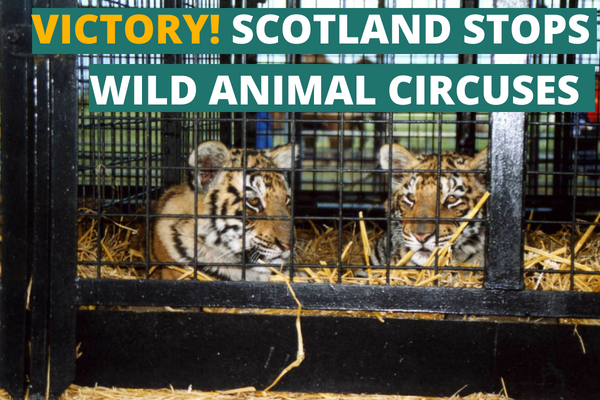
The ban on wild animal circuses is now officially in force in Scotland! As of 28th May 2018, it is no longer legal for any travelling circus with wild animals to make them perform demeaning tricks for crowds.
Thank you for everything you have done to make this long overdue ban a reality! Such a fantastic victory!
But sadly, not all animals are safe. This ban only applies to wild animals in circuses, not domestic animals like horses, birds, dogs and cats.
Right now, Zippos Circus is touring with domestic animals and will be in Scotland from 5th June.
They have 11 venues lined up across Scotland for their cruel shows. By tracking their journey between venues, we have calculated they will cover 1043 miles in Scotland alone – the animals will spend all of those miles in trailers and vehicles.
This is no way for any animal to spend their life! It is known that domestic animals can be stressed on long journeys and that making animals perform tricks repeatedly can cause injury. And of course, it uses them as objects of entertainment.
Take Action to help these animals too!
Protests are being organised at the venues that Zippos will visit in Scotland – today we have been sending out leaflets and posters for these protests.
We must celebrate the wild animal circus ban for animals – your hard work does make a difference! But I can’t help but feel frustration when I know animal circuses in Scotland have not come to an end, as long as domestic animals are exploited.
So let’s celebrate and use that energy to keep up the fight, until all are free!
For the animals,
Nicola O’Brien
Campaigns Director
P.S. Well done to you on this fantastic news! Now let’s help domestic animals in circuses too!
Posted on May 30, 2018 by Serbian Animals Voice (SAV)
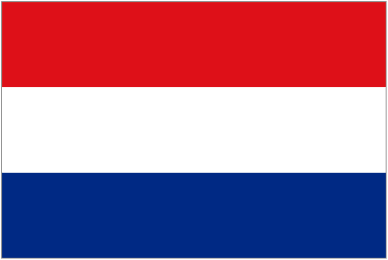
News just in from FRIEND Lesley – founder OF EoA in the Netherlands.
Minks from Holland transported in horrible conditions
Recently we were in Poland conducting inspections of animal trucks. We stopped a horrible transport truck originating from The Netherlands with hundreds of mink on board in tiny dirty wire cages. They were heading to fur farms in Poland. The animals were completely stressed.
They were trying to break free of their cages, performing stereotypic behaviour such as repetitive biting and licking at their cages and making heart-breaking sounds.
The cages were stacked in a sloppy way, with many animals having to endure standing on a sloping floor. Some of the mink had escaped and were running around the truck.
Eyes on Animals together with our partners TSB|AWF are now in touch with the Dutch and Polish authorities about this, and we are going to expose it via the media.
It is completely unacceptable that, in 2018, animals be transported in such a way.
SAV Comment
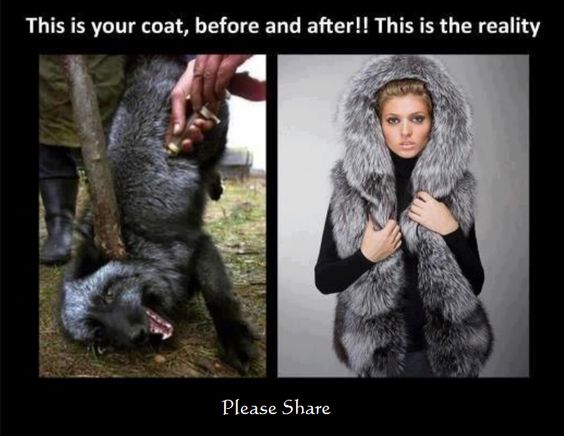
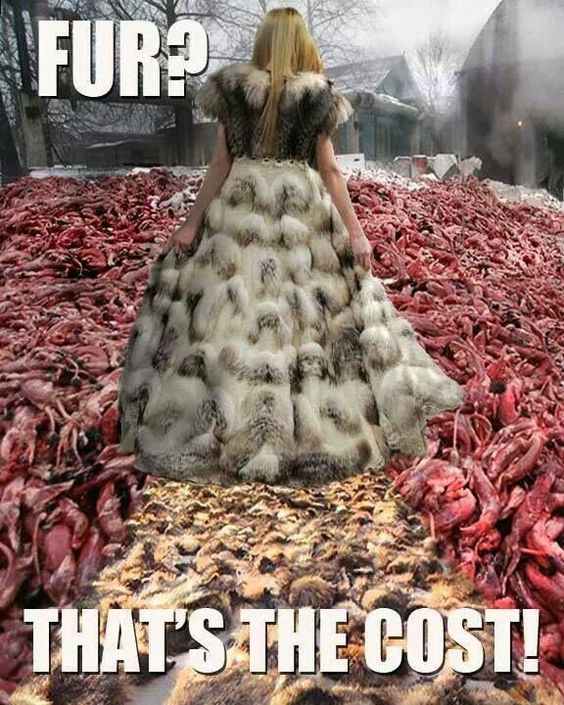
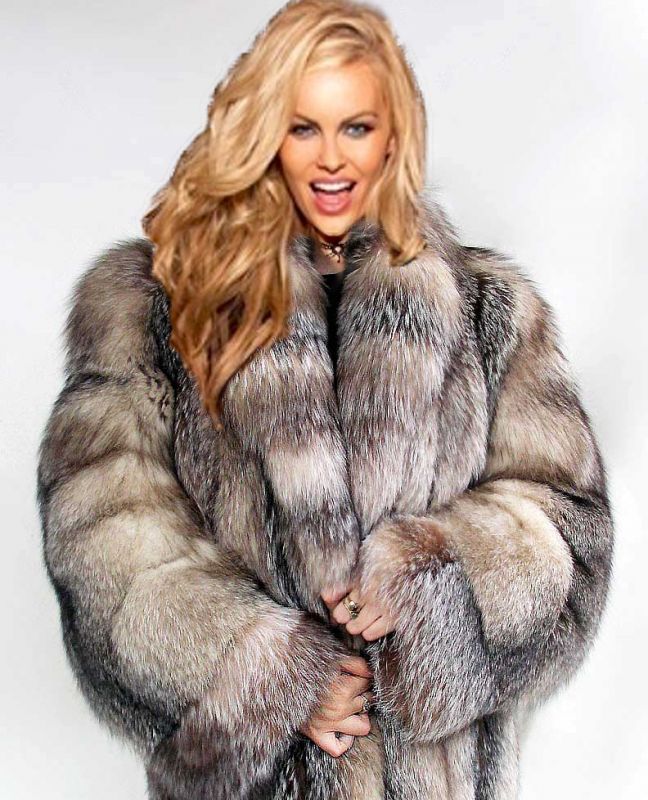
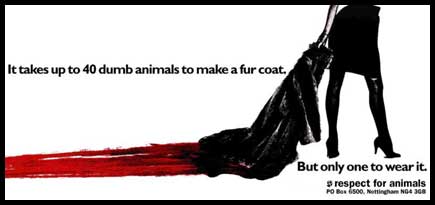
– The price of a fur coat ! – disgusting; and this is even before they suffer at the farm !











 Serbian Animals Voice (SAV)