Sea Shepherd Ready to Sail.

sea shepherd 1

Sea Shepherd ready to sail

More violent clashes between Sea Shepherd and Japanese whalers are possible in the Southern Ocean this summer (winter for us!), the militant conservation group is warning. The 2 groups were involved in dangerous collisions during the past whaling season, each blaming the other for ramming. One serious incident was caught on video, with both sides releasing footage of a collision.

Japan’s fleet is about to depart for the annual hunt, which it says is legal under a scientific provision of the international whaling convention. Sea Shepherd is readying for its 10th Antarctic campaign, with the ship Bob Barker due at its final port of Hobart. Skipper Peter Hammarstedt says the vessel was rammed several times by the 8000-tonne factory ship Nisshin Maru. “We’re facing a very desperate adversary in the Japanese whale poachers,” he told reporters in Hobart,” Mr Hammarstedt said. “The reason for that is it’s a dying industry that we’ve already bankrupted 3 years in a row. “Last year was the most aggressive that the Japanese whale poachers have ever been towards us. “My feeling is that these poachers are criminals and we expect that we will treat them like the criminals that they are.” 

Sea Shepherd lost its vessel Ady Gil after a collision in 2010.  Last summer’s incidents were reported to the Australian Maritime Safety Authority, the green group says.  It says the government should stick by an election commitment and send an Australian Customs vessel to enforce a 2008 Federal Court ruling that whaling in Australian waters is illegal.  “Last year we saw a whale harpooned 60 nautical miles off the Australian Antarctic coastline.  “That’s firmly within Australia’s sovereign waters.”  Sea Shepherd claims to have saved 932 whales and restricted Japan to 9% of its target catch in the past season. 

An International Court of Justice decision on Australia’s case against Japanese whaling is expected soon.

SS  web link:  http://www.seashepherd.org/ 

2 Japanese whaling ships and a surveillance vessel have left for the annual hunt in the Antarctic Sea, Kyodo News says.  The 3 ships departed from the western port of Shimonoseki to join other ships to hunt up to 935 Antarctic minke whales and up to 50 fin whales up until March, the news agency said.


England (UK): Dry Feet For Christmas – Can You Help ?

England

DFFC

Dry Feet For Christmas

https://www.facebook.com/pages/Hugletts-Wood-Farm-Animal-Sanctuary/211947600388

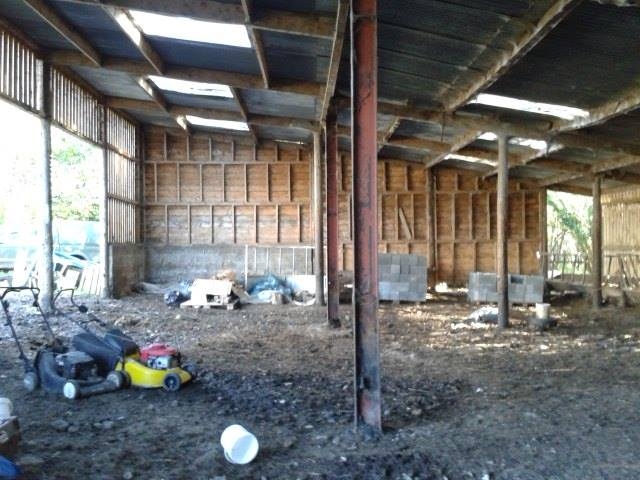
Hugletts  Farm Animal Sanctuary needs our help this Christmas. The lower barn (where the older cattle live during winter) needs urgent work to avoid flooding again. Wenda and Matthew have tried their best to self-fund as much as possible, but a further £2079 is needed to complete the drainage outside the barn. It is getting colder and wetter, but the cows can only be safely brought in when the work has been completed.
Wenda and Matthew will personally construct the drainage system, as the costs quoted for labour for the ground-work and pipe-laying, are beyond their means.

If you would consider sponsoring just 1 metre of drainage for £20.00, the cows could be sure of dry feet this Christmas.
Everyone who is kind enough to sponsor a length of drainage will receive a small “DRY FEET FOR CHRISTMAS” certificate to thank them for their kindness.

Of course you are more than welcome to make a smaller donation as times are hard everywhere and that would be most gratefully received too

Your donations can be made by BACS to our account
Hugletts Wood Farm Animal Sanctuary
Sort Code: 08-71-99
A/c No: 06104374
Please use your name as reference

Cheques should be made payable to Hugletts Wood Farm Animal Sanctuary and sent to Hugletts Wood Farm, Grovelye Lane, Churches Green, Dallington, East Sussex. TN21 9PA.

The remaining materials required are:
100 metres 9 inch semi-perforated twin wall pipe £594.00
11 Joiners £114.40
3 T joints £135.00
6m x 6” pipe £ 24.00
3 x Road gulleys £ 93.00
3 x grates £ 75.00
28 xDished Curves £280.00
240 feet shuttering £ 75.00
1 load 40mm beach £294.00
1 load ballast £395.00

+ Many hours of hard work from Matt and Wenda who give their time freely as always for the care of the beautiful creatures that live at Hugletts . Everyone there has a home for life to enjoy in the peace and tranquility of Hugletts Wood.

Serbia: ‘Felix’ Shelter New Web Link – Please Ensure You Update Your ‘Favourites’ !

Serbian  Flag

FELIX

We wish to inform that Felix shelter in Serbia has now undertaken a new web site link.

You can see the site at  http://catshelter-felix.com/

Please make sure that you update your computer favourites to include this new address.

DSC06421_resize

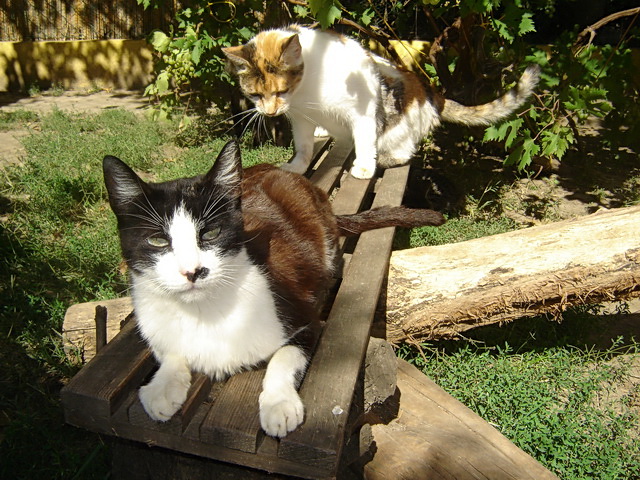
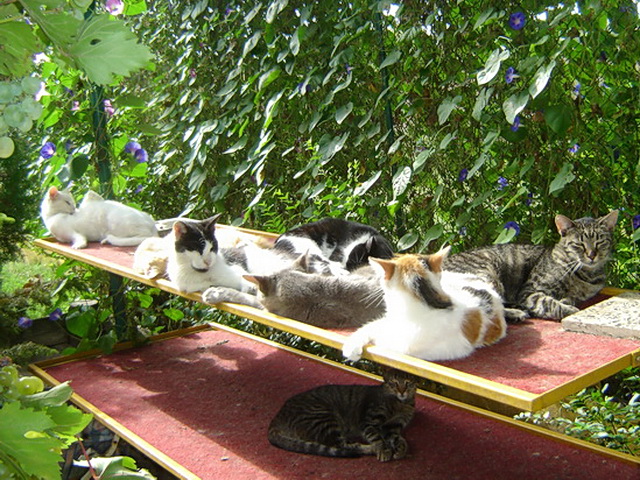
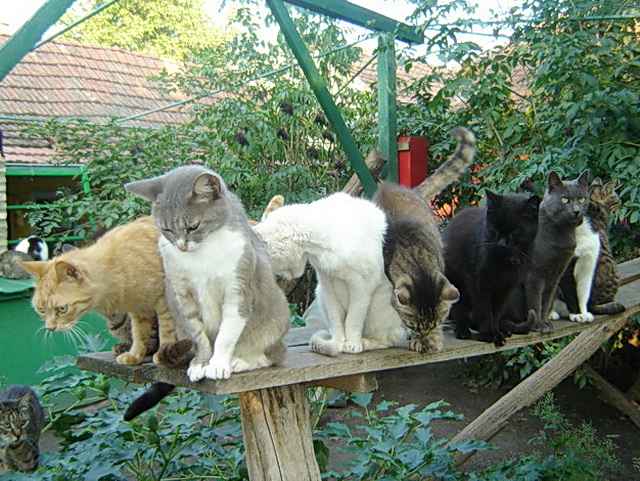
Here are a few video links to see the rescued cats at shelter Felix.

http://www.youtube.com/watch?v=q4bIEwc11r8

http://www.youtube.com/watch?v=8BWuPPDz8Fc

http://www.youtube.com/watch?v=gZ5Tqg9lPAk

http://www.youtube.com/watch?v=43Zb32dEtNo

http://www.youtube.com/watch?v=F4EcdmUCp4s

http://www.youtube.com/watch?v=qH1dDl6cPXU

http://www.youtube.com/watch?v=zKqsDvb-ge4

http://www.youtube.com/watch?v=arVkRRgQ4nk

http://www.youtube.com/watch?v=tTbJkGoe-Hc

http://www.youtube.com/watch?v=KXbc-HWt_a0

DSC06405_resize 

Some past SAV Posts relating to Felix shelter:

https://serbiananimalsvoice.wordpress.com/2012/07/02/serbia-020712-more-news-and-photos-from-danica-at-felix-shelter-can-you-help-with-a-donation-towards-roof-repairs-thank-you/

https://serbiananimalsvoice.wordpress.com/2012/05/09/serbia-latest-from-felix-cat-shelter-sanctuary-photos-info-and-appeal-to-help-with-new-building-updates-due-to-terrible-winter-can-you-help-please/

https://serbiananimalsvoice.wordpress.com/2012/04/11/serbia-post-winter-repairs-at-felix-shelter-are-costing-can-you-help-costs-with-a-donation-paypal-link-provided/

https://serbiananimalsvoice.wordpress.com/2012/02/26/serbia-the-felix-kitties-have-got-a-website-please-visit-and-take-a-look/

https://serbiananimalsvoice.wordpress.com/2012/02/08/serbia-big-freeze-across-europe-latest-pictures-from-cat-shelter-felix-can-you-help-with-a-donation/

https://serbiananimalsvoice.wordpress.com/2012/01/15/serbia-please-help-the-kitties-at-felix-shelter-with-a-winter-donation-thank-you/

https://serbiananimalsvoice.wordpress.com/2011/11/22/serbia-financial-appeal-to-help-the-cats-this-winter-at-felix-shelter/

https://serbiananimalsvoice.wordpress.com/2011/09/30/serbia-felix-cat-shelter-a-request-for-financial-help-please-can-you-give-a-donation-full-details-below/

If you can this Christmas, please help Danica and the cats this winter by giving anything you can in the form of a donation.

Thank you.

DSC06332_resize

DSC06263_resize

Netherlands: (Eyes on Animals) – A Direct Message From the Field (Turkey).

Netherlands

EoA Turkish slaughterhouse Dec 13

A direct message from the field (Turkey).

‘Eyes on Animals’  Web site link:  http://www.eyesonanimals.com/

The following is a message that has been sent to us by good friend and excellent investigator Lesley who is currently working in Turkey; especially the slaughterhouses around Istanbul.

Below you can read the quick field message from Lesley, which has some very good news regarding one person employed in a slaughterhouse.

English, Dutch and German versions of the message are included below.

—ENGLISH—(Deutsch unten)

Dear friends and donors of Eyes on Animals,

I am writing to you from a hotel in Bursa, Turkey. I am here with Asalet. On behalf of EonA and AWF we are checking if any improvements were made in the slaughterhouses we visited last summer.
I want to know if our reports, complaints and recommendations had any effect.

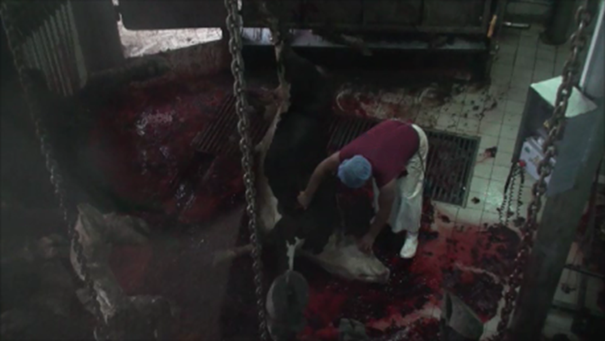
Perhaps you remember Yilkay slaughterhouse in Bursa, where we observed and filmed the slaughterman poking his fingers deep into the eyeballs of the bulls before cutting their throat. The bulls were screaming out from the pain. It was the worst slaughterhouse we had ever been to.

We just returned there and they showed us several small changes they made, but the most important news is that this employee was fired.

I wanted to share this news with you now, before the festive season, as I feel like this is a small “Christmas” present to us all.

There remains so much to be done inside the Turkish slaughterhouse, but this eye poking was what haunted us for weeks afterwards, and I cannot tell you enough how relieved I am to hear that at least for now, it has been stopped.
Best wishes to you all,
Lesley and the whole EonA team.

—DEUTSCH—

Liebe Freunde und Spender von Eyes on Animals,
ich schreibe Ihnen direkt aus meinem Hotel in Bursa. Ich bin gerade mit Asalet in der Türkei im Einsatz. Im Namen von EonA und AWF prüfen wir, ob sich die Zustände in den türkischen Schlachthäusern seit unserem letzten Besuch im Sommer verbessert haben.
Ich möchte erfahren, ob unsere Berichte, Beschwerden und Empfehlungen etwas bewirkt haben.
Vielleicht können Sie sich noch an den Einsatzbericht aus dem Schlachthaus Yilkay in Bursa erinnern. Wir hatten damals darüber berichtet und gefilmt, wie ein Kopfschlächter den Bullen mit den Fingern in die Augäpfel stach, bevor er ihnen die Kehle durchtrennte. Die Bullen brüllten dabei vor Schmerzen. Das war das grausamste Schlachthaus das wir jemals besucht hatten. Jetzt sind wir wieder hier im Einsatz und uns wurde berichtet, dass ein Paar kleine Verbesserungen gemacht wurden. Aber die wichtigste Nachricht ist, dass der Mitarbeiter von damals entlassen wurde.
In der Vorweihnachtszeit kommt mir das wie ein kleines „Weihnachtsgeschenk“ an uns alle vor. Trotzdem gibt es noch viel zu tun und zu verbessern in diesem türkischen Schlachthaus. Aber zumindest hat diese Unart, den Tieren vor der Schlachtung in den Augapfel zu drücken, vorerst ein Ende. Das hatte uns noch Wochen nach unserem Einsatz dort beschäftigt. Sie können sich sicherlich vorstellen, wie erleichtert ich darüber bin.
Liebe Grüße an Sie alle,
Ihre Lesley und das gesamte EonA-Team.

–NEDERLAND—

Beste vrienden en donateurs van Eyes on Animals,

Ik schrijf jullie vanuit een hotel in Bursa, Turkije. Hier ben ik samen met Asalet. Namens Eyes on Animals en Animal Welfare Foundation zijn we in Turkije om na te gaan of de slachthuizen die we deze zomer bezochten verbeteringen hebben aangebracht. We willen weten of onze rapportages, klachten en aanbevelingen enig effect hebben gehad.
Misschien herinneren jullie je het slachthuis Yilkay in Bursa waar we zagen en filmden hoe de medewerker verantwoordelijk voor de slacht zijn vingers diep in de oogkassen van de stieren duwde alvorens hen de keel door te snijden. De stieren schreeuwden het hierbij uit van de pijn. Het was het ergste slachthuis dat we ooit hadden bezocht. We hebben dit slachthuis nu opnieuw bezocht en zagen dat er een aantal kleine verbeteringen is doorgevoerd. Het beste nieuws is echter dat de medewerker die we hadden gefilmd ontslagen is.

Ik wilde dit nieuws nog voor de feestdagen met jullie delen, omdat ik dit succes zie als een klein geschenk voor ons allemaal.
Er rest ons nog veel werk voor het verbeteren van de omstandigheden binnen de Turkse slachthuizen. Het beeld van de medewerker die zijn vingers diep in de oogkassen van de stieren duwde heeft ons van alles wat we gezien hebben het meest achtervolgd. Dat met het ontslag van de medewerker een einde gekomen is aan deze mishandeling, voelt als een enorme opluchting. Dit succes geeft ons het vertrouwen dat we nog meer kunnen bereiken voor de dieren.
Hartelijke groet,
Lesley en het hele team van Eyes on Animals


Lebanon: STOP Hunting Crimes in Lebanon – Take Action To Support This Campaign on Facebook and Write To Embassies Worldwide.

Lebanon

Lebanon 6

Lebanon 7

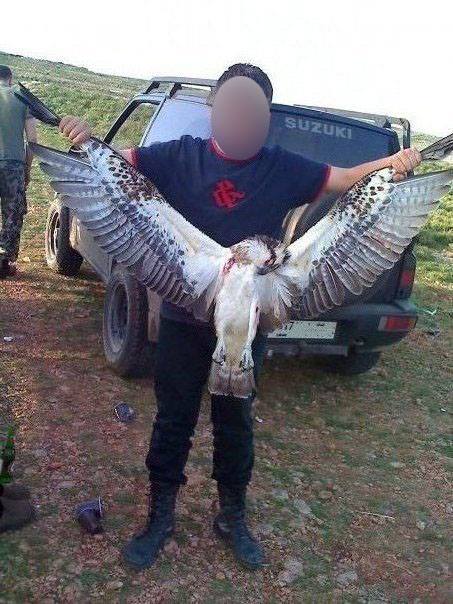
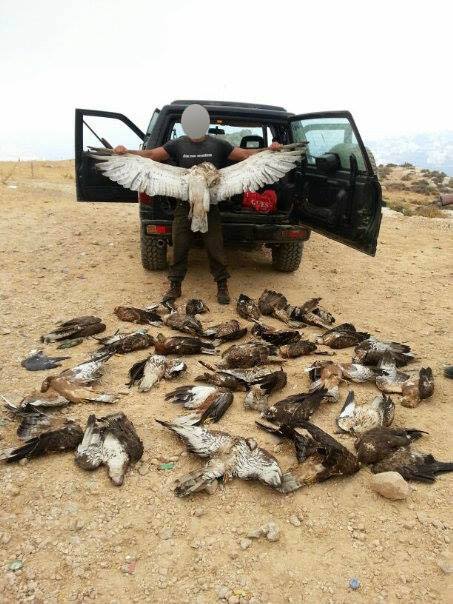
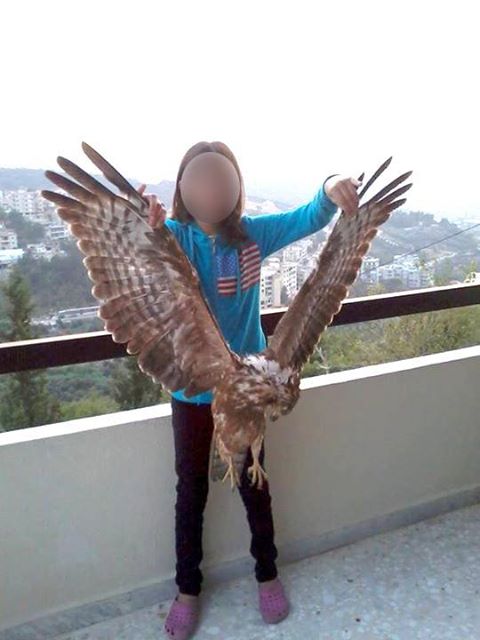
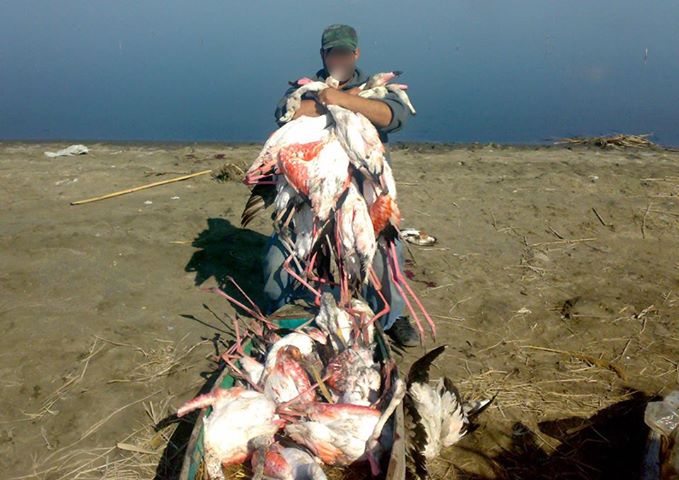
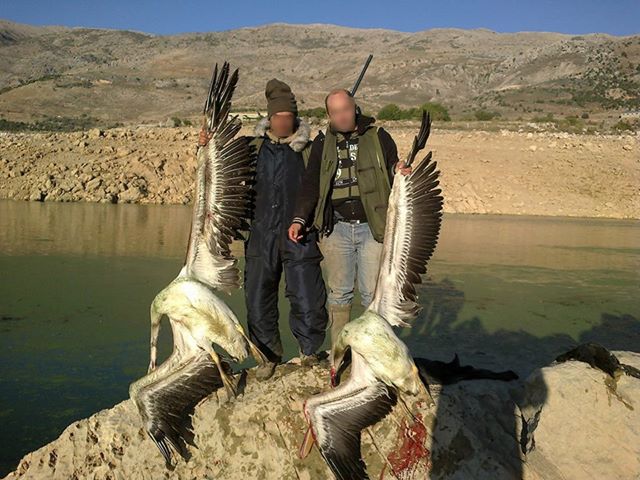
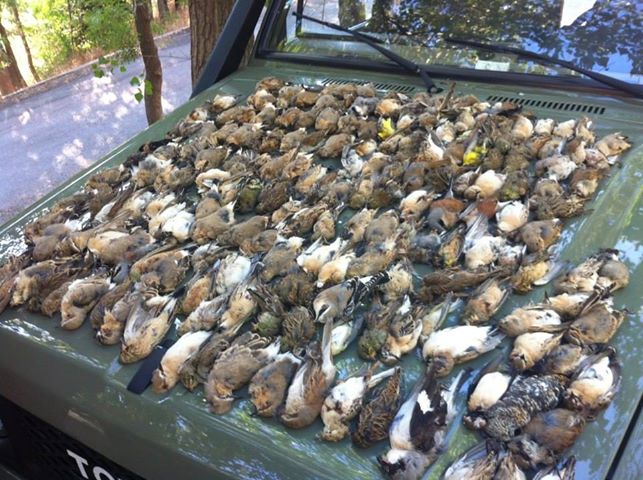
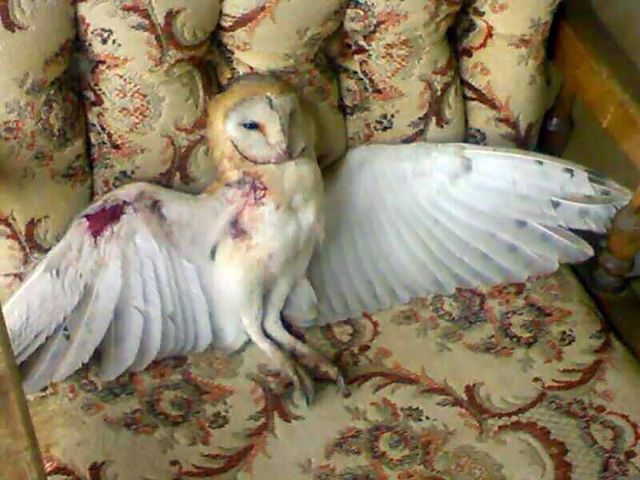
Please take action – leave comments on this site below, and also write to the Lebanese embassies all over the world about this very disturbing massacre of beautiful birds by yet again, people who call themselves ‘hunters’ and have nothing better to spend their time doing.  They are pathetic.

Link:  https://www.facebook.com/stophuntinglebanon?ref=stream

IMPORTANT:  Note this site is trying to STOP hunting of birds, NOT SUPPORTING IT.

Site title:  STOP Hunting Crimes in Lebanon

To show the massacre of raptors, storks and songbirds, the rarest species of migratory birds, killed by brutal and criminal Lebanese hunters.

Link to Lebanese embassies all around the world:

http://embassy.goabroad.com/embassies-of/lebanon#

Lebanon 1

Lebanon 2

Lebanon 3

Lebanon 4

Lebanon 5


England (UK): Another Conservative Government U Turn – Cruel Badger Cull Meets Embarrassing End. Animal Advocates Right All Along !

England

cameron hitler

Owen-Paterson_2077475b

Above – Owen Paterson and David Cameron – Initiated the Badger Cull.

Now Specialist once again at another government U turn !

badger girls 2

Yet another major U turn by the David Cameron and his shambles of a government.

Badger protection groups and animal advocates right all along.

The Conservatives under David Cameron – more U turns than crossing the Gotthard Pass in the Alps by road !

gotthard-pass

Above – The Conservative Government Road – U Turn Upon U Turn.

Cruel Badger Cull Meets Embarrassing End

http://www.care2.com/causes/cruel-badger-cull-meets-embarrassing-end.html

Two controversial badger culls have been labelled as failures and have finally been stopped after it became clear that those going after them wouldn’t be able to kill enough badgers to meet their targets. While this has led to relief among animal advocates, it also raises concerns that what was done will make things worse.

The pilot programs were run in Gloustershire and Somerset in an effort to stop the spread of Bovine Tuberculosis (bTB) among cattle, but killing badgers to solve the problem has caused controversy among scientists, farmers, the government and animal advocates.

The programs were designed to see whether or not shooting free-running badgers at night, as opposed to trapping them, would help stop the spread of bTB. Scientists and animal advocacy groups — including the Badger Trust, Humane Society International/UK, RSPCA, League Against Cruel Sports and the International Fund for Animal Welfare, among others — have all come out strongly opposing using badgers as scapegoats for a problem affecting cattle.

Concerns weren’t only raised about the cruelty inherent in shooting badgers and about the possibility of leaving many wounded to die slowly from their injuries, but also about whether or not it would even be effective.

According to one significant study, the Randomised Badger Culling Trial (RBCT), “badger culling can make no meaningful contribution to cattle TB control in Britain.” It also concluded that weak testing for cattle keep them contributing significantly to the problem and that, “Scientific findings indicate that the rising incidence of disease can be reversed, and geographical spread contained, by the rigid application of cattle-based control measures alone.”

Unfortunately, science wasn’t enough to stop the culls from starting. Last month, Natural England granted an eight-week extension to the cull in Gloustershire after marksmen failed to meet the their target goal of 70 percent of the population, but the whole thing was shut down after they failed to meet even the reduced goal during the extension.

The cull in Somerset also failed to meet its target, despite a three-week extension there. According to the Telegraph, Natural England said the cull was ended because there is “no realistic prospect of the cull removing the number of badgers required by the licence.”

While the cruelty and effectiveness were questioned to begin with, the failure to meet the target goal in the set time period raises serious questions about where all of these troublesome badgers are and about the governments ability to run these programs effectively and humanely.

Not only have millions been spent to senselessly kill hundreds of badgers, but many are now concerned that the badgers who were left will disperse and potentially spread the disease to new areas, while others will move in to fill their place, which will both cause more problems.

“I am much relieved the government’s badger cull fiasco is finally over, for the time being at least. We hope the government will now do the decent thing and admit that killing badgers to control TB in cattle is a ludicrous and inhumane idea,” Mark Jones, executive director of Humane Society International/UK, told the Guardian.

According to the League Against Cruel Sports, even though the culls have ended, the government is still planning on running them for the next three years and starting them in other areas. The organization also raised concerns about findings that the government is considering gassing them, even though that was banned in 1982 because it’s considered inhumane.

TAKE ACTION!

Please sign and share the petition urging the government to stop needlessly killing badgers and use common sense to deal with the spread of bTB.


Read more: http://www.care2.com/causes/cruel-badger-cull-meets-embarrassing-end.html#ixzz2mhWPfJIv

Links: 

http://www.theweek.co.uk/uk-news/badger-cull/54567/gloucestershire-badger-cull-abandoned-targets-not-met 

http://www.bbc.co.uk/news/uk-england-gloucestershire-25155208

Peter Kendall, National Farmers Union: “Next year we’ll be back having learnt a lot this year”

Jack Reedy, Badger Trust: Cull “a shambles from start to finish”

ANIMAL activists have branded the badger cull in Gloucestershire a “fiasco” after it was called off three weeks early because too few animals have been killed to meet the terms of the licence.

Farming Minister George Eustice claimed the extension to the cull had been “worthwhile”.

It has not yet been revealed how many badgers have been killed during the extension period. The number is due to be announced by Defra on Monday – 2nd December.


Past SAV links:

https://serbiananimalsvoice.com/2013/11/17/england-uk-20-minute-video-see-the-work-of-team-badger-and-wounded-badger-patrol/

https://serbiananimalsvoice.com/2013/10/15/uk-england-badger-cull-snippets-the-government-increase-kill-time-to-meet-failed-animal-numbers/

https://serbiananimalsvoice.com/2013/09/13/england-uk-the-badger-cull-is-it-as-effective-as-what-the-government-are-telling-the-public-not-that-much-is-being-said/

https://serbiananimalsvoice.com/2013/08/29/uk-england-the-badger-cull-is-under-way-despite-massive-public-opposition/

https://serbiananimalsvoice.com/2013/08/24/uk-controversial-badger-cull-officially-starts-this-bank-holiday-monday-26th-august-and-we-predict-big-trouble/

https://serbiananimalsvoice.com/2012/10/24/uk-england-planned-badger-cull-by-the-government-now-stopped-after-massive-protests-another-government-u-turn/

https://serbiananimalsvoice.com/2013/10/21/uk-petition-owen-paterson-must-resign-please-crosspost/

https://serbiananimalsvoice.com/2013/10/17/england-badger-update-now-badgers-to-be-gassed-pro-hunt-paterson-and-cameron-go-from-farce-to-shambles-to-inept-but-conveniently-stay-as-multi-millionaires-we-are-all-in-thi/

https://serbiananimalsvoice.com/2013/09/16/england-mike-rigby-very-good-article-what-i-have-learned-about-the-badger-cull/

https://serbiananimalsvoice.com/2013/09/15/england-badger-cull-update-no-badgers-tested-for-bovine-tb-but-tests-are-to-see-if-badgers-can-be-shot/

https://serbiananimalsvoice.com/2013/06/02/england-london-march-against-the-badger-cull-1st-june-2013/

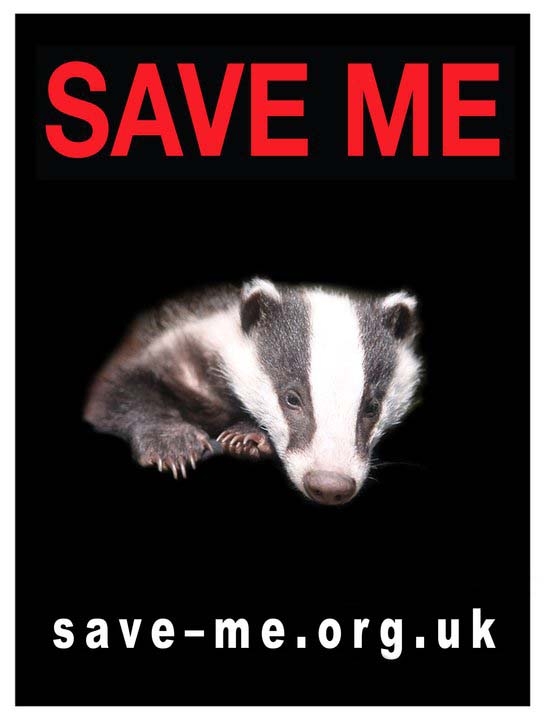
 save me 2

 Brian May Badgers

yousave me 1

Stray Dogs population management in Romania.

RMNA0001

Stray Dogs population management in Romania

Please click on the following link, and go to end, to see a pdf which provides a lot more very useful information and sub links.

source: http://www.carodog.eu/?p=5&s=4&a&item=4939

Due to recent events in Romania, the first “special focus” will be Strays dogs in Romania.Under this section, you may find the factual, legal and political information related to this topic.

Stray Dogs population management in Romania

On 9 September 2013, the Romanian Parliament has passed a critical Law which allows the mass killing of stray dogs. This law has been validated by the Romanian Constitutional Court on 25th September and signed by President Traian Basescu. On 1 October 2013, EU Commission has written a letter to Romania to remind Romania to its international obligations, and in particular the OIE guidelines on stray dogs population management which states that killing should only be a last resort solution.

Facts

In Romania, there are estimated 60,000 stray animals living in the streets of Bucarest, and as much living in all the Country. These dogs are abandoned dogs and offspring of them.

Due to their uncontrolled reproduction and missing of common programs and standards for dog population management in the EU, the number of Stray Dogs is still increasing.

Stray Dogs are most of the time living in very bad conditions and are suffering from climate threats and starvation. Most of them are sick or injured.

Often, they suffer human cruelty, they are poisoned or beaten to death, and in some countries or regions children are using dogs as toys allowed to torture. In short: An ethically unacceptable situation in Europe.

In several Eastern and Southern European countries, where the Stray Dog problem is particularly severe, the increase of the number of Stray Dogs affects citizens’ standard of living, and leads to security problems.

As explained by the European Food Safety Authority regarding stray animals, “the establishment of high standards of animal health is an essential pillar of safeguarding public health and for ensuring animal welfare. Diseases can reduce welfare, as stress can increase susceptibility to infections and lead to animal disease (…)” (source: Oriol Ribo, The Role of EFSA in the Assessment of Animal Health and Welfare Risks from Canine Overpopulation, Conference responsible Ownership, 2010).

In view of the major public safety issue generated by Stray Dogs, citizens complain to national authorities, thus the Stray Dog issue has become a political issue.

Most governments initially decided to catch and kill the Stray Dogs to “solve” the problem. On the short time, the problem seems to be solved because Stray Dogs are not visible anymore in the street. But, on the long run, the Stray Dog problem actually increases when being killed to reduce numbers.

Legal and political background

In 1987, a convention of the Council of Europe on the protection of pet animals was established. There is no legislation on companion animals of the EU, except of a few EU rules on health and trade, also referring to dogs and cats. The legal competence is on the national, regional and even local level.

On the political European level, the first signal came from the European Council, representing the 27 Member States, that the Commission has to make some research on companion animals.

A next step was the Written Declaration n°26 of the European Parliament of 2011.

On 19 January 2012, the new Animal Welfare Strategy of the EU, where companion animals are at least mentioned, was presented.

In January 2012 the EU Commission started a science based project called CALLISTO to create a future next political and eventually legal steps. First result are expected for 2015.

The common project “CAROdog” of FOUR PAWS, Istituto G. Capporale Teramo, FVE and the EU Commission, which was launched in 2010, was however the first attempt to provide, generate and disseminate information and to share knowledge and experience about dog population and dog management and solution strategies.

Currently, some political signals are coming up on the EU institutional level and at the Member States level

The European Parliament

On 13 October 2011, the European Parliament adopted a Written Declaration n°26 on dog population management, initiated in June 2011 by Daciana Sârbu (Romania/S&D), Adina Valean (Romania/ALDE), Elisabeth Jeggle (Germany/EPP), Raül Romeva i Rueda (Spain/Greens), and Janusz Wojciechowski (Poland/ECR). This declaration, strongly supported by FOUR PAWS, was signed by more than 400 Members of the EP. It provides the possibility for the European Parliament to call on the European Commission to assess the situation of dogs in Europe, to promote identification and registration of all dogs, and require the Member States to adopt sterilisation programs for stray animals.

Even if this Written Declaration is a political declaration and has no legal character, by adopting it the representatives of the European citizens officially recognised the harm caused by the growing number of unwanted animals in Europe, have asked for solution strategies, and want the European Commission to become active in this area.

This Written Declaration has already visibly influenced national politics: on 4 January 2012, the municipality of Sofia (Bulgaria) officially announced that microchips would be implanted in all neutered Stray Dogs in the city in order to control their numbers more effectively.

Moreover, in 2012, and in 2013, the Intergroup for Animal Welfare of the EU Parliament has made to appeals threw a formal letter to the Romanian’s government not to kill stray dogs.

The EU Commission

EU Commissioner Tonio Borg has sent on 1st October a letter to Mr NICOLĂESCU GHEORGHE-EUGEN, the Romanian Minister for Health who is responsible for controlling stray dogs in Romania.

The letter aims to remind Romania to its international obligations, and in particular the OIE guidelines on stray dogs population management which states that killing should only be a last resort solution. The letter also refers to Article 13 TFEU considering all animals as sentient beings.The letter is published on DG SANCO’s webpage, here : http://ec.europa.eu/commission_2010-2014/borg/docs/01102013_letter_stray_dogs.pdf

“Kill-Strategy inefficient”: The European Court of Human Rights

On 26 July 2011, in the case “Georgel and Georgeta Stoicescu vs. Romania” the European Court of Human rights (ECHR) ordered Romania to pay a large amount of compensation to the widower of a Romanian woman who was attacked by seven Stray Dogs in front of her house in Bucharest in October 2000.

This ECHR judgement stated that Governments are responsible for Stray Dog population management and have to take effective measures to avoid overpopulation.

The court decision was based on the violation of Article 8 of the European Convention on Human Rights (respect of private life) and Article 6(1) (access to court).

The European Court of Human Rights has estimated that the Stray Dog problem in Romania is still not resolved, even if since the attack of Ms Stoicescu, Romanian authorities have adapted national legislation accordingly in order to prevent such incidents, hoping that this would solve the problems associated with Stray Dogs.

Even if decisions of the European Court of Human Rights cannot be enforced in the same way as decisions of the European Court of Justice, this case law has a moral and political impact. For the first time a State was convicted of violation of Human Rights due to a problem with Stray Dogs. And it underlines the inefficiency of the “kill strategy” adopted by Romania and several other States, municipalities more precisely.

This ECHR judgement had such an impact that recently, in Bulgaria, the Administrative Court in Sofia decided to condemn mayors to pay fines to citizens injured by Stray Dogs.

Juridical correction for animals by the Romanian Constitutional Court

On 22 November 2011, the Romanian parliament voted on an amendment (no. 912) to the Stray Dog population bill (no. 155/2007) giving every mayor the possibility to kill Stray Dogs 30 days after catching them, or on the day of the catch if the dog appears to be ill or aggressive. Furthermore, this law obstructed and discouraged dog adoption as it required citizens willing to adopt a dog to prove that they have sufficient money and space, and to provide a letter of agreement from their neighbours.

This law was infringing the general principle of Animal Welfare as enshrined in Article 13 of the TFEU.

On 25 November 2011, FOUR PAWS represented by its Romanian office, and two Romanian Animal Welfare organisations, as well as politicians across party lines, questioned the planned change in the legislation at the Constitutional Court.

On 11 January 2012, the Constitutional Court ruled that two sections of the amendment contradicted the Romanian Constitution and consequently were unconstitutional (Section 6, allowing persons to have Stray Dogs killed if they are not adopted; and section 8, which regulates the adoption process).

In a next step the Romanian Senate will have to modify the planned amendment. After that, the Parliament will vote on it again.

This is the first time that a national constitutional court has recognised that the killing of Stray Dogs is not an acceptable solution for decreasing the number of Stray Dogs.

The term “euthanasia”

Some Member States, facing the problem of overpopulation have decided to kill Stray Dogs like Romania,. These programmes are often called “euthanasia” programmes. But, as the former President of the Federation of Veterinarians of Europe (FVE) has clarified several times in public: “Bringing an animal to death without a veterinary diagnosis of an incurable disease or the impossibility to free the animal from essential pain or suffering – just to find a way to solve the problem – is not euthanasia but killing”.

The sustainable solution

It has been proved that killing healthy animals is not effective and leads to an increasing number of Stray Dogs. The World Health Organization (WHO) stated in its Expert Committee on Rabies in 1992, “There is no evidence that removal of dogs has ever had a significant impact on dog population densities or the spread of rabies. The population turnover of dogs may be so high that even the highest recorded removal rates are easily compensated for by increased survival rates…”

As Stray Dogs are not dependent on other animals of the same species to survive, any reduction in the population density through additional mortality is rapidly compensated for by better reproduction and survival.

This means that particularly in Europe, responsible ownership and the no-kill strategy provides the only sustainable solution to control and manage Stray Dog population.

As underlined by the Court of Human Rights, governments have to adopt national actions plans for reducing the number of stray animals in a sustainable way.

These action plans should consider a combination of measures such as :

*Veterinarian prevention including vaccination,

*Systematic sterilization,

*Mandatory Identification and registration,

*Educational measures for citizens,

This package should be fixed in an agreement between NGOs and municipalities (as Public/private partnership).