International: Please Make Sure You ‘Freeclick’ Every Day to Save Animals and the Environment. It Simply Takes Seconds to Make a Huge Difference.


Please try to make sure that you contribute every day to the Care2 ‘free click’ campaigns.

Each task takes just a matter of seconds to complete but can make such a difference to the animals in need – and if your free click is undertaken every day you can greatly, over time, contribute to helping animals in need around the world in so many different ways.

There are a selection of specific issues which you can contribute to including: helping seals, pets in need, protecting and feeding wolves, protecting and feeding primates, feeding big cats, protecting a small section of the worlds oceans and saving the rainforests. 

For example, your daily (free) click to ‘save the rainforest’, will contribute in a small way to these efforts. If you freeclick every day or on a very regular basis, then over a matter of time, you will make a great difference in protecting a vital section of the world’s rainforests.

You may not feel that 7.4 ft.² of rainforest per day is much to protect via your daily click. But when you look at the facts and see that 8,925 acres of rainforest have been saved by freeclick contributions, it shows that you really can make a difference by giving just a few regular seconds of time at your computer.

We urge everybody to contribute as much as you can to these free click donation campaigns. Please try to remember that you are free to click every single day on what ever issue or issues concern you most.

Below and as a starter, you will find eight of the major animal and environmental links to each of these specific issues. As we have said, to contribute takes simply a matter of seconds.

Please try to remember to access each of these donation sites every day to give your contribution to protecting both animals and the environment for a better future.

Thank you.

SAV.

A few links are as follows: 

http://www.care2.com/click-to-donate/seals/

http://www.care2.com/click-to-donate/pets/

http://www.care2.com/click-to-donate/wolves/

http://www.care2.com/click-to-donate/primates/

http://www.care2.com/click-to-donate/oceans/

http://www.care2.com/click-to-donate/big-cats/

http://www.care2.com/click-to-donate/rainforest/

http://www.care2.com/click-to-donate/global-warming/

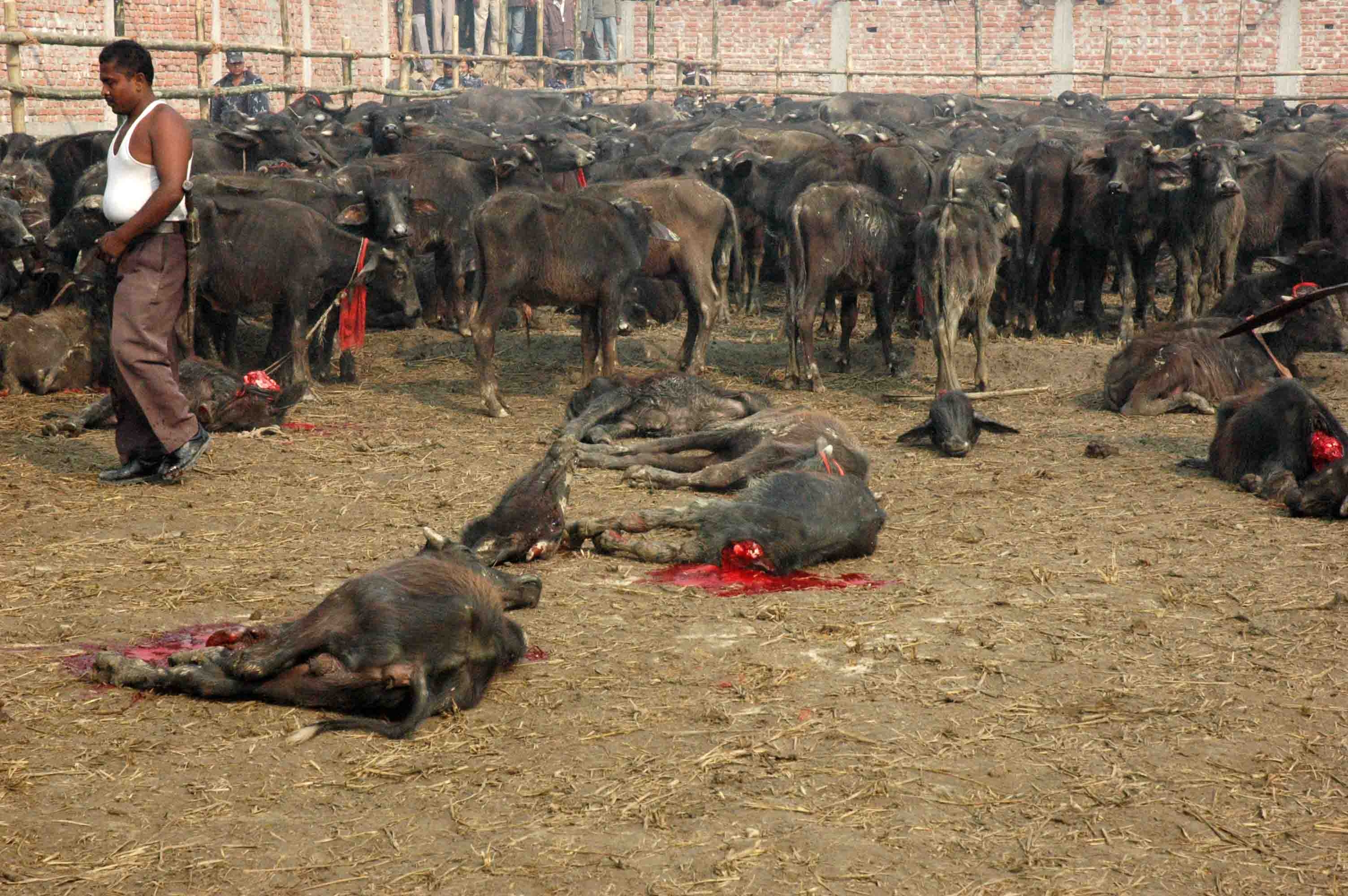
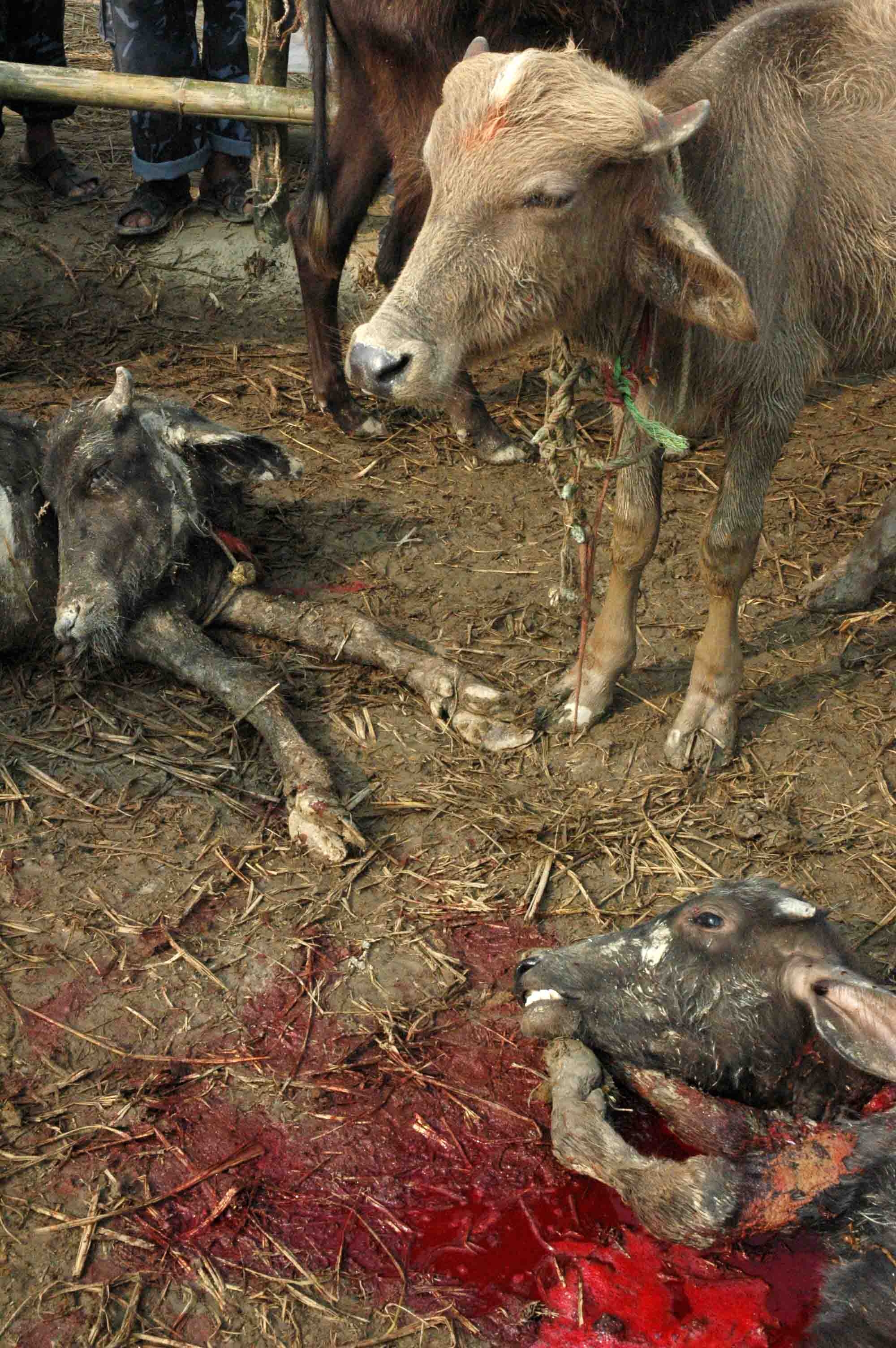
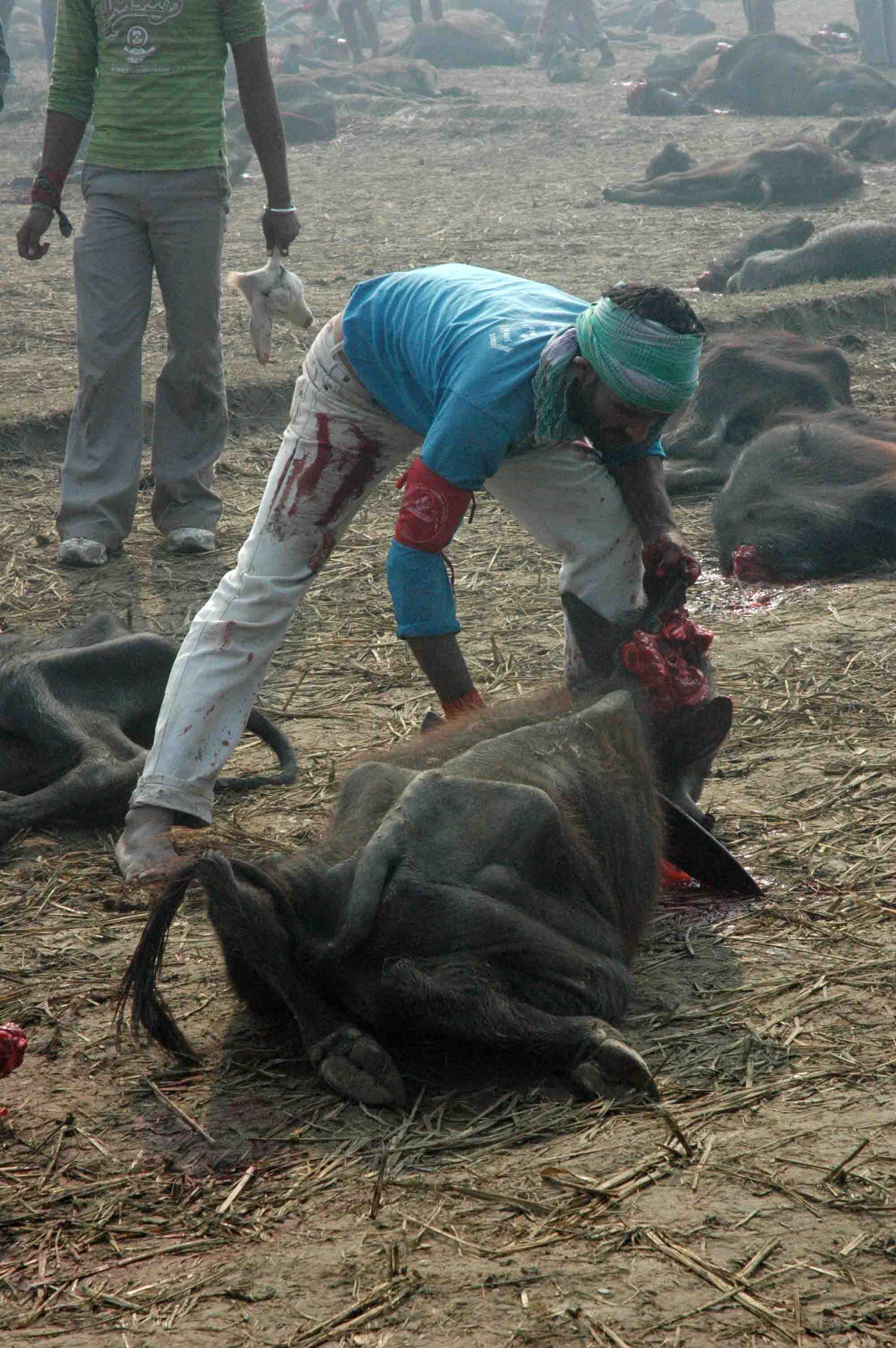
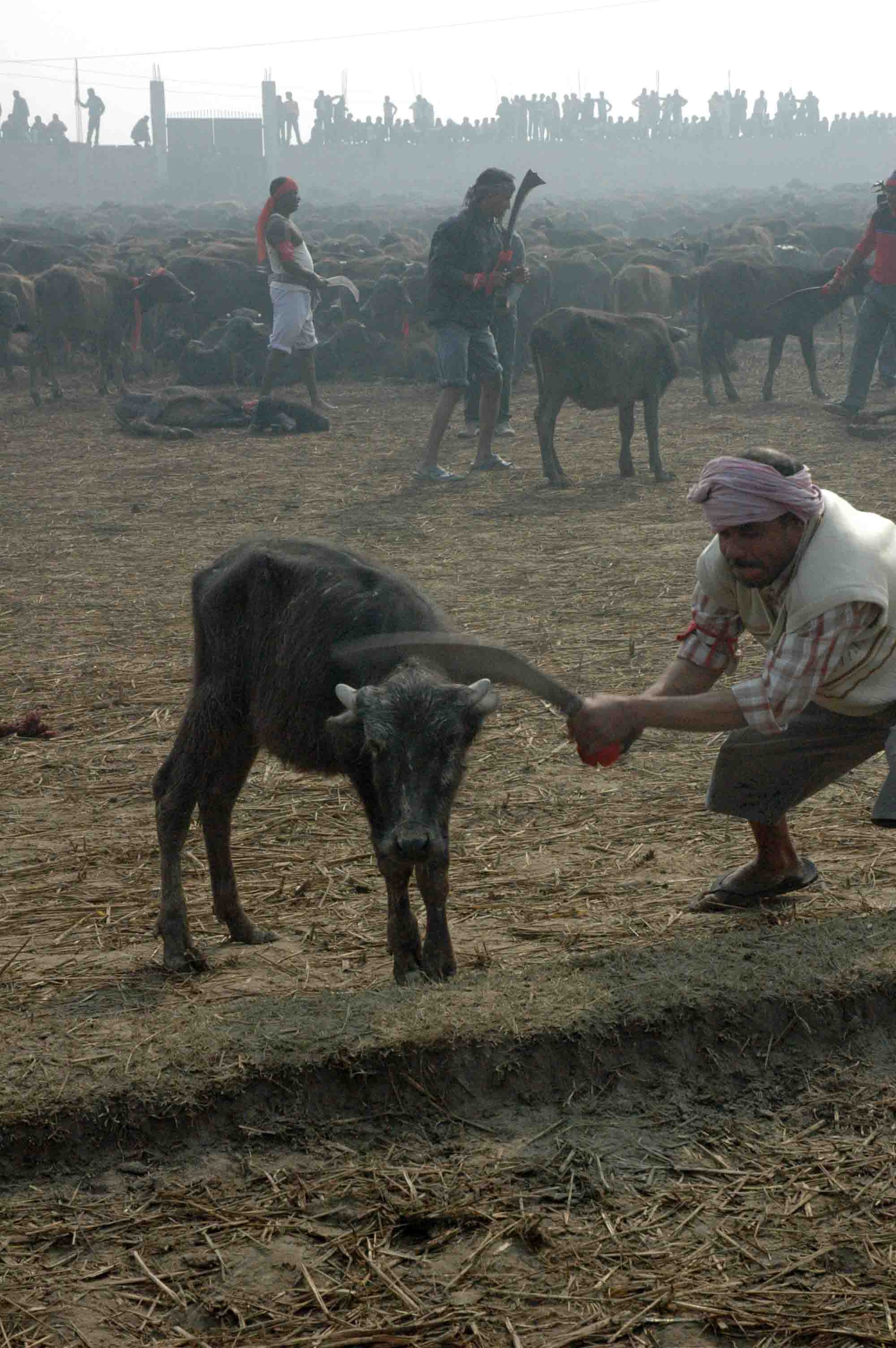
Nepal: Pathetic and Government Approved Mass Animal Killings in the Pathetic Name of a ‘Festival’. Civilised ? – No; Living in the Past ? – For Sure.

It hardly seems that a year has passed since we published our posts and photographs relating to the festival of Dashain mass animal killings in Nepal.

Religious ‘festivals’ – does any civilized person want to be part of one ?

Obviously the government of Nepal does not have control over the situation; with thousands of animals being slaughtered as a result.

Boycott Nepal !

Links to SAV posts from last year associated with this mass killing:

https://serbiananimalsvoice.wordpress.com/2009/11/25/nepal-now-the-nepalese-government-climbs-above-the-chinese-as-the-worlds-no-1-animal-abusing-nation/

https://serbiananimalsvoice.wordpress.com/2009/11/27/nepal-warning-more-exclusive-images-of-the-religious-animal-killing-frenzy/

https://serbiananimalsvoice.wordpress.com/2009/11/30/gadhimai-animal-massacre-visit-animalrightsbook-ning-com-to-support-animalnepal-org/

https://serbiananimalsvoice.wordpress.com/2009/11/22/nepal-take-action-now-to-stop-the-killing-of-thousands-of-animals-next-week-november-24-25/

Nepal prepares for annual mass animal sacrifice

http://www.monstersandcritics.com/news/southasia/features/article_1591651.php/Nepal-prepares-for-annual-mass-animal-sacrifice-Feature

Monsters and Critics. 15 October 2010.
Nepal prepares for annual mass animal sacrifice.
By Pratibha Tuladhar

Kathmandu – Celebrations were in full flow across Nepal this week for the festival of Dashain, with widespread animal sacrifices planned for the Friday and Saturday despite objections of animal rights activists.  Workers have the week off, and most can count on a 50-per-cent bonuses for the month in honour of Hindu goddess of power Durga, and her slaying of a particularly vicious demon. 

An annual 15-day celebration of the victory of good over evil, Dashain means new clothes, lots of meat and general merrymaking for the Nepalese.  But it is a less festive affair for the animals involved, who are ritually slaughtered in their hundreds of thousands every year. 

They are herded from remote districts and neighbouring India into Nepal’s cities, where goats being dragged home behind shoppers and commuters become a common sight.  Parts of the capital Kathmandu are congested with goats, chickens, ducks and the people buying or selling them.  The animals are intended as sacrifices to the protective but fearsome Durga.  Not everyone slaughters their own offerings, as eating the meat alone can be enough to honour the goddess. Dashain is also a time of brisk business for Nepalese butchers.  ‘With the start of the Dashain festival, I’ve been slaughtering about 25 goats a day,’ says Anish Bahadur Basnet, who runs a small slaughterhouse in Kathmandu. The rest of the year, he averages two a day, and has to hire additional hands during the festive season.

Saturday is main day of the sacrifices, when 54 buffaloes and 54 billy-goats are to be beheaded at the Taleju temple in the heart of the city.  The Nepal Army are also scheduled to make their own offering of 108 buffalo calves to the goddess.  The goddess’ favour is believed to protect against accidental or violent death, and in the same spirit, some sacrifices are dedicated to individual vehicles or weapons. 

But in recent years, the more than 1,000-year-old custom has offended the modern sensibilities of animal rights organizations, who have spoken out in public against the state-subsidized sacrifices.  Over 1 million animals were sacrificed last year in Nepal, according to Animal Welfare Network Nepal, which has launched the Stop Animal Sacrifice Campaign.  ‘Nepal is the world’s key implementer of animal sacrifice, a practice that promotes superstition and violence, drains the poor and prevents Nepal from becoming a truly advanced country,’ the group said in a letter to the government. 

Decapitating a bleating buffalo or goat should not be the symbol of the Nepali civilization,‘ it added in its appeal to have the state support for sacrifices cut.  The animal rights campaigners have also targeted the five-yearly festival of Gadhimai in the plains district of Bara.  Last year 16,000 water buffaloes were slaughtered at the festival, where people make sacrifices of any animal they can afford, including rats, pigs, chicken, goats or pigeons.

Despite the campaigns, there appears to be little shift away from the practice by the public.  ‘People share a very tight attachment with their culture and religion, which makes it very difficult to discourage animal sacrifices during festivals,’ filmmaker Aman Adhikari said.  His film ‘In God’s Pond’ shows how inhabitants of Khokna, 10 kilometres south of Kathmandu, drown baby goats in the local pond to protect their own newborn children from a similar fate. 

‘There are some young people who would like to break away from the tradition,’ Adhikari explained. ‘But they can’t get away because it’s something they have grown up with and the local belief is very strong.’  Attempts by the government to withdraw support for the rituals have not been popular. In 2008, a proposed cut of the budget for sacrifice animals met with strong protests from local communities.

USA: www.disabledanimal.com – The Web Site Specifically For All Types of DISABLED Animals – Please Support It.

We really support the fantastic work that Celine is doing in getting this  web site specifically for disabled animals up and running.  Please visit it via the link given below; and if you can do even more to help, then please do it.

Great site Celine – good luck with all your work !

SAV.

————————————————————

Hello, 

My name is Celine and I’m a third year student at UGA’s College of Veterinary Medicine. I found that there needs to be a better system to connect disabled animals online because I had the hardest time looking for a precious wheelchair dog.

Therefore, I am in the process of making      www.disabledanimal.com 

This is a classification system to where people can list their animals for free and it is completely dedicated to disabilities. If you do, please take the time to list your wonderful disabled animals on the automated site. I was so frustrated at petfinder because you can’t classify all of them as “special needs” and expect people to sort through 1,000 + hits. It’s bare bones right now but I’m going to do my best to make it well-established.

You have full control over the listings just like in petfinder. 

Please help me to spread the word! Please disregard this e-mail if you have already received it before. I’m trying to tell as many people as possible 🙂

Celine Higgins

University of Georgia

College of Veterinary Medicine

DVM Class of 2012

disabledanimal@gmail.com

Ukraine: Mobile Crematorium Used to Kill Stray Animals Before ‘Eurofoot 2012’. Sample Letter and Information.

Story and information: 

http://www.beestjes.org/joomla15/index.php?option=com_content&view=article&id=3600:zwerfdieren-worden-levend-verbrand-om-het-voetbalfeest-in-2012-in-oekraine-in-te-richten&catid=16:nieuws-belgie&Itemid=29

——————————————————————

SAMPLE LETTER

Dear Sir,

We were absolutely horrified to read in the newspaper about the fact of shooting and burning animals alive as part of preparations for Eurofoot 2012.

You must be filled with horror as well to know that Ukrainian authorities are now using a mobile crematorium to exterminate stray animals.

The problem of stray animals in the Luhansk region in the town Lysychansk in Eastern Ukraine will be “solved” in this horrible way.  The local government bought this mobile crematorium for disposal of stray animals and easily ‘forgot’ the Law on Cruelty to Animals.  We hope (and know!) FIFA (your football club / you as a sponsor) cannot accept and tolerate that harvested  animals are cremated alive in this oven at 900 degrees C.Concentration of stray animals in Ukraine is not critical and can be easily brought under control. Money spent to buy a mobile furnace from the city budget would be quite sufficient to solve the problem of stray animals through sterilization process, the only right way to decrease the strays.  As we heard, other cities where FIFA football games will be played, will follow in this horrible way of killing dogs and cats.

FIFA and its sponsors, you, are the most powerful to stop this. Please use your influence and authority to end these killings, maybe even to support sterilization projects…

Kind regards,

your name & country


——————————————

Voetbalbonden:klik hier

Sponsors: klik hier

Voor de ambassades, klik hier

Tweede reeks ambassades: klik hier

Ministry of Environmental Protection of Ukraine

Mister Movchan

35, Urytskogo Str. Kiev, Ucraina

03.035 YKPAIHA

press@menr.gov.ua

Foreign Office:

hotline@mfa.gov.ua

Ministry of Culture and Tourism:

elena@mincult.gov.ua

press@mincult.gov.ua

Ministry of Education:

ministry@mon.gov.ua

press@mon.gov.ua

ministry alive. environment:

press@menr.gov.ua

yar@menr.gov.ua

Ministers for Family and Youth:

post@dcssm.gov.ua

press_msms@ukr.net

Ministry of Justice:

themis@minjust.gov.ua

Interior Ministry Luhansk region:

cos@pol03.gts.lg.ua

end Kiev

pcgz@gu.kiev.ua

BLOCK EMAILS LISTING:

press@menr.gov.ua; hotline@mfa.gov.ua; elena@mincult.gov.ua; press@mincult.gov.ua; ministry@mon.gov.ua; press@mon.gov.ua; press@menr.gov.ua; yar@menr.gov.ua; post@dcssm.gov.ua; press_msms@ukr.net; themis@minjust.gov.ua; cos@pol03.gts.lg.ua; pcgz@gu.kiev.ua; zsmfa@mfa.gov.ua; rosa-mertens@telenet.be; portal@kmu.gov.ua;soschats@soschats.org

EU (Europe): SAV Welcomes Belgian Push for EU Wide Dog and Cat Legislation.


SAV very much welcomes and supports the Belgium government during its EU Presidency in this cause to better the lives of all dogs and cats.

SAV have already submitted information to the EU specifically associated with the very widespread and terrible suffering of stray animals in both Serbia and other Balkans states.  Our first presentation was provided in a seven page paper dated 17th June 2010.  We will continue to provide evidence of the suffering in Balkans states at every opportunity. 

With Serbia and other states wishing to gain future EU membership; now is the time for such states to actually show that they are going to enforce their own national laws regarding animal welfare.  If they continue to avoid the legislation to protect animals, we will have no hesitation in providing all the evidence of abuses and suffering to the EU relating to non compliance by those who will be new EU member states.

Compliance with legislation, the rule of law, is a fundamental requirement of EU membership accession.

The evidence is slowly building for us on our side.  Animals will unfortunately continue to suffer in the meantime; but we will continue to expose non compliance with legislation and remind the EU of this non compliance by states seeking EU accession in the near future.

The CAROdog website can be accessed via the following link:   http://carodog.eu/

Reference Information:

Presidency of the Council of the European Union is the responsibility for the functioning of the Council of the European Union that rotates between the member states of the European Union (EU) every six months. The presidency is not a single president but rather the task is undertaken by a national government. Three successive presidencies, known as presidency trios, cooperate for an 18-month period to provide additional continuity by sharing common political programmes. The current (2010-2011) trio consists of Spain (which took up the position in January 2010), Belgium (which took over in July 2010) and Hungary (slated to take over in January 2011).

SAV.

Belgian Presidency wants EU strategy on dog welfare

Published: 10 September 2010

Belgium wants to use its EU presidency to underline the key societal role played by companion animals like dogs and cats, Belgian Deputy Prime Minister for Health and Social Affairs Laurette Onkelinx announced yesterday (9 September), expressing support for the development of an EU-wide animal welfare strategy. 

Background

Yesterday’s launch of the CAROdog.eu – which stands for Companion Animal Responsible Ownership for Dogs in Europe – website came as the European Commission is putting together its second Animal Welfare Action Plan.

EU animal welfare legislation is currently governed by the first Community Action Plan on the Protection and Welfare of Animals, which came into force in 2006 and expires at the end of the year. 

“During our country’s presidency of the Council, we are underlining the important role of companion animals in civil society,” said Onkelinx, speaking at the launch of a website on dog welfare in Brussels.

“Dog and cat overpopulation creates a lot of suffering for unwanted animals,” she added, explaining that “sharing information and experience is the basis for every development in animal welfare, and here, for a Europe-wide solution and strategy to create an appropriate and responsible attitude by us humans towards animals”.

Onkelinx pointed to the Treaty of Lisbon, Article 13 of which reads “the [European] Union and the member states shall, since animals are sentient beings, pay full regard to the welfare requirements of animals,” as a possible basis for further EU action in this area.

Commission mulls legislation

Yesterday’s conference came as the European Commission is working to draw up its second Animal Welfare Action Plan (2011-2015).

Denis Simonin, an animal welfare official in the Commission’s health and consumer protection directorate, yesterday confirmed statements made earlier this year by EU Health Commissioner John Dalli that the EU executive was considering tabling specific legislation on the welfare of companion animals in its upcoming review.

“The health and welfare of dogs and cats is crucial to human welfare,” Simonin said. “As there are no EU rules governing the protection of companion animals, the Commission is considering developing specific actions […] in the framework of its forthcoming animal welfare strategy,” he added.

The CAROdog.eu website – which was initially created by animal welfare organisation Four Paws and the Istituto G. Caporale – is described as “a management database containing the most recent scientific and practical information regarding companion animals, including stray animals, in Europe”.

The initial aim of the site, the editorial board of which the European Commission and the Federation of Veterinarians of Europe are also members, is “to provide, generate and disseminate reliable knowledge about dog health and welfare in Europe, focusing on strategies against canine overpopulation”.

It offers a comprehensive library of literature and scientific research on dog welfare, as well as a glossary of terms.

Website ‘source of inspiration’

“I hope the website will help EU member states to deal with animal welfare issues until harmonised EU rules on animal welfare are brought out. Let it be a source of inspiration for us,” said Onkelinx at the website’s launch yesterday.

Echoing the minister, Paolo Dalla Villa, head of the animal welfare department at the Istituto G. Caporale, said “the website offers a unique way to use new technology to share knowledge,” expressing hope that it would help develop EU policies and prove useful for governments across Europe and beyond.

CAROdog.eu seeks to offer scientific, legal and practical tools for political strategies and concrete programmes “to build up a Europe-wide culture of responsible dog ownership,” reads a statement on the site. 

“Only a multidisciplinary, systemic approach can strengthen the European culture of responsible ownership of animals,” argues Four Paws.

Other participants in yesterday’s event stressed the importance of acting early to prevent problems from manifesting themselves.

“Rules and regulations will never do the job alone. We need to join forces and reach out to animal owners to get their commitment, not just stay on out little islands,” said Jan Vaarten, executive director of the Federation of Veterinarians of Europe (FEV).

“This initiative goes in that direction,” he added.

Asked why the website was only available in English, Marlene Wartenberg, director of Four Paws’ European policy office, said “our budget is limited, so we started with translating the flyers,” expressing hope that volunteers would step in to translate the website now it has gone live.

Next month, the European Commission will host the first international conference on animal welfare education (1-2 October).

The event will be followed by another Brussels conference, organised by Four Paws, on responsible dog ownership in Europe (4-5 October). 

Positions

Welcoming the website’s launch, Belgian Deputy Prime Minister for Health and Social Affairs Laurette Onkelinx described the initiative as “a very good step forward for the public to learn about dog health and welfare and for the European Union to strengthen and enlarge the scope of animal welfare protection towards companion animals”.

In a statement released to mark the website’s launch, German CDU MEP Elisabeth Jeggle (European People’s Party), vice-president of the European Parliament’s intergroup on the welfare and conservation of animals, thanked the Belgian EU Presidency “for taking on the topic and submitting it to the Council”.

“The website provides innovative knowledge management about canine population. I am sure that it will be a main factor in the development of broad knowledge about responsible dog ownership,” said Helmut Dungler, founder and CEO of animal welfare organisation Four Paws, one of CAROdog’s creators.

“Before CAROdog, fragmented information about dog ownership was spread all over the Internet, whereas now we have a database that gives every dog owner the opportunity to find it all in one place,” he added.

Vincenzo Caporale, director of the Istituto G. Caporale, another of the site’s creators, said “the success of the CAROdog website is that it successfully combines science-based and fact-based information, with the expertise of Istituto G. Caporale and the practical experience of Four Paws”.

“It is certain that all this information will be of interest and support to the global animal health and welfare field and for governments, including outside Europe,” Caporale added.

“Companion animals make a strong contribution to human life and welfare, and public health institutions have a duty to protect animal health as a means of protecting human health,” said Paolo Dalla Villa, head of the animal welfare department at the Istituto G. Caporale

Next Steps

1-2 Oct.: European Commission to host first international conference on animal welfare education, under auspices of Belgian EU Presidency.

 4-5 Oct.: Four Paws conference on responsible dog ownership in Europe.

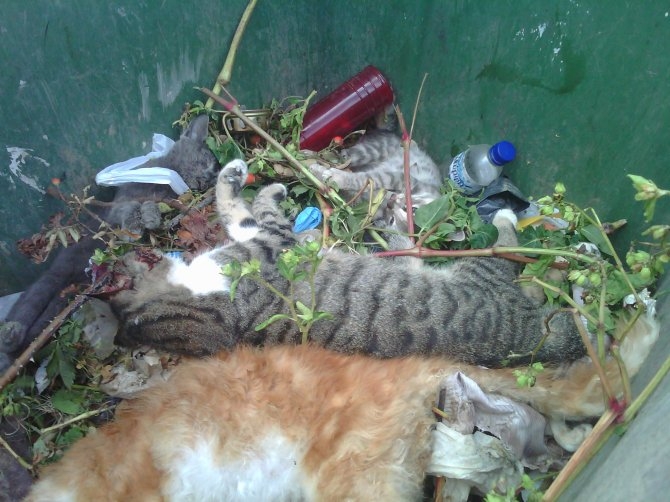
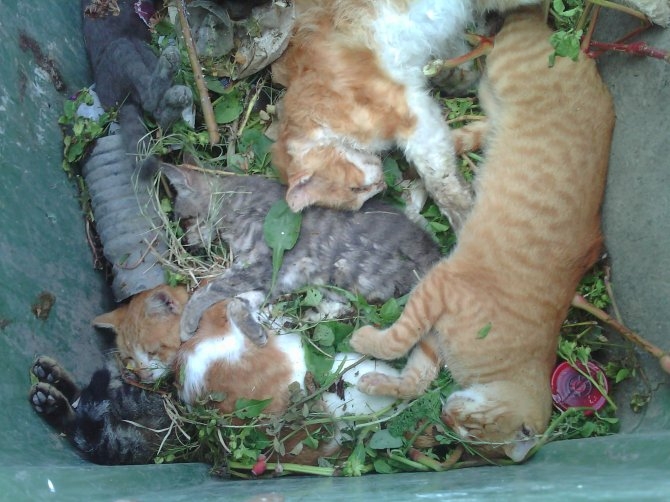
Greece (Kos): Sterilised Cats Cared for by Local AW Organisation Poisoned and Dumped in Container. Protest Mails Required – See Below.

Dear all,

the pictures shown have oame from “Tierhilfe Kos – Griechenland” (Animal Help Kos).

16 cats that had been castrated and fed by this organisation were found dead in a waste container.   **They had been poisoned** – sadly a common enough occurrence in Greece.

Greece – a country that takes a lot of pride in its long and old culture and history, and yet they have not moved one inch beyond such low and disgusting behaviour in over two thousand years.

The “Tierhilfe Kos” have been threatened repeatedly with legal consequences to what the authorities on Kos consider illegal activity.  Vets from Germany and Austria who offer their services for free in the interest of animal welfare are attacked by Greek vets as ruining their business.

They would rather see these animals suffering and/or dead than allowing foreigners to help them (Kos is no exception – I know of this from the Island of Cephalonia too, where foreign vet students come to castrate and treat animals for free are hidden away to escape the wrath or local authorities acting on behalf of their own Greek vets – often people of far less professional knowledge than those come from abroad).

There are 4 registered Greek vets on Kos – all they do is charge foreign tourists huge amounts for vaccinations and EU pet passports if (the tourists) take pity on individual animals and want to take them home with them.

**ACTION**  **ACTION**  **ACTION**

Please protest against this atrocity

– this are mail address and fax number of the Mayor of Irakleidon: Mr. Billis Stergose

Mail: hrakleid@otenet.gr

dhmarhos@iraklidon.gr  

Fax: 00302242051128

The Mayor of Kos Municipality – Mr George:

kos_mayor@hol.gr 

kos_mayor@kos.gr 

 Local newspaper who took up the dog hanging incident in Kardamena:

btko@hol.gr  

Please also consider writing to your travel agents, thank you.

————–

(Animal Help Kos)

Tierhilfe Kos

Email: office@tierhilfe-kos.at

Telephone: 0043/660/254 01 09

Paschinggasse 8/4/b31170 Vienna

——————–

Macedonia: Vicious and Very Psychopathic Butcher (Literally) Murders Stray Dog Being Cared for by Local People.


Stray dog murdered with repeated severe stabs with a butcher’s knife

Montag, 18. Oktober 2010 um 15:21

Yesterday, in broad daylight at about 10 am, an employee at the Butcher’s Shop Mega in Skopje, Macedonia, murdered a stray dog with repeated severe stabs with a butcher’s knife attached to a metal rod in front of a number of passers by.

The poor animal, covered in blood and in complete agony and shock, was dying for fifteen minutes before the eyes of the passers by, some of them children. This amiable dog which many of the local residents regularly looked after, without attacking, without even barking once at its killer, was literally butchered, stabbed through its body and severely hit against a wall by the professional butcher.

Three of the witnesses reported the case to the police which came to the spot to investigate and compiled a report. In the meantime, the butcher confessed to committing the act, explaining that the previous day that same dog had attacked his wife and child.

The witnesses contacted the local clinic and received information that no person had required medical attention for having been bitten by a stray dog.

This was a premeditated, planned murder, committed in an extremely vicious and psychopathic, devious manner unimaginable to any sane person. The act was brutal, the sight horrific. The photographs of the dead animal alone are poignant, but imagine the sight witnessed by the people who happened to be there, who saw the dog being ripped open, who heard its cries. All witnesses we have contacted are in a state of severe shock and cannot come to themselves. Some of them had been threatened to keep silent, but had nevertheless decided to talk about what they had seen and testify.

We ask for the most severe condemnation for this person, who is a threat and a potential danger to the environment, as no sane and normal person could repeatedly stab a helpless and homeless dog, listen to such cries of agony and continue butchering it in such a beastly manner. The psychiatrics has no doubts that such occurrences are horrifying, that such people pose a danger and a direct threat to their environment and should not be disregarded-it is a well known fact that serial killers start off by killing animals. We ask for a collective condemnation and the most severe punishment for the perpetrator!

Killing animals is a regular occurrence in our country, but punishments and sanctions are non existent. Animals in Macedonia are victims of brutes, both on institutional and individual level. The way a society threats its animals reflects that society, its level of civilization, humanity and awareness. Macedonia is shamefully inactive in that field, despite the numerous reactions from associations and citizens to the authorities. We insist on stricter animal protection laws and implementation of Animal Police, as the terror over animals in Macedonia is never ending daily occurrence.

LET A POSITIVE LAWFUL CONCLUSION OF THIS BRUTAL ACT MARK THE BEGINNING OF CHANGES! 

We have attached e-mails of foreign embassies and consulates in R. Macedonia.

We would appreciate if you could send them your reactions.

Albania-embassy.skopje@mfa.gov.al

Austria- skopje-ob@bmeia.gv.at

Belgium – skopje@diplobel.fed.be

Bosnia- emb.bih@neotel.net.mk

Bulgaria -secretary@bgemb.org.mk

China- chinaemb_mk@mfa.gov.cn

Croatia- croemb.skopje@mvpei.hr

Czech Republic -Skopje@embassy.mzv.cz

Denmark -dan.cons@unet.com.mk

France- franamba@mt.net.mk/franamba@met.net.mk

Germany- dtboskop@unet.com.mk

Greenland -dan.cons@unet.com.mk

Italy- segreteria.skopje@esteri.it

Holland- nethemb@mt.net.mk,SKO@minbuza.nlNorway-emb.skopje@mfa.no

Poland- skopje.amb.sekretariat@msz.gov.pl

Romania- romanamb@cadis.net.mk

Russia- embassy@russia.org.mk

Serbia yuamb@unet.com.mk

Slovakia -markoni@mt.net.mk

Slovenia- vsk@mzz-dkp.gov.si

Spain-castadiva@mol.com.mk

Sweden -ambassaden.skopje@foreign.ministry.se

Turkey-turkish@mol.com.mk

Ukraine- emb_mk@mfa.gov.ua / amukr@on.net.mk

USA-consularskopje@state.gov, EmbSkoWebM@t-home.mk