Australian seafood consumers urged to stop buying flake to protect sharks.

Australian seafood consumers urged to stop buying flake to protect sharks | Australia news | The Guardian

Australian seafood consumers urged to stop buying flake to protect sharks

A new campaign highlights there is no legal obligation to label flake – a common term for shark meat – by species or where it’s from

Australian consumers will be encouraged not to purchase flake when they shop for seafood and to instead try sustainable alternatives in a new campaign that aims to put a spotlight on laws that permit the harvest of endangered sharks.

The Australian Marine Conservation Society (AMCS) is asking consumers to “give flake a break” because there is no legal obligation in Australia for retailers to label flake – a common term used for shark meat – by its species or where it’s from.

Guardian Australia reported last year that a loophole in Australia’s national environmental laws allows for the continued commercial harvest of endangered sharks such as the school shark or hammerhead, meaning their meat can be routinely sold in shops, restaurants or exported overseas.

Leonardo Guida, a shark scientist with the AMCS, said the organisation was launching its campaign to try to make consumers more aware of the need for shark conservation.

He said sustainable alternatives to flake included King George whiting, farmed barramundi, mullet, wild caught Australian salmon and luderick.

Research by the AMCS found there was an average $2 difference between these options and the cost of flake. In some cases the sustainable alternatives were cheaper.

“Australia legally permits the harvest of endangered sharks, which can end up on people’s plates and they wouldn’t even know it because it’s often called flake,” Guida said.

“There’s no legal requirement to call a shark for what it is.”

Guida said the system was broken “somewhere between the boat and the plate” because fishers routinely recorded what species they caught but by the time the meat ended up with a consumer that information could be lost or difficult to obtain.

Guida surveyed 10 fish and chips shops in each state and territory and found less than a third of the shark meat on sale referred to a specific species.

He said promisingly, however, at least 40% of retailers offered a sustainable alternative.

Consumers can use GoodFish, a website and app developed by AMCS, to research sustainable seafood options, or ask their fishmonger or retailer.

The loophole in Australia’s environment laws applies to certain marine species that are given a special status known as “conservation dependent” that allows for their continued commercial harvest.

Under the Environment Protection and Biodiversity Conservation Act, marine species that are listed as vulnerable, endangered or critically endangered are classified as “no take” species, meaning they cannot be sold or exported.

But the eight marine species listed as conservation dependent – including the blue warehou, eastern gemfish, the scalloped hammerhead and the school shark – do not receive this protection.

Marine conservationists have long argued for the removal of this category from Australia’s national environment laws where it applies to threatened species but its existence continues to fly beneath the radar of most seafood consumers.

During last year’s review of the EPBC Act, led by the former competition watchdog head Graeme Samuel, the AMCS called for the species listed as conservation dependent to be given the threatened status they were eligible for.

The Humane Society International is the main organisation in Australia that nominates species for a listing under national environmental laws. It put forward several of the marine animals that were ultimately listed as conservation dependent.

One of those was the scalloped hammerhead, which qualified for an endangered listing but was given a conservation dependent status in 2018 after a six-year effort by the HSI to have it listed for protection.

“What we ask is that species be put in their rightful category because species that are endangered or critically endangered should be listed as that and protected from commercial utilisation,” said Nicola Beynon, the HSI’s Australian head of campaigns.

Samuel’s interim report, handed down last July, found Australia’s environment was in unsustainable decline. The report made several recommendations, but none in relation to the conservation dependent category.

He delivered his final report to the Morrison government at the end of October last year but it has not yet been released. The government is required to release the report sometime in February.

A spokesperson for the environment minister, Sussan Ley, would not say when the government planned to release the report but it would be within the statutory timeframe.

The spokesman said sharks were listed as conservation dependent based on advice from the threatened species scientific committee.

“Species listed as conservation dependent are subject to a scientifically determined and annually reviewed rebuilding strategy,” the spokesperson said.

In a submission to the Samuel review last year, the scientific committee said the conservation dependent category needed urgent reform and this was partly because it masked the actual conservation status of species.

Austrian public broadcaster sheds light on live transport at prime time.

Austrian public broadcaster sheds light on live transport at prime time

18 January 2021

Four Paws

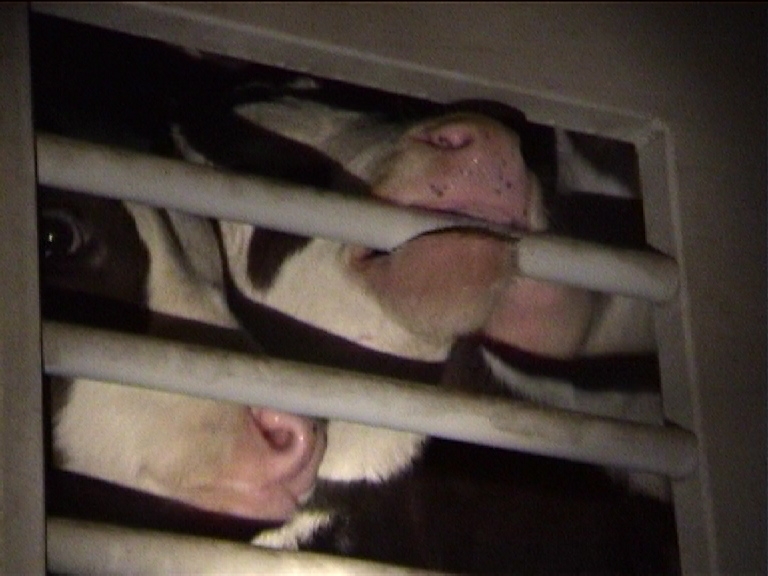
Cattle crammed into trucks, brutally loaded onto ships, slaughtered while fully conscious – disturbing images of animals being transported to the Middle East, including those of Austrian cattle in Lebanon, as well as interviews with Eurogroup for Animals’ members Four Paws and Animals International are featured in a new documentary which was broadcasted at prime time on Austrian television.

The documentary feature called “Animal transports – cheap meat at any price?” took a critical look at this much-discussed topic last Wednesday, 13 January 2021. The documentary looks at the crucial questions of how and why these animals from Austria are transported thousands of kilometres, also addressing the crux of why domestic calves are exported at all, while most of the veal for Austrian gastronomy is imported. In the past, these questions have triggered not only a public but also a political debate in Austria.

Every year about 45,000 calves are exported from Austria to countries such as Italy or Spain, while about 100,000 animals are imported to Austria to end up on the plates of local restaurants.

In Vienna, 60 per cent of the Wiener Schnitzel consists of imported veal. Most of it comes from the Netherlands and is produced under conditions that would not be permitted in Austria. This, however, is not comprehensible to the consumer as most menus are not transparent. A schnitzel from Austrian veal would cost 50 cents more, and 20 cents more for pork.

Read more at source

Der Standard

Can we learn something from crisis?

“We are living in difficult times, suffering confinements, unable to enjoy our families. Many people feel overwhelmed, despair, anxiety, stress …

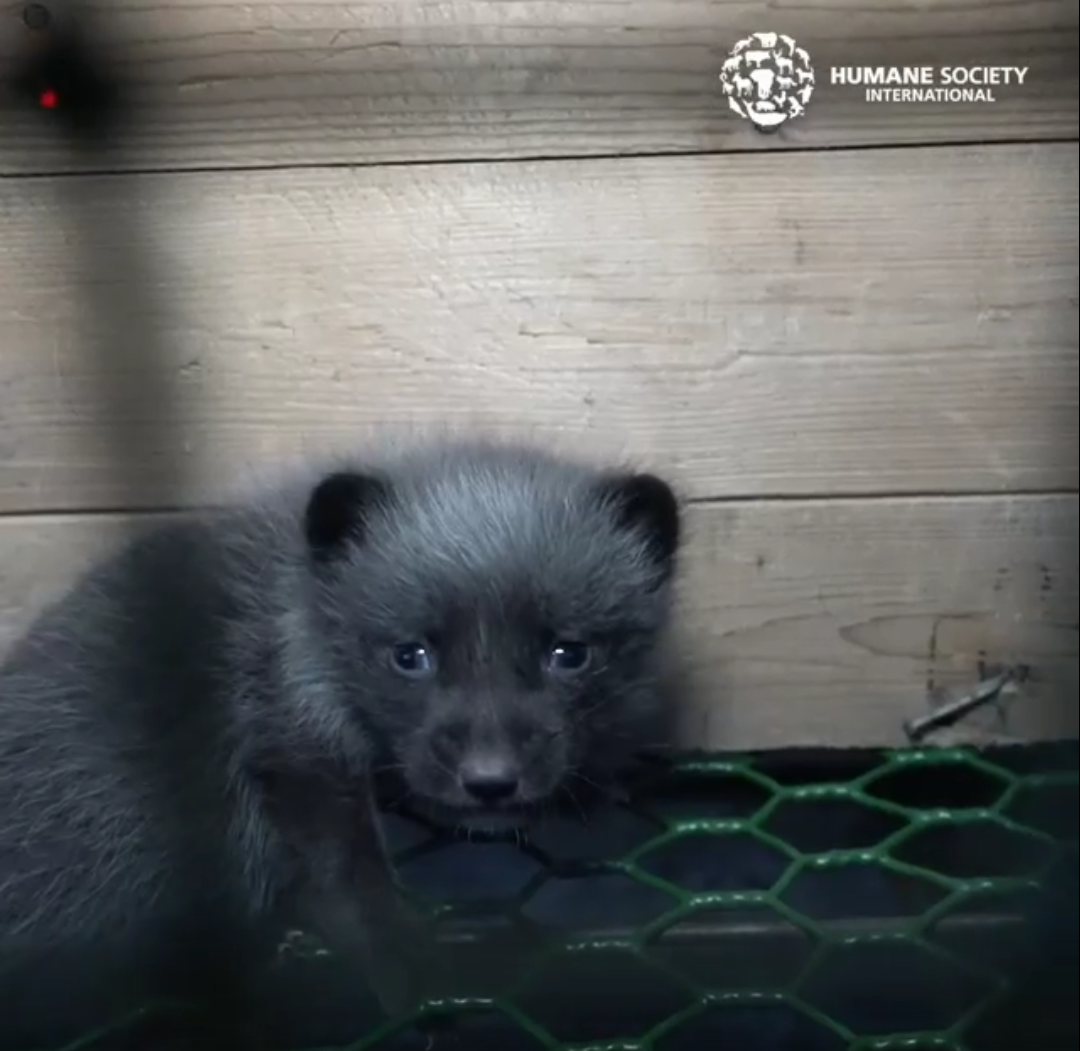
All this, has made you think about how the animals used in the fur industry feel?

All these animals feel the same as you, and they suffer from birth to death.

They live locked up in these cages exposed to inclement weather, hunger, thirst, and loneliness, all their lives, all the time.

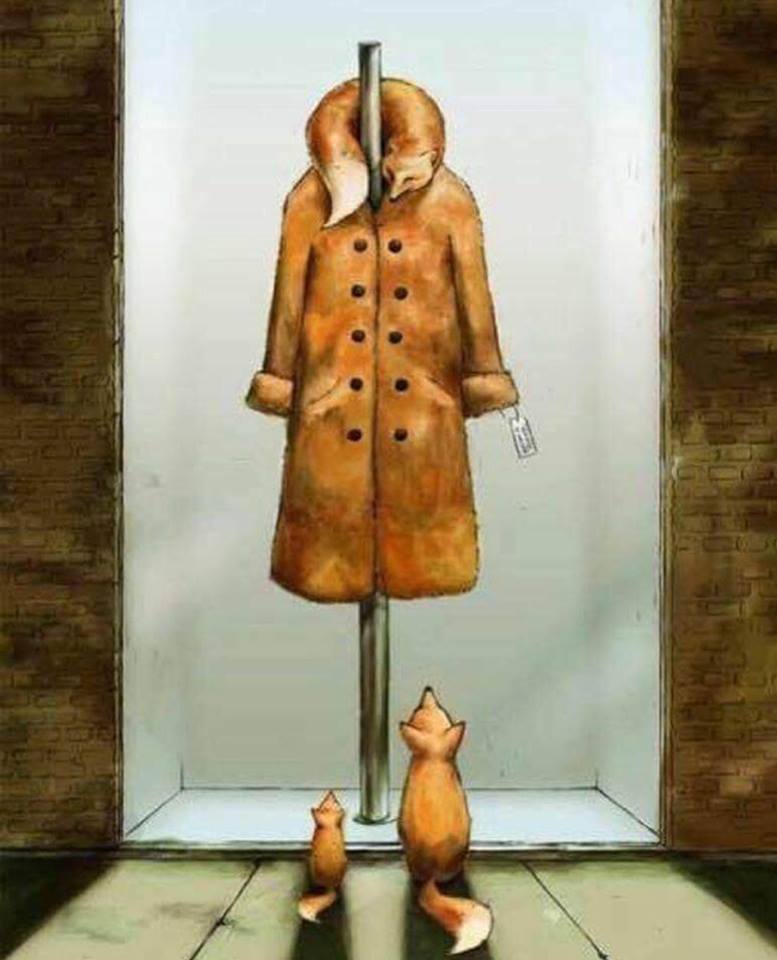
Don’t get dressed with their lives”!

Text: Animal Equality

And I would say… that we haven’t learned anything from the Corona catastrophe.
Because we don’t have the same level of suffering as the other animals.
Despite restrictions, we still live on the sunny side of capitalism and decide – as before -about the cruel life and death of millions of other animals.

We are habitual criminals.

Regards and good night, Venus


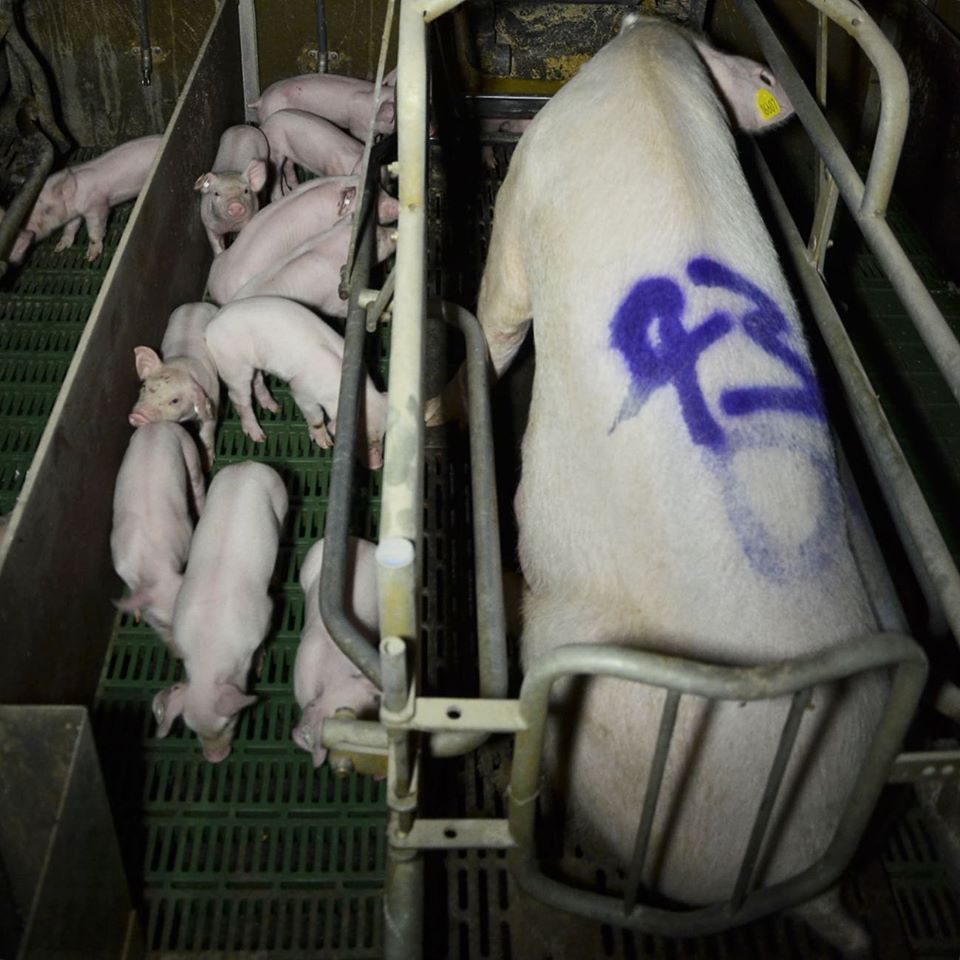
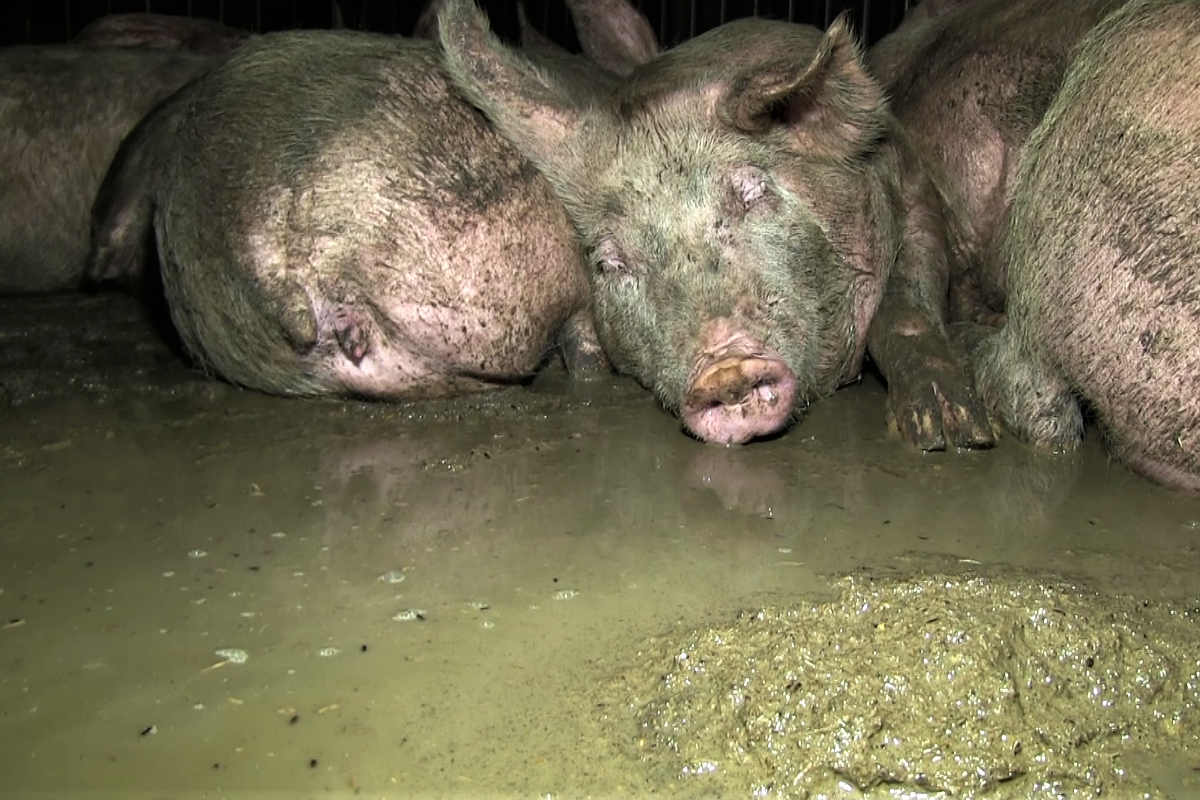
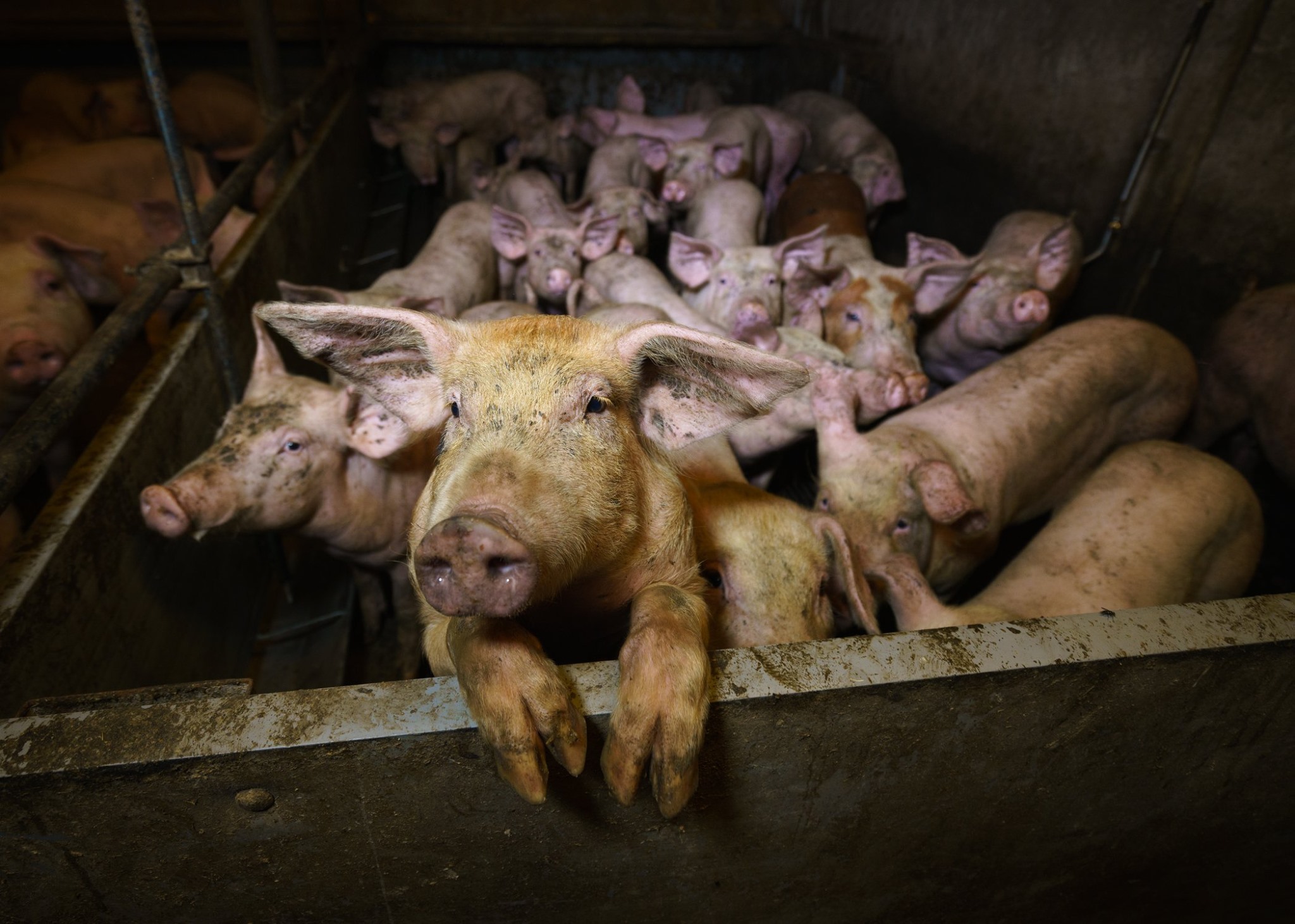
Germany: “congestion” in the pig stable!!

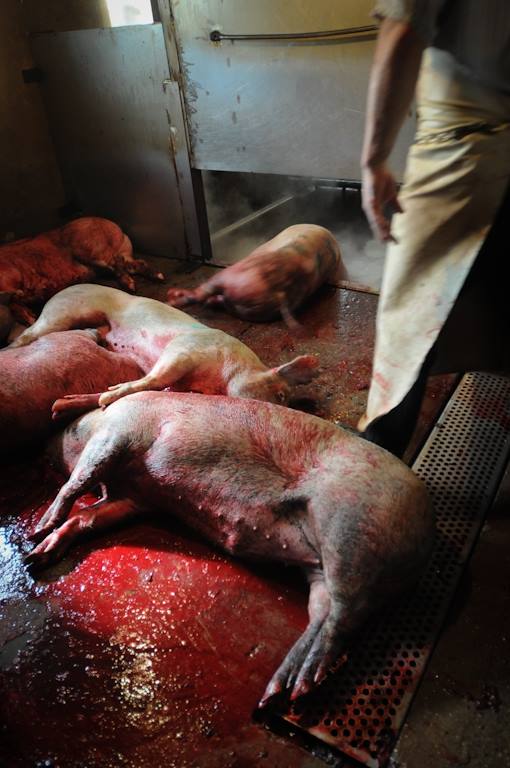
There are a million pigs in German stables that are to be slaughtered!!!

The overhang of pigs that have not been slaughtered in Germany is becoming more and more threatening.
The pig farmers’ stables are bursting at the seams.

There is a lack of slaughter capacities.

Due to the failure of large German slaughterhouses due to the Corona crisis, due to the lack of workers, and due to stricter hygiene rules, the entire system is about to collapse !!

The sows throw new piglets every day, while the farmers don’t get rid of their pigs when they are ready for slaughter.

Another problem: the animals are getting heavier. The optimal slaughter weight is around 92 to 105 kilograms per animal.
If the pigs are heavier, the price goes down. And the additional feed costs extra.

The Agriculture Minister of Lower Saxony, Otte-Kinast, pointed out the psychological strain on the farmers (!!!) affected by the pig jam:

“The desperation is huge,” she says.

In one week alone, 165,000 fewer pigs are slaughtered than in the previous year. These animals must continue to be fed and they also do not make room for piglets that are also accumulating.

Pig “congestion2 is still the main problem for the pig market in Germany, with around 680,000 pigs recently – and this also has a very negative effect on the particularly closely linked markets in the Netherlands and Belgium.

“We can’t get the compartments cleared fast enough. That’s why we’re currently on a collision course with animal welfare,” says a farmer.
This is a consequence of the corona pandemic (???)

The slaughterhouses have cut their production significantly for months.

At Tönnies, for example, the number of battles fell to around 70 percent of the pre-pandemic era.
Since then one speaks of a “pig congestion”.

https://www.ndr.de/wellenord/sendungen/zur_sache/Zur-Sache-Schweinestau-bringt-Bauern-in-Not,zursache2308.html


And I mean… “The economic consequences for the pig farmers are catastrophic”.
If it is not possible to murder, then that is «threatening».
Only the economic consequences for the animal exploiter are important, the fellow-creature is totally unimportant.

The farmers complained months ago that they are sitting on 500,000 pigs that urgently need to be slaughtered.

If you know that the average time a pig mother is carried is 114 days, why not pull the ripcord at 500,000 pigs?
Why was insemination continued and thus piglets “produced”?

These intelligent, pain-sensitive, social creatures are entitled to an average of six months before they are sent to death by suffocation.

Consumer goods can certainly be produced in advance, but Not living beings!
Now the farmers are complaining again because they lose a lot of money for each pig that is fed too long and no longer corresponds to the normal slaughter weight!

If the “business” doesn’t pay off anymore, get out, and plant potatoes, or do some agriculture.
There are now organizations that even help to get out.

That would mean a revolutionary change in the world

My best regards to all, Venus


Various Issues To Review.

Cool Van, Man:

England: Cool Van, Man ! – World Animals Voice

Major Job Now Completed:

England: Major Job Now Completed ! – World Animals Voice

Mount Everest – The Sacred Mountain Which Is Now Human Dumping Ground:

England: Mount Everest; The Sacred Mountain Of Dreams and Mystery; Now A Dumping Ground of Excrement, Plastic and Garbage, Made By; Guess; Mankind ! – World Animals VoiceEngland: Mount Everest; The Sacred Mountain Of Dreams and Mystery; Now A Dumping Ground of Excrement, Plastic and Garbage, Made By; Guess; Mankind ! – World Animals Voice

Trump Signs a Deal for the ‘Environmental protectors’ to work with the NRA to Kill More Wildlife:

USA: Trump’s outgoing U.S. Fish and Wildlife Service (the Environments ‘Protectors’ ?) just signed an agreement to work with the National Rifle Association to recruit and train more Americans to shoot wild animals. The Final Acts of a Desperate Individual. – World Animals Voice

Mink Farms Cause Immense Animal Suffering, but are Coronavirus Reservoirs Putting Human Life at Risk:

Mink farms not only cause immense animal suffering, these coronavirus reservoirs put human lives at risk, say animal welfare groups. – World Animals Voice

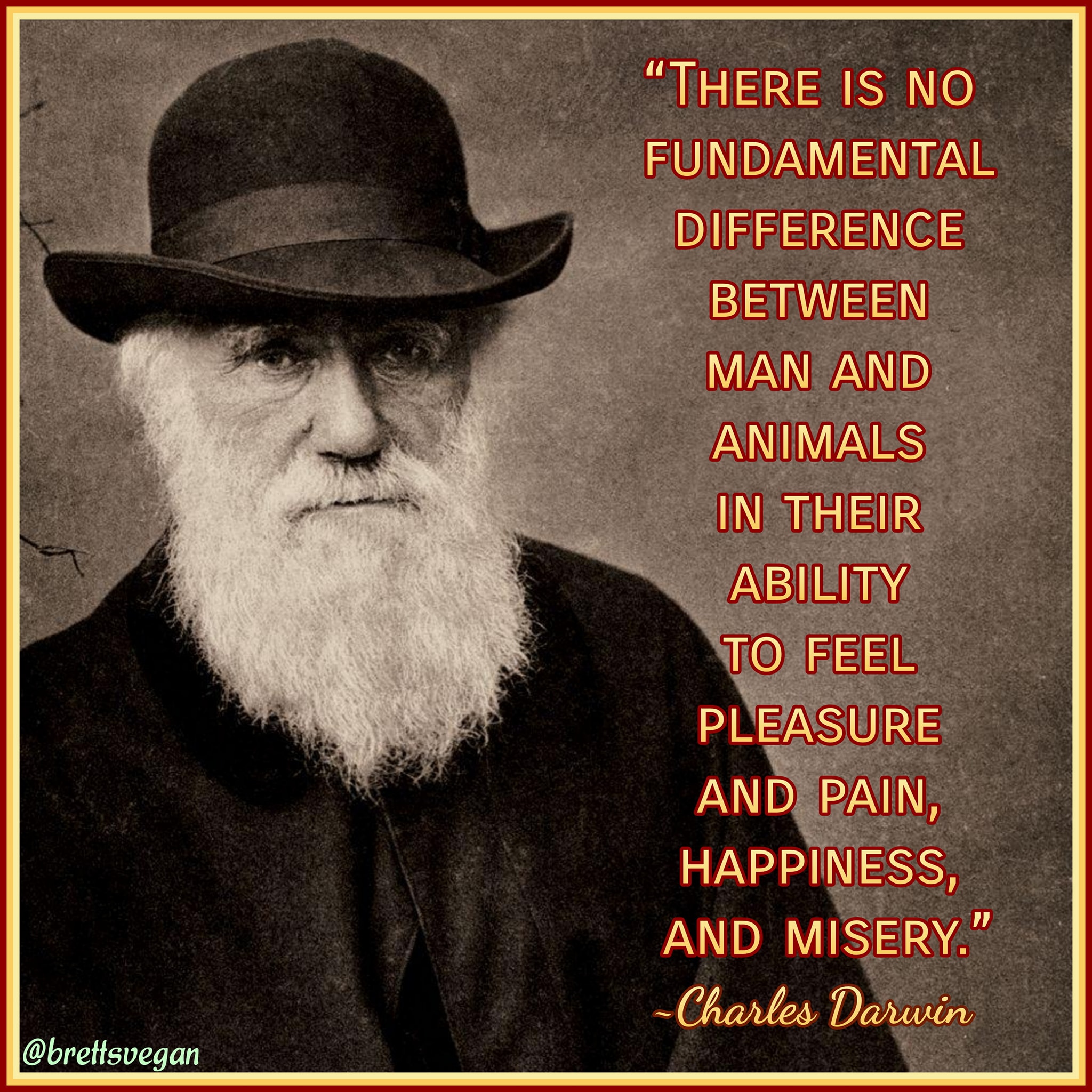
Charles Darwin – the revolutionary…

Basic rights for all feeling, thinking individuals.
Nobody may be disadvantaged or preferred because of their species.

regards and good night, Venus

SeaWorld must empty its tanks!

It’s the reminder no one needed: SeaWorld is beyond out of touch.

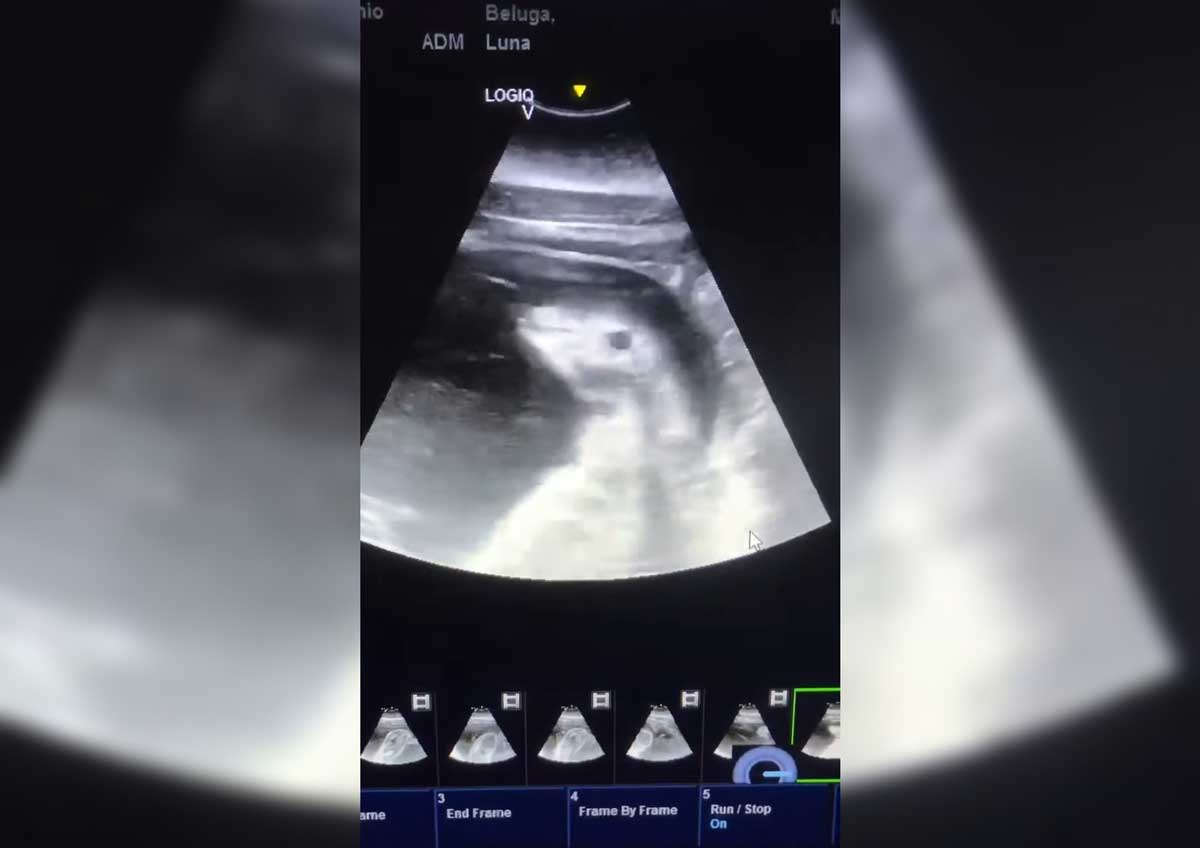
The abusement park company took to social media on January 11 to flex its speciesist muscles, posting a sonogram depicting the unborn baby of Luna, a beluga whale who has been confined at SeaWorld San Antonio for more than two decades.

The publicity stunt is seemingly a vain attempt to attract new visitors to its park in Texas (where Luna resides in a cramped tank), making it clear that SeaWorld has forgotten (or perhaps just doesn’t care) that no one wants to buy tickets to a place that dooms newborns to a lifetime of exploitation.


Such cringe-worthy abuse is not new to Luna. In order for her to conceive her first calf, workers sexually abused her by forcibly impregnating her with the sperm of Nanuq.

Despite rejecting her calf, Alta (who was one of the first belugas conceived through artificial insemination), Luna gave birth to two more babies—and now she’s been impregnated again, possibly by forced insemination.

Torn away from his family and Canadian home waters when he was just 6 years old, Nanuq was held captive and then made to participate in an intensive, experimental artificial insemination program at SeaWorld: He was shipped around Canada and the U.S. repeatedly and removed from the water roughly 42 times so that workers could collect his sperm.

He fathered 13 babies (including one with Luna), but six died at birth or shortly thereafter.

Nanuq died in 2015 while being treated by SeaWorld staff for an infection from a jaw injury that he had sustained while interacting with another animal.

SeaWorld Needs to Empty Its Tanks

Now it’s time for SeaWorld to end its use of animals, stop breeding all dolphins and whales, and relocate them to seaside sanctuaries, where they could live in large areas of the ocean while still benefiting from human care for as long as they might need.

Please urge SeaWorld to establish a firm and rapid plan to end its use of animals, stop breeding all dolphins and whales, and relocate them to seaside sanctuaries.

Petition: https://support.peta.org/page/1943/action/1


For more…at https://worldanimalsvoice.com/2021/01/17/seaworld-must-empty-its-tanks/


And I mean…At least 166 orcas have been taken into captivity from the wild since 1961 (including Pascuala and Morgan).

– 129 of these orcas are now dead.

-At least 166 orcas have died in captivity, not including 30 miscarried or still-born calves.

-SeaWorld holds 20 orcas in its three parks in the United States.
At least forty-nine orcas have died at SeaWorld.

A growing catalog of ‘accidents’, illnesses, failed pregnancies and premature deaths have helped to show up this industry for the cruel circus that it really is.

Orcas can live anywhere between 50 to 80 years, but in captivity, they are lucky if they can make it to twenty-five.

They are incredibly fast swimmers, and get up to 48 km/h in the ocean, and will eat about five-hundred pounds of food a day. Females don’t start breeding until they are close to fifteen years old, and once they start breeding they might produce a new calf every 3 to 10 years, and gestation lasts 17 months.

Nature has intended them to live free, exempt from domination, but the human species, with its self-proclaimed fascist right to exploit other animals, has predetermined a pathetic fate for many of these animals.

The right to life, freedom, integrity, and protection must be given to all species.

Only then is it a right and not a privilege of the ruler.

My best regards to all, Venus