Posted on April 23, 2016 by Serbian Animals Voice (SAV)

This did arrive with us on 22/4 but it is only today, 23rd that we have published. SAV.

———————–
Dear Mark,
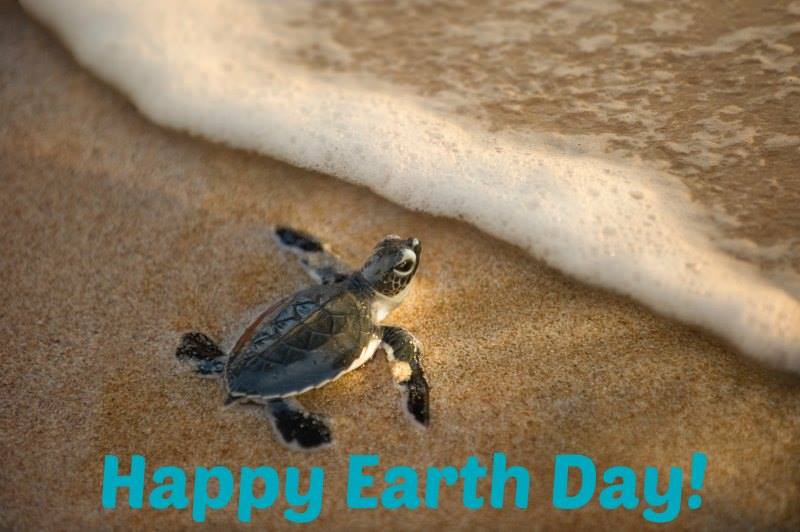
Today is Earth Day. And since 71% of the Earth is covered in oceans, we consider this Oceans Day as well!
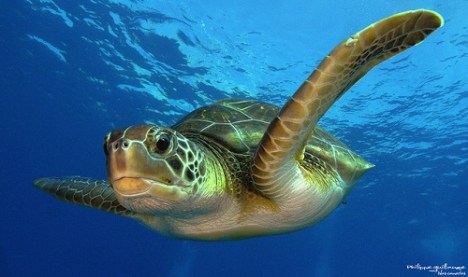
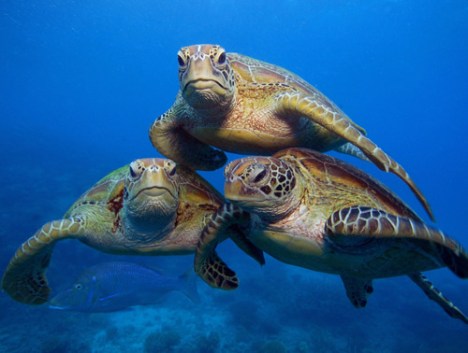
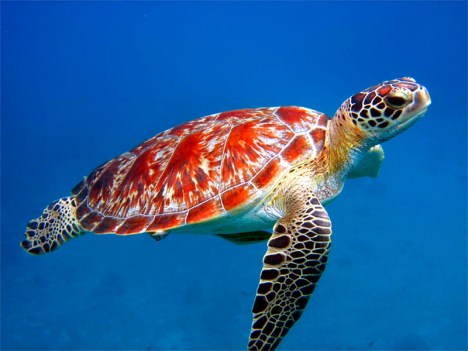
It’s a chance to celebrate all of the marine animals that we are working to protect.
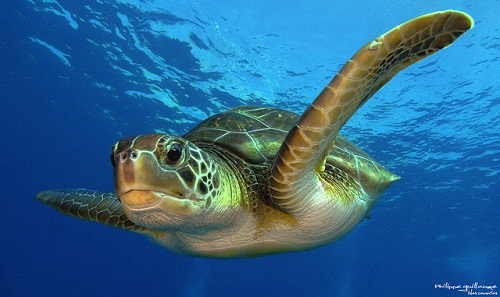
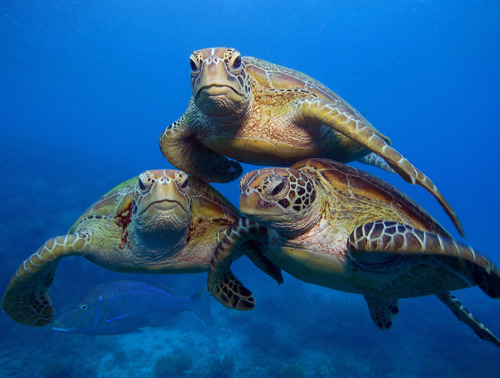
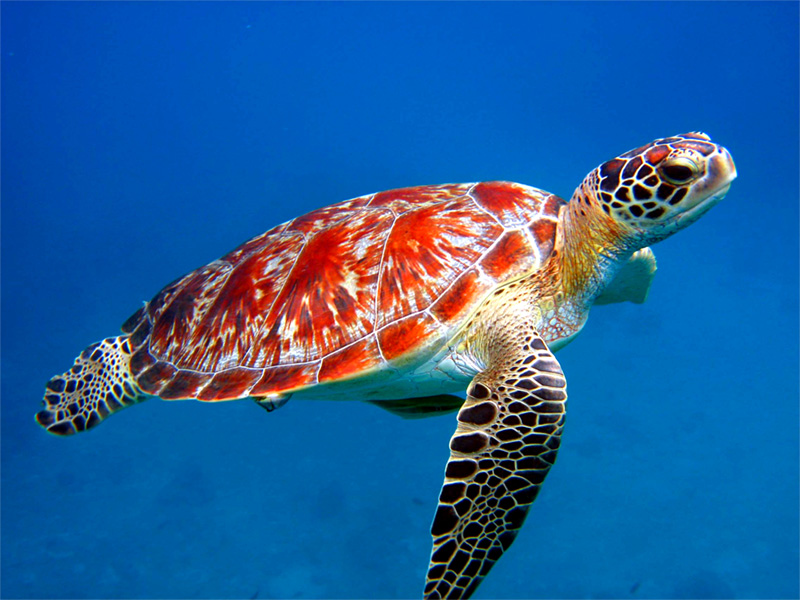
And to say thank you. Your actions — and those of all of Turtle Island Restoration Network’s community members — are saving sea turtles, whales, dolphins and other ocean animals:
-
You have supported nesting beach protection projects in Texas, Nicaragua and Costa Rica that have returned more than 1 million endangered sea turtle hatchlings safely to the ocean.
-
More than 25,000 people so far have signed our petition calling for an end to the whale and dolphin-killing California Driftnet Fishery. Legislation to phase out the fishery is currently in the California Senate!
-
More than 200 volunteers signed up with us to help monitor sea turtle nesting beaches in Texas, the most ever, and they found the first sea turtle nest of the season last week.
These are just a few of the victories for sea turtles and other ocean animals that you have helped us achieve!
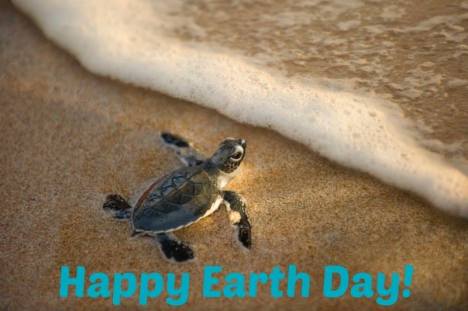
So, from Turtle Island and 1 million hatchlings this Earth Day, thank you!
For the Oceans,
Erica Heimberg
Director of Development
PS – Want one simple thing to do for Earth Day today? Like Turtle Island on Facebook, share our Earth Day hatchling and ask your friends to join us too!
Adults – 1001 reasons why they need to be saved / protected
– Beautiful !!
Filed under: CAMPAIGNS - Global Animal Welfare Issues, GENERAL NEWS - International / National / Regional | Leave a comment »
Posted on April 22, 2016 by Serbian Animals Voice (SAV)


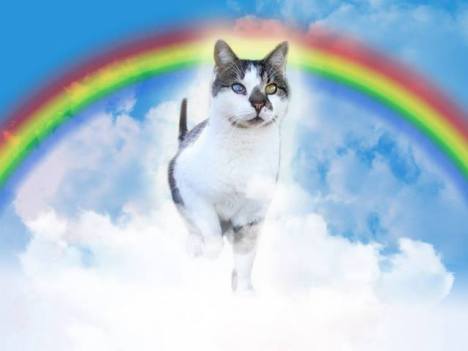
Repic is gone.
His story has pretty much been told but he deserves another one, the story of a beautiful, complicated and vigilant kitty boy with astonishing persistence, boundless courage and a heart of gold.
We want him to be remembered not as a broken, exhausted skinny creature that spent weeks fighting a losing battle with fading strength, but as the little distant yet adored shimmering star of our hearts he has always been. And he is getting his new story now, as soon as we’ve managed to pull ourselves together, the story of utter devotion, desperate hope, pure bravery, crushed dreams and eternal love.
The first few months of his sadly too short life were horrific, painted with fear and suffering and though he miraculously maintained his innate sweetness, he also became forever marked with the knowledge that pure evil exists. Oh yes, he was cuddly and affectionate back then when he was first taken off the streets, he was ready to give and receive love, but over the course of the following years something went wrong.
His fragile trust in humans was somehow betrayed again and he matured into a watchful, circumspect and reserved kitty boy, rather standoffish and adamant not to let anyone invade his personal space. However, he seemed to be happy here, living the kind of life he had chosen a long time ago and no one questioned his reasons for being wary – he was accepted just as he was.
Things were going at a regular slow pace until an almost routine vet evaluation of Repic’s condition a month ago, when we got a detailed insight into his health issues which shook us to the core. We were flabbergasted and horrified when we finally learned the truth about the consequences of the eye injury he suffered as a youngster and we suddenly realized he had never been authentically reserved and sedate – he was unwell. Extremely unwell. Unwell to the point that his life was at risk.
He fought with all of his might, we supported him every step of the way and the vet did everything that could be done and then some. None of us were ready to give up on our brave little fighter, not even when we all knew only a miracle could save him.
Twinkling through the deepest darkness, there was that tiny spark of hope that the impossible could happen if we fought long enough, strong enough, brave enough… And if it couldn’t happen, if a miracle didn’t occur, at least our courageous furry warrior would lose the battle of his life with all guns blazing.
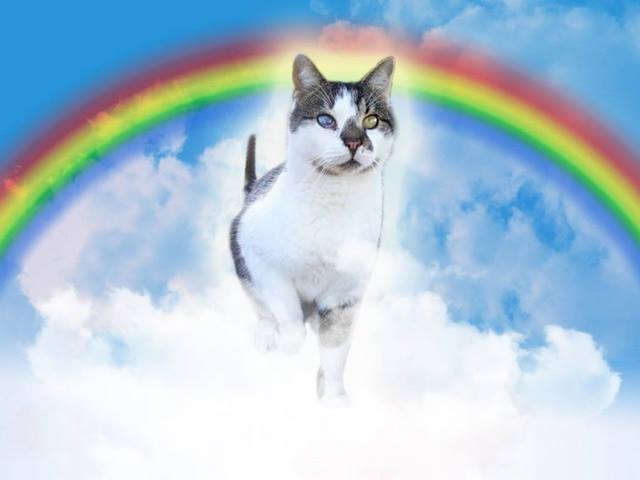
After weeks of hopeless struggle, Repic had had enough. He must’ve been too tired, too weakened and too exhausted to see the point of holding on any longer. Maybe he saw the rainbow and felt that the time had come to cross into the light, maybe he knew he could leave with no fear as our love would be his shield wherever he soared. Maybe now he’s came to realize just how much he enriched our lives and has gotten to understand how he will carry on in every beat of our hearts. Maybe he has always known that goodbyes are not forever.
This is not a farewell, this is until we meet again.
So spread your wings and fly past the sun, sweet Repic, you’re finally free and there’re no limits anymore.
Those who leave behind a sparkling trail of glitter will never be forgotten.
Filed under: Animals Requiring Adoption or Homes - Worldwide, GENERAL NEWS - International / National / Regional, SERBIA (Central Serbia: Capital - Belgrade) and (Serbia, SHELTER - Information | Leave a comment »
Posted on April 22, 2016 by Serbian Animals Voice (SAV)


The Redwoods’ Last Stand
The giant trees have endured for millennia, but rapidly rising temperatures and years-long drought are threatening their survival.
Apr 18, 2016
Taylor Hill is an associate editor at TakePart covering environment and wildlife.
Bio
LOS GATOS, California—I’m dangling 180 feet off the ground in a harness, held by a single rope tied to a redwood tree named Joe. After a moment, I resume my ascent toward the canopy, a unique and largely unexplored ecosystem of mosses, lichen, and wildlife rarely glimpsed from the ground far below.
On a neighboring skyscraper-tall redwood, Cameron Williams, a biologist at the University of California, Berkeley, is rappelling to the pinnacle of an 850-year-old giant dubbed Grandfather. Williams, who has been climbing redwoods since 1999, has studied the impact of a record drought on the trees and has spent the past decade examining and documenting the hundreds of tiny plants that thrive in their upper reaches.
I started the hour-long ascent with my legs brushing some of the thousands of tiny cones and needles that stretch toward the sunlight. About 80 feet up, silence enveloped me as the ground below became obscured. The brain plays tricks—most likely out of self-preservation—morphing the thick foliage below into a safety net. As I hoist myself into the tree’s crown, there’s an overwhelming feeling of safety. The wind is blowing, but Joe the tree seems too large to sway.
We’re not deep in some primeval forest but in a backyard near Los Gatos, an affluent Silicon Valley town nestled in the foothills of the Santa Cruz Mountains and best known as the home of Netflix. For one week a year, the landowner allows Williams and recreational-tree-climbing specialist Tim Kovar to lead four-person expeditions up Grandfather’s 12-foot-wide trunk and into the redwood canopy. It’s a rare opportunity—most surviving old-growth groves are under state and national park management and off-limits to climbing.
Grandfather’s trunk bears scars from where hundred-year-old branches had been chopped off. A previous owner had wanted to take the ax to the tree and the entire grove, only abandoning the plan in the face of community outrage. Today, after 160 years of logging, there remain just 120,000 acres of old-growth redwoods of the forests that once covered more than 2 million acres of California, from Big Sur to the Oregon border. Most now survive in state and national parks like the nearby Big Basin Redwoods State Park, which protects 11,000 acres of trees.
Coastal redwoods and their even bigger and longer-lived inland cousins, the giant sequoias, are not just trees that inspire awe in the most nature-averse city dweller. The largest organisms on Earth, redwoods and sequoias absorb more planet-warming carbon dioxide than any other trees. As scientists have recently discovered, the giant trees continue to grow and sequester carbon even after a thousand years. Their branches and house-size canopies shelter a host of endangered animals, from the northern spotted owl and marbled murrelet—a rare seabird—to the Pacific fisher and the Humboldt marten, two weasel-like critters.
Endangered redwood animals include the northern spotted owl, marbled murrelet, Pacific fisher, Humboldt marten, and Vaux’s swift. (Photos: Michael Sewell/Getty Images; USFS/Flickr; USFS Region 5/Flickr; Dani Kropivnik/wikipedia; Jamie Chavez/Flickr)Redwoods are built for survival. Their foot-plus-thick bark shields the trees from fatal fires, and a red-tinged chemical responsible for giving the trees their namesake color protects them against insects and fungus. They are the fastest-growing conifers in the world, reaching heights of 379 feet, with trunks 30 feet in diameter, leaving would-be competitors in the shade. Giant Sequoias grow on the western slopes of California’s Sierra Nevada and can live as long as 3,000 years. Coastal redwoods, which can live to be more than 2,000 years old, sprout along a 20-mile-wide, 470-mile-long ribbon on the continent’s edge, where ever-present fog supplies the trees with life-giving moisture and nutrients.
Now that fog is fast fading away. Rising temperatures brought on by global warming are resulting in more fog-free days on the coast, while record drought deprives both redwoods and sequoias of water. The rapidity of the change in their environment wrought by the burning of fossil fuels threatens to overwhelm the giant trees.
“The climate changes that redwoods have seen in the past, they were taking place over millennia,” says Todd Dawson, a redwood expert and a professor at UC Berkeley. “It would take a thousand years for temperatures to change over two degrees. Now it’s taking three years.”
If the biggest, most formidable trees on the planet can’t survive climate change, can any?
Filed under: GENERAL NEWS - International / National / Regional | Leave a comment »
Posted on April 21, 2016 by Serbian Animals Voice (SAV)

Rare Cats Saved From Hunting and Trapping in New Hampshire
In response to outcry from the Center for Biological Diversity, Animal Welfare Institute and other groups, New Hampshire’s Game and Fish Department has cancelled its planned bobcat hunting and trapping seasons. They would have been the state’s first such seasons since 1989, when New Hampshire protected bobcats from the hunting and trapping that had driven their population down to only 200 animals.
Bobcats aren’t the only wild felines at stake here: Canada lynx, protected as “threatened” under the Endangered Species Act, could be mistakenly shot or ensnared by bobcat hunters and trappers. Under the state’s proposed rule to allow the hunting and trapping seasons to move forward, hunters would’ve been allowed to chase bobcats with hounds; trappers could’ve legally set unlimited numbers of indiscriminate traps.
“We’re so relieved the Game and Fish Department listened to our concerns, and that New Hampshire’s bobcats and lynx are safe from hunters and trappers for yet another year,” said the Center’s Collette Adkins.
Read more in
The Keene Sentinel
Wild & Weird: The Daring Escape of Inky the Octopus
There’s something about a good jailbreak that captures the human imagination. Maybe it’s the cunning derring-do of the escapee; maybe it’s our own longing to break free. Add eight arms to the getaway and people really become entranced.
Recent news of the daring escape of Inky, an octopus formerly on exhibit at the National Aquarium of New Zealand, captured news media and the internet by storm. “We did not expect that much interest at all from around the world; we thought it was just a story for the locals,” said Rob Yarrell, manager of the aquarium, to
National Geographic in a recent interview.
Inky’s escape path was easily discovered by aquarium staff: They followed his wet trail from the small opening in his enclosure, across the floor and into a narrow pipe leading to the ocean. Yarrell and his staff do not plan to pursue the tentacled absconder; they merely wished him well on his travels.
Read more about Inky’s great escape at
National Geographic.
Imperiled Gulf Fish One Step Closer to Protection
The Alabama shad — a large, silvery fish that lives partly in the Gulf of Mexico and swims up Southeast streams to spawn — occupies just a tiny fraction of its historic habitat in Alabama, Arkansas, Kentucky, Indiana and Iowa. Its numbers are dwindling because of dams, dredging and water pollution. The shad has languished for decades without federal protection despite being named a “candidate” for that protection back in 1997.
Luckily for the at-risk fish, the Center last week reached a settlement with the National Marine Fisheries Service that will force the agency to decide whether the shad warrants protection by this June. (In 2013 the agency declared that the species
may deserve protection, but it’s more than a year late in taking the next legal step toward that goal.)
“There’s still time to recover this oceangoing fish in its historic Southeast habitat,” said the Center’s Jaclyn Lopez. “Endangered Species Act protection will help guide restoration efforts that will help the shad rebound.”
Read more in our
press release.
Filed under: GENERAL NEWS - International / National / Regional | Leave a comment »
Posted on April 21, 2016 by Serbian Animals Voice (SAV)


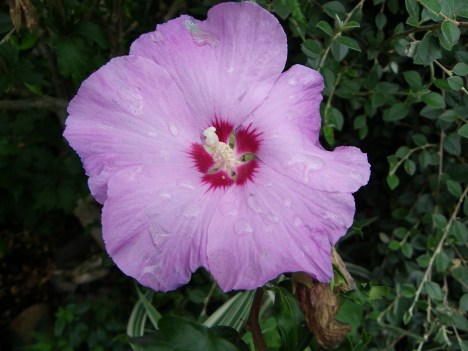
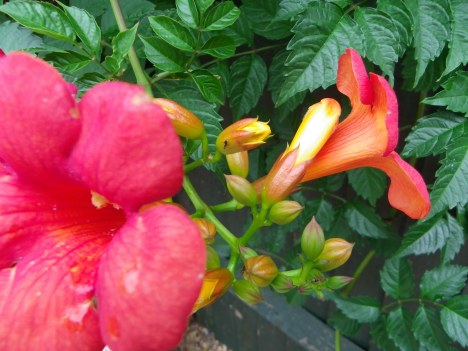

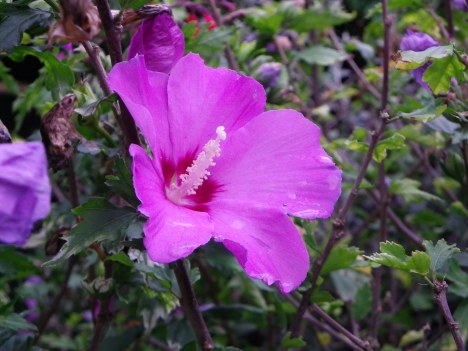
22/4/16 is EARTH DAY.
Each year, Earth Day—April 22—marks the anniversary of the birth of the modern environmental movement in 1970. – See more at:


We only have one – Protect It !!!
Filed under: GENERAL NEWS - International / National / Regional | Leave a comment »
Posted on April 21, 2016 by Serbian Animals Voice (SAV)


Save the habitat of 26,000 Humboldt penguins!
Chile wants to build two industrial ports in the habitat of the Humboldt penguin, endangering 13,000 breeding pairs of this vulnerable species. The first planned port has already been approved by the authorities. Local environmentalists fighting the project need international support: please sign our petition to have it scrapped.
Please visit
Thank you
Attention New York are activists! There will be Protest against the South Korean Dog Meat Trade this Friday from Noon to 2pm in front of the United Nations Office (East 43rd Street and 1st Avenue).
Colorado Parks and Wildlife officers killing hundreds of wildlife patients! Demand Change!
Justice for Baby the Bulldog
Ask Amazon to stop selling traps used to capture and torture animals!
Demand Tootie the Chimpanzee be Released to a Sanctuary
Ban Snares to Protect Hares
Costa Rica: don’t slaughter Hammerhead sharks that need protecting!
EBAY: stop selling the body parts of cats and dogs
Fish and Wildlife Service – Reconsider Wolverine Protections!
Stop the Horrific Ripping-Apart of Baby Foxes in Illegal Fox-Hunt ‘Cubbing’!
President Obama: Create the World’s Largest Protected Marine Area on the Planet
URGENT: Stop the Yulin Dog Meat Festival
Create & Implement an Animal Cruelty Registry in New Mexico
Prevent the Antibiotic Apocalypse – Ban Overuse in Farming!
Wild Things: Stop Forcing Baby Tigers to Swim with Tourists
Filed under: GENERAL NEWS - International / National / Regional, GLOBAL PETITIONS - Anything Animal, Anywhere ! | Leave a comment »
Posted on April 21, 2016 by Serbian Animals Voice (SAV)

Dear Mark,
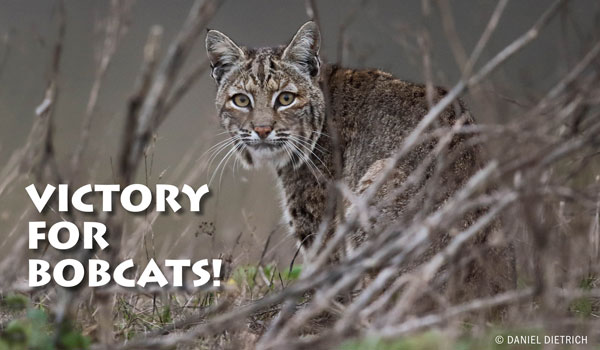
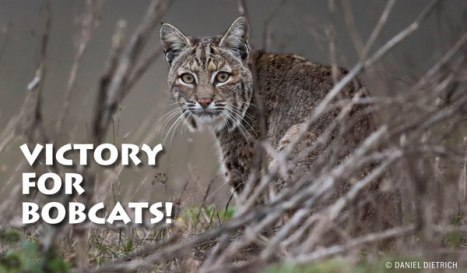
I am thrilled to share with you two victories for bobcats!
Last week the California Fish and Game Commission denied a proposal by the California Trappers Association to repeal the bobcat trapping ban that you helped put in place last year. We are very pleased that the commissioners* stayed firm in their decision to support the hard-fought bobcat trapping ban.
I’m proud to report that 12 Project Coyote representatives and supporters, and 11 students from Manor Elementary School in Fairfax, testified before the Commission. They spoke on behalf of bobcats and in support of our two petitions (with the Center for Biological Diversity) that would ban night hunting and trapping in places where wolves are recovering. I hand delivered more than 3,000 letters from supporters to the Commission supporting the ban. Thank you for acting to protect California’s wildlife! Both petitions are moving forward with agency staff. We will keep you posted on their progress.
On April 13th the New Hampshire Fish and Game Department rejected a proposal that would have opened the first bobcat hunting and trapping season in the state since 1989. Project Coyote’s New Hampshire representative Chris Schadler has been deeply involved in this issue, along with a statewide coalition of conservation and animal protection organizations. Thousands of New Hampshire residents weighed in to express their support for bobcats remaining safe in the wild and not cruelly trapped or shot for sport and profit. Read more here and here.
It is so encouraging to see those who appreciate wildlife taking a stand to protect native carnivores from those who enjoy killing them. We are the majority and we are showing up in greater numbers. Through our Keeping It Wild youth program, young people are lending their impassioned voices to Project Coyote actions to protect wildlife. We applaud their energy and look forward to seeing them play a greater role.
Thanks to you and to our allies, bobcats are safe from traps in California and New Hampshire.
With gratitude,
Camilla H. Fox
Founder & Executive Director

Filed under: GENERAL NEWS - International / National / Regional | Leave a comment »