Posted on March 23, 2018 by Serbian Animals Voice (SAV)
We are not a specialist organisation which campaigns against the fur trade; but we do know a few who do ! – we have always supported a fur farming ban anywhere and everywhere; as you can see on this site. So when the issue of problems with the proposed Serbian fur farming ban came up; we were happy to become involved and call on our specialist friends to help us with a campaign. Here is the result:
For many, many weeks now, SAV have been directly working covertly with specific Serbian campaigners; the leading UK anti fur organisation; ‘Respect for Animals’ http://www.respectforanimals.org/ and the ‘Fur Free Alliance’ https://www.furfreealliance.com/ regarding the situation for animals used in fur production in Serbia.
By current legislation, Serbia is supposed to ban fur farming from 1/1/19. Effectively it has the rest of this year (2018) to be allowed to continue with fur farming. After that the ban should come nationally into force. The Serbian law for animal welfare states that under Article 89; the breeding of animals for fur production is forbidden from 1/1/2019.
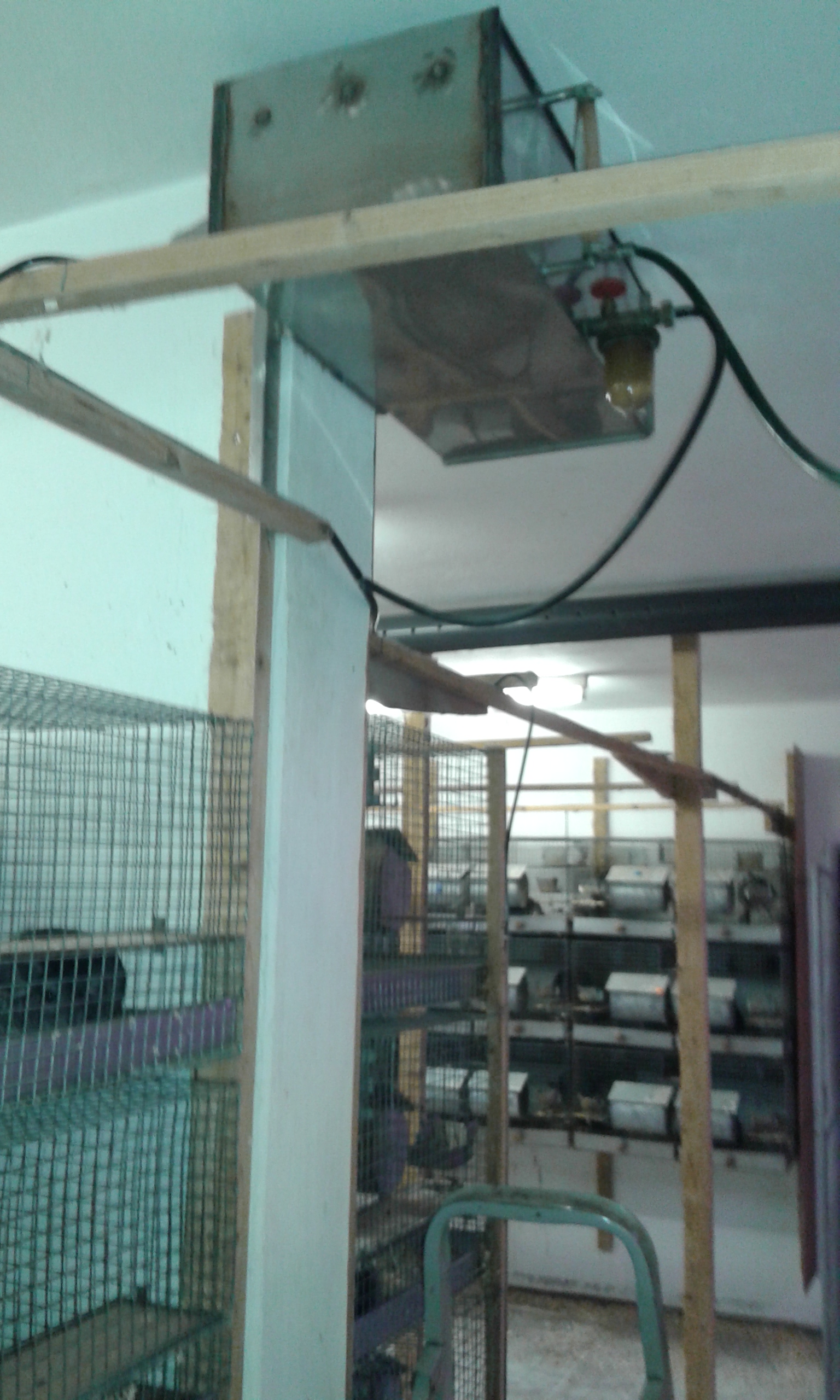
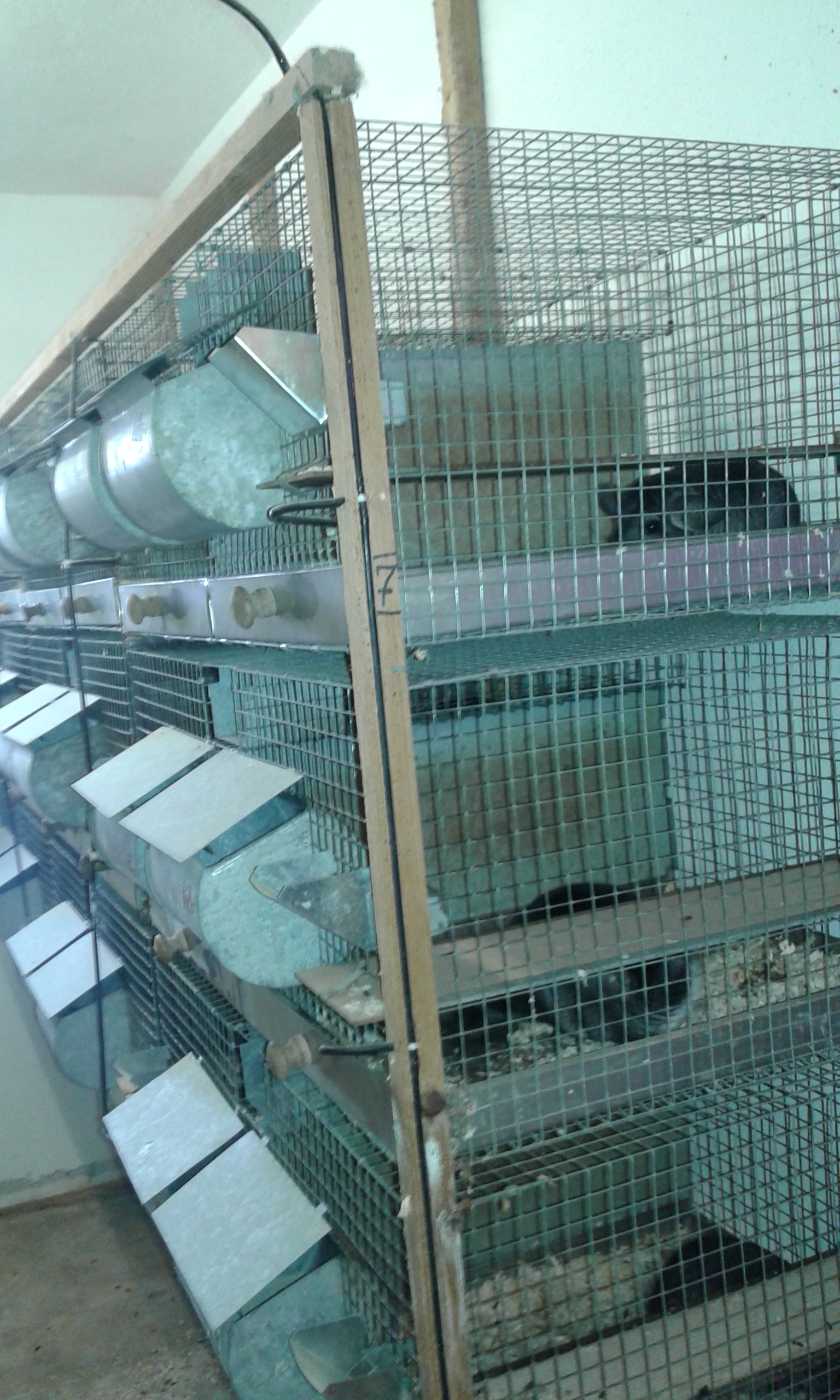
Above and below – Inside a Serbian Chinchilla Fur Farm.
Despite the industry having the past 10 years to accept and undertake changes in accordance with the legislation banning fur farming; some politicians and all of the fur breeders in Serbia want the law to be changed; effectively banning the ban. One MP, and the person who is also the President of the Committee for Agriculture, Mr Marijan Risticevic. wants the proposed ban to be stopped and for fur farming to continue after 1st January 2019. Effectively they want to change national Article 89 legislation after 9+ years specifically for their own interests.
According to the animal welfare law of 2009 to which the fur ban relates; Article 7 point 37 declares that the BAN on the breeding of animals for fur (Article 89) will commence on 1/1/2019.
As animal welfare campaigners; we are fighting for the fur ban to remain in place for the 2019 introduction. After all, the industry has had 9+ years to date now to prepare itself for the ban.
Firstly, we need to give some information on fur farms within Serbia:
According to information we have, there are currently 32 Chinchilla farms in Serbia where the animals are used for fur (garment) production. Each of these farms has different numbers of animals; but 2,500 (per farm) is not uncommon.
We can say the fur farms above seem to be officially documented by the Ministry as fur farms. What does not appear to be documented is:
The maximum capacity for each of the farms; and how many animals are actually kept there at the present time
There appears to be nothing written about the origin of the animals kept on the farms (see CITES etc below); including their sex; where they are skinned or what is done with the animal carcass after the pelt has been removed. The issue of carcass disposal is important as it may relate to contamination of water tables used for human water consumption.
An original request was made for work permit information of all these farms back in June 2015. It was only in August 2017 that the information requested was provided by the Serbian Ministry of Agriculture; even then only after the Commissioner for information of public interest demanded that the Ministry forwarded this information.
Serbian campaign group EPAR asked that the veterinary inspection section of the Ministry to visit all of the 32 fur producing farms
From the visits, they also asked that the government inspection team(s) establishes the origin of each individual Chinchilla animal and the origin of the first pair of chinchillas at each farm.
Chinchilla it must be remembered is an ‘Alohtone’ species to Serbia; which means that it is not natural to Serbia. Alhotone species have come into human activity within Serbia; and as such, they are living outside of their native or natural distribution range. In other words, Chinchilla used for fur production in Serbia are not a native animal species within Serbia.
Chinchilla are native to the Andes mountains regions of South America.
The chinchilla has the densest fur of all mammals that live on land. The chinchilla is named after the Chincha people of the Andes, who once wore its dense, velvet-like fur.
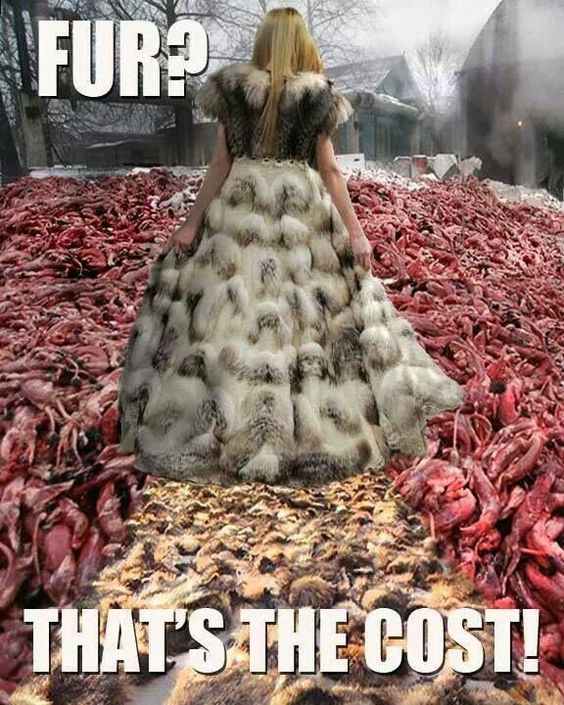
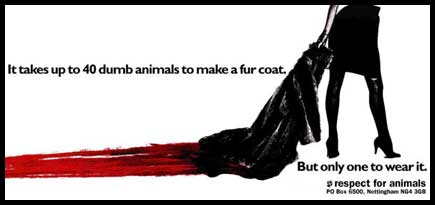
A single, full-length coat made from chinchilla fur may require as many as 150 pelts, as chinchillas are relatively small. Though it is illegal to hunt wild chinchillas in South America, the wild animals are now on the verge of becoming extinct because of continued illegal hunting. Domesticated chinchillas are still bred for fur.
Serbian campaigners asked the Ministry to provide CITES documentation proof for the import of every animal which was not born in Serbia; but instead imported into Serbia. CITES is the ‘Convention on International Trade in Endangered Species’ of Wild Fauna and Flora, also known as the Washington Convention) is a multilateral treaty to protect endangered plants and animals.
They also asked for photo documentation of the conditions under which animals were being kept on fur farms in Serbia. This was to take into account the water provided and what was done with ‘dirty’ water from the farms; the methods of killing used on each farm and also what chemicals (including their waste products) were used on each farm. Lots of very specific and detailed information was requested.
Now we are very pleased to launch the petition to keep the Serbian ban from 1/1/19.
Here is the link on the Respect for Animals site which you sign.
Please note that after you have given a few basic details to sign, you will also need to complete the Verification code which is shown before you can send the petition in your name. This is important and must be done to add your name to the petition.
Please crosspost the petition link to all your contacts and get them to sign.
Thanks SAV, Slavica and ‘Respect for Animals’.
Potpišite ODMAH i podržite zabranu uzgoja životinja radi krzna u Srbiji!
Zbog nedavnog velikog napretka pokreta protiv krzna u Srbiji, industrija krzna trenutno vrši ogroman pritisak na Vladu Srbije kako bi se odložila zabrana uzgoja životinja radi krzna (koja treba da stupi na snagu 1.1.2019. godine) – prateći primer Bosne.
Na skorašnjem sastanku Odbora za poljoprivredu, šumarstvo i vodoprivredu Narodne skupštine Srbije, održanom 20. februara 2018, šireni su propaganda i dezinformacije u vezi sa uzgojem činčila radi krzna. Pošto bi se glasanje Skupštine u vezi sa amandmanima moglo odviti kroz par nedelja, moramo biti brzi. Već smo pisali srpskim političarima, a srpskom parlamentu je poslato i pismo od strane Fur Free Alliance – međunarodne koalicije za borbu protiv krzna.
Potrebna nam je vaša pomoć u potpisivanju pisma ambasadi Srbije kako bismo zajedno ubedili Vladu Srbije da ostane pri Zakonu o dobrobiti životinja iz 2009. i proglasi kraj uzgoju životinja radi krzna 1.1.2019. godine.
Uzgajivači krzna u Srbiji hoće da odlože zabranu za 10 GODINA. Molimo Srbiju da proglasi kraj ove industrije koja se osuđuje širom sveta (na osnovu prethodnog dogovora) do 1. januara 2019. U ime životinja koje pate, PRIDRUŽITE NAM SE.
PISMO AMBASADI SRBIJE: CEO TEKST (letter of the Embassy of Serbia: full text )
Obraćamo vam se u vezi sa zabranom uzgoja životinja radi krzna u Srbiji koja treba da stupi na snagu 1. januara 2019.
Uznemirilo nas je otkriće da je pomenuta zabrana bila predmet rasprave tokom redovnog sastanka Odbora za poljoprivredu, šumarstvo i vodoprivredu Narodne skupštine Srbije, održanog 20. februara 2018.
U skladu sa Zakonom o dobrobiti životinja 2009, zabrana uveliko osuđivane prakse uzgoja životinja radi krzna u Srbiji treba da stupi na snagu 2019. godine. Srpski uzgajivači krzna su, dakle, u prethodnih devet godina imali priliku da pređu na ekonomski stabilniju i održiviju delatnost. Bilo kakva promena prethodno dogovorenog zakona manje od godinu dana do isteka prelaznog perioda povlači ozbiljna pitanja u vezi sa srpskim zakonodavnim procesom.
Činjenica je da je, u poslednje dve decenije, 16 evropskih zemalja izglasalo zakone kojima se zabranjuje ili ograničava uzgoj životinja radi krzna, najskorije Češka i Nemačka. Zbog značajnih etičkih briga i ozbiljnih problema dobrobiti povezanih sa držanjem životinja radi krzna, zakon o potpunoj zabrani ove okrutne prakse usvojen je u Velikoj Britaniji, Austriji, Holandiji, Sloveniji, Hrvatskoj, Makedoniji, Češkoj i u dve regije Belgije, Valoniji i Briselu. Čak i u Norveškoj i Danskoj – srcima industrije krzna – zakonodavci su počeli sa preduzimanjem mera da ili potpuno (Norveška) ili delimično (uzgoj lisica radi krzna je zabranjen u Danskoj) zabrane industriju krzna, na osnovu interesovanja za dobrobit životinja. Mađarska je još jedna zemlja u kojoj je na snazi delimična zabrana uzgoja životinja radi krzna.
Zahvaljujući strožim regulacijama o dobrobiti životinja, uzgoj životinja radi krzna je u potpunosti iščezao iz Švajcarske i delimično iz Švedske, gde ni lisice ni činčile ne smeju biti uzgajane radi krzna. Skoro je Vlada Nemačke glasala za strože regulacije koje će do 2022. godine dovesti do zatvaranja farmi krzna u Nemačkoj. Nadalje, pregovori o zabranama farmi krzna još uvek se vode u Poljskoj, Luksemburgu i Belgiji.
Ankete javnog mnjenja konzistentno pokazuju da većina građana zemalja Evrope uzgoj životinja radi krzna smatra neprihvatljivim. Postoji porast svesti o pitanjima dobrobiti životinja i etičkim brigama o načinu na koji društvo iskorišćava životinje. Stoga je od izrazite važnosti da su političke diskusije u vezi sa uzgojem činčila faktualno tačne i naučno potvrđene.
I kratkorepa i dugorepa činčila su na IUCN listi kritično ugroženih vrsta (IUCN – Međunarodna unija za očuvanje prirode i prirodnih resursa). Kratkorepe činčile se smatraju istrebljenim iz Bolivije i Perua, ali se naslućuje njihovo obnavljanje u drugim područjima. Godine 1996. preostale su samo 42 kolonije dugorepih činčila, a od tada je populacija samo opadala. Tvrdnja industrije da uzgoj činčila radi krzna doprinosi očuvanju vrste netačna je, zapravo je trgovina krznom ta koja je odgovorna za smanjenje broja jedinki vrste.
Pošto su činčile jedine životinje koje se drže radi krzna u Srbiji, važno je uzeti u obzir naučne činjenice o uzgoju činčila onda kada se zakon o uzgoju životinja radi krzna stavlja na kocku. Veliki broj veterinara i stručnjaka za dobrobit životinja se slaže da je nemoguće osigurati dobrobit činčila na farmama. Držanje činčila u malim kavezima sprečava ih da trče i skaču (ponašanje specifično za činčile), i da se upuštaju u društveno ponašanje koje bi zadovoljilo njihove prirodne potrebe. Mada su činčile u prirodi monogamne, pod uslovima farmi krzna ženke su prisiljene na parenje sa velikim brojem mužjaka, tako što im se stavljaju ’’ogrlice za poligamnost’’ koje ih sprečavaju u kretanju. Nadalje, neprirodni uslovi u kojima se činčile drže i razmnožavaju prouzrokuju stres, abnormalno stereotipno ponašanje, strah, reproduktivne poremećaje i uginuće potomstva.
Prirodni životni vek činčila je između 10 i 20 godina, međutim činčile uzgajane radi krzna u proseku žive 8 meseci. Kako bi se sprečilo oštećenje kože i dlake, činčile se na srpskim farmama ubijaju strujnim udarom, metodom koja se uveliko smatra nehumanom.
Životinjsko krzno nije neophodan modni proizvod i ne može se proizvesti na etički prihvatljiv način. Životinje uzgojene radi krzna drže se u malenim žičanim kavezima čitavih njihovih života i ubijaju se nehumanim, bolnim metodama. U društvu današnjice, moderni potrošači su sve svesniji problema dobrobiti životinja na farmama krzna i nisu voljni da kupuju proizvode ekstremne okrutnosti prema životinjama. Kao posledica toga, sve veći broj internacionalnih modnih kuća se posvećuje izostavljanju životinjskog krzna iz svojih kolekcija.
Podstičemo vas – Srbiju – da ostanete pri svom zakonu o zabrani uzgoja životinja radi krzna. Molimo vas da podržite želje javnosti i političara koji su glasali u korist Zakona o dobrobiti životinja 2009. i u svojoj zemlji – kako je prethodno dogovoreno, do 1. januara 2019 – okončate ovu industriju koja se osuđuje širom sveta.
Posted on March 17, 2018 by Serbian Animals Voice (SAV)
Sister City Campaign – Daegu & Milwaukee
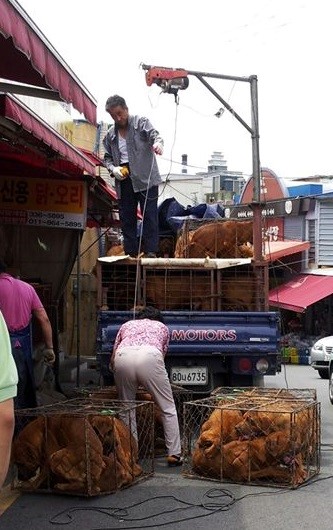
Daegu became Sister city with Milwaukee on August 23, 2017. In Daegu, there are countless dog farms, slaughterhouses, markets and restaurants where the dogs, who are tortured their entire lives, end up being slaughtered in the most inhumane ways, such as by electrocution, hanging or beating; and then thrown into boiling water – sometimes while they are still alive.
In many places, dogs are being killed in full view of other terrified, caged dogs; and this takes place in public and in broad daylight. In addition, many abandoned and stolen former pets end up in this industry, and are subjected to the same cruelty.
Please take action to urge Milwaukee Mayor and Common Council members to help end their new Sister City’s illegal and horrendous cruelty.
Pet shop of horrors – 79 dogs found dead,
many more left to starve by a heartless pet shop owner
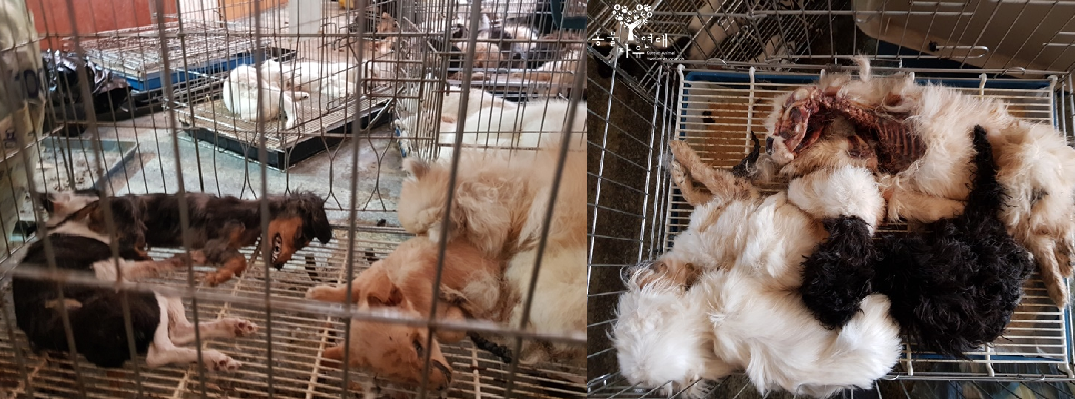
A heartless pet shop owner in Cheonan Dongnam-gu district is reported to have neglected a total of 160 dogs, causing the death of 79 of them because he did not want to spend any more money on them.
Many corpses were found in a significant state of decomposition, with their skulls and ribs fully exposed. The remaining 80 surviving dogs, were clearly starving and many found diseased. Astoundingly the pet shop is also reported to have been offering an adoption service to clients, promising to find new homes for these unfortunate animals!
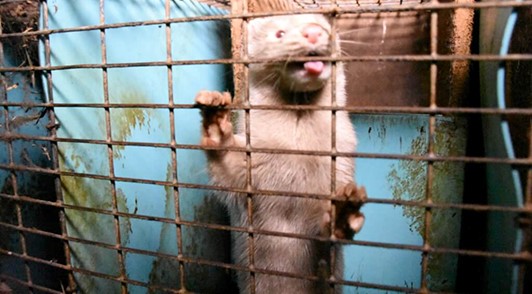
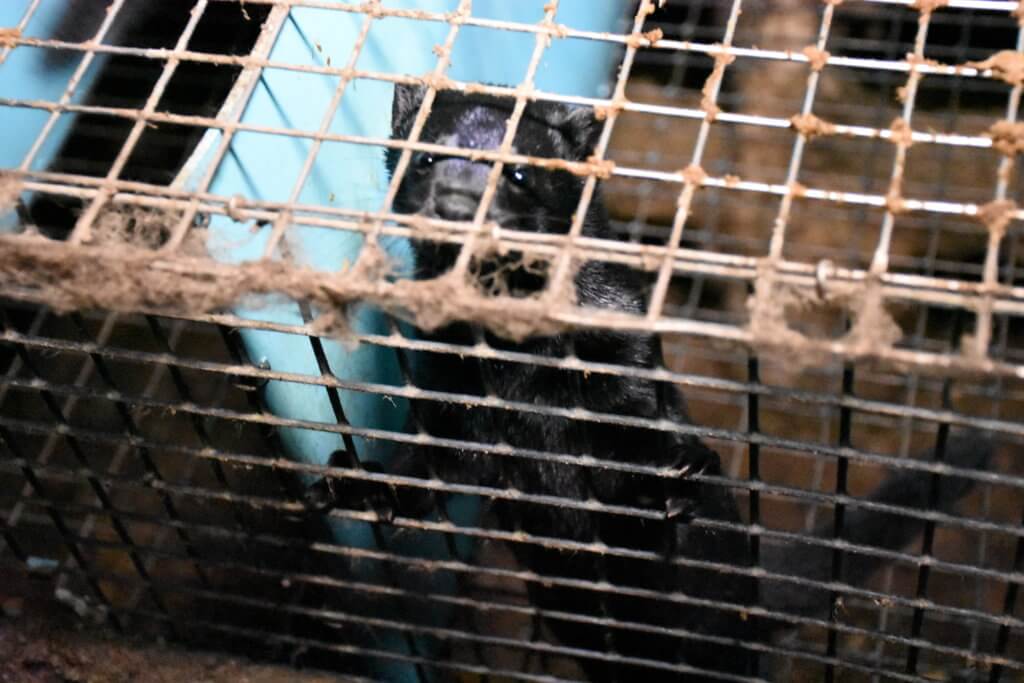
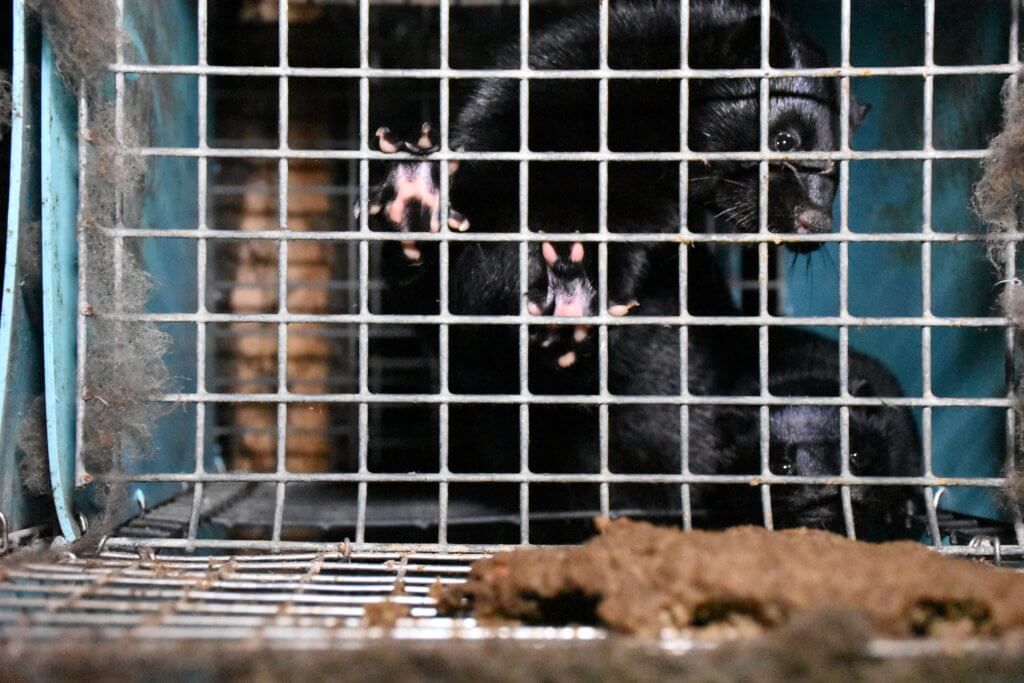
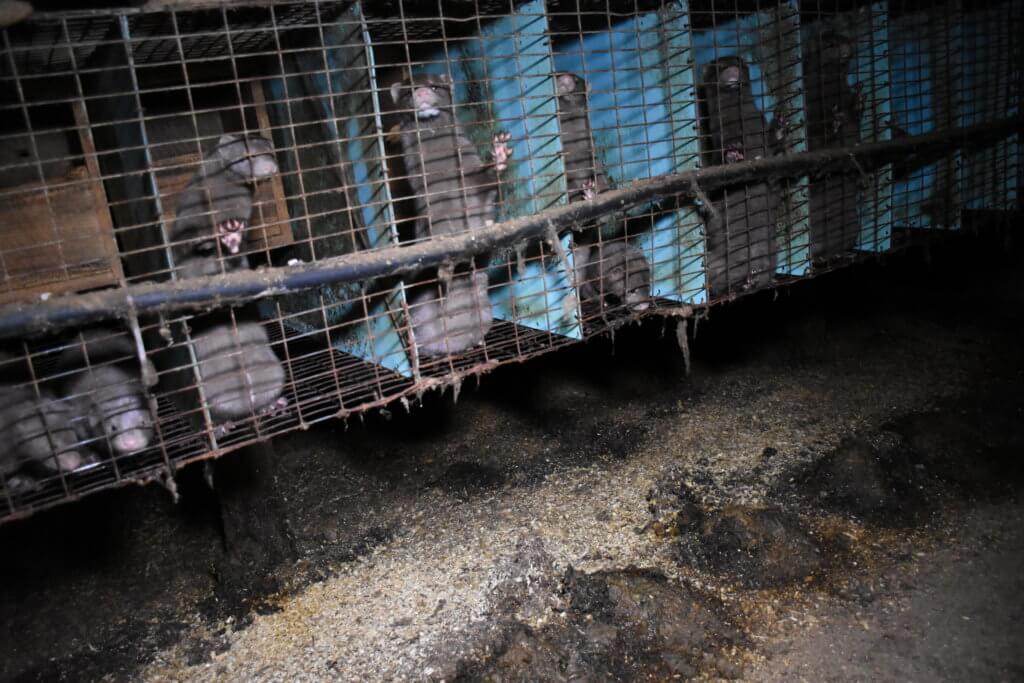
A new exposé reveals the abusive treatment on five mink fur farms in Canada, where an eyewitness documented filthy conditions, including piles of feces and pools of waste teeming with maggots just beneath the animals’ wire cages, which were covered with cobwebs. The intensive confinement caused some animals to exhibit symptoms of “zoochosis,” or captivity-induced insanity, including pacing, circling, and gnawing on cage bars. Live minks had to live with a dead cagemate in their midst.
Watch the video:
Help minks and other animals who suffer intensely in the fur trade by urging Dolce & Gabbana—which sells fur from minks, foxes, rabbits, beavers, and other animals—to drop it immediately. Together, we can make a difference.
Thank you for your compassion for animals.
Sincerely,
Danielle Katz
Associate Director of Campaigns
PETA
Spain – Woman films herself killing cat in washing machine and uploads clip online
A woman who filmed herself killing a cat in her washing machine and uploaded the footage to social media in a horrific act of cruelty could face jail.
The video, taken by an unnamed Spanish woman from Jaen, in Andalusia, was shared on Instagram
Former All Black stunned by animal abuse at annual event
Former All Blacks prop Steve McDowall has said he was unaware of any animal abuse before competing in the annual King’s Cup elephant polo tournament in Thailand.
PETA Asia shared video of the elephants being subjected to beatings with bullhooks on social media.
SIGN: Justice for Dog Who Died after being Forced to Fly in Overhead Bin
When a family boarded a United Airlines plane Monday with their beloved French bulldog, Kokito, they had no idea the flight would end in heartbreak.
A flight attendant insisted that the dog’s carrier be moved into the overhead bin at takeoff — even though the crate was TSA-approved, and the family had followed all airline rules. When the plane landed, Kokito was dead. And now, the family is in mourning over a tragedy that never should have happened.
Posted on February 27, 2018 by Serbian Animals Voice (SAV)
It’s a bit ‘parky’ here in the UK at the moment. Most of Europe is being hit at the moment by really cold conditions coming in from Siberia; which is being called ‘the beast from the East’.
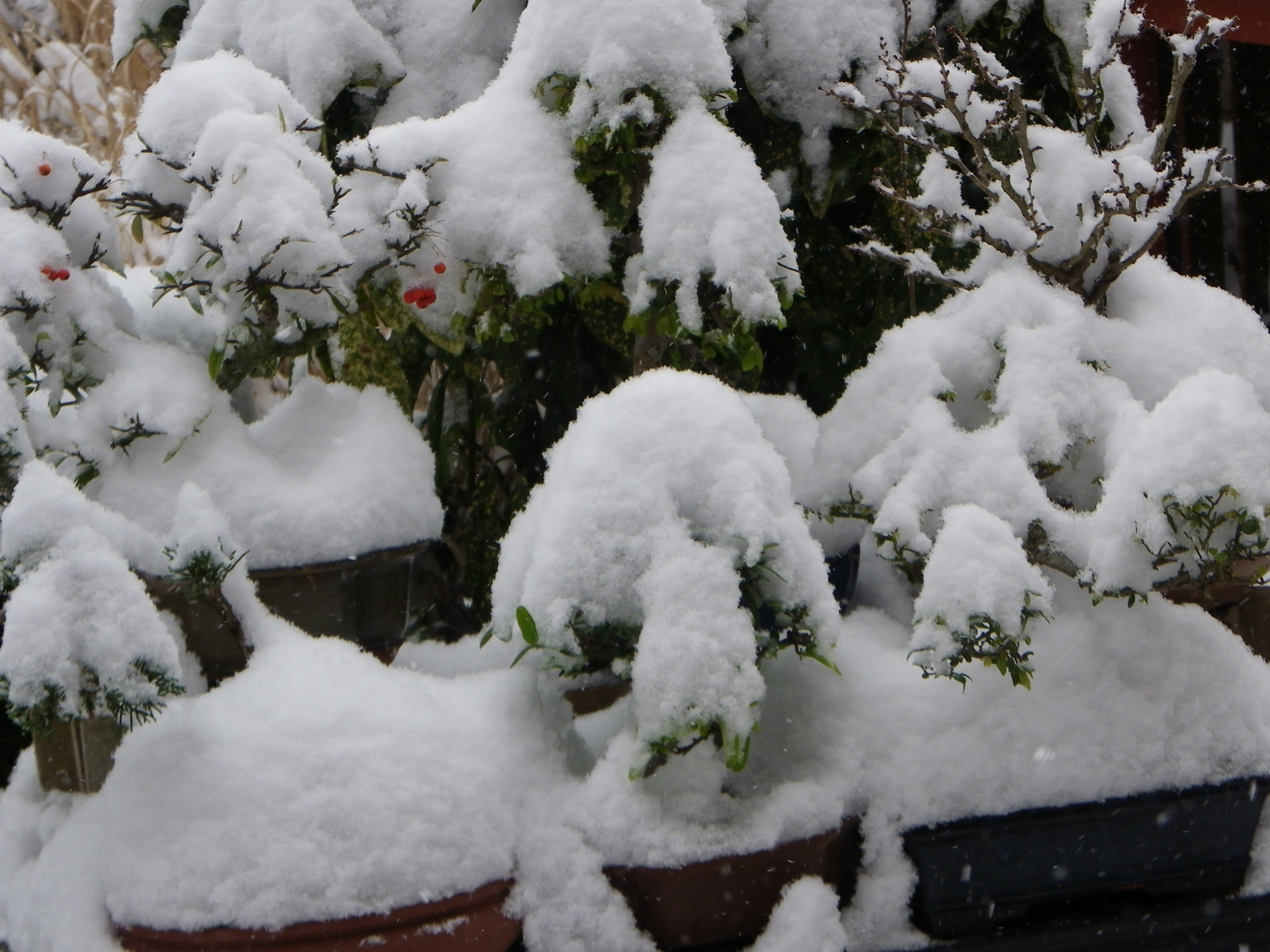
Here are a few pictures of our bonsai trees this morning; complete with snow.
We are not griping about it as we know many visitors to this site would dream of some good rain or snow conditions where they live; we appreciate that and feel very lucky that we have lots of rain and snow – which makes the UK the wonderful green environment which it is.
Please give a thought for all the strays in Serbia and Europe at this time.
Help them by visiting the following:
In parts of Serbia it will be down to -14 degrees at night.
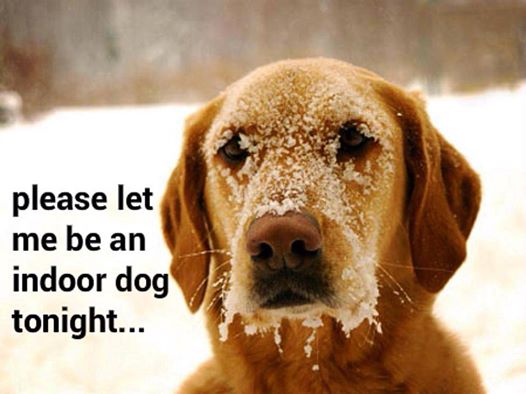
Stray dogs will be really suffering in this cold.
It costs 35 Euros to build and fully fit out a stray dog house with straw.
Here are a few other issues that possibly you could give your attention to today.
Hi Mark, this is the photo of the dogs who were illegally collected from the street in Vranje, Serbia and dumped on area where they leave garbage.
They were rescued by animal welfare org Borba za život – Vranje, which is just now fighting against Avenija MB, notorious dogs killers, March is tomorrow, with us Koalicija za Zivot Srbija No kill coalition.
The world should know about this, but, real facts, not these.
This is the article, original, not translated, but Serbian Animals Voice has nothing with it.
Massive decline in meat consumption, vegetarian restaurants double in 5 years in Shanghai
More and more people in China are switching to vegetarian food. In China, a country which is the world’s largest market for beef, pork, and poultry, eateries are going all vegan to encash this popular sentiment.
Han Lili, a Shanghai-based artist told PTI that the number of vegan restaurants has multiplied from 49 in 2012 to more than 100 last year in China’s largest city.
Almost 12 months ago you persuaded the European Parliament to vote against the worst cruelties in rabbit farming. Compassion supporters like you campaigned relentlessly to achieve this historic breakthrough. But, a year later, millions of rabbits are in the same cramped cages and filthy conditions.
Kent is the nearest county to Europe. During the second world war it was one of the major areas that was attacked by German bombers – and those heading to bomb London. Kent was the main county over which the Battle of Britain was fought. Because of this, and the fact that Kent has the ‘English Channel’ (one of the busiest sea lanes in the World) to the East and South, many aircrew were lost during the war on an area known as the ‘Goodwin Sands’ which lies a few miles off the coast. It has also been the location of many shipwrecks over the centuries which has resulted in the loss of hundreds of lives.
Thus, we are supporting a campaign to stop the Goodwin Sands from being dredged for its aggregate.
The Goodwin Sands are a string of sandbanks some 25 square nautical miles in size lying 3 miles off the Kent coast in the English Channel. They are a unique marine environment with an underwater cultural heritage to match.
But this precious habitat is under threat and time is not on our side!
Dover Harbour Board want to extract 2.75 million cubic meters of marine aggregate from the Goodwins (as they are known locally) because it is their cheapest option. The purchase price from the Crown Estate who own the seabed is less than from commercial sites, but they are further away. DHB cite the carbon footprint as a reason to take the aggregate from the Goodwins but in reality this is a smoke screen which can be mitigated in other ways.
DHB applied for their licence from the Marine Management Organisation in 2016. However, concerns about their proposal have been so great that we are now preparing for an unprecedented third six-week public consultation period, which will start sometime in late summer. A decision whether or not to grant the licence will be made any time after this, depending on the reactions received.
Save our Military Remains and Shipwrecks
A Spitfire flies off the Kent Coast
According to the Kent Battle of Britain Museum, there are at least 60 military air crash sites and the final resting places of 80 aircrew from 1940 alone lying buried in the Goodwin Sands area. There are 11 more Dornier 17 German bombers also lying buried somewhere on the Goodwins, identical to the one which was found by a local diver in 2008 and recovered with international press coverage in 2013.
The Goodwin Sands are known hold about 2,000 shipwrecks, many which were lost with all hands. These wrecks have the reputation for being extremely well preserved. The wreck of the Admiral Gardner lies close to the proposed dredging zone. She was an East Indiaman, built in 1797, which was stranded on the sands during a gale in 1809. Although there is a 300m exclusion zone around her, the impact and vibration caused by nearby dredging could still disturb or damage her.
Four other ships – also Protected Wrecks Sites – Northumberland, Restoration, Mary and Stirling Castle were all wrecked on the night of the Great Storm, 19th November 1703, with the loss of 1201 lives. They lie on the seabed adjacent to the proposed dredging zone.
Save our Sealife
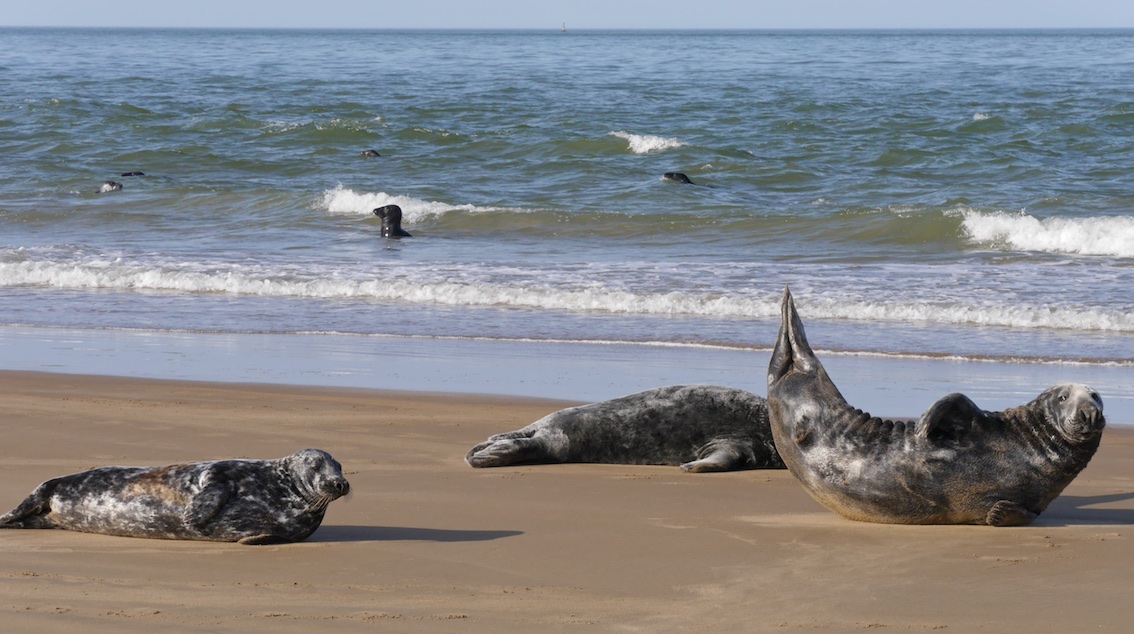
The Goodwins are home to a colony of 500 grey and harbour seals. They are also the spawning and nursery grounds of a variety of local fish and shellfish, with many shipwrecks providing a semi natural habitat. The Thornback Ray which is listed as ‘near threatened’ under the Wildlife and Countryside Act 1981 has frequently been sighted there.
The colony of seals use areas adjacent to the proposed dredging zone as their ‘haul out’ sites i.e. where they rest on land at low tide. The noise and vibration from the huge dredgers will disturb them in their natural habitat; there is also the possibility of them being injured by collision with the dredgers and propellors as they are naturally inquisitive creatures.
The sands provide shelter to ships in bad weather (in an anchorage known as The Downs) and to the Kent coastline by absorbing the waves’ energy as they pound in from the North Sea. At low tide a large proportion of the sands are exposed and waves can be seen crashing onto them from the shore.
For the airmen and mariners who are at rest on the Goodwin sands, please help save the Goodwin Sands and their neighbouring environment from the destruction of dredging by signing and sharing this petition today.
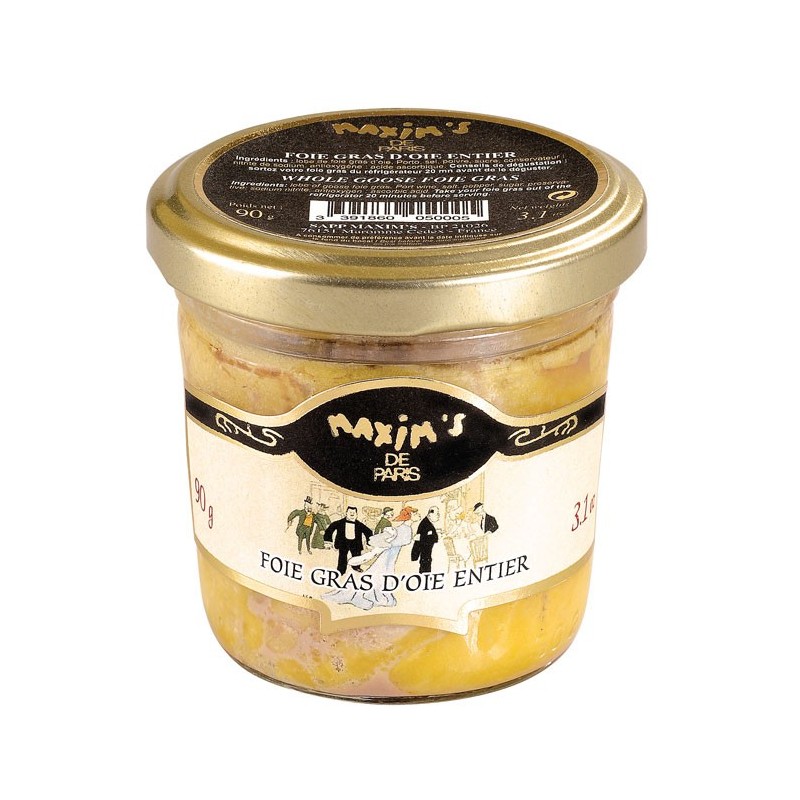
The UK does NOT produce Foie Gras thankfully. It imports it from mainland Europe.
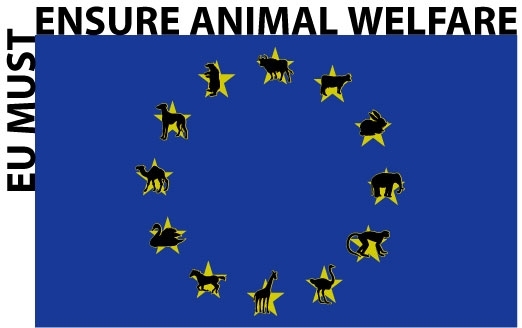
So, now the UK is getting out of the EU (big sense !) we have the chance to take back control and be a voice in the UK for animal welfare.
We have every chance once again of the UK becoming much better than the EU when it comes to animal welfare. UK citizens will ensure that.
Minister Michael Gove is very close to enforcing a complete ban on all Foie Gras coming into the UK.
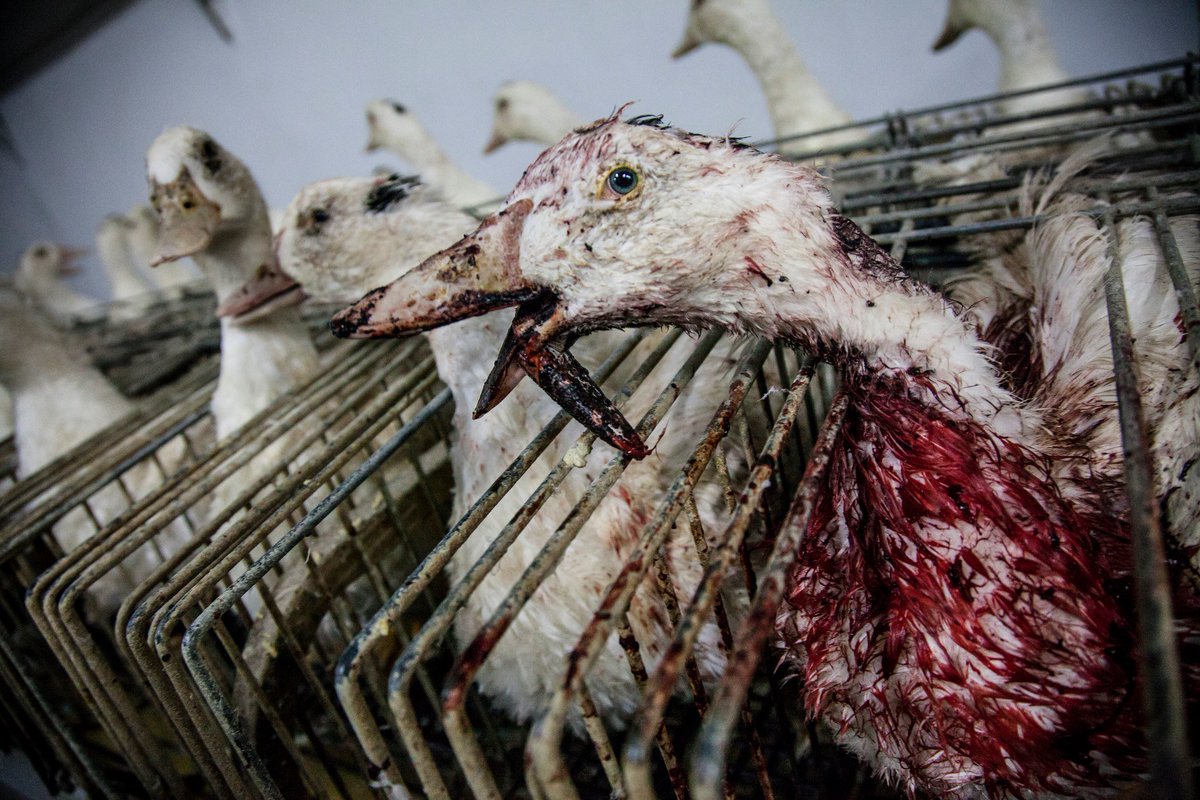
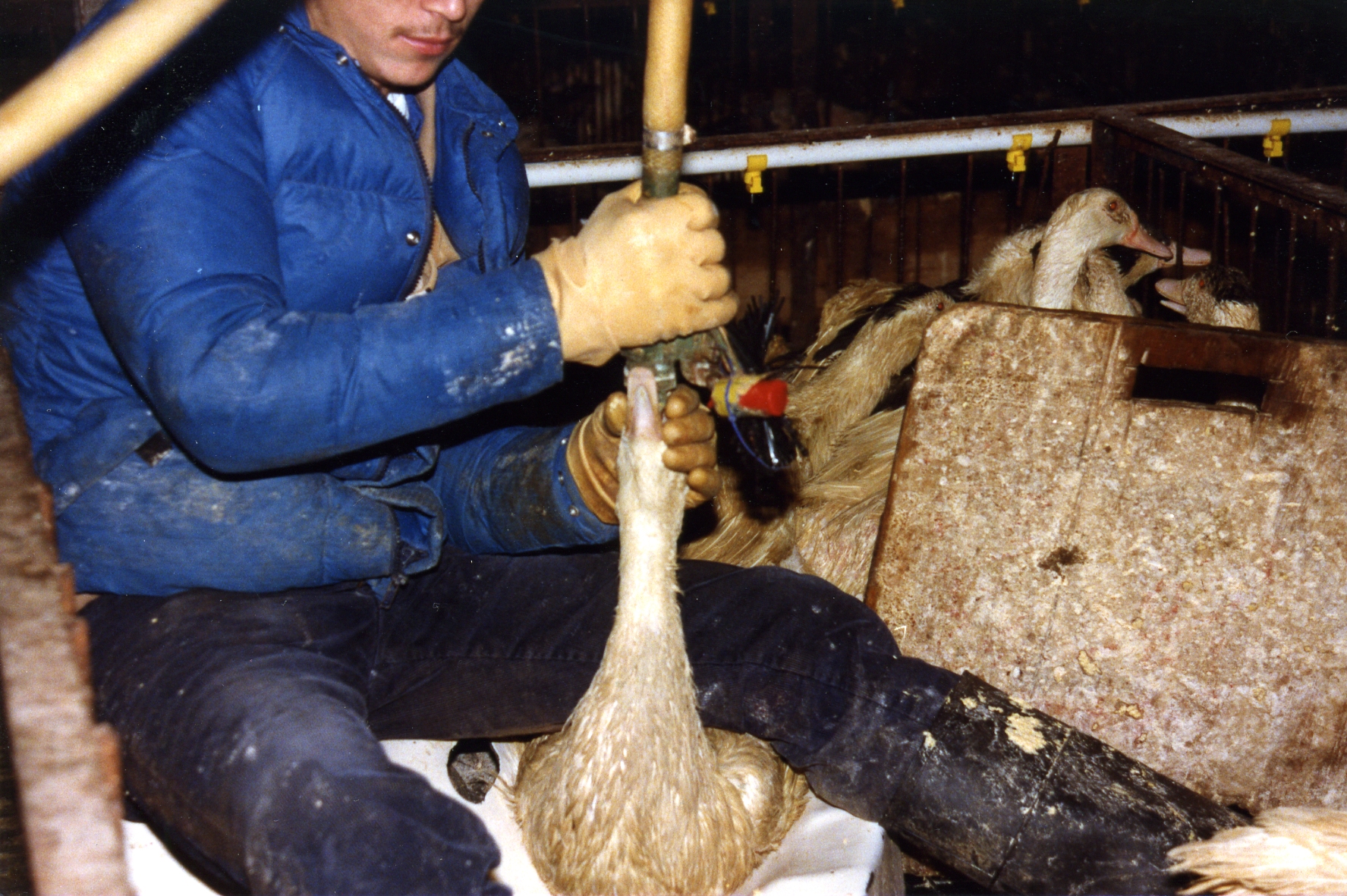
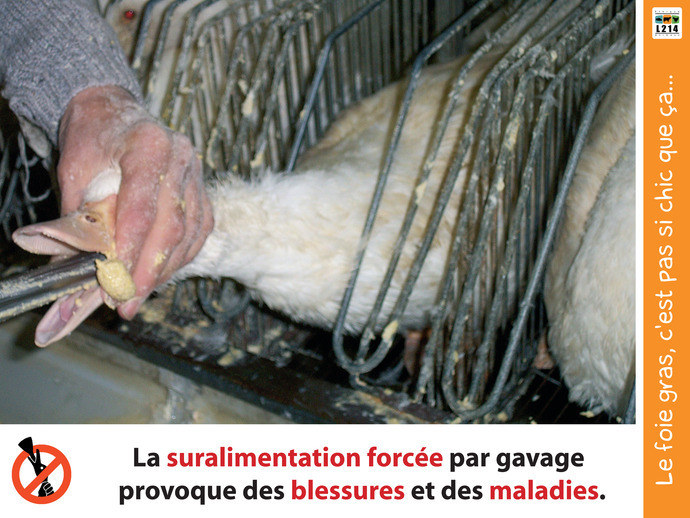
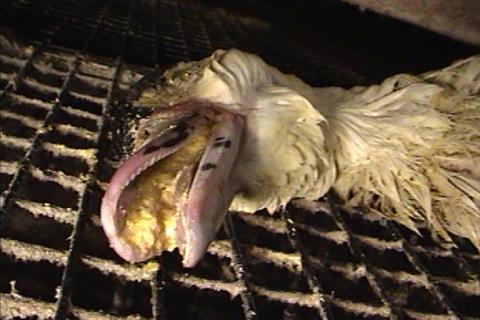
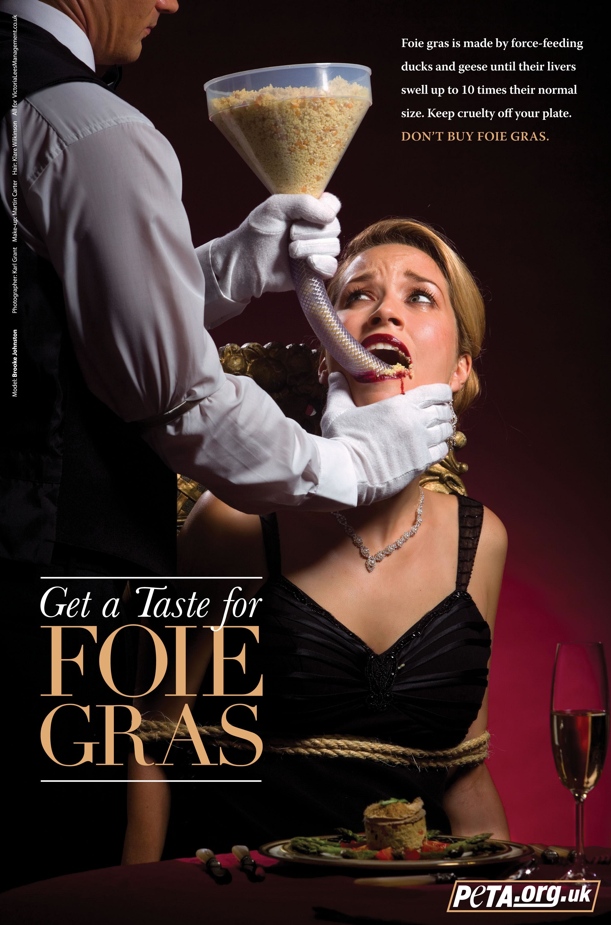
Please watch the video below and see what is involved in Foie Gras production – force feeding which causes the birds liver to swell up to 10 times its normal size. This liver is then sold on after slaughter to so called Gastronauts who take pride in eating this product which causes so much suffering for animals.
Now Disgusted ? – Please sign the petition after watching the video – and push to make the UK Foie Gras Free !
Petition Link – Please Sign and give support to Minister Gove.
Posted on February 21, 2018 by Serbian Animals Voice (SAV)
In our opinion, this result will show just how much the EU establishment actually listens to concerns and evidence of citizens, OR how much the big money corps pay to get their way.
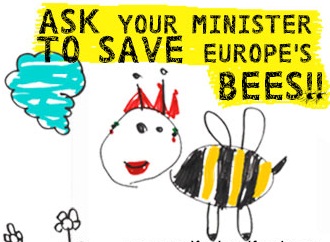
On 28 February, the European Parliament is expected to vote on a decisive resolution calling on the European Commission to protect the bees that are so vital to Europe’s food security and ecological balance.
The outcome of this vote could determine the fate of bees in Europe.
The European Commission is considering a groundbreaking Europe-wide ban on bee-killing neonicotinoid pesticides — but if the European Parliament takes a stand against it, then chances of the ban going forward are slim.
We have just 7 days left to convince European Parliamentarians to pass this crucial resolution and to increase the pressure, we’re launching a hard-hitting ad campaign in influential Brussels media outlets.
Together, SumOfUs members have been at the forefront of the global battle to protect bees. We helped push the French government to put in place the strongest ban on bee-killing pesticides to date, and we’ve continued to work together to defend it from major corporations like Dow Chemical. Our collective action has convinced major retailers to stop selling of neonics in places like the United States and Australia.
Now, we’re closer than ever to protecting bees in all EU countries — where around 84% of plant species and 76% of food production depends on pollination. With bee colonies in decline by more than 50% in some European member states, we have no time to lose.
The decision to ban dangerous pesticides in Europe is within our grasp. And, this resolution from European Parliamentarians could tip the scales.
“Save the bees” ad campaign to convince MEPs to vote in favour of the resolution to protect bees?
Please click here to donate to this campaign which is now in its vital remaining days:



















 Serbian Animals Voice (SAV)