Posted on March 30, 2018 by Serbian Animals Voice (SAV)
Subject: For the animals every day is a ‘Good Friday’
“Easter triumph of Love, Pessach holy …”
Easter is coming in a few days, like every year.
And it is always accompanied by some thousands of tons of blood and flesh of massacred animals creatures, so that we do not forget a bloodthirsty tradition which although is not ours, anyway and because of our insatiable oral lust, even unites us with all religions, when it comes to the tasteful treats of animal corpses.
“Easter! day of joy and love, corpse eaters of all countries, unite! “
May be, in no other holiday season do we find such shocking and inhuman expressions as in the “celebration of Love”: “milk lamb, with neat tender meat like butter, from free country attitude, 3 euros a kilo”!
And while they are almost all busy finding the best corpse at the best price to sign an outdated religious tradition with the blood dripping from the mouth of the contract obedience, some others are standing at the opposite, and thinking with disgust: “I could puke”.
Not just some sensitive philosophies, some reactionary.
The advanced are these, the innovators, some ethically developed people, the deniers of violence, pain, animal crime, – those who do not participate in the circus of Easter bloodshed this day.
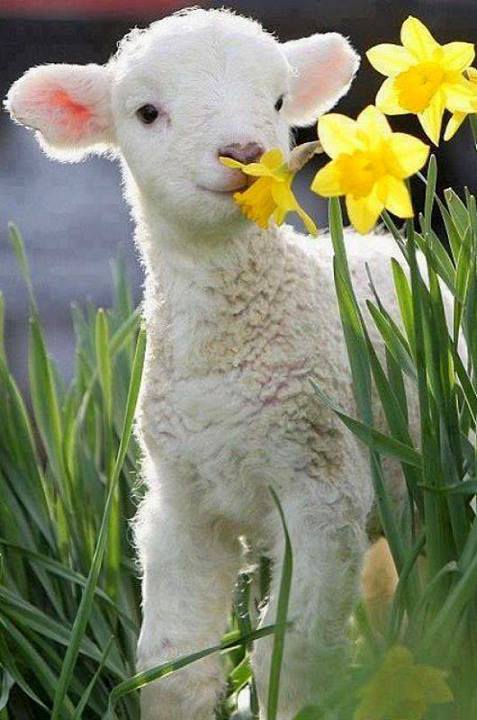
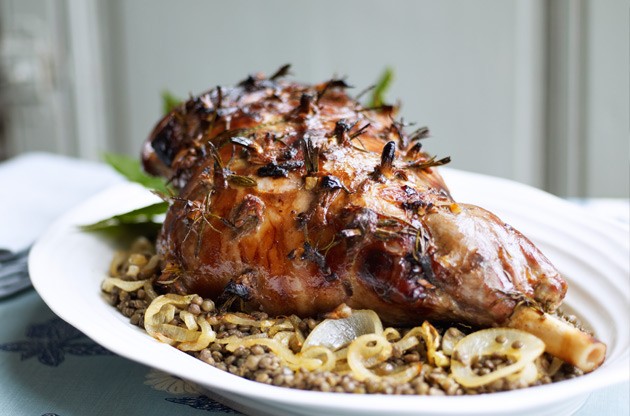
Easter Lamb – Take Your Choice !
To them I address today my message!
Do not waste indignation and anger on the empath less people, the unworthy, the barbarian.
Do not give up your principles, because you are afraid to be excluded from the festive table.
It is not your duty to give a “logical” answer as to why you are not eating the same as the corpse eaters at Easter.
We are not the ones who have to explain why we are not murdering, why we do not torture, why we do not deprive the lives of some creatures with the fascist logic of the stronger.
These other are the killers, they must be accountable.
Against the thousands of babies who, with their consent, are slaughtered raw and unconscious in the name of love, and in the name of a god.
And if some of them would call the slaughter of the lamb at Easter as a symbol of honor to Christ, who was crucified for us, I would answer them that Christ chose it alone, but nobody asked the lamb.
We, therefore, who stand on the opposite side, the observers of this shameful and unjust slaughterhouse of this day, are not alone, we are many.
A billion vegetarians and vegans live on the planet, a billion people who refuse to fill their stomachs with animal corpses.
And every day we grow stronger.
“Do not kill” says the fifth commandment and up to date it concerns only murder of human beings.
We have extended this commandment and also kept it for non-human animals.
That’s why we will give lives in this Easter, in this year again, we will not waste lives because of some ‘tradition’.
Consequent with the rules of an anti-racist ethics that recognizes and respects the right to life, freedom, joy for every living being.
I wish all readers and friends from SAV a bloodless Easter;
Venus
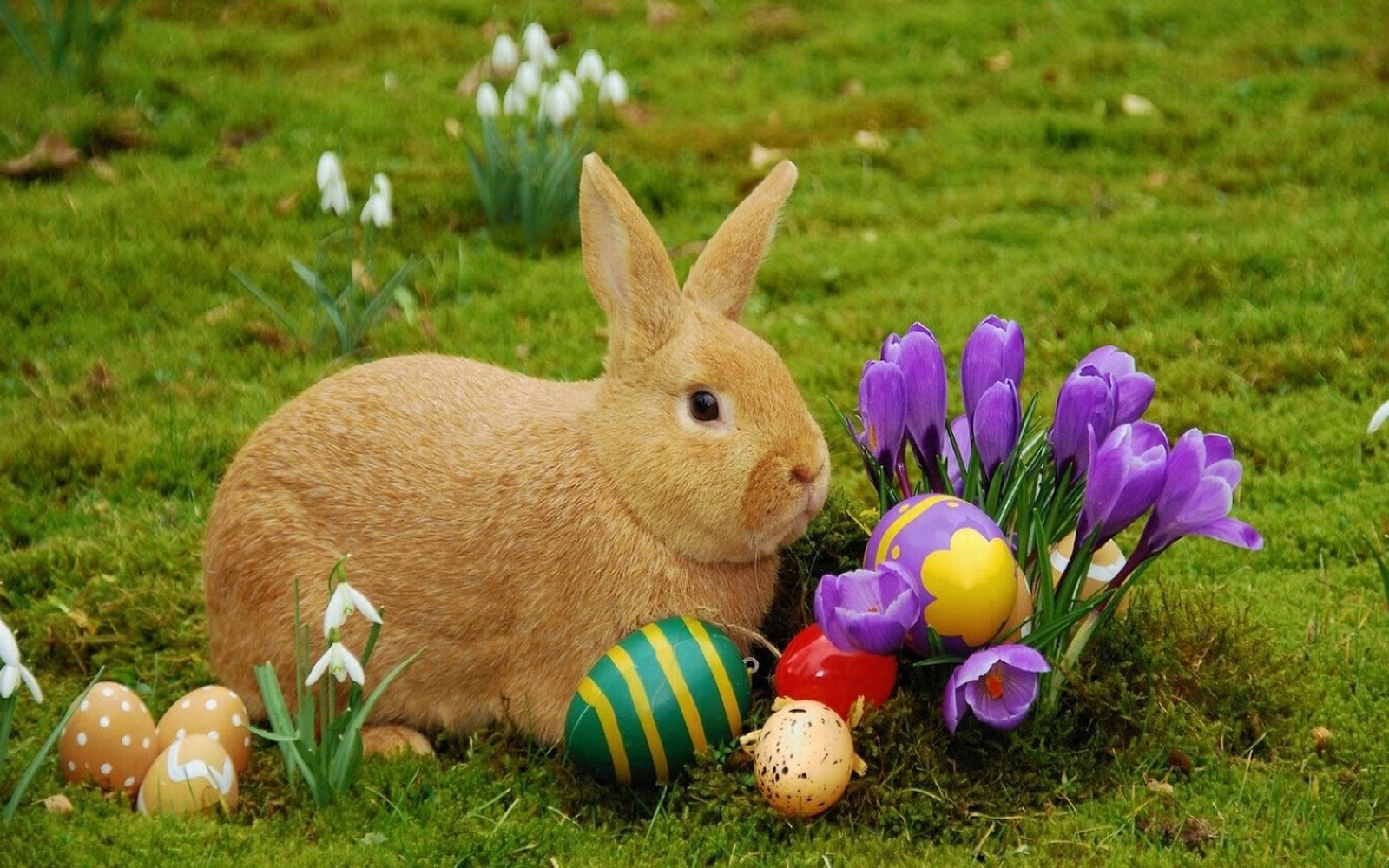
Above – Easter Bunny
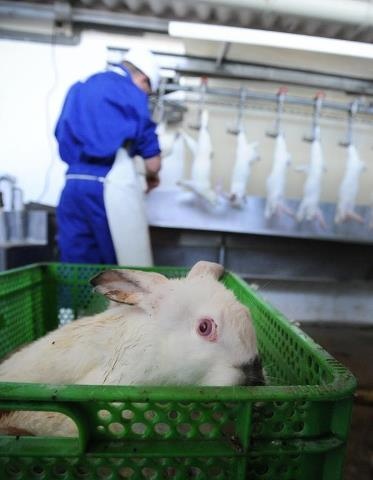
Below – Easter Slaughter.
Children Enjoy The Results Of Their Easter Bunny Hunt
we are inviting everyone to make immediate contact with the Serbian embassy in ’their’ nation to send a letter of protest. Use the links below to find ’your’ embassy in your country. This is followed by a Sample Letter which you can copy; or amend as required.
To find your national Serbian embassy; contacts and their e mail addresses; use the following sites:
SAMPLE LETTER TO COPY AND SEND; or amend to your own requirements.
To ???? – this will depend on the nation in which you live and ‘your’ Serbian embassy.
Ambassador of Serbia
URGENT REQUEST :re the Serbian ban on fur farming that is to take effect
Excellency,
We are writing with regard to the Serbian ban on fur farming that is to take effect on January 1st 2019. We were alarmed to find that the Serbian legislation to end fur farming was discussed during a regular meeting of the Sector for Agriculture, Forestry and Water Management of the National Assembly of Serbia, held on 20 February 2018. In accordance with the Animal Welfare Act 2009, the Serbian ban on the widely-condemned practice of fur farming is due to become effective in 2019. In the last nine years Serbian fur farmers have thus been given the opportunity to transition to a more economically stable and sustainable industry. With less than one year left before the transitional period runs out, any change to the previously agreed upon legislation would raise serious questions regarding the Serbian legislative process.
The fact is that, in the last two decades, 16 European countries have voted for legislation to end or limit fur farming, most recently the Czech Republic and Germany. Due to the significant ethical concerns and serious animal welfare problems associated with fur farming, legislation to ban the cruel practice entirely has been passed in the United Kingdom, Austria, The Netherlands, Slovenia, Croatia, the Republic of Macedonia, Czech Republic and in the Walloon and Brussels regions of Belgium as well as in San Francisco and other cities in the United States, which recently banned entirely the sale of fur. Even in Norway and in Denmark – the heartlands of the fur farming industry – legislators have taken steps, to either ban the industry entirely (Norway) or partially (fox farming is banned in Denmark), on the grounds of animal welfare. Hungary is another country where a partial ban on fur farming is in place.
Due to stricter welfare regulations, fur farming has been entirely phased out in Switzerland and partially phased out in Sweden, where neither foxes nor chinchillas can be bred for fur. Recently the German government voted for stricter regulations that will see fur farms in Germany close their doors by 2022. Furthermore, debates on fur farming bans are currently ongoing in Poland, Luxembourg and Belgium. Public opinion polls consistently show that fur farming is considered unacceptable by the majority of citizens in countries across Europe. There is an increasing awareness on animal welfare issues and ethical concerns on the uses to which animals are put in society. It is therefore of upmost importance that political discussions on chinchilla farming are factually correct and supported by science. Both the short-tailed chinchilla and the long-tailed chinchilla are listed as critically endangered species on the International Union for Conservation of Nature and Natural Resources List of Threatened Species. Short-tailed chinchillas are considered to be extinct in Bolivia and Peru, but are suspected to be recovering in other areas. In 1996, there were only 42 colonies of long-tailed chinchillas left, and the population has declined ever since. The fur industry’s claim that breeding chinchillas for fur benefits the conservation of the species is incorrect, indeed it is the fur trade itself that is responsible for the depletion of the species.
Given the fact that chinchillas are the only animals raised for fur in Serbia, it is important that scientific facts on chinchilla farming are taking into consideration when fur farming legislation is at stake. A large number of veterinarians and animal welfare experts agree that it is impossible to ensure the welfare of chinchillas in factory farms. Keeping chinchillas in small cages prevents them from running and jumping (a species-specific behavior of chinchillas), and from engaging in social behavior that would satisfy their natural needs. Although chinchillas in nature are monogamous, under fur farming conditions they are forced to mate with multiple males, by wearing a polygamous necklace that restrains them from moving. Furthermore, the unnatural conditions in which chinchillas are kept and bred causes stress related abnormal stereotypical behavior, fear, reproductive disorders and offspring mortality. The natural life expectancy of chinchillas is between 10 and 20 years, but chinchillas bred for fur live 8 months on average. To prevent damaging their pelts, chinchillas are electrocuted on Serbian fur farms, a killing method that is widely condemned as inhumane.
Animal fur is a non-essential fashion product which cannot be produced in an ethical way. Animals bred for fur are kept in tiny wire mesh cages for their entire lives and killed by inhumane, painful methods. In today’s society, modern consumers are increasingly aware of the animal welfare problems on fur farms and are not willing to buy products of extreme animal cruelty. Consequently, an increasing number of international fashion houses are making commitments to drop animal fur from their collections.
We urge Serbia to stay true to your legislative commitment to ban the farming of animals for fur. We ask that you uphold the wishes of the public and the politicians who voted in favor of the Animal Welfare Act 2009 and end this internationally condemned industry from operating in your country, as previously agreed, by January 1st 2019.
Thank you for your attention to this very important and urgent matter.
Respectfully,
Your name and nationality (and e mail addy if you wish).
Posted on March 23, 2018 by Serbian Animals Voice (SAV)
We are not a specialist organisation which campaigns against the fur trade; but we do know a few who do ! – we have always supported a fur farming ban anywhere and everywhere; as you can see on this site. So when the issue of problems with the proposed Serbian fur farming ban came up; we were happy to become involved and call on our specialist friends to help us with a campaign. Here is the result:
For many, many weeks now, SAV have been directly working covertly with specific Serbian campaigners; the leading UK anti fur organisation; ‘Respect for Animals’ http://www.respectforanimals.org/ and the ‘Fur Free Alliance’ https://www.furfreealliance.com/ regarding the situation for animals used in fur production in Serbia.
By current legislation, Serbia is supposed to ban fur farming from 1/1/19. Effectively it has the rest of this year (2018) to be allowed to continue with fur farming. After that the ban should come nationally into force. The Serbian law for animal welfare states that under Article 89; the breeding of animals for fur production is forbidden from 1/1/2019.
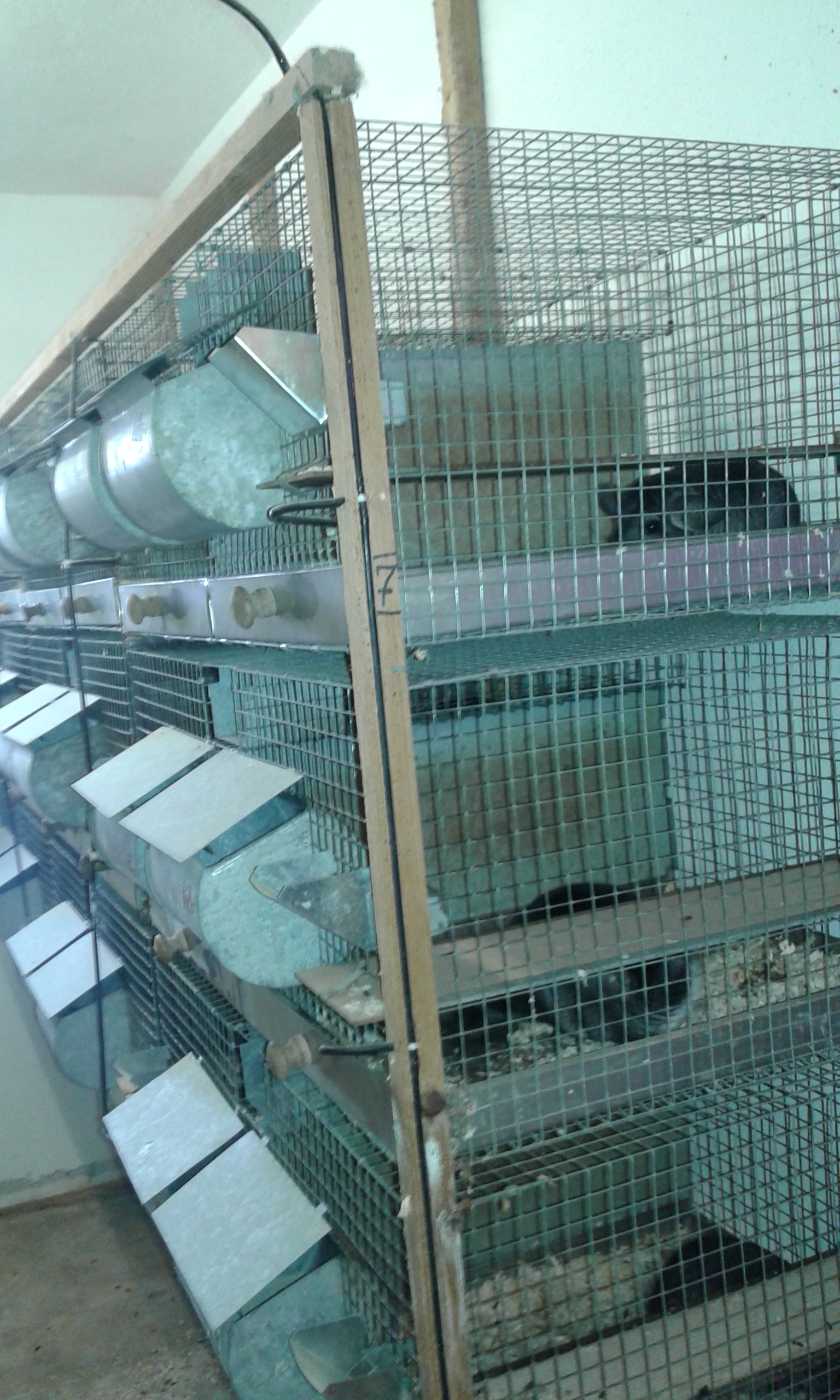
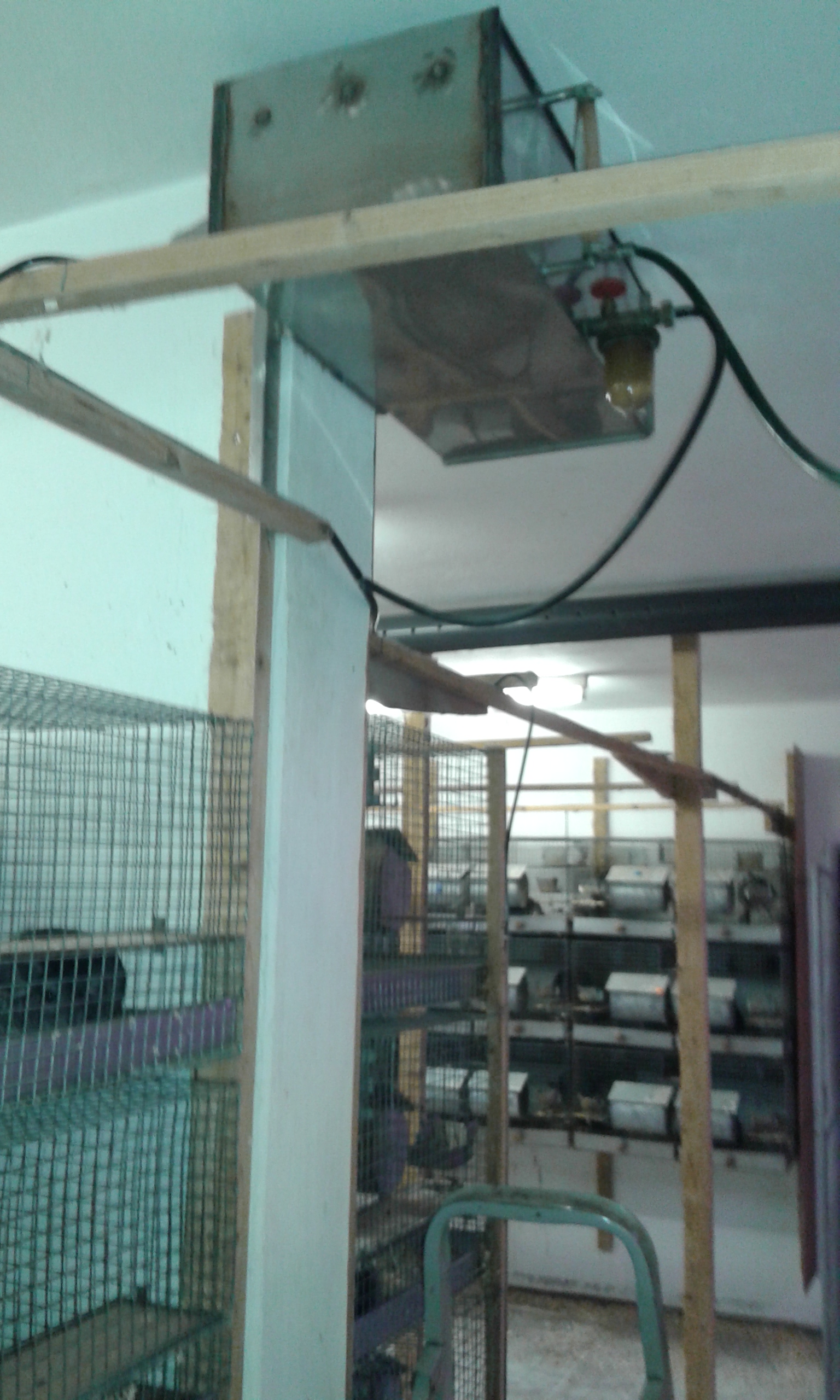
Above and below – Inside a Serbian Chinchilla Fur Farm.
Despite the industry having the past 10 years to accept and undertake changes in accordance with the legislation banning fur farming; some politicians and all of the fur breeders in Serbia want the law to be changed; effectively banning the ban. One MP, and the person who is also the President of the Committee for Agriculture, Mr Marijan Risticevic. wants the proposed ban to be stopped and for fur farming to continue after 1st January 2019. Effectively they want to change national Article 89 legislation after 9+ years specifically for their own interests.
According to the animal welfare law of 2009 to which the fur ban relates; Article 7 point 37 declares that the BAN on the breeding of animals for fur (Article 89) will commence on 1/1/2019.
As animal welfare campaigners; we are fighting for the fur ban to remain in place for the 2019 introduction. After all, the industry has had 9+ years to date now to prepare itself for the ban.
Firstly, we need to give some information on fur farms within Serbia:
According to information we have, there are currently 32 Chinchilla farms in Serbia where the animals are used for fur (garment) production. Each of these farms has different numbers of animals; but 2,500 (per farm) is not uncommon.
We can say the fur farms above seem to be officially documented by the Ministry as fur farms. What does not appear to be documented is:
The maximum capacity for each of the farms; and how many animals are actually kept there at the present time
There appears to be nothing written about the origin of the animals kept on the farms (see CITES etc below); including their sex; where they are skinned or what is done with the animal carcass after the pelt has been removed. The issue of carcass disposal is important as it may relate to contamination of water tables used for human water consumption.
An original request was made for work permit information of all these farms back in June 2015. It was only in August 2017 that the information requested was provided by the Serbian Ministry of Agriculture; even then only after the Commissioner for information of public interest demanded that the Ministry forwarded this information.
Serbian campaign group EPAR asked that the veterinary inspection section of the Ministry to visit all of the 32 fur producing farms
From the visits, they also asked that the government inspection team(s) establishes the origin of each individual Chinchilla animal and the origin of the first pair of chinchillas at each farm.
Chinchilla it must be remembered is an ‘Alohtone’ species to Serbia; which means that it is not natural to Serbia. Alhotone species have come into human activity within Serbia; and as such, they are living outside of their native or natural distribution range. In other words, Chinchilla used for fur production in Serbia are not a native animal species within Serbia.
Chinchilla are native to the Andes mountains regions of South America.
The chinchilla has the densest fur of all mammals that live on land. The chinchilla is named after the Chincha people of the Andes, who once wore its dense, velvet-like fur.
A single, full-length coat made from chinchilla fur may require as many as 150 pelts, as chinchillas are relatively small. Though it is illegal to hunt wild chinchillas in South America, the wild animals are now on the verge of becoming extinct because of continued illegal hunting. Domesticated chinchillas are still bred for fur.
Serbian campaigners asked the Ministry to provide CITES documentation proof for the import of every animal which was not born in Serbia; but instead imported into Serbia. CITES is the ‘Convention on International Trade in Endangered Species’ of Wild Fauna and Flora, also known as the Washington Convention) is a multilateral treaty to protect endangered plants and animals.
They also asked for photo documentation of the conditions under which animals were being kept on fur farms in Serbia. This was to take into account the water provided and what was done with ‘dirty’ water from the farms; the methods of killing used on each farm and also what chemicals (including their waste products) were used on each farm. Lots of very specific and detailed information was requested.
Now we are very pleased to launch the petition to keep the Serbian ban from 1/1/19.
Here is the link on the Respect for Animals site which you sign.
Please note that after you have given a few basic details to sign, you will also need to complete the Verification code which is shown before you can send the petition in your name. This is important and must be done to add your name to the petition.
Please crosspost the petition link to all your contacts and get them to sign.
Thanks SAV, Slavica and ‘Respect for Animals’.
Potpišite ODMAH i podržite zabranu uzgoja životinja radi krzna u Srbiji!
Zbog nedavnog velikog napretka pokreta protiv krzna u Srbiji, industrija krzna trenutno vrši ogroman pritisak na Vladu Srbije kako bi se odložila zabrana uzgoja životinja radi krzna (koja treba da stupi na snagu 1.1.2019. godine) – prateći primer Bosne.
Na skorašnjem sastanku Odbora za poljoprivredu, šumarstvo i vodoprivredu Narodne skupštine Srbije, održanom 20. februara 2018, šireni su propaganda i dezinformacije u vezi sa uzgojem činčila radi krzna. Pošto bi se glasanje Skupštine u vezi sa amandmanima moglo odviti kroz par nedelja, moramo biti brzi. Već smo pisali srpskim političarima, a srpskom parlamentu je poslato i pismo od strane Fur Free Alliance – međunarodne koalicije za borbu protiv krzna.
Potrebna nam je vaša pomoć u potpisivanju pisma ambasadi Srbije kako bismo zajedno ubedili Vladu Srbije da ostane pri Zakonu o dobrobiti životinja iz 2009. i proglasi kraj uzgoju životinja radi krzna 1.1.2019. godine.
Uzgajivači krzna u Srbiji hoće da odlože zabranu za 10 GODINA. Molimo Srbiju da proglasi kraj ove industrije koja se osuđuje širom sveta (na osnovu prethodnog dogovora) do 1. januara 2019. U ime životinja koje pate, PRIDRUŽITE NAM SE.
PISMO AMBASADI SRBIJE: CEO TEKST (letter of the Embassy of Serbia: full text )
Obraćamo vam se u vezi sa zabranom uzgoja životinja radi krzna u Srbiji koja treba da stupi na snagu 1. januara 2019.
Uznemirilo nas je otkriće da je pomenuta zabrana bila predmet rasprave tokom redovnog sastanka Odbora za poljoprivredu, šumarstvo i vodoprivredu Narodne skupštine Srbije, održanog 20. februara 2018.
U skladu sa Zakonom o dobrobiti životinja 2009, zabrana uveliko osuđivane prakse uzgoja životinja radi krzna u Srbiji treba da stupi na snagu 2019. godine. Srpski uzgajivači krzna su, dakle, u prethodnih devet godina imali priliku da pređu na ekonomski stabilniju i održiviju delatnost. Bilo kakva promena prethodno dogovorenog zakona manje od godinu dana do isteka prelaznog perioda povlači ozbiljna pitanja u vezi sa srpskim zakonodavnim procesom.
Činjenica je da je, u poslednje dve decenije, 16 evropskih zemalja izglasalo zakone kojima se zabranjuje ili ograničava uzgoj životinja radi krzna, najskorije Češka i Nemačka. Zbog značajnih etičkih briga i ozbiljnih problema dobrobiti povezanih sa držanjem životinja radi krzna, zakon o potpunoj zabrani ove okrutne prakse usvojen je u Velikoj Britaniji, Austriji, Holandiji, Sloveniji, Hrvatskoj, Makedoniji, Češkoj i u dve regije Belgije, Valoniji i Briselu. Čak i u Norveškoj i Danskoj – srcima industrije krzna – zakonodavci su počeli sa preduzimanjem mera da ili potpuno (Norveška) ili delimično (uzgoj lisica radi krzna je zabranjen u Danskoj) zabrane industriju krzna, na osnovu interesovanja za dobrobit životinja. Mađarska je još jedna zemlja u kojoj je na snazi delimična zabrana uzgoja životinja radi krzna.
Zahvaljujući strožim regulacijama o dobrobiti životinja, uzgoj životinja radi krzna je u potpunosti iščezao iz Švajcarske i delimično iz Švedske, gde ni lisice ni činčile ne smeju biti uzgajane radi krzna. Skoro je Vlada Nemačke glasala za strože regulacije koje će do 2022. godine dovesti do zatvaranja farmi krzna u Nemačkoj. Nadalje, pregovori o zabranama farmi krzna još uvek se vode u Poljskoj, Luksemburgu i Belgiji.
Ankete javnog mnjenja konzistentno pokazuju da većina građana zemalja Evrope uzgoj životinja radi krzna smatra neprihvatljivim. Postoji porast svesti o pitanjima dobrobiti životinja i etičkim brigama o načinu na koji društvo iskorišćava životinje. Stoga je od izrazite važnosti da su političke diskusije u vezi sa uzgojem činčila faktualno tačne i naučno potvrđene.
I kratkorepa i dugorepa činčila su na IUCN listi kritično ugroženih vrsta (IUCN – Međunarodna unija za očuvanje prirode i prirodnih resursa). Kratkorepe činčile se smatraju istrebljenim iz Bolivije i Perua, ali se naslućuje njihovo obnavljanje u drugim područjima. Godine 1996. preostale su samo 42 kolonije dugorepih činčila, a od tada je populacija samo opadala. Tvrdnja industrije da uzgoj činčila radi krzna doprinosi očuvanju vrste netačna je, zapravo je trgovina krznom ta koja je odgovorna za smanjenje broja jedinki vrste.
Pošto su činčile jedine životinje koje se drže radi krzna u Srbiji, važno je uzeti u obzir naučne činjenice o uzgoju činčila onda kada se zakon o uzgoju životinja radi krzna stavlja na kocku. Veliki broj veterinara i stručnjaka za dobrobit životinja se slaže da je nemoguće osigurati dobrobit činčila na farmama. Držanje činčila u malim kavezima sprečava ih da trče i skaču (ponašanje specifično za činčile), i da se upuštaju u društveno ponašanje koje bi zadovoljilo njihove prirodne potrebe. Mada su činčile u prirodi monogamne, pod uslovima farmi krzna ženke su prisiljene na parenje sa velikim brojem mužjaka, tako što im se stavljaju ’’ogrlice za poligamnost’’ koje ih sprečavaju u kretanju. Nadalje, neprirodni uslovi u kojima se činčile drže i razmnožavaju prouzrokuju stres, abnormalno stereotipno ponašanje, strah, reproduktivne poremećaje i uginuće potomstva.
Prirodni životni vek činčila je između 10 i 20 godina, međutim činčile uzgajane radi krzna u proseku žive 8 meseci. Kako bi se sprečilo oštećenje kože i dlake, činčile se na srpskim farmama ubijaju strujnim udarom, metodom koja se uveliko smatra nehumanom.
Životinjsko krzno nije neophodan modni proizvod i ne može se proizvesti na etički prihvatljiv način. Životinje uzgojene radi krzna drže se u malenim žičanim kavezima čitavih njihovih života i ubijaju se nehumanim, bolnim metodama. U društvu današnjice, moderni potrošači su sve svesniji problema dobrobiti životinja na farmama krzna i nisu voljni da kupuju proizvode ekstremne okrutnosti prema životinjama. Kao posledica toga, sve veći broj internacionalnih modnih kuća se posvećuje izostavljanju životinjskog krzna iz svojih kolekcija.
Podstičemo vas – Srbiju – da ostanete pri svom zakonu o zabrani uzgoja životinja radi krzna. Molimo vas da podržite želje javnosti i političara koji su glasali u korist Zakona o dobrobiti životinja 2009. i u svojoj zemlji – kako je prethodno dogovoreno, do 1. januara 2019 – okončate ovu industriju koja se osuđuje širom sveta.
Posted on March 21, 2018 by Serbian Animals Voice (SAV)
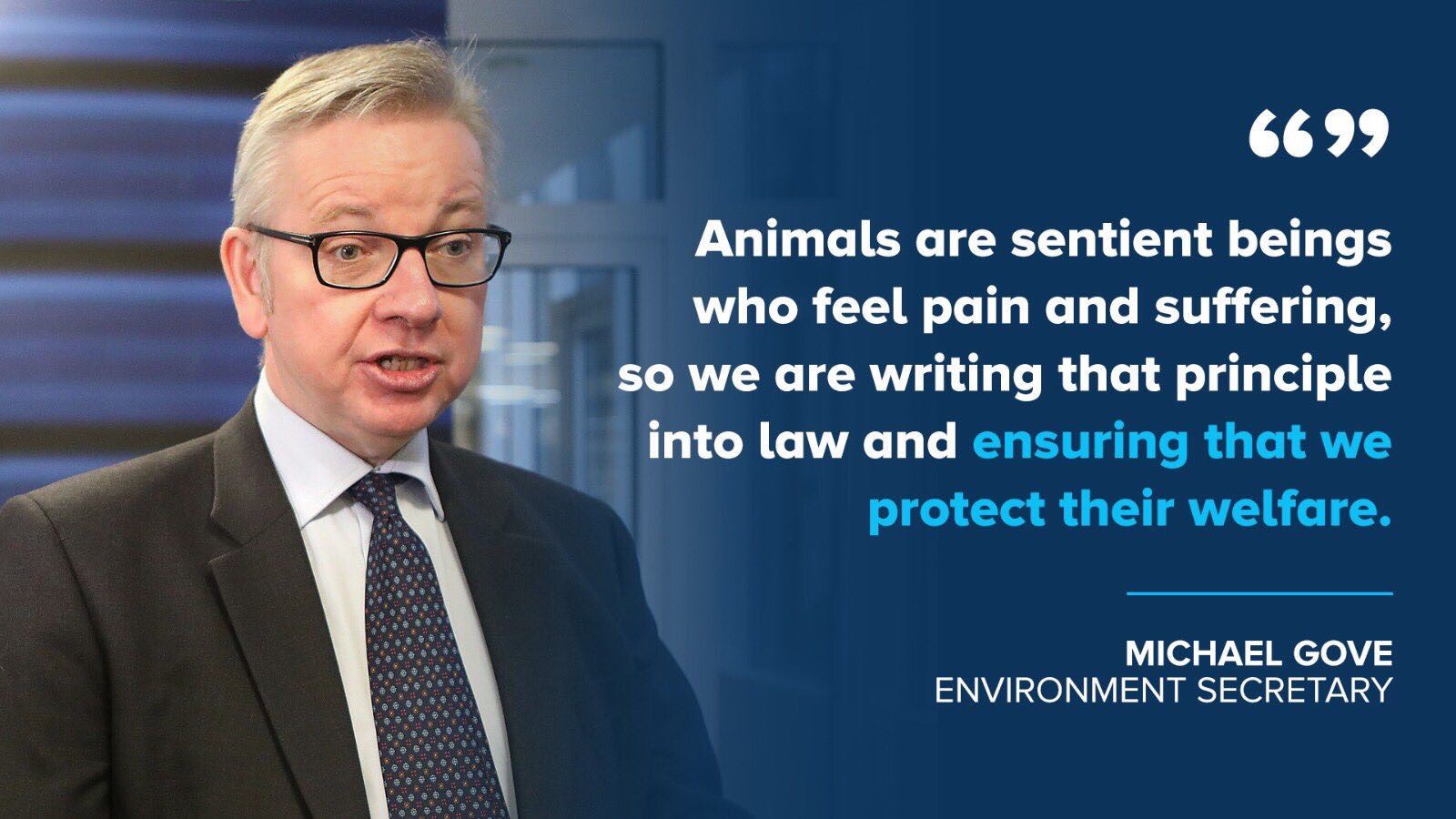
SAV Comment – we always argued that once free from the shackles of EU law; and by taking back control; the UK could improve on so many things.
Farm animal welfare will be one of those things. 82% of the British public want to see better animal welfare in the UK – and it is pretty good anyway ! – farmers to be paid to invest in higher animal welfare standards while ensuring they are not undercut in any new trade deals. Shows what you can actually do when you leave the crappy EU. If only other EU nations would vote to get out as well !
Brexit news: Farm subsidies should be spent on making farm animals’ lives better – report
BREXIT should herald a new age for animals with farmers being paid by taxpayers to improve the lives of pigs, cows and chickens, say welfare campaigners.
More than 80 per cent of consumers want post-Brexit farm subsidies used to achieve world class animal welfare and banish some of the “legal” conditions livestock endure today.The vision – contained in the report titled Into the Fold: Targeted Help for Farmers to Improve Animal Welfare – is supported by huge 82 per cent of the public.
Among the many ways taxpayers’ cash could help farmers is providing £20million a year to cover the costs of pigs’ straw bedding, a so reducing tail-biting and lesions suffered by the animals.
RSPCA head of public affairs David Bowles said: “Leaving the EU and nationalising the farming support system presents Governments with a once-in-a-generation chance to radically transform the Common Agricultural Policy (CAP) into a British policy for higher animal welfare and sustainable land management.
“We have set out a highly workable two-tier proposal for farmers to be paid to invest in higher animal welfare standards while ensuring they are not undercut in any new trade deals.
“These proposals are based on the reality of available budgets and offer pragmatic, viable solutions to enforcement and comply with World Trade rules.”
Mr Bowles added: “People in the UK care about how their food is produced and our recent survey shows a vast majority of the public (82 per cent) want to see subsidies used to improve animal welfare.
We have donated twice to help here – and we are the only donors.
Why ? – where are all the global animal people ?
Is a 5 or 10 Euro donation too much to ask of people.
Small donations add up to the required amount.
We are not picking money off our money bonsai; but we are trying to help.
Where are all the animal supporters who visit this site every day ?
Please give and give now, before the end of the month.
https://www.youcaring.com/jasnapanic-1110602
Paypal: marijaradojcin78@gmail.com
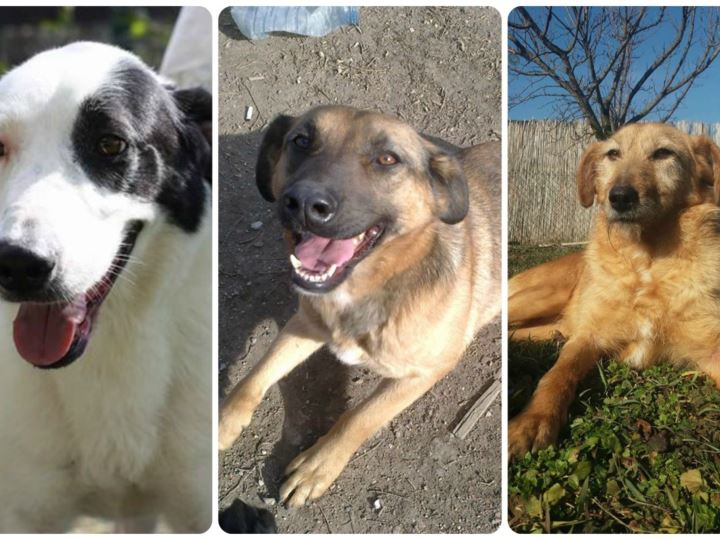
Help for KUCI, KIKI and LELA
Dear friends, Thanks to you and your unselfish help, these beautiful dogs remain on safe place and with a food. Situation we have is that we need help for them every month. February has passed covered with all your financially help and support.
March is almost here and we will need all your help and support again. They know they are calm and peaceful, because they have friends in you and your help. Nobody is easy, months are coming, and obligations are there. Their existence on safe is always questionable, but I always effort myself to secure them safe place and food for normal life. Luckily, without you all this would be impossible. We need help for March:
– KIKI 40 euros for accommodation and 20 euros for food
– KUCI 40 euros for accommodation and 20 euros for food
– LELA 20 euros for accommodation and 20 euros for food
Posted on March 19, 2018 by Serbian Animals Voice (SAV)
URGENT – We can only keep her until 26.03.18
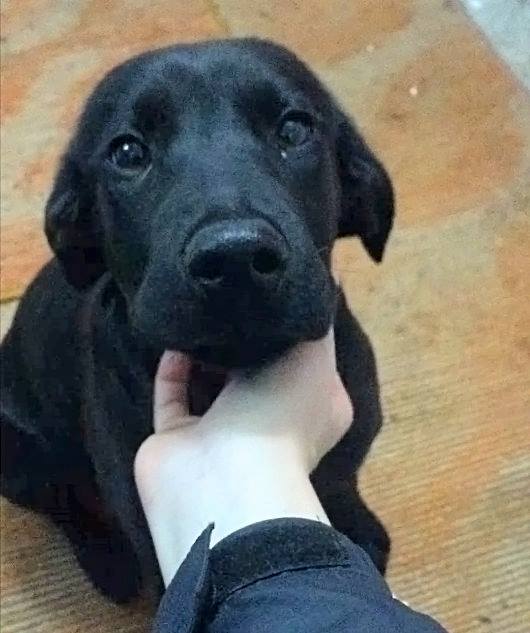
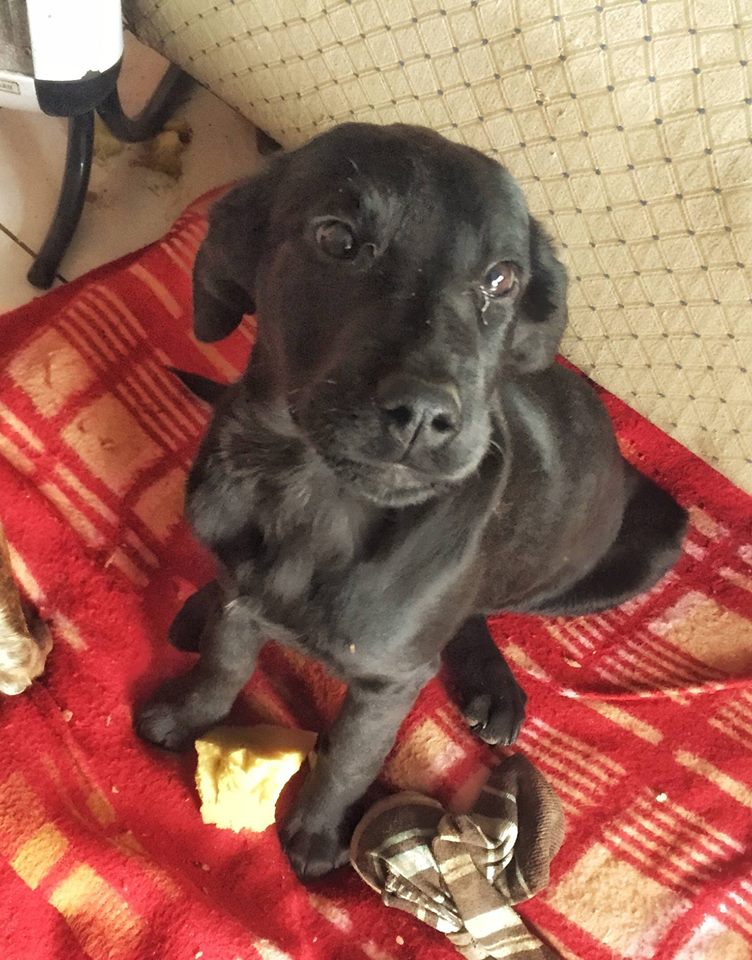
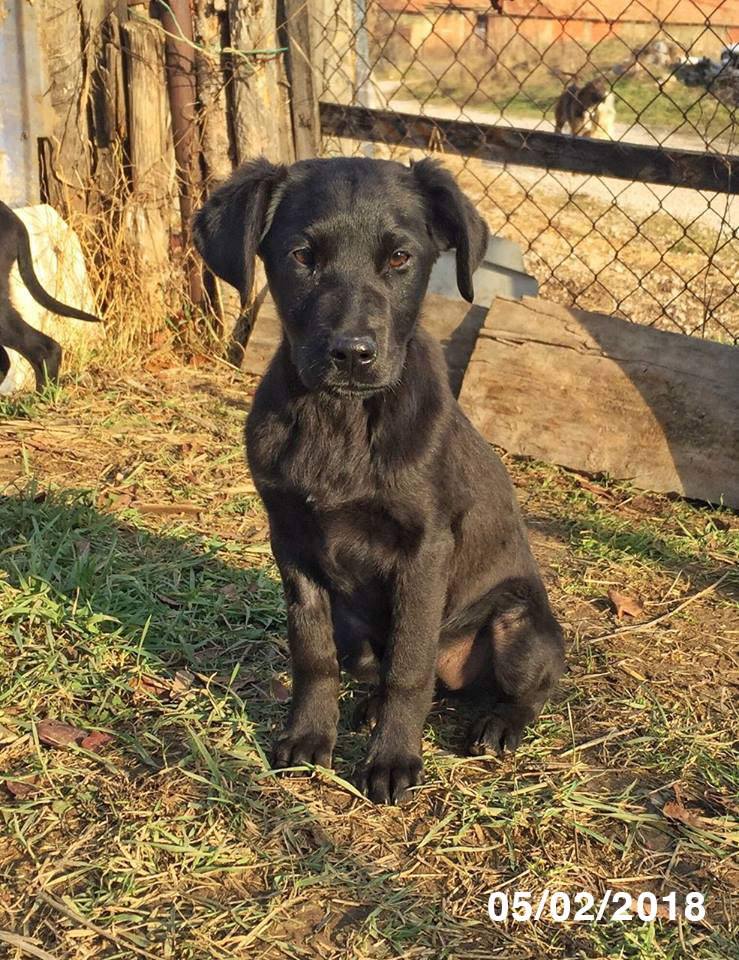
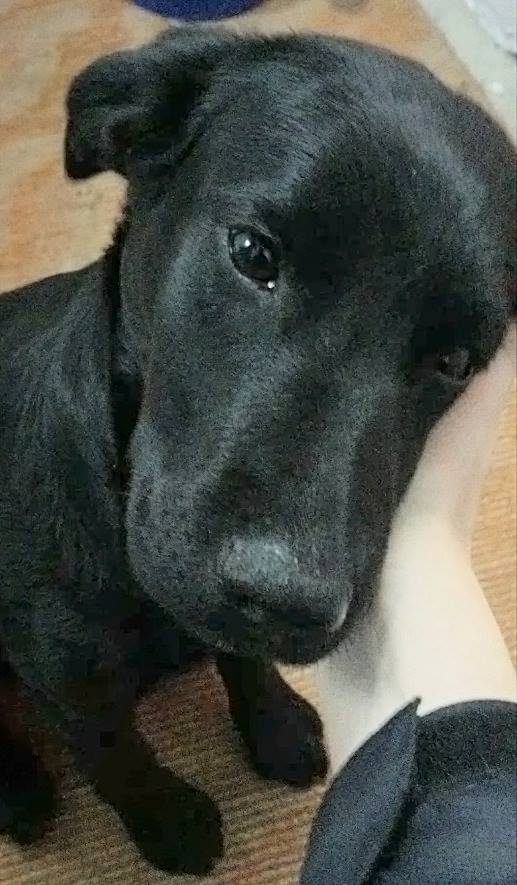
PIROT, SERBIA – Pippa is looking for a home.
Female puppy medium sized dog, 5/6 months old, cleaned from parasites, we think she is a Pointer & black Labrador cross.
Friendly, playful & cuddly girl is looking for a family, her brothers & sisters found homes, she is the last one left.
Can you help her? We can’t keep her for much longer.
Contact Milos 069 422 8677
Posted on March 18, 2018 by Serbian Animals Voice (SAV)
Please visit SAV Facebook to see many excellent Serbian animal shelters in need of help. Can you help them ? – please consider making a donation. Any amount no matter how small is always welcome. Lots of ‘smalls’ join together to become a ‘large’. That goes for donations as well. Strays need help and are given help – but it costs – please donate thank you.











 Serbian Animals Voice (SAV)