Sri Lanka bans cow slaughter, but has yet to pass animal welfare bill.

Sri Lanka bans cow slaughter, but has yet to pass animal welfare bill

13 October 2020

The Sri Lankan government will be amending the Animal Act after the Cabinet approved a proposal by Prime Minister Mahinda Rajapaksa to ban the slaughter of cows in this predominantly Buddhist country.

However, animal rights activists point out that there are no animal welfare laws in the country, and a bill to enact an Animal Welfare Act has been blocked in parliament since 2006.

After the Cabinet approved the proposal on September 28th the government released a statement presenting it as a rural economic self-reliance measure.

“As a country with an economy based on agriculture, the contribution of the cattle resource to develop the livelihood of the rural people of Sri Lanka is immense,” the government said in a statement. “Various parties have pointed out that the livestock resource that are required for traditional farming purposes is insufficient due to the rise of cattle slaughter and the insufficiency of livestock resource is an obstacle to uplift the local dairy industry”.

The statement further said that this decision would help to uplift the rural economy by developing a dairy industry, as well as saving a  substantial amount of foreign exchange, that is now spent on importing milk and milk powder. Immediate steps are to be taken to amend the Animal Act of 1958 and the Cow Slaughter Ordinance of 1893.

“The ban on cattle slaughter is part of the tradition of Dharmic religions” argues animal rights activist and lawyer Senaka Weeraratne. “Once these countries became colonies the ban was lifted and all three European powers Portuguese, Dutch and British freely encouraged the locals to flout tradition and Buddhist precepts by eating meat and drinking alcohol”.

Read more at source

Eurasia Review

Regards Mark

Iceland: A Story of Hope For All Imprisoned Sea Creatures. Keep Wildlife In the Wild.

Palm oil and the European fascism in Africa

Rainforest Rescue

Palm oil production in Nigeria is a destructive and violent business. Companies like Okomu Oil Palm Plantation Plc (OOPC) are clearing forests with breathtaking speed and leaving destroyed livelihoods and human rights violations in their wake.

Please support the struggle of local communities for their rights and for nature.

On May 20, 2020, the village Ijaw-Gbene in southern Nigeria was burnt to the ground.

Witnesses identified the Okomu Oil Palm Plantation Plc (OOPC) security force and members of the Nigerian army as the attackers.

Previously, three other villages had been torched under similar circumstances.

The attack in May 2020 left local farmers and fisherfolk homeless and their properties destroyed.

More than 80 villagers had no choice but to seek shelter in neighboring communities and in churches, rendering social distancing impossible and increasing their risk of COVID infection.

OOPC denies the allegations.

OOPC is a subsidiary of SOCFIN, a group controlled by French corporate titan Vincent Bolloré and the Belgian businessman Hubert Fabri.
SOCFIN operates rubber and palm oil plantations in ten countries in Africa and Asia.

Europeans have a bad reputation: whether in Cameroon, Liberia, Sierra Leone, Ivory Coast, or Cambodia, wherever Socfin works, the local population complains about brutal methods.

In a joint letter dated September 4, local communities asked the Nigerian president to take steps against OOPC. The struggle against the company is not an isolated case – it’s symptomatic for the palm oil business around the world.

Please support the affected communities in fighting for their rights and for the forests with your signature.

Petition: https://www.rainforest-rescue.org/petitions/1224/stop-nigerias-lawless-palm-oil-juggernaut


For more…at https://worldanimalsvoice.com/2020/10/14/palm-oil-and-the-european-fascism-in-africa/


And I mean…To clarify once again: First, there is practically no sustainable palm oil. The oil palm cultivation and processing is a highly polluting and dirty industry because it involves a lot of money.

But with the “help” of the Europeans, people are brutally driven from their countries, even with the help of the military.

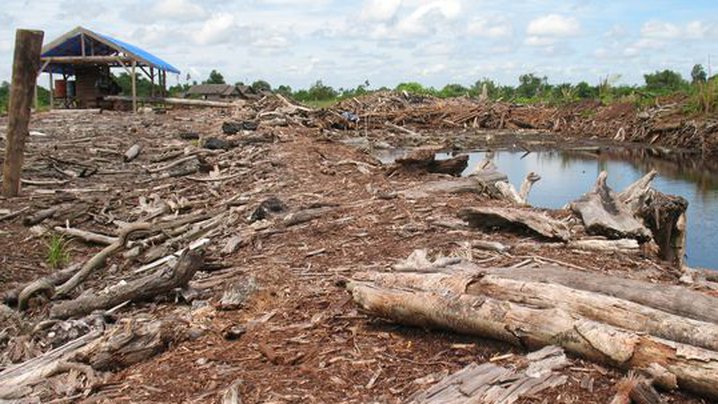
The thousands of hectares of monoculture plantations in Asia and Africa are mostly the result of deforestation in the rainforest or the displacement of small farmers.

They leach out the soil, are very water-intensive, and require large amounts of chemical fertilizers and pesticides.

They also prevent smallholder agriculture, are known for the miserable working conditions and wages of palm oil workers, and thus contribute to increased land conflicts, impoverishment, and hunger.

After all, German chemical companies are also among the main buyers of this increasingly important raw material.

Palm oil has been linked to human rights abuses and violence.
Palm oil is forest destruction, human and animal life destruction.

Never buy products that contain palm oil.

With our purchase, we can also resist the big multinational oligarchs and save people and animals.

My best regards to all, Venus

legality doesn’t dictate morality

“American slavery was legal. Human genocide was legal. Eating dog meat is legal.

Abusing and murdering non-human animals such as cows, pigs, chickens, and fish is currently legal.

But as we know legality doesn’t dictate morality.

What side of history do you want to stand on when it comes to stamping out this injustice?”

Anonymous for the Voiceless

And I mean…if resistance is to become a reality, then people have to know what injustice is.
And that injustice has the same weight for all living beings, does not depend on color, race, or species.

But we know that people are purposely brought up in a racist manner in their morals, in their selections, in their thinking.
The system leads people to factory behavior – standardized, dependent, systematically managed, and monitored until they are disempowered

Almost everyone sells their soul to the meat industry and is given the freedom to eat meat in return.

That answers the question – that’s all!

Regards and good night, Venus


Columbia Sportswear Company will no longer use alpaca!

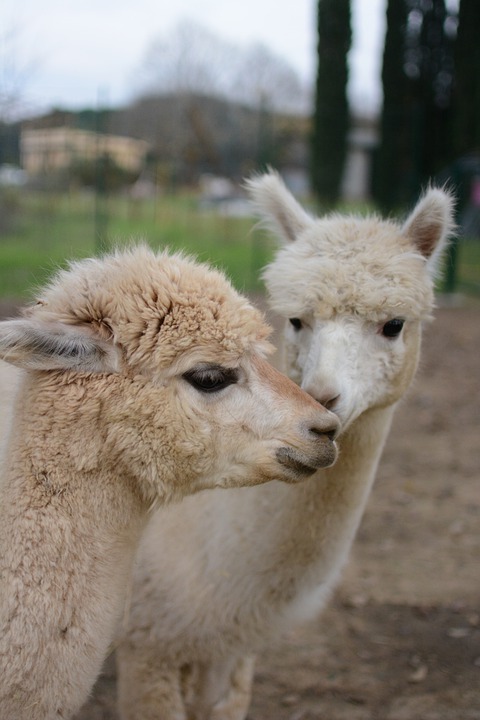
Following talks with PETA, the Columbia Sportswear Company—one of the largest active-lifestyle apparel and footwear companies in the world—is all packing up its alpaca-derived items and has become the latest company to ban alpaca.

The ban will apply across its Columbia, PrAna, Sorel, and Mountain Hardwear brands!

alpaca friends

Here’s Why Companies Are Banning Alpaca

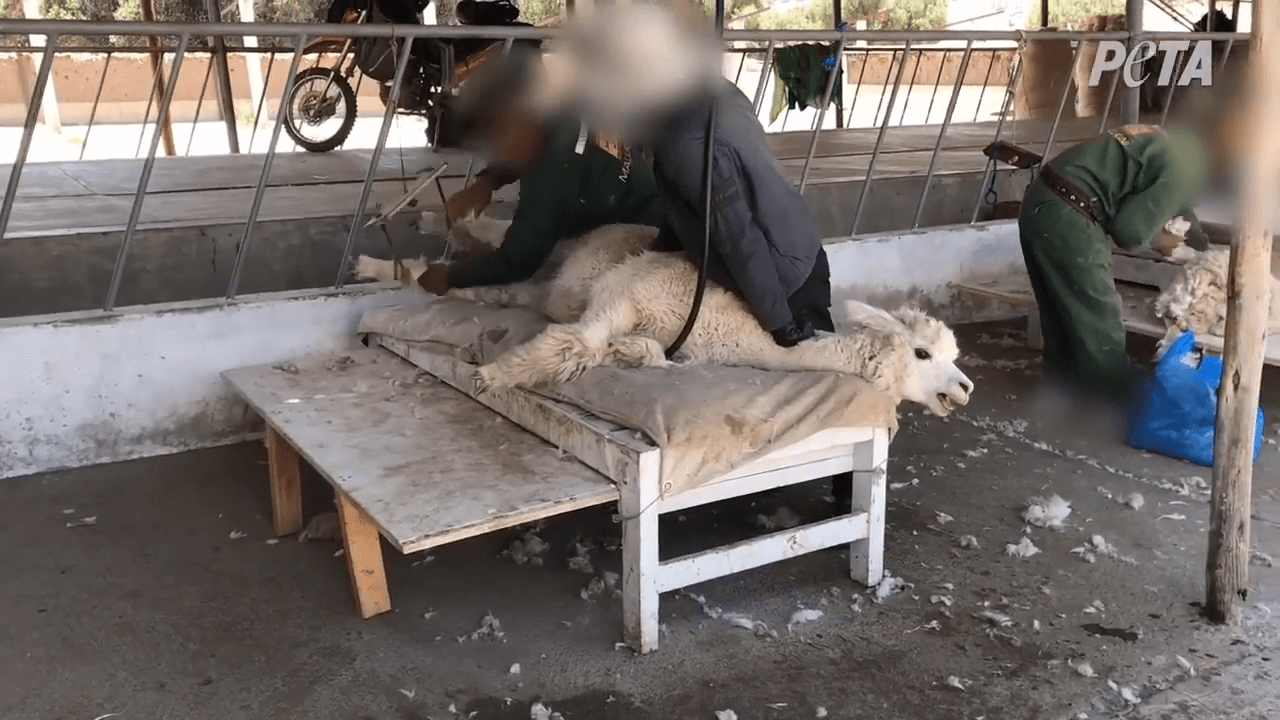
Columbia’s ethical and environmentally responsible decision comes on the heels of a PETA exposé of the world’s largest privately-owned alpaca farm, in Peru, that documented workers violently hitting, kicking, and slamming alpacas (some pregnant) onto tables and strapping them tightly by the legs into a restraining device resembling a medieval torture rack.

Their legs were then stretched in opposite directions, nearly wrenching them out of their sockets.

Workers sheared the animals roughly and carelessly, leaving them with gaping, bloody wounds that they crudely sewed shut.

The animals cried out, spit (a typical response to distress), and vomited in fear as workers grabbed them by the ears.

Now, alpacas will no longer be used for profit by Columbia.

But some companies are still knowingly profiting from the torment, mutilation, and slaughter of these gentle animals.

Please urge Anthropologie to stop selling alpaca fleece immediately.

https://www.peta.org/blog/columbia-alpaca-victory/

For more…at https://worldanimalsvoice.com/2020/10/13/columbia-sportswear-company-will-no-longer-use-alpaca/


And I mean…That gives us hope, this is very positive news.
The list of companies banning alpaca, fur, and exotic leather is growing every year.

We achieved this through the media, with systematic education and war against the criminal industries of animal exploitation.

Animal welfare needs patience, which you get with the years and experience.
We have patience and fighting spirit, we keep fighting and it will stay that way.

My best regards to all, Venus


Indonesia: Please Support the BOS Foundation On This Giving Day for Apes.

WAV Comment – as a reminder for the giving day for apes; we have just donated to one of our favourite rescue centres; the Borneo Orangutan Survival (BOS) Foundation.  Please support them with a donation today if you are able.

Thanks

Mark (WAV).

https://worldanimalsvoice.com/2018/08/12/indonesia-orangutan-jungle-school/

Dear Mark


Today is one of the biggest days of the year to show how much you care about the orangutans in our centres.

In honour of #GivingDayforApes, I want to share some important numbers with you:

Our orangutans require a lot of care, while our 38 surrogate mothers work tirelessly in the tropical heat to teach our forest school students how to survive in the wild.

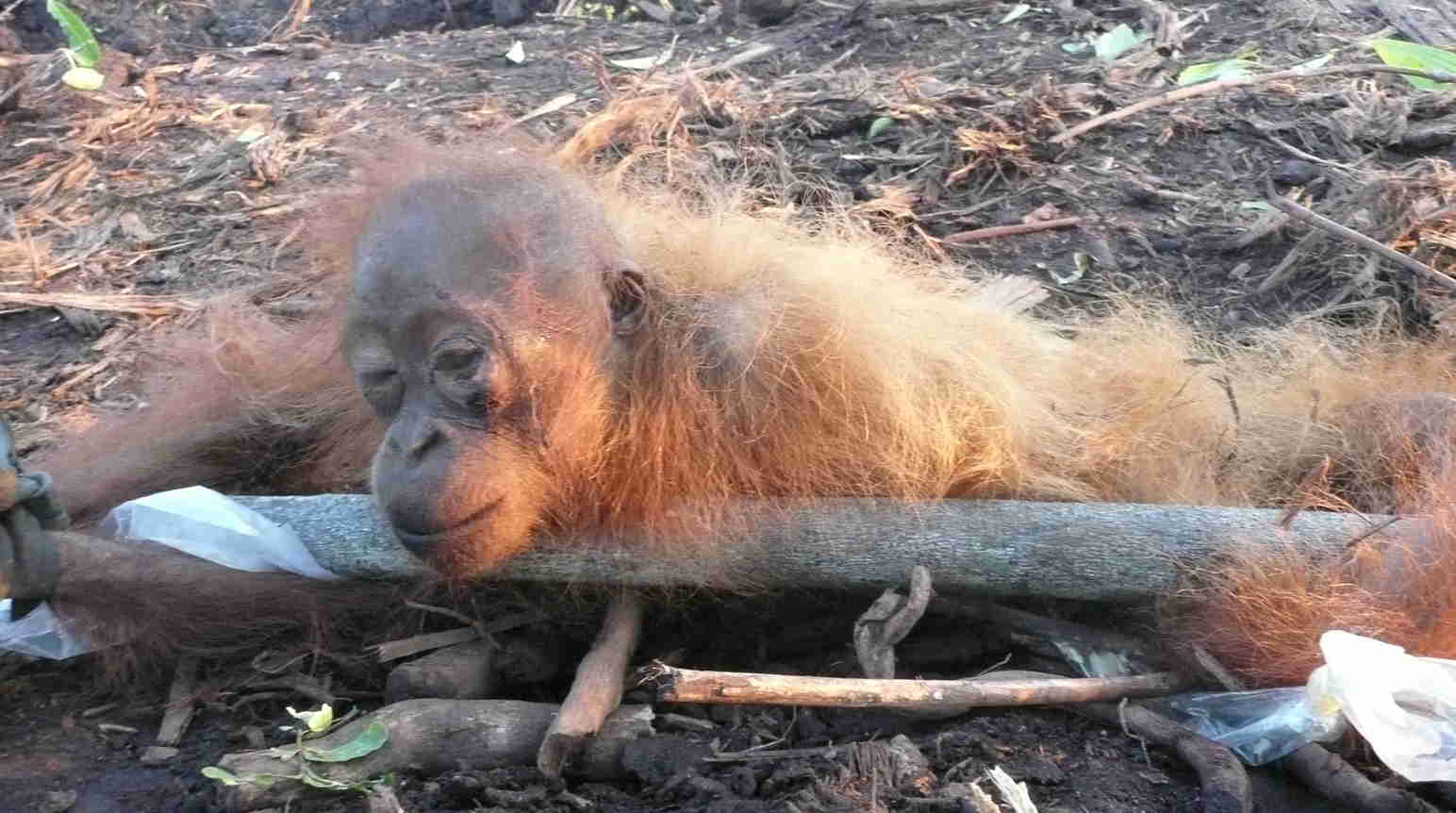
The orphans drink a total of about 15,000 litres of milk and use 10,000 diapers per year. And eat more food than you can imagine Mark, such as yams, melons, eggplants, rambutans, watermelons, and a mountain’s worth of bananas.

All in all, that’s 1,000 tonnes of food per year.

If just 1 in 10 of those reading this email – people like YOU, Mark – gave $25 we could reach our goal to raise $20,000 by midnight tonight to provide milk and nutritious food for all of our orangutans.

So will you help us reach our goal?

Click the donation button below to donate $25 or more right now and help us meet our goal before the midnight deadline.

https://givingdayforapes.mightycause.com/organization/Bosfoundation

DONATE NOW  →

You have my word, Mark, that 100% of the donations will support our orangutan care and conservation activities in East and Central Kalimantan.

For the orangutans we all love,


Dr. Ir. Jamartin Sihite
CEO of BOS Foundation

Estonia: Survey: Support for banning fur farming in Estonia is greater than ever before.

Survey: Support for banning fur farming in Estonia is greater than ever before

Loomus

According to a survey commissioned by animal advocacy organisation Loomus, 83% of women and 66% of men are not in favour of fur farming. 73% of Estonians and 77% of people from other nationalities are against fur farming.

73% of Keskerakond (Estonian Centre Party) voters are against fur farming. Same goes to 72% of Reformierakond (Estonian Reform Party) voters, 51% of Eesti Konservatiivne Rahvaerakond (Conservative People’s Party of Estonia) voters, 85% of Sotsiaaldemokraatlik Erakond (Social Democratic Party) voters, 74% of Eesti 200 (Estonia 200) voters and 93% of the voters of other parties. 79% of the people without a party preference are against fur farming.

The percentage of supporters of closing fur farms is not only high in urban areas, but also in rural areas. 74% of the people living in Tallinn do not support fur farming, same goes to 78% of the people living in other towns and 72% of people living in rural areas.
Compared to a study conducted at the end of December of 2016, the number of people who are against fur farming has grown from 69% to 75%.

Martin Garbuz, the board member of Loomus, says that it is a wonderful result. “The support for banning fur farming is great and it’s constantly growing. The majority of society don’t support an industry where animals are tortured and killed for luxury items. It’s also important information for politicians who are considering the ban of fur farming again,” he added.

In summer, 23 members of Riigikogu (Estonian Parliament) initiated the draft Act for the amendment of Animal Protection and Nature Conservation Act which seeks to ban fur farming in Estonia. The draft was compiled in co-operation of politicians and Loomus. The first reading of it is taking place on the 15th of October in Riigikogu.

718 residents of Estonia, aged 18–60, took part in the Kantar Emor national survey and they were asked whether they are in favour of raising and killing animals such as foxes and minks for their fur. The survey was conducted in the middle of September.