Many of the world’s deadliest outbreaks, including COVID-19, SARS and bird flu – are directly linked to the exploitation of animals by humans.
Summarized in our latest Surge Media campaign released amid the global coronavirus pandemic, and explored in greater depth in an upcoming white paper, Surge has brought together findings from the world’s leading authorities on infectious diseases including the World Health Organisation (WHO), Centers for Disease Control and Prevention (CDC), Food and Agriculture Organization of the United Nations (FAO) and World Organisation for Animal Health (OIE).
The CDC warns that three out of four new or emerging infectious diseases in people come from animals, while the WHO, FAO and OIE have previously stated that increased demand for animal protein is one of the main risk factors of a pandemic.
The HIV virus started because of humans eating chimpanzees and the recent Ebola outbreak started because of people eating bats. Furthermore, BSE and the human equivalent vCJD is believed to have started in the UK because farmers were feeding dead infected cattle back to cattle, forcing them to cannibalise, and an ancestral strain of swine flu was traced back to a pig farm in North Carolina.
Surge also hopes that shedding light on the global prevalence of zoonotic outbreaks will help shift blame away from certain countries and cultures associated with more recent diseases, such as China where both COVID-19 and SARS are believed to have originated from so-called ‘wet’ markets according to the most widely accepted theories.
In light of recent attacks against individuals who appear Asian, Surge urges the public to understand that diseases occur all over the world – including the US (HIV and swine flu) and the UK (BSE / vCJD) – and their places of origin can be different to where their major outbreaks were recorded.
Not all of the world’s zoonotic outbreaks can be attributed to the intentional exploitation of non-human animals, but enough have been to warrant a discussion about the way we use others. The transmission of zoonotic diseases to humans is not entirely preventable as there is always a chance that zoonotic viruses, bacteria and other pathogens can be passed to humans in situations where there is no direct exploitation of animals, but Surge posits that the risk would be considerably lower than, taking the example of swine flu, in an intensive farming environment where huge numbers of animals are brought into close proximity with humans in a way that would virtually never happen in any other setting, or in the case of BSE, where cows would never naturally cannibalise other cows.
Moving away from the use of non-human animals will greatly lower the risk of future outbreaks of unknown zoonotic diseases, and save not only non-human animal lives, but those of countless thousands of humans. While it is impossible to predict how many lives could be saved this way, COVID-19 has already killed around 25,000 worldwide to-date, while other recent outbreaks like SARS, swine flu and avian flu combined have killed hundreds of thousands.
Take PETA’s Cruelty-Free Shopping Guide along with you next time you head to the store! The handy guide will help you find humane products at a glance. Order a FREE copyHERE
Searching for Cruelty-Free Cosmetics, Personal-Care Products, Vegan Products, or more? Click HERE to search.
Posted on April 6, 2020 by Serbian Animals Voice (SAV)
A four-year-old female Malayan tiger at the Bronx Zoo has tested positive for the coronavirus.
The tiger, named Nadia, is believed to be the first known case of an animal infected with Covid-19 in the US.
The Bronx Zoo, in New York City, says the test result was confirmed by the National Veterinary Services Laboratory in Iowa.
Nadia, along with six other big cats, is thought to have been infected by an asymptomatic zoo keeper.
The cats started showing symptoms, including a dry cough, late last month after exposure to the employee, who has not been identified.
“This is the first time that any of us know of anywhere in the world that a person infected the animal and the animal got sick,” Paul Calle, the chief veterinarian at the zoo, told Reuters news agency on Sunday.
There have been isolated instances of pets testing positive for the coronavirus elsewhere in the world, but experts have stressed there is no evidence they can become sick or spread the disease.
Mr Calle said he intends to share the findings with other zoos and institutions researching the transmission of Covid-19.
“We tested the cat [Nadia] out of an abundance of caution and will ensure any knowledge we gain about Covid-19 will contribute to the world’s continuing understanding of this novel coronavirus,” the zoo said in a statement.
Nadia, her sister Azul, as well as two Amur tigers and three African lions who showed symptoms, are all expected to make a full recovery, the zoo said.
The big cats did have some decrease in appetite but “are otherwise doing well under veterinary care and are bright, alert, and interactive with their keepers”, it said.
The zoo said it is not known how the virus will develop in animals like tigers and lions since various species can react differently to new infections, but all the animals will be closely monitored.
None of the zoo’s other big cats are showing any signs of illness. All the tigers showing symptoms were housed in the zoo’s Tiger Mountain area. It is unclear if the others will be tested.
All four zoos run by the Wildlife Conservation Society in New York City, including the Bronx Zoo, have been closed to the public since 16 March. New measures will now be put in place to protect the animals and their caretakers at all the facilities.
This coronavirus was first detected in humans in the Chinese city of Wuhan late last year.
The coronavirus (called Sars-CoV-2, which causes the disease Covid-19) is thought to have originated in wildlife and been passed to humans via a live animal market in Wuhan.
The pandemic has been driven by human-to-human transmission, but the infection of Nadia raises new questions about human-to-animal transmission.
There have been less than a handful of isolated reports of companion animals testing positive for coronavirus, including two dogs in Hong Kong.
There is “no evidence that any person has been infected with Covid-19 in the US by animals, including by pet dogs or cats,” the zoo’s statement noted.
Dr Sarah Caddy, Veterinarian and Clinical Research Fellow at the University of Cambridge, is among experts to respond to the reports.
“It is surprising that the tiger has become infected with what must have been a fairly low dose of virus – we can assume the tiger did not have continual close contact with the asymptomatic zoo keeper,” she said about the transmission.
“It is also interesting that the tiger showed clinical signs consistent with Covid-19 in humans. Although scientific proof is lacking, the chance this is just a coincidence is low.”
Conservation experts have warned that the virus could pose a threat to some wildlife like the great apes – and have said measures are needed to reduce the risk of wild gorillas, chimps and orangutans.
(CNN)Nadia, a tiger at the Bronx Zoo in New York, has become the first of her kind to test positive for the coronavirus.
The 4-year-old female Malayan tiger tested positive after developing a dry cough and is expected to recover, the Wildlife Conservation Society’s Bronx Zoo said in a news release.
Samples from Nadia were taken and tested after the tiger — and five other tigers and lions at the zoo — began showing symptoms of respiratory illness, according to the United States Department of Agriculture (USDA). No other animals at the zoo are showing symptoms.
“Though they have experienced some decrease in appetite, the cats at the Bronx Zoo are otherwise doing well under veterinary care and are bright, alert, and interactive with their keepers,” the zoo said.
“It is not known how this disease will develop in big cats since different species can react differently to novel infections, but we will continue to monitor them closely and anticipate full recoveries.”
The Covid-19 testing that was performed on Nadia was performed in a veterinary school laboratory and is not the same test used for people, Dr. Paul Calle, the zoo’s chief veterinarian, posted on Facebook.
The animals were infected by a zoo employee who was “asymptomatically infected with the virus” while caring for them, according to the zoo. The Bronx Zoo has been closed to the public since March 16.
Anyone sick with the coronavirus is being advised to minimize contact with animals, including pets, until more information is known about the virus, the USDA said.
CNN’s Aaron Cooper and Sarah Jorgensen contributed to this report.
Posted on April 6, 2020 by Serbian Animals Voice (SAV)
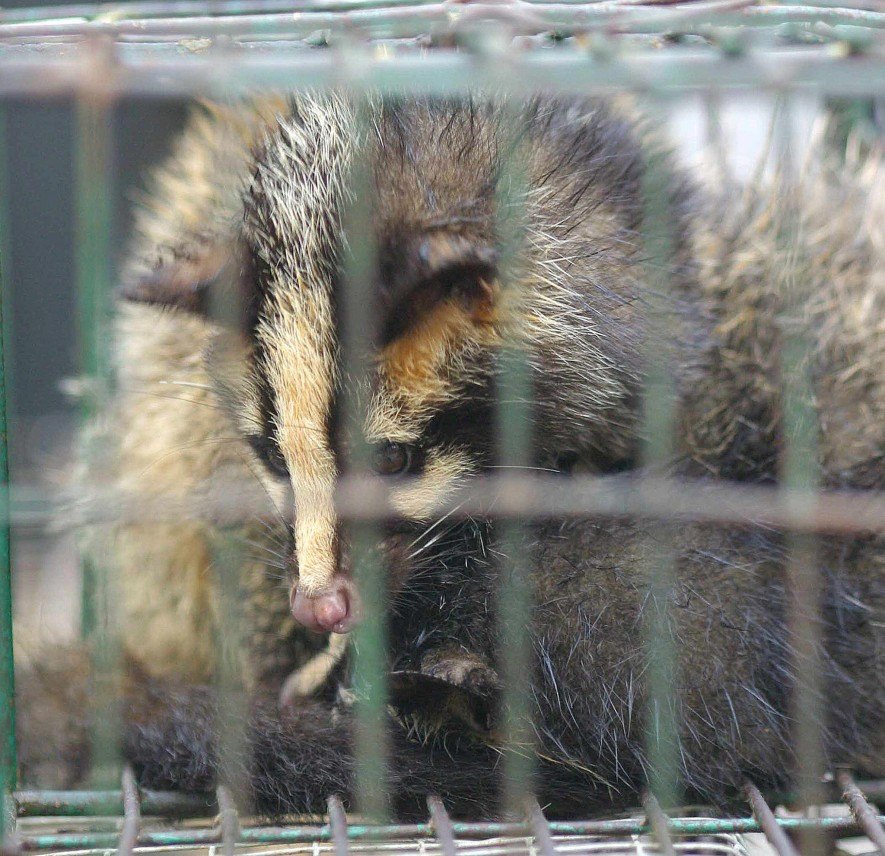
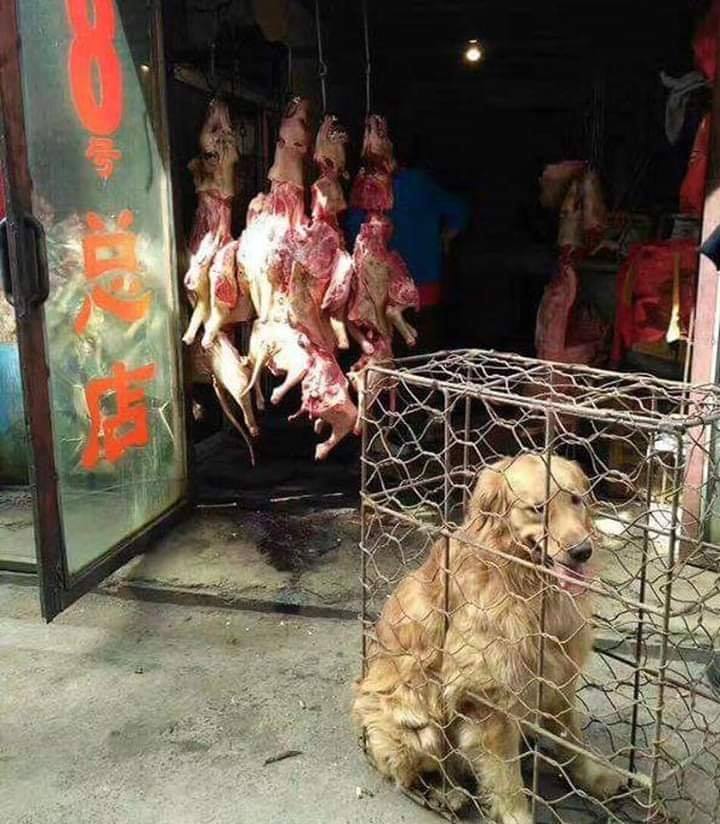
Finally good news in the Corona crisis! Thethe city metropolis of Shenzhen will ban the trade and consumption of wild animals and pets. Dogs, cats, snakes, etc. can then no longer be sold, slaughtered and bred for consumption.
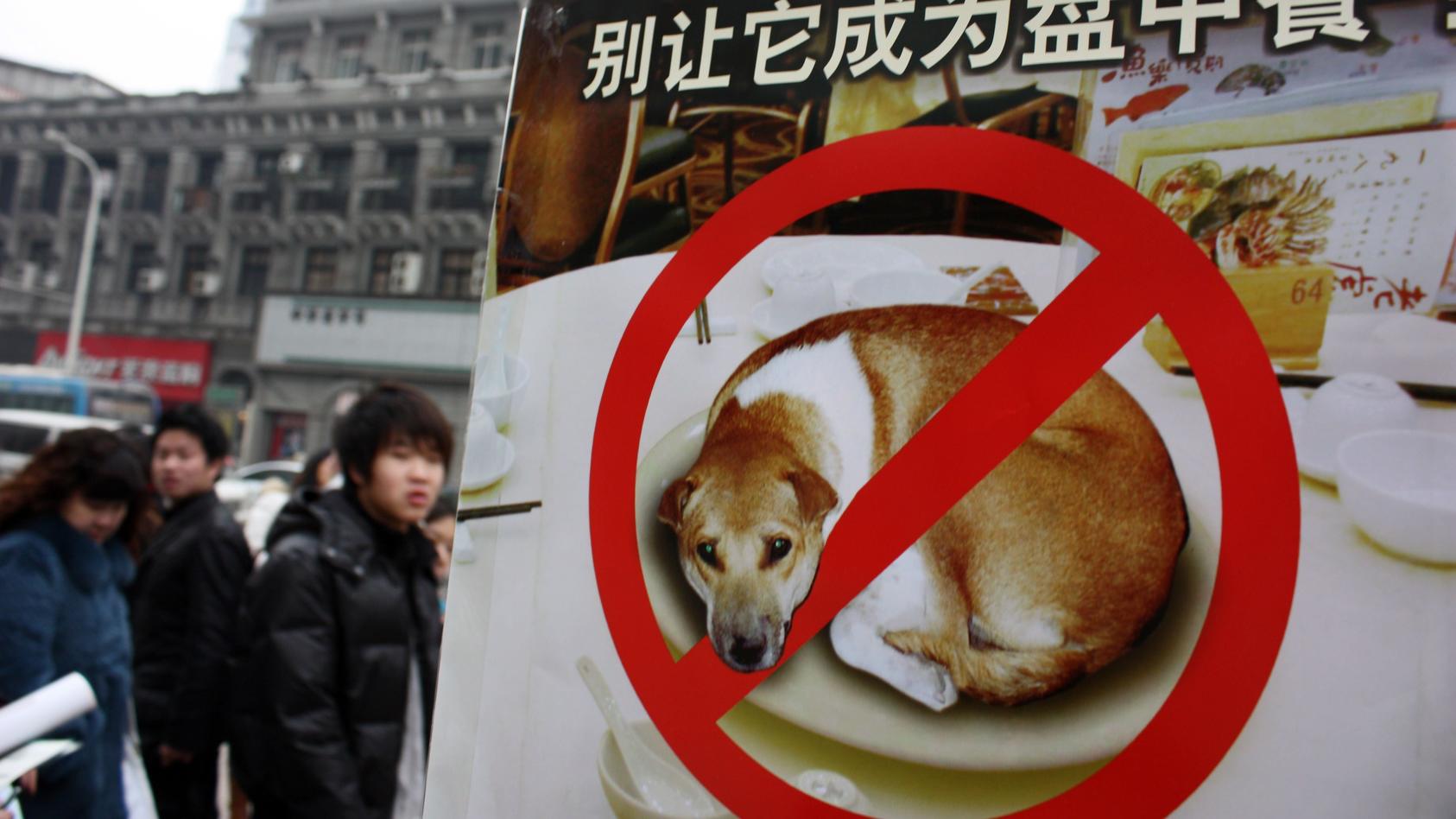
The Chinese city of Shenzhen has passed a law that prohibits the production and consumption of cat and dog meat. This makes Shenzhen the first city in mainland China to prohibit eating pets.
The law is due to enter into force on May 1, 2020.
And: It also applies to the trade and consumption of wild animals such as snakes and lizards. Anyone who violates this can expect fines of up to EUR 19,600.
Trade in wild animals is currently banned throughout China – but only temporarily. The law in Shenzhen should now apply without time restrictions.
The government is thereby reacting to the coronavirus outbreak, which according to current estimates is said to have passed from animals to humans in a wild animal market in Wuhan, China.
Nevertheless, the law in Shenzhen includes not only wild animals, but also pets.
In an announcement, a city spokesman said: “Dogs and cats have a much closer bond to humans as pets than other animals. In developed countries, Hong Kong and Taiwan, it is normal to ban dogs, cats and other pets. This prohibition also corresponds to the demands and spirit of human civilization. “
Of course pork, beef, sheep, rabbits, poultry and other animals that are specially bred for consumption may continue to be eaten (!!)
Animal welfare organizations such as the Humane Society International or the Animal Hope & Wellness eVassociation welcome the decision. They hope that the fifth largest city in China will have a domino effect and other regions will follow suit.
In China, it is estimated that around ten million dogs and four million cats are killed each year for meat trading and consumption.
Contrary to Western prejudice, eating dogs and cats in China is anything but normal. In Beijing, for example, there is hardly a restaurant that offers such meat.
According to surveys, only a minority of Chinese have eaten dog meat at all.
And I mean…It is a very welcome decision by the Chinese to stop killing dogs and cats for consumption.
Every step that leads to the abolition of cruelty to animals is a step towards more justice, everywhere!
Abolishing wildlife trade and consumption has always been our vision. China confirms our long struggle in this direction today.
However, animal rights are not restricted goods.
If we want fair conditions in animal life, the abolition of meat consumption should not preserve privileged and unprivileged animals, but should aim at ALL animal species.
Otherwise, the animal rights movement runs the risk of being satisfied with a result that frees some from suffering and legalizes the suffering of others.
If we want to do our job properly and well, we must continue the struggle for the liberation of ALL animals from the slavery, which has been legalized and established by a fascist regime, the regime of the human species.
Posted on April 5, 2020 by Serbian Animals Voice (SAV)
A mere month after the bushfires that devastated much of Australia have been contained, a logging company in the state of New South Wales (NSW) has continued to deforest what was left unburnt.
This is the same NSW that lost close to a third of its koala population to the blazes, while 24% of all koala habitat was turned to ash.
Because the assessment of the bushfires’ environmental impact has not yet been completed, we have no idea just how bad it is.
But one thing is sure: logging will only hurt more and should not be allowed to continue until we know the extent of the damage. We could lose entire species forever.
But the Environment Protection Authority (EPA) of NSW says that the logging company, called Forestry Corporation, isnot in violation of the logging laws in the state.
That’s why we must demand that the government of NSW temporarily suspend the Coastal Integrated Forestry Operations Approval (IFOA), the state’s logging laws, until the fires’ impacts have been completely assessed.
Sign the petition today!
The devastation that Australia’s koala population suffered was broadcast around the world. It is hard to forget the videos of koalas running from fires, their fur often singed or filled with smoke, as brave witnesses spring into action with blankets and water bottles.
But they are not the only species in trouble.
In fact, the Department of Agriculture, Water, and the Environment released a list of 119 species that they considered in urgent need of aid post-fires. One of the ways a species lands a spot on this list is if a large portion of its habitat was taken in the fires.
One such species is the Hastings River mouse, whose habitat burned down to just 18% of its original size. Yet some of the unburnt sites that Forestry Corporation has been logging serve as important remnant habitat for the displaced and devastated mouse population.
Forestry Corporation had been granted clearance to log in burnt areas of the state’s forests, where animals cannot live but timber can still be salvaged.
But instead they continued to log in patches of thriving forest, including areas within the proposed Great Koala national park.
Australia must step up to protect its native animal populations.
244 species found on the continent do not appear anywhere else in the world, and therefore must be protected at all costs. If logging companies are allowed to conduct business as usual without a complete fire impact assessment informing operations, we risk losing these animals forever.
But there is still time to save them!
Add your name to the petition asking the state government of NSW to suspend the Coastal IFOA until all impact assessments of this season’s bushfires are complete.
And I mean…the human animal does not have the least biological value on this planet, there is absolutely nothing that it can give to nature, it lacks any competence for it …
with everything it does, it only destroys nature and animal life.
And something like that is called “intelligent” … it is by far the stupidest, most perfidious and most hideous being on earth …
It is not part of nature at all, it is excluded from nature.
Posted on April 5, 2020 by Serbian Animals Voice (SAV)
The level to which humans feel they can exploit, commodify, abuse and subjugate other animals holds no bounds.
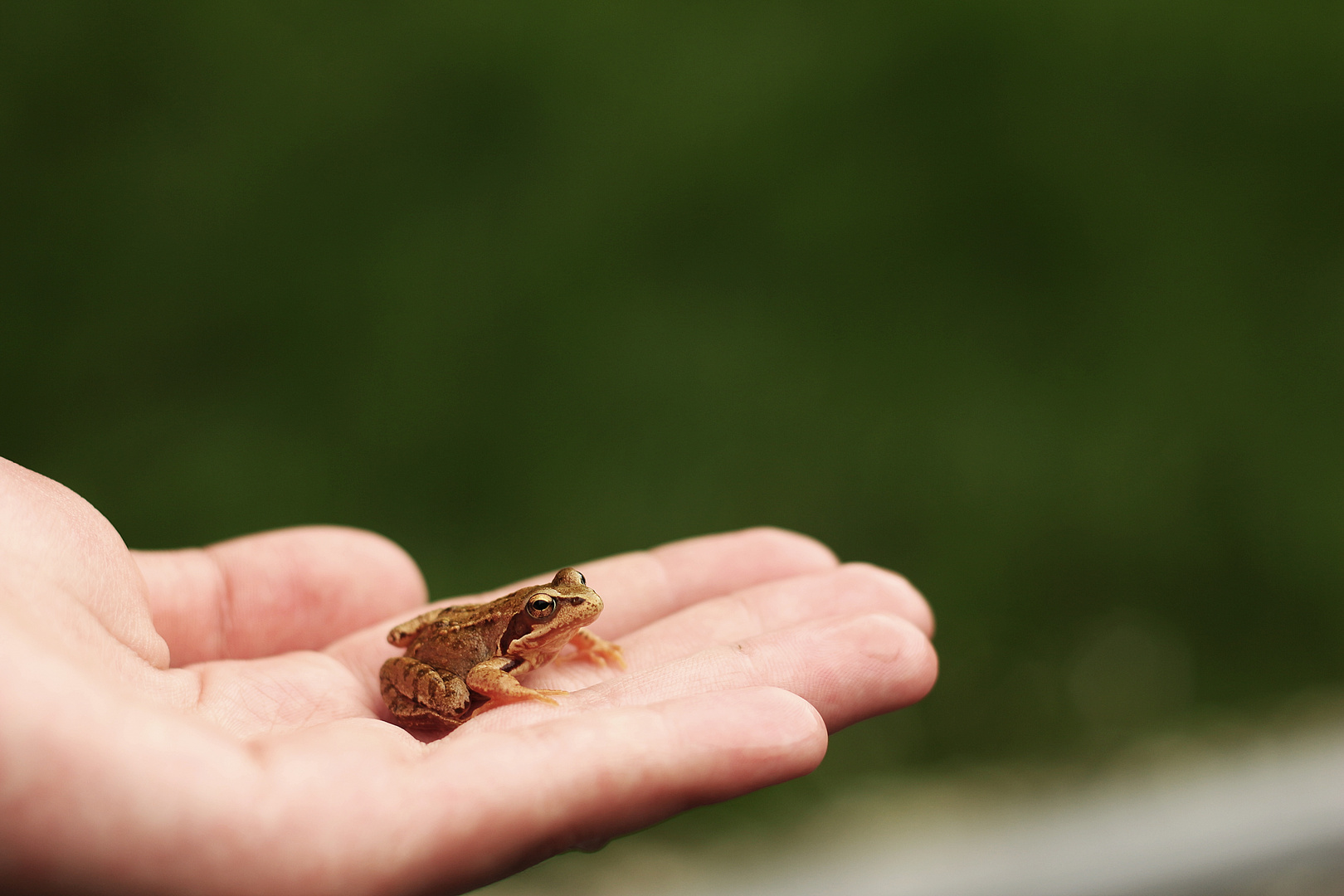
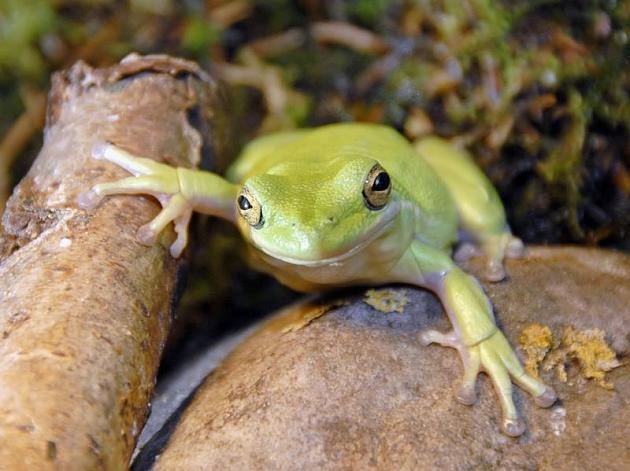
Frog farming, like all other types of animal farming, occurs in nothing more than the name of tradition and taste.
Farmed frogs are shipped alive to restaurant kitchens, where they will be murdered by the chef before each meal.
The standard restaurant method of killing frogs is via the victim being held down, and then the point of a knife being stabbed through the top of the frog’s head, followed by a slice down through the face until the victim’s head is split in half.
Other methods include bludgeoning the frog by slamming them and then decapitating them with a cleaver. At street food stalls, frogs are sometimes skinned alive, chopped into pieces, and thrown while still wriggling into hot soup as a “delicacy”.
This psychotic behaviour from humans is UNJUSTIFIABLE.
My comment: In the area of animal protection / species protection there are topics that only trigger a weary yawn in public.
“What? Eat frog thighs? That was once an issue in the 1970s”, many think, and this opinion is quite wrong.
It is frightening how many places in Germany meanwhile frog legs are sold and prepared and eaten in bars.
While we are organizing campaigns in spring to save frogs and toads during the annual amphibian migrations, these are consumed in the restaurant next door!
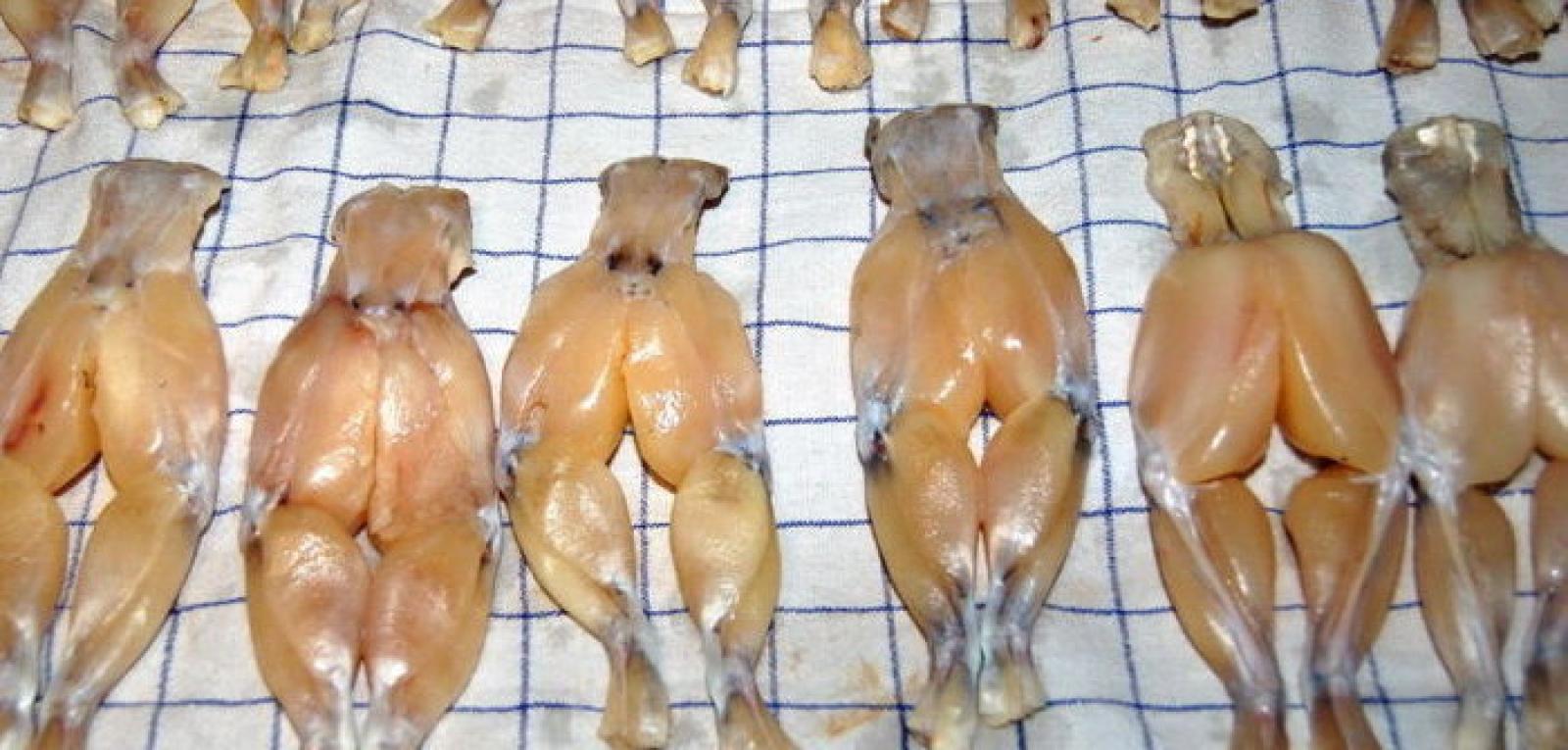
In 2015,the European Union imported 4,234 tons of frog legs – which corresponds to the limbs of between 84 and 200 million frogs writes Deutsche Welle and reports:
“After India and Bangladesh banned the export of frogs in 1987 and 1989, Indonesia became the main exporter. Today, more than two-thirds of all frog legs in supermarkets worldwide come from there. For many years, conservationists have been warning that trade cannot be sustainable. And it goes even further: According to a new study, many frog legs are wrongly identified”
With the “frog leg harvest” the extremities from the frogs are usually separated from the body while the body is alive.
Many of the imported frog legs still come from wild catches.
This reduces the endangered animal species and increases the risk of malaria at the same time.
Frogs in particular help prevent the spread of this infectious disease.
Eating frog legs is not just cruelty to animals, it also endangers human life.
More than 700 amphibian species are affected by an aggressive fungal infection worldwide, many of which have already died out.
This is to blame for a deadly mushroom epidemic called chytrid, one of the most important causes of global amphibian death.
Since the 1980s at the latest, this pathogen has carried tons of frogs, toads and newts – initially only in Latin America and Australia, but now all over the world.
One of the central causes for the spread of the chytrid mushroom is the worldwide trade in frogs …
The import of frog legs to Germany and Europe is a legalized form of animal cruelty and an exploitation of poor countries like Indonesia.
A particular scandal is the uncontrolled import of wild catch, which endangers not only endangered species, but also the rural population if the lack of frogs increases the risk of malaria.









 Serbian Animals Voice (SAV)
