Animals Asia – Urgent Rescue of 3 Bears. Can You Help ? – Thank You.

AA April20

Dear Mark,

Forgive me for getting straight to the point but we’ve received an urgent call about three bears in terrible trouble.

We were first alerted two weeks ago and dropped everything to prepare for the rescue as quickly as we could. I know what you’re thinking… Why are they still waiting? Travel restrictions had just been put in place due to the coronavirus which meant it wasn’t permitted or safe to go ahead. During this initial call, we made the difficult discovery that there had been four bears, but sadly one of them passed away just a week before we were contacted.

With the travel restrictions now lifted and fearing for the safety of the remaining three bears, our incredible rescue team have once again dropped everything and are racing to bring them home to sanctuary. But we need your help.

These are extraordinary times. And with more empty bear bellies to fill, more medicines to purchase, and facing months of high costs because of the coronavirus, we need your help now more than ever to bring these bears home.

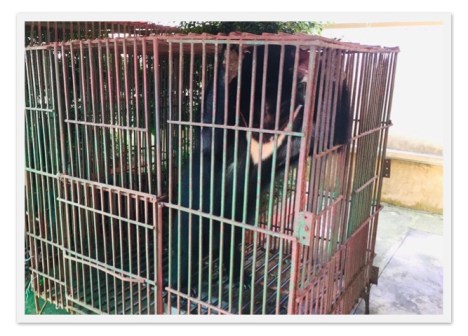
We currently know very little about the three bears. But their lives have certainly been no fairytale. They were discovered trapped in tiny, depressing metal cages side by side. We dread to think how long they’ve been like this…

Despite limited information, we can be almost certain that they’ll have serious health issues and need special ongoing care and treatment for the rest of their lives. Which we hope could be another 15 years or more.

Please, will you help these sweet bears on the road to recovery and beyond by setting up a monthly donation?


Help to bring them home with a donation:

https://help.animalsasia.org/page/59361/donate/1?ea.tracking.id=aprilrescue20_rgedm1_en&supporter.country=GB


It’ll take our team around four hours to reach the site in Nam Dinh Province and we hope to arrive on Tuesday morning (Vietnam time). I promise to keep you updated on their progress and to bring you more information soon. For live updates, and to see your kindness in action, please be sure to follow us on Facebook, Twitter and Instagram

As always, thank you from the bottom of my heart for being there for Asia’s animals when they need you most. Please stay safe during this difficult and challenging time.

With bear hugs of gratitude and of hope,

Jill Robinson MBE, Dr med vet hc, Hon LLD
Founder and CEO, Animals Asia

PS This is only the beginning.

By setting up a monthly gift today, you can help us ensure they live the lives they truly deserve.

PPS Big bear hugs of thanks for your continued support. Without you, Animals Asia wouldn’t be where we are today. And so many of Asia’s abused animals would never have been found and brought to safety. You should feel proud of the incredible difference you make.

Britches and their rescue

Animal Liberation Worldwide


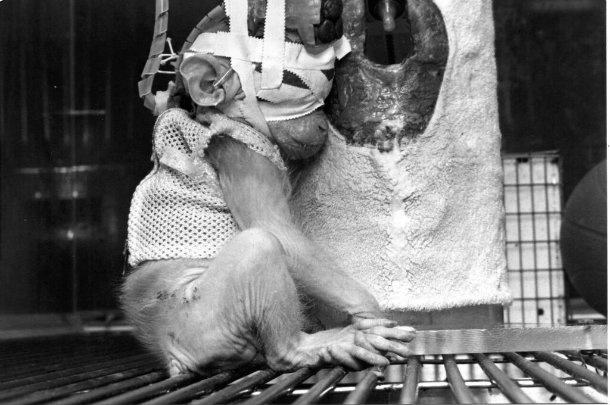
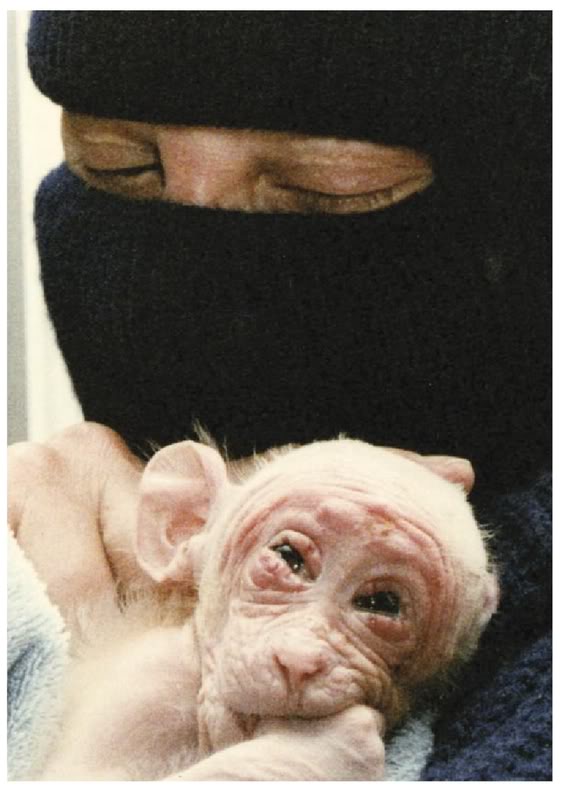
Born at the University of California, Riverside in March 1985. He was removed from his mother at birth and had his eyelids sewn shut as part of a three-year maternal and sensory-deprivation study involving 24 infant monkeys.

Britches was removed from the laboratory when he was five weeks old during a raid on April 20, 1985 by the Animal Liberation Front (ALF).


The ALF made a videotape of their raid and of Britches’ condition when they found him.


The Consequences of Britches Animal Liberation

When PETA released the photos, videos and documents provided by the animal liberationists, there was an enormous public outcry.

Eight out of a further 17 planned animal studies were discontinued; the facility also prohibited the practice of sewing monkey babies’ eyes shut. An instructor quit his job and has not mistreated animals since then.

The National Institutes of Health (NIH) conducted an eight-month study of the animal care program in the university’s laboratories and concluded that it was “appropriate” animal care and that no corrective action was required.

There were no consequences for the responsibles.

But this action led others to follow suit: In 1985, A.L.F activists broke into a laboratory at the University of California in Riversde and freed 260 laboratory animals.
Britches became the symbol of this campaign.

Last but not least, there are open animal liberation grades, such as the liberation of beagle dogs from the breeding facility in Green Hill in Italy in 2012 and the liberation of over 300 animals from the Instituto Royal in Brazil in October 2013, which led to the shooting of the labo a month later.

It is very difficult to break through the fronts of the laboratory mafia.
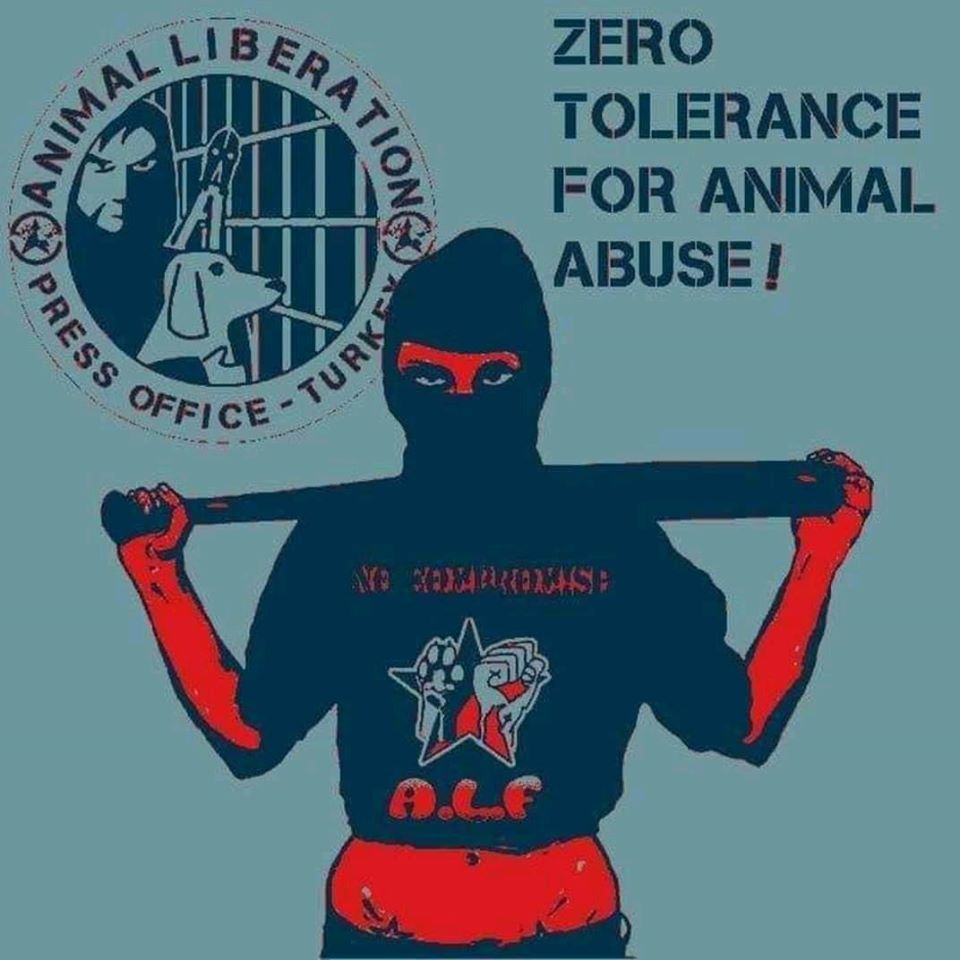
Some activists made it, ALF made history and we are grateful to them for all the animals they liberated.

My best regards to all, Venus


meat is murder


those who consume animal products do not only have the blood of the animals on their hands ….


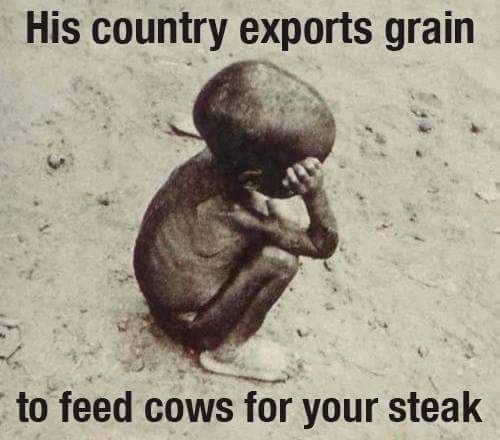
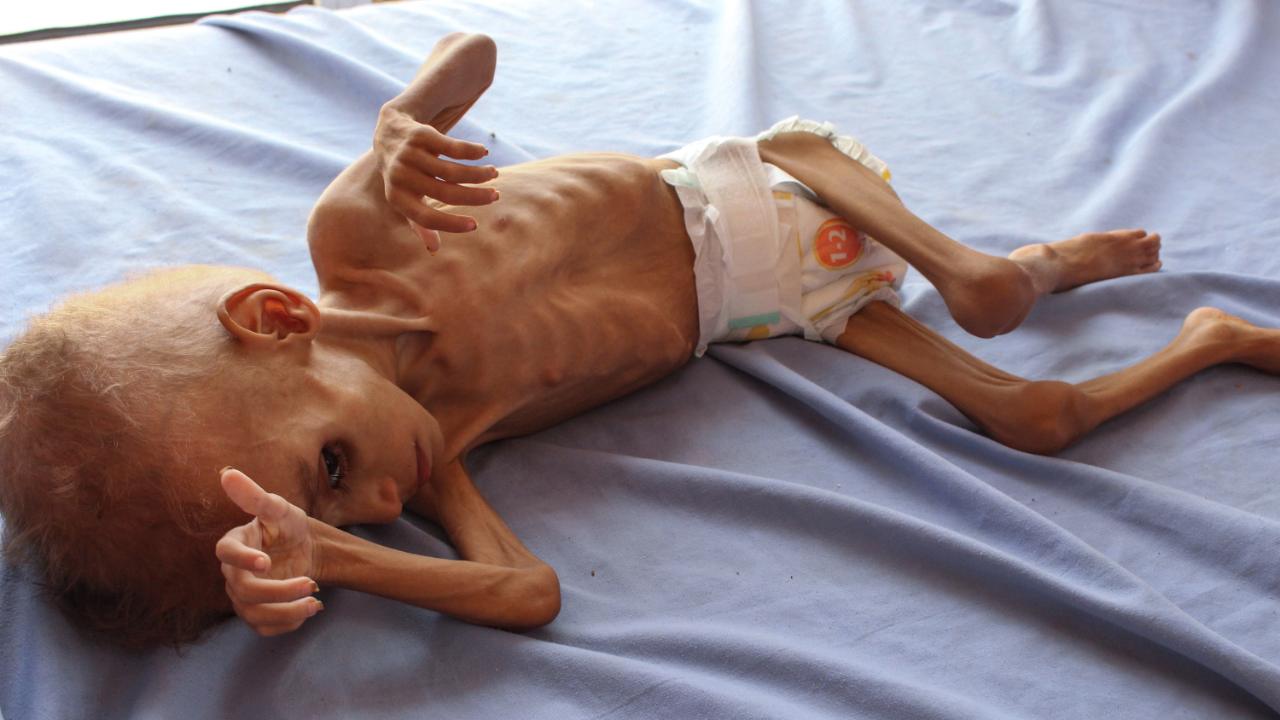
Hunger kills around 24,000 people worldwide every day, three quarters of whom are children under the age of 5.
That is about 8,200 children under the age of five who die of hunger every day.
A child dies of hunger every ten seconds.

Hardly anyone talks about this genocide, let alone remedial measures.

For the powerful, it’s a business anyway.

But there are also others who speak of Christian values ​​and solidarity and justice, all of these billion hypocrites with their meat consumption, who are involved and complicit in this crime against humanity.

Ten global corporations control 85 percent of the staple foods traded worldwide.
These companies decide who eats and lives or who starves and dies.
The question of life and death is that of access to food, not the production of food.

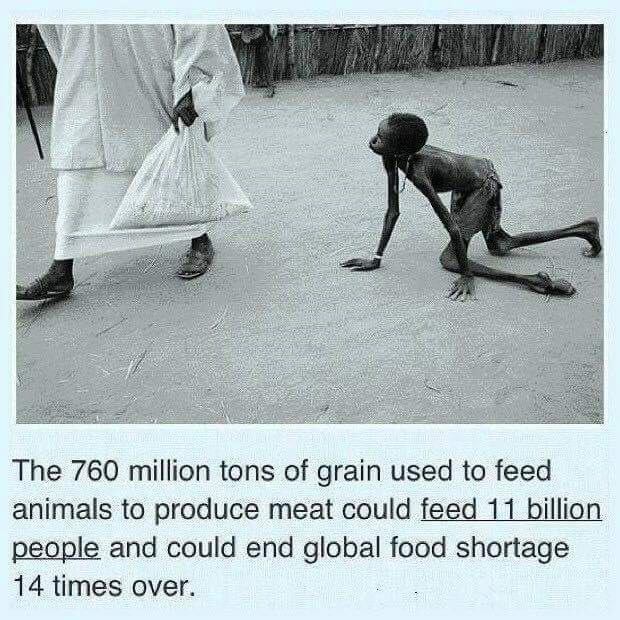
The United Nations World Food Report says that world agriculture today could easily feed almost 12 billion people, more than double the world’s population.

The world grain harvest is great; worldwide it is about two billion tons a year, but about 800 million tons of it is used every year for the intensive feeding of slaughter cattle.

The rich world feeds its “useful” animals while in the Third World a child dies of hunger every ten seconds.

Those who do not eat meat release food for humans.

If we consumers stop the murderous mechanisms responsible for mass destruction in the Third World, this world dictatorship can stop, the planet and wildlife will recover, and many of the diseases that can plague millions of people worldwide will be prevented.

My best regards to all, Venus


Romania and the dog mafia Europa`s


Places of death: the suffering of dogs in Romanian animal shelters


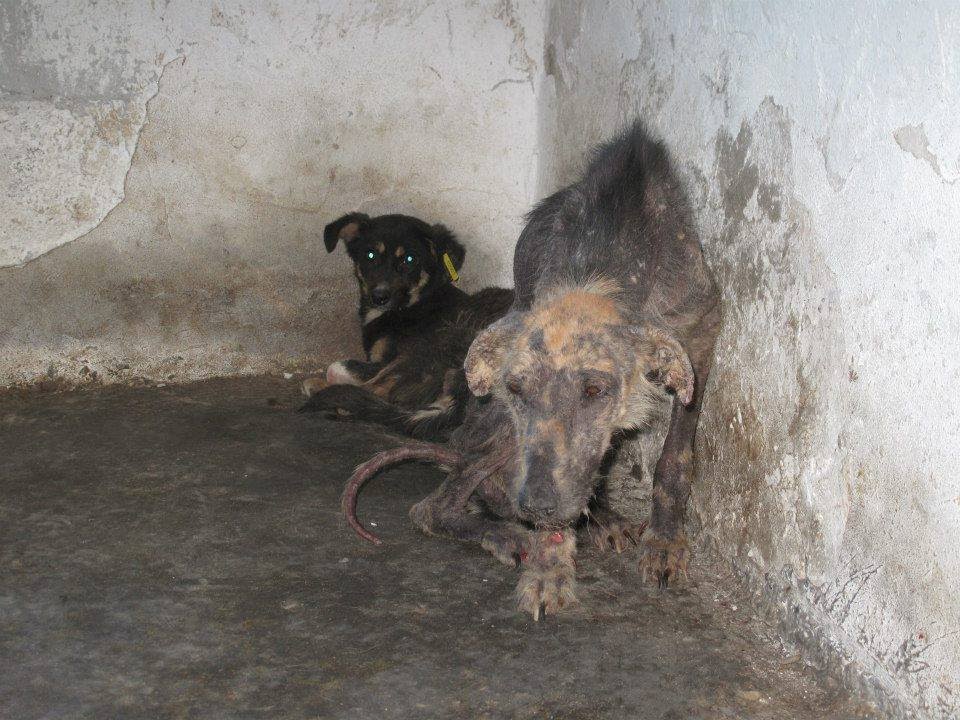
With around 600,000 dogs without a permanent home, Romania is the country with the most homeless dogs in Europe. Thousands of these animals end up in urban facilities and killing stations every year, where they are subjected to massive suffering.


AS A GENERAL RULE

In September 2013, Romania took the death of an unsupervised toddler in connection with the (alleged) street dogs to implement a law that contradicts the Council of Europe animal rights convention and many animal welfare laws, which is controversial even in Romania.


The goal was: to solve the “street dog problem” by capturing and killing.
Another goal was to catch political voices.
The real goal is and was: to legally put public money aside and share it with each other.

The law, approved by the Romanian Constitutional Court in December 2013, allows the animals to be brutally caught using snares and dogs to be put to sleep if they are not adopted within 14 days.

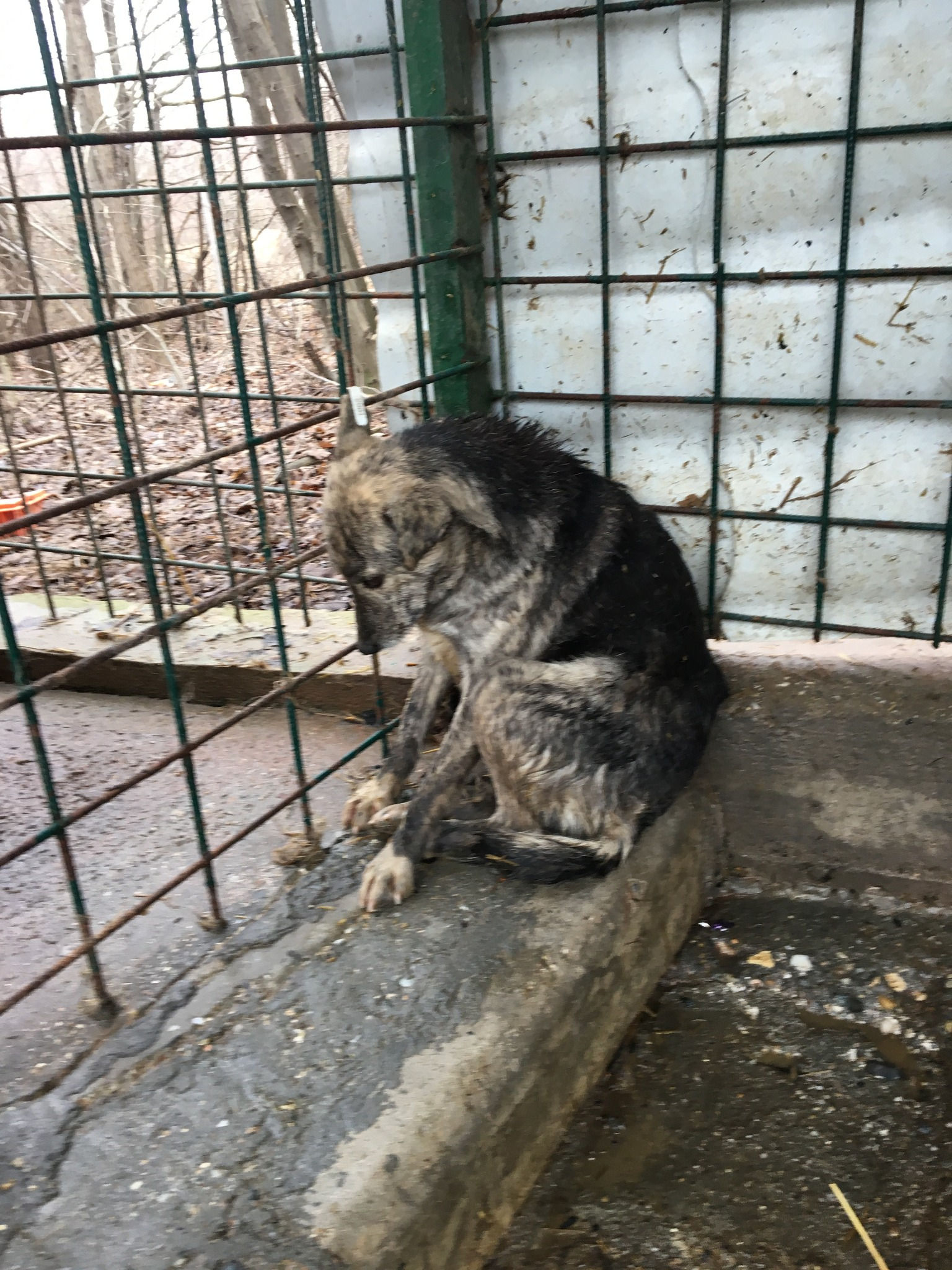
During this time they often have to live next to carcasses and rubbish.
Still, these facilities are a rewarding business for a number of unscrupulous people.


There are two types of facility in Romania that house captive dogs: killing stations and urban animal shelters.

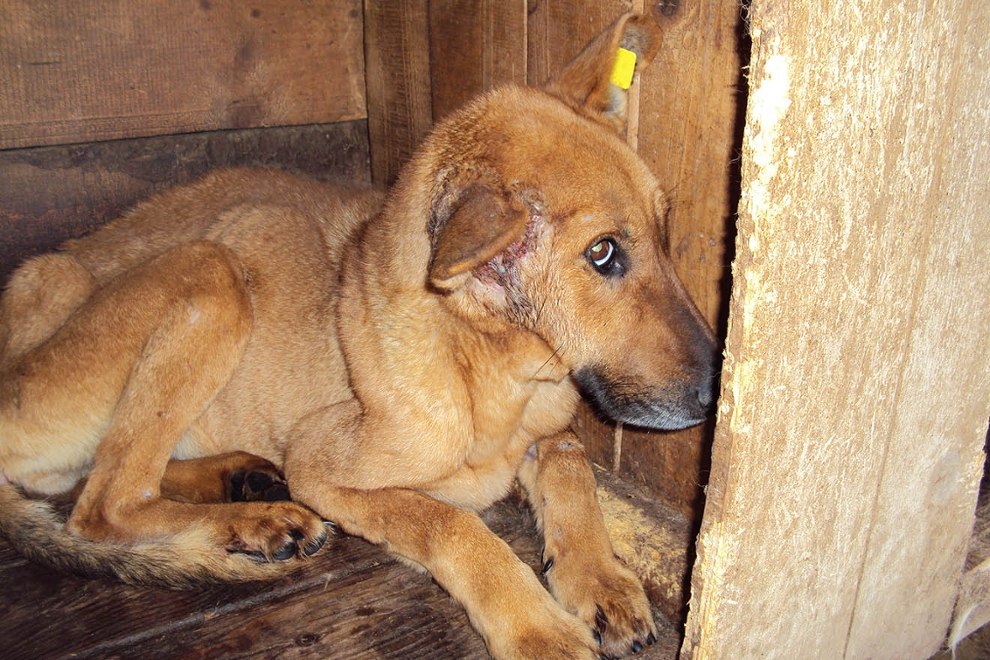
The incredible suffering of the dogs caught in these facilities is difficult to put into words.

“Euthanasia” in Romania is not comparable to the pain-free sleep of Western European pets.
The dogs suffer from hell agony, they are simply slain or sprayed dead with chemical substances that are extremely cruel in their effect.
Injection of gasoline in the heart, antifreeze in the veins …

Their death is not a gentle slip into the hereafter, but always a death full of fear, characterized by pain, suffering and deprivation.

The law legalized the street dog as a source of money – this was also one of the reasons to whip the law. The funds shown in the city budget are now shared between officials from the authorities and those who receive those lucrative contracts for street animal management.

Paper is patient. And the dogs are silent. They are starving. And they die.

In some Romanian cities, bounties are paid for every dog ​​brought to the state shelter. Dog catchers even have dogs stolen for money in order to meet their quota.

Corruption is blooming on the backs of the street animals and a sustainable business has developed that can use an almost infinite number of dogs as starting material, if the only really working solution is not used.

SOLUTION:

A national castration campaign for animals with owners and for street animals to stop the incessant offspring. Education about animal protection = human protection in schools, in the media and in public space.


http://www.ethia.de/tierrechte/rumaenien/

https://www.peta.de/tierheim-rumaenien

And I mean…As soon as we bring up the subject of Romanian strays, there is always the same hate slogan: “Romanian children die, Romanian people suffer, but the misanthropic animal rights activists worry about the dirty street dogs”.
Yes, exactly! we care about them too!

Animal welfare is not just loving and saving animals, it has become a political issue.

Politicians in most European countries go over dead bodies when it comes to animals. And that’s what it’s all about in Romania. About an industry that blooms with the cruel death of helpless stray dogs.

In Romania it`s about 600,000 strays, 600,000 individual fates, 600,000 dog lives that are in danger every day or mistreated every day.

In 2007, the Romanian government considered a law that would have introduced state-wide castration projects. The EU even gave subsidies of € 4.2 million for 2013 alone. Instead of using them wisely to solve a major problem, these funds have been lost (and still are) in the corruption swamp and in dog catcher`s business. Until today has nothing changed!

The nature of the killings remains a state secret. There is talk of gas and electricity death. Nobody is allowed to watch it.
The public should remain in the dark.

And this despite the fact that castration projects in Romania are having a great effect.

In Oradea, for example, the number of stray dogs fell from initially 5,000 in just 6 years of project work to 300.
In Lugoj, where the mayor is behind the castration project, a population of 2500 street dogs was reduced to 250 in just 3 years. And without killing a single dog.

It is not a feat to kill defenseless dogs and cats using medieval methods, but a perverse action by the corrupt Romanian government!
This was proven in the previous year with the fall of 70,000 sheep from Midia to Kuwait.

As soon as the EU stops the flow of animal welfare subsidies for Romania, the problem can solve itself or at least fewer and fewer criminals will take part in this business because it is no longer worth it.

My best regards to all, Venus


Asia’s biggest food companies silent on the welfare of farm animals.

Asia’s biggest food companies silent on the welfare of farm animals

Even as a pandemic threatens food supply chains, most firms, including China’s top pig and poultry producer, have shed no light on how they are managing risks and opportunities linked to farm animal welfare.

https://www.eco-business.com/news/asias-biggest-food-companies-silent-on-the-welfare-of-farm-animals/

Major food companies in Asia must improve the welfare of farm animals that they produce, supply or use, an annual benchmark of 150 of the world’s largest food companies has shown.

Out of 17 Asian companies in the benchmark, 15 emerged in the bottom tier for being virtually silent on how they are managing the risks and opportunities associated with farm animal welfare.

The 15 Asian companies—which made up half of the bottom tier—included China’s top pig and poultry producer Wens Foodstuff, feed and meat manufacturer and distributor New Hope Liuhe, retailer China Resources Vanguard and Japanese food producers Meiji Holdings and Maruha Nichiro.

The Business Benchmark on Farm Animal Welfare (BBFAW) 2019, released earlier this month, comes at a time when the Covid-19 pandemic is highlighting the fragility of global food supply chains and the need to do more to stop the spread of diseases from animals to humans.

“In a world where farm animal welfare is an increasingly important driver of both business value and investment risk, maintaining and improving animal welfare standards must be a focus,” said Dr Rory Sullivan, co-author of the 2019 report and chief executive of Chronos Sustainability, which serves as the BBFAW’s secretariat.

Pig production is big business for Asian companies, but there is also a focus on poultry and seafood.

Companies should begin by publishing commitments to improve farm animal welfare throughout their business operations, state how they will implement these commitments, and report on their performance, said Nicky Amos, managing director of Chronos Sustainability and executive director of BBFAW.

The BBFAW expects corporate policies on issues such as the avoidance of genetic engineering or cloning, avoidance of growth-promoting substances, and reduction or avoidance of the routine use of antibiotics. Companies should also declare their policies on pre-slaughter stunning for all animals, limiting long-distance live transportation and the provision of effective enrichment for farm animals (such as outlets to perform their natural behaviour), she said.

Hens in tiny cages, gestating pigs in crates

Two primary concerns for consumers, scientists and animal welfare organisations are the use of cages for hens reared to lay eggs, and crates for gestating pigs, the Humane Society International (HSI) told Eco-Business.

Producers as well as many food and food service companies worldwide have pledged cage-free systems for laying hens and group housing for sows, which are the higher welfare alternatives, the HSI said.

These alternatives allow the animals to perform some of their natural behaviour. For chickens, this means nesting, dustbathing, perching and foraging. For sows, this means more opportunity for movement, social interactions and to root (an exploratory behaviour where the pig uses its snout to nudge into something repeatedly).

“In China, however… the majority of (egg-laying hens) are confined to cages so small that they cannot even fully stretch their wings, and each animal has less space that a letter-size sheet of paper or an iPad on which to spend their entire life,” said the HSI. Hens in cages are so severely restricted that they suffer from physical abnormalities due to lack of exercise, and the same happens to sows kept in crates.

“Beyond that, chickens raised for meat need more space and better conditions,” it said. China produces more pigs and chickens (raised for eggs or meat) than any other country.

In China… the majority of (egg-laying) hens are confined to cages so small that they cannot even fully stretch their wings, and each animal has less space than a letter-size sheet of paper or on iPad on which to spend their entire life.

Humane Society International

Researcher Michelle Sinclair of the University of Queenslands’ Centre for Animal Welfare and Ethics in Australia has interviewed members of Asia’s livestock industry and said many farms in China are making an effort to address animal welfare.

In research conducted in China, her team asked farmers and slaughter workers what they saw as the most important welfare issues. The top issue cited was the absence of adequate pre-slaughter stunning, which essentially renders an animal unconscious before the slaughter, until death. Quality of transportation was second, and the experience and attitude of workers was third.

Animal welfare issues that farmers and slaughter workers ranked as important also included avoiding stress from heat and cold, sufficient water and feed that was of adequate quality.

Practical solutions exist, such as the formation of prescriptive and locally relevant industry standards, clearly presenting the business benefits of better animal welfare, and building a body of local research, Sinclair and Professor Clive Phillips noted in a research paper last year.

Role of investors and avoiding ‘greenwash’

15 of the 17 Asian companies in the Business Benchmark on Farm Animal Welfare 2019 were in the bottom tier. Image: Eco-Business

Investors have an important role to play and need to be more active, said the BBFAW and HSI.

Investors should expect companies to be transparent about their business and improve their practices, said HSI. “Further, investors should encourage and incentivise producers and food businesses to create time-bound plans to fully implement animal welfare commitments.”

Challenges faced by the livestock industry include developing knowledge on what the issues are, and how to address them. Many countries do not have prescriptive laws or standards to follow, and the industry has to ensure profitability even as it improves animal welfare, said Sinclair.

Consumers can also make an effort to support companies that have animal welfare policies, and adhere to them. “Obviously they can also eat less meat (of higher quality), substituting for vegetables and other health foods where they can,” said Sinclair.

The HSI said it is important that retailers understand the differences between products, so they can provide customers with options that actually support animal welfare. Producers are able to “greenwash” their practices in a number of ways, such as by making claims that are general—“we treat our animals well, because a healthy animal makes a great product”—or labelling products as certified by an animal welfare scheme which has no significant requirements beyond the law, it noted.

The challenges can be overcome through collaboration among companies, researchers, governments, industry groups and animal advocacy organisations, said Sinclair. “In my view, there is a lot more to lose, and bigger challenges to come, if we don’t improve animal welfare globally. We see a major health and environment crisis semi-regularly and a lot of the time, these disruptions and risks can be tied to a lack of consideration of the animals we farm and share our world with.”

Thai, Chinese companies are best Asian performers

Companies in Asia that have made progress include Japanese retail giant Aeon, said Amos. Aeon recently changed products under its own brand to cage-free eggs, starting locally before expanding sales to all its locations worldwide by end-2022.

The two best-performing Asian companies in the latest benchmark⁠⁠—which was supported by BBFAW’s two founding partners, animal welfare organisations Compassion in World Farming and World Animal Protection⁠—were Thailand’s Charoen Phokphand Foods and China’s WH Group. Both companies placed in the fourth of six tiers, which means they published some information on animal welfare commitments, but did not have robust processes to ensure they are effectively implemented.

WH Group, one of the largest pork producers in the world, provided a general overview of its approach to farm animal welfare, and described the management structure for its sustainability policy that includes animal care, said Amos. Its Smithfield subsidiary, however, has a comprehensive approach and provides a detailed account of its performance. In addition, all of Smithfield’s pregnant sows are put in group-housing.

Meanwhile, Charoen Phokphand has published a farm animal welfare policy that Amos said includes partial commitments on key issues, such as the avoidance of close confinement and requirement of pre-slaughter stunning. It has also set animal welfare targets and reported its progress.

According to HSI, Charoen Phokphand has started cage-free egg production in Thailand. Multinational corporations Sodexo, Tesco and Carrefour have also introduced animal welfare programmes, such as committing to use or sell exclusively cage-free eggs, in some Asian countries.

The six companies in the top tier of the 2019 benchmark were Switzerland’s Coop Group and Migros, and United Kingdom’s Cranswick, Waitrose, Noble Foods and Marks and Spencer.

https://www.eco-business.com/news/asias-biggest-food-companies-silent-on-the-welfare-of-farm-animals/


Sick ‘Modern’ Fishing.


This is what modern fishing looks like.

So much cruelty and so much suffering. One reason that the oceans could be empty in a few decades.


https://twitter.com/i/status/1251102854124908552


Breaking! Animal Welfare Coalition Calls On World Health Organization To Focus On Testing On Humans Not Animals For COVID-19 Remedies.

Breaking! Animal Welfare Coalition Calls On World Health Organization To Focus On Testing On Humans Not Animals For COVID-19 Remedies


https://worldanimalnews.com/breaking-animal-welfare-coalitions-call-on-world-health-organization-to-focus-on-testing-on-humans-not-animals-for-covid-19-remedies/


In a joint statement released today by Cruelty Free InternationalCruelty Free EuropeEurogroup for Animals, and People for the Ethical Treatment of Animals Foundation (PETA), the animal protection organizations stress that it is essential that authorities, under the leadership of the World Health Organization (WHO), work together with a focus on humane, human-relevant research.

While everyone wants a safe and effective vaccine and other medicines for COVID-19 produced as quickly as possible, it should not be at the expense and undue suffering of thousands of innocent animals such as: monkeys, dogs, cats, ferrets, and mice.

Sadly, animal experimentation remains one of the approaches used in this research which adds to the unfathomable suffering caused by the COVID-19 pandemic. This, despite animal testing and experimentation being cruel and unreliable with a history of failure in the development of drugs used for humans.

“The impact of the COVID-19 pandemic will have a long-lasting effect on our societies and our work, and this change of paradigm should also be reflected in the way we carry out research, there is an urgent need to focus on advanced scientific techniques that are more representative of what actually happens in the human body, than old ways including the use of animals,” Reineke Hameleers, CEO of Eurogroup for Animals said in a statement. “It is crucial that the WHO and other authorities acknowledge that many animals are suffering as well, and that they help to focus the research efforts of governments, researchers, clinicians, and companies towards more humane and human-relevant approaches.”

As huge numbers of animals and billions of dollars, pounds, and euros are being directed towards trying to solve the problem, it is vital that the scientific and technical merits and ethical aspects of proposed research are robustly assessed in each and every case.

Countries and institutions must also try to coordinate their research, sharing data to prevent any duplication of effort or repeated testing on animals.

That is, until the ineffective and unnecessary testing and experimentations on animals stops completely. As many lives as possible must be spared from this pandemic, including animals.

The urgent need is for more resources to be directed towards studying the virus in humans to increase our understanding of the disease, treat patients, and limit the spread of the virus altogether.

You can help all animals and our planet by choosing compassion on your plate and in your glass. #GoVeg

Help us continue to bring you the latest breaking animal news from around the world and consider making a Donation Here!

https://www.paypal.com/donate/?token=Kb0ECpsdekh7rfb0sQnj2tn9oubs1b-Y25zA-33nruXGEe20s17FrvDwTFrfg-81pQsMqm&country.x=US&locale.x=US