Posted on July 11, 2020 by Serbian Animals Voice (SAV)
FOUR PAWS: France

Hope for the #saddestbears 🐻 and animal welfare in France!
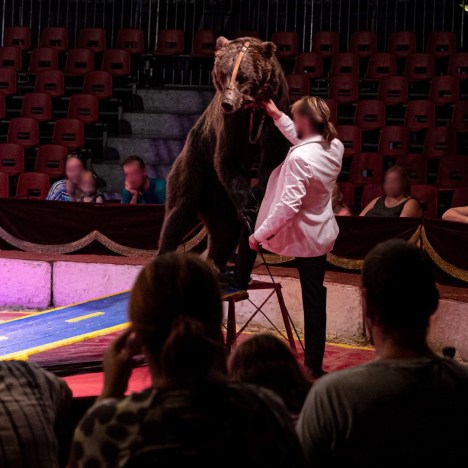
Last week, seven MPs introduced a new law in France to improve the living conditions of wild animals and pets and to combat their abuse.
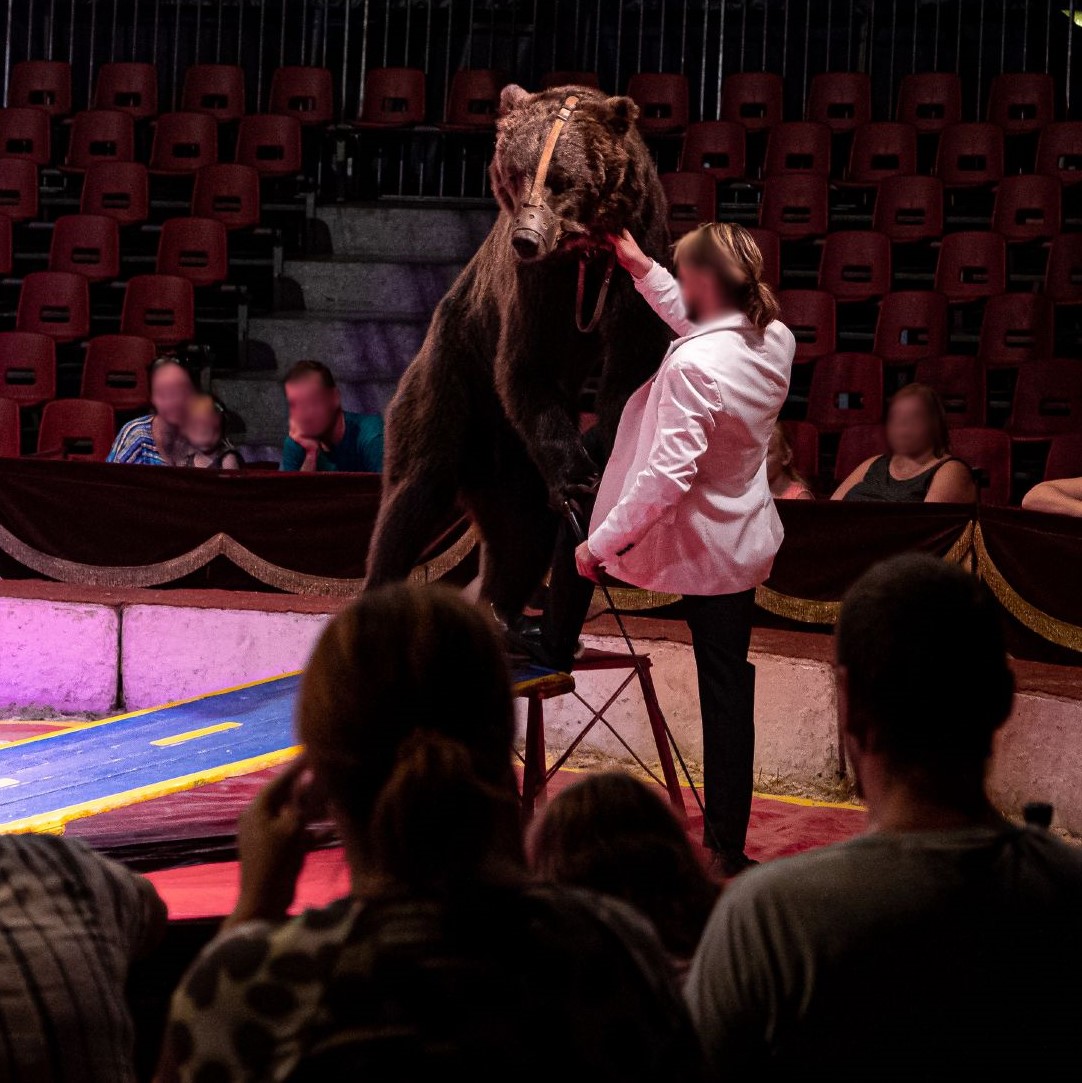
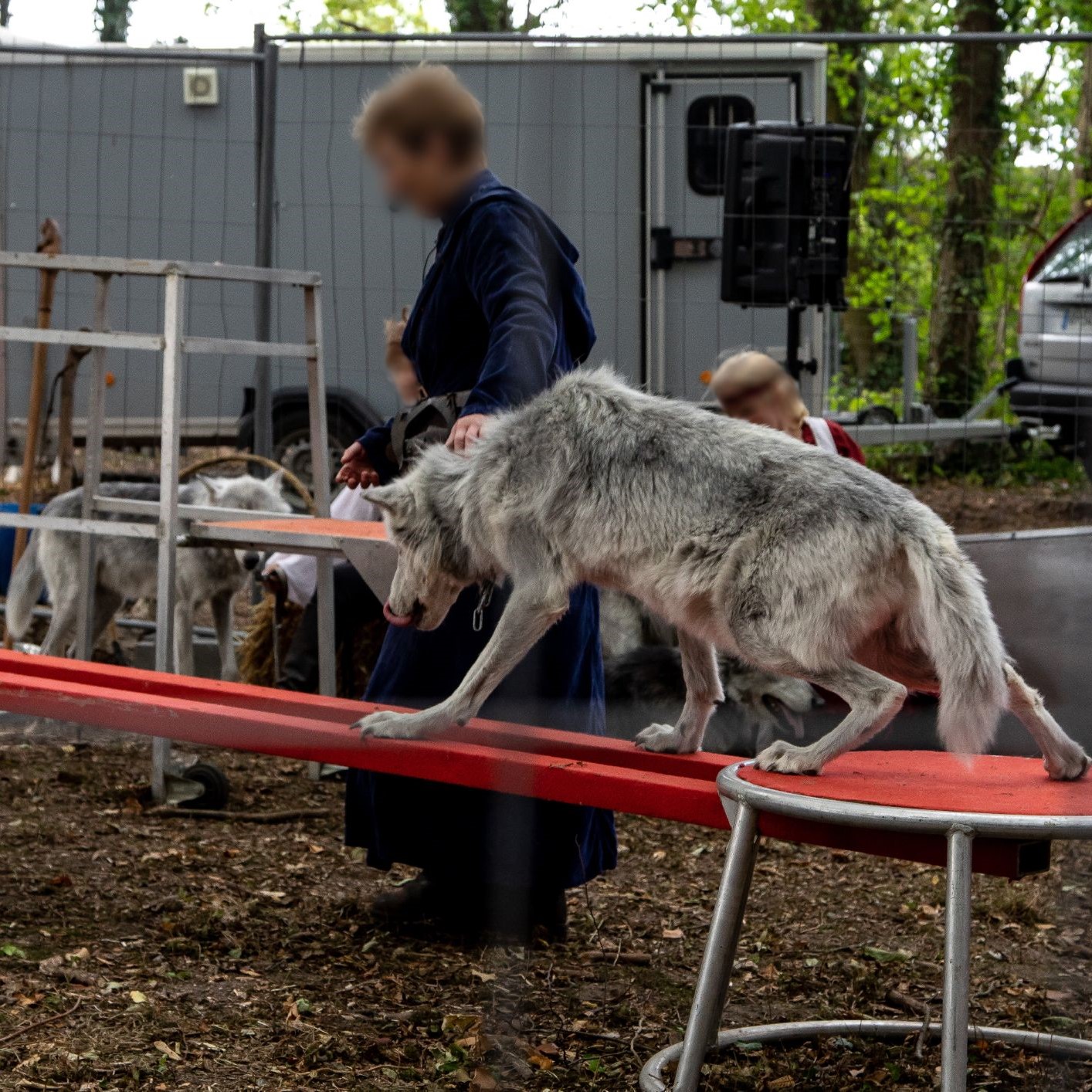
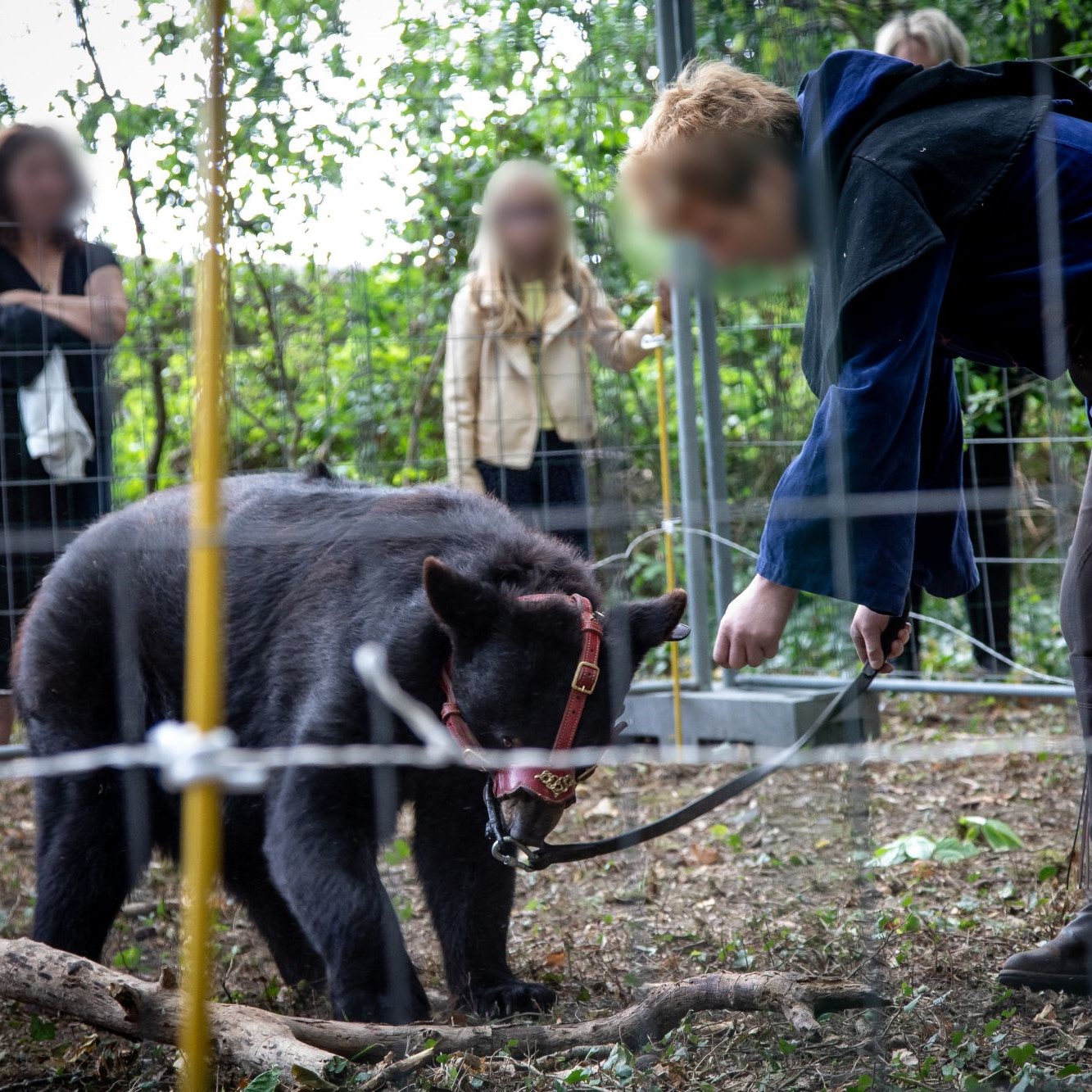
The bill provides for a ban on shows with bears and wolves and a ban on “acquiring, owning, and keeping” wild animals in circuses from January 1, 2026.
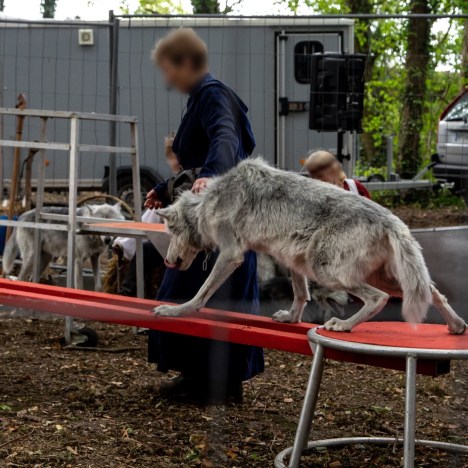
FOUR PAWS criticizes in particular the cruel exploitation of wild animals for entertainment purposes. Bears and wolves are forced to perform stupid, unnatural tricks at festivals, shows, in the circus 🎪 and at private parties in France.
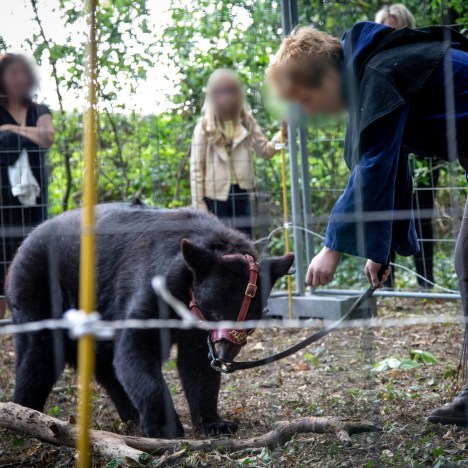
My comment: How primitive and stupid can be people in the middle of Europe when they take their children and go to the circus to have fun with them and enjoy the suffering of other beings …
Circus number with tortured animals (wild or not wild, does not play a role) is against any ethics of modern civilized countries and societies.
The French government’s move to ban the wildlife shows is good but inadequate and extremely slow.
29 countries in Europe have long introduced this ban, many of them of all animal species.
Only Germany and France have neither empathy nor decency and still live in the dark times of the cruelty of animals for the circus industry.

My best regards to all, Venus
Filed under: GENERAL NEWS - International / National / Regional | Leave a comment »
Posted on July 11, 2020 by Serbian Animals Voice (SAV)

Victory! The First Province In Cambodia, Siem Reap, Bans The Barbaric Dog Meat Trade Saving The Lives Of 7,000 Dogs Per Month

https://worldanimalnews.com/victory-the-first-province-in-cambodia-siem-reap-bans-the-barbaric-dog-meat-trade-saving-the-lives-of-7000-dogs-per-month/
One of Southeast Asia’s most iconic tourist attractions is making major strides to protect millions of dogs throughout the country. After FOUR PAWS revealed the suffering of an estimated three million dogs that are slaughtered for their meat in Cambodia each year, the Siem Reap Provincial Department of Agriculture, Forestries and Fisheries published a letter on July 6th banning the slaughter and trade of dogs for their meat in the province.
FOUR PAWS has been working closely with the Cambodian government since 2018, advocating for a ban on dog meat due to the extreme animal cruelty involved and public health risk, largely due to rabies and the spread of zoonotic diseases. The recent developments are seen as a crucial turning point for animal welfare in the region.
Through nationwide investigations, FOUR PAWS identified Siem Reap province as a key hot spot in the country’s dog meat trade, responsible for the large-scale sourcing and trafficking of dogs to supply the demand for dog meat in the Eastern part of the country, most notably Cambodia’s capital Phnom Penh.
The province’s dog meat trade is of considerable magnitude, killing upwards of 7,000 dogs per month. Until recently, the brutal trade has continued unabated despite consumption being a controversial practice. Less than 12% of Cambodians regularly consume dog meat, according to a FOUR PAWS market research study.
“The historic decision by the Siem Reap government to ban the stealing, trading, and killing of dogs is a huge milestone for animal welfare in Cambodia and is reflective of current sentiment among Khmer people,” Dr. Katherine Polak, veterinarian and Head of FOUR PAWS Stray Animal Care in Southeast Asia, said in a statement.
During FOUR PAWS’ investigations, a total of 21 restaurants serving an estimated 2,900 dogs per month were visited in the Siem Reap city area alone; several of them located close to the world-famous temple complex Angkor Wat.
One dog slaughterhouse and five high-volume holding and trading areas were also located in the province, used to hold dogs prior to being transported to slaughter. Specialized minivans equipped with cages are used to regularly transport at least 3,750 live dogs per month out of Siem Reap to slaughterhouses in Kampong Cham, Kampong Thom, and Skun. Here, the dogs are brutally killed, stripped of their fur, and sold by wholesalers to the more than 100 dog meat restaurants in Phnom Penh.
In Cambodia, FOUR PAWS has partnered with local charity Animal Rescue Cambodia to improve companion animal welfare, as well as with the Cambodian Mine Action Centre, a Cambodian government department, to end the dog meat trade.
To put a sustainable end to the brutal dog meat trade in Southeast Asia, FOUR PAWS has launched a campaign on an international and national level in Cambodia, Indonesia, and Vietnam.
“Through educational work and cooperation with the responsible authorities, local communities, and the tourism industry, the goal of FOUR PAWS is for Governments in Southeast Asia to introduce, strengthen, and enforce animal protection laws, which will bring an end to the capture, slaughter, and consumption of dogs and cats. This will not only protect animals – but people as well from public health risks,” stated Dr. Karanvir Kukreja, veterinarian and Project Manager for FOUR PAWS’ Ending the Dog and Cat Meat Trade Campaign.
FOUR PAWS also supports local animal welfare organizations and communities with humane and sustainable stray animal care programs. They are also a part of the animal welfare coalitions Dog Meat Free Indonesia and Asia Canine Protection Alliance, which lobby against the trade in Southeast Asia, as well as the Asia for Animals Coalition, which works to improve the welfare of animals across Asia.
Support to END this cruel trade has gained global traction through a petition by FOUR PAWS that has received over 800,000 signatures since it launched late last year. Please help support this critical campaign by signing the petition HERE!
Filed under: GENERAL NEWS - International / National / Regional | Leave a comment »
Posted on July 10, 2020 by Serbian Animals Voice (SAV)
The Red List of the World Conservation Union is a list of endangered animal and plant species. It is updated every year.
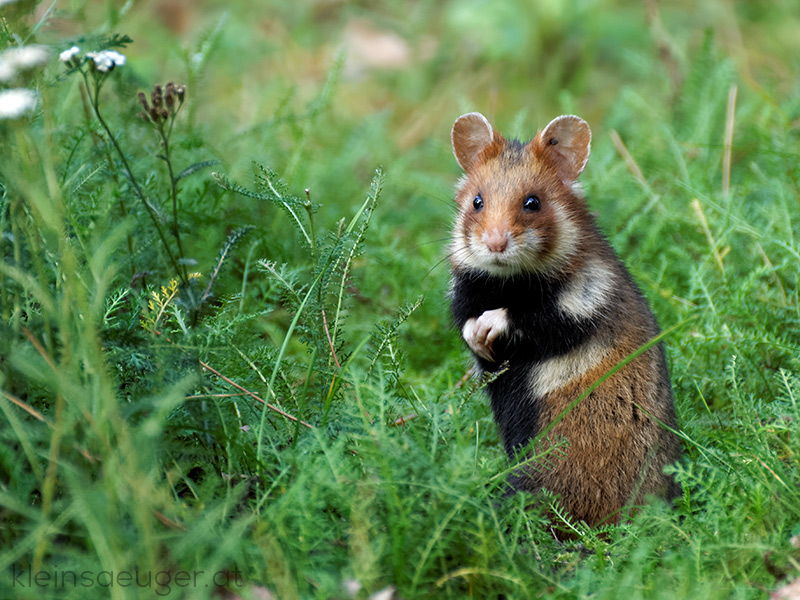
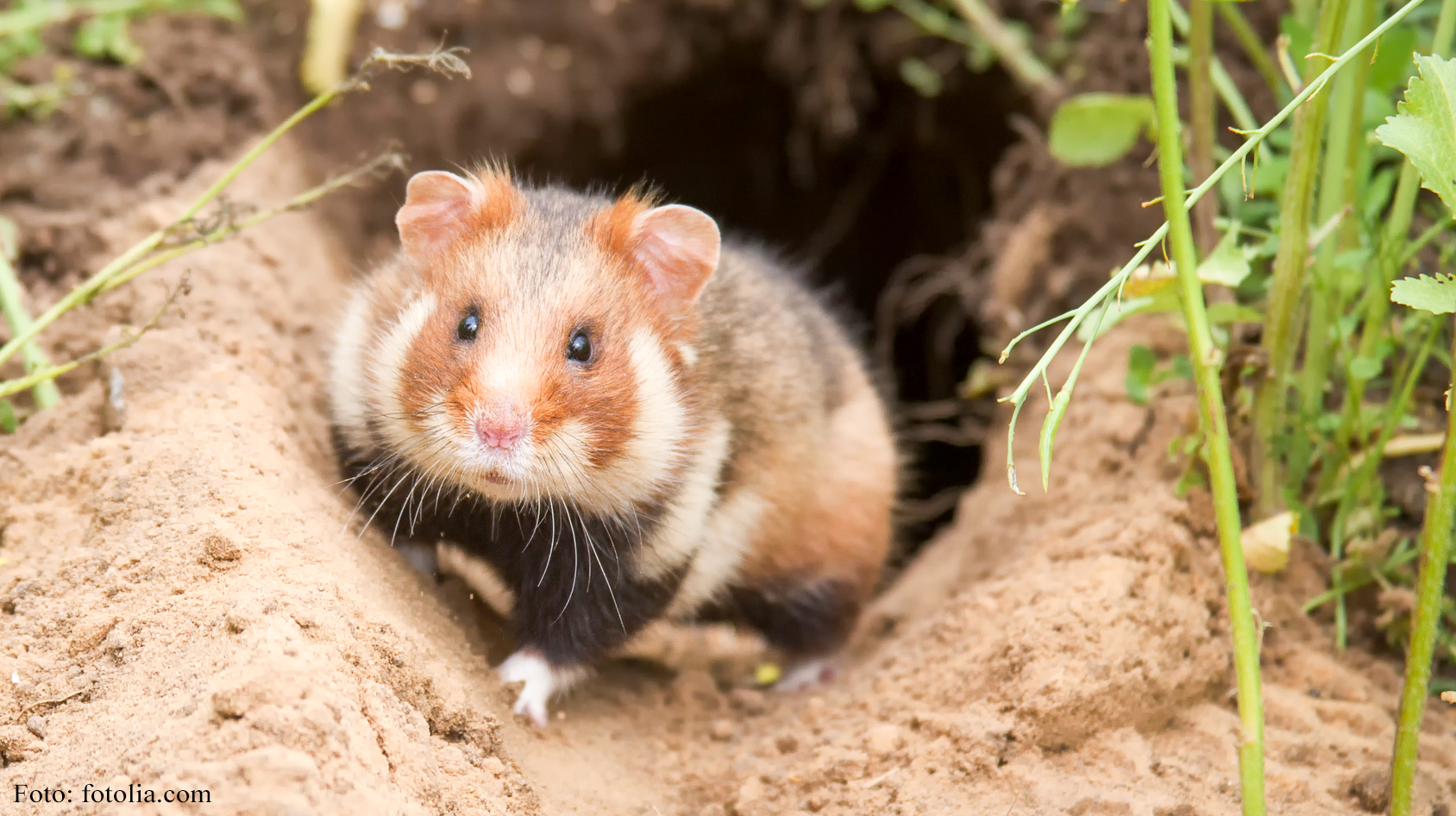
Now there is a species that has been on Earth for 2000 years. If the field hamster is not helped, animal rights activists warn that it will be completely gone in 30 years.
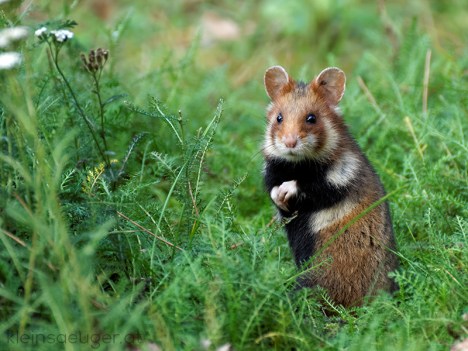
The field hamster, which has become very rare in Germany, is now officially threatened with extinction in its entire distribution area. This emerges from the new Red List of Endangered Animal and Plant Species of the World Conservation Union (IUCN).
Species of lemurs and a right whale in the Atlantic are now threatened with extinction, as the IUCN reported in Gland near Geneva.
The field hamster (Cricetus cricetus) is already strictly protected in the European Union, but at IUCN it has so far not been considered endangered due to the lack of surveys.
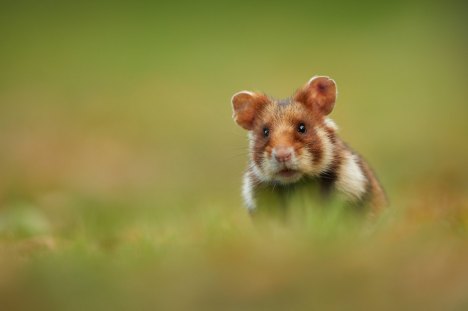
Conservationists had thought that there were still plenty of cute-looking rodents in Eastern Europe and Russia.
That was a fallacy.
“If nothing changes, the European hamster will die out in the next 30 years,” warns the IUCN now. “As it turned out, the catastrophe reaches as far as Siberia,” says field hamster expert Stefanie Monecke from the Institute of Medical Psychology at the University of Munich.
Rapid decline
Between the Alsace and the Jenissei river in Siberia, the field hamsters were once at home millions of times. The “architects under the field” were a plague for farmers because they tunneled fields and ate up crops.
For each hamster killed, premiums were paid to deal with the plague.
In the Halle, Germany, district alone, tens of thousands of dead animals were delivered in the 1950s, says Monecke.
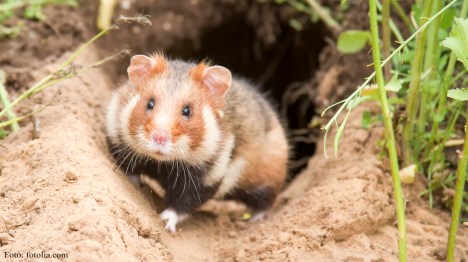
“There are estimates that the population has declined by 99 percent since the 1950s and there are only 10,000 specimens left across Germany.”
And I mean…We can protect the field hamsters, but those who don’t want solutions will find excuses!
Everyone closes their eyes in Germany, especially when it comes to economic interests.
Only what uses man as the crown of creation has priority.
What is the value of some furry underfloor residents against profit and making money?
Most of those responsible write the fate of the animals on their asses anyway.
But there is opposition to it. With a corresponding online petition, conservationists and activists hope to be able to mobilize the resistance to save the hamster. You can support the protest here:
Every animal and plant species that are eradicated means an irreparable loss. Not just a loss of diversity.
The destruction of our livelihoods often begins on a small scale. These livelihoods erode with every species that disappears from the earth.
This can also be a disaster for human animals.
We might even think: hopefully !!
My best regards to all, Venus
Filed under: GENERAL NEWS - International / National / Regional | Leave a comment »
Posted on July 9, 2020 by Serbian Animals Voice (SAV)
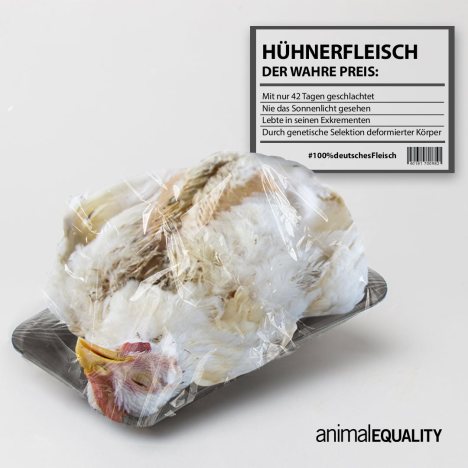
Slaughtered at 42 days
Never seen the sunlight
Lived in his excrement
A deformed body through genetic selection

100% German meat
Eating animals is a collaboration on one of the worst crimes in human history.
Regards and good night from Venus
Filed under: GENERAL NEWS - International / National / Regional | Leave a comment »
Posted on July 9, 2020 by Serbian Animals Voice (SAV)
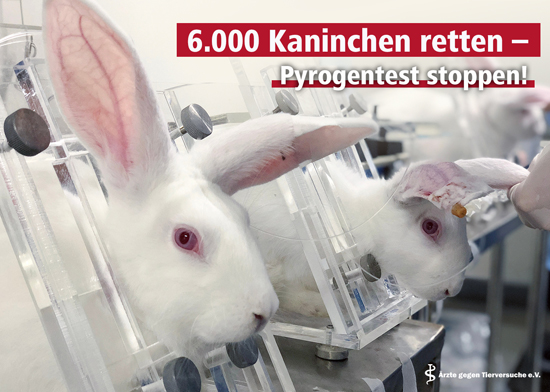
Around 6,000 rabbits suffer and die each year in the so-called pyrogen test. This is despite the fact that there has been a recognized test method free of animal testing for 10 years. This can no longer be tolerated!
The authorities must finally intervene and ban the rabbit pyrogen test!
Vaccines, infusion solutions, and other medical products must not contain so-called pyrogens. These are fever-inducing substances that e.g. are released by bacteria.
The European Pharmacopoeia prescribes a check of every production unit in order to protect patients from damage.
A test on rabbits has been standard for decades to test products for possible contamination by pyrogens.
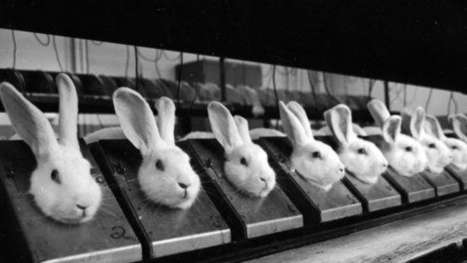
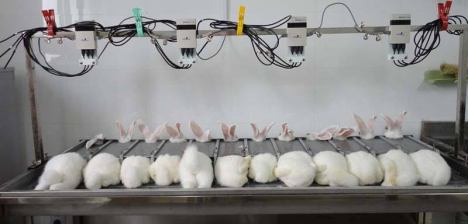
For this, rabbits are fixed in a small box in which they cannot move for several hours, and the test substance is injected into an ear vein. If they develop a fever, the production unit is not released for sale. After a certain “period of use”, the rabbits are killed.
An animal-free method, the monocyte activation test (MAT), which works with human blood, was developed 30 years ago and internationally validated in 2005.
In 2010 he was included in the European Pharmacopoeia.
One company that carries out the rabbit test is the LS laboratory in Bad Bocklet in northern Bavaria, Germany.
Here more than 82% of the rabbit tests in Germany are carried out.
It can no longer be accepted that even though an animal-free test method is recognized, thousands of rabbits still suffer and die for the pyrogen test in Germany alone.
The rabbit test must be deleted in the European Pharmacopoeia and the approval authorities must prohibit the test!
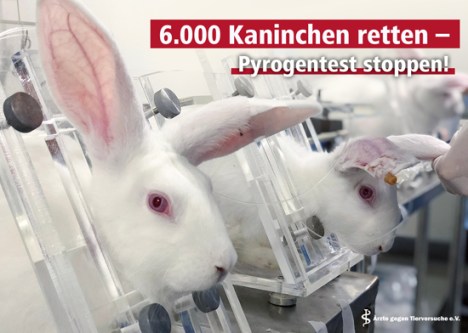
Comment and Information: A rabbit pyrogen test has been used since the 1940s. In this test, the rabbits are locked in full-body holders, then they are injected with a test substance into the blood and their body temperature is monitored. The possible effects on the animals range from fever to breathing problems to fatal shock.
Despite its long use, the rabbit pyrogen test has never been formally reliable to determine its reliability or relevance to humans. Rather, there are a number of well-documented drawbacks to this test, including significant differences in the sensitivity of the species and breed.
In the pharmaceutical industry, pyrogen determination is mandatory to prevent life-threatening fever reactions that can be caused by both microbial and non-microbial substances.
The monocyte activation test (MAT) was included in the European Pharmacopoeia (EP) in 2010 after the publication of international validations.
This test was developed as an alternative to animal-based methods and should offer a possibility to carry out pyrogen tests in a human in vitro system.
In addition, this determination can be carried out in vitro with greater speed and less expense than by animal experiments.
Despite all of these benefits, the Food and Drug Monitoring Agency (FDA) continues to rely on animal testing to assess the pyrogenic potential of new drugs and pharmaceuticals.
Animal testing is a waste of time and money, associated with a high risk of our health.
And with senseless cruelty to animals that exclude ethics and humanity.
Without animal testing, medicine would be much further, because animal testing is stopping medical progress because of its false results.
My best regards to all, Venus
Filed under: GENERAL NEWS - International / National / Regional | Leave a comment »
Posted on July 9, 2020 by Serbian Animals Voice (SAV)
Right now, as you read this, billions of frogs across the world are being tortured, maimed, and killed. Stolen from the wild, they die in pain. It is estimated that in Asia alone, between 180 million and a billion frogs are currently stolen each year for use in traditional ‘medicine’.
-
In Laos, tiny rice paddy frogs are dipped into boiling oil and fried alive on sticks. Or they are put into blenders and liquidized before being added to curries and stews, boiled in soups or barbecued on an open flame.
In Vietnam and Japan, live bullfrogs are served to diners, filleted while their hearts are still beating.
-
In China, Asiatic grass frogs – a protected species – are butchered for use in traditional ‘medicine’ (hasma is made with the fallopian tubes of dried-up female frogs and is supposed to help consumers “look younger”).
Video footage from Cambodia shows frogs kicking and squirming in pain as their snouts and rear legs are cut off with scissors. Still alive, they are thrown in a pile of other maimed frogs and left to endure a slow death. These frogs are not only massacred for their legs, they are also turned into trinkets and curios for the tourist industry.
-
In Europe and the United States, an exploding exotic pet trade sees glass frogs plucked from tropical rainforests and stuffed into tiny glass containers, destined for the pet trade. Many frogs die before reaching their destination and those that don’t die later perish from the long-term effects of capture and transport.
-
Across the world, aquatic African clawed frogs, semiterrestrial bullfrogs, and terrestrial toads are still used in classroom dissections and teaching exercises in a harrowing process known as “pithing”. Pithing leaves the frogs defenceless while students cut them open, apply drugs to their beating hearts, and attach electrodes to their exposed leg muscles after peeling off their skin.
, the cruelty being inflicted on frogs for cosmetics or when they are barbarically killed for a sick frill for diners is so blatant, so abhorrent and so dangerous that governments must act now.
The havoc with nature caused by this trade has potentially irreversible negative consequences for the entire planet.
Frogs play a vital role in the food chain, as both predators and prey. As tadpoles, frogs eat algae, reducing the chances of algal contamination and they, in turn, are an important source of food for birds, fish, monkeys and snakes.
Their diet includes mosquitoes, lowering the transmission risk of killer diseases including Dengue fever, malaria, West Nile fever and Zika.
Right now, frogs are racing headlong to extinction, but if we act fast to stop the international trade, we will give the frogs a better chance of survival and save billions of creatures from merciless cruelty.
… and Taiwan – your action needed to drag these primitives into a cruelty free modern world. Read on and sign.
The Taiwan Food and Drug Administration (TFDA) is currently accepting public comments on its proposed new regulation that would recommend—and allow—that food and beverage companies conduct painful and deadly experiments on animals in a misleading attempt to support dubious health claims for their products and ingredients.
The experiments are undoubtedly cruel—and also scientifically useless because of the significant biological differences between rats and humans. Numerous countries around the world—including the U.S. and Canada and those in the European Union—don’t suggest that animal tests be conducted in order to make health claims for foods.
Taiwan needs to get in sync with the global community and eliminate these experiments, not recommend or allow them. Please ACT NOW to speak up for animals before the July 26 deadline.
Filed under: GENERAL NEWS - International / National / Regional | Leave a comment »
Posted on July 9, 2020 by Serbian Animals Voice (SAV)


For Immediate Release: July 9, 2020
Coyote Pup Illegally Trapped & Fatally Maimed in Cruel Leghold Trap
Incident Under Criminal Investigation ~ Wildlife Protection Organizations Call for Justice
VALLEY VILLAGE, CA—California-based Project Coyote has released a video depicting a coyote pup captured in an illegally set leghold trap in the upscale neighborhood of Valley Village (adjacent to North Hollywood), and law enforcement agencies are currently investigating the incident for possible criminal violations.
The video shows—in graphic detail—the coyote pup struggling in the trap, desperate to free itself, with no cover in the searing summer heat. It is believed that the pup suffered in the trap for days before local residents heard it crying in pain and came to its rescue. The animal’s distress was so great, as is evident in the video, that at one point a caring girl felt compelled to offer water to the pup, but it suffered such severe injuries from the trap that it was later euthanized by Los Angeles Animal Services.
“Ironically this coyote was trapped through a GoFundMe campaign organized by Valley Village resident Lisa Johnson Mandell who solicited money from neighbors for ‘humane wildlife removal,’” said Project Coyote’s Southern California Representative Randi Feilich. “In talking to neighborhood residents, I found they were shocked to learn that donations were used to hire a trapper to set cruel, indiscriminate and illegal leghold traps. According to Feilich, the GoFundMe page has since been deactivated.
The trapper is believed to have violated multiple state laws and is now under investigation by Los Angeles Animal Cruelty Task Force and the California Department of Wildlife. “Leghold traps were banned by California voters in 1998 so this trap set is clearly in violation of that law,” said Camilla Fox, Project Coyote Founder and Executive Director. “Moreover, California law requires that trappers check their traps daily and obtain written permission from property owners when setting traps less than 150 yards from a residence, which this trapper clearly failed to do.”
“We commend the multiple law enforcement agencies involved in this case for their due diligence in investigating this incident, and we hope the trapper and anyone else responsible will receive the stiffest sentence possible under the law,” said Feilich, who spoke to authorities and neighborhood residents in producing the video released on Project Coyote’s YouTube page and on Valley Village’s Nextdoor site. “We also believe many residents who generously donated money to this GoFundMe page were misled by the organizer into thinking they were hiring a humane wildlife control business to remove the coyote, but instead their donations were used to fund the worst type of illegal animal cruelty, resulting in a slow and painful death to a young coyote pup.”
“Despite a state law banning leghold traps, many private trappers and ‘pest’ control businesses continue to use them in clear violation of the law,” said Fox. “Until these trappers receive more than a slap on the wrist, they will continue to flagrantly violate the law. We must crackdown on this unconscionable cruelty so another animal does not suffer such a painful and needless death.”
Watch the video of the captured coyote here.
Warning: Graphic Content
Project Coyote’s Coyote Friendly Communities program offers humane and proactive educational resources, tools and expertise to help communities peacefully and safely coexist with coyotes and other wild neighbors. Learn more here.
Filed under: GENERAL NEWS - International / National / Regional | Leave a comment »








 Serbian Animals Voice (SAV)