Posted on February 27, 2020 by Serbian Animals Voice (SAV)

It is not for us (WAV) to declare what is wrong or what is right. We simply gather evidence from a variety of different valid sources, and then present it to you; our friends and fellow campaigners; with the hope that you will have more information with which to make choices about issues.
We also provide historical information on some issues; which you may be able to use during some of ‘those’ discussions that we have all experienced at different times. Remember; information is knowledge; and as President Harry S Truman once said:
“I never gave anybody hell, I just told the truth and they thought it was hell”
This has also been my animal policy for a long time; and so far; having never had any legal problems acting against me; I am quite happy that just telling the truth and exposing the ‘hells’ for animals is the correct way to approach it.
We try to provide information; but the final actions and choices remain with others as well;
We wish to inform that according to info below; the US Food Safety and Inspection Service (FSIS) audit team inspected only eight of the 28 plants. So, is a policy of inspecting just 8 of 28 facilities a guarantee that there is still no corruption going on ? – you decide. Why not inspect 20 out of 28 ?, or even all of them ? – after all; is it not ensuring the health of US beef eating citizens that needs to protected ?
Regards Mark.
25th February 2020.
The U.S. Department of Agriculture (USDA FSIS) has announced that previously banned beef products from Brazil will now be approved for export to the U.S.
Upon completion of an audit of Brazil’s inspection system for beef slaughter and further processing, USDA’s Food Safety and Inspection Service determined that raw intact beef from Brazil IS eligible for export to the U.S. from cattle slaughtered on and after February 21, 2020, the date that the Department lifted the suspension. However, raw intact beef products derived from cattle slaughtered in Brazil and certified as slaughtered before February 21, 2020, are not eligible for entry into the United States.
In early 2017, Brazil’s meat safety practices came under fire when inspectors were accused of taking bribes to allow the sale of expired, Salmonella-tainted meat. At the time, reports indicated that police found meat that had been treated with water and manioc flour in an effort to disguise the spoiled meat’s discoloration and foul odor. As a result, Brazil’s meat products were temporarily banned in Chile, the EU, and South Korea. Initially, beef imports from Brazil were still allowed into the U.S. because it was believed at the time that food safety checks and balances were strong enough to weed out and detect any problems like contamination.
Two months later, in June 2017, USDA suspended imports of all raw intact beef from Brazil due to “recurring concerns about safety of the products intended for the American market,” Specific concerns were centred around “public health concerns, sanitary conditions, and animal health issues.”
Nearly 2 years passed before the U.S. announced plans to audit Brazil’s beef and pork inspections. The audit was meant to verify that Brazil’s products meet American sanitation requirements.
Brazil is one of the world’s largest exporters of beef. In August 2016, the U.S. finally began allowing beef imports from Brazil after a 13-year ban due to multiple complications with foreign beef producers.
U.S. market is again open to raw intact beef from Brazil
By Dan Flynn on February 25, 2020
Raw intact beef from Brazil is again eligible for export to the United States beginning with cattle slaughtered on or after Feb. 21, 2020.
U.S. Secretary of Agriculture Sonny Perdue had suspended all imports of fresh beef from Brazil because of “recurring concerns about the safety of the products intended for the American market.”
That USDA ban on Brazilian raw intact beef was imposed on June 22, 2017, and was ultimately USDA’s answer to the widespread bribery of Brazilian meat inspectors. That scandal put Brazilian food safety checks in doubt.
The USDA’s Food Safety and Inspection Service (FSIS) sent its auditors to Brazil June 10-28, 2019, and again just last month, Jan. 13-24, 2020.
The most recent visit was to verify that Brazil’s “central competent authority” took corrective actions regarding the 2019 audit findings. It was also to determine whether Brazil’s food safety inspection system is governing raw and processed meat equivalent to that of the United States, with the ability to export products that are safe, wholesome, unadulterated, and correctly labeled and packaged.”
The FSIS audit confirmed that Brazil had fully implemented the corrective actions from the prior audit findings. The FSIS audit team inspected eight of the 28 plants that may now export fresh, intact beef to the U.S.
The inspections confirmed the application of written guidelines that prescribe the body temperature at which livestock are to be condemned during antemortem inspection; and the implementation of post-mortem inspection procedures, which ensure that only wholesome carcasses, free of contamination and defects, receive the mark of inspection signifying approval.
Also, the FSIS auditors confirmed Brazil’s control of specified risk materials (SRM) and the verification of proper operation and maintenance of retorts.
During the raw intact beef ban, Brazil was able to export processed beef and pork and raw intact pork to the United States. With $7.3 billion in fresh and processed beef exports last year, Brazil is happy to see the end of the ban.
Brazilian Agriculture Minister Tereza Cristina Dias announced the U.S. market was opening on Friday in Brasilia. The USDA confirmed it on Monday in a short FSIS Notice.
In the weeks prior to the beginning of the USDA ban, Brazilian Police charged 63 people in a corruption scheme that involved the country’s Ministry of Agriculture. Federal auditors at meat processing facilities were accused of having taken bribes for years in exchange for fraudulent sanitary permits.
The scheme reportedly also included selling spoiled meat and injecting water into poultry in order to sell it at high prices. Police also found chemical ingredients being used to make rotting meat spell better.
At the time, the U.S. had only been accepting fresh beef from Brazil since 2016 and the volume was small. None of the plants targeted by Brazilian police had shipped meat to the U.S.
Last October, Brazil’s BRF SA admitted to bribing food inspectors with cash and health benefits. This included payments of nearly $5 million through 2017. BRF SA reached a “leniency agreement” with the government. The European Union banned 12 BRF SA plants from selling in its member countries.
Police also said 39 of the 60 bribed inspectors remained on the job. About 2,500 food inspectors are employed by the Agriculture Ministry.
Before the USDA ban on Brazilian beef, FSIS was reinspecting all Brazilian meat entering the U.S.
More Information:
The United States is the largest producer of beef in the world followed by Brazil & the European Union. The United States, Brazil and the European Union produce roughly 47% of the world’s beef. The United States produces nearly 20% of the world’s beef.
According to records from the USDA Economic Research Service, the U.S. imported 140.9 million pounds of beef from Brazil last year. … The most recent data shows imports of beef from Brazil in January 2019 were up 39 percent by volume compared to January 2018 (11.5 million pounds vs. 8.3 million pounds, respectively).29 Mar 2019
Approximately 80 percent of beef produced in Brazil is consumed domestically. Almost 50 percent of export volumes head to China, where demand for Brazilian beef rose by 50 percent last year. In 2016, the last full year before the ban was imposed, the United States imported roughly 70,000 tons of beef from Brazil.4 Apr 2019
Reuters 2017
Filed under: GENERAL NEWS - International / National / Regional | Leave a comment »
Posted on February 26, 2020 by Serbian Animals Voice (SAV)
See some great rescue videos and life changing transformations by Animal Aid Unlimited at:
Filed under: GENERAL NEWS - International / National / Regional | Leave a comment »
Posted on February 26, 2020 by Serbian Animals Voice (SAV)
Posted on February 26, 2020 by Serbian Animals Voice (SAV)
The NSPCA and Gerrie Nel head to the High Court against Live Export by Sea
Dear Animal Warrior
The National Council of SPCAs (NSPCA) confirms that an urgent application to the High Court has been launched to interdict the impending export by sea of live sheep to Kuwait. The matter is set to be heard in the Grahamstown High Court on Friday, 28 February 2020. This, following the live export by sea horror that took place in October 2019 where sheep were transported to the Middle East in horrendous conditions.
Since the shipment in October 2019, the NSPCA has attempted to gain information from both the exporters and the government, of when the next shipment is scheduled, to no avail. The NSPCA was recently made aware that the sheep are mounting in the feedlot owned by the Page Farming Trust and leased by Al Mawashi in Berlin, Eastern Cape, and there were in excess of 30 000 sheep in the first week of February 2020. This number has increased by another 40 000 since 13 February 2020 – totalling 70 000 sheep. It is clear that an imminent shipment is planned.
Afriforum agreed to assist the NSPCA with this High Court case. Advocate Gerrie Nel leading the team, along with advocates Phyllis Vorster and Gustav Weich. The attorneys for the NSPCA case are Matthew Klein and Justin Powers. The NSPCA is indebted to Gerrie Nel and Afriforum for taking this important case on. The NSPCA has a bevy of esteemed experts, including Australian Veterinarian Dr Lynn Simpson who has first-hand experience on these ships, Professor Gareth Bath, Dr Shaun Morris, as well as our own veterinarian, Dr Bryce Marock. The papers will be served to the following respondents:
-
Minister of Agriculture, Land Reform and Rural Development
-
The Director General, Department of Agriculture, Land Reform and Rural Development
-
The Director, Veterinary – Public Health, Department of Rural Development and Agrarian Reform, Eastern Cape
-
The Provincial Executive Officer, Rural Development and Agrarian Reform, Eastern Cape
-
The MEC for Rural Development and Agrarian Reform, Eastern Cape
-
The Chief Veterinary Officer Department of Agriculture, Land Reform and Rural Development
-
The Director for Veterinary Public Health and Welfare, Department of Agriculture, Land Reform and Rural Development
-
The Harbour Master, National Ports Authority
-
The Director, National Ports Authority
-
Al Mawashi Reg K2018520686
-
Dave Muller T/A The Meat Men
-
John Page
-
Bruce Page
-
Glen Page
It has come to light that other exporters wish to export live cattle by sea to the likes of Cambodia. The voyage is even longer than that of the Kuwait exports, it exceeds 21 days.
“This case is not only important for this shipment of sheep, but for all the animals that are destined for this harrowing journey to various countries around the globe – we simply cannot allow the perpetuation and growth of this cruel and brutal trade” explained Senior Inspector Grace De Lange, manager of the NSPCA’s Farm Animal Protection Unit.
Afriforum’s CEO Kallie Kriel emphasises that the action is not intended to stop the trade in animals, but rather the way it is done, bringing about cruelty to the animals involved.
In November 2019, the NSPCA laid criminal charges in terms of the Animals Protection Act No 71 of 1962 against the Department of Agriculture, Land Reform and Rural Development (DALRRD), as well as Eastern Cape Rural Development and Agrarian Reform, Al Mawashi – the owners of the Al Shuwaikh vessel, who have a company in South Africa, the captain of the Al Shuwaikh, the Page Farming Trust, and individuals from the Page Farming Trust following the harrowing days spent at the East London harbour by Inspectors of the NSPCA in October 2019, when approximately 57 000 sheep were loaded for shipment to the Middle East. The matter is with the South African Police Services (SAPS) and the investigation is still ongoing.
Conditions on board the Al Shuwaikh in October 2019, included dangerously high ammonia levels on some of the enclosed decks, widespread diarrhoea, with much of it falling into the feed and water troughs, sheep in respiratory distress, together with other serious welfare concerns. On the dock and feedlot, animals were treated in an inhumane manner, and attempts were made to load sick, injured and lame animals onto the vessel. These sentient beings meant nothing to the handlers and exporters.
The costs incurred thus far have been exorbitant and the matter is far from over. The motion will be heard in Grahamstown in the Eastern Cape, so travelling costs, as well as legal costs are placing huge pressure on the NSPCA’s resources. We appeal to caring citizens to assist the NSPCA with this landmark case. Let us stand together against this abhorrent suffering.
Account Name: SPCA National Council of SA
Bank: Standard Bank
Account No.: 220 639 744
Branch Code: 051 001
Reference: Sheep
Kind regards
The NSPCA Team
Filed under: GENERAL NEWS - International / National / Regional | Leave a comment »
Posted on February 25, 2020 by Serbian Animals Voice (SAV)

Alone it is difficult
Together we will survive better on the street
Best regards and good night from Venus
Filed under: GENERAL NEWS - International / National / Regional | Leave a comment »
Posted on February 25, 2020 by Serbian Animals Voice (SAV)

The latest information from ‘Turtle Island Restoration Network’
Check out their website for all the latest news and actions:
February Newsletter
As we swim through Cupid’s month of love, we want to extend a little extra appreciation and gratitude to our devoted volunteers and members that help us protect our planet. Thanks to you, TIRN is thoughtfully and deliberately addressing some of the biggest challenges in the environmental crisis. From our ongoing litigation to halt unsustainable fisheries and challenge senseless policy to our upcoming program to protect nesting sea turtles, we promise to continue doing everything in our power to protect and heal the planet so that you and future generations can continue to love and enjoy nature for years to come.
Update: Crews Monitoring Entangled Whale
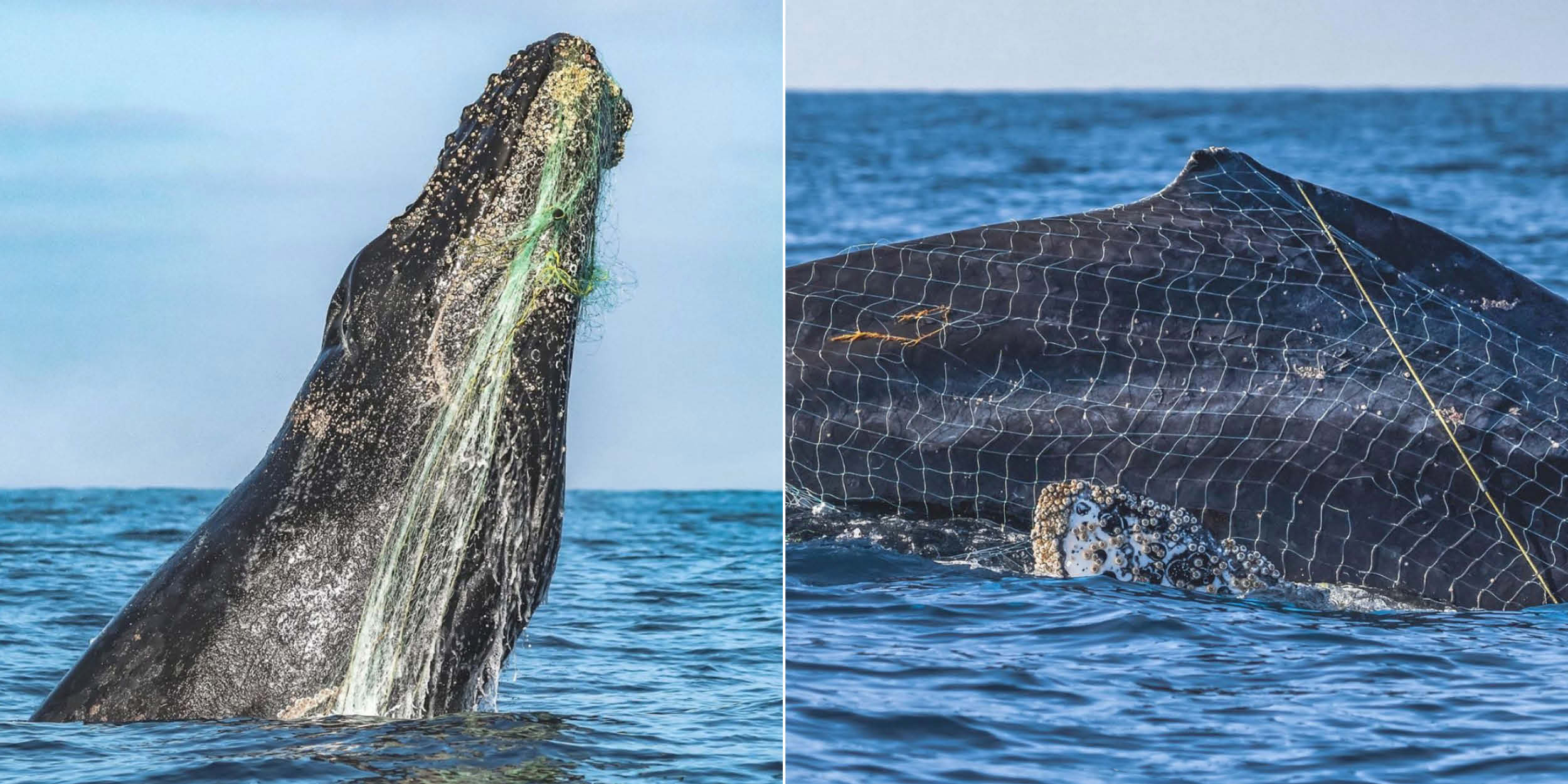
On Feb. 14 a whale watching company spotted a humpback whale tangled in a net, struggling as it swam up the California coast from San Diego. The whale was severely entangled in drift gillnet: a barbaric method of commercial fishing that should not exist. Unfortunately, crews who initially spotted the whale were unable to help the whale which was active at a frantic pace—it was too dangerous to get close to the animal. Now, the Coast Guard and the West Coast Whale Entanglement Response Program are closely tracking the whale to attempt to safely remove the netting. It was last spotted outside of Dana Point. Although the netting still has the right fluke entangled, if appears that whale has been able to discard some of the net.
Please email your members of Congress, asking them to support the Driftnet Modernization and Bycatch Reduction Act.
Filed under: GENERAL NEWS - International / National / Regional | Leave a comment »
Posted on February 25, 2020 by Serbian Animals Voice (SAV)
The way is clear for storks: The first white storks to move north have been sighted in Lebanon.

The day before yesterday, over 100 of the protected birds came to rest in a project area of our partner association Society for the Protection of Nature in Lebanon (SPNL) on the edge of the Bekaa Valley.
This video shows the animals on the snowy afternoon in the highlands of the cedar state.
A team from the “committee against bird murder” specially trained in poaching and (SPNL), together with the police, drove around the sleeping community patrol and ensured the safety of the resting migratory birds.
The fact that the storks were able to continue their flight into the breeding areas the following morning is anything but self-evident – a few years ago the birds would have been attacked at the latest when they left.
Even if there is still a lot to do, our campaign for better migratory bird protection in Lebanon is now showing its first successes.

My comment: Every year the “committee against the bird murder” receives news about massive “stork massacres”, which come mainly from the mountains east of the city of Tripoli in the north of the country.
Much of this information is published by the psychopath poachers themselves, who regularly display “trophy photos” of themselves and their prey in social networks despite the prohibitions.

The videos of the discovered poachers show that automatic rifles – such as Kalashnikovs (!!!) – are also regularly used for stork hunting.
Our psychopaths here in Germany are not much better.
Germany’s hunters killed over 820,000 wild boars in the 2017/18 season.
It is the highest result ever.
There was even money for each animal shot, between 50 and 200 euros.
This is called “bounty” in the killer language.
Nevertheless! A crime is not “understood” because another similar or worse one happens somewhere else.
Hunting is and remains murder, regardless of the extent and the nationality.
And every prevent murder to animals makes us happy and brave to continue fighting against this barbaric hobby.
On behalf of the animals, we thank the courageous “bodygards” in Lebanon who saved the lives of the 100 travelers.
My best regards to all, Venus
Filed under: GENERAL NEWS - International / National / Regional | Leave a comment »