Posted on January 13, 2017 by Serbian Animals Voice (SAV)

Every year on February 1, a town called Tlacotalpan in Veracruz, Mexico, holds the Fiesta de la Virgen de la Candelaria—aka “The Worst Fiesta Ever.”
At this fiesta, instead of sipping on margaritas, people pour liquor down bulls’ throats. And instead of hitting a piñata for candy, they beat, stab, and throw bricks at the animals for no reason.


Filed under: CAMPAIGNS - Global Animal Welfare Issues, GENERAL NEWS - International / National / Regional, GLOBAL PETITIONS - Anything Animal, Anywhere !, PHOTOGRAPHS - **WARNING** (Animal Suffering), VIDEOS | Leave a comment »
Posted on January 6, 2017 by Serbian Animals Voice (SAV)

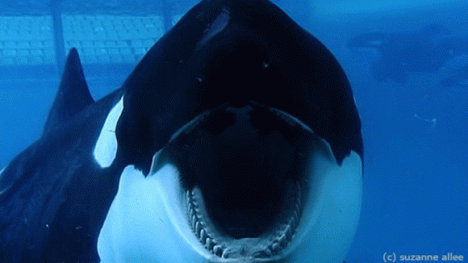

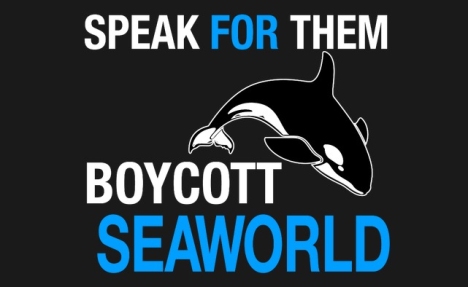
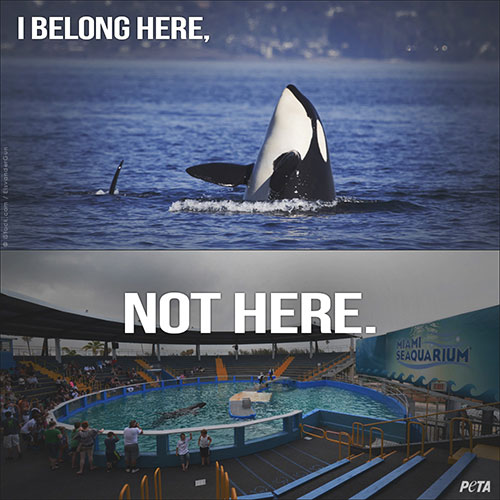
Tilikum—the orca who was the subject of Blackfish, a documentary about SeaWorld—is dead following decades of loneliness, stress, and confinement at marine parks.
When Tilikum (aka “Tilly”) was just 2 years old, people abducted him from his family in the open waters off Iceland and forced him to live in cramped enclosures for the remainder of his life. He was unable to swim away, travel the oceans, hear or see his family, or do anything that was important to him.
His human captors tried to look better by calling Tilikum part of their “family,” but family doesn’t kidnap its members from their mothers, keep them in a barren enclosure for life, and force them to do tricks for money.

Since SeaWorld can no longer capture orcas from the wild, workers collected his sperm to make more orca performers—and more money—through artificial insemination. His children were brought into a miserable life that no one would ever willingly choose.
The constant stress of confinement drove Tilikum to kill three humans—including trainer Dawn Brancheau in 2010—and to chew on the concrete and the bars of his prison, which wore down his teeth to nubs. It is no surprise that he suffered from mental illness under such conditions and, finally, died of an incurable physical illness.
Tilikum died in his concrete prison cell, but humans actually took his life away the day they stole him from the ocean over 30 years ago.
Eleven of Tilikum’s children died prematurely before him without ever seeing the ocean, and 10 more of his children continue to suffer in cramped tanks. PETA is calling on SeaWorld to do the right thing by moving the remaining orcas it holds captive to coastal sanctuaries, where they could enjoy a more natural life.
What You Can Do Help your friends and family understand that no orca—not now, not ever—should be living in tiny, barren tanks and forced to perform tricks while watching their children endure the same captive fates.
In memory of Tilikum, post a memorial picture from your bathtub on your Instagram, Snapchat, Facebook, Twitter, or Tumblr. Get more information and share your memorial for Tilly with us here.

———————-
Tilikum—the ‘star’ of Blackfish, the damning documentary about SeaWorld’s miserable practice of ripping orca babies from their ocean families and then breeding them in captivity—is dead following decades of exploitation in the marine-mammal abusement industry. Tilikum died without ever again knowing freedom, along with 11 of his children who died prematurely before him and leaving 10 more who will continue to suffer in tiny concrete tanks. PETA is calling on SeaWorld to do the right thing and move the remaining orcas to coastal sanctuaries, where they could enjoy a more natural life, and on caring people to shun facilities that enslave animals for our “entertainment.”

Thank you for your compassion for animals.
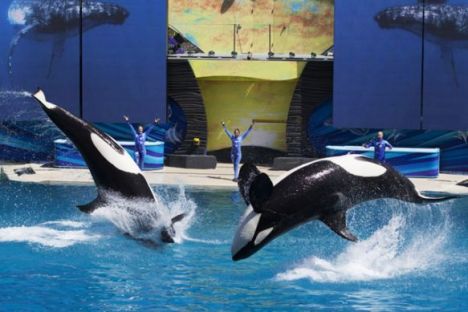
Above – Wrong
Below – Right.
Boycott Seaworld

Filed under: CAMPAIGNS - Global Animal Welfare Issues, GENERAL NEWS - International / National / Regional, GLOBAL PETITIONS - Anything Animal, Anywhere !, PHOTOGRAPHS - **WARNING** (Animal Suffering), The "Serbian Animals Voice (SAV) ALLIANCE | Leave a comment »
Posted on December 31, 2016 by Serbian Animals Voice (SAV)

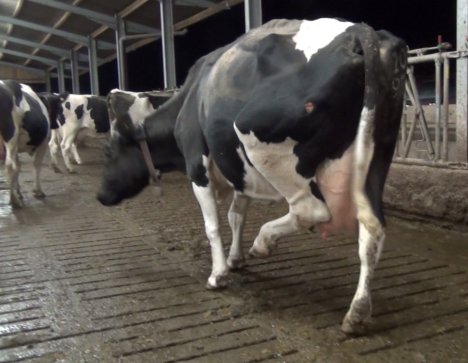
Regarding our recent post of 28th December and the Somerset (UK) dairy farm abuse –
Dairy investigation update
Dear Mark
I wrote to you a few days ago about the shocking scenes of violent abuse and prolonged suffering our investigators captured on Pyrland dairy farm in Somerset.
In case you missed it, you can read the full story here.
Today I have better news. After widespread media coverage across the UK, including BBC TV news, the worker we filmed committing the most violent acts has been sacked by the farmer and both the RSPCA and Muller Milk are investigating.
While we still expect those responsible for this horrendous cruelty to be prosecuted, at least the worst offender no longer has contact with these vulnerable animals. So thank you for making this investigation possible.
But even without deliberate abuse, commercial milk production is inherently cruel. Cows must be forcibly impregnated year after year and have their newborn babies taken away so the milk that nature intended for these calves can be bottled and sold. This is emotionally traumatic for both cow and calf.
The physical strain of producing huge volumes of milk while simultaneously pregnant for most of her adult life wears out a cow’s body quickly. After only 3-5 years dairy cows are so physically exhausted they can no longer get pregnant and are sent to slaughter, ending up in low quality beef products.
With so many healthier plant-based alternatives available there is simply no reason to make cows and their calves suffer. If you, or someone you know, are still struggling to ditch dairy then why not sign-up for Veganuary? It is the perfect way to start the New Year!!
Filed under: CAMPAIGNS - Global Animal Welfare Issues, GENERAL NEWS - International / National / Regional, PHOTOGRAPHS - **WARNING** (Animal Suffering), The "Serbian Animals Voice (SAV) ALLIANCE, VIDEOS | Leave a comment »
Posted on December 31, 2016 by Serbian Animals Voice (SAV)

Dear Mark,
I hope this e-mail finds you well. Thanks to the generosity of caring PETA supporters, 2016 was a year full of tremendous progress for animals.
Earlier this month, we learned of an important victory made possible by kind people like you. The wool industry tries hard to make people believe that producing wool is harmless to animals, but as PETA exposés have shown time and again, it’s anything but humane. PETA U.S. investigations of the Australian and American wool industries revealed that shearers kicked and stomped on sheep, punched them in the face, and jabbed them in the head and eyes. Shearers stood and kneeled on animals’ heads, necks, chests, and legs and crudely stitched up the bloody, gaping wounds that they’d caused with their clippers.
The world’s largest exporter of wool is Australia—and for the first time ever, anywhere, a shearer there pleaded guilty to cruelty to animals.
Five others will appear in court for similar offenses in the new year.
These charges are a direct result of an incriminating PETA U.S. investigation that produced video evidence of 235 separate incidents—in a single Australian state—of suspected cruelty in shearing sheds, generating more than 40 pages of formal legal complaints.
From the first-ever criminal conviction of an animal experimenter for cruelty to animals and the first-ever police raid on a factory farm to these groundbreaking charges in Australia, many of the most significant milestones in the animal rights movement are being driven by the support of compassionate people like you around the world.
Thank you for strengthening our work and for making tremendous progress for animals possible.
Kind regards,
Ingrid E. Newkirk
Founder
Watch: Joaquin Phoenix Reacts to PETA’s Wool Exposé
Filed under: CAMPAIGNS - Global Animal Welfare Issues, GENERAL NEWS - International / National / Regional, PHOTOGRAPHS - **WARNING** (Animal Suffering), The "Serbian Animals Voice (SAV) ALLIANCE, VIDEOS | Leave a comment »
Posted on December 30, 2016 by Serbian Animals Voice (SAV)
First, we start with a petition. Please sign and share, thanks.

Goal: Find and punish the men filmed running down and crushing a bear to death with their trucks in the Yakutia region of Russia.
Feed shelter animals with your purchase:
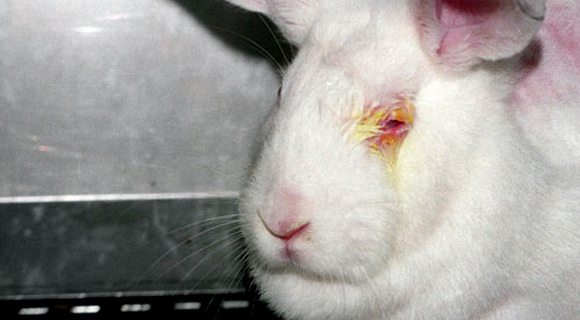
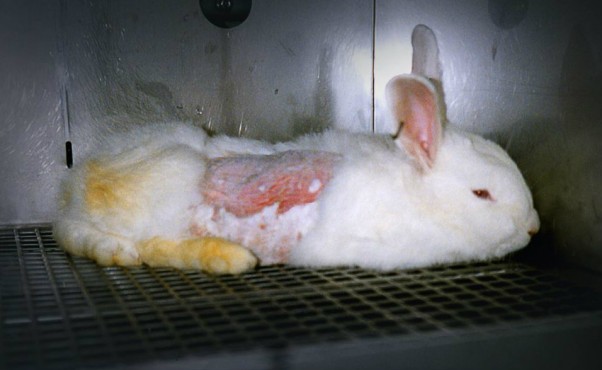
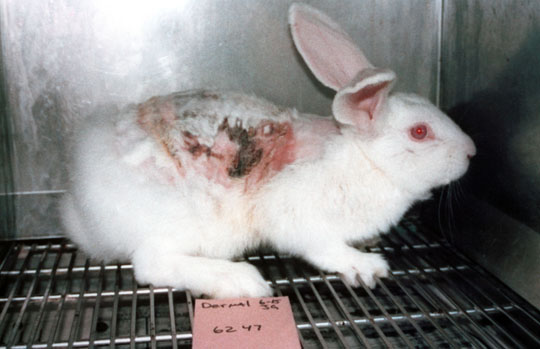
AVON DOES Test On Animals – Exposed !
China requires that almost all imported cosmetic and personal care products be tested on animals, which means that companies that sell beauty products in the country are paying for these cruel tests—even if they don’t pay for testing in the U.S. market.
One of these brands is Avon, which was cruelty-free but then decided to increase its profits at the expense of animals, which PETA uncovered in 2012.
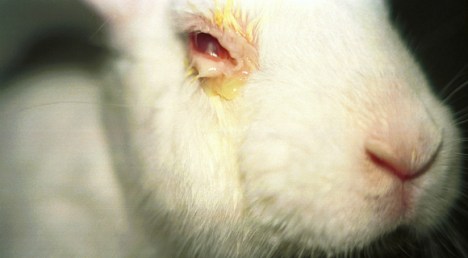
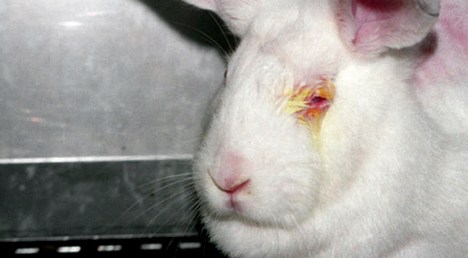
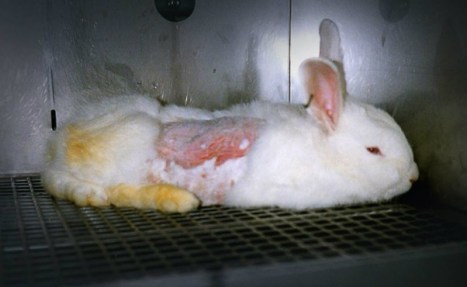
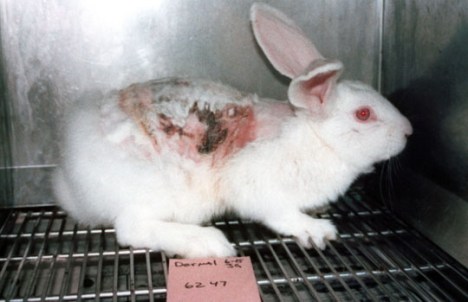
Avon didn’t need to change its policy on animal testing—China is the one that needs to change. But instead of encouraging the country to rise above cruelty, the company sank to its level.
Let Avon know that it’s not dragging us down with it, because we won’t buy any of its products until it stops selling them in countries that require animal testing.

For all animals,
Let Avon know that you won’t buy its products until it stops paying for tests on animals.
Filed under: CAMPAIGNS - Global Animal Welfare Issues, GENERAL NEWS - International / National / Regional, GLOBAL PETITIONS - Anything Animal, Anywhere !, PHOTOGRAPHS - **WARNING** (Animal Suffering), The "Serbian Animals Voice (SAV) ALLIANCE | Leave a comment »
Posted on December 28, 2016 by Serbian Animals Voice (SAV)
Shocking scenes of violence & suffering captured on a British dairy farm
|
|
|
|
Dear Mark
Today we have released shocking scenes
of animal abuse filmed earlier
this month by Animal Equality investigators
on a dairy farm in Somerset,
UK. The investigation, which came on
the back of a tip-off
from a local resident, revealed farm
workers violently punching tiny
calves and kicking cows in the face.
Multiple other incidents of abuse by
workers were filmed in just one day,
including:
– repeatedly kicking young calves to
make them stand up
– aggressively twisting cows’ tails and
repeatedly slamming metal gates
into them
– pinning calves to the floor and shouting
obscenities in their face
– repeatedly kicking and slapping
nursing cows
– violently throwing small calves
to the floor.
_source=Animal+Equality+Newsletter&utm_campaign=38c3741bb9-
EMAIL_CAMPAIGN_2016_12_28&utm_medium=email&utm_term=0
_e9df431bc0-38c3741bb9-249925409
Abusive treatment was not the only
suffering we found on this West
Country farm, which runs a farm
shop and B&B as well as supplying
Muller Milk (formerly Muller Wiseman),
one of the main
processors used by Tesco, Sainsbury’s,
M&S and the Coop for their
own-brand milks.
Our investigators made multiple visits
to the farm and also documented
at least half a dozen cows with their
back legs chained in hobbles.
These archaic devices are used
on mother cows who have
suffered pelvic damage during calving,
a common problem for modern
dairy cows who have been selectively
bred for high milk production at
the expense of physical well-being.
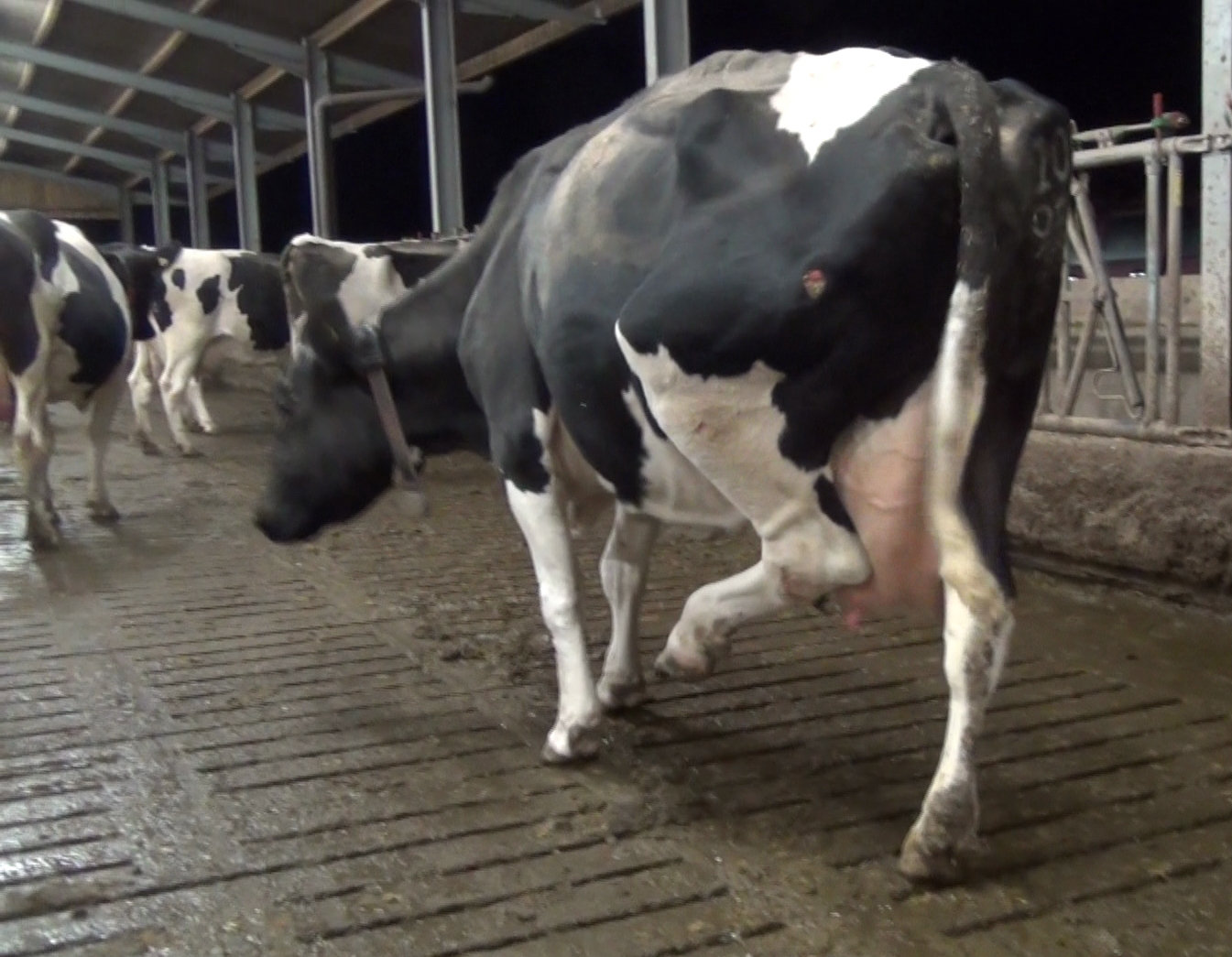
Footage from the farm also shows cows
suffering from crippling lameness
and pressure sores, painful conditions
that affect half of the dairy cows
in the UK every year. One cow appeared
to be in extreme
discomfort and was struggling to walk.
We reported this to the RSPCA
immediately.
On one visit investigators found two
dead calves lying on the concrete
floor just outside of the cowshed, in
full view of several nursing and
pregnant cows. Both calves were
male and had been shot, a common
practice on dairy farms as males
do not produce milk and are therefore
deemed worthless by many farmers.
A covert camera was installed in one
cowshed on December 7th due to
concerns over ongoing welfare issues
and captured scenes of
shocking abuse the next day.
We have handed all of the footage to the
RSPCA and are demanding that
those committing this inexcusable
cruelty are brought to justice.
You can help end the suffering of
cows and calves on dairy farms around
the world by choosing plant-based
milks, yogurts, cheeses and ice creams.
on healthy dairy-free eating.
Help even more animals by sharing
this video and donating to ensure
we can continue to shed a light on
the cruelty endured by the most
abused animals.
Please, be their voice.
Animal Equality UK.
|
|
|
Filed under: CAMPAIGNS - Global Animal Welfare Issues, GENERAL NEWS - International / National / Regional, PHOTOGRAPHS - **WARNING** (Animal Suffering), The "Serbian Animals Voice (SAV) ALLIANCE, VIDEOS | Leave a comment »
Posted on December 26, 2016 by Serbian Animals Voice (SAV)

UPDATE 28/12 – Petition to sign:
War-Torn Yemen Is Letting Its Zoo Animals Starve to Death
The 265 animals in Yemen’s Taiz Zoo, including rare leopards, haven’t been fed for days. The government is rejecting proposals to save them.
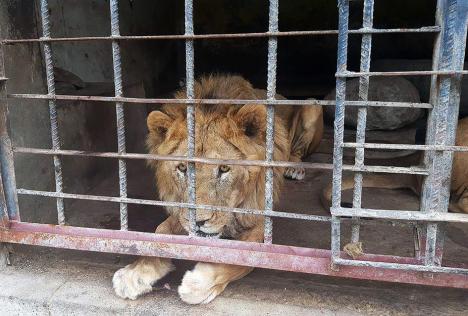
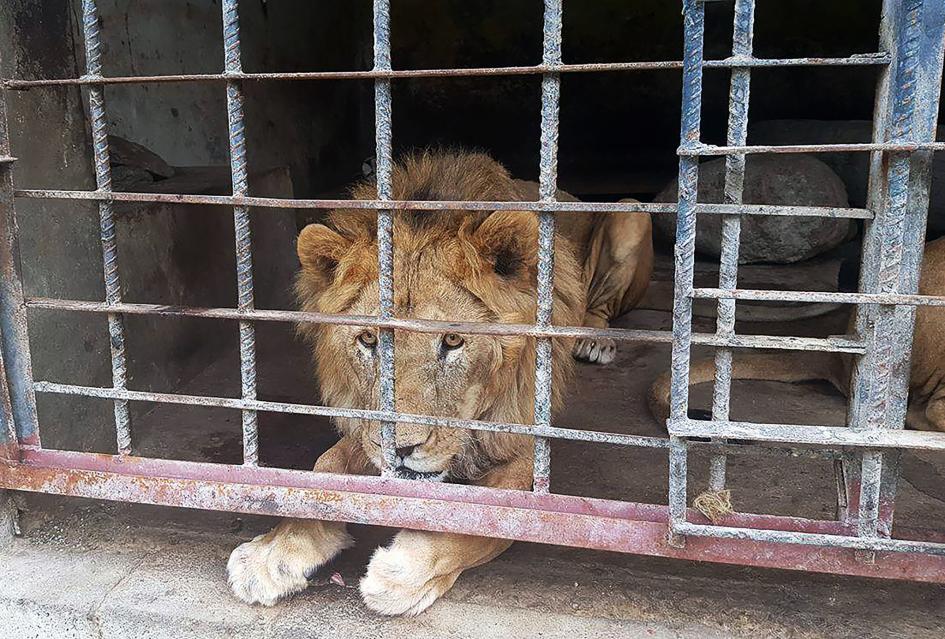
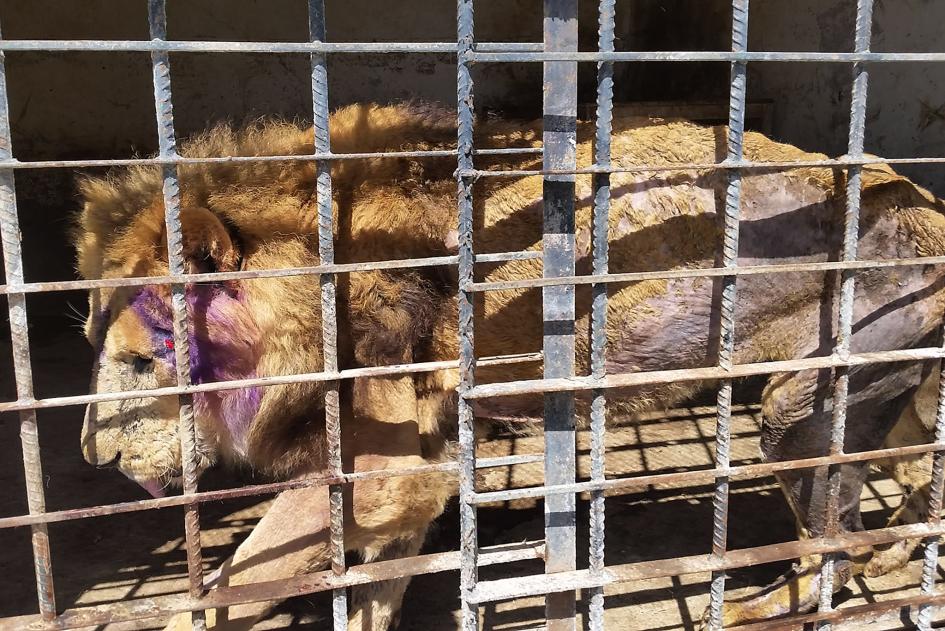
A malnourished lion stares out of a blood- and urine-soaked cage. Eleven lions died of starvation after they were abandoned at Yemen’s Taiz Zoological Gardens in early 2016.
Photograph by Mercury Press, Caters News
By Natasha Daly
PUBLISHED December 21, 2016
War births refugees. Streaming out of blasted-out cities, civilians are forced to flee their homes, sometimes their families, away from the bombs, into the unknown.
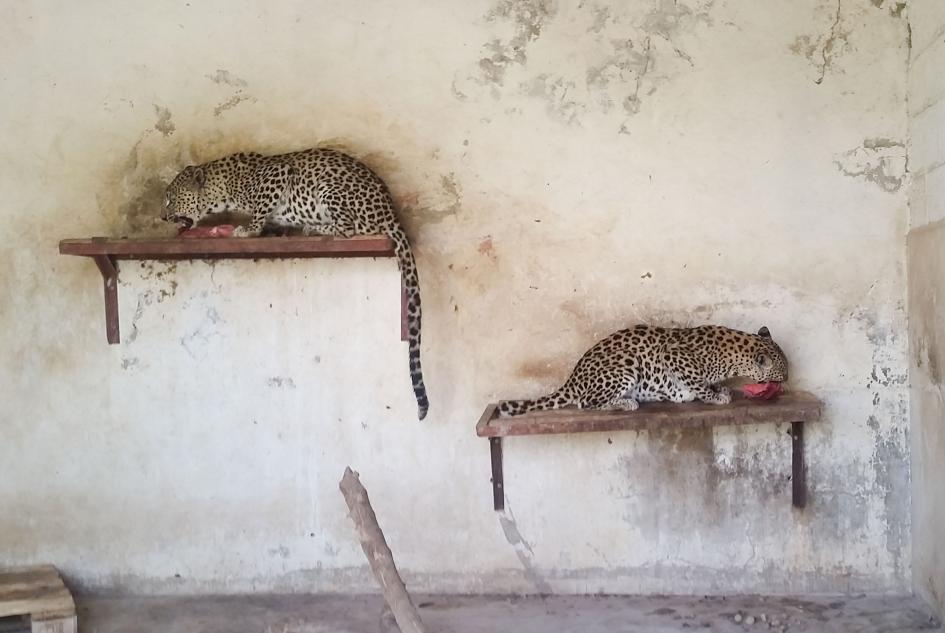
What happens when you can’t leave? That’s the story of abandoned zoos in wartime. It’s the story unfolding now for the animals in Yemen’s Taiz Zoological Gardens, neglected in the cross fire of the country’s civil war. Here 28 Arabian leopards, critically endangered in the wild, haven’t eaten in six days. They and nearly 240 other animals face imminent death if they aren’t fed very soon.
The story began early this year when the Yemeni government, which runs the zoo, stopped paying the staff and abandoned the facility in the face of escalating violence. In February, after a media flurry drew international attention to the deteriorating conditions at the zoo, SOS Zoo and Bear Rescue—a rescue organization established on Facebook by Chantal Jonkergouw—began raising funds to cover the cost of food, water, and care for the animals. According to Jonkergouw, who lives in Sweden, SOS has raised more than $125,000 from individual donors during the past ten months.
On November 30 she made the agonizing decision to stop feeding the animals until the government agrees to release them to rescuers. She says they’re still getting fresh water every day.
A local Good Samaritan then stepped in to bring the leopards and other meat eaters food, but he hasn’t been seen since December 16—the last time the carnivores were fed. The zoo’s herbivores have been subsisting on a rapidly diminishing supply of rotten vegetables. According to Bassam Al-Hakimi, SOS’s project manager in Taiz, many of the animals are showing signs of extreme weakness.

These Arabian leopards, critically endangered in the wild, haven’t been fed since December 16.
Photograph by Mercury Press, Caters News
“As they grow hungrier, the stronger ones might prey on the weaker ones,” Jonkergouw says. “Especially the big cats. Stress also can have a very negative effect on the animals’ behavior. Personally, I think that most of them will lie down and die slowly.”
You Might Also Like
Taiz, considered Yemen’s cultural capital, has been a flashpoint in the country’s ongoing civil war, a clash between Shia Muslim Houthis and Saudi-backed forces loyal to the nation’s pre-war government. The Taiz zoo became an overlooked casualty of the war after the government lost control of the city and many zoo workers fled the bombings and food shortages that have plagued the region.
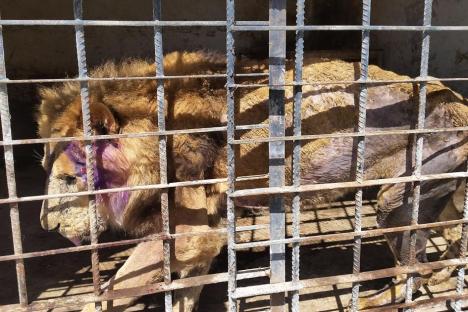
A lion wastesaway, abscesses ravaging its body. Facilities in the United Arab Emirates and Jordan have offered to rescue the zoo’s animals, but the Yemeni government refuses to allow their evacuation.
Photograph by Mercury Press, Caster News
According to Jonkergouw, before SOS intervened on February, 11 lions and six Arabian leopards had starved to death. “One leopard had eaten its female companion,” she says. The surviving animals were found living in squalor on bare concrete, bloodied, with festering abscesses, feces everywhere. One drastically malnourished lion was found with his hip bone jutting through his skin. Emergency surgery saved his life, barely.
Other animals in the zoo include hyenas, monkeys, birds, porcupines, baboons, and guinea pigs. Many of the creatures have displayed signs of severe zoochosis—a condition that often afflicts animals kept captive in artificial environments and is characterized by obsessive, repetitive behaviors. The din and detritus of war may compound the suffering: In mid-December a nearby building was bombed, spraying shrapnel into the zoo’s grounds.
The proximity of the fighting complicates rescue efforts: Other than the SOS-funded Tamdeen Youth Foundation, a local group that has provided all food, care, and water for the animals, no other organization has been involved on the ground—it’s too dangerous.
The Yemeni government, which now has limited sway in Taiz, has denied the transfer permits that might at least give the animals a chance of being extracted from Houthi territory and brought to another country where they would have hope for long-term survival.
SOS has kept the animals alive at a cost of $4,000 a week, covering food and care and modest salaries for a small staff of six, Jonkergouw says. SOS had just $10,000 left when at the end of last month she decided to cut off the food supplies.
“Without [the Yemeni government] being cooperative towards finding a real solution, I don’t think it’s acceptable any longer” for SOS to provide the funding and care that the government won’t, she says. “They need to feel it. The problem is, it’s at the expense of the animals, but there’s no other option. Whatever we do, the animals will suffer.”
Evacuating so many captive animals from the heart of a war zone would present the Yemeni government with a dangerous logistical challenge, but offers of safe havens have been made.
The Princess Alia Foundation in Jordan and the Breeding Centre for Endangered Arabian Wildlife in the United Arab Emirates, in conjunction with that country’s Al Ain Zoo, have both said they’d take the animals. It could cost up to $500,000 USD to evacuate the zoo, which would require armed guards to ensure safe exit. Jonkergouw is confident that her organization and others could raise the money with aid from NGOs but emphasizes that Yemen first needs to agree to facilitate an evacuation. The International Union for Conservation of Nature, the body that monitors the conservation status of species, has actively been trying to broker an agreement between Yemen and the UAE-based rescue facilities, to no avail yet.
Yemeni government officials have told Jonkergouw that they won’t entertain either offer. “They replied that they will never let the animals out of Yemen and that the animals were well cared for and doing fine. And then I really got pissed,” Jonkergouw says. “I said, why are they fine? I raised $125,000 and paid most of that into this project without getting any real cooperation on a sustainable solution for these animals. So I’m fed up with this. I will stop.”
The Yemeni government, which now has limited sway in Taiz, has denied the transfer permits that might at least give the animals a chance of being extracted.
An official from Yemen’s Environment Protection Authority, which has represented the government in talks with Jonkergouw, did not respond to a request for comment.
The Leopard Factor
There are likely only about 80 wild Arabian leopards left on the planet. The Taiz Zoo has 28, including two cubs born in September. Jonkergouw believes Yemen is reluctant to send the cats to another country, even temporarily, because Arabian leopards, as the national animal, are a source of deep pride.
Any loss of Arabian leopards is devastating, given how rare the species is. Four cubs disappeared from the zoo shortly after SOS stepped in. Zoo officials at the time said they were probably eaten. Jonkergouw raises the possibility that they were stolen and sold on the black market. (The Arabian peninsula has a sizable black market for exotic cats as pets.) After that incident she arranged for a full-time armed guard for the leopards.
Now the very thing keeping the leopards trapped in Taiz—their prized status in Yemen—could be the key to their salvation. If the leopards begin dying of starvation, Jonkergouw hopes the government may relent and allow the transfer of the leopards and all the other animals. “Probably more leopards have to die before they realize that they have to evacuate them,” she says.
She intends to start feeding the animals again as soon as Yemen signs a letter of intent permitting rescue by the facilities in Jordan or the UAE, or outlining an alternative plan. She would rather see the animals euthanized than face death by starvation but doubts that will happen. “I don’t think the zoo will cooperate with euthanizing them,” she says.
Where To Go From Here
The situation is getting more dire by the day. With only two of the original six workers still at the zoo, there aren’t enough hands to keep the cages clean, though starvation will likely kill the animals before sepsis does. No one is currently guarding the leopards.
Gail A’Brunzo, Animal Rescue Manager at the International Fund for Animal Welfare (IFAW), a U.S.-based NGO that rescues and protects animals and their habitats around the world, commends what SOS Zoo and Bear Rescue has been doing to keep the animals alive. She acknowledges that there seems no recourse other than “to cease operations in a last-ditch effort to try and persuade the government to step up. A heartbreaking decision on their part, I’m sure.”
Jonkergouw says she is often asked how she can justify wanting to save animals in a war zone when people are dying and suffering. “It’s humans who put these animals there,” she says. “They’re our responsibility. There’s so much human suffering in the world, and there will be much more in the future. If you take that as the starting point, then you’ll never get to the welfare of the animals. It’s always an excuse to not [act]. It’s our responsibility.”
Natasha Daly is an assistant editor at National Geographic. Follow her on Twitter.
Filed under: GENERAL NEWS - International / National / Regional, PHOTOGRAPHS - **WARNING** (Animal Suffering), The "Serbian Animals Voice (SAV) ALLIANCE, ZOO(S) | Leave a comment »














 Serbian Animals Voice (SAV)