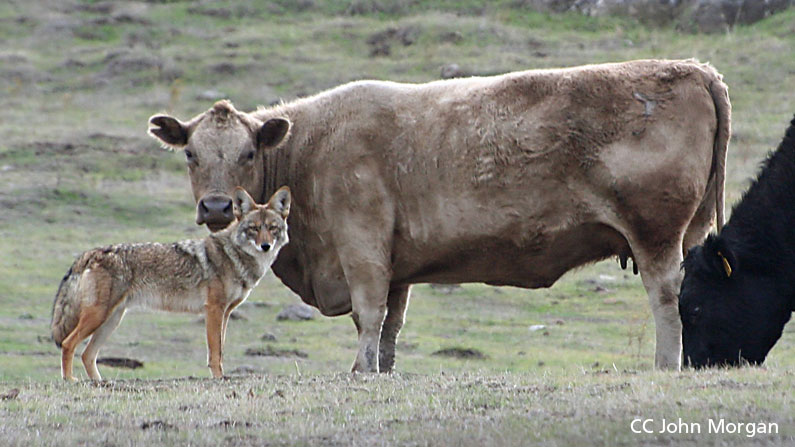
MILL VALLEY, Calif. Sept. 1, 2016 – From their review of the prevailing research into lethal and non-lethal predator control practices in North America and Europe, an international trio of environmental scientists has determined that the science behind the reviewed research is not very scientific. In fact, the authors of the review- titled “Predator Control Should Not be a Shot in the Dark”- call for a moratorium on lethal predator control policies until researchers adopt higher testing standards. The new findings are being hailed by wildlife conservation groups like Project Coyote, which have questioned traditional predator management policies and practices as carried out by the U.S. Department of Agriculture’s Wildlife Services program.
The authors of the peer-reviewed article, which appears in today’s edition of Frontiers in Ecology and the Environment, a journal published by the Ecological Society of America, are Dr. Adrian Treves, a Harvard-trained associate professor at the Nelson Institute for Environmental Studies at the University of Wisconsin, Madison; Dr. Miha Krofel, a assistant professor & wildlife researcher in the Department of Forestry at the University of Ljubljana in Ljubljana, Slovenia; and Jeannine McManus, a graduate student at the School of Animal Plants and Sciences at the University of the Witwatersrand in Johannesburg, South Africa.
With little rigorous, scientific testing available, farmers and ranchers have historically relied upon taxpayer subsidized lethal predator control programs to protect their livestock. The authors’ research findings show that scientific studies that have proliferated since the 1970s have disproportionately supported lethal methods of predator management. In an effort to systematically evaluate the totality of the scientific research on lethal versus non-lethal predator management, the reviewers screened all of the relevant research – 500 discrete projects in all. Of those, only two experiments met the gold standard for reliability, as defined by the authors of the review. For their assessment, the reviewers adopted the gold standard currently in force for biomedical research, which requires random assignment to treatment and to control groups. This provides a guarantee against bias and increases the opportunity for strong inference – an essential component of good science.
“We expect backlash from those agencies and individuals who benefit from the status quo,” said Adrian Treves, Project Coyote Science Advisory Board Member and lead co-author of the paper. “Independent scientists serve the broad public interest when they scrutinize the science used to promote government policies.”
The authors point out that it is the research they rejected for non-random assignment, poor methods and other design flaws that has been used by government agencies to make lethal management policy. In 2014, the U.S. Department of Agriculture’s Wildlife Services (USDA WS) program exterminated 796 bobcats, 322 wolves, 580 black bears, 305 cougars, 1,186 red foxes, and 61,702 coyotes. Wildlife Services reports that across the United States, it spent about $127 million in fiscal year 2014 to kill 2.7 million animals, including 322 wolves. For decades, wildlife conservationists and scientists have condemned the indiscriminate and lethal approach to predator management as carried out by state wildlife agencies and the USDA WS. However, the agencies have justified their actions by claiming that science supports the killing of hundreds of thousands of predators each year, largely at the behest of ranchers and agribusiness.
“This review shows that state and federal agencies are relying on bad science and bad research to justify their use of lethal predator control programs,” said Camilla Fox, Founder and Executive Director of Project Coyote, a national non-profit organization that aims to reform predator management and promote coexistence between people and native carnivores. “We have just received another piece of evidence that killing predators is unjustified ethically, economically and certainly ecologically.”
Posted on August 26, 2016 by Serbian Animals Voice (SAV)
Dear Mark,
In this special newsletter we are sharing not only more amazing rescue stories but also, by popular demand, a video highlighting the very vivid personalities of our tremendously cheerful animal care-givers. What goes into making a rescue center hum with vitality and life? What keeps it happy despite animals who often arrive in desolate condition? It’s not only the animals themselves who brim over with good vibrations! Meet the miracle workers!
Some videos showing the superb work of this wonderful team – SAV.
Dog sobs from the bottom of a well when she sees her rescuers
Watch one of our most beautiful well rescues of a girl who practically calls out the names of her guardian angels. We’ll never know how she survived this fall without any broken bones. She was definitely heart-broken though, and it sure felt wonderful to lift her to safety.
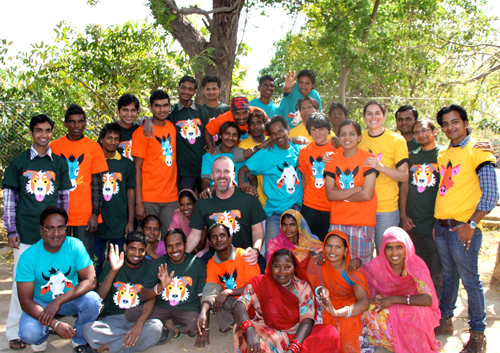
Who makes the miracles here? Meet the gentle, courageous, devoted care-givers in action!
Many of you have expressed curiosity about Animal Aid’s awesome staff, so we made a very rollicking video to help you grasp what it takes to get animals treated, bedded down, cleaned up, fed, and watered–all 500 of ’em every day.
Train travelers arriving in Udaipur heard a dog’s cries within moments of arriving at the train station. Following the plaintive weeping, they found a dog whose leg had been horrifically cut off by a train. They called our Rescue Team and we found, to our amazement, that when we approached she wagged her tail. Watch this incredibly cheerful little angel’s beautiful recovery.
Posted on August 25, 2016 by Serbian Animals Voice (SAV)
Here we go again !
The government doing nothing for animal welfare but trying to convince farmers – their voters – that they are acting regarding TB allegedly in Badgers.
As you can see from many of our posts on the last recent badger cull, which are listed here; the joke of a UK government (Defra) are not even doing post kill checks to actually see that the animals do / do not have TB !! – yes, they just kill them but do not follow up with checks o see if any animals are carrying the disease.
It seems from info obtained on 24/8 that it will cost approximately £7,000 for each animal to be culled. And then the government does not even check for TB – is this a sad joke or what ????
Here is our post from last time relating specifically to this –
The only positive news is that the twin pratts – Cameron and Patterson, have both been removed from their positions. The bad news is that the government learns nothing from the last cull (see links above) and instead goes out for more kills just to please the farmers and to make it look as if they are addressing the problem of TB; which they are not.
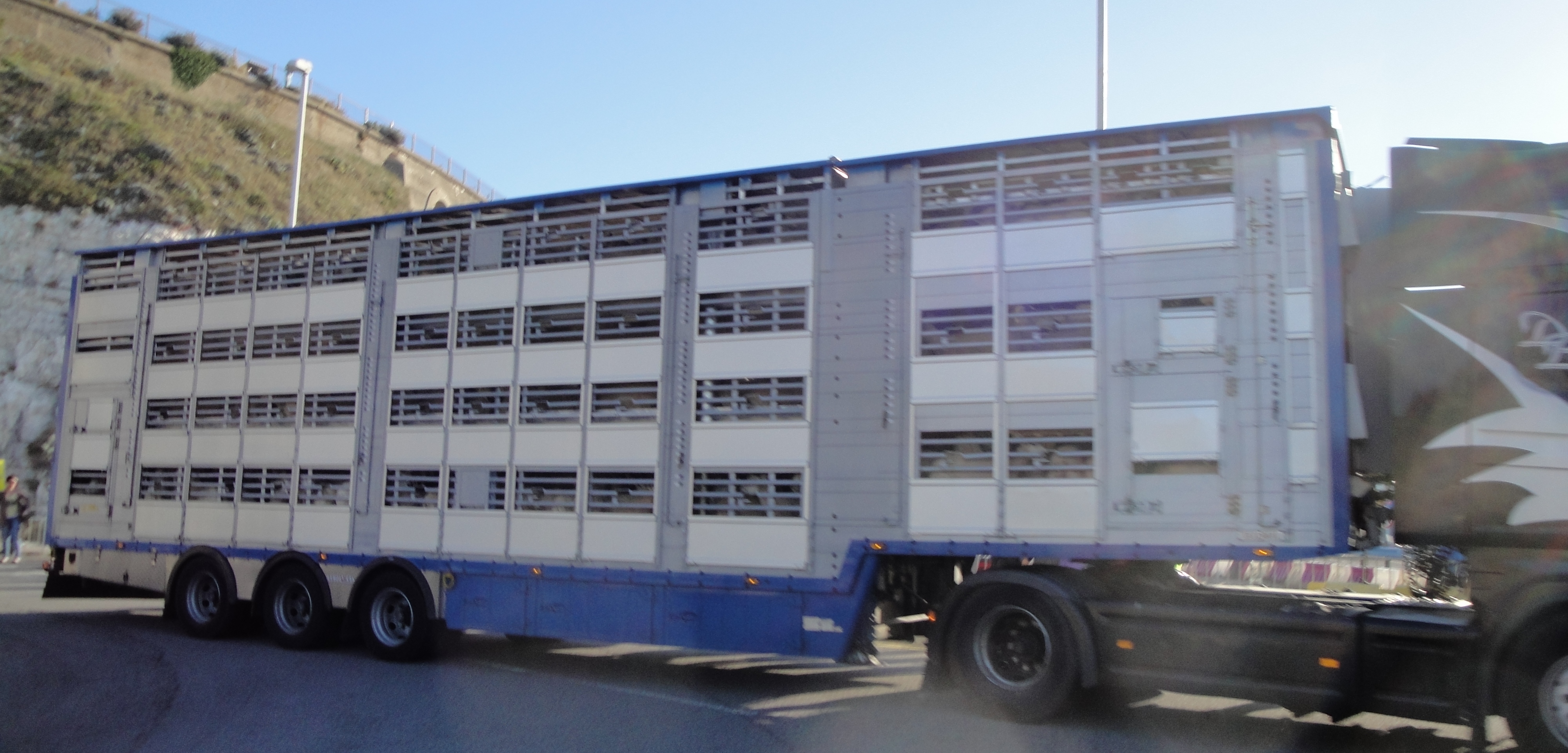
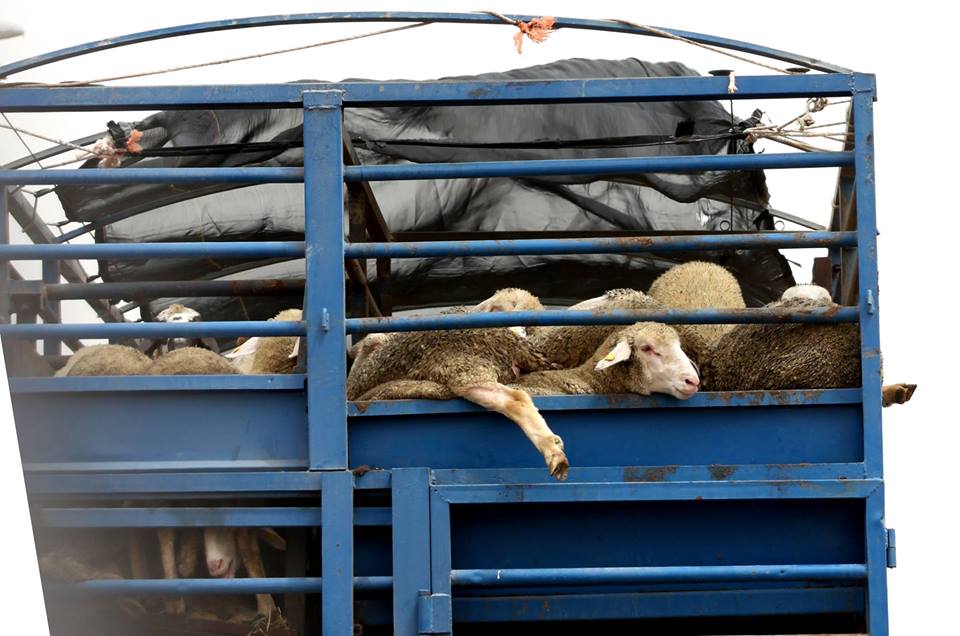
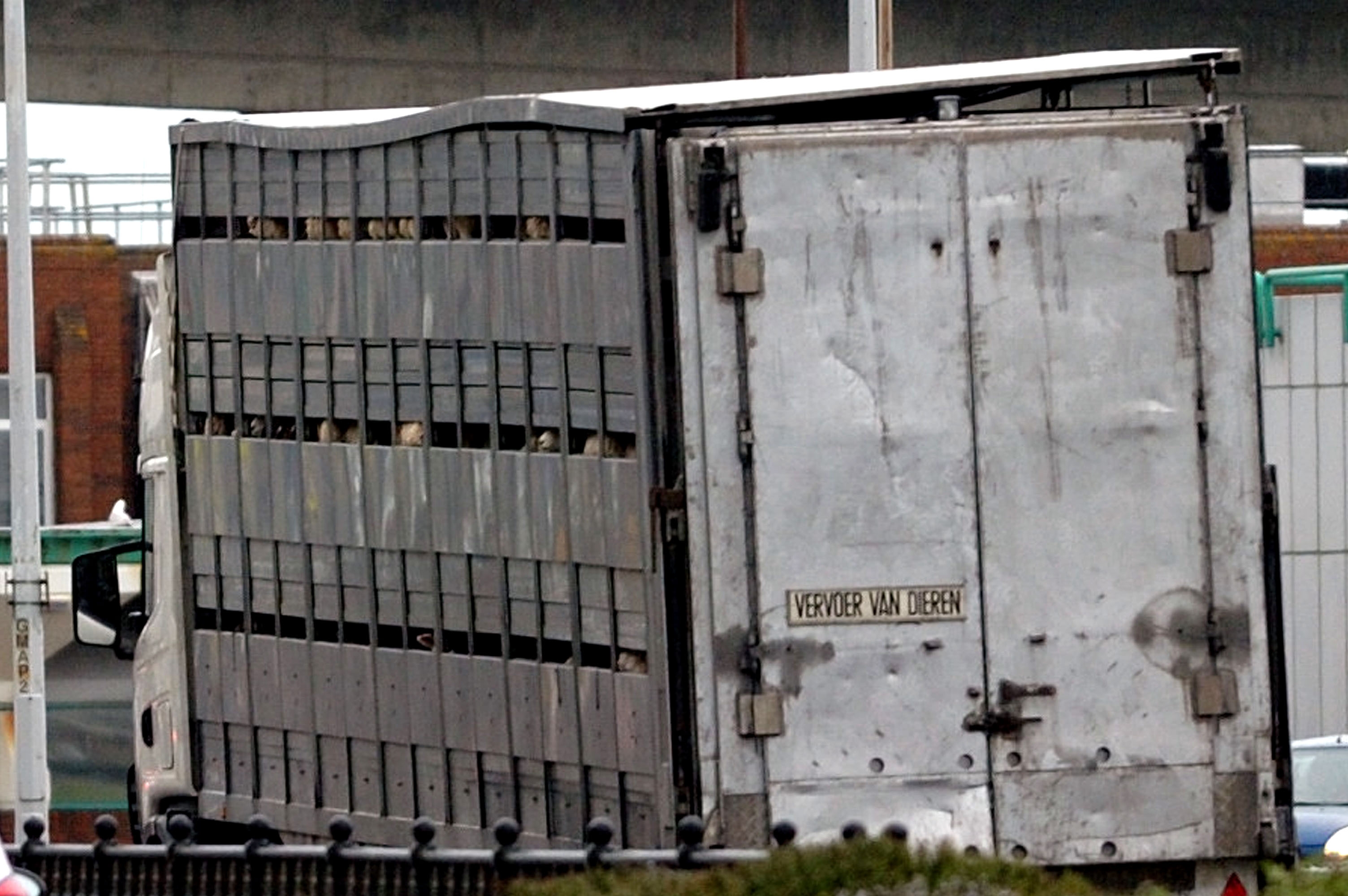
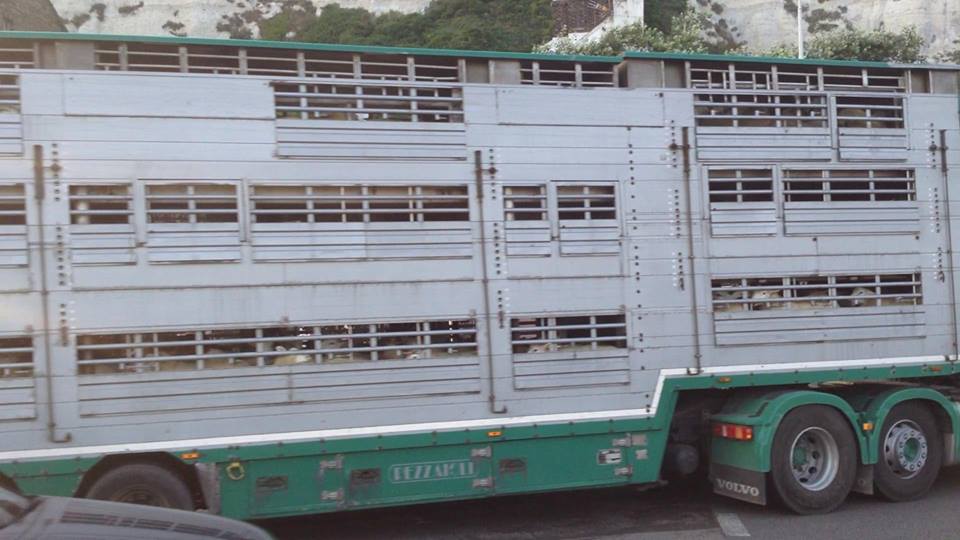
As the first link says from the BBC, and as we have argued for years, it is the transportation of live cattle all over the country which is really causing the problem. The government will not address this. Farmers for example sell Bovines in the North to farmers in the South; these animals are shipped by road; passing through several counties; and then everyone jumps up and down where there is a new TB outbreak in the South. To the normal person it is not rocket science – to government dimwits, they just don’t see it; but then votes from farmers are their most important thing.
Government – how about looking into live animal transport issues ? – but then you support live exports so we should not expect anything positive from you here.
And as for ol’ Badger, he takes the blame for transmitting the disease, he is killed, no research is done by DEFRA and they go on wasting public money. Utter incompetent ‘tools’ – each and every one of them who think they are so higher up the pyramid. No – they are fools !!
Patterson and Cameron have both now gone – does this not say something ?
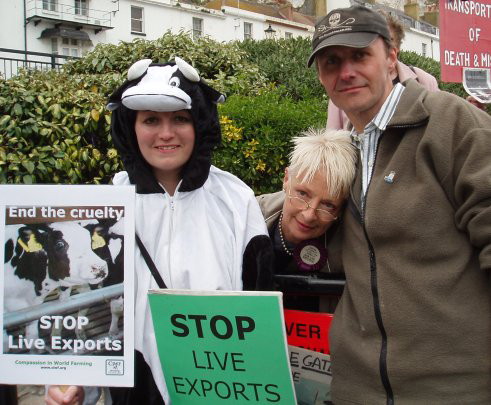
Otherwise check out the events in 40+ countries on our Day of Action map at www.NotFreight.org.
You will also find online events to participate in as well as resources to help you get involved in the Day of Action wherever you are.
· Tell European Commissioners to act and stop exports from the EU to non-EU countries
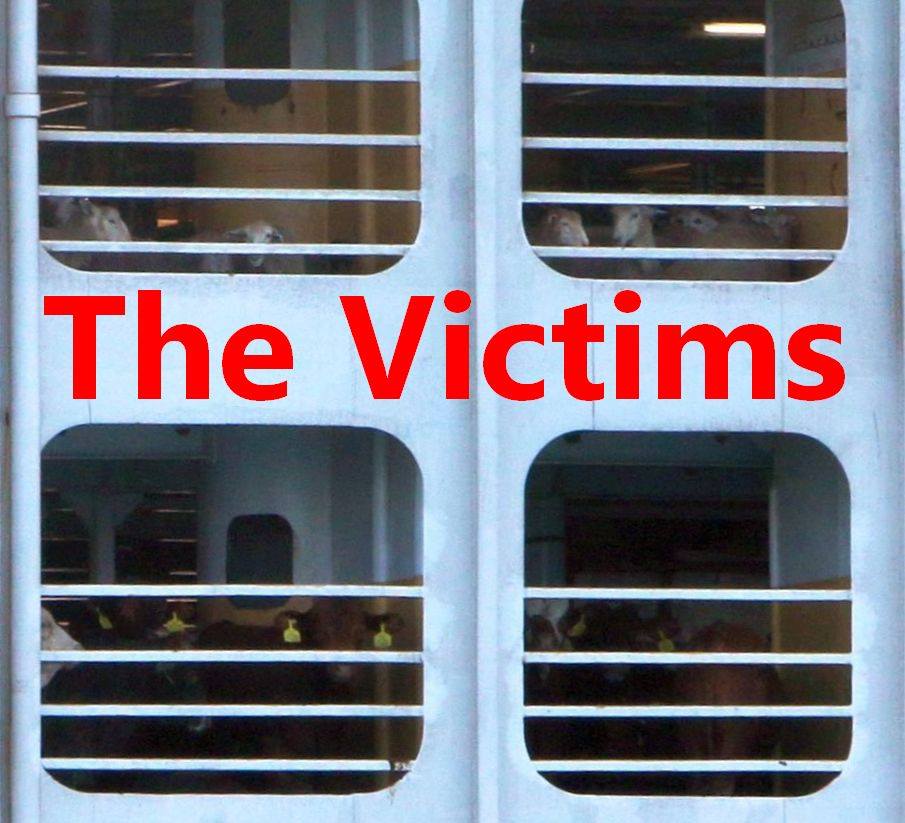
When EU animals are exported to countries outside the EU anything can happen to them. They can end up exported to volatile war-zones and face brutal slaughter. The EU must take responsibility for these animals.
· Sign the petition against live exports to countries outside the EU
As long as live exports are allowed to continue, Europe’s most vulnerable farm animals will suffer unimaginably at the hands of the live exports industry. Sign our petition today and help stop this trade.
Posted on August 22, 2016 by Serbian Animals Voice (SAV)
SAV Comment – Bastards like these should get 10 years; not 10 months.
The time has come to say something about the work of the Investigation “Hillside’s Farm Animal”. Not many words, just a heartfelt “thank you”. Thanks for the hard work. Thank you for the courage and perseverance. Thanks for the nerves. The many cruel days with sadists and helpless animals have left traces certainly. I can already imagine: you can still hear the cries of the animals at night in your dreams, and the senseless cruelty of the mass murderer in this cave burns almost like the mark on the body of the animals in your head. But you are continuing relentlessly, consistently, hard!
Dear Team of Hillside`s Farm Animal Investigation, I am with you, and I wish to express my respect, my appreciation and solidarity. Venus.
Patron: Martin Shaw Prison Sentence for Bagshaw after Hillside Film Cruelty at Slaughterhouse
Hillside are encouraged to hear that, today at Stafford Crown Court, Anthony Bagshaw has been sentenced to a custodial term of 10 months in prison and banned from keeping, owning, transporting or delivering farm animals for 15 years.
Over the last 20 years Hillside’s Farm Animal Investigations have exposed a great many cases of animal cruelty and neglect right across the country. To our great disappointment, much of these have not been treated seriously by the Authorities. We are pleased that today an appropriate sentence was handed down and we hope this will go some way to discourage others who may be involved in animal cruelty.
It is worth noting that, had Hillside’s Farm Animal Investigation team not been able to obtain the harrowing evidence of barbaric cruelty happening behind the closed doors of this ‘High Class’ family slaughterhouse, it would still be going on right now. We hope the FSA will rise to the challenge of their role, which is so vital in protecting farm animals the dreadful abuse that is all too common in the farming industry.
Please click on the following link to see Hillside’s traumatic undercover filming which led to the imprisonment of one of the offenders.
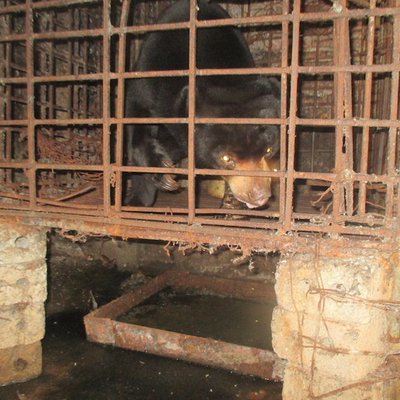
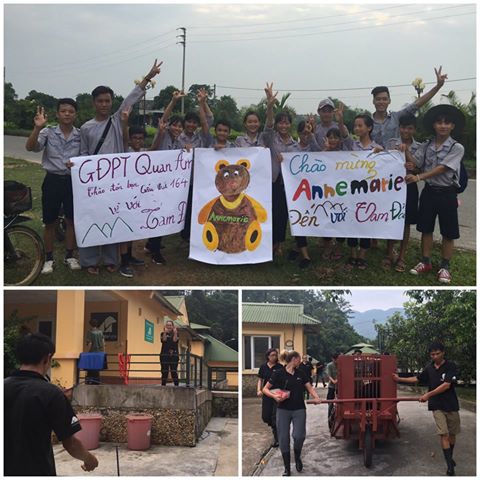
Tomorrow an Animals Asia rescue team will head to Nam Dinh province to rescue the female bear. She was originally bought by the current owner’s father who has now passed away. His son – having learnt of the legal requirement to register bears – is keen to do the right thing and voluntarily hand over the bear.
While the illegality of the bear bile industry means that owners will routinely deny extracting bear bile, it’s believed that in this case, the bear has not suffered bile extractions.
However with bile farms still operating and with a market for bear parts for use in traditional medicine, the rescuers are thankful for the voluntary handover and keen for it to take part as soon as possible.
The bear will be given an anesthetic ahead of a transfer to a transport cage before being moved to Animals Asia’s Vietnam Bear Rescue Centre almost 200kms away.
The rescue is going ahead following liaison with the local Forestry and assistance from local charity ENV.
Tuan Bendixsen Animals Asia’s Vietnam Director said:
“At seven years old this is still a young bear and one that can enjoy a full life in the future. However, there is always a physical price to pay for these bears when they have suffered a lack of space, poor diet and inexpert care. Our vets will carry out a health check as part of the rescue to ensure Annemarie is safe to travel – and she’ll enjoy ongoing rehabilitation and vet care back at our sanctuary.”
It’s likely that this rescue can be completed inside a single day with the bear entering sanctuary quarantine the same day.
Animals Asia has rescued nearly 600 bears – the vast majority from the bear bile industry. Annemarie will be the 150th bear currently being cared for at the Vietnam sanctuary.
Around 1,200 bears are still caged in Vietnam by the bear bile industry with over 10,000 more in China.
























 Serbian Animals Voice (SAV)