Posted on November 24, 2015 by Serbian Animals Voice (SAV)
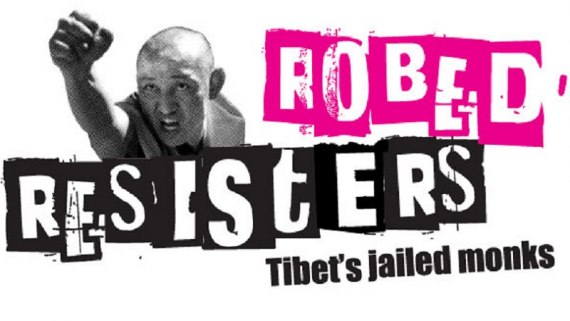
Urgent action: ask the EU to challenge China on torture
The pressure on China is growing with more than 1,000 signatures in a few days and the UN’s Committee Against Torture due to issue its report on China very soon.
The European Union now has an opportunity to build the pressure even further by challenging China over torture at a crucial meeting on Monday.
Can you help us urge EU officials to highlight torture at the meeting? Time is short because the EU has only just confirmed that its next “EU-China Human Rights Dialogue” will take place on 30 November.
Last week China claimed to the UN that it doesn’t allow torture in Tibet – our research proves that this is far from the truth.
Unfortunately, torture hasn’t been discussed at the dialogue meetings for more than three years: the EU must confront China over torture now.
URGENT ACTION
Please send an email to the head of the European External Action Service (the EU’s “foreign ministry”) to ask her to ensure that torture is high on the agenda for the meeting on 30 November.


Filed under: CAMPAIGNS - Global Animal Welfare Issues, GENERAL NEWS - International / National / Regional, GLOBAL PETITIONS - Anything Animal, Anywhere !, LETTERS | Leave a comment »
Posted on November 21, 2015 by Serbian Animals Voice (SAV)

http://www.care2.com/causes/success-nih-will-retire-its-last-50-research-chimps.html
Success! NIH Will Retire Its Last 50 Research Chimps
This week animal advocates are celebrating a historic victory with an announcement from the National Institutes of Health (NIH) that it will be retiring the last 50 research chimpanzees it owns to sanctuaries.
We have marveled over their complexity and similarities to us, but have still exploited chimpanzees for decades in unthinkable and indefensible ways in the name of science. Despite being unable to undo the past, we’re now making some big changes that will drastically impact their future for the better.
Care2 member, Brittany E.G. started a petition asking the NIH director to retire research chimps, which received more than 21 thousand signatures.
In 2011, the Institute of Medicine (IOM) issued a report that concluded most research on chimpanzees in biomedical and behavioral research was unnecessary and unethical, and made recommendations about their future use.
Following the release of the report, the NIH announced it would be retiring most of the research chimps it owned or funded in 2013. The news meant hundreds of chimpanzees would finally be free from harm, after what had been decades in labs for some.
While the news was well received by those who have been campaigning for years to see this day come, it was also tempered by the fact that while 310 chimps would be retired, 50 would be left behind for possible use in future research.
That changed this week, with another announcement from the NIH that the remaining 50 will also be permanently retired to sanctuaries.
“I think this is the natural next step of what has been a very thoughtful five-year process of trying to come to terms with the benefits and risks of trying to perform research with these very special animals,” NIH director Francis Collins told Nature. “We reached a point where in that five years the need for research has essentially shrunk to zero.”
The news is a little surprising, but it follows a growing number of obstacles to using them as test subjects. Earlier this year, the status of captive chimps was officially changed to endangered under the Endangered Species Act. The listing set the bar even higher for anyone who wanted to use them by requiring any experiments be for the benefit of chimpanzees.
As of this fall, there have been no permit requests to use them in experiments, and while there are still many more privately owned chimps waiting to be liberated from labs, it doesn’t look like any more will be subjected to invasive research – at least not with funding from our taxpayer dollars.
Collins added in a letter that relocation will be “conducted as space is available and on a timescale that will allow for optimal transition of each individual chimpanzee with careful consideration of their welfare, including their health and social grouping.”
So far, reports indicate the next to go will be 20 from the Southwest National Primate Research Center, otherwise known as Texas Biomedical Research Institute, which was the subject of a scathing investigation conducted by the Humane Society of the United States (HSUS) last year.
Now it’s a matter of finding room for them in the national sanctuary system. Chimp Haven has said it is now ready to take 25 and will start working on making space for more next year. While the organization does receive funding from the government, it is required to partially match it through donation, so public support is hugely important in the effort to get these chimps into the long overdue retirement they deserve.
For more info on how to help, visit Chimp Haven.
Filed under: GENERAL NEWS - International / National / Regional | Leave a comment »
Posted on November 21, 2015 by Serbian Animals Voice (SAV)

A Tiger’s Stripes Help Thailand Jail the Poacher Who Killed It
Camera traps set up to aid tiger science allow police to link a dead animal to one of the nation’s wildlife sanctuaries.
Taylor Hill is an associate editor at TakePart covering environment and wildlife.
When police found the parts, skin, and meat of a tiger in a car in western Thailand, they were almost certain a crime had been committed. There are only 100 or so tigers left in the wild in Thailand, and it is illegal to kill them.
But their chances of nailing the suspect for the crime were slim.
“Typically, in that circumstance, the poachers will just say they shot the tiger in Myanmar, where wildlife laws are lax, and traffickers have little fear or punishment,” said Peter Clyne, deputy director of the Wildlife Conservation Society’s Asia program.
But thanks to a technological collaboration between Clyne’s organization and Thai wildlife officials, this tiger’s remains included a vital clue to its origins. The pattern of stripes on its skin matched those of a tiger that had been photographed in Thailand’s Huai Kha Khaeng Wildlife Sanctuary. Over the past 20 years, the team has set up hundreds of automated camera traps in the 600,000-acre reserve, capturing thousands of images of its tigers in order to estimate their numbers and study their movements.

(Photos: Wildlife Conservation Society)
“Every tiger has those distinctive stripes, but the patterns are unique to each tiger,” Clyne said. “Once you know how to I.D. a tiger by its stripes, it’s just like using fingerprints, but less tricky.”
These images allowed officials to identify the poached tiger as a female from Huai Kha Khaeng, last photographed with two cubs by a camera trap in April this year.
The fate of the cubs remains unknown. But the fate of the poacher is more certain: Police have taken him into custody, where he now awaits trial, WCS announced Nov. 18.
A poacher caught in a similar way in 2011 received a five-year prison sentence, Clyne said. “When this evidence gets before a judge, it’s going to be hard for them to say they killed this animal outside of Thailand and were just bringing it in.”
Today, only about 3,200 tigers remain in the wild, a decline of about 97 percent from a century ago owing to poaching for the international black market. Every bit of a tiger—its skin, bones, claws, whiskers, and meat—commands a high price in China and other Asian nations. Wildlife officials suspect the poacher was transporting the animal’s parts to a restaurant, where tiger meat is served both for its supposed health benefits and as a status symbol. Tiger hunting trophies are also in heavy demand.
Clyne said it is vital that poachers face consequences when they’re caught, to deter future poaching and save the world’s remaining wild tigers.
Filed under: GENERAL NEWS - International / National / Regional, HUNTING - Primarily UK and Germany | Leave a comment »
Posted on November 18, 2015 by Serbian Animals Voice (SAV)


Target: Varick Town Supervisor Bob Hayssen
Goal: Protect rare white deer from certain death by purchasing land around the old Seneca Army Depot to utilize as an eco-park.
Hundreds of rare white deer who roam freely at the 7,000-acre Seneca Army Depot in New York could face certain death when the land goes up for sale soon. The white deer have been able to thrive in the area surrounding the abandoned army depot thanks to a fence that has helped protect them from predators.
The Seneca Army Depot has the largest known population of the white deer. If the buyer of the depot land takes down the fence, the deer aren’t expected to survive for long due to predators and hunters.
Many groups are fundraising to buy some of the land to keep as a protected area for the deer and to turn into a tourist attraction, as the deer are a popular attraction among visitors. Bob Aronson, Executive Director of the Seneca County Industrial Development Agency, is selling the land and has made an offer to the town of Varick that they can have the land that falls within their borders for a dollar so long as they market it themselves.
Varick Town Supervisor Bob Hayssen said they are considering the deal and would turn 1,000 acres into an eco-park for the deer. Urge Varick officials to save the rare white deer by taking this deal and turning the land into an eco-park safe haven for the deer.
PETITION LETTER:
Dear Town Supervisor Hayssen,
Hundreds of rare white deer that make up the largest known white deer population have been able to thrive within the protected area of the 7,000-acre Seneca Army Depot. If the wrong buyer gets their hands on that land, it could be the end of the white deer there.
These rare deer are awe-inspiring to locals and visitors and deserve a chance to survive and thrive. The deal you have been offered by Bob Aronson would allow the deer to do just that. I urge you to save the rare white deer by taking this deal and turning the land into an eco-park safe haven for the deer.
Sincerely,
[Your Name Here]
Filed under: GENERAL NEWS - International / National / Regional, GLOBAL PETITIONS - Anything Animal, Anywhere ! | Leave a comment »
Posted on November 18, 2015 by Serbian Animals Voice (SAV)
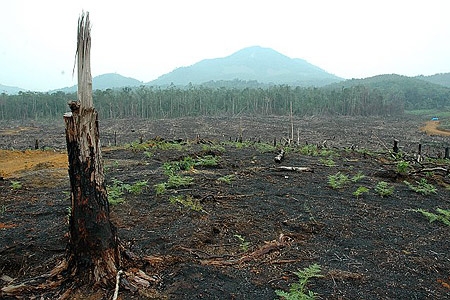
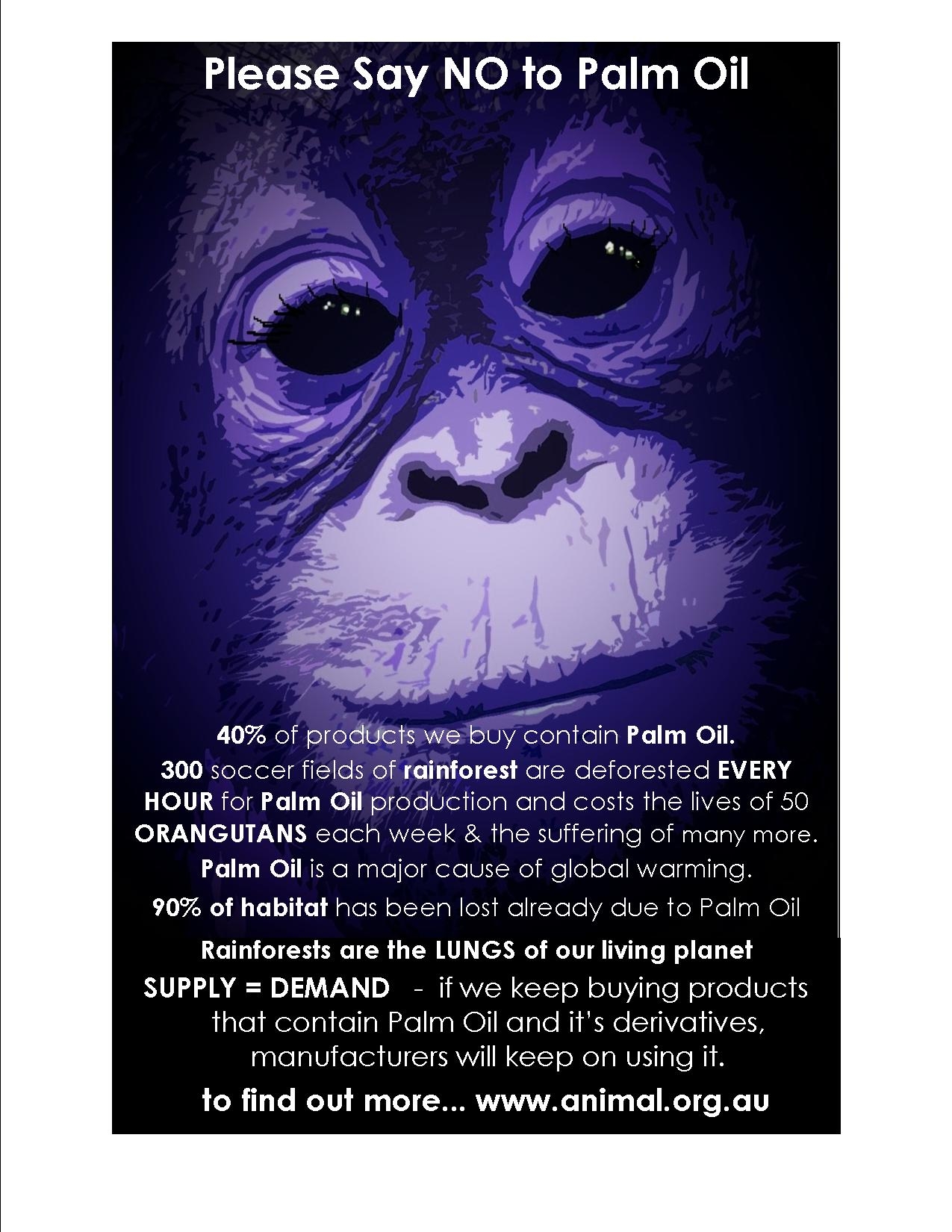
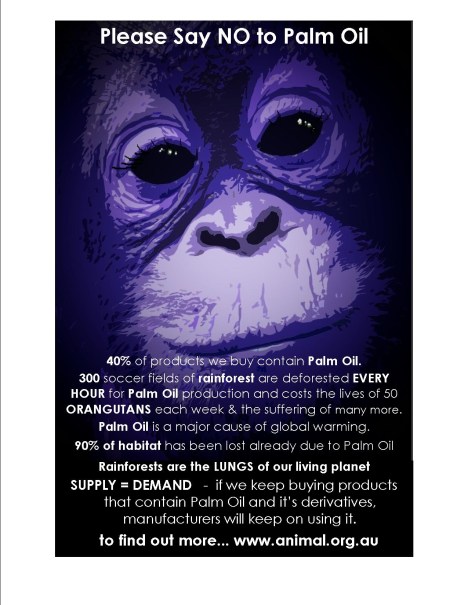
Believe us, sometimes when you spend ages constantly going through and signing petitions; you often ask yourself if it really worth doing. We know, we often feel the same. So here is some brilliant news that is a direct consequence of a petition – one that relates to palm oil and saving the lives of the wonderful orangutans.
Read and celebrate – a victory you have achieved through asking the right questions ! – SAV.
2015 – Awesome news & update! 🙂
Nutella are on our safe list.
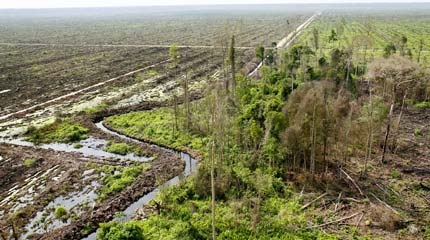
They have gone above and beyond any other brand in the world, not only are they using 100% certified sustainable palm oil, they can also track all of it back to the source and ensure that it is not coming from areas that have been recently deforested.
They are also not sourcing any of their palm oil from Indonesia, therefore they are not threatening the survival of orangutans.
Thank you all for making Nutella Safe!
Find out just how eco friendly many of your daily products are
– click on the link below.

Filed under: GENERAL NEWS - International / National / Regional | Leave a comment »
Posted on November 16, 2015 by Serbian Animals Voice (SAV)
Posted on November 15, 2015 by Serbian Animals Voice (SAV)
SAV Comment – people of the USA; please think about what some of your politicians have tried / are doing. Introducing ‘Ag Gag’ legislation would stop all evidence such as that in the following video from being obtained. Do you want that ? – should processors that abuse animals be allowed to continue their abuses un monitored by evidence gatherers ? – NO. Then fight to stop ag gag being introduced by some states in the future. The guys who film this are NOT the animals abusers; it is the workers at the facility who are. Fight ag gag in every way that you can – be an animals voice.

This is What Pigs Endure to Become Bacon and Processed Meat
by Alicia Graef
November 14, 2015
“If the USDA is around, they could shut us down”
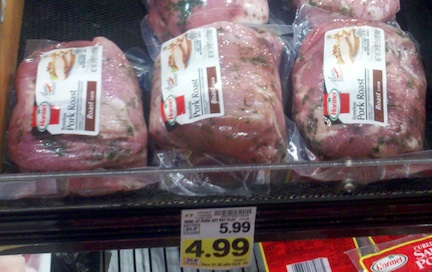
A disturbing video released this week by Compassion Over Killing (COK) has brought to light the horrifying treatment pigs are subjected to at a slaughterhouse that exclusively supplies Hormel Foods.
An investigator for the organization recorded footage at Quality Pork Processors (QPP), a U.S. Department of Agriculture (USDA) inspected slaughterhouse in Austin, Minn., and uncovered heartbreaking treatment of pigs, in addition to serious issues impacting food safety.
Some of the problems shown in the video include pigs being beaten, shocked and improperly stunned and slaughtered while they’re still conscious, in violation of federal law, pigs who were too weak or sick to walk on their own being beaten and dragged to slaughter and others covered in feces and pus-filled abscesses being slaughtered and processed for food – complete with the USDA’s approval.
Warning: the video below is very graphic.
Problems with the treatment of pigs and other farm animals who are raised and killed for meat have continued to surface through these undercover investigations, but this one in particular is raising serious concerns about a questionable program intended to speed up production and essentially allow facilities to police themselves.
QPP is one of five pork processors in the U.S. that are currently participating in a pilot program that was implemented in the 1990s called the Hazard Analysis and Critical Control Point-Based Inspection Models Project (HIMP). The program allows for a disastrous combination of faster line speeds at slaughter and lower government oversight.
According to COK, at this particular facility approximately 1,300 pigs are killed each hour to make Hormel pork products, including Spam.
“The abuses we uncovered at Hormel reveal a high-speed slaughter hell for pigs,” said COK’s Executive Director Erica Meier. “Workers are taking inhumane shortcuts to keep the kill lines moving, and with fewer government inspectors on site, this flawed self-inspection system is also jeopardizing food safety.”
COK added in a statement that an audit done by the Office of Inspector General in 2013 had already identified multiple concerns about the HIMP program related to food safety and humane animal handling and that last year several USDA whistleblowers also spoke out about it, yet the USDA has allowed the program to continue unchecked.
Not only has it been allowed to continue, but last year the the USDA’s Food Safety Inspection Service launched a review to see if the program could be expanded.
Unedited footage been given to local authorities and the USDA, which is now investigating.
“The actions depicted in the video under review are completely unacceptable, and if we can verify the video’s authenticity, we will aggressively investigate the case and take appropriate action,” USDA spokesman Adam Tarr told the Washington Post.
Meanwhile, COK is encouraging the USDA to end this dangerous program over concerns about the inhumane treatment of pigs and the risks it poses to food safety. Hopefully the attention this investigation is garnering will not only get this program shut down HIMP, but will help encourage people to stop supporting products that inherently perpetuate this type of abuse.
Take Action!
If you could not watch the video using the above link; watch it here on the petition.
urging Hormel to stop buying pork from this pig-torturing supplier.
Filed under: CAMPAIGNS - Global Animal Welfare Issues, GENERAL NEWS - International / National / Regional, GLOBAL PETITIONS - Anything Animal, Anywhere !, The "Serbian Animals Voice (SAV) ALLIANCE, VIDEOS | Leave a comment »