Posted on January 20, 2015 by Serbian Animals Voice (SAV)

On December 1 2014, the Enlargement Commission of the EU wrote to the Serbian Agriculture Minister regarding the situation of ‘Nani’ deer.
More importantly, the Serbian Minister was informed by the EU:
“As a candidate country to the EU, Serbia is encouraged to apply best EU practices, such as engaging in dialogue with stakeholders, including NGO’s. For this reason, I would ask you to give this case your attention”.
As of 20/1/15, we can confirm that there has been no attempt whatsoever by the Serbian government to enter into any form of dialogue and correspondence with us and other internationally based NGO’s attempting to improve Serbian animal welfare. The Serbian government sent a document instead to the EU, which we have reviewed and from which we find many errors.
A copy of the same Serbian ministry letter regarding Nani can be found via this link:
Also, despite several NGO’s writing many times to the so-called ‘EU Ambassador to Serbia’ specifically regarding the situation of Nani deer; he, the EU Ambassador, has completely ignored every single effort we have made to establish contact. We have been treated as if we do not exist.
There may be many valid reasons for this; only EU officials can answer this in detail. As you can see from many of our posts over several recent years, the Serbian government is in our opinion so corrupt and its regional authorities often so very non-compliant with their own current and existing Serbian legislation; (certainly in the case of animal welfare), we can only assume that the government will not enter into dialogue with any NGO’s as it does not know how to respond to the endless questions and proofs of non-compliance with the law that we will question them with.
With fancy letters coming from Ministers aimed at the EU to keep everything looking good in the garden, the Serbian government are literally pulling a veil over the eyes of the EU Enlargement Commission by making fancy statements to make everything look good and true; but as NGO’s working within Serbia and with ‘ears and eyes to the ground’ on many, many national issues, it is probably best to say that the NGO’s know the real situation better than anyone. And the reality is, the current situation is very far from even acceptable, let alone any better.
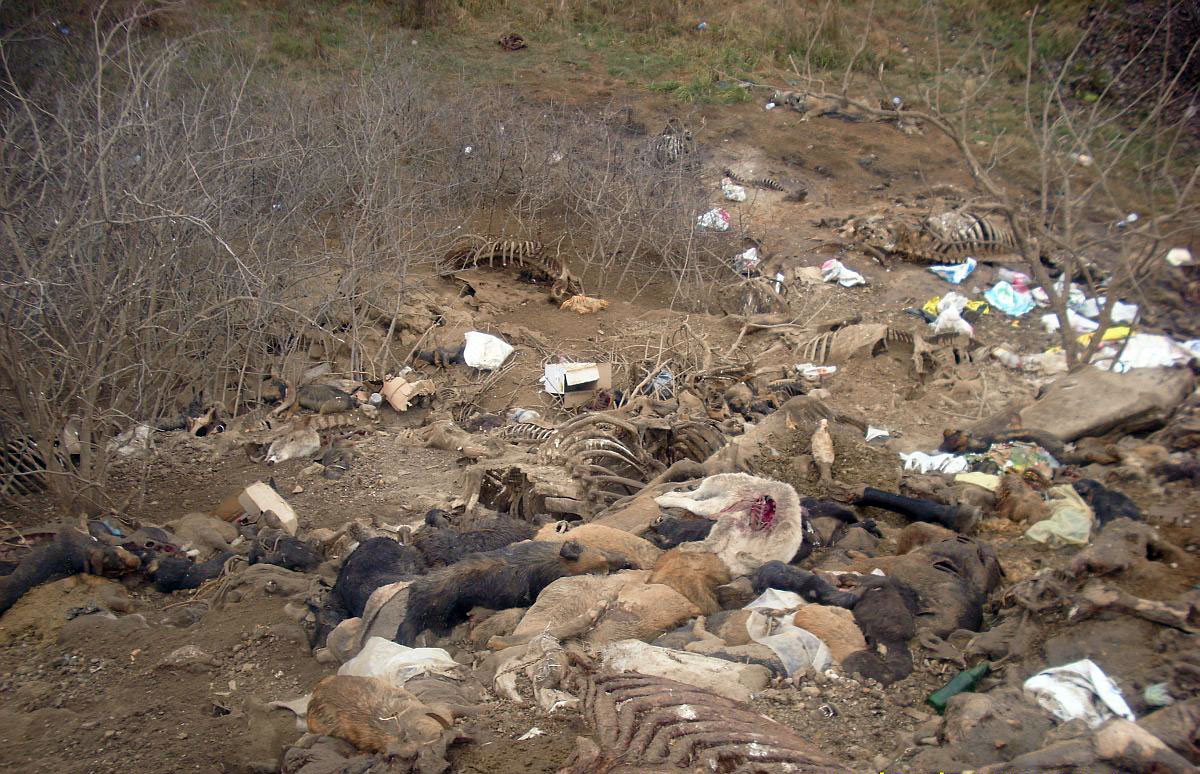
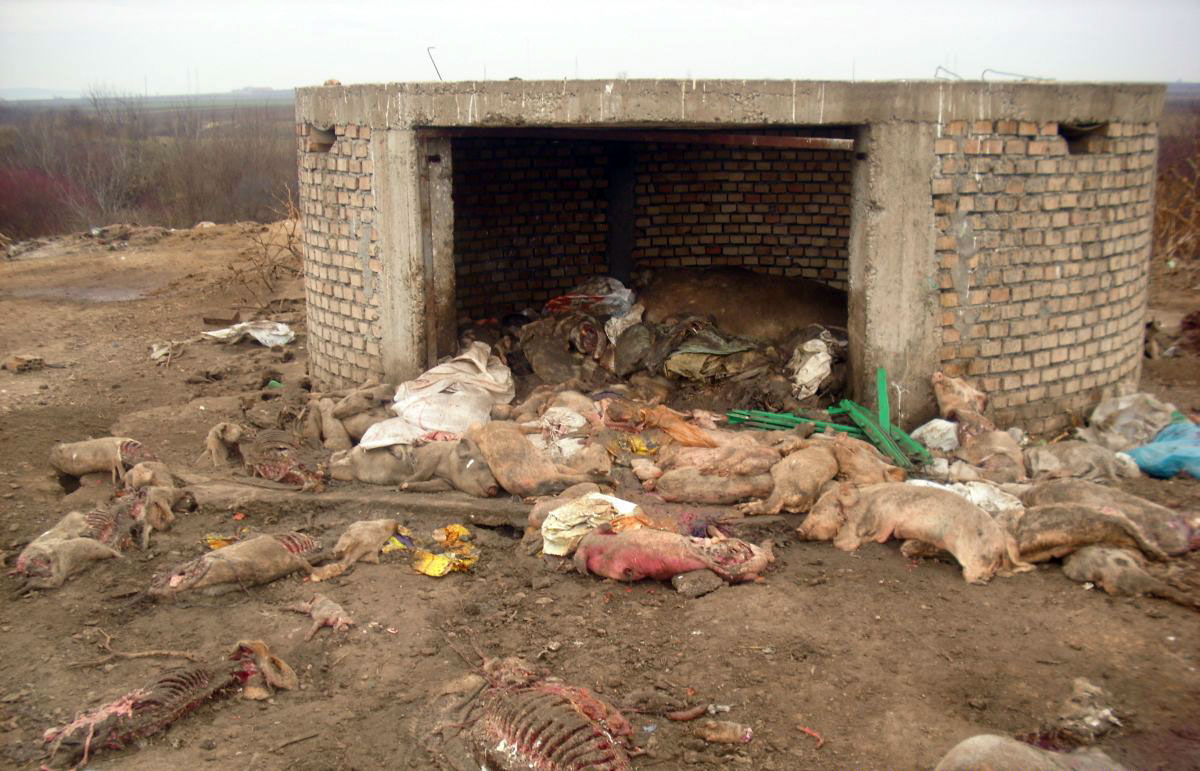
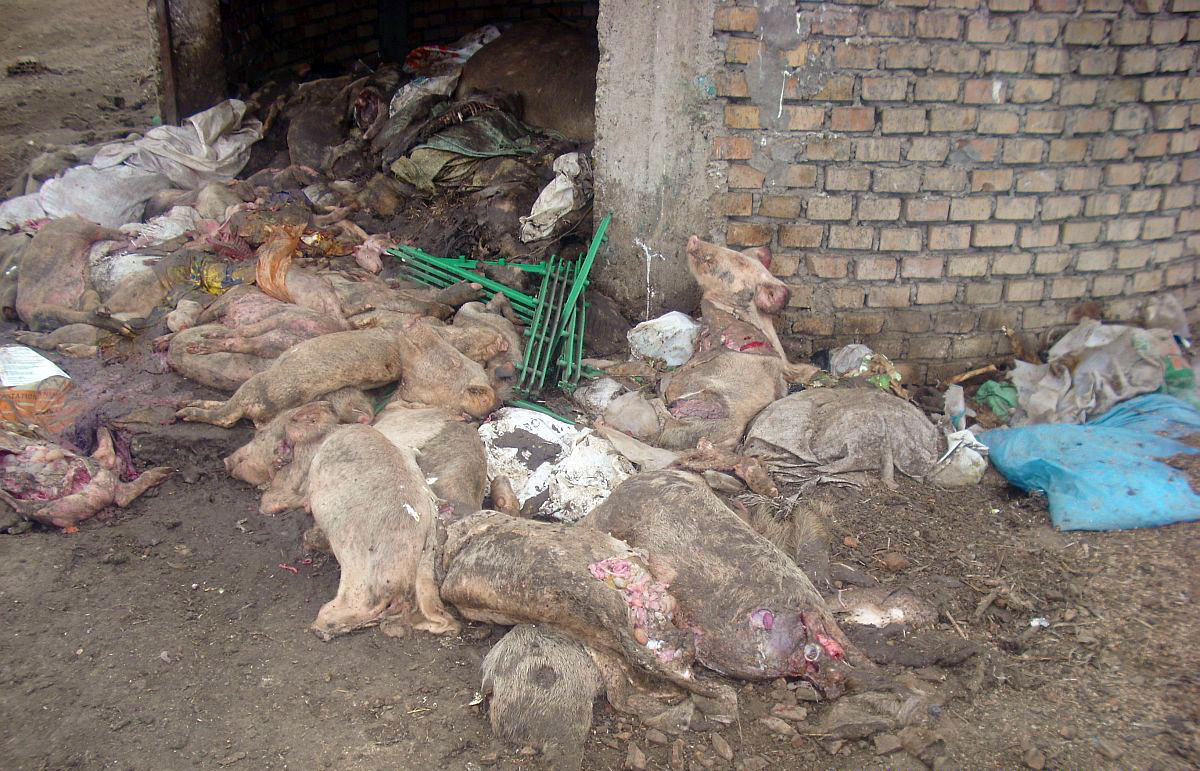
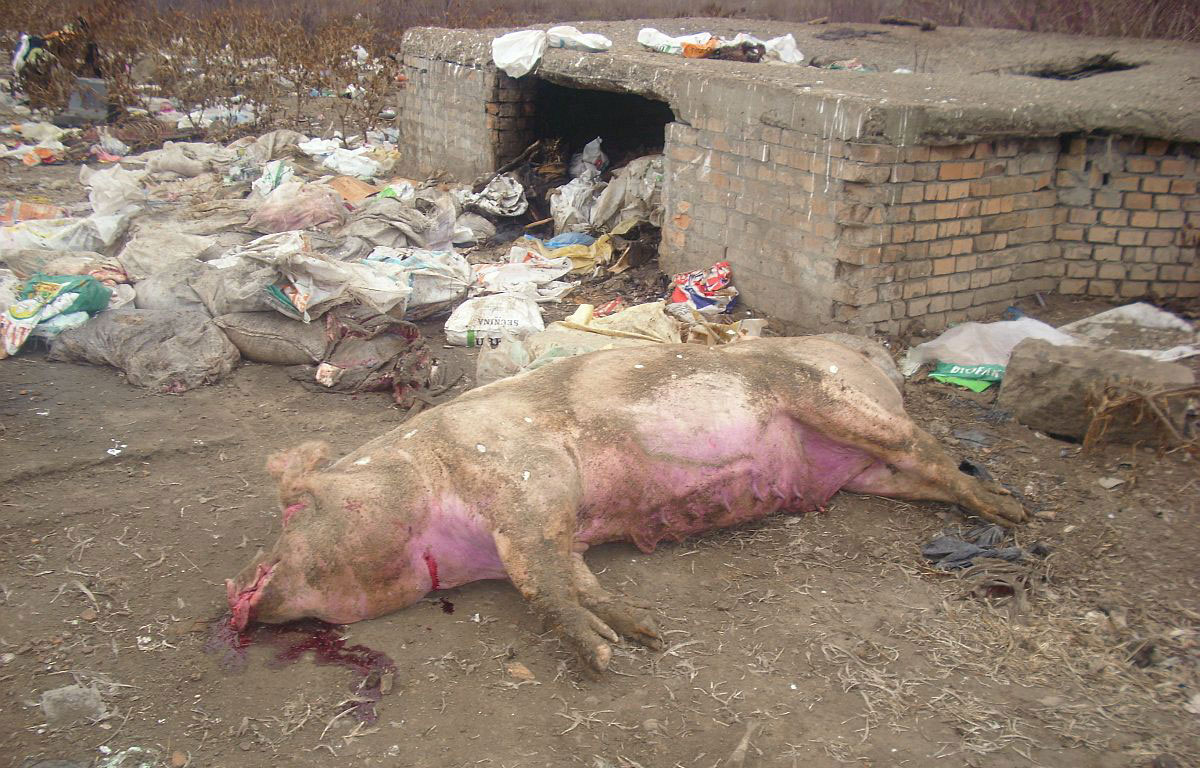
For example, has the EU Enlargement Commission ever asked the Serbian government agriculture minister about the following situation for example ? – something we exposed years ago, where animals killed were simply dumped off to the side of a highway – presenting a real attraction for stray animals looking for something to eat ! – we would ask about this and what action has been taken as a result if we ever had the chance to enter into dialogue with the government. Maybe it is because of things like this and the difficult questions that would be asked of them, the Serbian government wishes to avoid us at all costs !
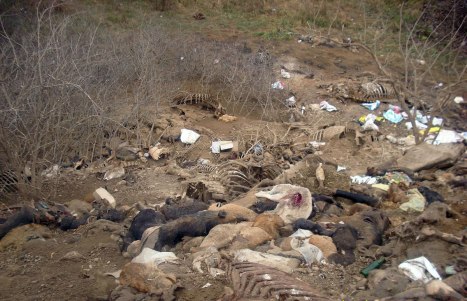
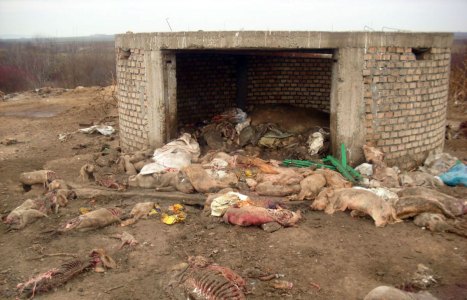
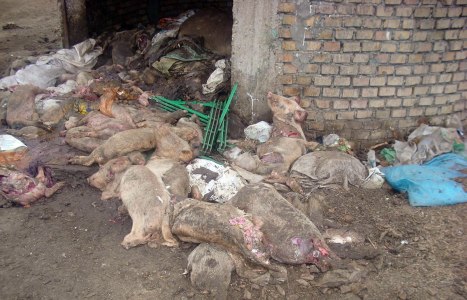
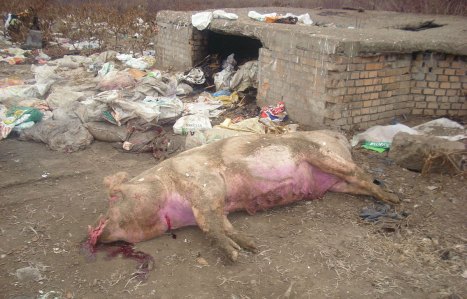
Here are the links to these photos if you want to read more about what we have said in the past:
Or as another case, take this issue (below) at a Serbian farm, where NGO’s were informed by the government that everything was ‘ok’. We were told ‘dont pressure us’ when we first drew attention to the issue shown here.
Dont pressure us !! – sorry but we assumed they were the government Agriculture Ministry who should be made aware, and act regarding things like this !!
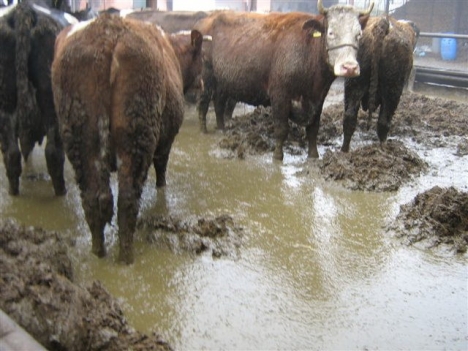
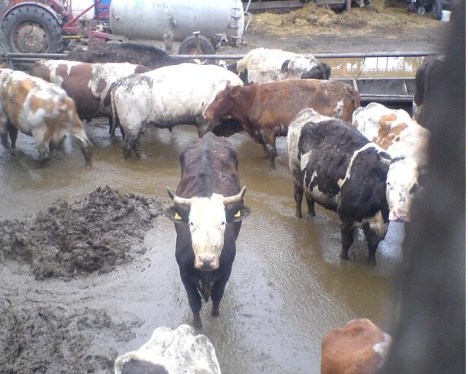

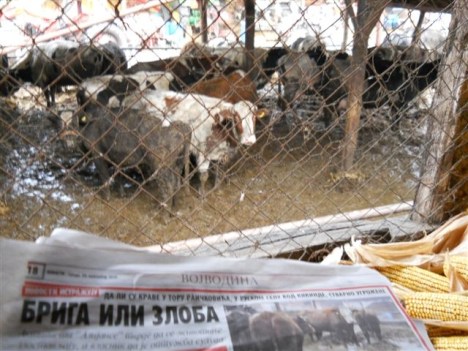
Check out the following links for more photos and information:
At the time we were so very concerned about conditions; that we alerted CIWF here in England; asking them for a quote on what is seen (above). As part of their response; Phil at CIWF provided the following:
“It is clear beyond doubt that what is shown in these photographs does not comply with existing EU legislation, and consequently would impact Serbian accession to the EU. In the event of Serbia’s accession, these photographs could form the basis of a formal complaint to be made to the Legal Affairs Dept of the EU associated with animal welfare”.
Phil Brooke
Read more and see more on this from our past post at:
So where are we now ? – have these issues ever been resolved by the Serbian ‘dont pressure us’ Ministry ? – or are things like this still happening ?
If the Serbian government is ignoring the wishes of the EU Commission by refusing to enter into any dialogue with NGO’s, then we now have little option but to further disclose information regarding the current situation of Nani deer.
Basically; the government works to cover up issues, whilst we work to expose the realities.
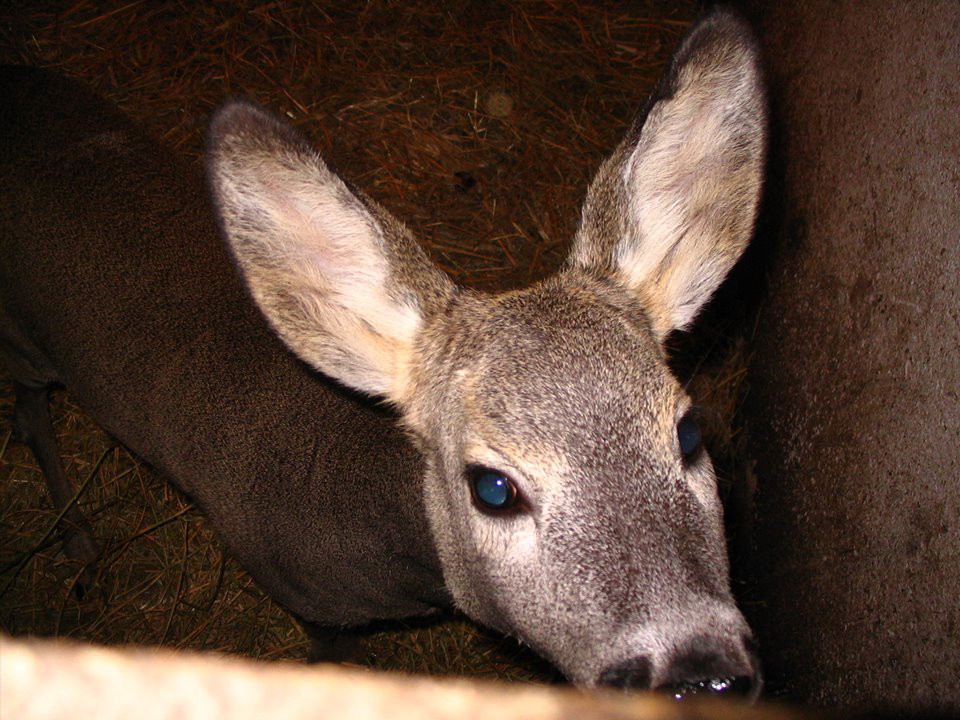
As regular visitors to this site will be aware, and which you can see from past posts on this site, we have made many attempts over many recent months to get Nani returned to the Mitic family who will take care of her. Instead, the government has decided that Nani should be imprisoned at Zoo Jagodina.
The government letter (link further above) seems to appear very formal; but what is the actual reality of what is being said ?
Is putting Nani into a zoo a simple way of the government hopefully closing the door on the entire issue rather than actually taking the actions that are really necessary for the welfare of the animal ? – could it be the very close relationship that government officials have with the hunters that prevents them from delving deeper into the realities of the case ?
It would appear from information that we have that the Minister was actually out killing male deer with hunters on the very day that Nani was taken from the Mitic family. This being 1/8/14. So, would the Minister take action against those he was out hunting deer with ? – probably not.
Nani has now been sent to a zoo; to be yet another exhibit for people to look at.
Here is a link to the zoo website:
It is interesting to read one of the statements in the letter –
“Article 86 on … provides that wild animals can be kept in captivity for their own needs only if their well being is not compromised, or if their living conditions that are appropriate for the type, race, gender, age and the physical and biological characteristics, behavioral traits or animal health are provided; such wild animals shall necessarily be marked n the prescribed manner“.
The zoo declares:
“our animals Zoo offers a variety of facilities, all of which constitute the basic animal. In what kind of objects located 250 animal species with over 320 copies, whether certain types of their intellect reaches the human species, in which some kind of special, how big calves on arrival into the world, how certain animals can withstand under water and many other interesting things You can find out if you should come with us and take a look at this marvellous animal world situated in Jagodina. WELCOME! –”
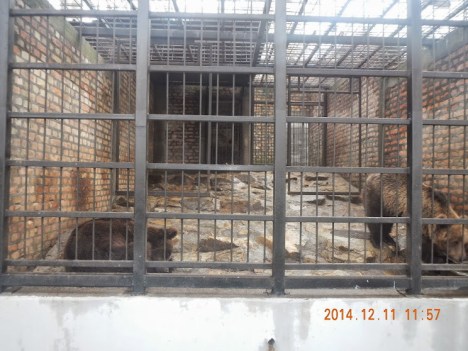
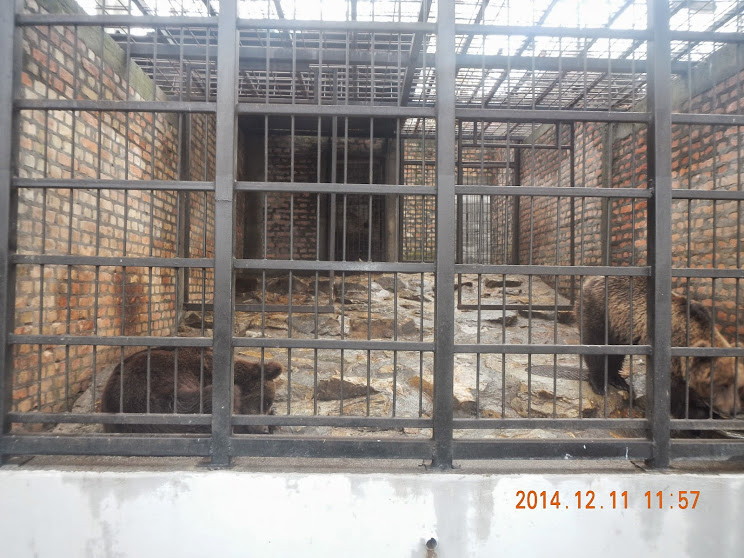
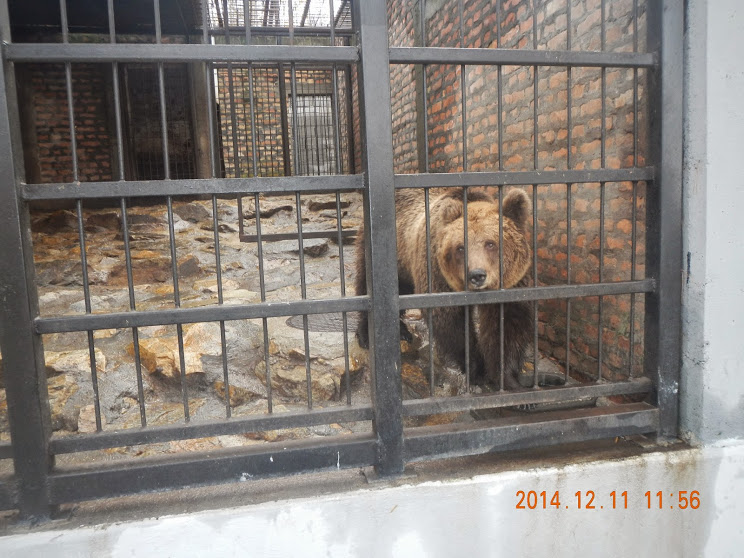
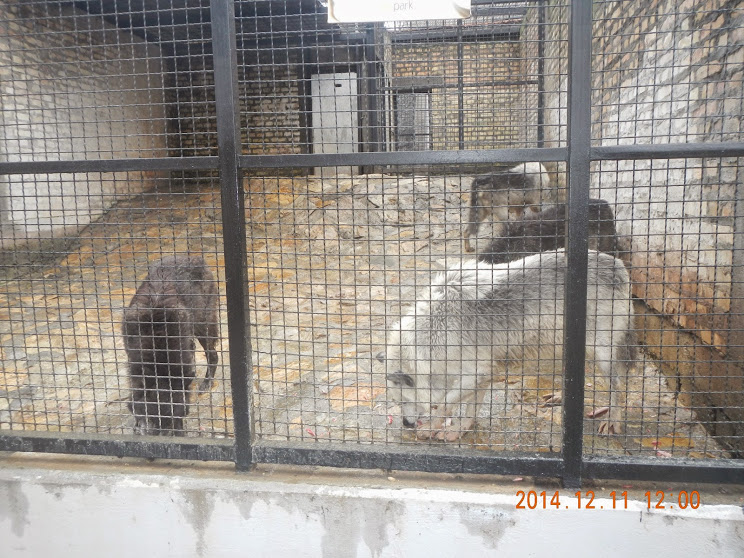
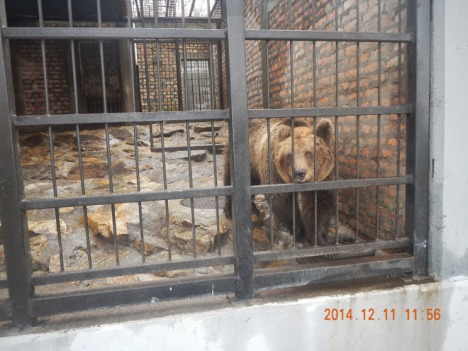
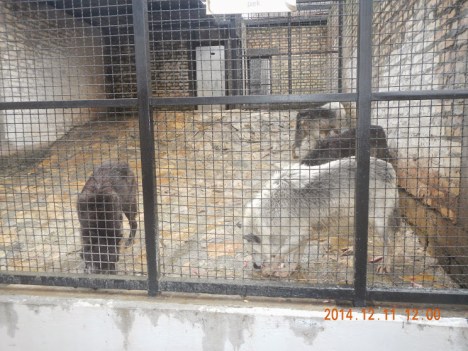
Above – Bear ‘living conditions’ appropriate for the type ?

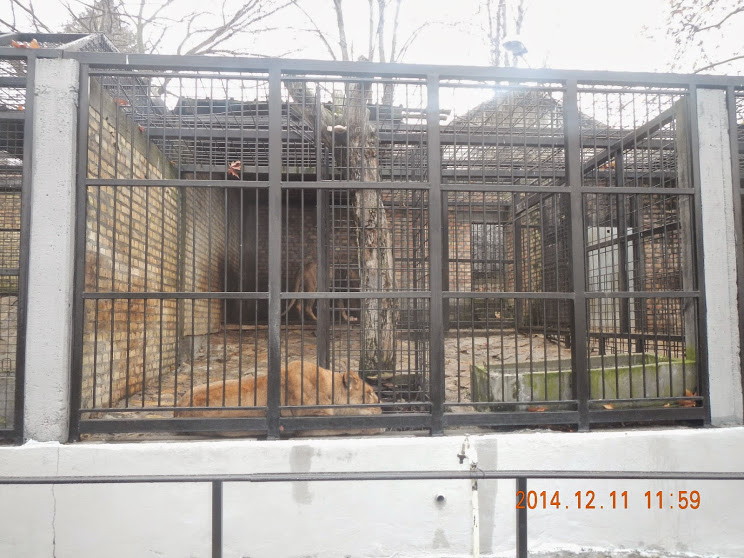
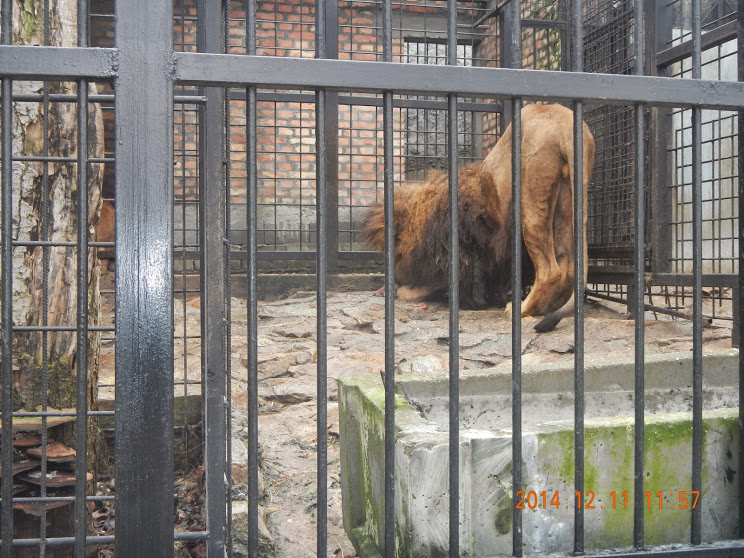
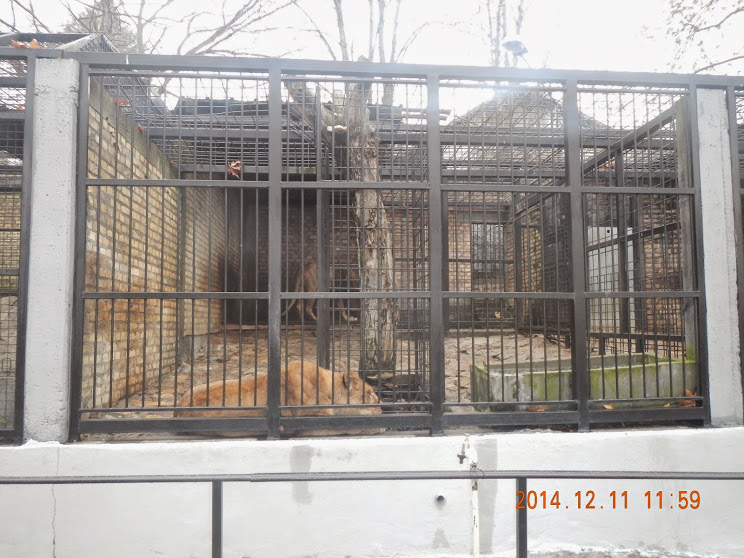
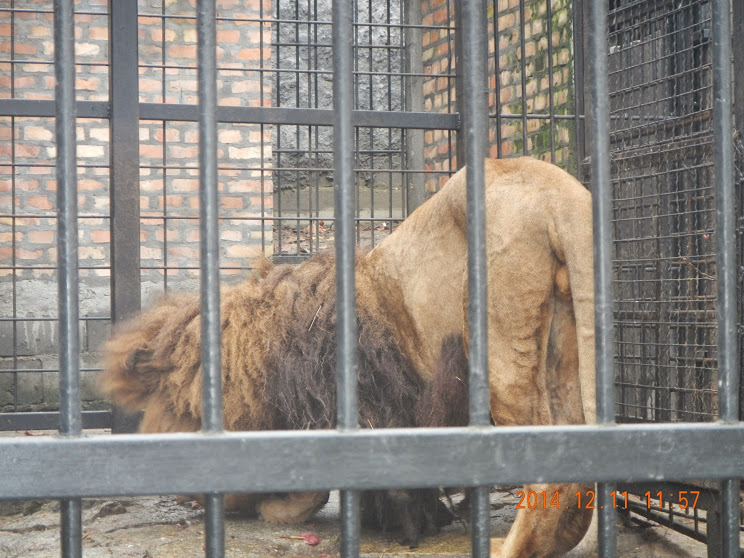
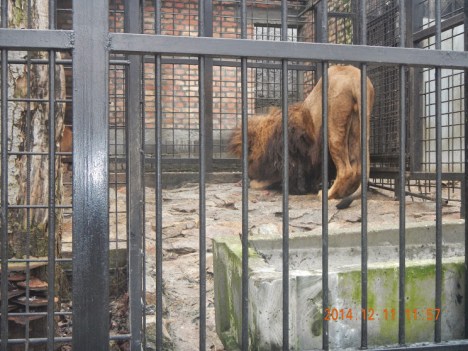
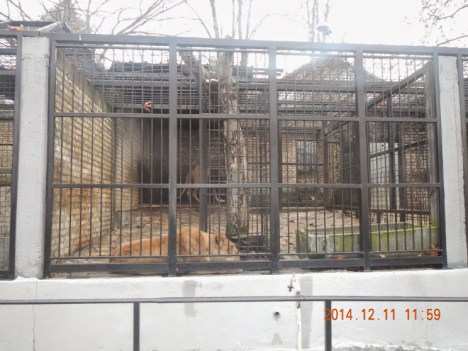
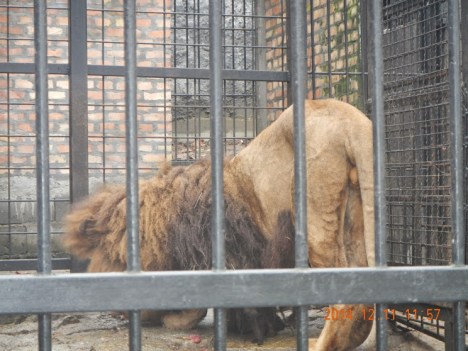
Above – Lion ‘living conditions’ appropriate for the type ?
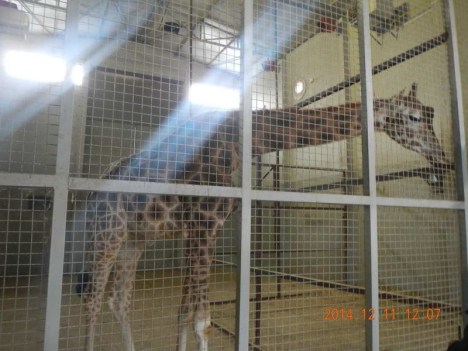
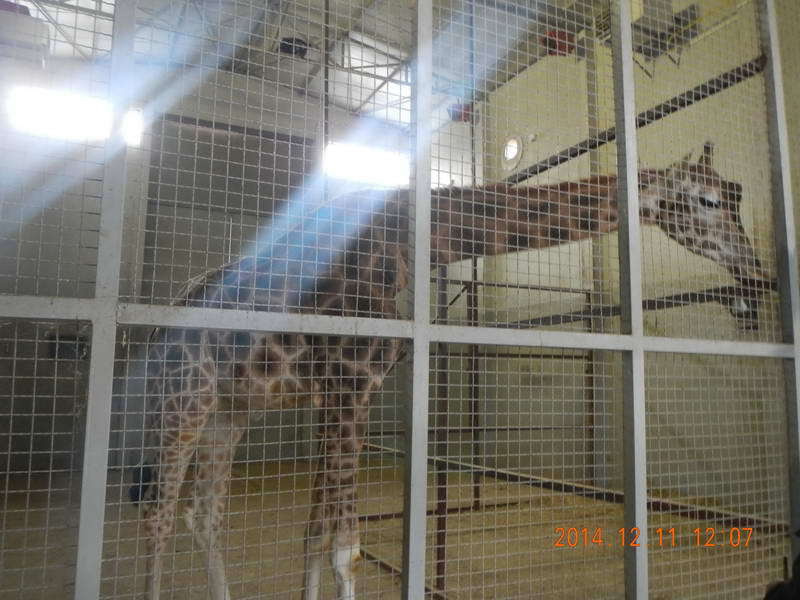
Above – Giraffe ‘living conditions’ appropriate for the type ?
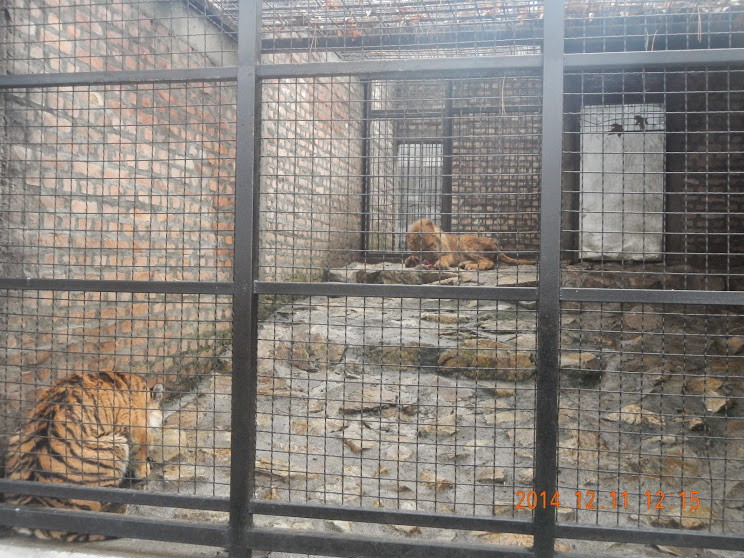
“living conditions that are appropriate for the type, race, gender, age and the physical and biological characteristics, behavioral traits or animal health are provided”
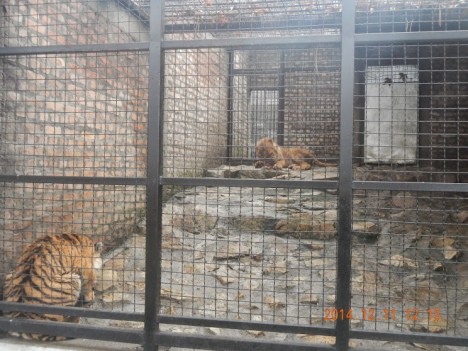
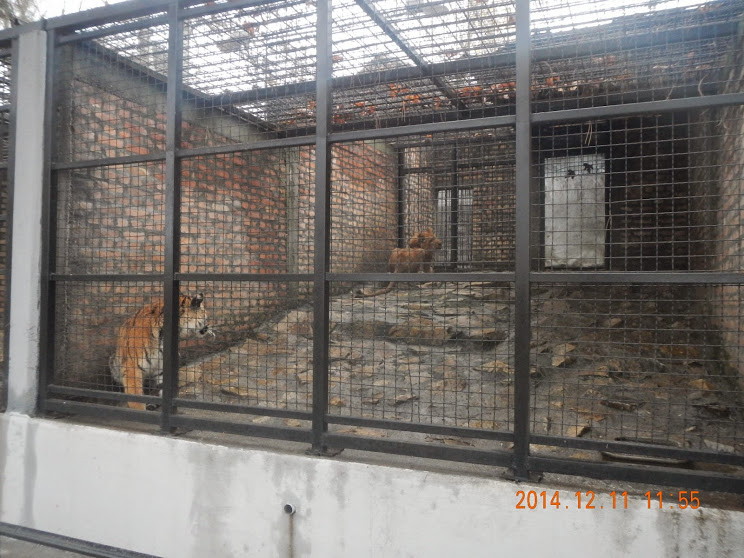
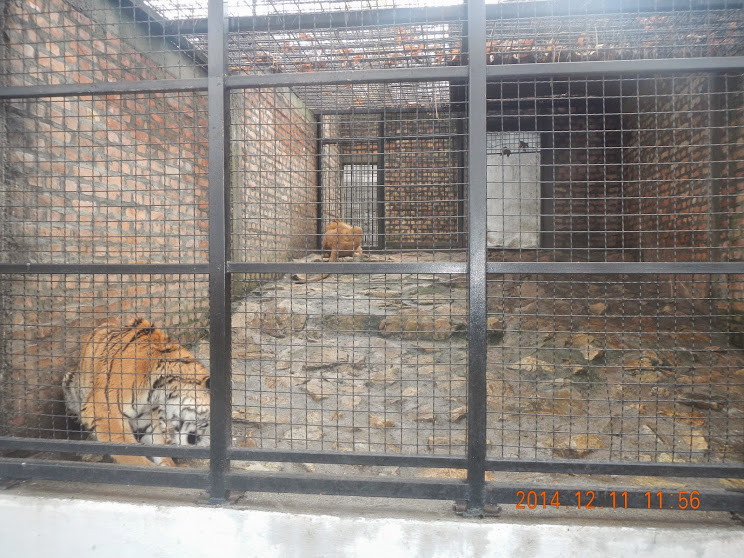
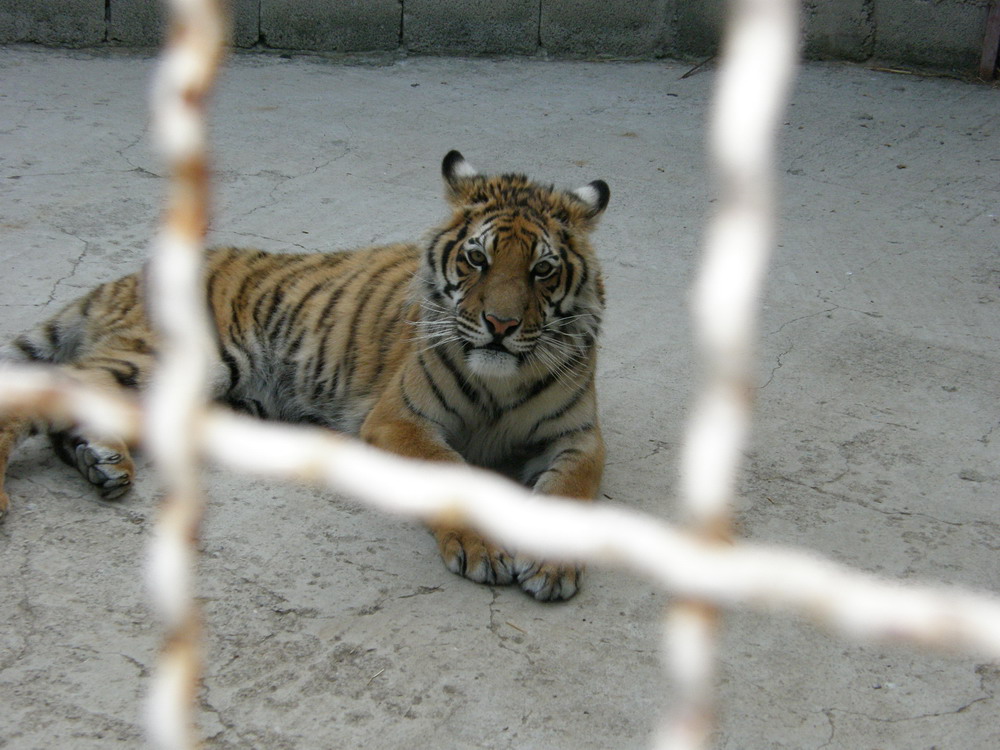
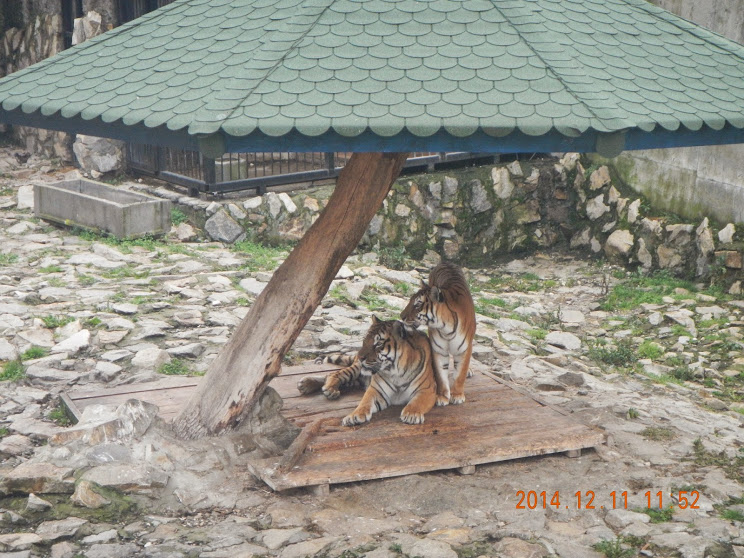
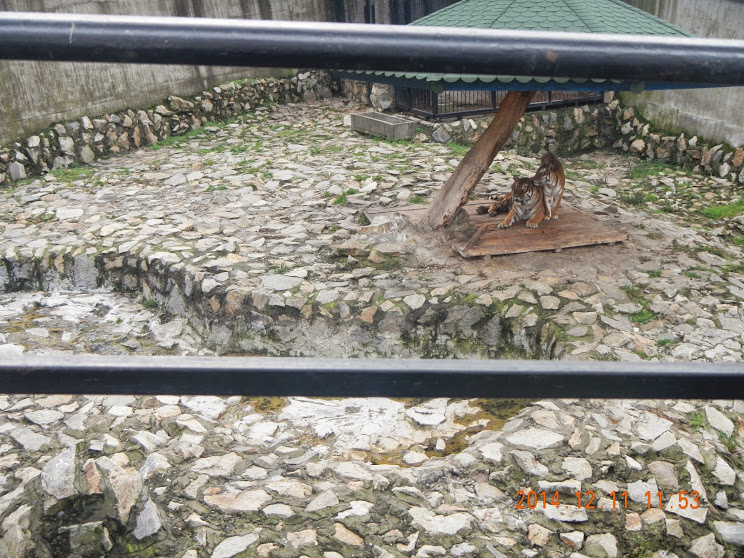
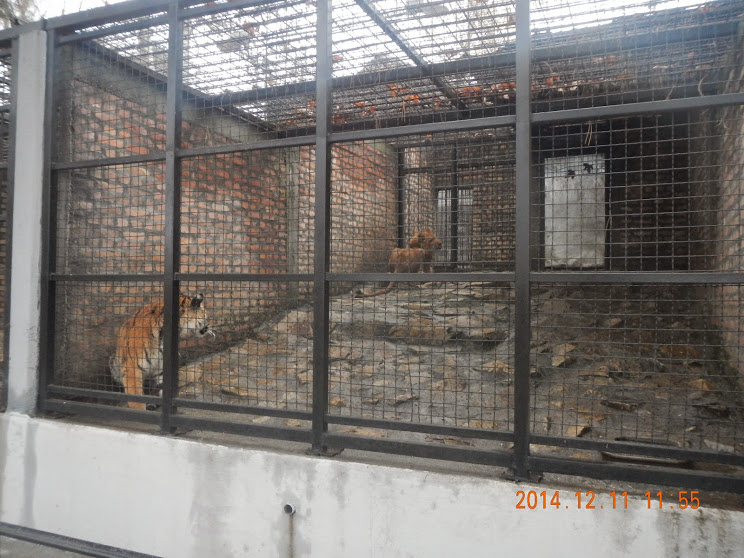
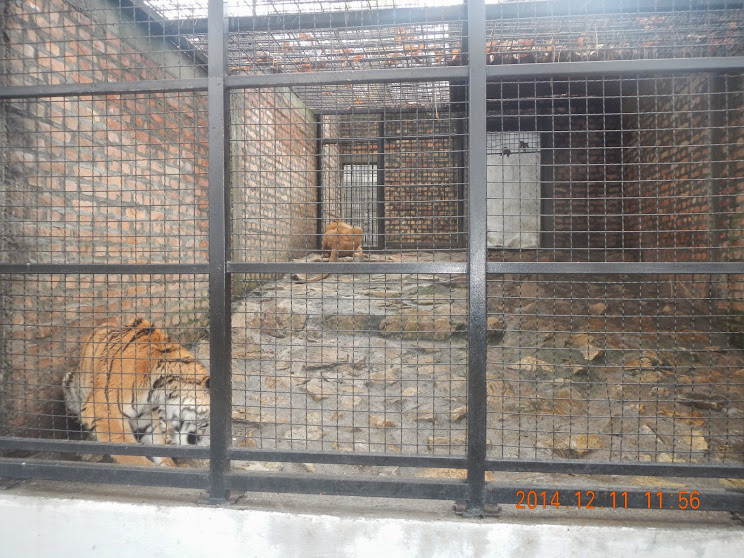
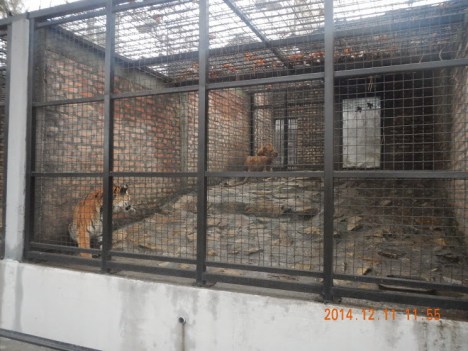
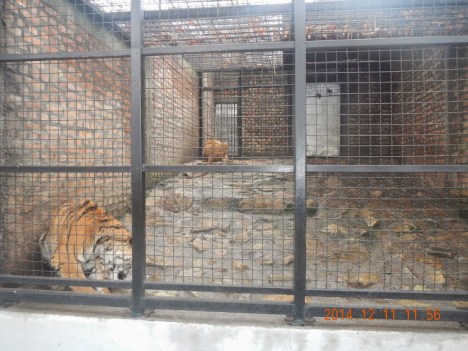
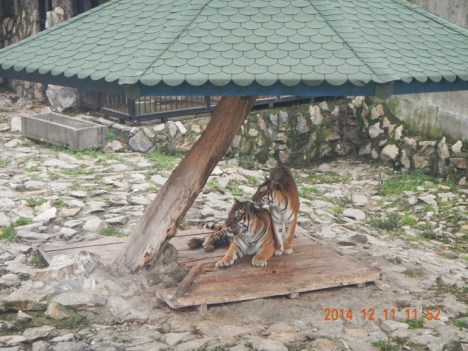
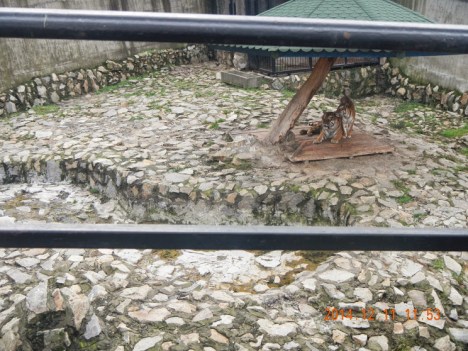
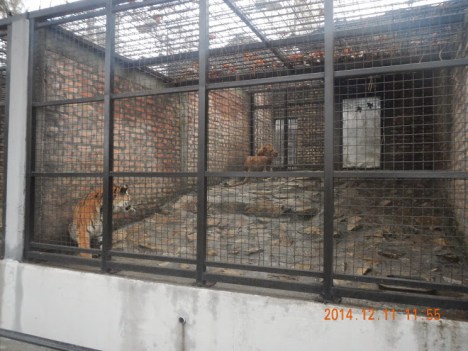
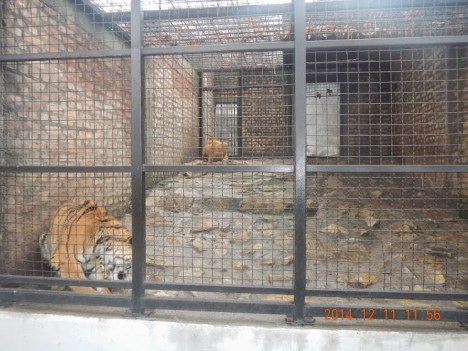
Above and below – Tiger ‘living conditions’ appropriate for the type ?
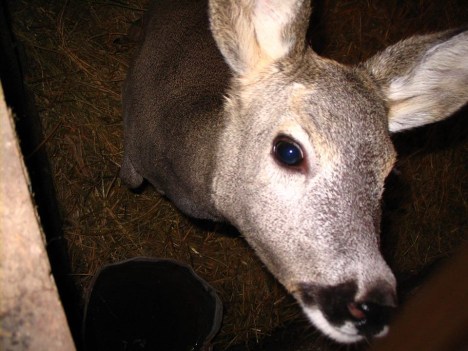
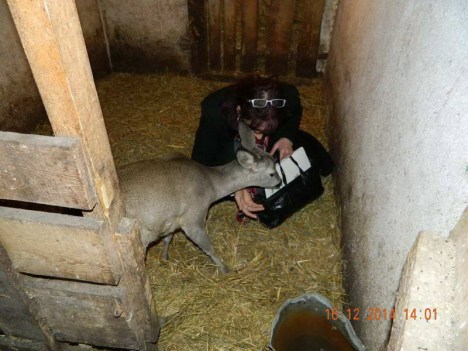
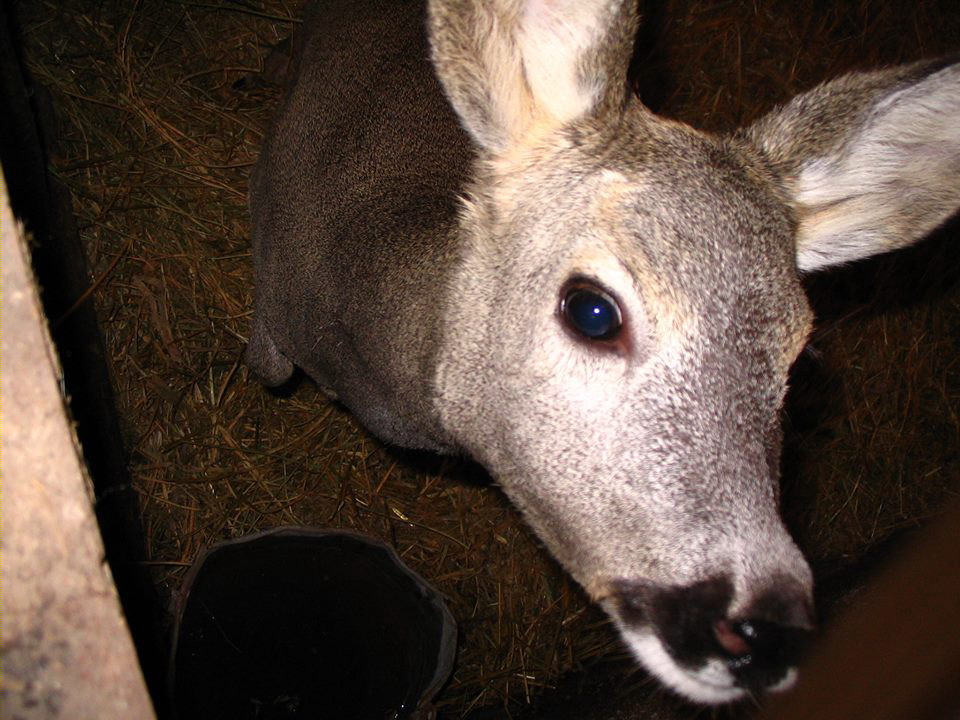
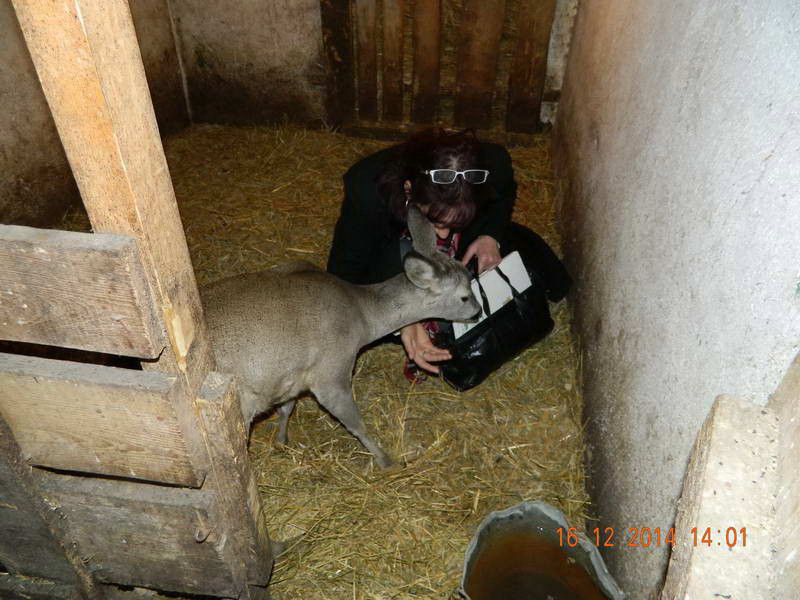
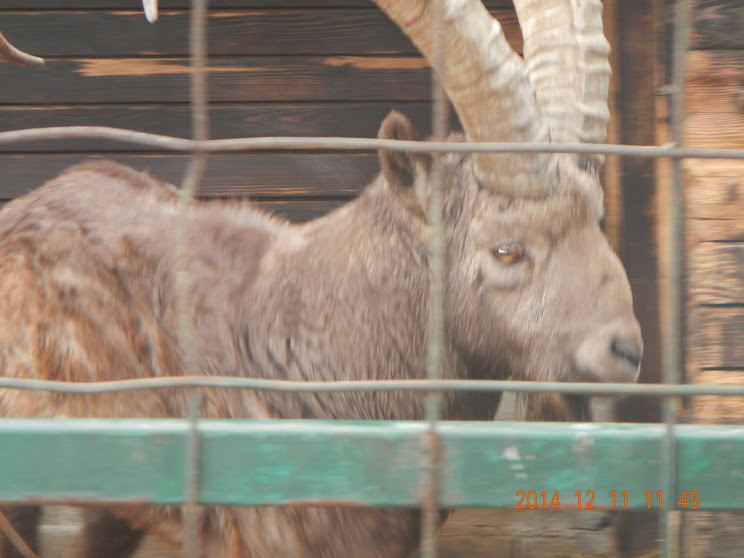
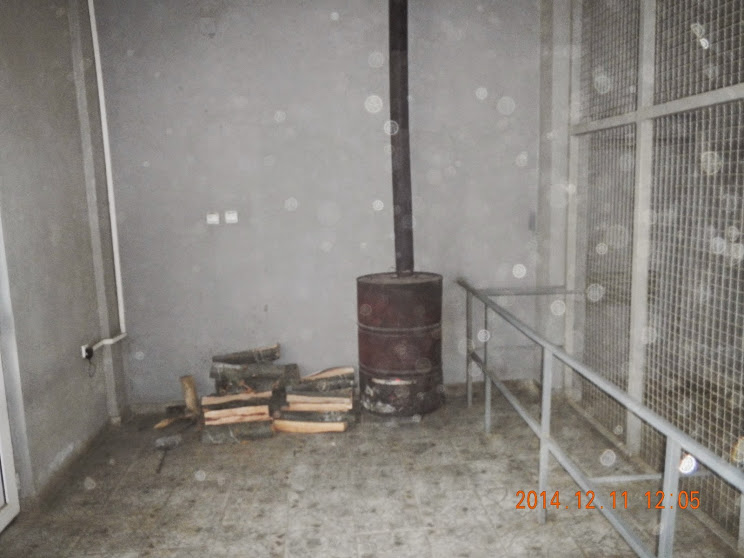
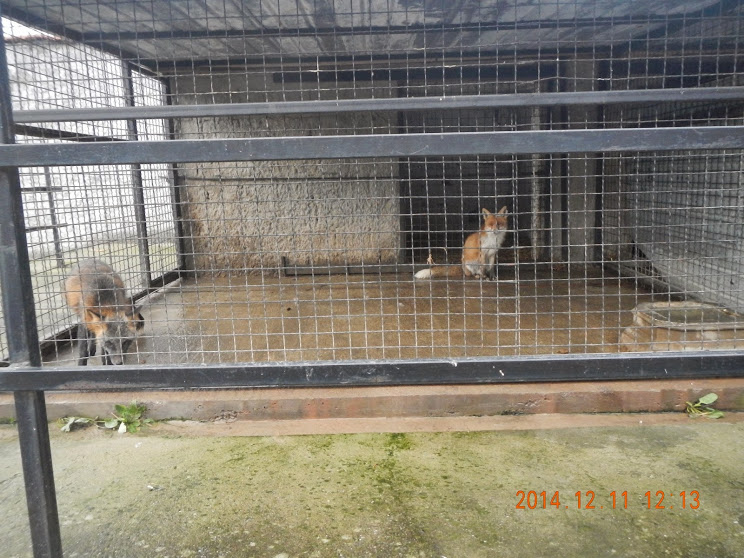
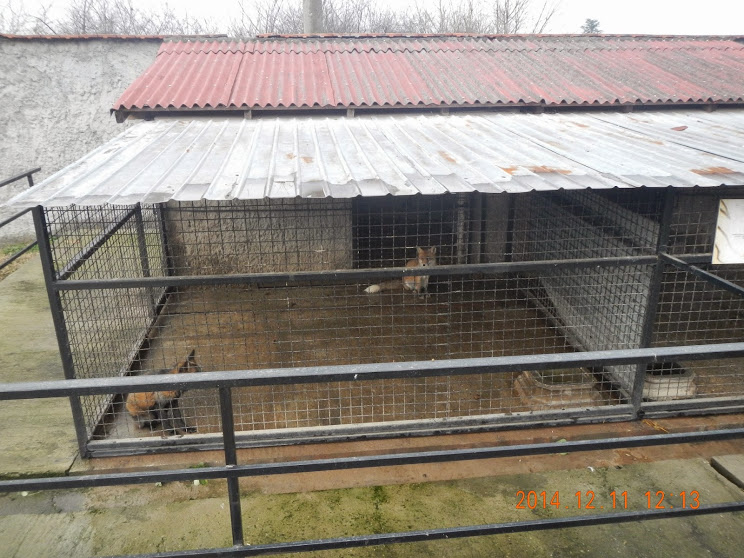
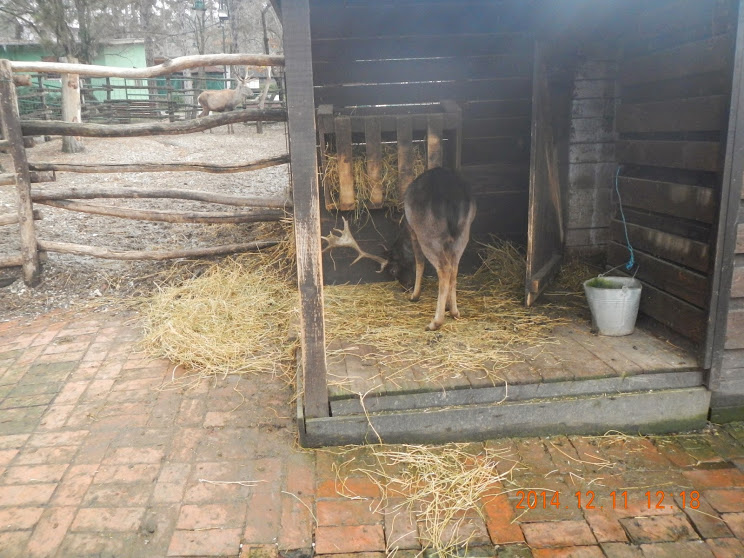
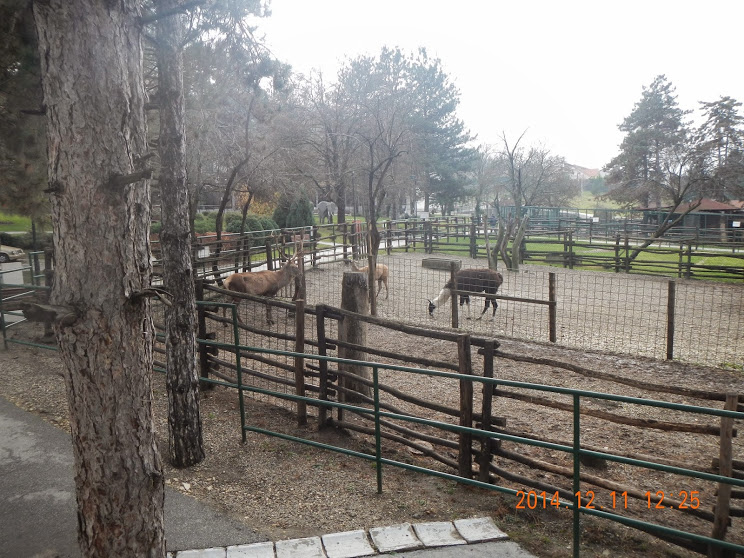
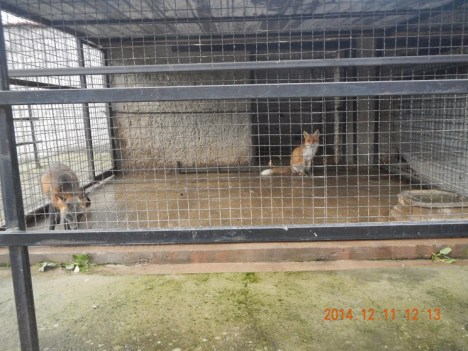
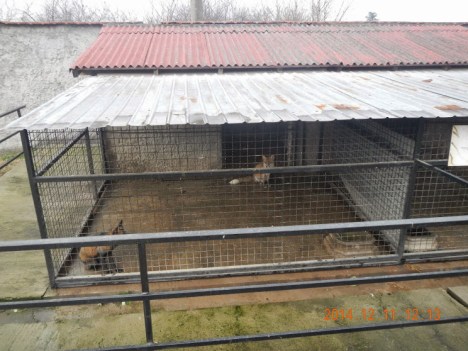
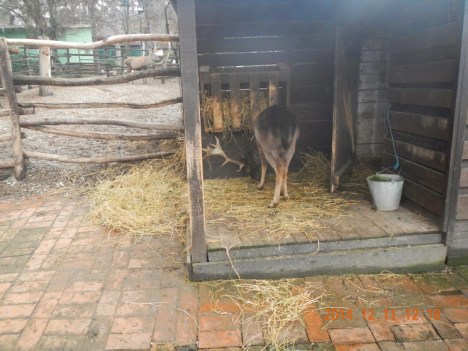
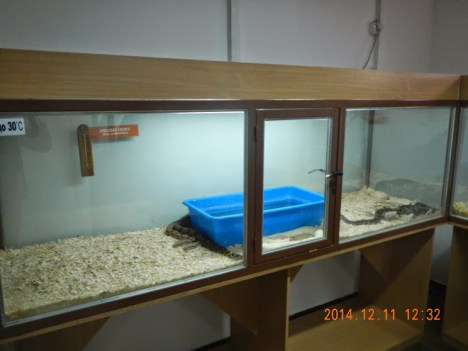
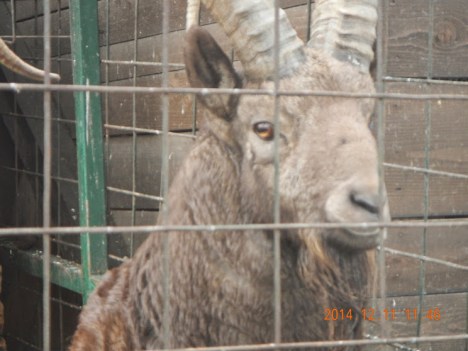
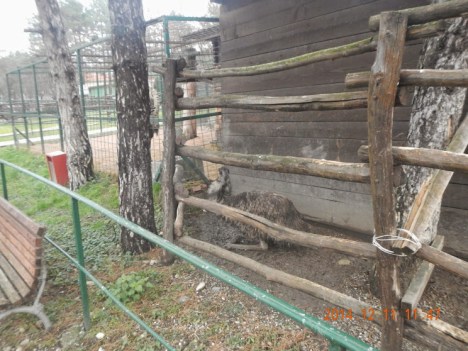
Above and below – Nani deer current ‘living conditions’ at the zoo.
Is this appropriate for the type of animal; and better than would have been provided by Mrs. Mitic at her home ?
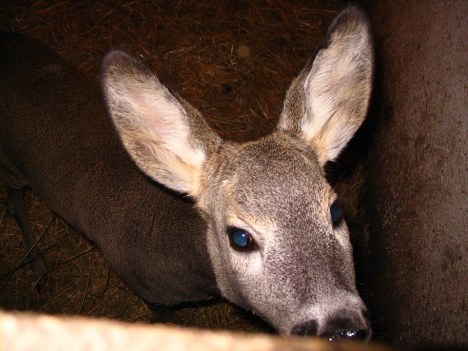
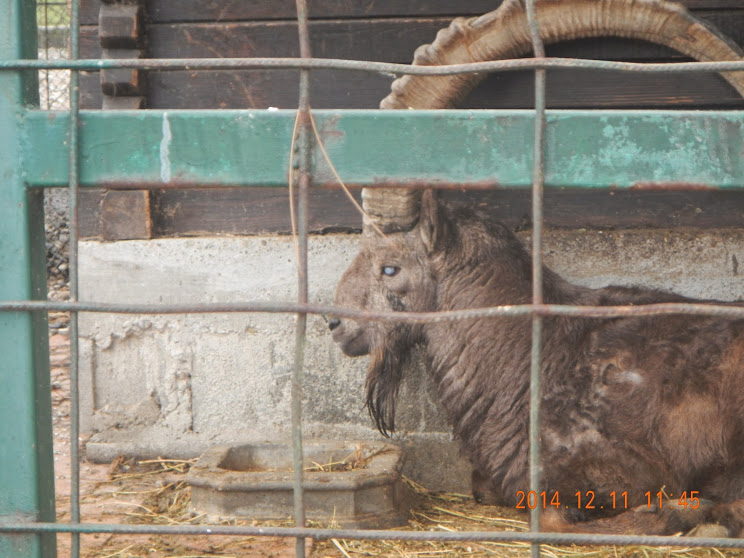
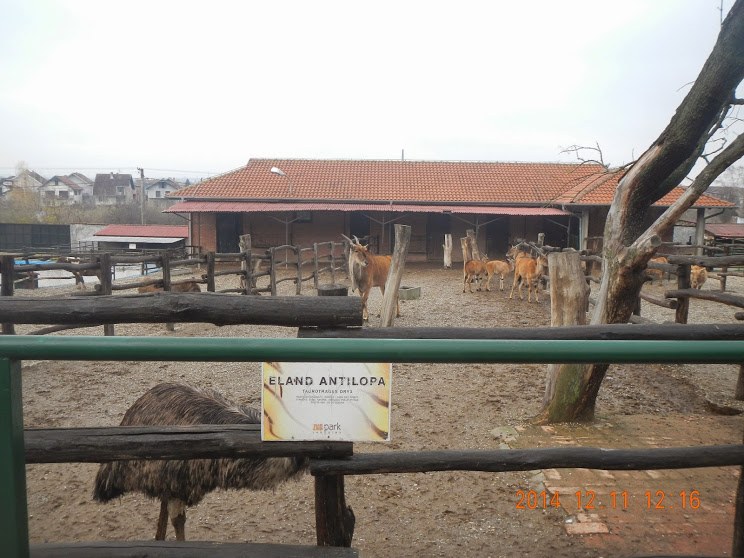
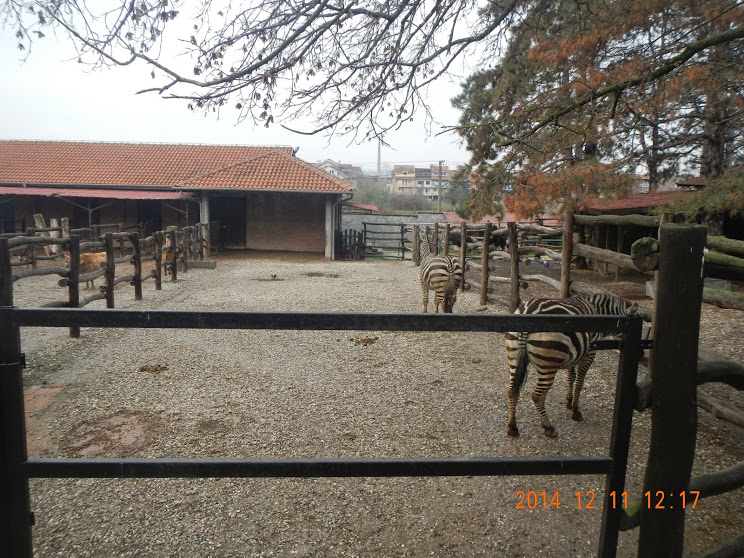
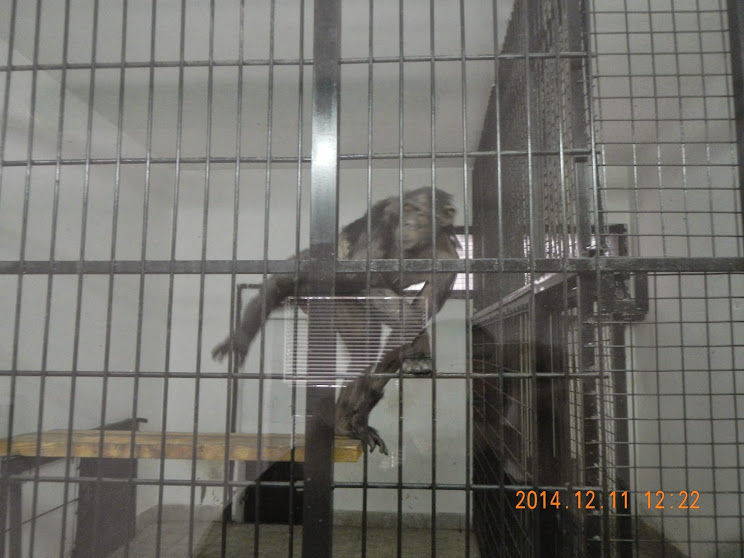
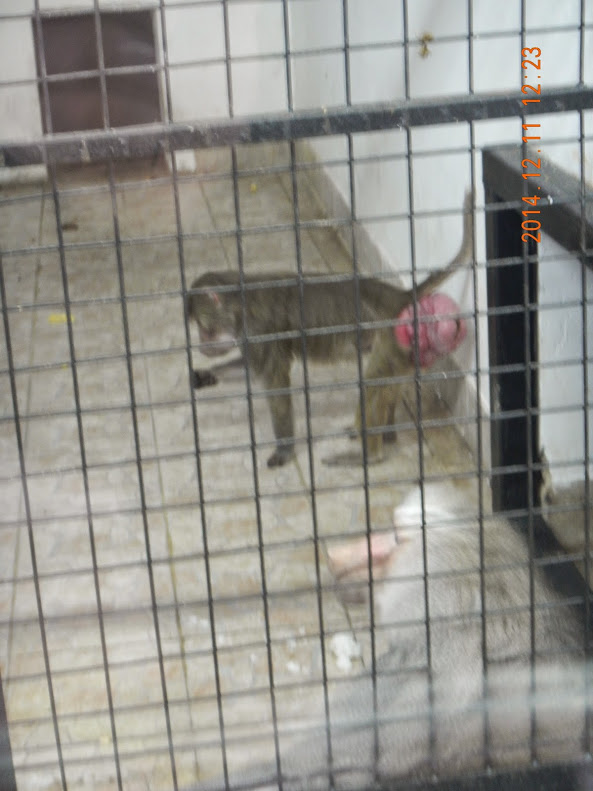
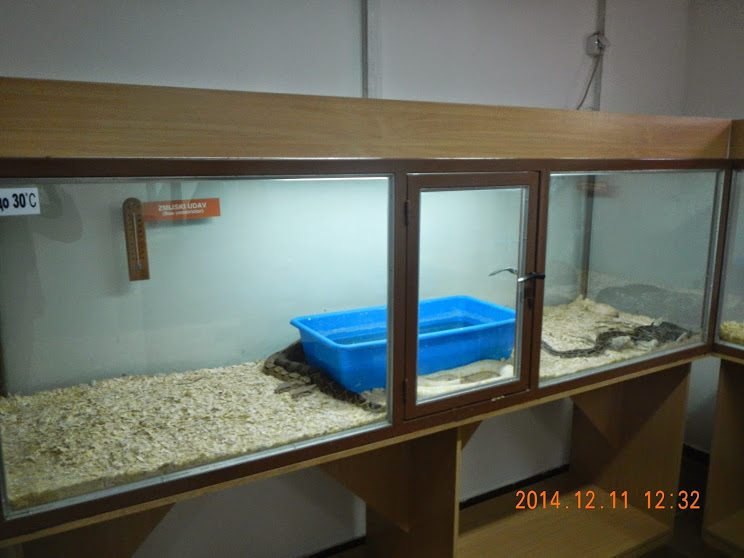
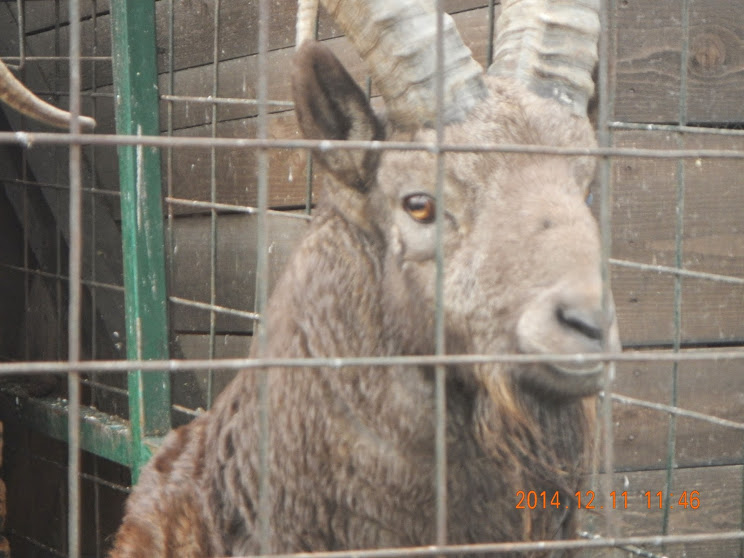
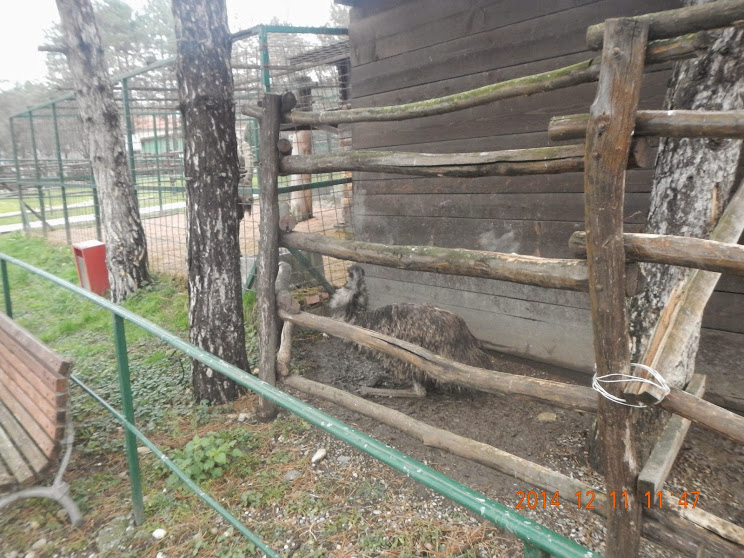
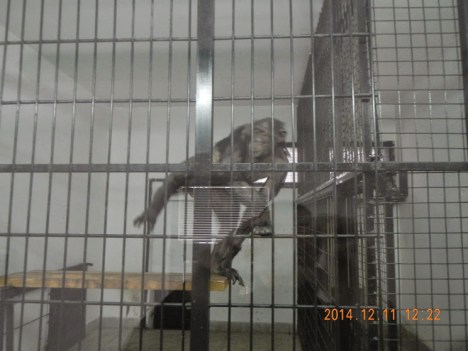
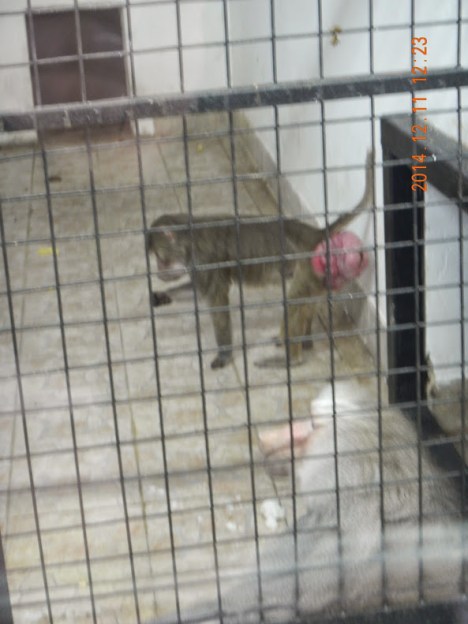
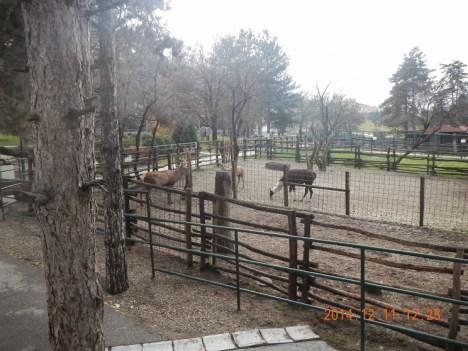
Please take a look at the photographs above and below that have been taken at the very same (Nani current) zoo during an information gathering visit made during 12/14. We question if this is a “marvellous animal world”; but leave this for you to decide from the evidence we present. Are the zoo conditions you see in these photos so much better than the conditions in which Nani would be kept by the Mitic family ? – No. So we ask the question of rules and regulations only being applied when the government wants them to be; otherwise they are ignored.
We give an example of an illegal zoo further on in this post as an additional example of what we are saying.
“wild animals can be kept in captivity for their own needs only if their well being is not compromised”
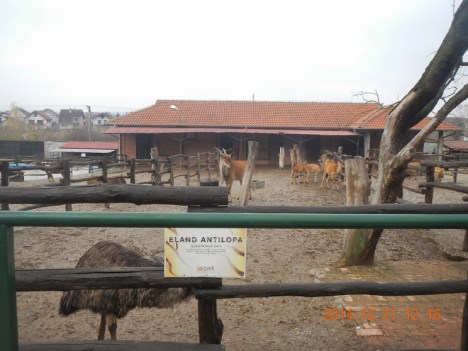
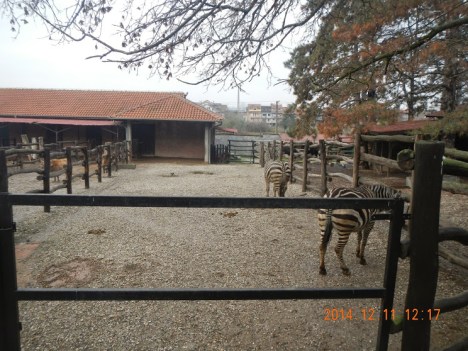
Are people to assume that there is nothing wrong with the animals well being from the following pictures ?
Are we to assume that government ministries are ensuring that the welfare of the animals is paramount; just like they did NOT with the animals kept in terrible conditions at ‘VUK’ zoo facility in Novi Pazar, Southern Serbia,? – see the following links and pictures for more proof
2 Photographs Below – Tiger and Bear living conditions at the illegal ‘VUK’ zoo facility in Novi Pazar.
Does again the EU Enlargement Commission accept everything that the Serbian government puts before them; without raising a single question as per the wishes of animal welfare NGO’s ?
Finally, take a look at a post we issued a few years back regarding another Serbian zoo; ‘VUK’ zoo facility in Novi Pazar, Southern Serbia, from which the above photos were taken:
Quote by NGO’s at the time – “We (NGO’s) now have official confirmation from the Ministry of Environment, Mining and Spatial Planning that they undertook an inspection of the facility on 5th of July 2011, and that it was found that the owner of zoo park, one Mr. Ismail Redzepovic, from Novi Pazar, does not possess any documentation in relation to this facility being operated / kept as a zoo park“.
Would the Serbian government ministry have even looked into the issue if NGO’s had first not exposed that this zoo even existed ? – or were they fully aware of the wrongs but actually decided to do nothing until exposed ?
You have to ask; regarding Nani now being moved to a zoo, and the ‘behavioural’ conditions which are shown in the photographs; have things really changed much ? – are the ‘living’ conditions for wild animals at this zoo really adequate for their behavioural traits and good health ? – there hardly seems to be a lot in the way of ‘environmental conditions’ for natural behavioural traits to be shown. In fact, environmental conditions such as basic plants and trees don’t even appear to exist for some of the animals within their facilities!
The Ministry take no action and obviously thus think this is acceptable. Or are there other reasons ?
Do the EU Enlargement Commission and the EU Ambassador to Serbia really take any notice of the evidence that is presented to them by the NGO’s such as we are showing here ? – do they actually ask any questions to the government Ministry about all of this ?
From their actions and the clear lack of Serbian Ministry entry into dialogue with NGO’s to this present day, it would appear not.
We will continue to expose animal welfare wrongdoings whenever we are able.
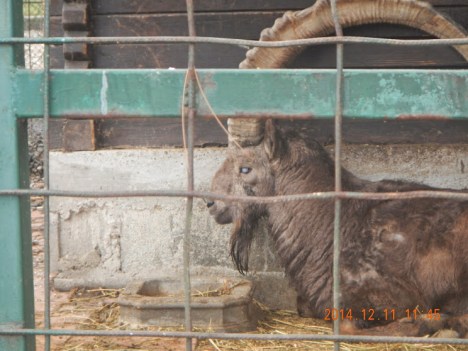
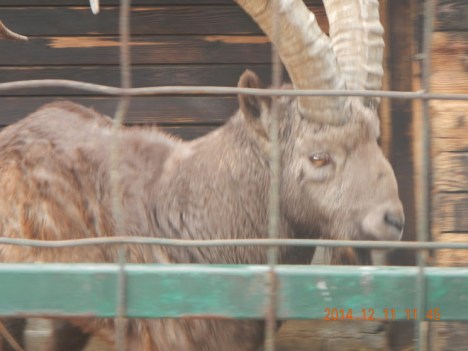
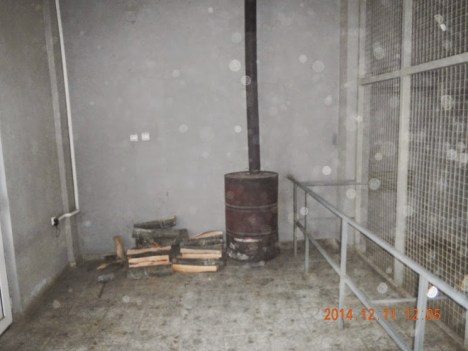
The following photographs show animals at the zoo at which Nani deer is currently being held.
In their letter to the EU, the Serbian Minsistry declare:
“Article 86 on … provides that wild animals can be kept in captivity for their own needs only if their well being is not compromised, or if their living conditions that are appropriate for the type, race, gender, age and the physical and biological characteristics, behavioral traits or animal health are provided; such wild animals shall necessarily be marked n the prescribed manner“.
The following pictures are all of conditions at Jagodina zoo – please see the lions, tigers, bear, Nani deer and giraffe photographs from the same zoo which are shown en bloc above. We very much question the Ministry statement that:
“wild animals can be kept in captivity for their own needs only if their well being is not compromised, or if their living conditions that are appropriate for the type, race, gender, age and the physical and biological characteristics, behavioral traits or animal health are provided”
Filed under: CAMPAIGNS - Global Animal Welfare Issues, GENERAL NEWS - International / National / Regional, PHOTOGRAPHS - **WARNING** (Animal Suffering), SERBIA (Central Serbia: Capital - Belgrade) and (Serbia, ZOO(S) | Leave a comment »
Posted on January 19, 2015 by Serbian Animals Voice (SAV)

Lone wolf shot
At the beginning of Nov, a lone female grey wolf made international headlines after she was spotted in the Kaibab National Forest north of the Grand Canyon National Park, marking the first time one has been seen in Arizona in 70 years.
She was wearing a radio collar, and DNA testing confirmed that she had travelled all the way from the Northern Rockies, nearly 450 miles away. Later named Echo in an online naming contest, her presence raised hope that this iconic species could continue to disperse and establish desperately needed new territories essential for wolf recovery in the Southwest.
Sadly, her life and the hope that came with her are believed to have been cut tragically short by a coyote hunter in Utah who is confirmed to have killed a collared grey wolf.
According to the Utah’s Division of Wildlife Resources (DWR), the unnamed hunter shot the wolf in question a few miles away from Beaver near the Tushar Mountains. He called the DWR to report the kill after finding the collar and realizing she wasn’t a coyote. The DWR then contacted the U.S. Fish and Wildlife Service, which confirmed the wolf was a young female who was collared in Cody, Wyo. Echo’s advocates are still waiting for confirmation via DNA testing that it was her, but they fear the worst. Wolves still have federal protection in most of Utah, but the anti-predator crowd has made it clear that they and coyotes are unwelcome.
In 2012, Utah started offering a $50 bounty to encourage killing coyotes under the guise of a predator control programme even though coyotes could already be killed year round in unlimited numbers. Last year, Sportsmen for Fish and Wildlife successfully convinced politicians to fork over $300,000 from the state’s general fund to lobby against wolves, who don’t even exist in the state, while the DWR wants them stripped of any and all protection.
Wanton killing of coyotes and cases of mistaken identity have also threatened red wolf recovery in N. Carolina and Mexican grey wolf recovery in Arizona and New Mexico. The issue also raises serious concerns about the cruel, misguided and unregulated targeting of coyotes who are also a vital part of healthy ecosystems – yet have been continuously left out in the cold with no protection, despite the fact that they also suffer as a result of hunting and trapping.
Culling wolves doesn’t save the lives of the sheep and cattle they feed on, according to new research which found that the more wolves that are killed the greater the risk to local livestock of being eaten.
Washington State University researchers discovered that it is counterproductive to shoot and trap wolves because losses in their numbers change the animals’ social behaviour, and encourages them to eat more sheep and cattle.
While an intact breeding pair of wolves will keep young offspring from mating, disruption can set more sexually mature wolves free to breed, leading to an increase in breeding pairs. An increase in pups means they become bound to one location and can’t roam more widely to hunt deer and elk as freely – so they turn to livestock.
SAV Comment – we have always used a very similar defence (to that above) for foxes against hunts and the issue of hunting. Normally only the Alpha female (vixen) will have young; all other females in the pack do not; instead they teach the young newborns how to grow up and be secure. If the hunt kill the Alpha vixen during one of their ego trips; then all the other females suddenly compete and all become pregnant to attempt a higher ranking to Alpha vixen. With the one original Alpha; she may have say 4 or 5 cubs. If the hunt kill her and 3 or 4 other females in the pack then all try to become Alpha; you end up with say 16-20 new cubs in the pack rather than the controlled and limited 4 or 5. Lots more foxes; lots more hunting for food. And the hunts claim that they control fox populations by hunting them ? !! – don’t think so; they encourage MORE foxes to be born rather than less. But then the real story is that they do not cut numbers, they breed more = more to hunt.. Hunts do not control wildlife numbers !!

Whaling curtailed in Iceland
On 16th Dec. representatives of all 6 parties with delegates in Reykjavik council introduced a resolution urging the minister of fisheries to enlarge the whale sanctuary in Faxaflói Bay, just outside Reykjavik. Since whaling resumed in Iceland in 2003, after a pause of 13 years, almost all of the minke whaling has been taking place in Faxaflói and 80% of it at the very border of the whale watching area, resulting in clashes between Reykjavík whale watching operators and the small but influential group of active whaling supporters. In the spring of 2013 the former minister of fisheries, decided to enlarge the whale watching area by a relatively small amount, to which the whalers responded by saying it would mean the end of minke whaling. The current minister, sympathetic to the whalers’ cause, made it one of his first tasks to put the whale watching area back where it was before. Traditionally the centre/right Progressive Party and the right wing Independence Party have been more supportive of the whaling but now that has changed, at least in Reykjavík. All parties, across political lines, voted last week in favour of the resolution calling for the whale sanctuary to be enlarged, and therefore in fact for whaling to leave Faxaflói Bay. Only one council member abstained, but nobody voted against. This is very good news for whales and for IFAW, which has campaigned to end the cruel and unnecessary whaling in Iceland for more than 11 years. This positive result has been brought about by close cooperation between different stakeholders within Iceland, mainly the Icelandic Tourism Association and Icewhale (the organisation of whale watch operators) as well as open-minded politicians. More than 100,000 tourists go whale watching from Reykjavík alone, making it the single biggest organised tourism activity in the city. This cannot be ignored anymore. The strong partnership between IFAW and Icewhale, resulting in the Meet Us Don´t Eat Us project, Whale Friendly Restaurants and much more has opened the eyes of people within Iceland for the need for change and informed foreign tourists about the importance of choosing responsible whale watching rather than a cruel hunting activity that has no place in the 21st Century.

Norway’s parliament has voted to scrap a controversial subsidy for seal hunting, potentially spelling the end of the much-criticised activity, a lawmaker told AFP

Botswana intends to ban canned hunting – in a statement made last week the Ministry of Environment, Wildlife and Tourism said it “does not tolerate cruelty to our wildlife in any form.” The move follows the implementation of bans on both trophy hunting and the export of wildlife (excluding pets) in January of this year.

Pine Martens
A leaked plan by the hunting lobby to remove pine martens from Scottish woodlands has sparked fierce opposition from wildlife groups which suspect landowners of planning a cull to protect their lucrative grouse stocks.
The Game & Wildlife Conservation Trust (GWCT), a charity funded by landowners, farmers and sporting interests, wants to launch a trial next year to trap and relocate pine martens, which are protected under law as an endangered species. But the plan has been condemned as “deeply flawed” by experts who fear it could open the door to the widespread killing of pine martens. It has also been rejected by the RSPB, which owns 2 of the woodlands where the trial had been proposed. 3 of the forests – Rothiemurchus, Glenmore and Inshriach are owned by the Forestry Commission and one – Kinveachy – by the 13th Earl of Seafield.
The purpose of the trial is to test whether martens are harming the prospects of another endangered species, capercaillie, by eating their eggs and chicks. These birds have declined from 20,000 in 1970 to about 1200, many of which share Strathspey woodlands with martens. But conservationists suspect ulterior motives. They point out that landowners and gamekeepers have been increasingly pushing for the right to cull pine martens in order to protect red grouse so they can be shot for sport.
The Mammal Society, which promotes science- based conservation, has written to the Government’s wildlife agency, Scottish Natural Heritage (SNH), expressing “deep concern” about the proposed trial. Evidence in support of it was poor, the society said, and there were no organisations willing to take any relocated martens. “If this trial were to go ahead it is very likely to generate immense negative publicity both for SNH and the Scottish Government, not just within the UK but internationally,” the society concluded. “This will be particularly vociferous if the fate of the removed pine martens is to be culled. It will also greatly damage the reputation of Scotland as a destination for wildlife tourism.”
One of letter’s authors was the chairman of the Mammal Society and a leading pine marten specialist, Dr Johnny Birks. “Instead of pursuing a flawed scheme to remove it, we should be celebrating the marten’s return to Speyside,” he said. “Unlike our Victorian ancestors, thankfully we now understand that predation is a natural component of healthy ecosystems. Pine martens have coexisted in a stable predator-prey balance with capercaillie in forests across northern Europe for thousands of years.”
Gamekeeper jailed
A gamekeeper found guilty of killing a rare bird and setting traps illegally to capture 2 others on an Aberdeenshire estate has been sentenced to 4 months in prison. George Mutch, of Kildrummy, was accused of recklessly killing or injuring a goshawk and illegally taking away another goshawk and a buzzard in 2012.
Mutch was found guilty of 4 charges at Aberdeen Sheriff Court in Dec. Sheriff Noel McPartlin said he would consider a custodial sentence. It is one of the first times in Scotland that hidden camera footage, obtained by the RSPB, had been used in a case of this kind.
Filed under: CAMPAIGNS - Global Animal Welfare Issues, GENERAL NEWS - International / National / Regional | Leave a comment »
Posted on January 19, 2015 by Serbian Animals Voice (SAV)
Serbian campaigners have been busy – above is their charge against Subotica City Council because it still has no legal shelter within the City.
It would seem that the republic veterinary inspector had a ban in place for the catching of street dogs and cats; and also demanded a new contract be established within the next 60 days with a new shelter – because JAZIP Vrbas city had deleted its existing contract with Subotica city because it appears they were exporting dogs to other facilities from the shelter at Subotica.
A criminal charge has been brought against JAZIP because the firm does not have enough places for Vrbas’s city dogs; a city which needs 300-400 new places every year. JAZIP only has the capacity for 200 dogs and Subotica city is taking in 800-900 new stray dogs and cats every year.
It appears that the technical director (who you can see on the video link given in the above attachment) has declared that the (Subotica) city will catch, sterilise and then throw out onto the streets many of the animals – which is forbidden by Serbian animal welfare laws.
This is also proof that now in 2015, Subotica city still has no legal shelter facility and that by throwing animals back onto the streets, it is also acting illegally here. Animal welfare legislation has existed since 2009 and Subotica City does still not implement the correct Serbian animal welfare legislation.
Filed under: CAMPAIGNS - Global Animal Welfare Issues, DOCUMENTS, GENERAL NEWS - International / National / Regional, SERBIA (Central Serbia: Capital - Belgrade) and (Serbia | Leave a comment »
Posted on January 18, 2015 by Serbian Animals Voice (SAV)
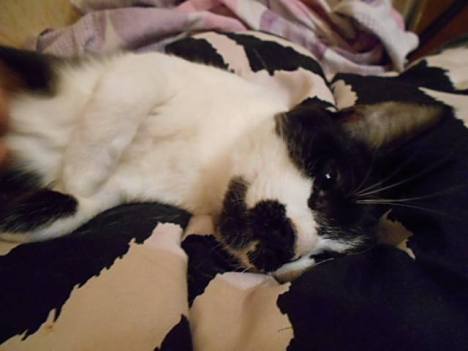
Utterly sad and totally heartbreaking, but we should’ve seen it coming 😦
Our wonderful, sparkling, loving boy Tak, the only survivor out of the three kittens that arrived from a construction site in Belgrade in September has FIP. It’s a fatal and incurable viral disease which has already killed his sister Tok, and now thinking of it, it’s highly probable that the non-effusive (dry) form of FIP claimed the life of his brother Tik.
It seems all of them were doomed from the start…
We don’t really know if these three cuties were blood related, as we’ve received confusing and contradictory information about them for months, but at least one of them, if not all, were probably born to a mother who was a carrier of coronavirus.
It’s impossible to say if Tak, Tik and Tok got infected from her or from each other and if genetic or husbandry factors were involved. But the sad reality is that all of them got sick with a horrible disease with a virtual 100% mortality rate for which not only that there is no diagnostic test, but also no effective treatment.
FIP is still mysterious and the only thing that’s known for sure is that it usually starts in little kittens and strikes suddenly, weeks, months or years after the initial infection.
Just a week ago, Tak seemed to be a happy, cheerful, energetic kitty boy with no problems in the world. Without warning he began to slow down, became lethargic and his belly looked slightly swollen, but none of us wanted to see what the vet confirmed – that he too has FIP. He’s been under treatment ever since, he’s being given IV fluids, antibiotics and is being force fed as we’re hoping to make him as comfortable as possible and trying to achieve at least temporary palliation of the clinical signs.
Filed under: Animals Requiring Adoption or Homes - Worldwide, CAMPAIGNS - Global Animal Welfare Issues, GENERAL NEWS - International / National / Regional, SERBIA (Central Serbia: Capital - Belgrade) and (Serbia, SHELTER - Information | Leave a comment »
Posted on January 18, 2015 by Serbian Animals Voice (SAV)

Our real winter has begun a week ago. After a couple of sunny and rather mild days for this time of year, a bitterly cold blast arrived and we were caught in its icy grip, with temperatures plummeting to 10 degrees Celsius below zero.
Although the central heating was on day and night and despite the fact that all of the kitties had grown really thick winter coats, they were eating astonishing amounts of food and the last food delivery literally disappeared in a blink of an eye.
Actually, kitties are always eating more than usual during the cold season and even though the weather isn’t so hard on us these days, it’s becoming harder and harder to keep all of the Felix residents properly fed. This winter is predicted to be brutal and it’s highly probable the worst is yet to come, so even deeper freezes are sure to be coming our way and the first big snowstorm can easily cut us off from the rest of the world.
We simply must have ample food reserves in case this happens and we get snowed in just like we did twice last year.
All of you know that we don’t usually ask for help to buy the cats’ food, but we can’t possibly feed a three digit number of kitties on our own.
Filed under: Animals Requiring Adoption or Homes - Worldwide, CAMPAIGNS - Global Animal Welfare Issues, GENERAL NEWS - International / National / Regional, SERBIA (Central Serbia: Capital - Belgrade) and (Serbia, SHELTER - Information | Leave a comment »
Posted on January 17, 2015 by Serbian Animals Voice (SAV)
We are happy to be ‘Daily Clickers’ with the Care2 site.
Being a ‘clicker’ enables you to help children, abused women and a host of animals and their environments around the globe.
To become a clicker and to support any of the campaigns, just click on the ‘Click to Donate’ links given below.
You can do this every day for free, as we do.
Our own individual impact on different projects is shown on the right below, alongside the global impact from clickers all over the world.
So come on, join the global group of daily clickers; its free and yet it greatly helps all those in need !!
| Click to Donate |
Your Clicks |
Your Impact |
Our Total Impact |
| Help Children in Need |
140 |
140 days of
sponsorship supported |
1,132 months sponsored |
| Save the Rainforest |
175 |
1,243.5 sq. ft.
of rainforest saved |
10,872 acres
of rainforest saved |
| Save Big Cat Habitat |
175 |
42 acres
big cat habitat protected |
19,467,852 acres
big cat habitat protected |
| Click to Defend Baby Seals |
175 |
175 clicks
to defend baby seals |
27,076,932 clicks
to end the seal hunt |
| Rescue Ocean Wildlife |
176 |
16,900 sq. ft.
of ocean protected |
67,875.2 acres protected |
| Rescued Animals |
138 |
138 days supported |
1,082 months of animal rescue by first responders |
| Feed Rescued Primates |
176 |
176 primate feedings |
27,395,810
primate feedings |
| Stop Global Warming |
160 |
153 days of
computer energy use offset |
21,568,414 days offset |
| Stop Violence Against Women |
141 |
141 clicks to protect
women from violence |
22,515,388 clicks to end
violence against women |
| Click to Protect Threatened Wolves |
175 |
175 days of
wolf adoption supported |
9,902 months of wolf adoption |
Filed under: CAMPAIGNS - Global Animal Welfare Issues, GENERAL NEWS - International / National / Regional | Leave a comment »
Posted on January 17, 2015 by Serbian Animals Voice (SAV)
 Daily Mail
Lab breaches causing cruel deaths
More than 1,000 laboratory animals at a secret scientific testing facility died in baking temperatures when the building’s ventilation system failed, a shocking Government report has revealed.
In total 1,132 mice and rats died because a fuse blew in the cooling system, which saw the building they were kept in warm to unbearable temperatures. By the time technicians discovered the problem, 787 animals were already dead. Another 345 had to be killed because they were suffering so much.
In a separate incident at the lab, some genetically altered animals were found to be living in such poor conditions that 68 baby mice disappeared – presumed eaten by their own mothers. The incidents at the unnamed facility were detailed in a report by the Home Office, which conducts investigations when things go wrong at animals testing labs.
The name of the lab’s owner has not been released by the Government, for fears of reprisals from animal rights groups. The owner is, however, understood to be a private company. The Government report said that there was a critical delay in contacting an engineer after high summer temperatures caused the cooling system to overload and cut out.
Officials said that failings at the lab included a lack of investment in suitable cooling equipment, no proper call-out procedures, shortcomings in training and resources as well as a lack of suitable contingency plans. The facility was issued with a written reprimand and a letter sent to the Chief Executive of the parent company of the lab from the Home Secretary about the incident.
Experts also said that the institution had been involved in 2 other incidents since 2010 when they were found to have breached rules. The report said: “All parties have been helpful and co-operative throughout the investigation and have expressed regret for what happened. “Once the relevant issues were identified the establishment responded very quickly to resolve the immediate situation.” However, a spokesman for animal charity PETA claimed that the laboratory’s failings were “downright criminal”. He said: “This failure to meet even the bare minimum standards of animal care set forth in the Animals (Scientific Procedures) Act 1986 isn’t just irresponsible – it’s downright criminal, and for this anonymous institution to get away with its license intact and only a slap on the wrist just beggars belief.
New animal lab planned for Cambridge
Animal rights activists have raised objections to the planned construction of an animal testing laboratory in Cambridge by the pharmaceutical company AstraZeneca.
The company has applied to include an animal research lab in the expansion of the Biomedical Campus, but the proposal has proved unpopular with the newly formed group Cambridge Against AstraZeneca Planning (CAP), as well as other environmental and animal rights movements.
The site would become its headquarters and would be the site for a significant amount of animal testing. The company claims to use non-animal methods wherever possible, but currently experiments on over a quarter of a million animals each year. The site would be the second animal testing lab in the county, with Huntingdon Life Sciences already established in Cambridgeshire.
AstraZeneca’s building is set to have a purpose-designed rodent facility, which would support the company’s early-stage cancer research. On their website the corporation describe animal studies as “a vital part of the research process, required by regulators before they approve a new medicine to be tested on humans during clinical trials”. Rachel Mathai, spokeswoman for the CAP campaign, explained the group’s reasons for opposing the proposal, saying: “AstraZeneca’s cruel, unnecessary experiments should be a thing of the past. Cambridge doesn’t need yet another animal testing lab.
“We do understand that AstraZeneca is big but we hope people will see that they have the legal right to challenge injustice.” Chloe Hutchings-Hay, a second- year Psychological and Behavioural Sciences student at Gonville and Caius, said of the proposed development: “AstraZeneca should continue looking into alternatives and, when it is absolutely necessary to test on animals, minimize the harm caused to them.
“Nonetheless it seems that rodent testing at present seems to be integral in the development of safe and effective medicines.” Should the AstraZeneca development go ahead it would finish in 2016, and employ 2000 people. The company has moved around 400 staff to the Cambridge site, working in temporary laboratories until the completion of the new facility.
Failure of mouse models
An obvious truth that is either being ignored or going unaddressed in cancer research is that mouse models do not mimic human disease well and are essentially worthless for drug development.
We cured acute leukemia in mice in 1977 with drugs that we are still using in exactly the same dose and duration today in humans with dreadful results. Imagine the artificiality of taking human tumour cells, growing them in lab dishes, then transferring them to mice whose immune systems have been compromised so they cannot reject the implanted tumours and then exposing these “xenografts” to drugs whose killing efficiency and toxicity profiles will then be applied to treat human cancers.
The inherent pitfalls of such an entirely synthesized non-natural model system have also plagued other disciplines. A recent scientific paper showed that all 150 drugs tested at the cost of billions of dollars in human trials of sepsis failed because the drugs had been developed using mice. Unfortunately, what looks like sepsis in mice turned out to be very different than what sepsis is in humans. Coverage of this study by Gina Kolata in the New York Times incited a heated response from within the biomedical research community, “There is no basis for leveraging a niche piece of research to imply that mice are useless models for all human diseases.”
They concluded by saying that, “The key is to construct the appropriate mouse models and design the experimental conditions that mirror the human situation.” The problem is there are no appropriate mouse models which can mimic the human situation.
So why is the cancer research community continuing to be dominated by the dysfunctional tradition of employing mouse models to test hypotheses for development of new drugs?
Robert Weinberg of the Whitehead Institute at MIT, has provided the best answer. He was quoted in the press, noting: “Two reasons. First, there’s no other model with which to replace that poor mouse. Second, the FDA has created inertia because it continues to recognize these models as the gold standard for predicting the utility of drugs.” There is a third reason related more to the frailties of human nature.
Too many eminent laboratories and illustrious researchers have devoted entire lives to studying malignant diseases in mouse models and they are the ones reviewing each other’s grants and deciding where the NIH money gets spent. They are not prepared to accept that mouse models are basically valueless for most of cancer therapeutics.
In the final analysis then, one of the main reasons we continue to stick to this archaic ethos is to obtain funding.
Here is one example. I decided to study a bone marrow malignant disease called myelodysplastic syndromes (MDS) which frequently evolves to acute leukemia, back in the early 1980s. One decision I made very early on was to concentrate my research on freshly obtained human cells and not to rely on mice or petri dishes alone. In the last 3 decades, I have collected over 50,000 bone marrow biopsies, blood, normal control buccal smear cells, serum and plasma samples in a well annotated Tissue Repository backed by a computerized bank of clinical, pathologic and morphologic data.
By using these samples, we have identified novel genes involved in causing certain types of MDS, as well as sets of genes related to survival, natural history of the disease and response to therapy. But when I used bone marrow cells from treated MDS patients to develop a genomic expression profile which was startlingly predictive of response and applied for an NIH grant to validate the signature, the main criticism was that before confirming it through a prospective trial in humans, I should first reproduce it in mice!
The time is here to let go of the mouse models at least as surrogates for bringing drugs to the bedside. Azra Raza, MD Professor of Medicine, Director of the MDS Centre, Columbia University
More drug failures
Roche Holdings’ 2 drugs recently failed late stage clinical trials for certain conditions, which resulted in more than 5% decline in its shares. These drugs include an experimental Alzheimer’s disease drug, gantenerumab, and an already marketed cancer drug, Kadcyla.
Mice injected with human brain cells grow to have ‘half human brains’ that make them smarter than other rodents, scientists have found. Researchers claim that giving mouse pups a type of immature human brain cell, known as glial cells, caused their brains to grow differently so they became more human-like.
The results have raised the prospect that it may be possible to make animals smarter by injecting them with human brain cells but have also raised serious ethical issues about what this ‘hybrid brain’ research should be used for. Dr Steven Goldman, who led the research at the University of Rochester Medical Centre in New York, said they had decided not to put human cells into monkeys.
Dr Goldman, whose work is published in the Journal of Neuroscience, instead believes mice with these hybrid brains could prove valuable in studying neurological conditions like schizophrenia and testing new treatments for diseases like multiple sclerosis. The mice were also tested for memory and cognition and those with the human cells were found to be much smarter than their peers. One test examined their ability to remember a sound associated with a mild electric shock saw the humanised mice freeze for 4 times as long as other mice when they heard the sound.

Mazor monkey farm closes
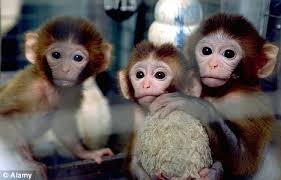
After a bitter struggle, that lasted more than 20 years, to close down Mazor Farm (Israel), which breeds and exports monkeys for medical experiments, the fight has ended and the activists have won.
The farm is set to be shut down completely and its 1,300 monkeys will be sent to a sanctuary. The surprising conclusion came thanks to Ady Gil, a multimillionaire Israeli living in the US, who laid out $2m to spare the monkeys a life of suffering. The festive signing ceremony included a lot of hugs and champagne.
Under a gentlemen’s agreement, it was deemed best for Dr. Moshe Bushmitz, the farm’s manager who took endless flak from the activists for almost 20 years, to add his signature to the purchase agreement elsewhere to avoid any unpleasantness for both sides. Far away, in California, Gil opened a bottle of champagne to mark the auspicious triumph. “To be honest, I wasn’t planning on spending $2m right now,” Gil admitted from his home in Hollywood, where he celebrated the occasion with his rescue dog, Kayla, a Rhodesian Ridgeback-Pit Bull mix. “I said to myself that I don’t want to end up knowing that I had a chance to save 1,300 monkeys and didn’t do so – not that I’m entirely sure that it’s the best way to spend the money.” “With $2m, I could save a lot more monkeys – if I manage to amend the laws that permit experiments on them by going to war with the US Food and Drug Administration.
The question is whether I can do both and I think I can. So I decided to take on the financial responsibility and act.” Animal rights activists began their widely publicized struggle against the farm the moment it opened; and some 20 years later, an apparent solution appeared: Israel barred the export of wild animals from the country. The decision effectively meant the closure of the farm, but the question of what would become of the monkeys remained unanswered. Last Wed, just before the farm was shut down, the attorney general approved the export of 560 monkeys to the United States – dooming them to life in a laboratory.
“After (former) environmental protection minister Gilad Erdan decided to shut down the farm, the monkeys were clearly going to be sold,” says Anat Refuah of the Israeli Society for the Abolition of Vivisection who has led the fight against the Mazor Farm for many years. “There were 2 options: Either they’d be sold for experiments and a fate worse than death, or they’d be sold into good hands that would save them. Ady Gil was in Israel 2 years ago and he joined one of our rallies and when the idea to purchase the monkeys came up, I asked him if he’d be willing to save them and he agreed immediately.” Ynet News 23rd Dec
End monkey research
Activists calling for an end to research using non-human primates have stepped up activities in Germany and Italy.
An estimated 800 animal-rights activists demonstrated in front of the Max Planck Institute for Biological Cybernetics in Tübingen, Germany, on 20 Dec, calling for an end to the research with monkeys that takes place there.
Investigate psychology experiments on monkeys
4 members of Congress have asked the National Institutes of Health (NIH) to investigate psychological experiments on monkeys being carried out at an NIH lab in Poolesville, Maryland.
The letter, which comes in response to an aggressive campaign by the animal rights group People for the Ethical Treatment of Animals (PETA), claims that for more than 30 years researchers at the Eunice Kennedy Shriver National Institute of Child Health and Human Development (NICHD) have been “removing [macaques] from their mothers at birth and subjecting them to distressful and sometimes painful procedures that measure their anxiety and depression.”
From late Sept to late Oct, PETA ran more than 250 ads in Washington, D.C., Metro trains and stations, including the NIH station. It also ran ads in major newspapers. The ads claim that NIH is spending millions of taxpayer dollars to traumatize “baby monkeys by tearing them away from their mothers at birth, scaring them with loud noises and fake snakes, and addicting them to alcohol.”
The group claims that the campaign resulted in more than 150,000 phone calls and e-mails from the public to NIH and Congress. In their letter to NIH Director Francis Collins, U.S. representatives Lucille Roybal-Allard (D–CA), Dina Titus (D–NV), Sam Farr (D–CA), and Eliot Engel (D–NY) reference the PETA claims and public outcry. “Prominent experts … have raised questions about the scientific and ethical justification of these particular experiments,” the letter states.
The group requests a bioethical review of the work by Feb 2015. In response to questions about the experiments, NIH referred Science to the web page for the NICHD lab of Stephen Suomi. The page states that the lab investigates various aspects of monkey behaviour, including how this behaviour changes when the animals are raised in different environments.
This includes separating young monkeys from their mothers, measuring their addiction to alcohol, and monitoring their long-term stress levels. In an e-mail to Science, Justin Goodman, PETA’s director of laboratory investigations, says his group is “delighted” by Congress’s response to its campaign.
The monkey experiments, he says, “have never improved human health and are superseded by modern non-animal research methods that can actually identify the causes of mental illness in people and how to treat it.” NIH says its policy is to respond directly to Congress and that Collins will be addressing the letter in detail.
Main Sites – UK Organisation General Links:
UK – British Union for the Abolition of Vivisection (BUAV)
UK – National Anti-Vivisection Society (NAVS)
Three Petitions to support:
Filed under: GENERAL NEWS - International / National / Regional | Leave a comment »