Posted on August 7, 2020 by Serbian Animals Voice (SAV)
The island of Palawan is a UNESCO Man and Biosphere Reserve – a certified ecological and cultural treasure. But now the provincial government wants to open up areas of rich biodiversity and indigenous land to industrial plantations.

Palawan is the home of numerous endemic species – some of them, like the Hornbill, Treeshrew, and Philippine Pangolin, are just a few on the IUCN Red List of Threatened Species.
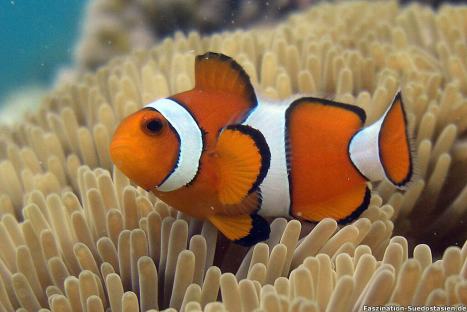
The entire island is a UNESCO Man and Biosphere Reserve and its southern regions the ancestral domains of the Pala’wan indigenous people.
Those living in the remote uplands, such as the Tau’t Batu, have limited contacts with the outside and possess a rich oral tradition and profound environmental knowledge.
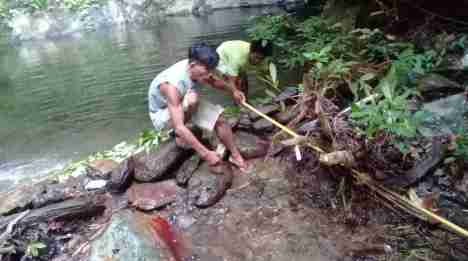
In spite of these ecological and cultural values, the Department of Environment and Natural Resources has entered into a joint venture with Lionheart Agrotech, an industrial grower of hybrid coconuts.
It appears that the company has also encroached on the Mount Mantalingahan Protected Landscape, one of only ten sites of the global Alliance for Zero Extinction in the Philippines and one of the 11 key bird areas in Palawan.
Please support the indigenous peoples’ resistance with your signature – we need to bring international pressure to bear before these ecological and cultural treasures disappear forever!
Please sign our petition and help preserve one of the last true slices of paradise in the Philippines!
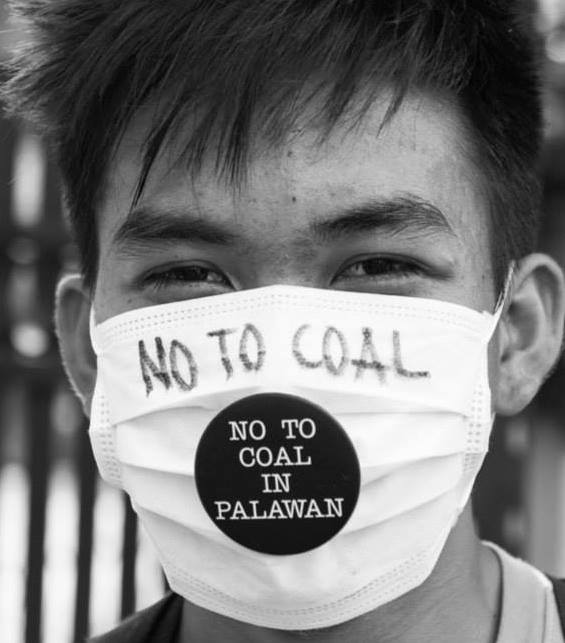
And I mean…In 2015, many demonstrations, petitions, and direct resistance took place with the aim of preventing the planned coal-fired power plant on the Philippine island of Palawan.
And the goal was achieved!! on June 6, 2015, the City Council of Puerto Princesa passed “a decision that strictly rejects the construction of a coal-fired power plant on Palawan”.
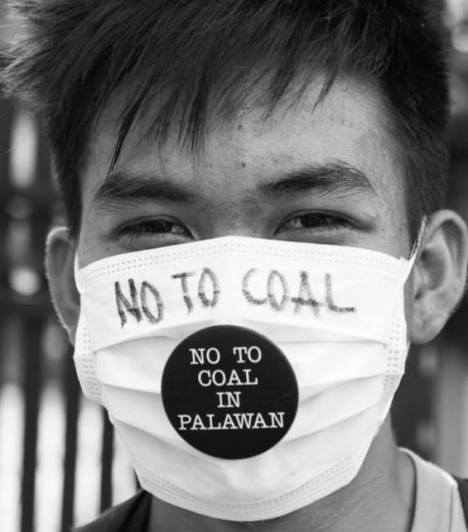
The fight is not over yet.
Let us make hope out of our fear.
This struggle to save the last paradise in the world with its indigenous and animal inhabitants defines our values and principles.
We find out every day that we have a lot more civil courage than we thought.
My best regards to all, Venus
Filed under: GENERAL NEWS - International / National / Regional | Leave a comment »
Posted on August 6, 2020 by Serbian Animals Voice (SAV)
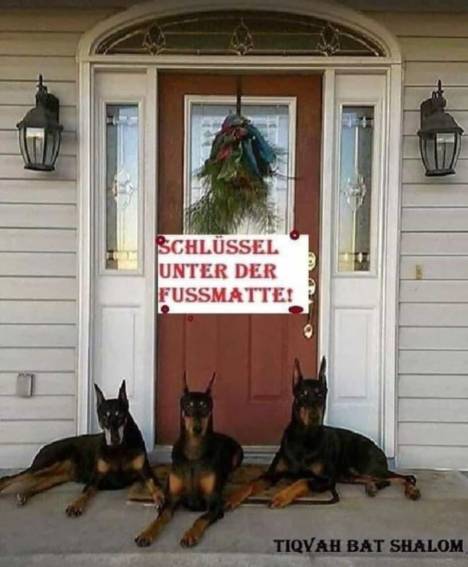
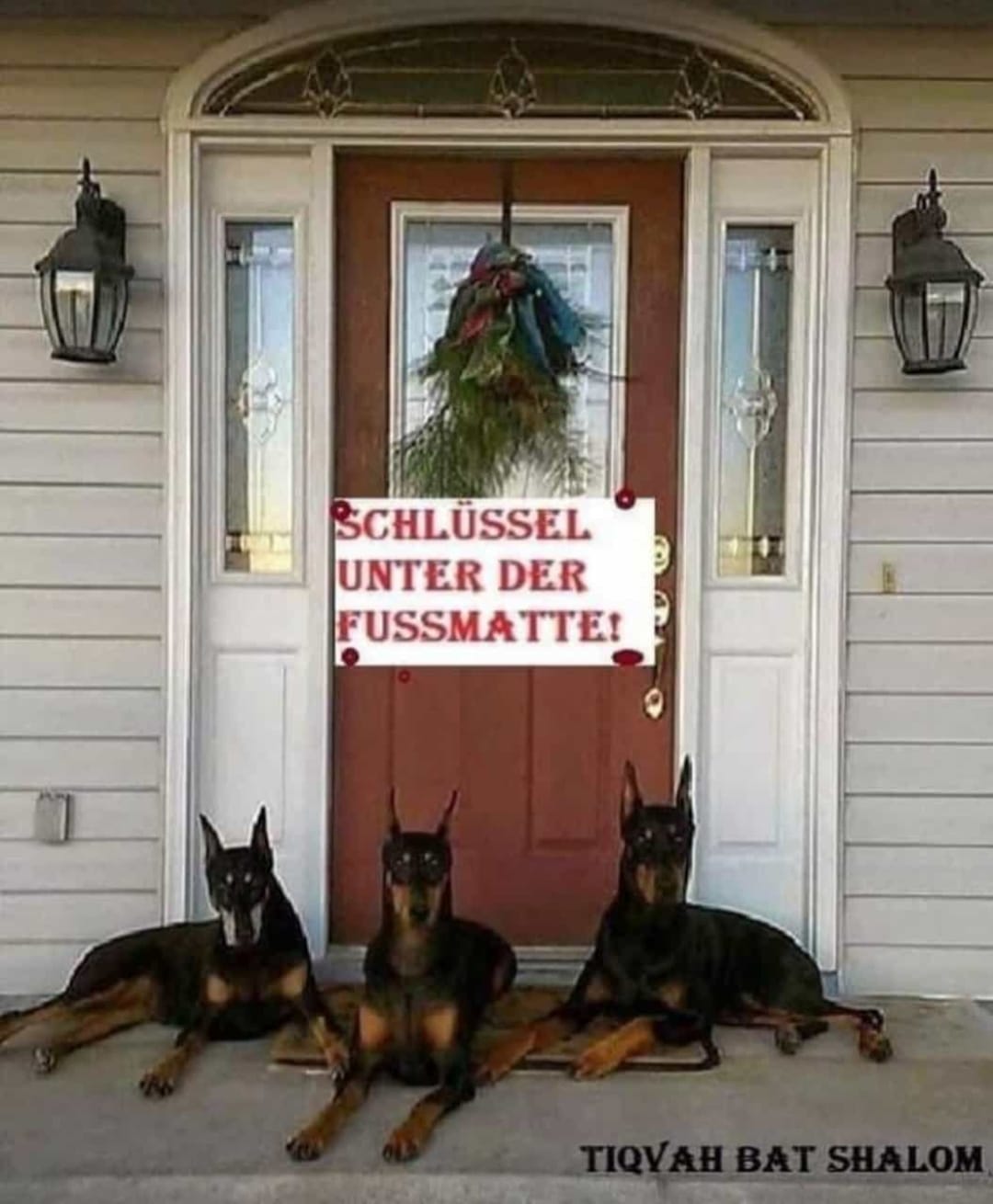
Key under the doormat
A good night to all from Venus
Filed under: GENERAL NEWS - International / National / Regional | Leave a comment »
Posted on August 6, 2020 by Serbian Animals Voice (SAV)
After hearing from PETA affiliates, Switzerland-based chocolatier Barry Callebaut – the “world’s leading manufacturer of high-quality chocolate & cocoa products” – has announced that it will not conduct, fund, or commission any animal experiments, unless they are explicitly required by law.
In another kind move for animals, earlier this year, the multibillion-dollar company announced plans to open a completely vegan production facility in Schleswig-Holstein, Germany.
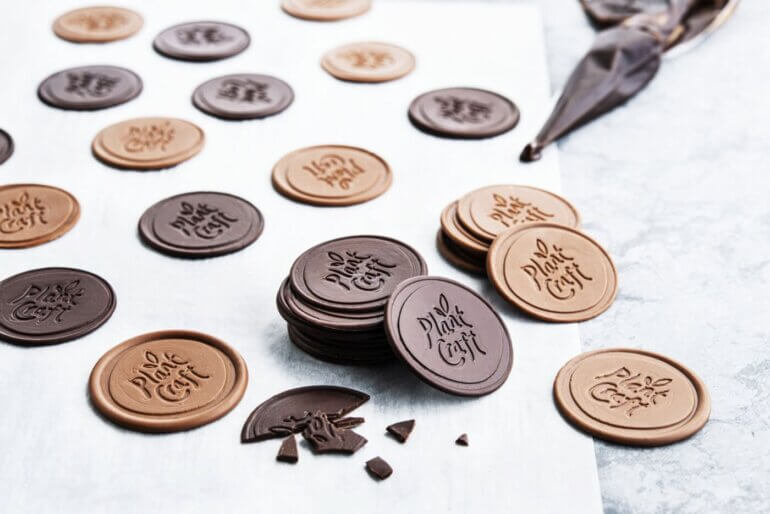 © Barry Callebaut Group
By no longer contributing to any cruel and deadly experiments on animals, Barry Callebaut, which operates production facilities in the UK, joins the ranks of other progressive food-industry giants, including Barilla;
The Coca-Cola Company; General Mills; House Foods; Kikkoman; Lipton; Nissin Foods Holdings Co, Ltd; Ocean Spray; PepsiCo; POM Wonderful; Sapporo Holdings; Welch’s; and Yakult Honsha.
What Do Animals Endure in These Types of Experiments?
PETA US had uncovered experiments on animals published between 2007 and 2019 – which were not required by law – that Barry Callebaut contributed to.
As part of our campaign to end animal testing in the global food industry, PETA and our affiliates have exposed that for decades, manufacturers have pursued cruel laboratory tests in which thousands of animals have been cut open, tormented, and killed – all in misguided attempts to make marketing claims about products ranging from ramen noodles to chocolate bars to breakfast cereals to alcohol.
By pledging not to conduct experiments on animals after discussions with PETA US and PETA Germany, Barry Callebaut is committing to sparing other animals a similar fate.
The company also sets a progressive example for other food and drink producers to follow.
Conscientious shoppers play a huge part in driving the vegan revolution, and they don’t want to buy products that were cruelly tested on animals.
You Can Help Prevent Other Animals From Suffering in Experiments
Animals suffer in pointless food and drink industry tests in many countries all over the world.
PETA and our international affiliates are leading a global effort to spare the lives of thousands of animals used in deadly food-industry experiments and replace them with humane, effective, economical, and modern animal-free research tools.
And we say…Such news makes us very happy and confirms our struggle and all our efforts for a world without animal suffering and exploitation.
Thanks, PETA, thank you Barry Callebaut!!.
Chocolate has high quality only if it is not made from the suffering and death of animals.
My best regards to all, Venus
Filed under: GENERAL NEWS - International / National / Regional | Leave a comment »
Posted on August 6, 2020 by Serbian Animals Voice (SAV)

WAV SAV Comment – the EU always has been a complete and utter joke when it comes to live animal transport legislation enforcement. That is just one reason why the UK walked out. ‘Do Nothings except talk’ – all of them. Useless.
Our past related information:
European Commission Accused of “Gross Cynicism” Toward Farmed Animal Welfare
Advocates are calling for a ban on live animal exports to war-torn Libya, where missile fire threatens animals arriving on cargo ships from Ireland. But welfare officials continue to drag their feet.
Nongovernmental organizations (NGOs) have accused the European Commission of “gross cynicism” and questioned its refusal to ban the export of live animals to war-torn Libya, thousands of which come from Ireland.
Last week, Ireland’s fourth shipment this year left the southern Irish port of Cork, headed for the Libyan port of Misratah, with about 2,000 bulls on board.
The shipment puts the total number of Irish animals exported to Libya this year at about 7,600. In 2019, according to emailed data from Ireland’s Department of Food, Agriculture and the Marine (DAFM), cattle exports to Libya totaled 13,122 animals.
Two of the companies known to ship cattle from Ireland to Libya are Purcell Brothers and Curzon Livestock. Neither responded to calls, texts, or emails asking for comment. No comment was provided either by the European Commission.
In May this year, a letter from over 30 welfare organizations to EU Agriculture Commissioner, Janusz Wojciechowski, and EU Health and Food Safety Commissioner, Stella Kyriakides, called for a ban on animal exports to Libya. Commissioner Kyriakides is charged with enforcing animal welfare laws.
Libya has been in chaos since 2011. The NGO letter argues that animals in Libya risk missile fire, the potential use of chemical weapons, and the possibility of COVID-19-related quarantines at anchorage, potentially adding an extra 14 days to any journey. From Ireland, livestock ships take about nine days to reach Libya. The animals’ eventual slaughter, the letter said, likely entails “extreme and prolonged pain and fear.”
The Commission’s response to the NGOs, which came in a letter last week, has sparked outrage. “The Commission’s reply is a disgrace,” says Compassion in World Farming lawyer, Peter Stevenson. The letter, he said, shows “gross cynicism” and is surprising and disappointing given Commissioner Kyriakides’ “personal commitment to animal welfare.”
“Her letter says exports to Libya are taking place in a context of private operations and that the Commission cannot prevent such operations as long as they are carried out in accordance with EU legislation. With respect to the Commissioner, this is nonsense,” Stevenson said.
“One of the key roles of the Commission and the EU member states is to regulate what private operators do, either through legislation or policy frameworks,” Stevenson said. Sending animals on long sea journeys to a war zone is “clearly at odds” with Article 13 of the Treaty of the Functioning of the European Union which stipulates the Commission and member states pay full regard to animal welfare, he said.
Records from three previous Irish shipments this year show animals have died en route to Libya. In May, during a shipment by Purcell Brothers onboard the Atlantic M, four animals died, with the ship’s records showing the cause of death as “(POOR AND SKINNY) PNEUMONIA [sic].” The ships’ records were obtained under the Freedom of Information Act.
In March, during a shipment by Curzon Livestock on the Sarah M (also known as the Sarah), animals began to die mid-voyage due to a “respiratory problem.” Six died in total. During a January shipment, again by Curzon Livestock on the Sarah M, one animal died from a respiratory problem. Records indicate the bull was sick from the start of the journey. Sick animals are not supposed to travel.
Asked about the deaths, Stevenson said it was likely “many more animals may well have suffered from respiratory disease even though they did not die. Respiratory problems are likely to arise from poor conditions on board ship—a combination of high ammonia levels and inadequate ventilation.”
“It is disheartening to see that for the sake of profit, EU member states continue to send animals to war zones and the European Commission feels that they cannot put an end to this cruel trade,” says Olga Kikou, Head of Compassion in World Farming EU. “What is taking place in regions of conflict, such as Libya, constitutes systematic and continued cruelty against EU farmed animals. These are not some unfortunate events, they are not the exception but, rather, the rule.”
Caroline Rowley, founder of Irish welfare organization Ethical Farming Ireland, voiced similar skepticism about the Commission’s reply. “It’s not possible for the Commissioner to claim that live export to Libya is ‘carried out in accordance with EU legislation’ because, for one thing, as soon as cattle are unloaded at the port [in Libya], nobody knows what happens to them.”
Rowley said she saw irony too in the Commission’s reply, coming as it does in the run-up to a European Parliamentary inquiry into the “alleged failure of the Commission to act upon the evidence of serious and systematic infringements” of EU animal welfare regulations during transport “across the Union and to third countries.” The inquiry was launched this summer and begins work in September.
Rowley pointed as well to issues with one of the livestock ships used by Ireland. “There are questions hanging over the Sarah M because it is approved by two EU member states, Romania and Ireland, when it should only be approved by one.”
In emailed replies, Ireland’s DAFM said it was “working with other MS’s [member states] to resolve the [double approvals] issue as soon as possible which is of an administrative nature.” The DAFM said the double approval did not affect its ability to “regulate, enforce national and EU legislation” or its ability to check, inspect and monitor livestock vessels. Nor, it said, would the double approval impact animal welfare.
In July, the French department of agriculture (Ministère de l’Alimentation, de l’Agriculture et de la Pêche) confirmed that a similar double approval by France and Spain for livestock carrier, Shua Queen II, was recently resolved by France canceling its approval.
Asked about the deaths during the voyage to Libya, DAFM said: “The Department has a continuous and strong interest in the welfare of animals and engages with the livestock industries with the objective of improving animal health and welfare and thus reducing the mortality rate of animals. Whilst some deaths do unfortunately occur during transport, the mortality rate across the three shipments you mention was 0.19 percent, which is significantly less than the comparable cohort that remains on [the] farm.”
The DAFM added that the “export of animals is a critical part of Ireland’s livestock industry … [and] … plays a significant role in stimulating price competition and providing an alternative market outlet for farmers.”
“The EU must realize that unless to stop such immense animal suffering, we cannot be calling ourselves leaders in animal welfare,” says Kikou.
Filed under: GENERAL NEWS - International / National / Regional | Leave a comment »
Posted on August 6, 2020 by Serbian Animals Voice (SAV)
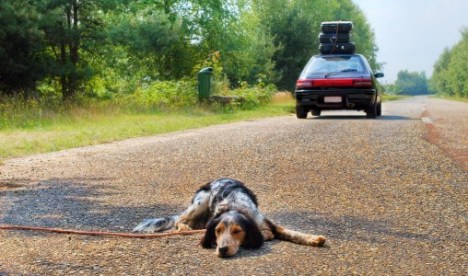
There is no more miserable sin than to leave the one who believed in you.
There is nothing to justify betraying your best friend.
Only if you’re an asshole.
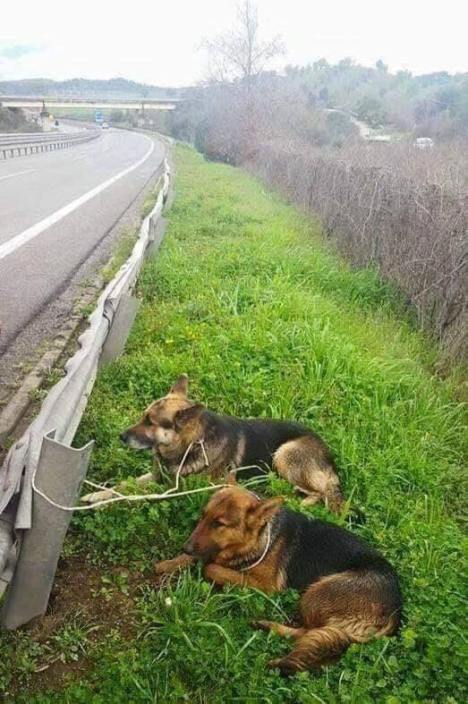
Right now on vacation, we find more and more abandoned animals every day on race cities, motorways, in the forest …
If this summer during a road trip you witness an abandonment, act!
If you can, write down the vehicle’s license plate or take a photo, and immediately report it to the Civil Guard or the Police.
It’s in your hand! Don’t look away!
My best regards to all, Venus
Filed under: GENERAL NEWS - International / National / Regional | Leave a comment »
Posted on August 5, 2020 by Serbian Animals Voice (SAV)
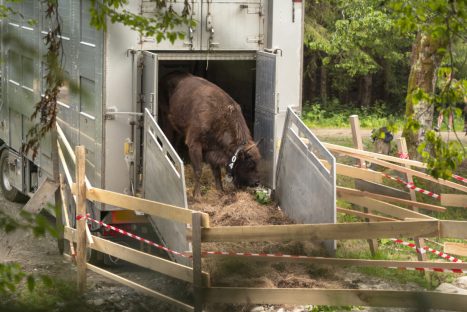
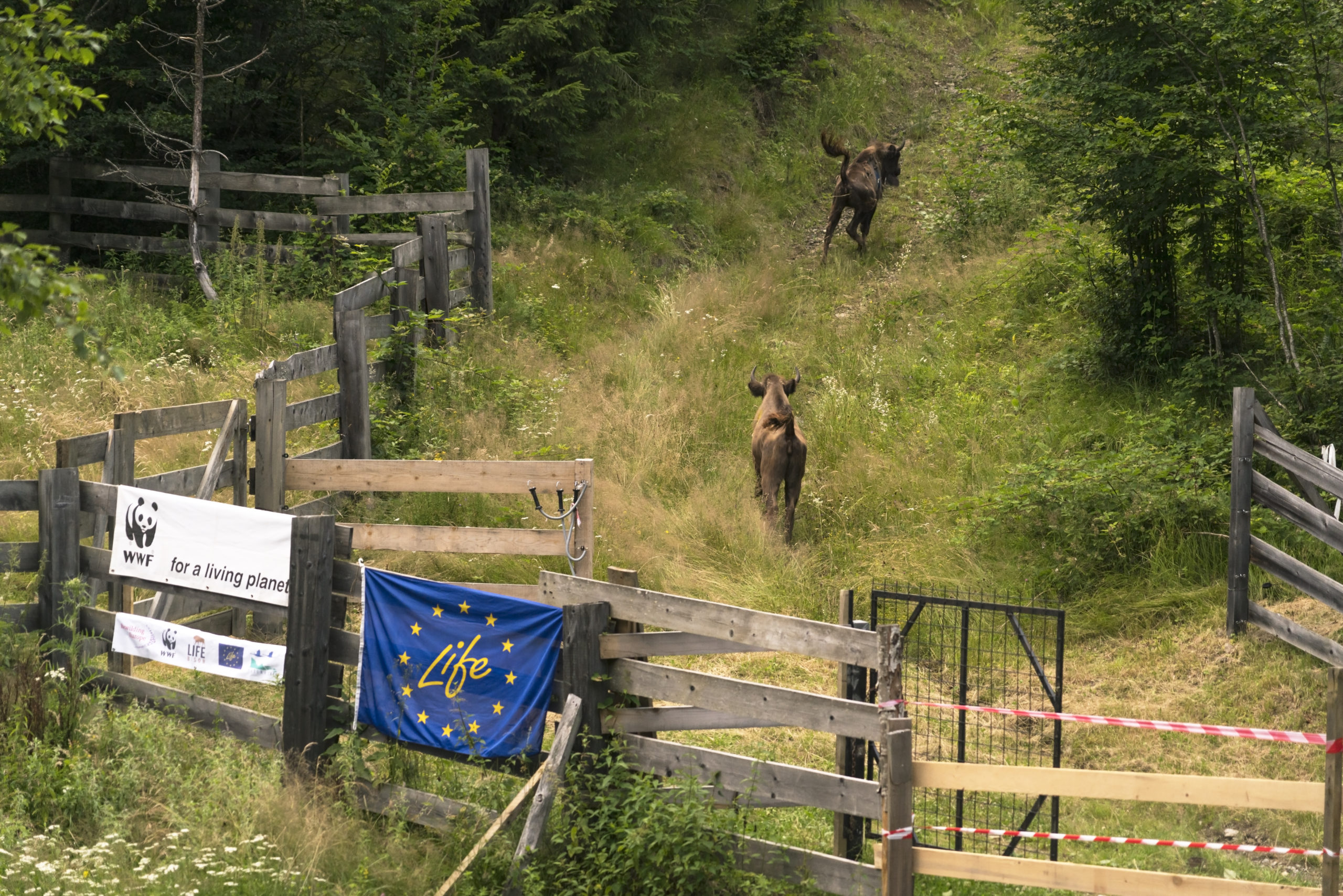
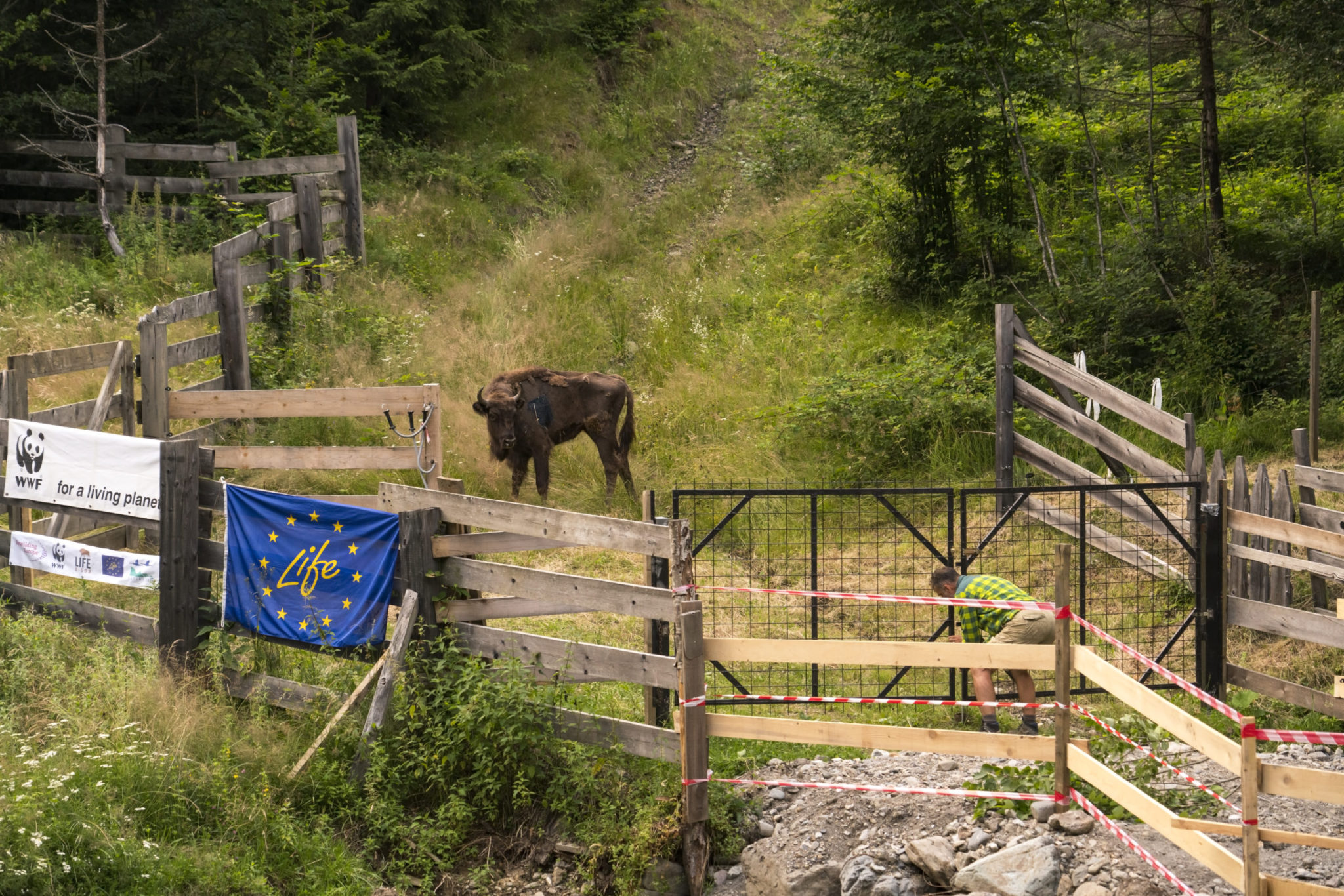
A herd of eight European bison has just arrived in the Southern Carpathians rewilding area and will soon join the 57 bison that are already roaming free here.
A keystone species, the animals are part of a rewilding initiative that is benefitting local communities.
Record-breaking rewilding
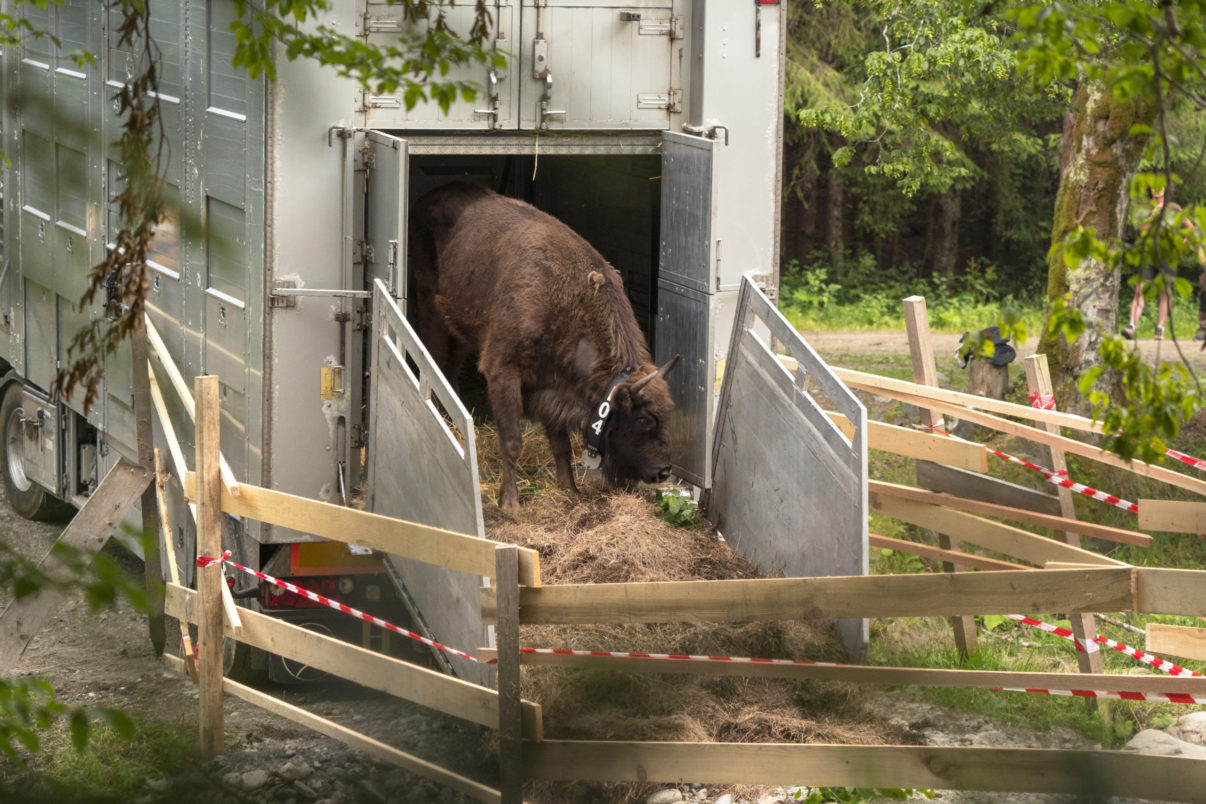
A herd of eight European bison (two males, six females) arrived in the Southern Carpathians rewilding area in Romania yesterday evening, and will soon join the 57 animals that are already roaming free here.
Rewilding Europe and WWF Romania have been reintroducing bison into the Țarcu Mountains (part of the Southern Carpathians) since 2014, with this record-breaking initiative creating the largest wild bison population in Romania for 200 years.
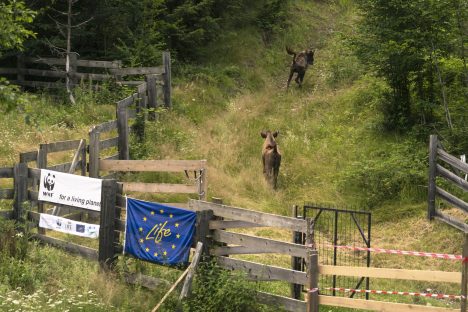
The European bison is a keystone species that have a large impact on the landscape, allowing many other species of flora and fauna to thrive through their grazing, browsing, and other interactions with their habitat.
Rewilding Europe and WWF Romania are also using the return of the bison to the Țarcu Mountains as a way to support local communities, by developing the area as a nature tourism destination, and through community-based and educational initiatives, scientific research and technological innovation.
“Every bison reintroduction and every birth in the wild is a success for the conservation of these vulnerable animals,” says Southern Carpathians rewilding team leader Marina Drugă.
“Going beyond this, they can benefit local wild nature and people in so many different ways. In this regard, they are more than a keystone species here.”
The journey to freedom
The two males and six females began their long journey to the wild from five reservations in Germany (Wisentgehege Springe, Wisentgehege Donaumoos, Nationalpark Kellerwald-Edersee, Nationalparkverwaltung Bayerischer Wald and Wisentgehege Hardehausen).
The Springe reservation hosted the females for several months in order to form a compact herd, a method that ensures the group has a smoother transition to its new environment.
“The transport required extensive preparation,” explains Florin Hălăștăuan, a project officer attached to the Rewilding Southern Carpathians team.
“From the bison selection process, which is important for genetic diversity, right through to the fitting of GPS collars, we always focus on the wellbeing and successful reintroduction of the animals.”
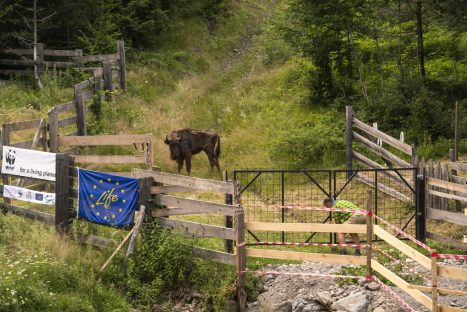
The European bison is a keystone species that have a large impact on the landscape, allowing many other species of flora and fauna to thrive through their grazing, browsing, and other interactions with their habitat.
And I mean…With this, the Romanian prove that they want to protect and care for their wildlife.
Unlike many other European countries, they understood that both the ecosystem and humans need wildlife.
We will follow the offspring of the bison in Romania with great interest!
My best regards to all, Venus
Filed under: GENERAL NEWS - International / National / Regional | Leave a comment »
Posted on August 5, 2020 by Serbian Animals Voice (SAV)
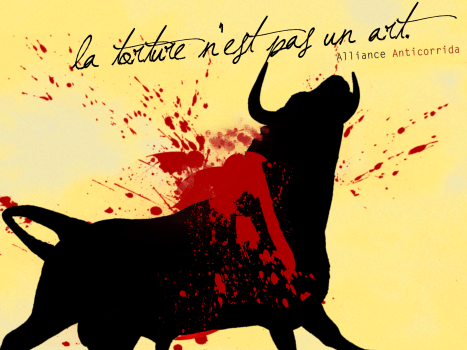
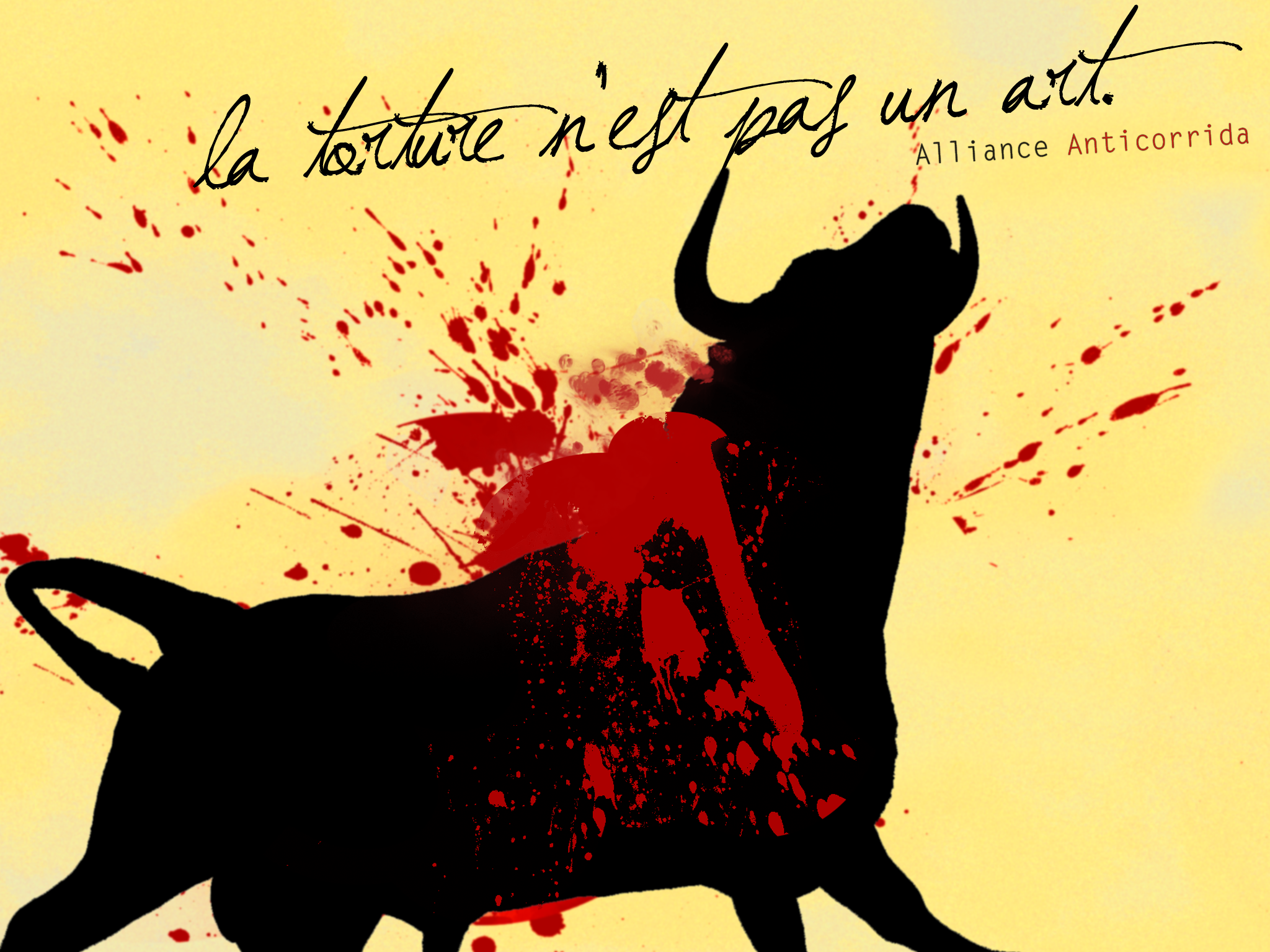
Spain, Portugal, and France reopen their squares to continue the torture of bulls!
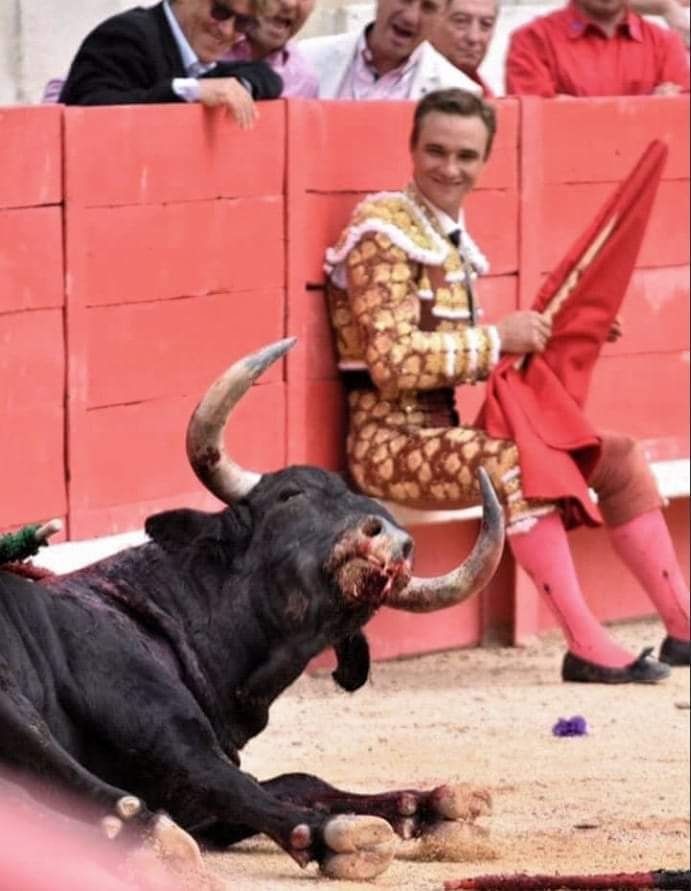
Spain, Portugal, and France have reopened their squares to continue the torture of bulls.
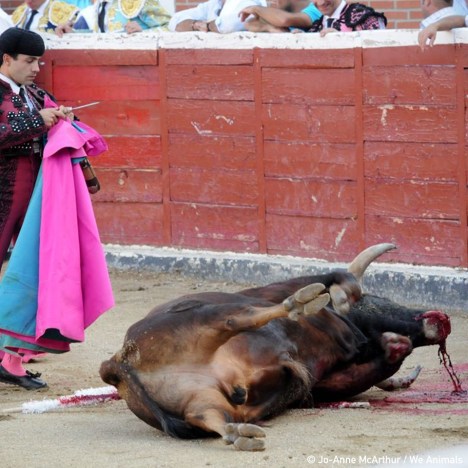
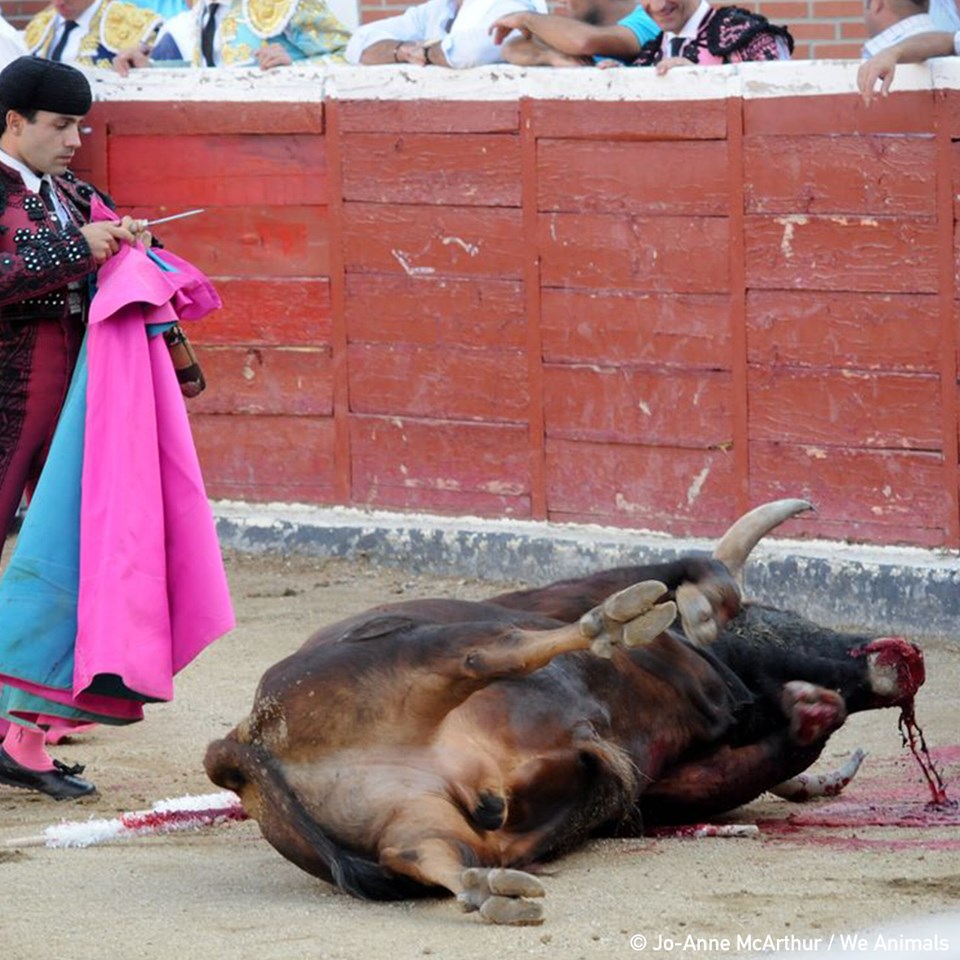
The images are unfortunate. Fans applauding the suffering of innocent animals. Terrified bulls that penetrate the torso of horses that are unable to flee.
Blood covering the sand.
Death.
Only death from beginning to end.
When the show ends, only the wicked smile of the bullfighters remains as they drag the body of their victim out of the plaza.
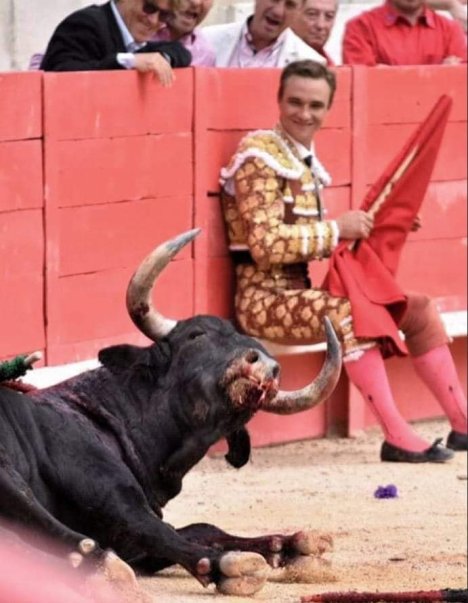
The Toledo town of Torrijos was the first to carry out the first bullfight of the “New Spanish Normality” on July 12, thus resuming a season that was suspended on March 8.
Other cities such as Huelva, El Puerto de Santa María, Málaga, Mérida, Beziers … already have their posters programmed in the Covid-19 era, to which belong towns such as: Estepona, Osuna, Lodosa, Plasencia, Miraflores de la Sierra, El Espinar, Herrera del Duque, Santisteban del Puerto, Andújar, El Rocío, Astorga, Sanlúcar de Barrameda, Priego de Córdoba, Valdetorres del Jarama, etc.
In Portugal Estremoz also resumed its bullfighting season in mid-July, and there are runs scheduled in Cartaxo, Vila Nova Da Barquinha, or Coruche.
Also in France, they have joined the bloody nonsense in Beziers, Beaucaire, Istres, Saint-Martin-de-Crau, or Garlin.
We want to go one step further and abolish bullfighting forever. That has always been our goal, and we have taken leaps and bounds in recent years with the ban in Catalonia and the progress in Mallorca.
We do not want to take a step back, nor to gain momentum. The moment is now.
If not now when? If not you, who? Animals cannot wait any longer, nor deserve less.
And I mean.. In all football stadiums, the game takes place without an audience, so it is strictly forbidden for the audience to enter.
Don’t the corona precautions apply to bull murder in Arenas?
It is obviously a special approval of the “progressive” coalition government, to which the left party “Podemos” belongs, especially as financial support for the bull killers.
The bullfighting mafia has managed to get the government to recognize bullfighting as an “artist industry” and has thus received a large part of the Spanish government’s corona bailout package as a “cultural sector”.
In the earlier, non-corona years, it was about 130 million euros annually from an EU fund intended for the production of high-quality meat, but the industry, in reality, breeds animals not for meat production but for bullfighting. Here the laws are abused.
Bullfighting is held up as a tradition that has been proven to have been invented by Jitanos and during the darkest time on earth, namely during the Inquisition.
Bullfighting and bull festivals violate any ethics of modern civilized countries and societies.
Only a few dull, mentally weak proletarians in society can get excited about something that repels civilized people.
I am sure we will soon be able to end this shame wherever it takes place.
My best regards to all, Venus
Filed under: GENERAL NEWS - International / National / Regional | Leave a comment »







 Serbian Animals Voice (SAV)