Posted on July 4, 2020 by Serbian Animals Voice (SAV)
Video of the undercover investigation by the British animal rights organization Cruelty-Free International at the Wickham Laboratory, Hampshire.
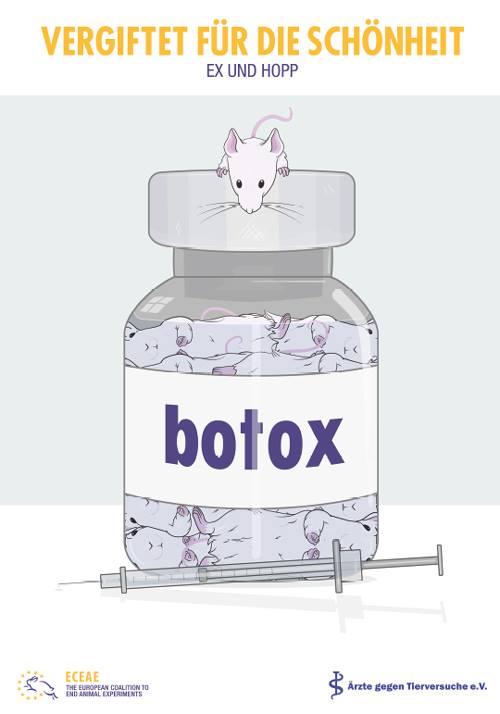
“The BUAV (today = Cruelty-Free International) has carried out an undercover investigation inside a major UK animal laboratory and discovered the ugly truth about botox animal testing.
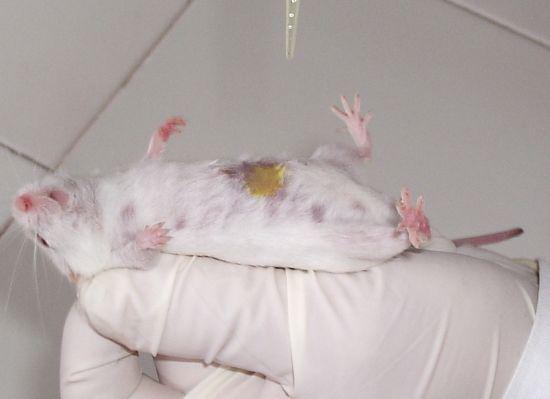
Our investigator found that at a lab in Hampshire around 74,000 mice a year are being subjected to cruel poisoning tests for botox. “
The Sloan Pharmacompany has its Botox preparation Neurobloc tested on 46,800 mice!
Protest directly at the company. We have prepared sample letters.
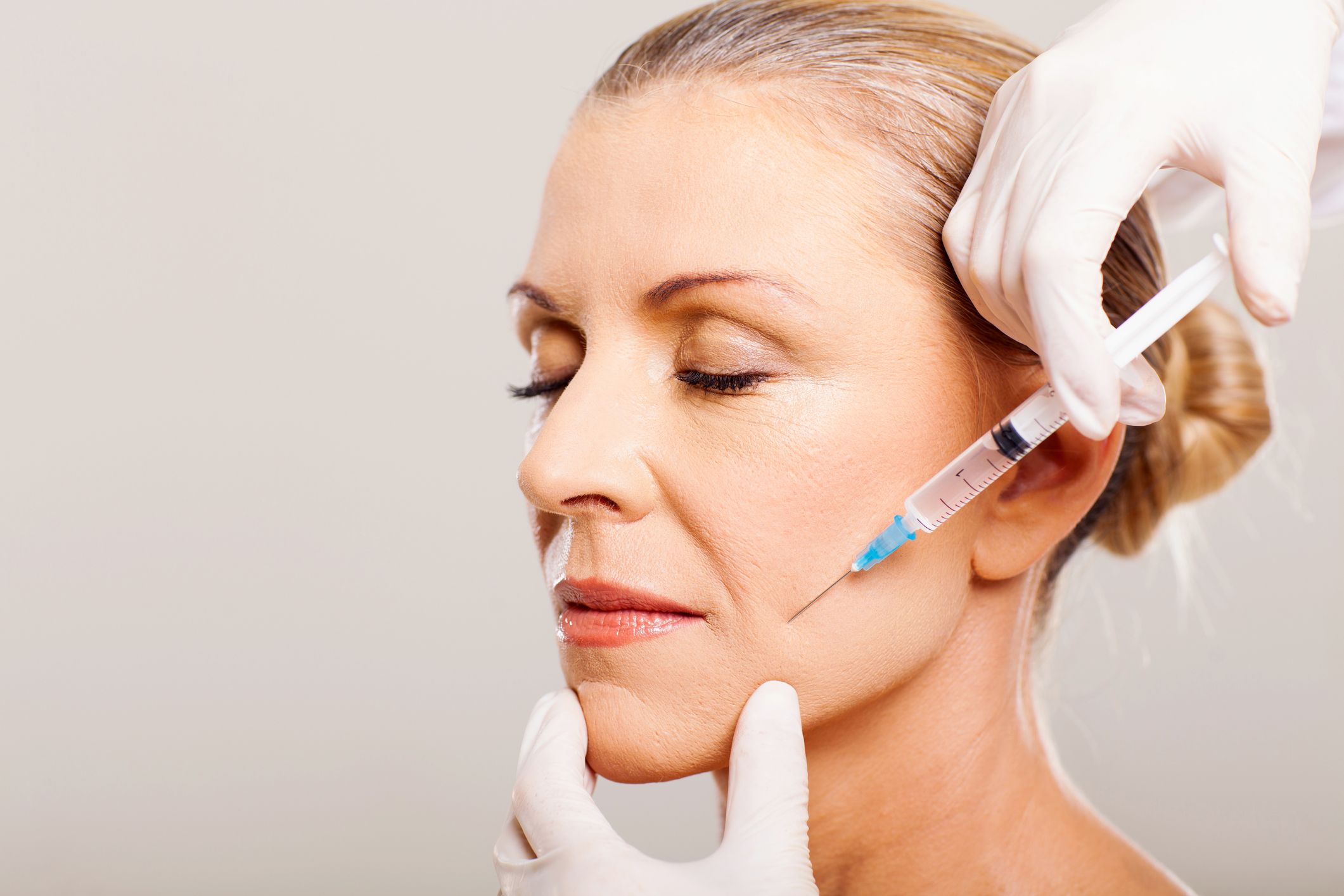
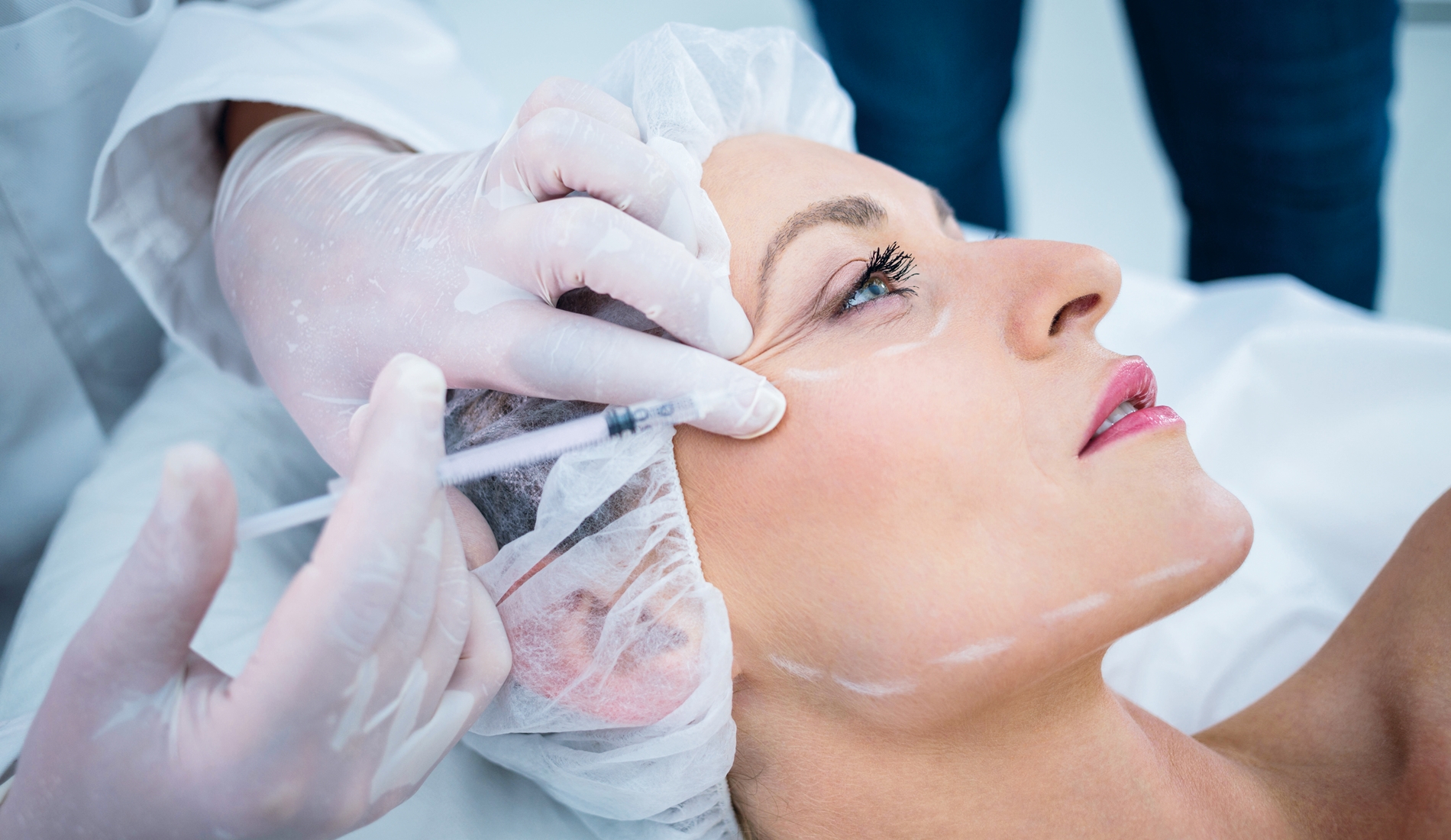
Botox is the trade name of one of the preparations from the neurotoxin botulinum toxin. The poison is used for medical, but mainly for cosmetic purposes.
A small injection and the wrinkles on the face have disappeared for a few months!!
But the price for youthful looks is still paid by thousands of mice – Europe alone at least 400,000 a year!
Botulinum toxin is the most potent poison. Because of its dangerousness, each production unit is tested in painful animal tests, the so-called LD50 test on mice, before it goes on sale.
With our campaign launched in 2007, we have achieved that the public is aware of these terrible animal experiments and that more and more manufacturers are switching to methods that do not use animal experiments.
Information… The three largest manufacturers of botox are “Allergan”,“Merz” and “Ipsen”.
Food giant “Nestlé” has also been selling botulinum toxin products since 2015, which are tested on mice and generate record sales.
Market leader “Allergan” posted sales of $ 1.2 billion in 2006.Botox is also a profitable business for doctors. An injection costs 200 to 600 euros, which corresponds to a six to 20-fold profit margin.
According to research, 350,000 to 400,000 mice fell victim to botox production in Europe in 2015. In 2015 alone, 150,000 mice are said to have been legally killed in Germany alone.
The number takes on dimensions that are hard to imagine if you add the markets of North America and Asia.
Because of the risk of botox, the EU has ordered an agonizing animal experiment. According to Section 7 of the Animal Welfare Act, animal testing for cosmetics is prohibited.
Although almost half of the botox preparations are used for cosmetic purposes, botox products are approved as a medication for, among other things, cramps, torticollis, or grinding of teeth.
Due to these numerous possible uses, the animal testing ban for cosmetics does not apply here. In this way, the ban on animal testing for cosmetics and their ingredients in the EU and Germany is circumvented.
The European Pharmacopoeia regulates the manufacture, designation, testing, and storage of pharmaceutical products on an international level.
It prescribes an LD50 test in mice for each (!) production unit (batch) of botulinum toxin.
The EU is also opposing the development of alternatives to the cruel toxicity test on mice.
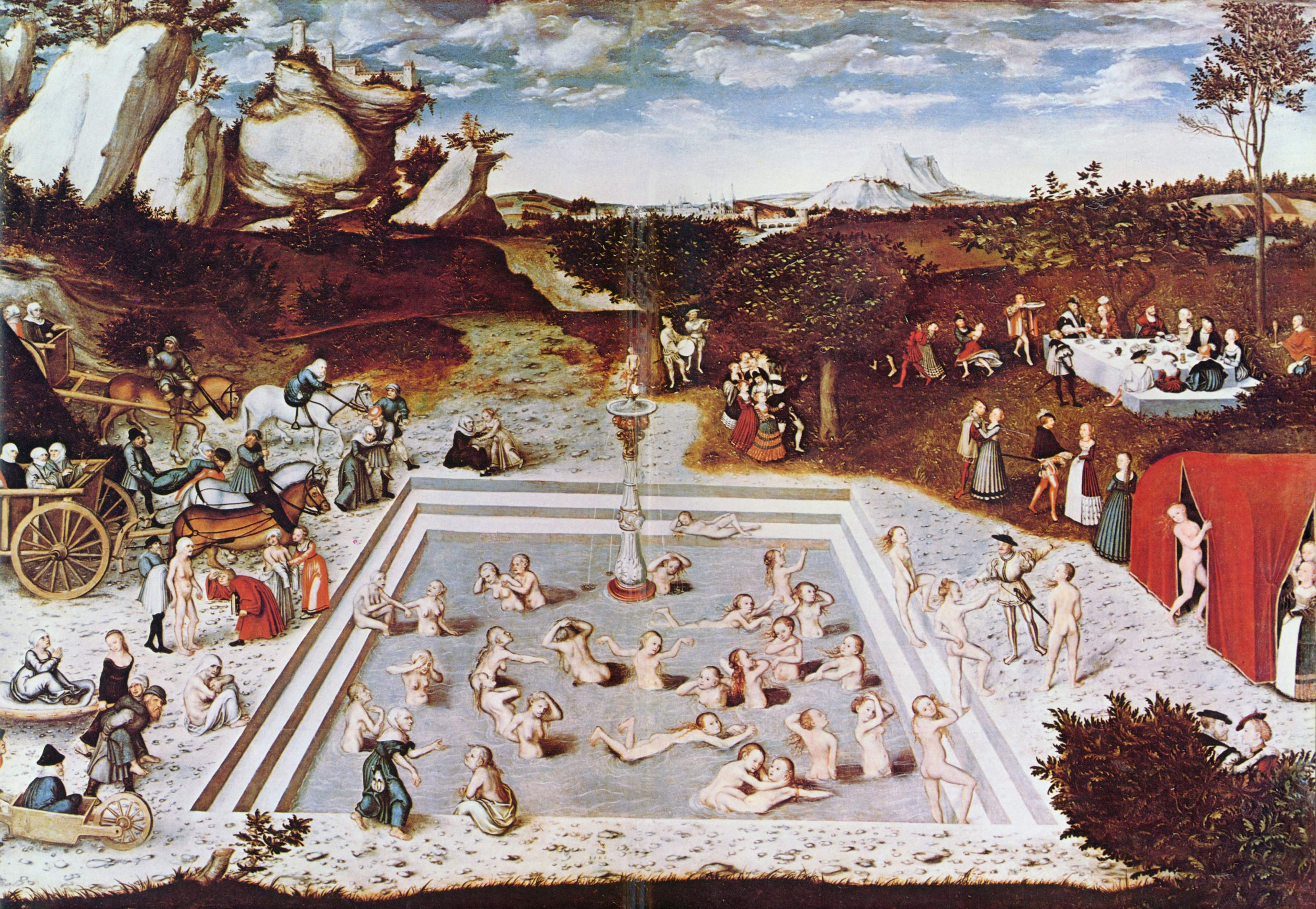
And I mean…The dream of eternal youth is old and has evolved with every culture.
In 1546 the German painter Lucas Cranach painted this picture titled “The Fountain of Youth”.
We cannot know whether the absurdity of this picture is wanted.
But if we want to reach “The Fountain of Youth” with botox today, we can say with certainty that it is absurd.
Absurd and ridiculous. Because it is associated with millions of animal suffering.
Major Retailers Drop Thai Coconut Brands After PETA Monkey-Abuse Exposé
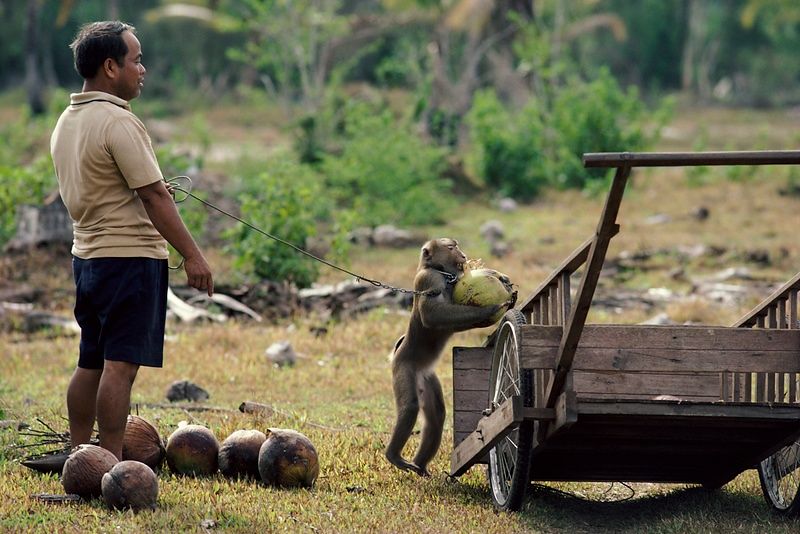
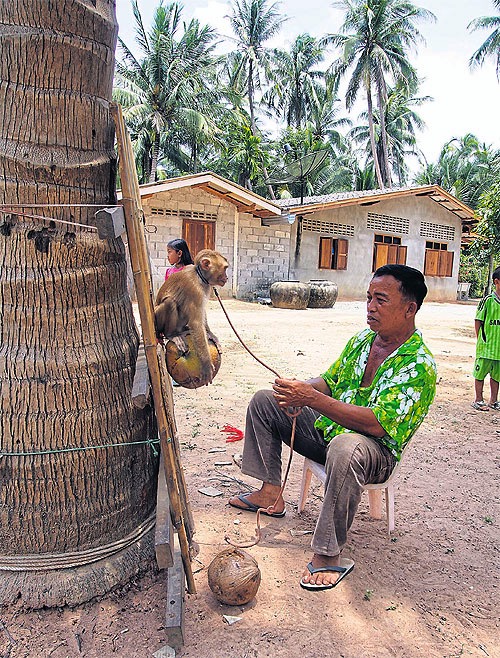
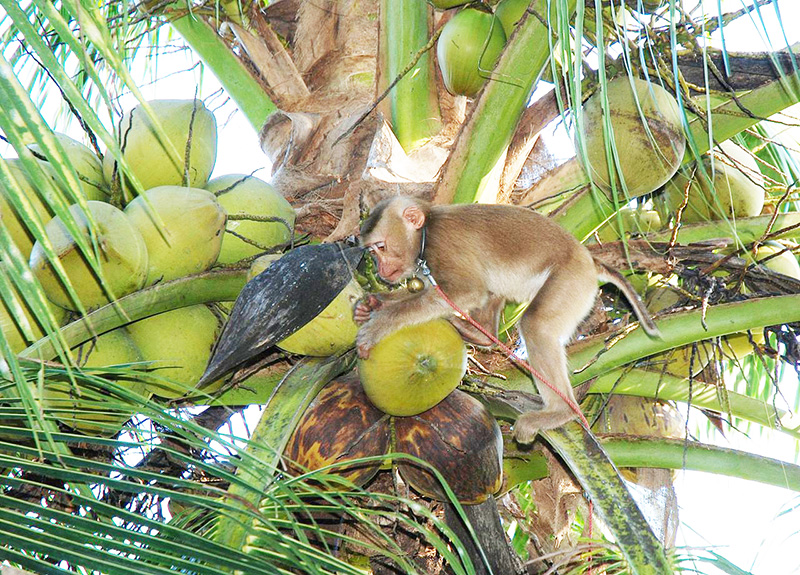
A disturbing PETA exposé reveals that terrified young monkeys in Thailand are kept chained, trained using abusive methods, and forced to climb trees to pick coconuts used for coconut milk, oil, and other products.
And now, more than 16,000 stores around the world have committed to never stocking products sourced from monkey labour after speaking with PETA and its affiliates. See our list below to help make sure that your coconut products don’t come from suppliers that use monkey labour.
Thousands of people are joining PETA’s campaign to stop this cruel industry, including Carrie Symonds and environment minister Lord Zac Goldsmith. Join them by adding your name:
Retailers Drop Thai Coconut Brands After PETA Monkey-Abuse Exposé
UK Retailers
Asda has dropped the brand Chaokoh. A spokesperson for the supermarket said, “We expect our suppliers to uphold the highest production standards at all times and we will not tolerate any forms of animal abuse in our supply chain. We are removing the products from sale whilst we investigate these allegations with our suppliers.”
Walgreens Boots Alliance (operator of Boots) has pledged not to stock Aroy-D or Chaokoh and not to knowingly sell any own-brand coconut food and drink products of Thai origin in its stores in the UK, US, and Thailand.
Waitrose has made a commitment to protecting monkeys: “Waitrose & Partners supports PETA’s goal to end the use of monkey labour in the coconut industry,” says John Gregson, partner and communications manager for CSR, health, and agriculture at Waitrose & Partners. “As part of our animal welfare policy we have committed to never knowingly sell any products sourced from monkey labour.”
Morrisons has suspended its supply of Chaokoh products, pending an investigation.
Ocado and Co-op have committed to never knowingly stocking any products from suppliers that use monkey labour.
Tesco has done the same, stating, “We don’t tolerate these practices and would remove any product from sale that is known to have used monkey labour during its production.” The supermarket has delisted Chaokoh products in its UK stores and is investigating its international supply lines.
Sainsbury’s is investigating the issue as a priority.
The following brands sold in the UK have policies of never sourcing coconuts from farms that use monkeys:
Ayam
Biona
Ceres Organics
Coconut Merchant
Coconuts Organic
Essential Trading
Koko Dairy Free
Lucy Bee
The Coconut Collaborative
Tiana
In the US, Bed Bath and Beyond’s Cost Plus World Market has stopped buying coconut products from Chaokoh.
Ahold Delhaize and its brands (including Giant Food, Food Lion, Stop & Shop, and Hannaford in the US as well as Albert Heijn in the Netherlands) have also committed to not knowingly stocking or selling any products sourced from suppliers that use monkey labour.
Help Monkeys
Please make sure that your coconut products don’t come from suppliers that use monkey labour. Avoid the brands Aroy-D and Chaokoh and all coconut products from Thailand. In general, coconut products originating in Brazil, Colombia, Hawaii, India, and the Philippines are supplied by companies that don’t use monkey labour.
Aroy-D and Chaokoh are still exploiting monkeys. Send a message urging them to stop supporting this cruel industry.
Posted on July 4, 2020 by Serbian Animals Voice (SAV)
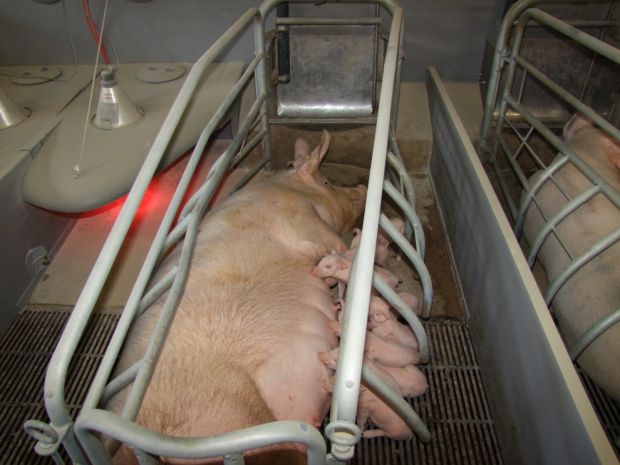
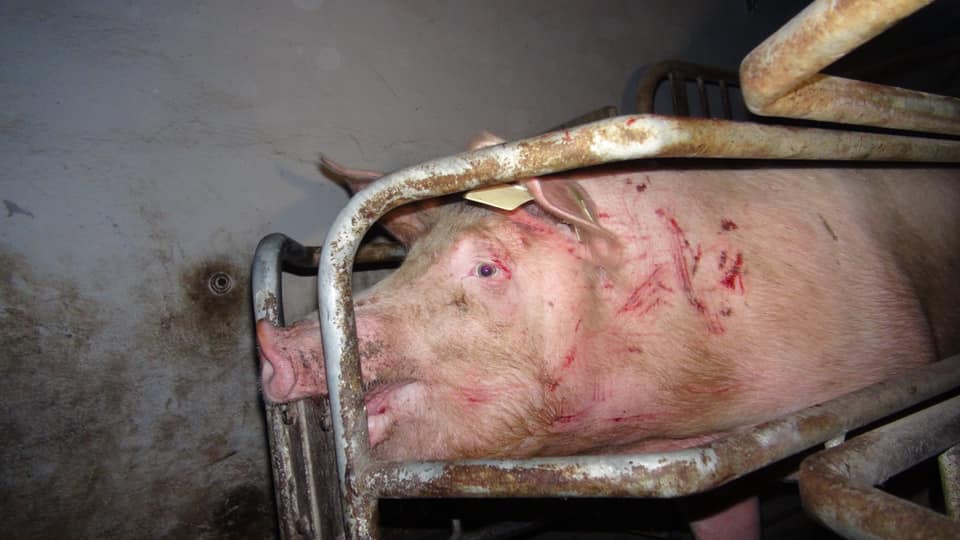
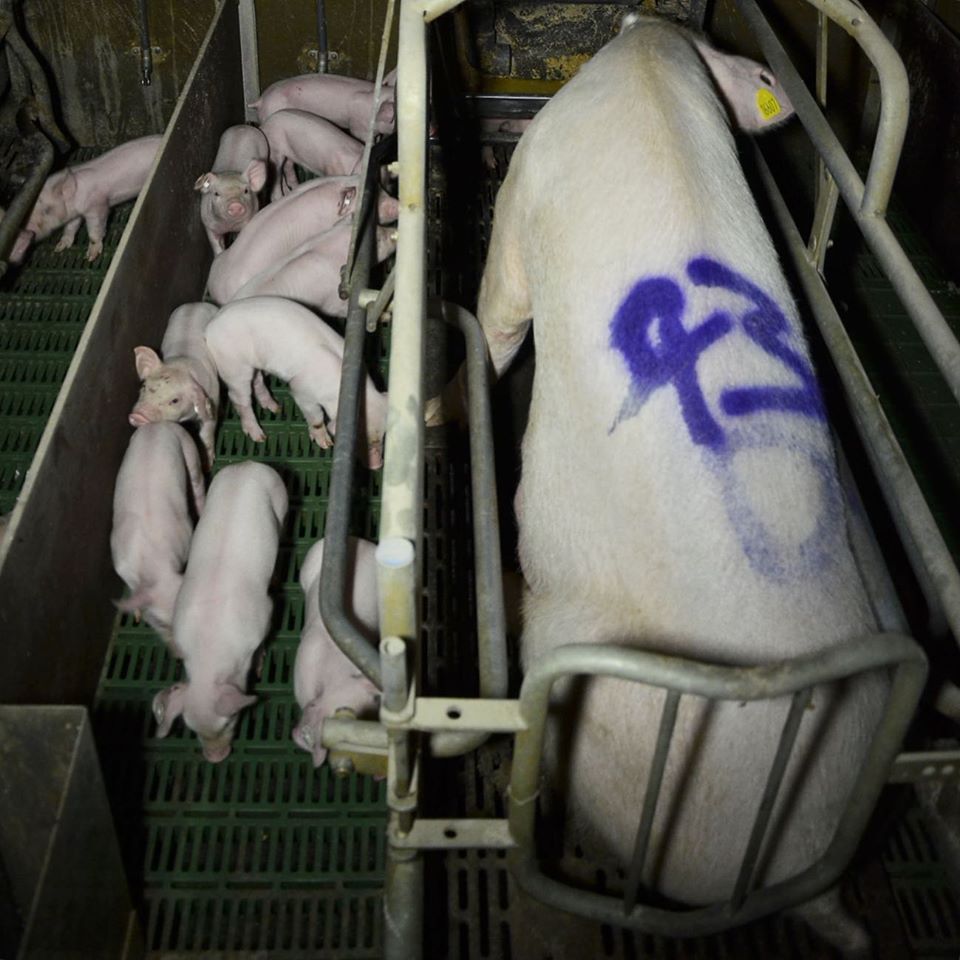
The Federal Council today approved an amendment to the Animal Welfare and Livestock Ordinance, which means that the cruel box keeping of breeding sows can take place for another eight years.
Most of the Greens involved in the government in eleven federal states justify this step by saying that after this transition period there will be a change in the system to keeping sows in groups.
In order to achieve this long-term goal, the Greensagreed to a “compromise” (!!) that legalized the sows’ previously illegal keeping conditions.
For the next eight years, the animal no longer even has the right prescribed by law to be allowed to stretch out unhindered when lying down.
Paragraphs 1 and 2 of the Animal Welfare Act clearly regulate that ” an animal must be accommodated in a behavioral manner and that pain, suffering, and damage must not be caused to it without a reasonable reason”. An often weeks-long fixation of sows in narrow metal cages is undoubtedly not behavioral.
You don’t need to be an expert to see that. But according to the “new” law, it stays that way!!
And I mean: The corrupt Agriculture Minister of Germany Julia Klöckner has thus successfully legalized an illegal condition.
The Higher Administrative Court ruled: “The ordinance stipulates that sows kept in a crate must be able to take a reclining position in the crate at both sides, where their limbs do not encounter obstacles.”
The regulation has existed since 2001 and has been violated for almost 20 years.
Illegal is Illegal! is it so difficult to abolish it?
Here it becomes clear how strong the lobbyists of the meat mafia are among German politicians.
The Greens are making every effort to reinterpret their sale to animals as progress.
They cheer the dirty “compromise” as “getting out of the crate”, and by that, they mean that they managed to shorten the fixation in the farrowing area to five days. But even that only comes into force after 17 years.
Let’s be honest: you don’t have to be Chinese to operate such a shit policy against animals; Germans can do it too.
Posted on July 3, 2020 by Serbian Animals Voice (SAV)
A disturbing PETA exposéreveals that terrified young monkeys in Thailand are kept chained, driven insane, abusively trained, and forced to climb trees to pick coconuts used to make coconut water, milk, oil, and other products that are sold around the world, including in Australia.
For the Thai coconut industry, many monkeys are reportedly illegally abducted from their families and homes in nature when they’re just babies.
They’re fitted with rigid metal collars and kept chained or tethered until they’re no longer useful to farmers.
The terrified young monkeys are forced to perform frustrating and difficult tasks, such as twisting heavy coconuts until they fall off the trees from a great height.
An investigator learned that if monkeys try to defend themselves, their canine teeth may be pulled out.
Some monkeys were transported in cramped cages that were barely large enough for them to turn around in, and others were left in locked cages on the back of a ute with no shelter from the pouring rain. One monkey was seen frantically shaking the cage bars in a vain attempt to escape.
Take Action
Please make sure that your coconut products don’t come from suppliers that use monkey labor. Avoid the brands Aroy-D and Chaokoh – also sold as TCC in Australia – and all coconut products from Thailand.
In general, coconut products originating in Brazil, Colombia, Hawaii, India, and the Philippines are supplied by companies that don’t use monkey labor.
Sign below to urge Aroy-D and Chaokoh to stop supporting this cruel industry by obtaining their coconuts from companies that don’t exploit monkeys.
My Comment and Information: The next time you use coconut milk when cooking, check out the packaging. If it comes from Thailand, the nuts were probably picked by tortured monkeys, southern pig monkeys. Don`t buy it!
In the province of Prachuap Khiri Khan, Thailand’s largest coconut palm growing region, they work as slaves eight hours a day, six days a week – as the Thai labor law also stipulates for people as maximum working hours.
Posted on July 2, 2020 by Serbian Animals Voice (SAV)
A new strain of the swine flu virus, H1N1 G4, has been detected both in pigs and humans in China.
More than 1 in 10 pig farm workers in the new study had already been infected, according to antibody blood tests which showed exposure to the virus.The tests also showed that as many as 4.4% of the general population also appeared to have been exposed. Pigs have been shown to be hosts or “mixing vessels” for this new virus dubbed G4. Although the virus has not caused illnesses in people, and has not yet passed from humans to humans, scientists fear that it might mutate and cause another global pandemic.
Besides a new vaccine, I fear that the preventative measures will be focussed on increased factory farm biosecurity instead of ending a flawed system. Last April we wrote about pandemics and factory farming, and interviewed Dr Michael Greger MD who explained, “the sheer number of animals, overcrowding, the stress crippling their immune systems, the ammonia from the decomposing waste burning their lungs. The lack of sunlight, lack of fresh air, put all these factors together and we have the perfect storm environment for breeding these so-called ‘super strains’ of influenza”.
London’s top public health official has said that meat processing plants are one of the areas where a second wave of COVID is most likely to emerge in the capital; “food factories are an ‘emerging area’ of concern because of the proximity of workers to each other and the low pay, meaning staff were unlikely to be able to afford to self-isolate at home if they fell sick”.. Outbreaks have been seen in meat processing plants in Wales and Yorkshire, and in Germany, France, Spain and the US. The USA reports 20,000 infections of COVID in meat packing plant workers.
This week two democrat senators are accusing Smithfields (and other meat factory companies) of manipulating the COVID crisis to force ‘deregulatory measures’, allowing them to stay open in the name of feeding the American public. Turns out sales to China were up more than ever during that time, in fact they were record breaking! Meanwhile, China has banned imports from specific US, Brazilian, UK and German packing plants with a high incidence of COVID. Was this because Chinese authorities were concerned about the possibility that the meat itself could carry the COVID virus?
Last May we made a short film about the COVID and African Swine Flu outbreaks at Smithfield Foods, the biggest player in the US pork industry. The driver of this corporate take over from family farms to massive factory farms is the development banks. For example, in the nineteen-nineties Smithfield was granted a $100m soft loan to expand into Poland where they could take advantage of cheap labour and poorly enforced worker and animal welfare standards to outcompete pig farmers across the EU – farmers must ‘get big or get out of the industry’. See the documentary about this corporate take-over in our Channel 4 film Pig Business.
If Parliament fails to add vital amendments to the Agriculture Bill, Smithfield no longer has to go to Poland to get their deeply flawed factory farmed pork onto our shelves . In response to the NFU’s 1 million-strong petition to protect UK farmers from being undercut by substandard imports, the government has set up a Trade and Agriculture Commission. But it won’t be enough to protect UK farmers as its recommendations will only be advisory and not legally binding. A dangerous position when members of Boris’s cabinet, like Liz Truss, are prepared to sacrifice our farmers on the altar of so-called free trade.
London – As the Bill continues to be debated in the House of Lords, Lord Dundee has tabled some additional amendments to include support for rearing livestock outdoors, for agro-ecological smallholder farming and for making land available to new food growers.
So, lobby politicians to improve the Bill by sending your own version of this letter to your MP or member of the House of Lords, forward our newsletter to friends, family and networks, share Farms Not Factories posts on social media, and urge your friends and local restaurants to buy only high welfare local pork/meat products.
Please share this newsletter or just the videos/info with your friends and networks.
Posted on July 2, 2020 by Serbian Animals Voice (SAV)
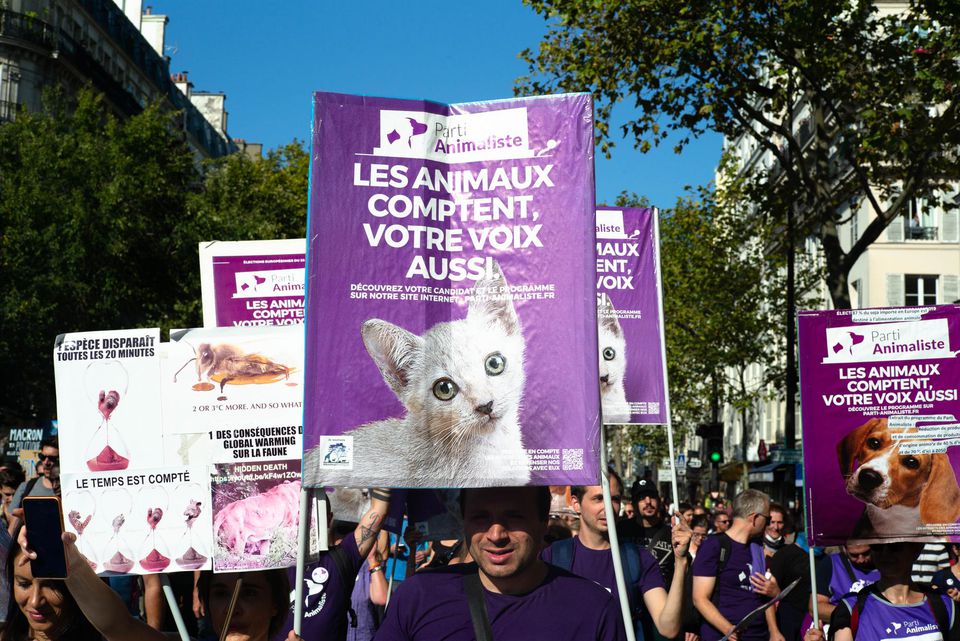
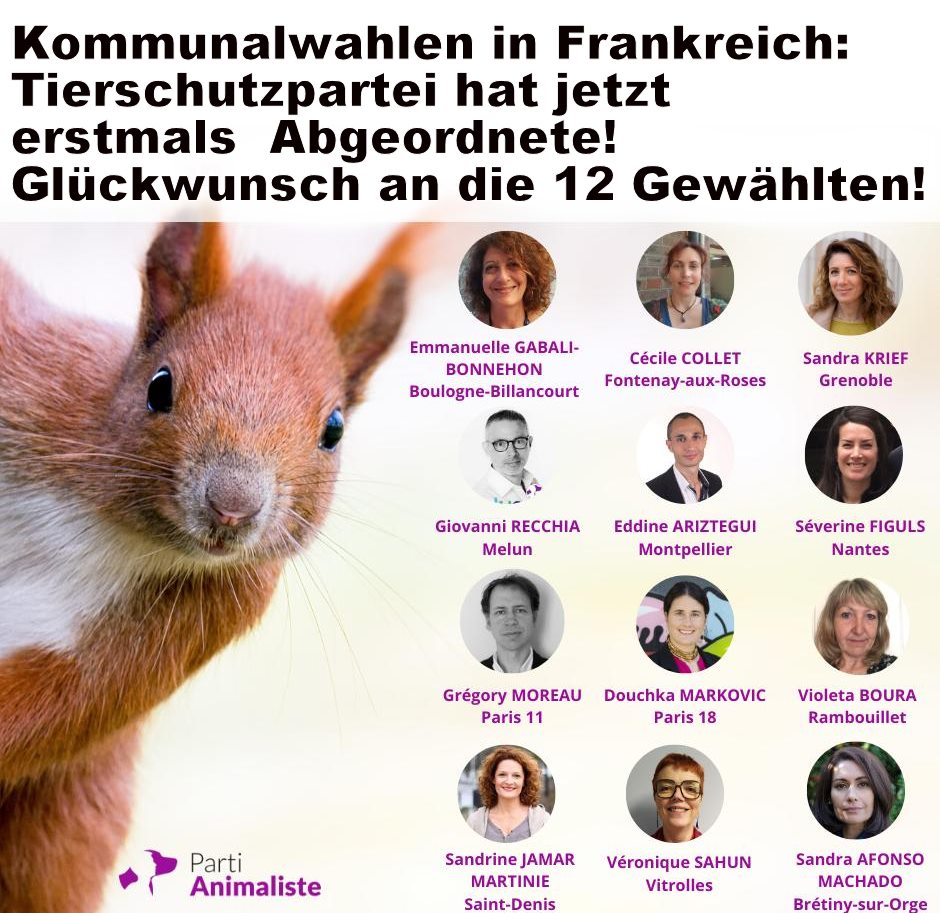
SENSATION! The French animal protection party “Parti Animaliste” has now won seats in an election for the first time since it was founded four years ago.
It ran the municipal elections with twelve separate lists and an additional twelve individual candidacies on lists of other parties.
The result could hardly have been better: The Parti Animaliste now has 12 seats – including in Paris, Grenoble, Montpellier, and Nantes.
Congratulations, dear fighters for justice!
So that animals, nature, and people can have a future worth living!
Incidentally, according to a current survey, 72% of the French demand that local politics should also explicitly commit to more animal protection.
This shows that all political levels have to make an effort to adequately tackle one of the greatest upcoming political future tasks: that all sentient beings are understood as individuals and that they must be actively protected against suffering and risks.
We congratulate our fellow campaigners and thank everyone who has campaigned for this sensational result!








 Serbian Animals Voice (SAV)