Posted on April 6, 2016 by Serbian Animals Voice (SAV)


Yesterday, 5/4/16, was hopefully a productive day in the campaign regarding live animal exports.
In the morning, Mark telephoned Mr. Marco Valletta at the EU DG (Commission) for Health and Food Safety. Mr. Valletta is directly responsible at the Commission as part of Commissioener Vyetenis Andriiukaitis’ team with responsibilities which directly include animal health and animal welfare. Please note that Commissioner Vyetenis Andriiukaitis is one of two people who we have addressed our petition to – see more at: http://www.thepetitionsite.com/763/168/053/eu-commissioners-fail-live-animals-transported-to-turkey./?taf_id=22743166&cid=email_na
In a parallel exercise, Lesley at ‘Eyes on Animals’ in Amsterdam (NL) had a meeting with the Dutch authorities as well as the EoA inspection team. It should be remembered and hoped that the Dutch have very strong views about the current failures of EU live animal transport laws, and that we hope that during the Dutch EU Presidency which lasts until the end of June, they will make major progress with being able to change the system. Please read more about this from one of our past posts – https://serbiananimalsvoice.com/2016/01/23/netherlands-some-great-news-the-dutch-presidency-pleads-for-eu-action-for-animals/
Mark and Mr. Valletta had a good conversation, with Mark expressing his concerns especially about the situation for EU animals being exported live to Turkey. He informed Mr. Valletta about all the evidence which was included in the excellent EoA video – https://www.youtube.com/watch?v=udReHkAumrY&feature=youtu.be and was very surprised to hear back that Mr. Valletta had not actually seen the video !! – and this is the man at the EU Commission ultimately responsible for the welfare of animals !!
We know from Lesley that copies of the video were supplied to the Commission – why it was not seen by the man directly responsible for animal health and welfare in the Commission is anyone’s guess.
Mark sent a mail to Mr. Valletta in the afternoon which included both video and petition links for Mr. Valletta. You can read a copy of Marks mail here –
Mark and Lesley communicated in the evening and it was decided that a formal copy of the EoA Turkish video should be sent specifically and directly to Mr. Valletta. Not only will this allow him to see the cruel reality of the situation for EU animals exported live to Turkey, but it may provide Lesley with assistance when she next meets the Dutch authorities on this issue.
As Mark said to Mr. Valletta in their phone conversation, and as written in his mail to same; the individual EU member states firstly hold immediate responsibility for the enforcement of EU Regulation 1/2005 which should provide protection to animals in transport; but at the end of the day, it is the EU Commission who are ‘top of the pyramid’ and who should be prosecuting individual member states when they fail. And as shown the video, they fail a lot !
This is where Mr. Valletta should come in as the official rep of the EU Commission. Mark reminded him in conversation that he has animal welfare duties to enforce, and that we want to see something positive being done about the Turkish situation. Mr. Valletta watching the video from EoA would be a very good first move !
We are now waiting to hear back from Mr. Valletta when he has seen the video and also had a review of the petition; which we have reminded him, has been signed by citizens of all EU member states.
Regards Mark.


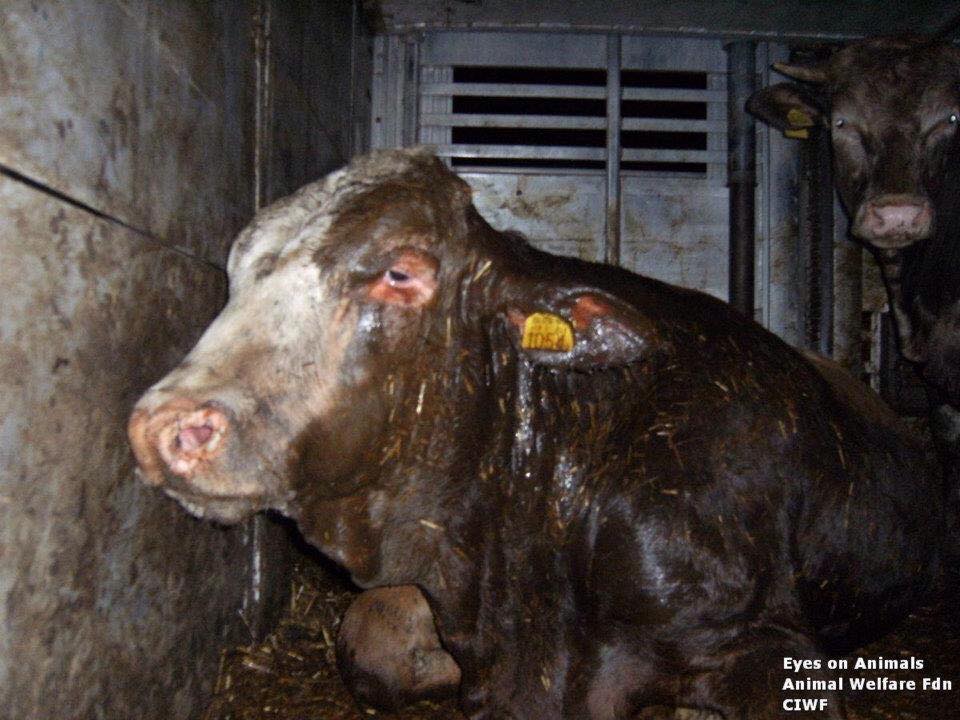
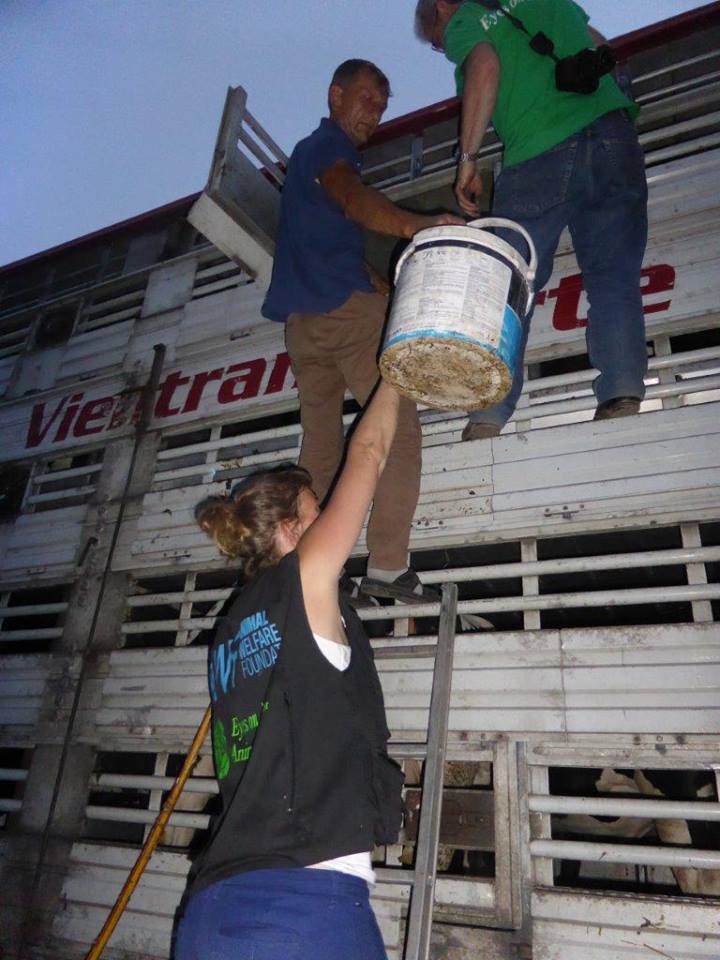
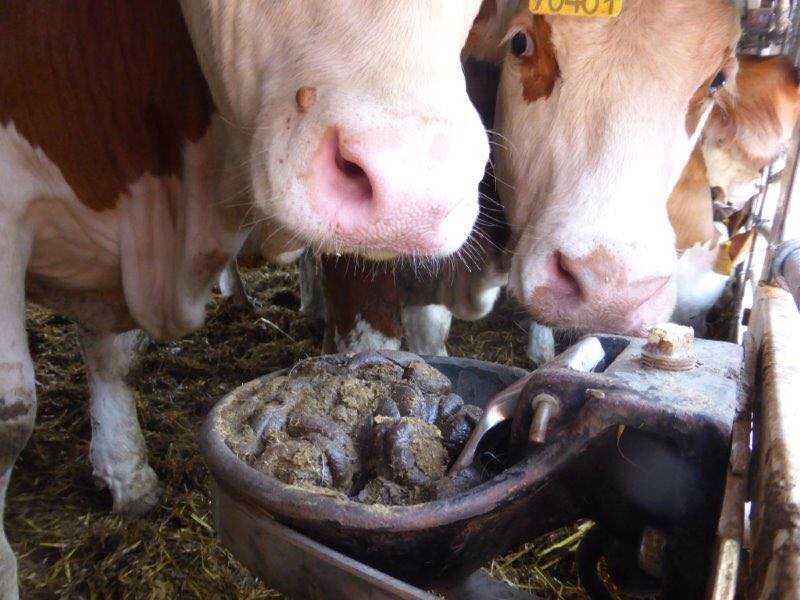
All photos – EoA Netherlands
Filed under: CAMPAIGNS - Global Animal Welfare Issues, GENERAL NEWS - International / National / Regional, GLOBAL PETITIONS - Anything Animal, Anywhere !, LETTERS, PHOTOGRAPHS - **WARNING** (Animal Suffering), VIDEOS | Leave a comment »
Posted on April 5, 2016 by Serbian Animals Voice (SAV)


2016 Stop tolerating systematic violations of international law when exporting livestock to third countries
Press release Eyes on Animals: the presidency of European Council is The Netherlands; it is time to act. Stop tolerating systematic violations of international law when exporting livestock to third countries.
A five years investigation conducted by Eyes on Animals (NL), Animal Welfare Foundation (Germany) and Tierschutzbund Zurich (Switzerland) at the EU/Turkey border has shown that as many as 70% of all inspected livestock trucks from EU countries to Turkey violate the European Regulation EC 1/2005 on the protection of animals during transport. Eyes on Animals’ director Lesley Moffat: “Unfortunately based on our investigation we have to conclude that these violations are systematic, causing tremendous suffering of tens of thousands of animals. With the Netherlands profiling itself as a positive role model in agriculture, which was stated by secretary Van Dam in the European Parliament, The Netherlands needs to take the right action as EU President and stop this continuous animal abuse’.
During the time period of the investigation, from 2010 until 2015, the EU exported over 900.000 sheep, 850.000 cows and 5000 goats by truck on long-distance journeys to Turkey. In 2015 the export of live animals rose with 39% compared to 2014 (source: Eurostat). For 2016 the EU plans for a further increase. Together with two partner organisations, Eyes on Animals regularly inspects long-distance animal trucks passing the EU border into Turkey in Kapikule.
Lesley Moffat: “We see violations of animals being left on board for far longer than the maximum-allowed times, unrealistic journey times, false declarations of resting hours, animals suffering from extreme temperatures, a lack of water and food, overcrowded conditions on the trucks, lack of clean bedding, insufficient height and serious injuries due to poorly-designed equipment in the trucks, such as partitions with large gaps. More over many drivers are incapable and lack the skills needed on how to handle animals. These transport journeys are a true nightmare for the animals. Sick and wounded animals, animals giving birth and dying animals are deprived from care. We regularly see dead and trampled animals’.
The results of five years of investigations are captured in a report of over 1000 pages and an edited film, which will be presented to the EU-commission and its state members. 352 livestock trucks were inspected of which 247 transport companies from 13 different EU countries violated one of more laws of the EU Transport Regulation 1/2005. Moffat: ‘Not one of the 13 exporting EU-countries complied with the law. There is just no excuse for this’.
European Court of Justice: Comply with the law
Last year the European Court of Justice confirmed that the EU Transport Regulation on animal-protection is applicable during the whole time of travelling: from the place of departure to the final destination, even if situated outside the EU in a Third country. With the Netherlands being EU President, Eyes on Animals asks State Secretary of Agriculture Van Dam to commit to this law being respected. The declaration confirms that national authorities that approve the export of live animals need to apply and uphold these laws. ‘The Netherlands exports a relatively small number of live animals to Turkey compared to some of the other countries, however it is home to many livestock transport companies operating on this route, that pick up animals from other EU countries and bring them to Turkish slaughterhouses, feedlots of farms (cf report).
‘Economic interest more important than compliance with EU laws’
Eyes on Animals and its partner organisations accuse the EU-commission for tolerating the systematic violations of the law. The EU stimulates the international trade of live farm animals, and does very little to secure adequate infrastructure and resources to protect the welfare of animals during transport. Lesley Moffat: “It is unacceptable that animals depend on us non-profit organizations being present at the border for their protection. We do what we can, give first aid to suffering animals and send proof of violations to the responsible livestock transport companies and competent authorities, but it is the EU that should take on its responsibility in this. They are not only responsible for stimulating international trade of live animals on this route, but also responsible for the animals being given the care and protection that is stipulated within the law. ”
After years of negotiations, the EU finally succeeded to persuade Turkey to import animals from the EU in 2010. However, no provisions were made to take care of the EU animals during transport. At the border, there are no stables to unload, water or feed the animals. ‘The animals are stuck in the trucks for hours or days under extreme temperatures waiting because paperwork or health statements are often unclear. Turkey does not have an authority to uphold animal welfare legislation and the EU does not have the authority to check and fine those who violate these laws abroad. According to Moffat, the EU is well aware of this serious problem: ‘The EU lacks the political will to act; EU-members want to get rid of ‘surplus’ animals on the internal market to stabilize the price of livestock.
Ban this illegal trade in animals
The animal welfare organisations call for a ban on the long-distance transport of animals from the EU to Turkey. ‘Aside from the systematic violations of the EU transport regulation 1/2005, this trade is also in conflict with paragraph 13 of the Lisbon Treaty that obligates us humans to provide for the welfare needs of animals as ‘sentient beings”, says Moffat. According to Eyes on Animals and its partner organisations neither the EU-commission, the EU-members or the Turkish authorities, nor the im- and exporters of animals are willing to ensure that this international trade complies with the law. Moffat: this means this is an illegal trade and therefore has to be stopped”.
Filed under: CAMPAIGNS - Global Animal Welfare Issues, GENERAL NEWS - International / National / Regional, LETTERS | Leave a comment »
Posted on April 5, 2016 by Serbian Animals Voice (SAV)
Posted on April 1, 2016 by Serbian Animals Voice (SAV)

1/4/16 – We have today had a letter from the EU informing us that our petition associated with EU live animal exports to Turkey has now been registered / entered onto the general register for petitions. It has also been forwarded to the Committee on Petitions, who will ‘decide if it comes within the EU fields of activity’. As the issue involves live EU animals being exported from the EU, we very much hope and trust that the petition WILL be considered as coming within the EU’s fields of activity.
The petition remains open, and we ask that everyone helps us by getting as many people to sign as they possibly can.
The associated video link, and the petition link are provided below. In addition, you can see a copy of the letter sent to us today from the EU, explaining the current situation.
Thanks for your help and support on this very important animal welfare issue.
Mark.

Past SAV post links associated with this issue:

All photographs – Eyes on Animals (NL).
Filed under: CAMPAIGNS - Global Animal Welfare Issues, GENERAL NEWS - International / National / Regional, GLOBAL PETITIONS - Anything Animal, Anywhere !, LETTERS, PHOTOGRAPHS - **WARNING** (Animal Suffering), VIDEOS | Leave a comment »
Posted on March 31, 2016 by Serbian Animals Voice (SAV)


I am proud to have been a member of the LACS for what ?, some 25 years or more.
Hunting is nothing but very bad news for beautiful animals; and the ban on hunting introduced in the UK over 10 years ago was just the best thing ever. It is wonderful to see the latest news that membership has increased by a massive 30% in just the last year alone; again supporting and showing the wishes of the vast majority of the British public, that there is only one place for hunting to exist – and that is in the History books !

Above – the result of a Hunters Day Out in Kent – Pre the Ban.
Here below you will find several links to the LACS website showing all areas of their work:
Regards Mark.
Please watch the video featuring Dave Spikey – British comedian:
This is a few years old now, and has been included mainly to show what happened in the past. In spite of what Dave says in the video (correct at the time it was made), things are now looking good for the anti-hunt campaigners; with political opposition for a return to hunting increasing all the time; even from members of the Conservative Party, who have in the past always been known as a pro-hunt party..
——————————
We know that the vast majority of the British public is against hunting, and we are delighted to have seen a huge surge in membership in the past year. The more members we have, the louder our voice and the stronger we stand!
We need as much support as possible – will you consider becoming a League member today?


Filed under: GENERAL NEWS - International / National / Regional, HUNTING - Primarily UK and Germany, VIDEOS | Leave a comment »
Posted on March 31, 2016 by Serbian Animals Voice (SAV)


After a Decade in the Red, American Beef Consumption Is in the Black
More than anything, price determines what kind of meat is consumed in the U.S.
Mar 29, 2016
Tove Danovich is a journalist based in New York City.
Bio
After nearly a decade of cutting back on steaks, burgers, and pot roast, Americans’ red meat consumption will rise for the first time since 2006, the USDA estimates. The spike seems to contradict the rising popularity of vegan grain bowls and cult veggie burgers. Some activists have even attributed years of declining meat consumption to the popularity of Meatless Monday. Does that really mean Americans have decided red meat is good for us again?
Over the years, nutritionists have driven home the idea that there are “good fats,” such as those from nuts and avocadoes, and “bad fats”—the saturated or trans fats that raise cholesterol and can be found in red meat. In 2015, the World Health Organization released a report stating that processed meats could cause cancer. An advisory committee for the new Dietary Guidelines initially recommended telling consumers to cut down on their intake of processed and red meats—a note that was deleted from the final version.
It is cost, however, not public health concerns, that appears to hold sway over whether or not Americans eat red meat today.
Overall, the dietary advice around red meat hasn’t changed significantly. What has shifted is the price of beef. As the years-long droughts in the West, and in Texas in particular, begin to ease (though California isn’t out of the woods yet), water-intensive beef production has been on the rise. The most recent data from the USDA show the highest number of cattle since 2011, and with that increase comes low prices. According to the Bureau of Labor Statistics, ground beef hasn’t been this cheap since July 2014, though at almost $4 per pound, it’s still more expensive than it was pre-drought, when prices were less than $3 per pound.
RELATED: The Veggie Burger Boom Is Finally Making Vegetarian Food Cool
A year after fast-food chains were pushing less-water-intensive chicken, restaurants are now taking advantage of the low beef cost, with promotions and new menu items, Bloomberg reported. Wendy’s and Burger King are both offering full meals of a drink, fries, and a burger (as well as chicken nuggets at Wendy’s and nuggets and a cookie at Burger King) for $4. Chili’s is offering a cheaper steak as an option for its two-for-$20 dinners.
Even outside the world of fast food, restaurants are seeing their food costs fall. Beef or steak dishes can cost a restaurant up to half the menu price for ingredients versus a pasta dish, which may have a food cost of only 18 percent, Forbes reported. Even a decline of $1 per pound makes a big difference to a restaurant’s tight margins.
But for many farmers, that Americans are eating red meat again doesn’t matter as much as what kind of meat they’re eating. As hog farmers are fond of saying, if a pig were made of pork chops, they’d all be rich. The same goes for cows and rib eyes. When beef prices went up, retailers focused on ground beef—mostly in the form of hamburgers—to keep customers coming in, financial services group Rabobank found.
Especially during a recession, diners gravitate to the $10 burger over the $30 steak. But steak, with its high margins, is where the money is made in the beef industry. Owing to the increased demand for hamburgers, “ground beef prices were up 87.5 percent, compared to 45 percent for steak,” between March 2010 and March 2015, Quartz found. “You don’t raise animals for ground beef,” Jamie Schweid, executive vice president at burger chain Schweid & Sons, told Quartz. “We want middle meats to be in demand.”
Though it might initially make sense to cut down on the steaks and grind more of each cow into ground beef, the numbers are precarious. In the food-service industry, ground beef accounts for 63 percent of beef sales by volume but only 37 percent of total revenue. In retail sales, it’s 49 percent of volume and 39 percent of sales. An increase in ground beef would cause an even bigger hit to the cattle industry than it’s already taken.
Poultry and lean meats are still a much higher percentage of American meat consumption than red meat. Like any increase in consumption based on lower prices, it’s likely that people will stop eating meat again once prices rise. It’s not a trend so much as a temporary phenomenon.
Meanwhile, total meat consumption is still in free fall. Red meat may temporarily have a larger slice of the pie, but the pie itself continues to shrink.
————————————————–
Further reading for meat eaters –lets hope they don’t get sick ! –

Filed under: GENERAL NEWS - International / National / Regional | Leave a comment »
Posted on March 31, 2016 by Serbian Animals Voice (SAV)

Above – Employees give a vaccination shot to a chicken at an hatchery in Mangaon, south of Mumbai, India. (Photo: Danish Siddiqui/Reuters)
Mar 30, 2016
Willy Blackmore is TakePart’s Food editor.
Bio
The problem with antibiotic use in agriculture is pretty clear: The overuse of drugs in raising livestock is contributing to the rise of antibiotic-resistant infections—and that’s led high-ranking officials at the Centers for Disease Control and Prevention to declare the end of antibiotics.
But with nearly all of the major domestic poultry suppliers working toward an antibiotic-free future, and everyone from public health organizations to the president talking about the risks of overusing drugs in livestock production, we finally seem to be having grown-up conversations about antibiotic resistance in the U.S.
Drug-resistant bacterial diseases have little concern for international borders, however, and as the growing global middle-class demands more and more meat, rising production is leading to rising antibiotic use around the world. According to one study published last year in the Proceedings of the National Academy of Sciences, antibiotic use is expected to double in Brazil, Russia, China, South Africa, and India thanks to an increased appetite for meat.
In India, where about a third of the population is vegetarian and the majority of those who do eat meat do not consume beef, chicken is often the animal protein of choice. Consumption has increased 14-fold since 1985, according to Bloomberg, which revealed in a story published Tuesday that the rising demand has led to very concerning uses of antibiotics by Indian poultry companies. The story—headlined “Antibiotic Apocalypse Fear Stoked by India’s Drugged Chickens”—reports that five antibiotics regularly used in human medicine, including two the World Health Organization deemed “critically important,” are routinely given to broiler chickens at the behest of poultry companies.
The story’s claims that antibiotics used in human medicine are given to chickens are refuted by the SR Group, which contracts with the farmers who were interviewed for the story.
“Nobody uses antibiotics unnecessarily because we are professionals,” Ravinder Reddy, the technical director of SR Group, told Bloomberg. “We are not illiterate farmers. We know what we are doing.”
But with chicks receiving a variety of antibiotics starting shortly after they hatch, this kind of heavily medicated poultry production is likely contributing to the rising problem of drug resistance observed in India and elsewhere around the world. According to a 2015 study that tracked resistance around the globe, three separate classes of antibiotics are now only 20 percent effective when used to treat a number of E. coli strains.
As World Health Organization Director-General Margaret Chan told Bloomberg,
“The world is on the brink of losing its miracle cures.”
Filed under: GENERAL NEWS - International / National / Regional, LETTERS | Leave a comment »