

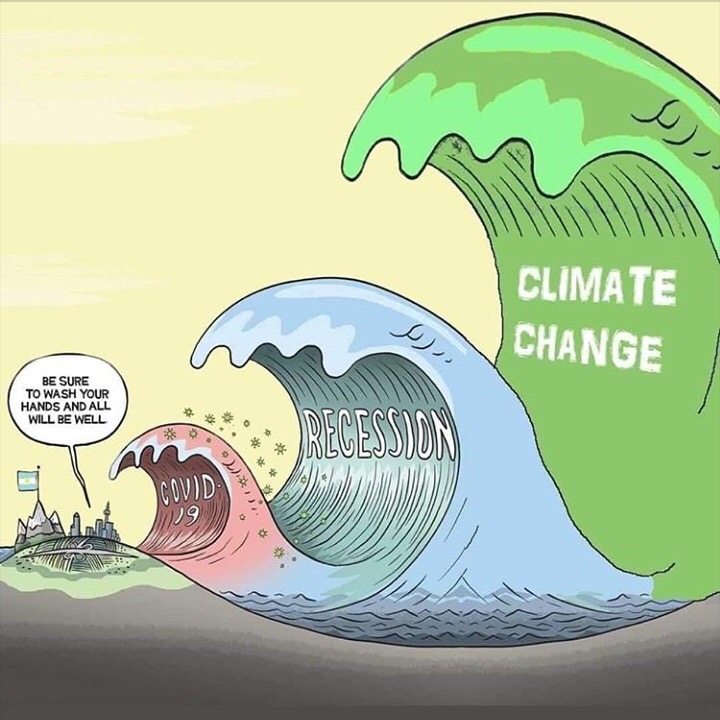
Reality would ruin our life if we didn’t have the illusion.
Illusions work better than pills
regards and good night, Venus
Filed under: GENERAL NEWS - International / National / Regional | Leave a comment »

Filed under: GENERAL NEWS - International / National / Regional | Leave a comment »
Filed under: GENERAL NEWS - International / National / Regional | Leave a comment »

This is just a test post as we have had some computer problems – but it is very latest news and current – Regards Mark
Livestock company still hopes to find a buyer for animals on board ship for two months, after rejection by Turkey and Libya
The manager of a ship that has spent months at sea with hundreds of cattle on board has accused Spanish officials of failing to answer his call for help and of threatening to kill all the livestock if the ship enters port.
The Karim Allah is one of two vessels that left from different ports in Spain before Christmas to deliver cargoes of young bulls, but were refused entry by various countries including Turkey and Libya, owing to suspected outbreaks of the bovine disease bluetongue onboard both ships.
The vessel is owned by Khalifeh Livestock Trading and managed by Talia Shipping Line, both based in Lebanon, while the cattle are owned by a third party. The ship took 895 male calves on board at the Spanish port of Cartagena in mid-December and sailed for Turkey.
However, the Karim Allah’s manager told the Guardian that a mistake on the Spanish government’s animal health paperwork led Turkey to reject the cattle, fearing they may be infected with bluetongue.
Attempts to sell the animals to buyers in Libya also failed and the Karim Allah eventually travelled back to Spain. The ship has been docked just outside Cartagena since Sunday. Only 15 animals are dead, the manager said, and the rest are in good health.
“We remain at anchor outside Cartagena port because first the Spanish authorities told us we could not enter. That was on Sunday or Monday,” said Majed Eid, Talia Shipping Line director.
“Then the Spanish authorities said we could enter [the port] but that all the cattle – they are all bulls about seven to eight months old – must be slaughtered,” said Eid. There has been no mention of vets inspecting the ship or testing for bluetongue, he added.
“We do not want to slaughter the healthy animals. That is the proof of the good care we have taken, only 15 dead after more than 60 days at sea. We expected people to thank us, not criticise us,” he said. “We are crying out for help but the Spanish government is not helping us. No one is helping us.”
Eid said the cattle shipment first ran into problems in Turkey due to an error in the Spanish authorities’ paperwork. “That was why the cattle were not accepted in Turkey or Libya, due to fears they might have come from a bluetongue area.”
Eid said the priority was to test the cattle so healthy animals can be certified and new buyers found. “We want to do blood tests to prove they are free of bluetongue then we can find a buyer. We don’t want to kill healthy animals. We expected Spain would want to help us with the blood tests but they are not helping, it’s very complicated.”
Miquel Masramón, a lawyer for Talia Shipping, said that blood samples were taken by a private company from some cattle on the ship on Wednesday evening. “According to the vet team no symptoms of bluetongue were found and test result will be known in 24 to 48 hours,” he said.
Legal documents, received last week by Masramón from the Spanish Animal Health Authority and seen by the Guardian, say the cost of slaughtering cattle re-entering Spain in this situation must be borne by the companies involved.
Masramón estimates the cost of slaughter and carcass disposal will be more than €1m (£860,000). “This should be added to the losses already suffered with unpaid demurrage [a charge payable to the owner of a chartered ship on failure to load or discharge the ship within the time agreed] and expenses which we estimate now at another €1m,” he said.
Maria Boada Saña, a vet with the NGO Animal Welfare Foundation, said it was good news that so many cattle were still alive. But she said it was unlikely the animals were in good health. “They might not have bluetongue, but that does not mean they are healthy,” she said.
Boada Saña said she believed slaughter, rather than another attempted sale involving further sea transport, was a better option for the cattle. “We are calling directly for euthanasia. They have been adrift for two months. The [animal] transports we see might take a week or so and that already means the animals arrive in poor condition, so imagine two months.”
On Thursday, a spokesperson for Spain’s agriculture ministry said the Karim Allah was free to enter Cartagena if it wished, but would not comment on the legal documents sent to Talia Shipping indicating the cattle would have to be immediately slaughtered.
A second livestock ship, Elbeik, which left the Spanish port of Tarragona carrying 1,776 animals on the same day as the Karim Allah, is at anchor in Turkish waters off the coast of Cyprus. It too was turned away by Turkey and Libya due to bluetongue fears.
On Tuesday, a spokesperson for Spain’s agriculture ministry described the ships’ plight as a “failed operation by a Spanish exporter, who was going to sell the animals in Turkey, then tried unsuccessfully to sell them in Libya”.
The spokesperson added that the Karim Allah, “now arriving in Cartagena, left Spain with animals that had the corresponding health certificates and which were from areas free of bluetongue. The animals therefore left the port of Cartagena in good health.”
Masramón told Spanish media that the certificates noted that some of the cattle were from Aragon, one of the regions that saw an outbreak of bluetongue late last year. As it couldn’t be shown that the cattle came from a place that was more than 150km from the source of infection, the cargo had been rejected. He confirmed they had been able to obtain fodder for the animals in Sicily, but not unload them.
The ministry has said the Elbeik was also carrying cattle from bluetongue-free areas.
In a second statement on Thursday, the agriculture ministry said: “The master of the vessel Karim Allah has been requested to take appropriate measures to allow inspectors to board the vessel safely. This request has not been complied with by the captain of the ship by the deadline, which was today, 25 February, at 11am.”
It added that Spanish maritime officials have now, “prohibited the ship Karim Allah from leaving the port until the appropriate inspections and actions have been carried out on the vessel.”
Filed under: farm animals, GENERAL NEWS - International / National / Regional | Leave a comment »
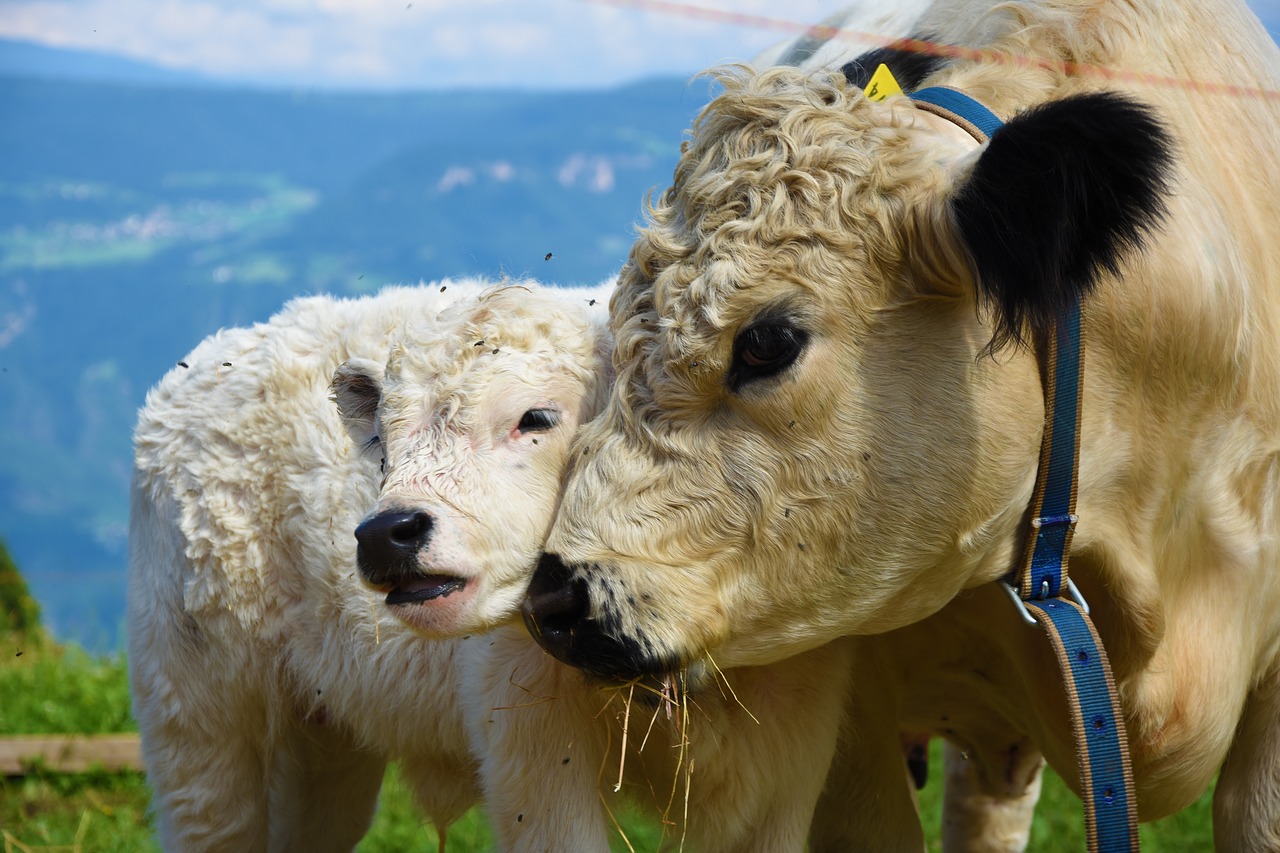 Image: pixabay.com
Filed under: GENERAL NEWS - International / National / Regional | Leave a comment »
Filed under: GENERAL NEWS - International / National / Regional | 1 Comment »
Filed under: GENERAL NEWS - International / National / Regional | 1 Comment »
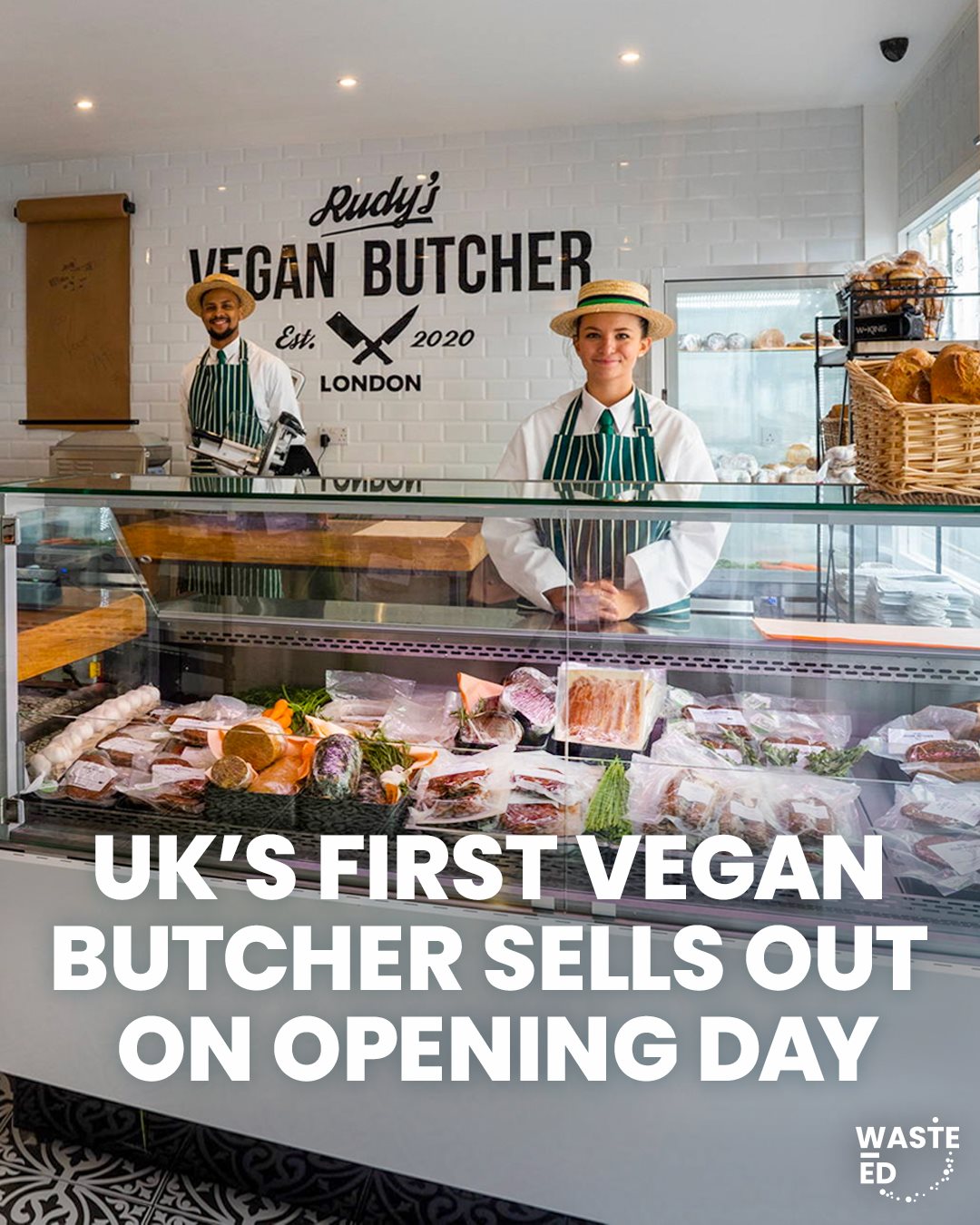
 @rudysdvd via IG
Filed under: GENERAL NEWS - International / National / Regional | Leave a comment »

 Serbian Animals Voice (SAV)
 Serbian Animals Voice (SAV)