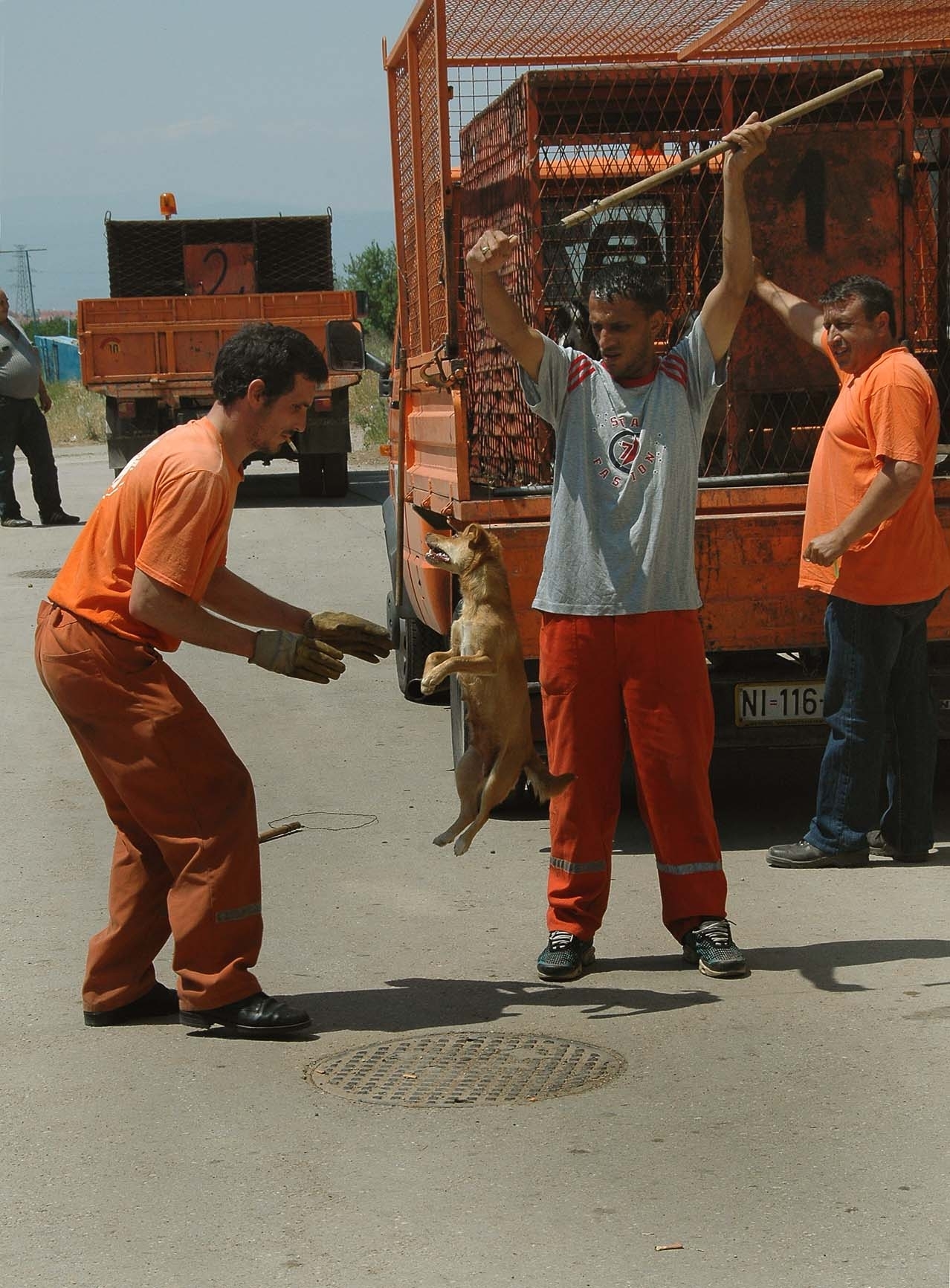
Serbia: 27/8/13 – Campaigners Now Ask Agriculture Ministry for Full Listing of Serbian Cat and Dog Shelters – In Accordance With the Law.

Serbian  Flag

zaj2

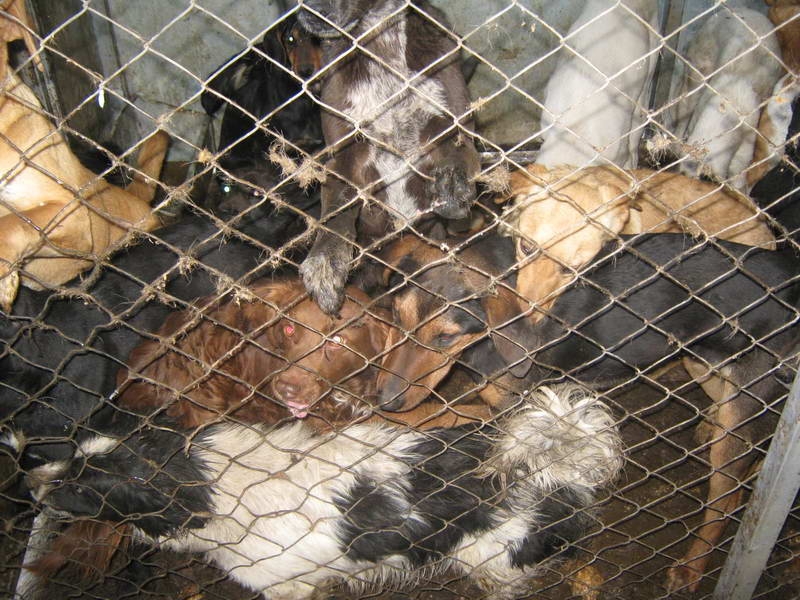
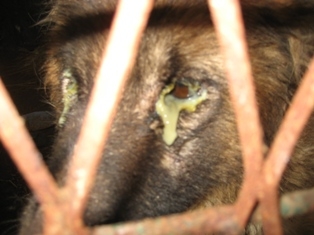
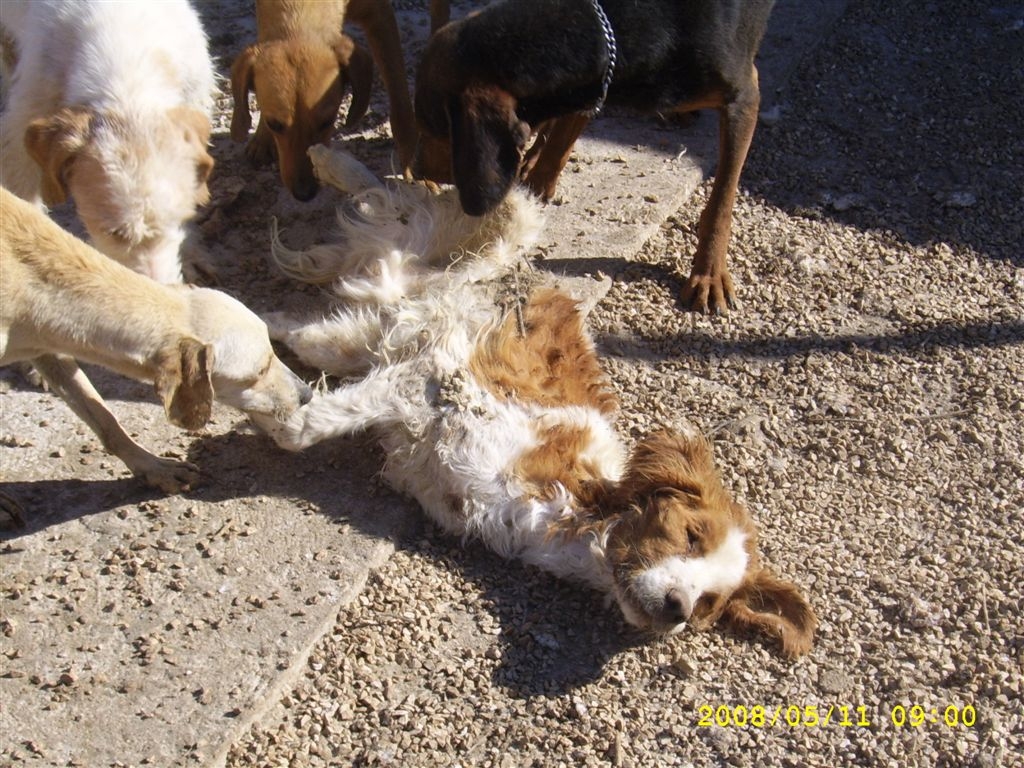
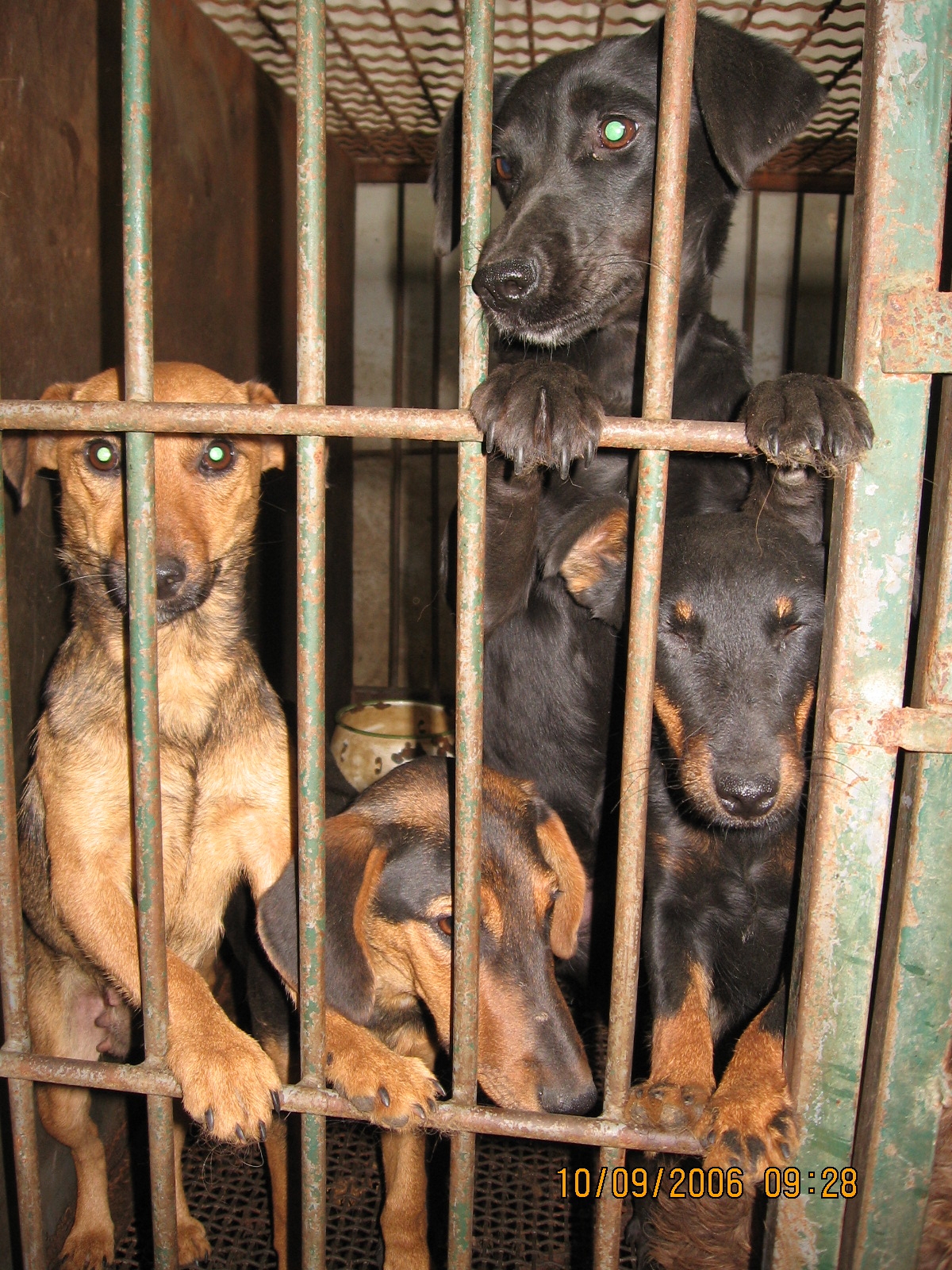
Campaigners in Serbia have now written to the Ministry of Agriculture requesting that they be sent a full listing of / documentation associated with all cat and dogs shelters within Serbia; and as with the requirements of the new legislation, information of the condition of each of these shelters.

It will be very interesting to see what, if any, response, is given back to the campaigners by the Ministry.

We will watch the situation and can provide any information / no information on to MEP Keith Taylor if applicable, in order that he can further use the evidence whilst gaining support from other MEP’s a round the EU.

Link:  https://serbiananimalsvoice.com/2013/08/07/england-uk-sav-works-with-very-supportive-english-green-party-mep-to-ask-serbian-authorities-about-serbian-animal-welfare-especially-shelter-azil-alex/

check lista za prihvatiliste 01 (1)check lista za prihvatiliste 02check lista za prihvatiliste 03jpgcheck lista za prihvatiliste 04jpgcheck lista za prihvatiliste 05jpgcheck lista za prihvatiliste 06jpgcheck lista za prihvatiliste 07jpgcheck lista za prihvatiliste 08jpg (1)check lista za prihvatiliste 09jpg (1)

shepherd

shelter 1

Diana2

Shinter 1

UK: Live Animal Exports. See CIWF Undercover Footage. Tell David Heath MP To Change the (UK) Law – He CAN Do It Without Affecting EU Law. But Will He Continue to Hide Behind the ‘Blame the EU’ Curtain ?

England

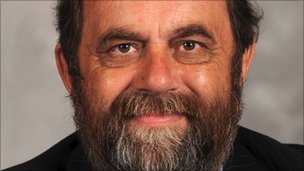
David Heath BBC

UK Minister for ‘Animal Welfare (Huh !) – David Heath – Photo: BBC.

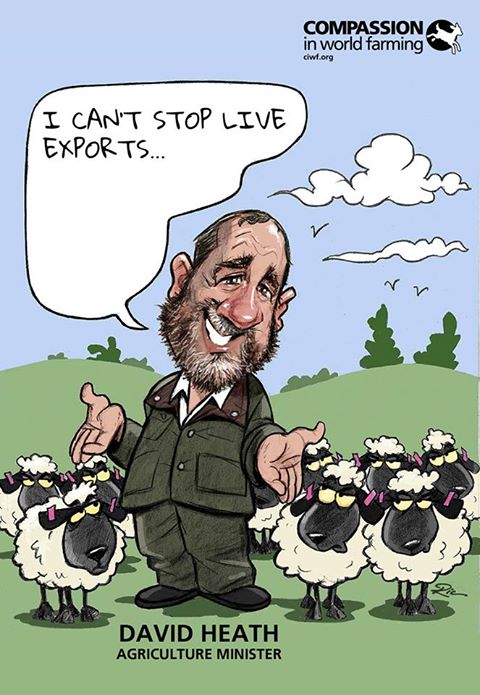
David Heath I cant Stop

The man who will not stop live exports – Cartoon – CIWF.

This is David Heath, the UK Minister at the UK Ministry of DEFRA, and who says he cannot stop the live exports of animals from the UK, as the EU will not allow it.

This is incorrect and he does not want to change things; he only wishes to keep blaming the EU saying why his hands are tied.  He could take action to change UK legislation, but he will not.

ACTION:

Live exports: Tell David Heath to stop hiding behind EU law

A UK law that is over 160 years old, the ‘Harbours, Docks and Piers Clauses Act 1847’, means that public ports across Britain have no say in whether they wish to accept the trade in live animal exports. 

This is pathetic, and is a law passed soon after the Battle of Waterloo !! – we say that now in 2013 it is time for change !

We know that many UK Port Authorities would rather not allow shipments of live animals. But as long as this outdated legislation remains on the books, their hands are tied.

The UK Farming Minister, David Heath MP, needs to have some guts and stand up and take a lead on this issue by amending the 1847 Act. He has the power to make a significant change for farm animal welfare.

But David Heath and his colleagues at Defra, the Government Department that oversees live exports, don’t seem to understand what we are calling for. They believe that amending the 1847 Act would be a ban on live exports – and illegal under EU law.

Yes, current EU law prevents the UK government from banning live exports altogether.

BUT if local authorities were given more power over the trade they allow through their ports (using an updated act of law) this could still end live exports

and it would be perfectly legal under EU law.

What is the 1847 Act?

The Harbours, Docks and Piers Clauses Act states that all ports must allow the free trade of goods: if someone pays the fee to use the Port, they must be allowed to ship their goods. Astonishingly, live farm animals are still classified as goods.

So, by law all British ports must allow lorries full of animals to pass through, even if the ports don’t agree with the trade. This law is over 160 years old. It’s high time that this law is amended.

Please visit our good friends at CIWF to take further action about this:

http://action.ciwf.org.uk/ea-action/action?ea.client.id=119&ea.campaign.id=21798&ea.tracking.id=05bb9ddb

If you want to send us (SAV) a caption to go at the end of the above cartoon of David Heath MP, then please do so.  Send via the ‘Contact Us’ link.

We will publish those which are good and which are not abusive – anything that is like this will not be shown.  Keep it clean but using the above information, keep it accurate.

CIWF Undercover Footage – the EU has NO ‘Ag Gag’ fortunately.

Go to http://www.ciwf.org.uk/  to see undercover footage investigation of calves being exported from the UK to mainland Europe.

Note – investigators voice and identity has been changed for this report.

This is the reason why so many UK citizens have been protesting at Ramsgate port in the recent past; and now Dover, as the live animal exports have now changed to this facility.

View the 3rd August Dover demo at:

https://serbiananimalsvoice.com/2013/08/05/england-uk-dover-live-exports-demo-report-for-august-2013-with-video-link-at-end-watch-the-speakers/

KAALE in Kent, England are a major campaign group against live exports.  Mark, SAV founder, is the EU and media correspondent also for KAALE. 

Visit the KAALE website at:  http://www.kaale.org.uk 

See some photos of Ye old Historic Kent County – the ‘Garden of England’, at:

http://www.google.co.uk/search?gs_rn=24&gs_ri=psy-ab&cp=3&gs_id=2a&xhr=t&q=utc&bav=on.2,or.r_qf.&bvm=bv.50500085,d.d2k&biw=1231&bih=571&um=1&ie=UTF-8&hl=en&tbm=isch&source=og&sa=N&tab=wi&ei=OFUFUsSMM6zP0AXrr4CIDQ#bav=on.2,or.r_qf.&fp=6a59fc1a3845674d&hl=en&q=kent+england+images&sa=1&tbm=isch&um=1

The following pictures are all by Val who is the official photographer for KAALE

They show live animal exports from the UK ports of either Ramsgate or Dover, both in Kent County, England.

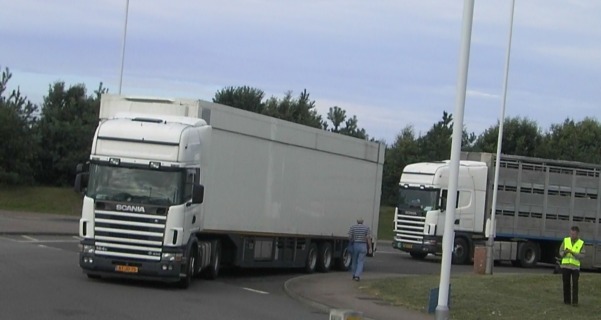
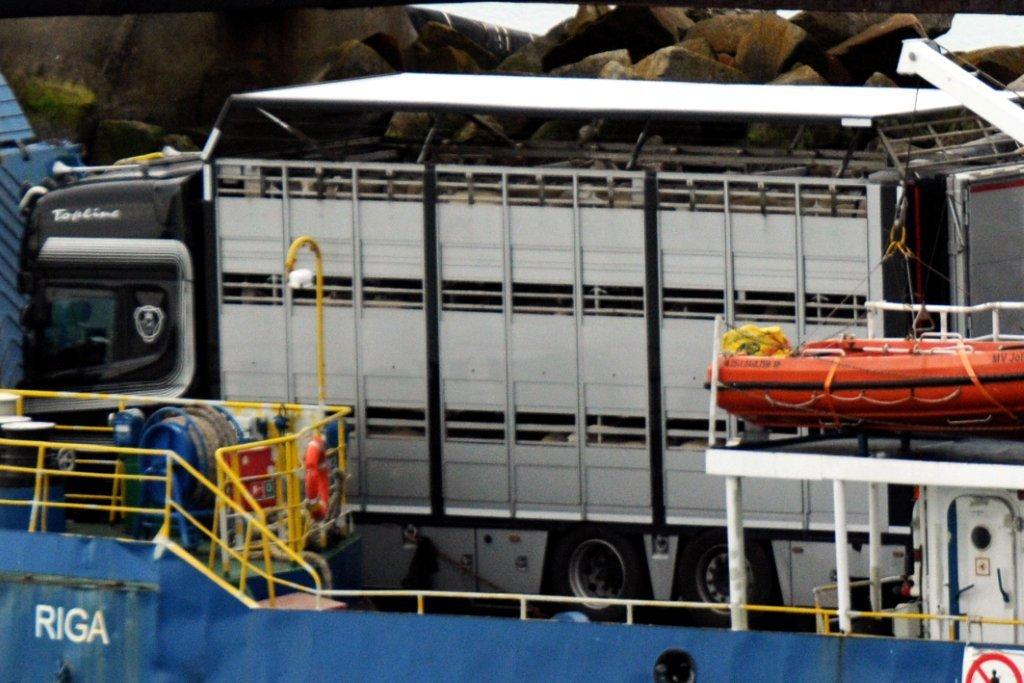
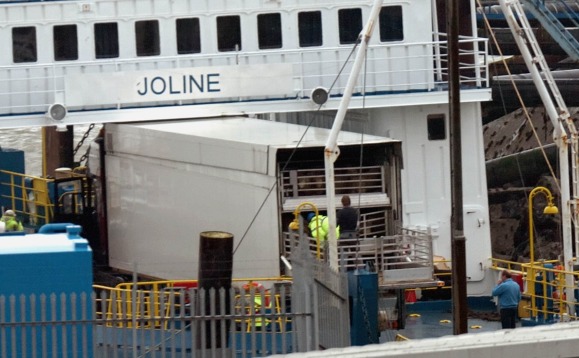
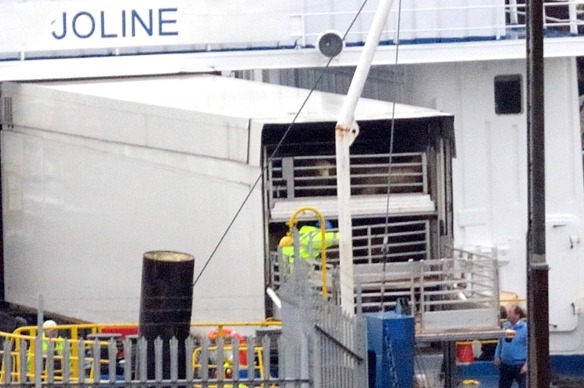
The most annoying thing about it all is that NO UK people are involved with the exports.  It is run by a Dutchman named J. Onderwater and often involves calves travelling from Ireland to mainland Europe, simply using the UK as a ‘land bridge’.  Onderwater operates the vessel ‘Joline’ which is a simple barge; a throwback from the Cold war days with the Soviets when it was used as a battle tank carrier.  Now the ‘Joline’ carries live animal transporters from Dover port in the UK (England) to Calais in France.  British people in general are outraged at this, and the want the UK government to step in and amend the 1847 Act so that UK ports can refuse the trade in live animals.

But David Heath will not act; and so most British people hate him as he always wants to blame Europe about legislation when in fact he could amend UK law if he wished.  He does not have the guts to do it.  But people vote, and they will let him know their feelings at the next general election.

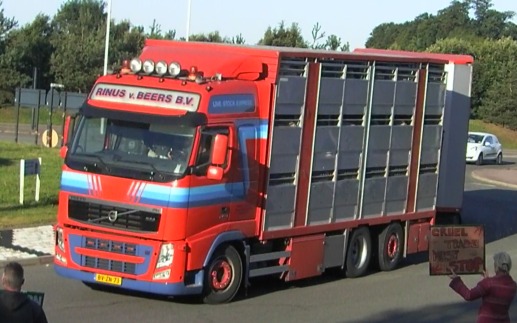
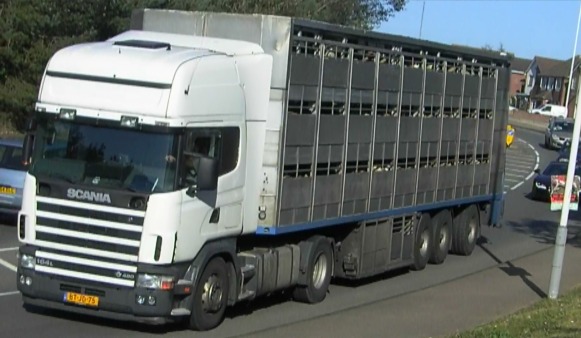
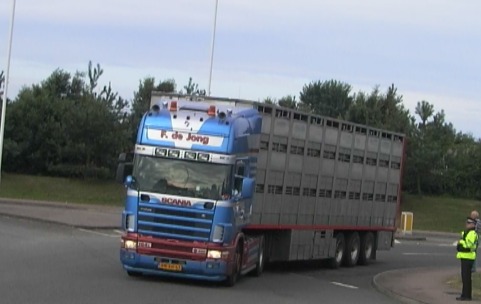
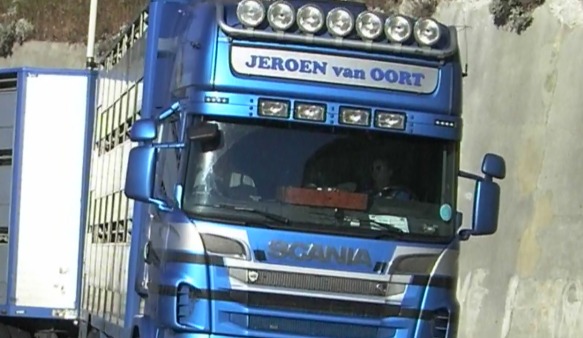
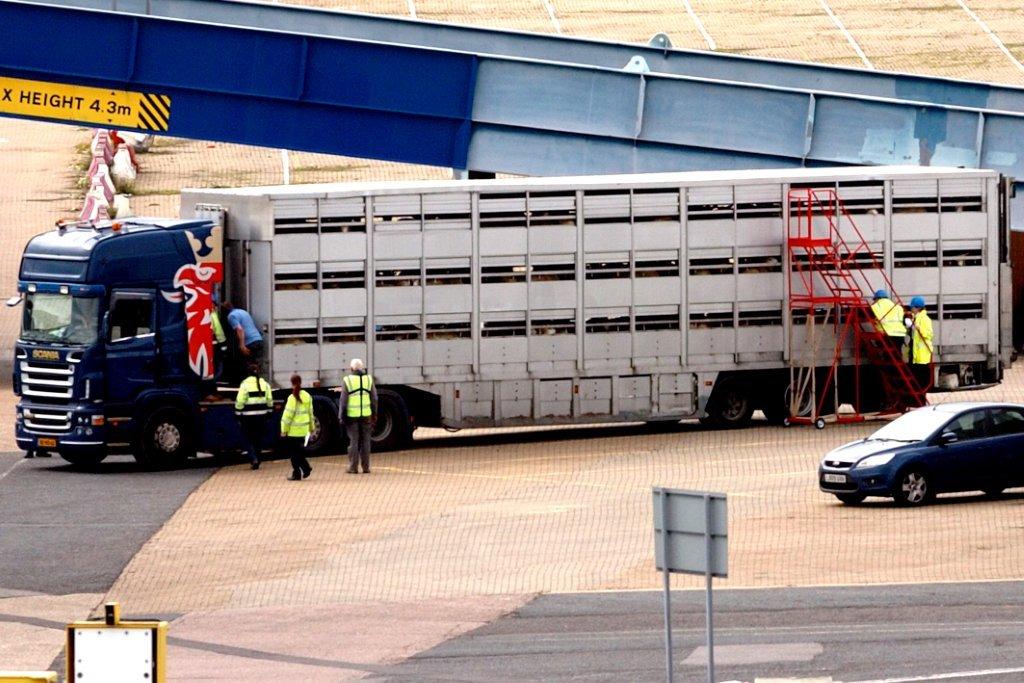
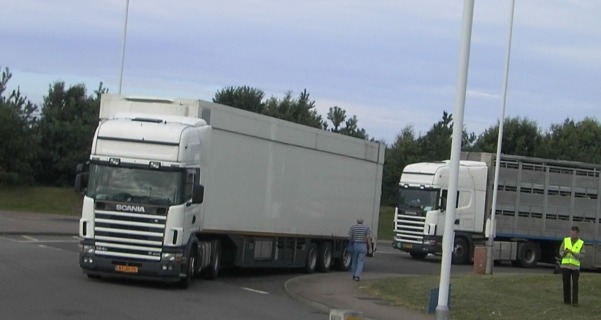
Below are Dutch transporters on UK roads – the Dutch have yellow number plates on the front – UK have white.

B12(1)

B13(2)

B13(1)

B16

B9(2)

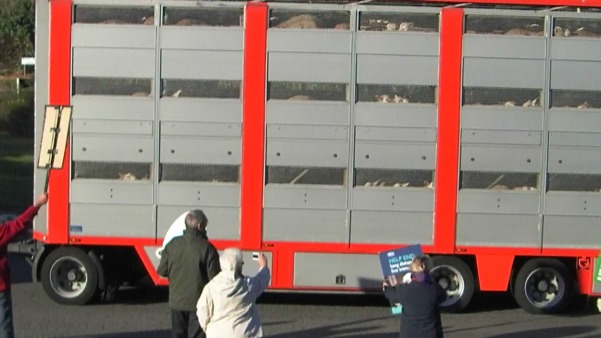
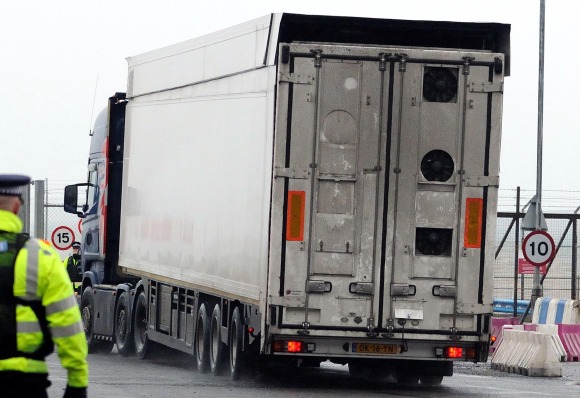
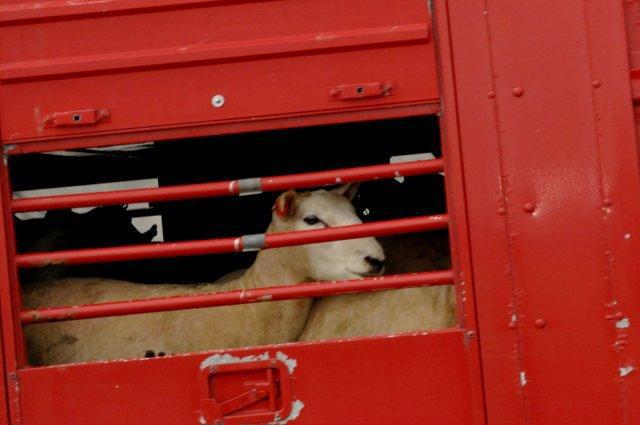
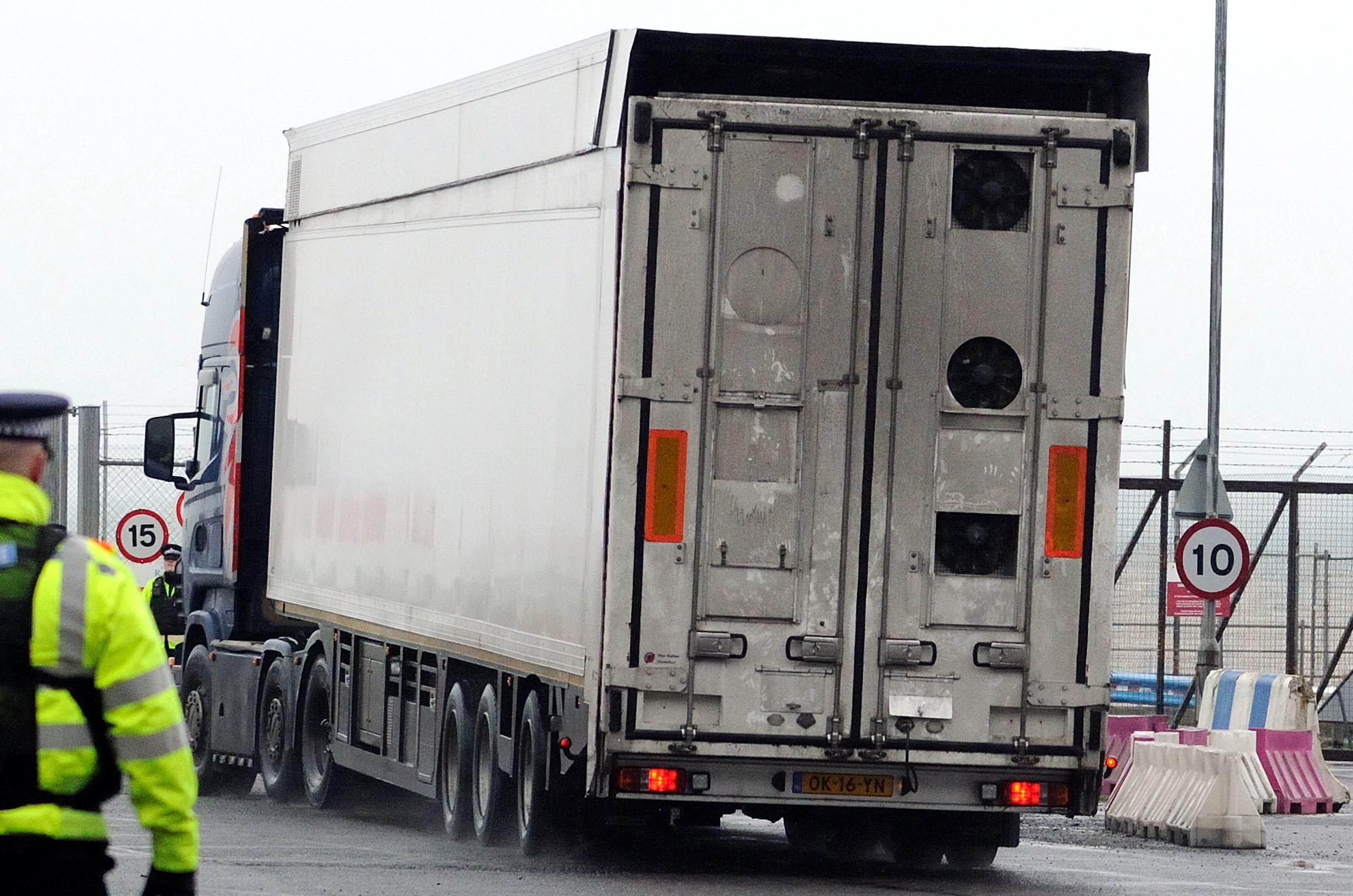
Below – Live sheep are sometimes carried in ‘sealed box type trailers’ – used in the EU but not the UK

B10(1)

B2

2.Dec.17

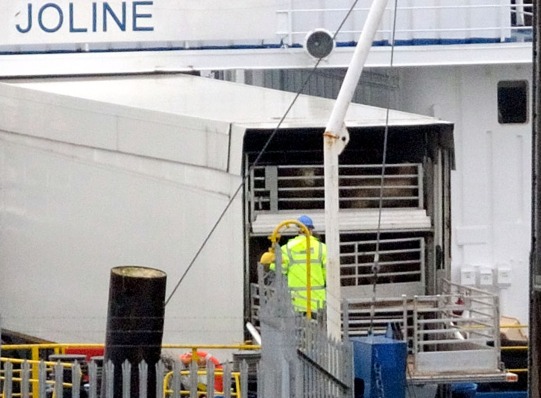
Below – the ‘Joline’ takes on animal transporters

0ValCameron4486_0808120ValCameron4459_080812

B10

Below – A dutch transporter carrying live sheep enters Ramsgate port

BZ.HX.63

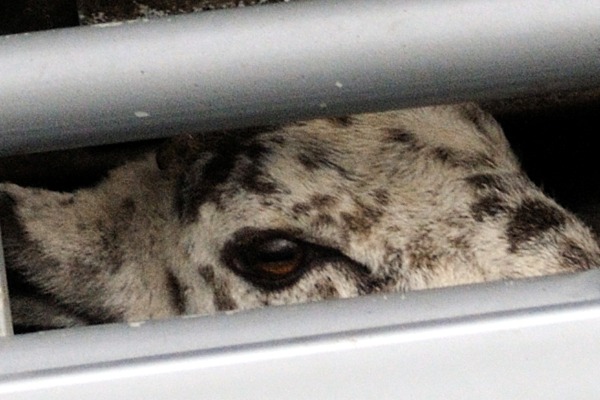
Below – Live sheep being checked by UK authorities inside the sealed box trailer (at Ramsgate)

Lesley.last.4

Lesley.last.2

Below – the ‘Joline’ photographed whilst crossing the English Channel to France.

Note the ‘sealed box trailers’ on the deck.

Joline.4

Joline.12(1)

Joline.12

ValCameron0060_080812 (1)

ValCameron_0013_220513VC11

VC9

All photos by Valerie Cameron – KAALE

Please visit KAALE at http://www.kaale.org.uk  for all the latest and lots more pictures and reports.

Vita KAALE Logo 9 9 2011VITA Photo

Vita KAALE !!

Some Previous posts:

https://serbiananimalsvoice.com/2013/03/20/uk-england-live-exports-update-latest-news-20th-march-2013/

https://serbiananimalsvoice.com/2011/10/20/uk-england-kent-action-against-live-exports-kaale/

https://serbiananimalsvoice.com/2012/10/04/uk-england-the-live-export-saga-continues-but-after-a-quick-attempt-at-ipswich-exports-have-stopped-once-again/

https://serbiananimalsvoice.com/2013/02/17/uk-england-the-live-animal-export-battle-continues/

https://serbiananimalsvoice.com/2013/01/24/uk-netherlands-uk-live-export-policing-goes-over-400000-in-18-months-nl-new-film-released-re-eu-long-distance-live-animal-transport-investigations/

https://serbiananimalsvoice.com/2012/12/22/uk-england-eu-live-animal-export-campaign-for-better-animal-welfare-grows-in-strength/

https://serbiananimalsvoice.com/2012/12/10/uk-the-live-animal-export-debate-gets-hotter-uk-parliament-debate-on-131212-rspca-issue-formal-brief-on-their-views/


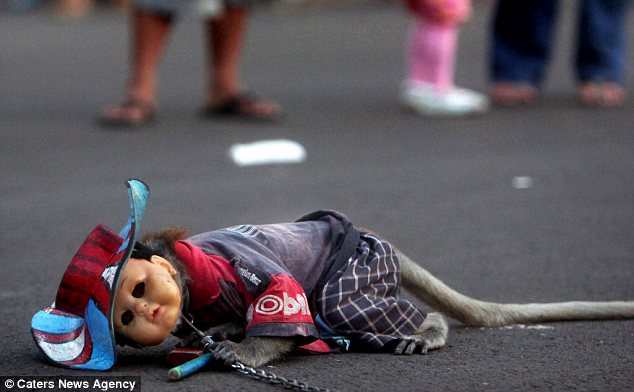
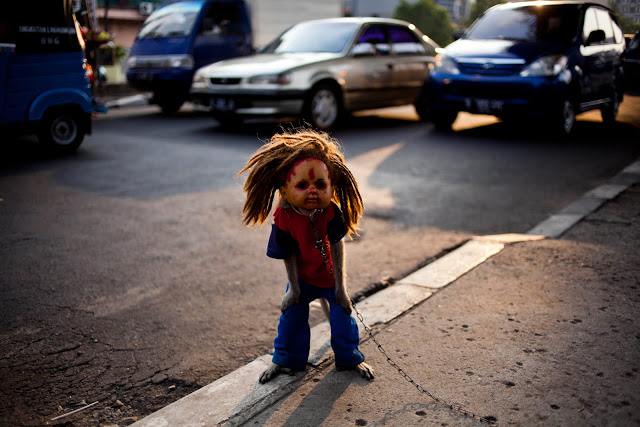
Indonesia: Ban The Masked Begging Street Monkeys ! – Petition and Sample Letter.

Indonesia

What pathetic Minister for the Environment allows this kind of animal abuse / suffering on a daily basis ? –

Please sign the petition and write now using the sample guide below.

indonesia 3Photo: Carters news agency

Petition Link:

http://www.thepetitionsite.com/728/456/424/stop-masked-street-monkey-exploitation/

Please Sign NOW !

Further information:  http://therightsoftheanimals.blogspot.co.uk/2012/10/cruelty-behind-mask-of-jakartas-monkey_10.html

If you wish to write, here are contact details:

To: dana@menlh.go.iddanakartakusuma@gmail.comcrony@embassyofindonesia.org


Subject: FW: Ban Masked, Begging Street Monkeys in Indonesia
Date: Sat, 27 Jul 2013 23:05:16 +0200

Mr. Dana A. Kartakusuma
Ministry of Environment
JI. D. I. Panjaitan Kebon Nanas
Jakarta – 13410
Indonesia
Tel: + 62 21 851 7148, + 62 21 8590 4937
Fax: 011 62 21 851 7147

Mr. Wiwit Wirsatyo
Minister, Deputy Chief of Mission
Embassy of Indonesia
2020 Massachusetts Avenue, NW
Washington, DC – 20036
USA
Tel: +202 775 5304; 202 775-5216
Fax: +202 775 5217

Dear Sir,

Masked street monkeys in Jakarta, Indonesia are forced to wear bizarre costumes and give street performances as their owners collect money from spectators.
The emaciated long-tailed macaque monkeys are made to wear doll masks, wigs, and clothes and perform human tasks such as riding bikes, rocking horses and scooters.

Many are brutally trained to walk upright by being hung upside down, or having their hands tied behind their backs. In the first two weeks of being trained to perform cruel circus activities, countless monkeys suffer incredibly and die.

Animal activists in Jakarta have said the practice is cruel, and illegal. 
I ask the Indonesian government to stop this cruel exploitation.

Further information and lots of photographs at:  http://therightsoftheanimals.blogspot.co.uk/2012/10/cruelty-behind-mask-of-jakartas-monkey_10.html

indonesia 1

indonesia 2

England: July ‘Elephant Family’ Latest News – Excellent Video To Watch – Then Take Action – All Links Provided In this Post.

England

ef_logo_0

Here is the latest news from the Elephant Family who are based in London, UK.


Please watch the excellent video and then send your message to the Indonesian government by clicking on the link given below under ‘Update on Sumatra’.


Sign up to get your free e news by clicking on this link –

http://www.elephantfamily.org/how-you-can-help/E-news


Website = http://www.elephantfamily.org/


Raja’s Fund – in memory of the baby elephant chained to a treehttp://www.elephantfamily.org/what-we-do/campaigns/raja/


The following is repeated directly from the Elephant family:


Update on Sumatra

 Last month Elephant Family and the Ecologist Film Unit set out to document the extreme threats to the critically endangered Sumatran elephant.

The short and powerful documentary can be viewed here.

Indonesia’s Ministry of Forestry is close to accepting a proposal that would open Aceh’s pristine forest for mining, logging, and palm oil production. Over 1,700 of you have signed a letter to urge them to drop this proposal that would destroy over a million acres of vitally important elephant habitat. Thank you!

If you have not already signed and shared the letter at this link, please do so now, it only takes 30 seconds.

Please TAKE ACTION NOW – tell the Indonesian government to STOP THIS PLAN.

Read more about the Sumatra appeal in this week’s Conservation News.


Serbia: Is Rabies Now Being Invented by the Ministry Yet Again In Order to Undertake Mass Animal Killings ? – Maybe, As Serbia Has NOT Officially Informed the OIE of Any Outbreak, Which It Should If A Reality !

Serbian  Flag

UPDATE 17/7/2013.

SAV have today written to the Serbian authorities regarding the alleged Rabies outbreak in Zabrezje and the hunting grounds ‘Posavina’.

You can read a copy of the letter by clicking on the following link:

SAV Rabies letter to Serbian government 17 7 2013

Slavica has supported the distribution of the SAV letter by ensuring that copies are sent to all the appropriate personnel at the Ministry and in government.  We have requested a response by the end of 19/7.  Again this can be sent by the authorities to Slavica, who will then forward on to us.  Alternatively, the authorities have our e mail address and can respond to us directly.

We hope the letter makes our feelings on this matter clear.

Regards Mark.


—————————————————————————————————

Original post starts here.

We call on the Serbian government and regional authority to either provide all the information to the OIE about this alleged ‘Rabies’ outbreak, or if they do not, then we can only assume one thing once again – that the Serbian government is again ‘inventing’ disease outbreaks within Serbia in order to undertake the mass and illegal killing of animals. –  SAV.

News in fro Slavica – 16/7/13:

The Ministry of Agriculture, Forestry and Water Management of Serbia have adopted legislation No. 323-02-5571/2013-05 from the date of 10/07/2013 which applies to the area of Zabrezje in Obrenovac, and in the hunting grounds “Posavina”.

It declares that the area is infected with the disease Rabies.

An area of at least 10 km is declared to be in danger of this infectious disease – rabies.

And so as the Serbian authorities always wish because they do not have any useful animal management policies, according to the decision of the Ministry of Agriculture, Forestry and Water Management, all unmarked and unvaccinated stray dogs and cats will be killed, and there will be increased hunting allowed of foxes and other wild animals who are living in this area.

Campaigners in Serbia have asked in writing that the Serbian authorities to PROVIDE EVIDENCE ABOUT RABIES PUBLICLY!

By going public, you have to provide the proof; put all your facts on the table for people to see – you cannot simply make a ‘Rabies area’ statement and then go on by allowing the legal the killing of all stray animals.

Our request is that the Serbian Ministry of Agriculture, Forestry and Water Management work in accordance with the law solve this problem rather than just inventing the issue of rabies yet again in order that they can then start killing all wild animals.!

Stray animals, as well as wild animals, should not be killed before any accurate analysis is undertaken to determine the facts.  These facts should then be made public.

Have we not seen the ‘invention’ of Rabies infected areas in the past in order that regional authorities can simply undertake a mass cull of animals rather than provide a proper stray animal management for reduction ?


Here is the link to global animal diseases which is constantly updated by the OIEnote that the issue of Rabies and Serbia does NOT appear to be given on the listing: 

http://www.oie.int/wahis_2/public/wahid.php/Diseaseinformation/WI

As we say, probably just another ‘invention’ by the authorities to allow them to undertake mass and illegal animal killings.

Some of our past post relating to the ‘invention’ of rabies in areas where authorities wish to undertake mass killing of animals in order that they do not have to comply with existing Serbian legislation and provide care for stray animals:

https://serbiananimalsvoice.com/2010/05/27/serbia-rabies-across-the-nation-legally-allows-animals-to-be-killed-but-has-the-oie-been-informed-by-the-serbian-ministry-of-these-alleged-nationwide-outbreaks-or-just-a-creational-excuse/  

https://serbiananimalsvoice.com/2010/12/19/serbia-zajecar-city-stray-dog-capture-using-the-false-declaration-of-rabies/

https://serbiananimalsvoice.com/2010/07/11/serbia-time-to-now-ask-the-oie-for-the-balkans-regions-about-rabies-in-serbia-sample-letter-to-be-sent-before-270710-please-act-immediately-to-stop-mass-animal-killing/

https://serbiananimalsvoice.com/2010/06/02/serbia-loznica-city-further-rabies-necessary-killings-by-hunters-and-shinters-acting-under-orders-from-government/

https://serbiananimalsvoice.com/2010/03/19/serbia-190310-zajecar-city-alleged-rabies-outbreaks-without-informing-the-oie-gives-authorities-excuse-for-mass-stray-killings/

https://serbiananimalsvoice.com/2010/03/09/serbia-many-cases-of-rabies-throughout-the-country-but-is-the-serbian-government-reporting-this-to-the-oie-world-organisation-for-animal-health-as-they-should-maybe-not/

https://serbiananimalsvoice.com/2010/01/20/serbia-is-rabies-currently-being-used-as-an-excuse-by-the-government-to-slaughter-thousands-of-stray-dogs-and-wild-species/ 


SAMPLE LETTER TO COPY AND SEND

         if you wish please copy the link to this post and also send this to the authorities – as proof that we know this has happened many times before; and yet, the OIE who are the very people who should be informed about Rabies outbreaks – NEVER ARE !

https://serbiananimalsvoice.com/2013/07/16/serbia-is-rabies-now-being-invented-by-the-ministry-yet-again-in-order-to-undertake-mass-animal-killings-maybe-as-serbia-has-not-officially-informed-the-oie-of-any-outbreak-which-it-should-if/


OIE Rabies links:

http://www.oie.int/animal-health-in-the-world/self-declared-disease-status/  

http://www.oie.int/animal-health-in-the-world/rabies-portal/

http://www.oie.int/animal-health-in-the-world/rabies-portal/about-rabies/

08/07/2013 Greece notifies one rabies outbreak
In a follow-up report sent to the OIE, Greece notified that one outbreak of rabies has occurred in the Pella region
. A dead fox has been found in the framework of the programme of rabies passive surveillance. 

BUT NOT SERBIA !! – how very strange.

http://www.oie.int/fileadmin/Home/eng/Media_Center/docs/pdf/Disease_cards/RABIES-EN.pdf


Please copy and send the following sample letter to the following:


To:  komunalno.stambeno@beograd.gov.rs, zorica.novakovic@minpolj.gov.rs, budimir.plavsic@minpolj.gov.rs, maja.andrijasevic@minpolj.gov.rs, s.celebicanin@minpolj.gov.rs, miroslav.cuckovic@obrenovac.org.rs, dragoslav.mrsevic@obrenovac.org.rs, ivan.jegorovic@obrenovac.org.rs, dragan.blazic@obrenovac.org.rs,

Cc: beogradski_program@rts.rs, rtstv@rts.rs, tvprogram@studiob.rs, redakcija@politika.rs, redakcija@novosti.rs, redakcija@nin.co.rs, redakcija@vreme.com, redakcija@blic.rs, redakcija@alo.rs, desk@danas.rs, redakcija@24sata.rs, redakcija@dnevnik.rs, redakcija@kurir-info.rs,


SAMPLE LETTER to copy and send to the above addresses:

 Ministarstvo poljoprivrede, sumarsta i vodoprivrede Srbije donelo je resenje br. 323-02-5571/2013-05 od 10.07.2013. godine kojim podrucje mesta Zabrezje, u opstini Obrenovac i u lovistu “Posavina”, proglasava ZARAZENIM OD ZARAZNE BOLESTI BESNILA.

Podrucje od najmanje 10 kilometara od zarista proglasava se ugrozenim od zarazne bolesti besnila. Prema odluci Ministarstvo poljoprivrede Srbije bice ubijeni svi neobelezeni i nevakcinisani psi i macke bez vlasnika i bice pojacan odstrel lisica i drugih divljih zivotinja koje zive na tom podrucju.

Molimo nadležne da JAVNO PRUZE NA UVID DOKAZE O BESNILU! Na ovaj nacin se ne moze legalizovati ubijanje zivotinja bez vlasnika, umesto da se one adekvatno zbrinu.

Ovaj problem mora da se resi u skladu sa zakonom. Zivotinje bez vlasnika, kao i divlje zivotinje, ne smeju se lisavati zivota dok se ne uradi tačna analiza i utvrdi pravo cinjenicno stanje.

Molimo nadležne da hitno reaguju! Ne širite strah, paniku i mržnju prema životinjama.

Please add your name and country of nationality HERE

English TRANSLATION:


Ministry of Agriculture, Forestry and Water Management of Serbia adopted the legislation No. 323-02-5571/2013-05 from 10/07/2013 that the area of Zabrezje in Obrenovac, and in hunting ground “Posavina”, PROCLAIMS INFECTED WITH CONTAGIOUS ANIMAL DISEASE RABIES.

Area of at least 10 km declared to be in danger of infectious disease rabies. According to the decision of the Ministry of Agriculture, Forestry and Water Management, all unmarked and unvaccinated stray dogs and cats will be killed and will be increased hunting of foxes and other wild animals who are living in this area.

We ask Serbian authorities to PROVIDE THE EVIDENCE ABOUT RABIES PUBLICLY! With this method you cannot legalizing the killing of all stray animals, instead to take care of them.

Our request is that you in accordance with the law solve this problem! Stray animal, as well as wild animals, should not be killed before the accurate analysis is done and determine the facts.

England UK: Now You See It, Now You Don’t.

England

A report into how Dutch livestock hauliers operate within the UK has now been written by Mark – founder SAV.

This shows that it is quite possible that ‘LIVE ANIMALS’ signage which should be carried on the outside of the vehicle in accordance with EU Regulation 1/2005 (protection of animals during transport); may have only been visible at inspection times – place of origin when animals were loaded, and at Ramsgate when they were on the ship to be exported to France.

Read the full report by clicking on the following links:

Front Page

TEXT


B10(1)

Copy of Lesley last 1


Lesley.last.3


Very Interesting Article: The Experiment Is on Us: Science of Animal Testing Thrown into Doubt

 global animal.orgPhoto: http://www.global animal.org  

Taken from ‘About Us’ – see tab on this site.

Ref Mark Johnson – SAV Founder.

Mark was diagnosed with Multiple Sclerosis (MS) in 2000He is a supporter of forward looking (non animal medical) research

Animal testing is a thing of the past and should only be in history books now – and I say that as an MS sufferer; someone who wants a cure for something; but which will not come through animal testing, as animals dont have MS; so why artificially create it in them and then attempt to find a cure using them ? – it makes no sense.   Why not find out using genetics what makes animals different from us (autoimmune illness) and why they dont get MS and yet we do ?  – that to me is progressive research; not simply cutting up animals aka big pharma.

———————————————————————————————————–

Article Link: 

http://www.greenmedinfo.com/blog/experiment-us-science-animal-testing-thrown-doubt

The Experiment Is on Us: Science of Animal Testing Thrown into Doubt

Posted on:

Friday, June 28th 2013

Written By:

Pat Dutt and Jonathan Latham, PhD

 Originally published on Independent Science News and republished with permission.

New scientific research has cast grave doubt on the safety testing of hundreds of thousands of consumer products, food additives and industrial chemicals.

Everyday products, from soft drinks and baby foods, to paints, gardening products, cosmetics and shampoos, contain numerous synthetic chemicals as preservatives, dyes, active ingredients, or as contaminants. Official assurances of the safety of these chemicals are based largely on animal experiments that use rabbits, mice, rats and dogs. But new results from a consortium of researchers and published in the Proceedings of the National Academy of Sciences suggest such assurances may be worthless (Seok et al. 2013).

The results of these experiments challenge the longstanding scientific presumption holding that animal experiments are of direct relevance to humans. For that reason they potentially invalidate the entire body of safety information that has been built up to distinguish safe chemicals from unsafe ones. The new results arise from basic medical research, which itself rests heavily on the idea that treatments can be developed in animals and transferred to humans.

The research originated when investigators noted that in their medical specialism of inflammatory disease (which includes diabetes, asthma and arthritis), drugs developed using mice have to date had a 100% failure rate in almost 150 clinical trials on humans.

According to Kristie Sullivan, Director of Regulatory Testing Issues at the Physicians Committee for Responsible Medicine (PCRM), this is not unusual “about 90% of all pharmaceuticals tested for safety in animals fail to reach the market, or are quickly pulled from the market“. Wanting to understand why this might be so, the consortium decided to test the effects of various treatments that lead to inflammation, and systematically compare results between mice and humans. This postulated correlation across different animal species is sometimes known as the concordance assumption.

In a first set of experiments the researchers looked at acute inflammation in mice brought on by various stimuli. These stimuli were bacterial toxins (endotoxaemia), trauma, and burns.

To measure responses the authors quantified positive or negative changes in gene activity for thousands of individual genes. The researchers found that changes in activity of a particular mouse gene after treatment typically failed to predict changes in activity in the closest related human gene. This was not the expected result. If humans and mice are meaningfully similar (i.e. concordant) then gene activity changes in mice should have closely resembled those in humans after a similar challenge. But they did not.

In further experiments, the researchers identified another difference. While humans responded with similar patterns of gene changes to each of the three different challenges (trauma, burns, and endotoxaemia), mice did not. The three treatments in mice each resulted in a distinct set of gene activity changes. This confirmed the initial results in the sense that mice and humans responded differently. It also implied that the differences in gene response between mice and humans are attributable not so much to a lot of detailed ‘noise’ but to fundamental differences in the physiology of mice and humans in dealing with these challenges.

Next, the researchers examined the activity of specific biological signaling pathways after similar treatments. These too were highly divergent between mice and humans. Surprised by the consistently poor correlations between the two species, the authors then tested other human/mouse models of inflammatory diseases. Again, the similarity between mice and humans was low.

In summary, repeated experiments confirmed that, when it comes to inflammation, mice and humans have little in common, a finding important enough in itself given the prevalence of inflammation-related diseases in humans. These include allergies, celiac disease, asthma, rheumatoid arthritis, and autoimmune diseases.

Perhaps these results should not be a surprise. Concordance has been questioned by numerous researchers, some of whom have noted that mice are separated from humans by 120 million years of evolutionary change (Stoloff 1992; Greek and Swingle Greek, 2003; Mestas and Hughes, 2004; Knight, 2007). And, unlike humans, mice also suffer from different diseases, lack a gall bladder, have no menstrual cycle, have multiple births, differ in immune systems, lifespan and size, to name only a few dissimilarities.

Thus the Seok study is not the first to conclude that mice are poor models for human disease, but it is notable for being by far the most comprehensive. Combined with results of previous experiments, its conclusions suggest researchers should expect that mouse, and probably other animal testing, is of little use in advancing the treatment of human illnesses, including heart disease and cancer.

In other words, the public is probably being badly served by much of the money spent on medical research. According to PCRM’s Kristie Sullivan, “the National Institutes of Health is giving researchers billions of dollars every year for research on animals”. While missing out on potential cures, the public is also likely being exposed to dangerous or ineffective pharmaceuticals. Animal testing nearly prevented the approval of valuable drugs such as penicillin and subsequent antibiotics, but it did not prevent the thalidomide disaster of the 50s and 60s (Greek and Swingle Greek, 2003).

This finding of non-concordance need not mean the end of medical research. It could even herald a more promising and scientific era. Sullivan believes that medical researchers “simply take for granted that animal models are useful” even though other, and possibly better, techniques for studying human disease are available. These include greater emphasis on human clinical observation and making better use of cell cultures for research.

But wasteful and unproductive medical research is arguably a sideshow besides the misplaced confidence in the safety testing of environmental and household chemicals. While medical failures affect the unwell, chemical toxins have potential repercussions for everyone.

If animals are not useful predictors of important disease responses in humans it is unlikely they are useful as test subjects for toxicological safety. In other words, lack of concordance means that the synthetic chemicals that are found in industrial products, incorporated into food, and otherwise spread throughout the environment, are essentially untested. The regulatory process through which they passed was never a scientifically validated and evidence-based system, but now the evidence shows it to have been functioning as a system of random elimination. “We are not protecting humans” says Kristie Sullivan, noting that “even a National Academy study agrees that many toxicological tests are not human-relevant.”

There are potential alternative toxicological tests, but despite multi-billion dollar grants, and even a human on a chip, the science is still incomplete. Michael Hansen, Senior Scientist at the Consumers Union, has been contributing to recent discussions over replacing animals for the purposes of regulatory toxicology. He acknowledges that “we should be moving towards in-vitro cell-based models” for chemical risk assessments. But how this can be done is not yet clear. Hansen points out that not only is “there a technical problem of how to incorporate them into an overall risk assessment”, but also that “in-vitro alternatives have yet to be validated”. Nevertheless, he still believes specific uses for animal research remain: “for carcinogenicity, for example, mice are appropriate models”.

An interesting question, when an estimated 100 million mice are sacrificed each year for medical research and in toxicology, is why it took so long to test this fundamental assumption. The answer is that it has been tested before, though not nearly as rigorously as it could have been. And the results have, in the view of many, not supported the idea that animals reliably model human physiology (Knight, 2007; Dressman, 2007).

A different kind of answer is that animal research is now big business. One genetically engineered mouse can cost $100,000 while a mouse treadmill can set taxpayers back $9,600 (Greek and Swingle Greek, 2003). For medical researchers, animal research offers a steady income and a successful career pathway regardless of whether, as in the field of inflammation, experiments deliver practical benefits to patients. These are just some of the entrenched interests maintaining the animal testing system. Other prominent beneficiaries include the food and chemical industries which profit from the public perception of safety derived from animal testing.

Going back to the time of ancient Greece, we have used animals to teach us about the human body; however, it was not until 1937 — after 100 people died from taking Elixir Sulfanilamide — that Congress mandated drug safety testing on animals. Since then, literally billions of mice and other mammals have been sacrificed in a Faustian bargain—that their suffering was preventing human experimentation. Seemingly, that calculation was misguided from the start.

The failure of animal experiments to predict human responses and the inability of alternatives to replace them leaves few options. Individuals can to a limited extent protect themselves through avoiding packaged, processed and non-organic food and buying goods made from traditional materials. But ultimately, chemical exposure and chemical pollution are a collective responsibility.

References

Dressman HK et al, 2007. Gene expression signatures that predict radiation exposure in mice and humans. PLoS Med 4:4.
Greek CR, Swingle Greek, J (2003). Specious science: Why Experiments on Animals Harm Humans.  The Continuum International Publishing Group, Ltd, London.
Knight A (2007) 
Systematic reviews of animal experiments demonstrate poor human clinical and toxicological utility. ATLA 35: 641-659.
Mestas, J and Hughes, CCW, (2004) Of mice and not men: differences between mouse and human immunology, The Journal of Immunology, 172: 5.
Seok, J Shaw Warren, H et al, (2013) 
Genomic responses in mouse models poorly mimic human inflammatory diseases. PNAS February 11, 2013 online edition.
Stoloff L (1992) 
An analysis of the 1987 list of IARC-identified human carcinogens and the correlated animal studies. Regulatory Toxicology and Pharmacology 15: 10–13

Postscript (added May 8th)

Readers may find it useful to get an idea of the prior debate over concordance. Below are some of the scientific papers that have debated concordance. We covered this paper (Seok et al. 2013) because we believe it exemplifies a pattern and not so much because it is new.

David Horrobin (2003) Modern biomedical research: an internally self-consistent universe with little contact with medical reality? Nat Rev Drug Discov. 2: 151-4.

P Pound, S Ebrahim, P Sandercock et al. (2004) Where is the evidence that animal research benefits humans? BMJ.  328: 514–517.

A good place to gain access to this literature is at http://www.afma-curedisease.org/

Pat Dutt is a contributor to Independent Scientist News and Jonathan Latham, PhD is a founder. Independent Science News is part of the Bioscience Resource Project. To receive new articles when they come out, send an email to: info ( at ) bioscienceresource.org or contact them here.