

On 14 May, thirty four of Britain’s best known companies received a Good Egg Award for committing to ditch the battery cage egg in favour of eggs from free-range, organic or barn kept hens.
http://www.ciwf.org.uk/good_egg_awards/english/default.aspx

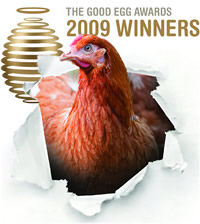
They join the 70 EU companies which received Good Egg Awards last month in Paris
Wir zeichnen Unternehmen für den Umstieg auf Eier aus alternativen Haltungsformen aus
http://www.ciwf.org.uk/good_egg_awards/german/default.aspx
http://www.ciwf.org.uk/good_egg_awards/german/der_film_zum_preis/default.aspx
Tournez la page de l’élevage des poules en cage
http://www.ciwf.org.uk/good_egg_awards/french/default.aspx
http://www.ciwf.org.uk/good_egg_awards/french/le_film/default.aspx
Premiamo le aziende che usano solo uova non provenienti da allevamento in gabbia
http://www.ciwf.org.uk/good_egg_awards/italian/default.aspx
http://www.ciwf.org.uk/good_egg_awards/italian/pellicola/default.aspx
Premiando empresas que usan huevos de gallinas camperas o criadas en el suelo
http://www.ciwf.org.uk/good_egg_awards/spanish/default.aspx
http://www.ciwf.org.uk/good_egg_awards/spanish/pelicula/default.aspx
The EU is set to ban barren battery cages in 2012 due to public pressure and scientific evidence showing they are bad for the welfare of hens. However, ‘enriched’ and ‘colony’ cages will be allowed after 2012, which still seriously compromise laying hen welfare.
That’s why we’re celebrating cage-free egg sourcing. Hens in cage-free systems (organic, free-range or barn) lead a more natural life. They have more space to exercise, forage, perch, nest and dust-bathe. The best welfare potential can be offered by systems that provide outdoor access and tree cover which encourages hens to range and feel safe from aerial predators.
There are more than 300 million laying hens in the European Union. Around three quarters of them are currently housed in battery cages.
Chickens are complex creatures and display a wide range of behaviours. Some of these behaviours are particularly important for hen welfare such as nest-building, dust-bathing and perching. They also need to be able to stretch their wings and exercise.
Hens reared in barren battery cages in the EU spend their 13-month laying cycle in small barren cages with several other birds, stacked in rows several tiers high, in large windowless sheds.
They have too little space to exercise adequately and cannot fully stretch their wings. There is no litter for dust-bathing, no way to build a nest and no perch. Because of their breed modern laying hens often suffer from osteoporosis and bone fractures – a condition made worse by lack of exercise.
‘Housing systems should provide the possibility for hens to carry out activities which are behavioural priorities….[All systems for housing hens should provide sufficient space for walking, wing-flapping, and other activities necessary to maintain bone-strength and minimise risks of fracture. Certain behaviours, notably wing flapping and flying, are rarely or never observed in cages, even at low stocking densities… it seems that they are prevented by spatial restriction, even at allowances that exceed the current recommendation.’
European Commission’s Scientific Panel on Animal Health and Welfare
For a detailed analysis of the scientific evidence comparing the welfare implications of caged versus cage-free systems, look at our short scientific briefing ( 47.40KB), download our latest report ( 1420.84KB) or visit our laying hen welfare pages on our website.
Filed under: CAMPAIGNS - Global Animal Welfare Issues, GENERAL NEWS - International / National / Regional | Leave a comment »










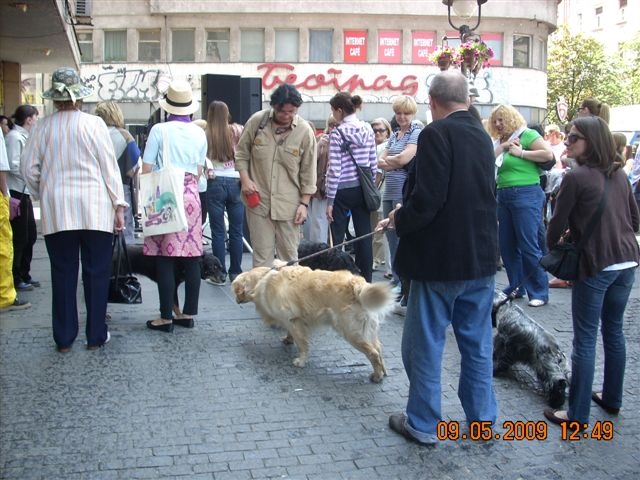
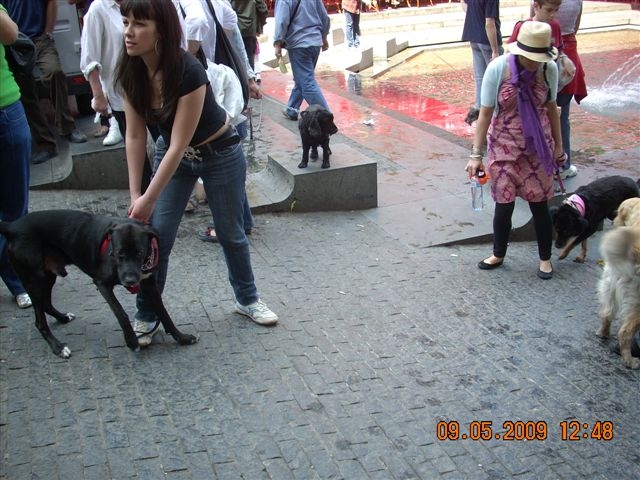

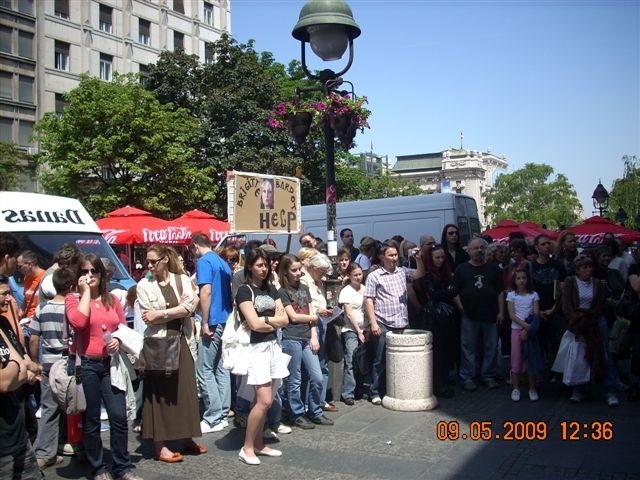
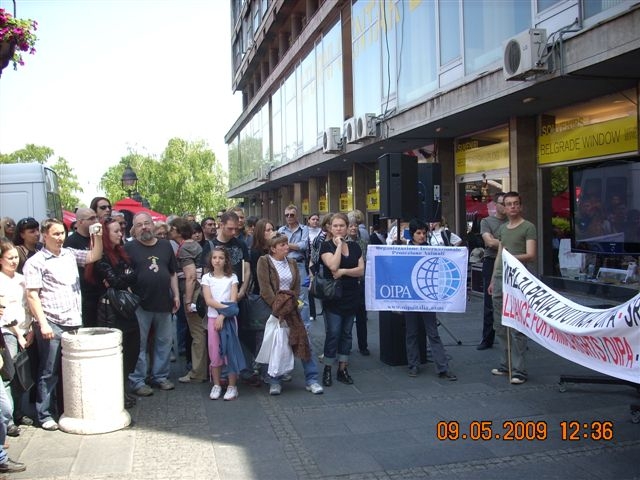


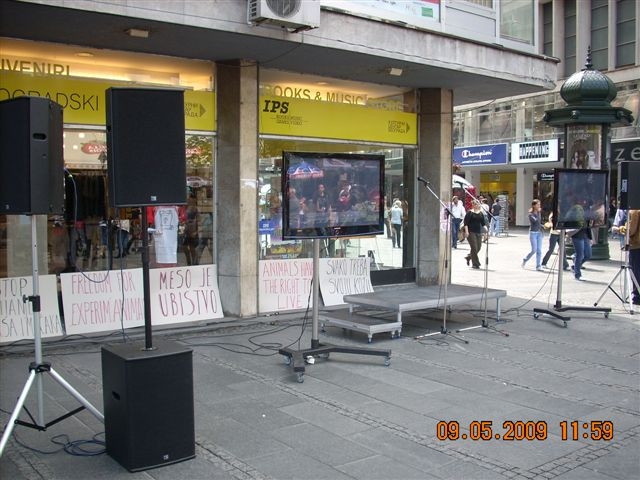
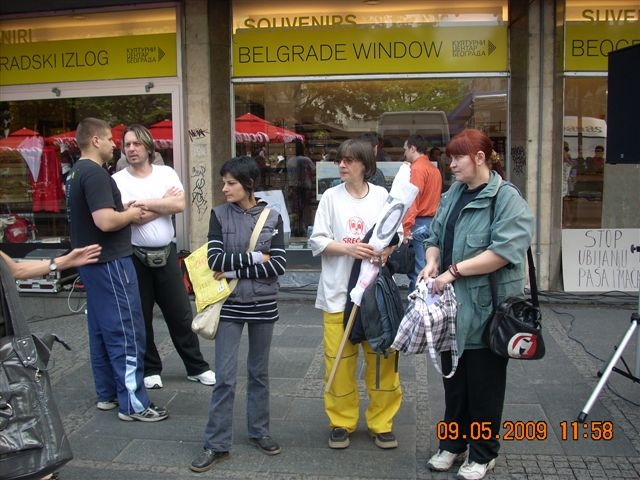


 Serbian Animals Voice (SAV)