Posted on October 29, 2016 by Serbian Animals Voice (SAV)
Posted on October 29, 2016 by Serbian Animals Voice (SAV)

SAV Comment – the court should have really said that ‘abusing animals is part of Spanish religious heritage’ as everyone around the world knows. What a pathetic situation, where Catalonia attempts to do the right thing, only to be overridden by people who live way back in the primitive religious past. Catalonia, we wish you independence – get out of the EU and get your own regulations back. No doubt we will see a return of the inquisition in the near future – it was part of heritage you know !
Spain’s constitutional court has overturned a ban on bullfighting in Catalonia, declaring it unconstitutional.
The court said bullfighting was part of Spanish heritage and therefore any decision on banning it could only be taken by central government.
Bullfighting was banned in Catalonia in 2010 on the grounds that it was incompatible with Catalan tradition.
Analysts say similar laws in other regions could now also be reversed.
Catalonia became the second Spanish region after the Canary Islands to ban the tradition. Bans are also being debated in the Balearic Islands and several Spanish municipalities.
Spain is a Christian nation, where cruelty to animals is a national heritage, a birthright that can never and will never be banned, at least not so long as christianity is the state religion. Spain may have a secular monarch, but is ruled by the vatican, by a pope who sees nothing wrong with a fine veal dinner, who tells us ordered use and responsible dominion are the equivalent of compassion…. And so Bullfighting, though challenged by those whose compassion has not been completely numbed by dominion, goes on. It has been declared a national heritage that can not be banned, not even by the state of Catalan. No state in Spain may ban bullfighting
Filed under: CAMPAIGNS - Global Animal Welfare Issues, GENERAL NEWS - International / National / Regional | Leave a comment »
Posted on October 28, 2016 by Serbian Animals Voice (SAV)
Dear Mark
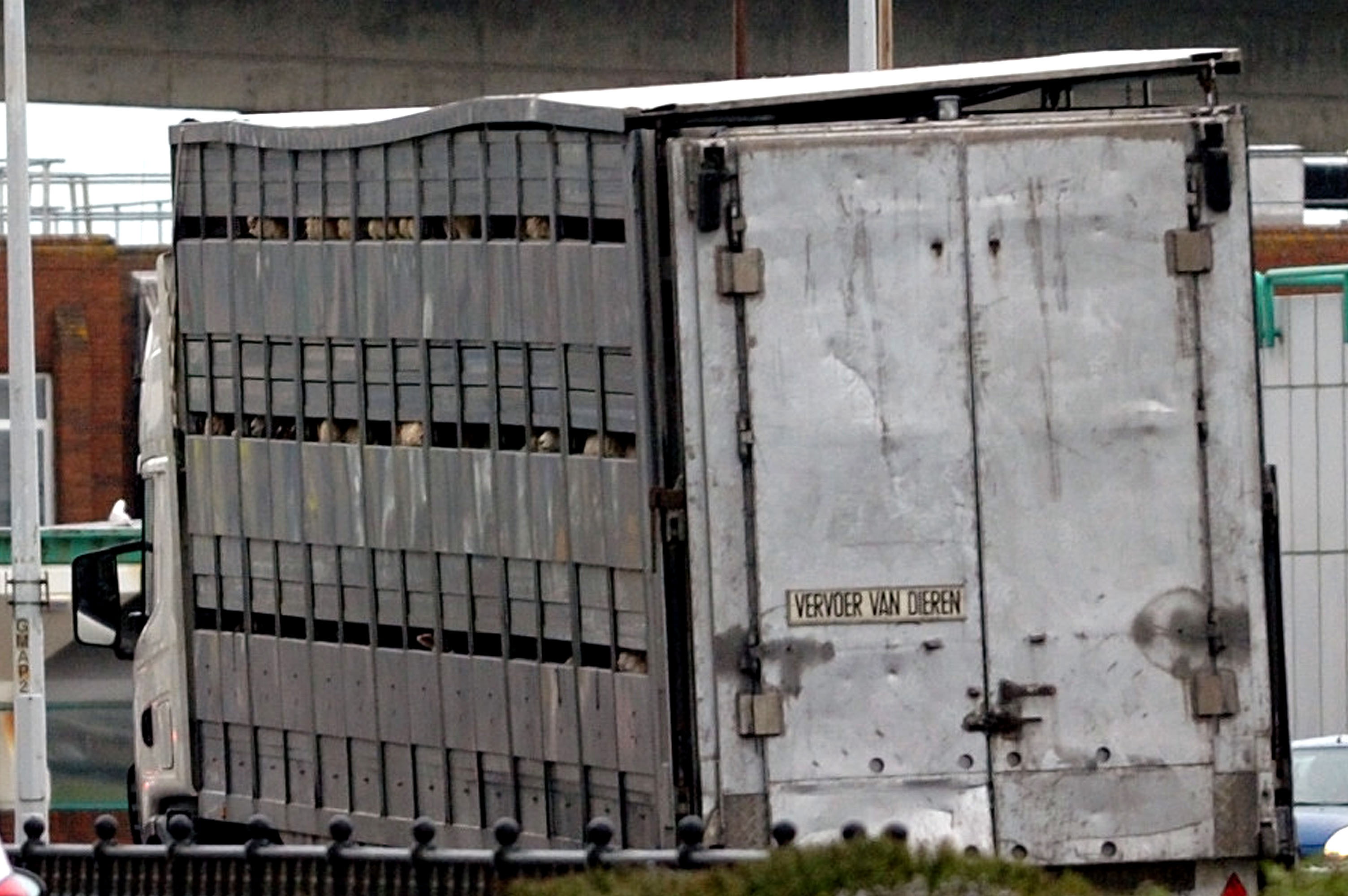
Thank you for urging your MP to support the Harbours, Docks and Piers Clauses Act 1847 (Amendment) Bill 2016-17.
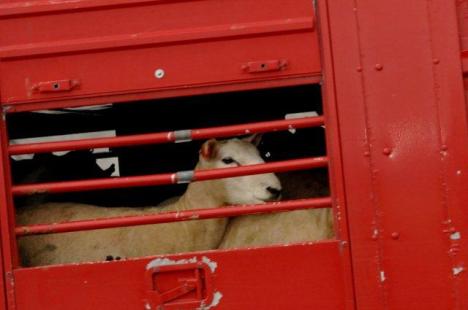
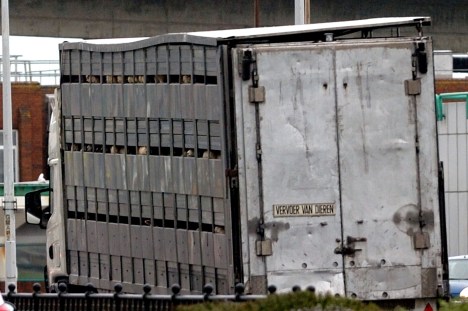
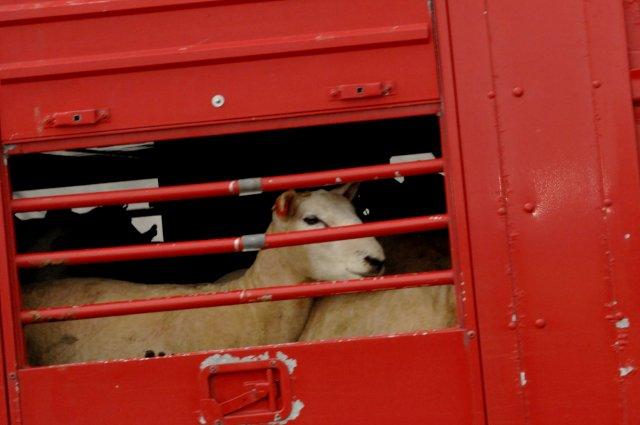
This proposed bill is a great opportunity to help end UK live exports and, as you will know, is due to have its second reading in Parliament on 4 November.
If you haven’t already done so, please spread the word among friends and family to ask their MP by 3rd November to support the bill.
Photos by friend V Cameron:


Filed under: CAMPAIGNS - Global Animal Welfare Issues, GENERAL NEWS - International / National / Regional, GLOBAL PETITIONS - Anything Animal, Anywhere !, SUPPORTERS, The "Serbian Animals Voice (SAV) ALLIANCE | Leave a comment »
Posted on October 27, 2016 by Serbian Animals Voice (SAV)
TripAdvisor to stop selling tickets for some of the
world’s cruelest wildlife entertainment attractions
In order to bring an end to the suffering of animals for entertainment, we’ve engaged with the global travel industry, urging tour operators and others to commit to stop sending customers to venues where wild animals are exploited, such as riding elephants, taking selfies with tigers or petting lion cubs.
We’ve identified some of these activities as the world’s cruelest forms of wildlife tourist entertainment.
Earlier this year, we shared the good news that with help from our wonderful supporters, over 100 global travel companies agreed to no longer offer visits to venues with elephant rides and shows in any of their markets.
Now, thanks to over 558,000 supporters we are proud to share that TripAdvisor will stop selling tickets to wildlife activities where tourists are allowed direct contact with captive, wild animals or endangered species. This means activities such as tiger selfies, petting lion cubs and swimming with dolphins will no longer be offered!
Click here to read more about our ongoing work with TripAdvisor as they launch an animal attraction education portal and to read comments from our CEO Steve McIvor.
We are World Animal Protection
We end the needless suffering of animals
We influence decision makers to put animals on the global agenda
We help the world see how important animals are to all of us
We inspire people to change animals’ lives for the better
We move the world to protect animals
We were known as WSPA (World Society for the Protection of Animals)
Filed under: GENERAL NEWS - International / National / Regional | Leave a comment »
Posted on October 27, 2016 by Serbian Animals Voice (SAV)
With thanks to Diana.
World on track to lose two-thirds of wild animals by 2020, major report warns
Living Planet Index shows vertebrate populations are set to decline by 67% on 1970 levels unless urgent action is taken to reduce humanity’s impact
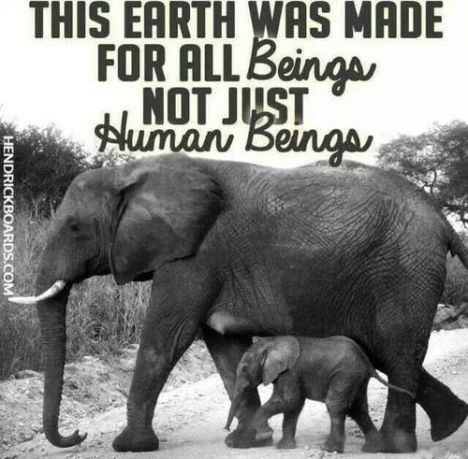
The number of wild animals living on Earth is set to fall by two-thirds by 2020, according to a new report, part of a mass extinction that is destroying the natural world upon which humanity depends.
The analysis, the most comprehensive to date, indicates that animal populations plummeted by 58% between 1970 and 2012, with losses on track to reach 67% by 2020. Researchers from WWF and the Zoological Society of London compiled the report from scientific data and found that the destruction of wild habitats, hunting and pollution were to blame.
The creatures being lost range from mountains to forests to rivers and the seas and include well-known endangered species such as elephants and gorillas and lesser known creatures such as vultures and salamanders.
The collapse of wildlife is, with climate change, the most striking sign of the Anthropocene, a proposed new geological era in which humans dominate the planet. “We are no longer a small world on a big planet. We are now a big world on a small planet, where we have reached a saturation point,” said Prof Johan Rockström, executive director of the Stockholm Resilience Centre, in a foreword for the report.
Marco Lambertini, director general of WWF, said: “The richness and diversity of life on Earth is fundamental to the complex life systems that underpin it. Life supports life itself and we are part of the same equation. Lose biodiversity and the natural world and the life support systems, as we know them today, will collapse.”
He said humanity was completely dependent on nature for clean air and water, food and materials, as well as inspiration and happiness.
The report analysed the changing abundance of more than 14,000 monitored populations of the 3,700 vertebrate species for which good data is available. This produced a measure akin to a stock market index that indicates the state of the world’s 64,000 animal species and is used by scientists to measure the progress of conservation efforts.
The biggest cause of tumbling animal numbers is the destruction of wild areas for farming and logging: the majority of the Earth’s land area has now been impacted by humans, with just 15% protected for nature. Poaching and exploitation for food is another major factor, due to unsustainable fishing and hunting: more than 300 mammal species are being eaten into extinction, according to recent research.
Pollution is also a significant problem with, for example, killer whales and dolphins in European seas being seriously harmed by long-lived industrial pollutants. Vultures in south-east Asia have been decimated over the last 20 years, dying after eating the carcasses of cattle dosed with an anti-inflammatory drug. Amphibians have suffered one of the greatest declines of all animals due to a fungal disease thought to be spread around the world by the trade in frogs and newts.
Rivers and lakes are the hardest hit habitats, with animals populations down by 81% since 1970, due to excessive water extraction, pollution and dams. All the pressures are magnified by global warming, which shifts the ranges in which animals are able to live, said WWF’s director of science, Mike Barrett.
Some researchers have reservations about the report’s approach, which summarises many different studies into a headline number. “It is broadly right, but the whole is less than the sum of the parts,” said Prof Stuart Pimm, at Duke University in the US, adding that looking at particular groups, such as birds, is more precise.
The report warns that losses of wildlife will impact on people and could even provoke conflicts: “Increased human pressure threatens the natural resources that humanity depends upon, increasing the risk of water and food insecurity and competition over natural resources.”
However, some species are starting to recover, suggesting swift action could tackle the crisis. Tiger numbers are thought to be increasing and the giant panda has recently been removed from the list of endangered species.
In Europe, protection of the habitat of the Eurasian lynx and controls on hunting have seen its population rise fivefold since the 1960s. A recent global wildlife summit also introduced new protection for pangolins, the world’s most trafficked mammals, and rosewoods, the most trafficked wild product of all.
But stemming the overall losses of animals and habitats requires systemic change in how society consumes resources, said Barrett. People can choose to eat less meat, which is often fed on grain grown on deforested land, and businesses should ensure their supply chains, such as for timber, are sustainable, he said.
“You’d like to think that was a no-brainer in that if a business is consuming the raw materials for its products in a way that is not sustainable, then inevitably it will eventually put itself out of business,” Barrett said. Politicians must also ensure all their policies – not just environmental ones – are sustainable, he added.
“The report is certainly a pretty shocking snapshot of where we are,” said Barrett. “My hope though is that we don’t throw our hands up in despair – there is no time for despair, we have to crack on and act. I do remain convinced we can find our sustainable course through the Anthropocene, but the will has to be there to do it.”
Filed under: CAMPAIGNS - Global Animal Welfare Issues, GENERAL NEWS - International / National / Regional | Leave a comment »
Posted on October 26, 2016 by Serbian Animals Voice (SAV)


Mark,
Despite being protected under the Endangered Species Act, wolves in Wisconsin are chased, harassed, and sometimes wounded or even killed by packs of hunting dogs that run the state’s landscape for more than six months of the year. Bear “hounders” face few regulations and little to no enforcement when turning packs of dogs loose to pursue native wildlife.
These hounds are most frequently released at bear “baiting” sites. These are areas where hunters have dumped hundreds of gallons of stale pastries, syrup, or other foods with the intent of habituating bears to feed there. At last count, there were more than 82,000 baiting sites in the state! Not only is this practice disastrous for bears, and destructive to public lands–imagine dumping hundreds of gallons of syrup and rotting pastries in your favorite park–but it puts Wisconsin’s wolves in frequent conflict with packs of hunting dogs.
With more than 82,000 bait stations covering Wisconsin’s wild spaces, it is difficult for wolf packs to establish rendezvous sites that do not intersect with these pastry dump sites. Wolves are territorial, protective animals–it’s how they have survived for centuries. This same defensive behavior leads them to defend their packs and their pups from these hoards of bear hunting dogs running the state half of the calendar year. In protecting their rendezvous sites, these wolves are often wounded or killed, and often kill or wound dogs from the hunter’s pack. Hunters in the state are disincentivized to change their ways by a state program that pays them up to $2,500 for dogs lost to wolves safeguarding their pups, packs, and rendezvous sites. This has led to wolves and hunting hounds being killed and wounded at an unprecedented and alarming rate.
This is no way to protect Wisconsin’s wolves or any of its wildlife. Anyone who loves wolves, anyone who loves dogs, should want to see an end to these practices. We are working on the ground in Wisconsin to stop bear hounding and the virtually-unregulated dumping of bait across the state. We need your help. Please make a 100% tax-deductible donation today to help us fight to end bear baiting and hounding to protect the state’s wolves.
Thank you for your commitment to wildlife and wild places.
Sincerely,
Leda Huta
Executive Director
Endangered Species Coalition
Filed under: CAMPAIGNS - Global Animal Welfare Issues, GENERAL NEWS - International / National / Regional, HUNTING - Primarily UK and Germany, The "Serbian Animals Voice (SAV) ALLIANCE | Leave a comment »
Posted on October 26, 2016 by Serbian Animals Voice (SAV)
EU MASTERPLAN: Jean-Claude Juncker unveils 10-point plot to SAVE struggling Union
JEAN-CLAUDE Juncker has today unveiled the European Union’s roadmap for 2017 as he struggles to save the bloc from the triple threat of mass migration, economic stagnation and Brexit.
The EU Commission chief called for a “Europe that delivers” as he vowed to focus on youth unemployment, tax-dodging and green initiatives in the next calendar year.
His new proposals come as the EU enters a make-or-break year, with bitter divisions growing between member states over a variety of escalating crises from migration to how to deal with Britain.
The Commission’s new work programme, published today, contains 21 key initiatives in 10 policy areas designed to bring stability back to the lurching political project. But Mr Juncker is likely to find certain parts of the document difficult or nearly impossible to complete, with raging arguments over free trade and migration in particular likely to sink certain initiatives.
At the heart of Brussels’ drive to restore confidence in the bloc will be a proposed blitz on sky-high youth unemployment which has condemned a generation of Mediterranean youngsters to misery.
The EU will pump taxpayers’ money into training and job creation schemes in stricken Spain, Greece and Italy – where youth joblessness is between 40 to 50 per cent – in a bid to boost their ailing economies.
Another policy is boosting green policies with work on low-emission vehicles, which will be seen as an attempt to repair Brussels’ tarnished reputation over its involvement in the Volkswagen emissions scandal.
Other promises made in the work plan may prove more difficult to deliver. Further integration of the monetary union, which is being fought by some eurozone countries who fear losing their sovereignty, is fraught with difficulty.
And a pledge to seal the Transatlantic Trade and Investment Partnership (TTIP) free trade deal with the US seems fanciful in light of the fate of its sister deal with Canada, CETA, and the pledges of both presidential candidates to scrap it after entering the White House.
But perhaps the thorniest issue for Mr Juncker, as ever, will be trying to build a consensus on migration. In his action plan he promises to implement the European Agenda on Migration, but this is being fiercely contested by some member states.
Eastern European countries like Hungary and Poland in particular are incensed by the imposition of mandatory migrant quotas and have vowed to block the scheme, despite being outvoted under Qualified Majority Voting (QMV) rules.
Hungarian premier Viktor Orban recently held a referendum on the quotas in his homeland in which 98 per cent of voters rejected the EU plan, but Brussels has insisted it will go ahead with it regardless.
Announcing the work programme today, Mr Juncker said: “We are focusing on the things that matter, concrete actions that improve people’s lives. We must unite around a positive agenda.
“This is what the Commission’s Work Programme is about. This is the Europe that delivers.”
The EU’s First Vice-President, Frans Timmermans, admitted that Europe was facing a “challenging era” and said Brussels must work harder to make itself more relevant to ordinary Europeans.
He said: “In this challenging era, we must work harder together and help to protect, empower and defend Europe’s citizens.
“We have made sound progress on challenges like boosting investment and employment, managing migration and advancing on climate change and the fight against terrorism.
“But there is still more to do and this year we must deliver agreements on the many crucial proposals already on the table. Now we must all deliver.”
The EU Commission draws up a work programme, setting out its goals for the coming year, on an annual basis.
But few will receive as much scrutiny as the current one, with the entire future of the bloc in extreme jeopardy and Brussels bureaucrats so far having proved powerless to quell a growing eurosceptic movement across the continent.
Leading eurocrats have admitted that the EU has become deeply unpopular in recent months due to economic stagnation, the migrant chaos and growing questions over Britain’s decision to leave.
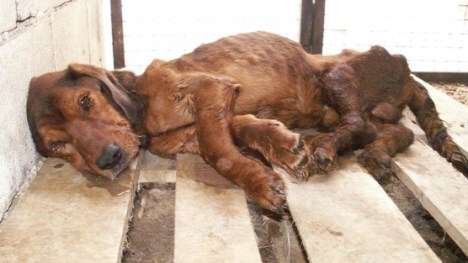
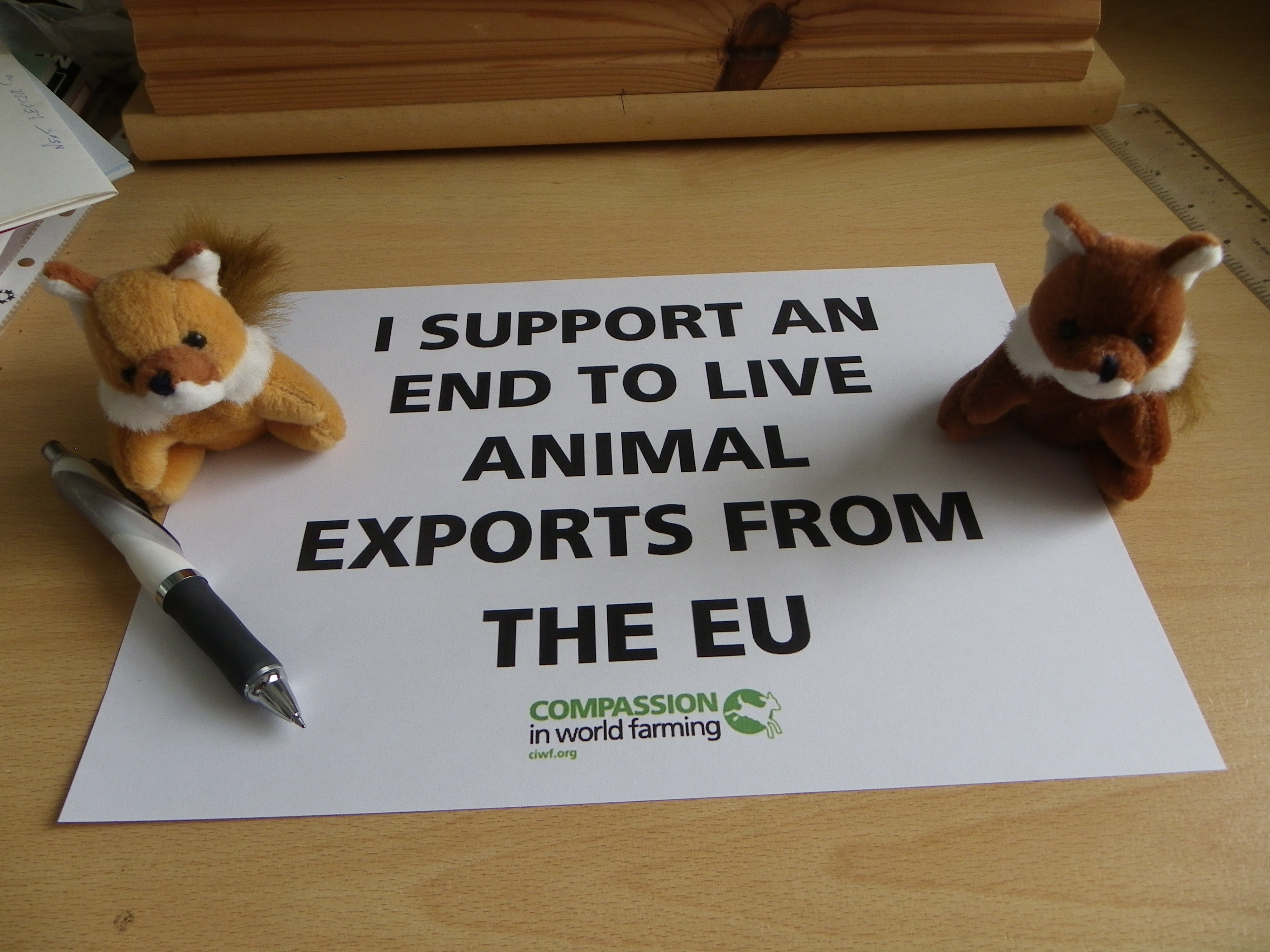
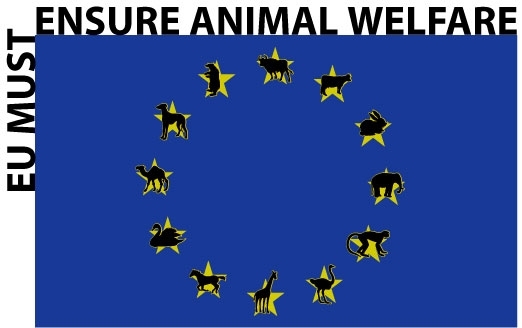
Starting with animal welfare improvements may save you from complete failure !
Filed under: CAMPAIGNS - Global Animal Welfare Issues, GENERAL NEWS - International / National / Regional | Leave a comment »









 Serbian Animals Voice (SAV)