BREAKING: Republic of Ireland will ban wild animals in circuses!


BREAKING: Republic of Ireland will ban wild animals in circuses!

Dear Mark,

The Republic of Ireland have committed to banning wild animals in circuses by January 2018.

This is huge news!

Our three investigations into circuses in Ireland have uncovered animals including giraffe, hippo, rhino, elephants, tigers, camels and many more who have suffered in the life of the circus. Animals were forced to perform unnatural and degrading tricks for the sake of ‘entertainment’.

 

Today is a day to rejoice for the animals who will no longer be subjected to the cruelty of the circus in the Republic of Ireland. You have helped us achieve this massive victory! Your support has enabled us to investigate, lobby and campaign for an end to wild animals being exploited in circuses.

We took our investigations to Parliament and councils and put the welfare of animals in Irish circuses on their agenda. Just last year a circus from the Netherlands visited Ireland with their three elephants.

They were met with huge opposition from local groups. Ireland have stood up and said ‘No More!’ With you, the amazing groups and campaigners in Ireland, we have made a difference for wild animals! 

This progressive step means that wild animals being used in circuses in the UK and Ireland are rapidly coming to an end. With Scotland committing to bringing in a ban by 2018 and Wales considering a ban on wild animals in circuses, those few remaining circuses using wild animals will soon have to face facts – there is no place for them in modern society.

Exploiting animals in circuses is outdated and belongs in the history books.

Together we will free animals from a life in the circus.

Thank you,


Nicola O’Brien
Campaigns Director

P.S. We won’t stop until animal circuses are gone, for good. With your help we can ban animal circuses in the UK.

Please donate today: www.captiveanimals.org/donate-circus


USA: The Real Cost Of An Egg – Disturbing Video.


Thrown, dropped, mutilated, and ground-up alive.

This is the disturbing reality faced by hundreds of thousands of chicks each day at the world’s largest egg-laying breed hatchery Hy-Line International in Spencer, Iowa.


Viet Nam: Four Paws Moon Bear Rescue – Hai Chan, Thai Van and Thai Giang have all been rescued!

SAV Comment – It is great to see this excellent rescue by Four Paws.  With the work being undertaken by Animals Asia as well, things are really moving on to end the bear bile business.  That final day will never come quickly enough !


Hai Chan, Thai Van and Thai Giang have been rescued!

With your help, FOUR PAWS successfully rescued the three Asiatic black bears and transported them to our new BEAR SANCTUARY Ninh Binh in Vietnam.

Living on a bear farm for ten years, Hai Chan endured the painful procedure of bile extraction as well as having both of her front paws amputated, most likely to produce bear paw wine – sadly still considered a delicacy by some.

Bears Thai Van and Thai Giang were kept as pets in the backyard of a steel production company. While we do not know for sure if they were abused for bile extraction, it’s clear that their terrible keeping conditions negatively affected their overall health.

Years of abuse has visibly left its mark on these three bears, but thanks to your support, they can begin a new life in species-appropriate surroundings.

Now at the sanctuary, the bears will be thoroughly checked by our vets, and after a quarantine period, they’ll be released into their outdoor enclosure. For now, we’re thrilled to say that the bears are already progressing better than expected – Hai Chan especially!


Years of abuse has visibly left its mark on these three bears, but thanks to your support, they can begin a new life in species-appropriate surroundings.

Now at the sanctuary, the bears will be thoroughly checked by our vets, and after a quarantine period, they’ll be released into their outdoor enclosure. For now, we’re thrilled to say that the bears are already progressing better than expected – Hai Chan especially!

Once again, thank you for making this rescue possible. We look forward to updating you on the bears as they leave quarantine and progress in the coming weeks and months!

Warmest regards,

Kieran Harkin
Head of Wild Animal Campaigns
FOUR PAWS International

P.S. You make rescues like this possible. If you would like to further support our work, please make a donation today. Your gift could help provide long-term care for bears like Hai Chan, Thai Van and Thai Giang, and help other animals in need around the world.


UK: Finally, Bee-harming pesticides will be totally banned in the UK, Michael Gove says.


http://www.telegraph.co.uk/news/2017/11/09/uk-will-back-total-ban-bee-harmingpesticides-michael-gove-says/


Above – Minister Michael Gove – At long last a Minister at DEFRA who IS concerned about animal welfare – something we very much welcome – SAV.

Bee-harming pesticides will be totally banned in the UK, Michael Gove says.


A total ban on bee-harming pesticides being used across Europe will be supported by the UK, the Environment Secretary has said. In a reversal of the Government’s previous position on neonicotinoid pesticides, Michael Gove said new evidence indicated the risk to bees and other insects was “greater than previously understood”.

In 2013, the European Commission proposed a ban on three neonicotinoids for use on flowering crops such as oil seed rape, which are attractive to bees, after authorities identified risks to honey bees.

The UK Government opposed the ban, claiming there was not enough evidence that bees were harmed by the pesticides, but other member states disagreed and the ban was implemented across the EU.

Writing in the Guardian, Mr Gove said he believed the evidence base had “grown”, and the UK would back a new proposal by the European Commission to extend the ban to non-flowering crops.

He said: “While there is still uncertainty in the science, it is increasingly pointing in one direction.

“Not to act would be to risk continuing down a course which could have extensive and permanent effects on bee populations.

How to | Help bees in winter

  • Plant flowers, shrubs and trees that thrive in winter. The evergreen mahonia is excellent winter food for bees, while the pendant bells of winter flowering clematis can give pollinators a sugary energy boost. Ivy plants are also an ideal source of food for bees in late autumn – avoid cutting them down.

  • Leave suitable places for hibernation undisturbed. Letting areas of a lawn grow long until the spring can provide a hibernation home while cool, north-facing banks are ideal places for bees to burrow. The hollow tubes of dead stems of plants in borders can also serve as a great nesting spot.

  • Plant early flowering bulbs like crocus, primrose, snowdrop of coltsfoot that flower in February and March to help support bees and pollinators looking for an early feed. Winter is also the perfect time to plant bee-friendly trees, such as acacia, blackthorn and hazel. Source: Department for Food, Environment and Rural Affairs

Mr Gove said he was “deeply concerned” by a recent study into the health of some insect populations, which revealed 75 per cent of flying insects in Germany had disappeared.

He added that bees and other pollinators were “absolutely critical” to the natural world, and that a deteriorating environment is also bad for the economy.

Last month, a study found that three-quarters of the honey produced around the world contains nerve agent pesticides that can harm bees.

Scientists who tested 198 honey samples from every continent except Antarctica discovered that 75 per cent were laced with at least one of the neonicotinoid chemicals.

Environmental campaigners responded by demanding a “complete and permanent” ban preventing any further use of neonicotinoids on farm crops in Europe.

A total ban would have an impact on cereal growers in the UK who use pesticides to protect their crops.


England: Challenge !


England: London – An Insight Into The ‘League Against Cruel Sports’.


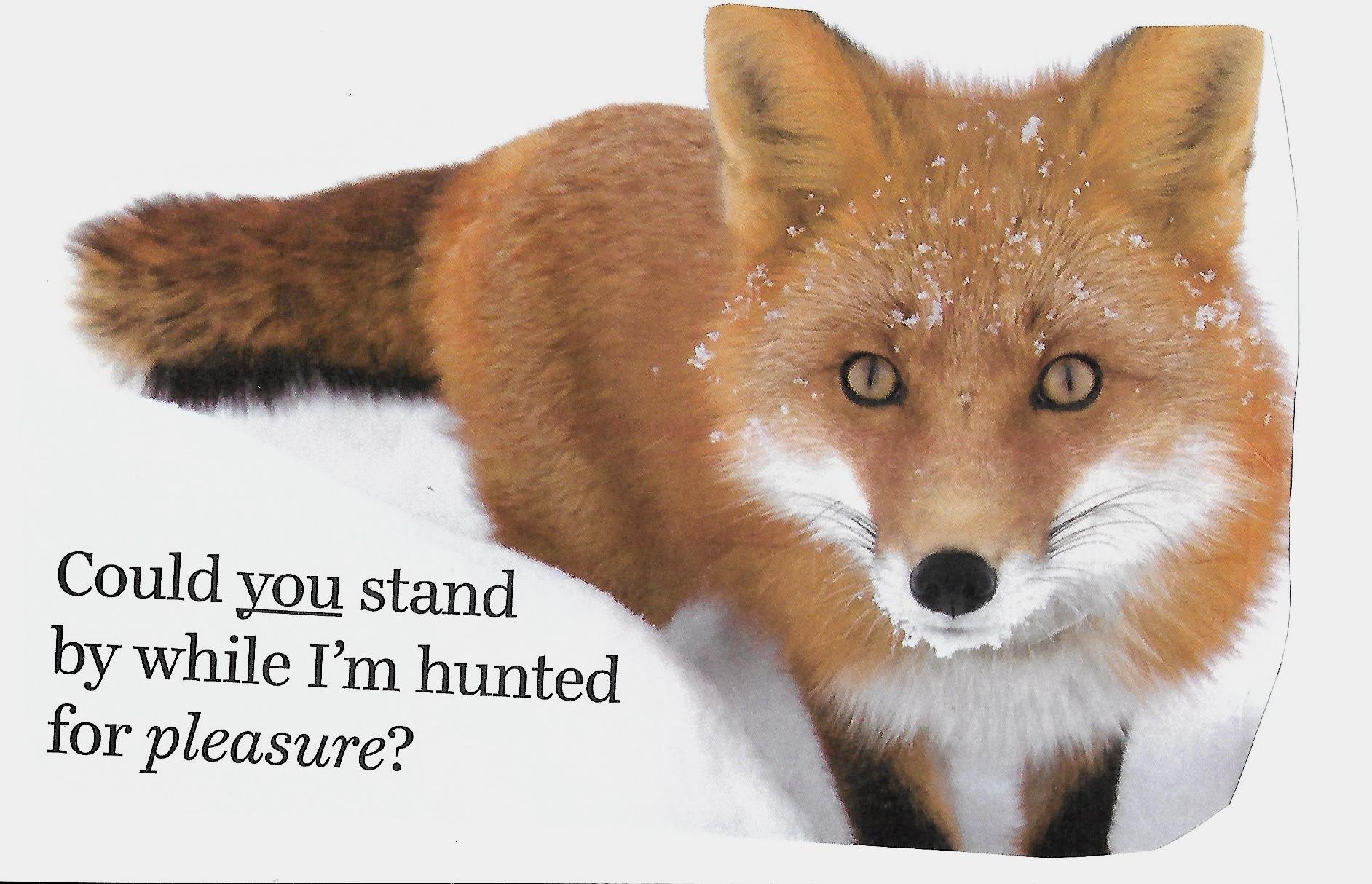
For as long as hunting wild animals with dogs has existed, people will have been opposed to it.

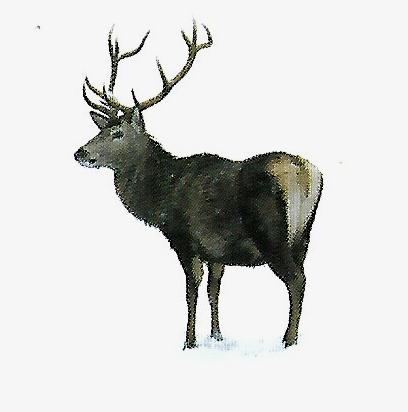
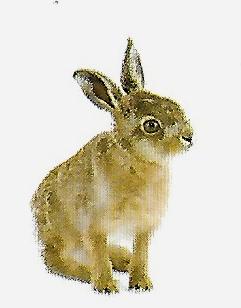
The League Against Cruel Sports (LACS) was founded in 1924 with the aim of banning fox hunting, stag hunting, otter hunting, hare hunting and hare coursing in the UK.

The League is known for being instrumental in bringing about the Hunting Act 2004 which banned hunting with hounds in England and Wales, yet we are still fighting to protect foxes, hare and deer from illegal hunting which takes place far too frequently across the UK.

Another key campaign is dog fighting, which despite being banned in 1835, still continues on the UK’s streets and out of sight in unused buildings.

Our Project Bloodline operation aims to educate policy makers about the prevalence of dog fighting, investigate the people who take part, and protect the dogs who are used in this terrible activity.


Please visit the excellent LACS site by using these quick links:

https://www.league.org.uk/Pages/Category/campaigns


https://www.league.org.uk/Pages/Category/animals-we-protect


https://www.league.org.uk/Pages/News/Category/latest-news


https://www.league.org.uk/shop


https://www.league.org.uk/Pages/Category/how-to-donate


India: Positive News For Blood Bank Horses – But Action Still To Be Taken – Read On…


Dear Mr. Johnson,

There’s good news from India this week for the suffering horses who are used as living blood banks to make antitoxin drugs.

You may have seen PETA India’s footage from the inspections of farms where thousands of horses, donkeys, and mules are housed in filthy conditions without proper veterinary care.

The animals are subjected to repeated injections of toxins and painful blood draws—up to 15 percent of their blood each time!—in order to make these drugs.


After hearing from more than a quarter-million PETA members and supporters worldwide—in addition to a long series of meetings and correspondence between PETA scientists and government agencies—the Indian government announced late last week that it will provide funding for the development of antitoxins made using modern, non-animal methods instead of animals who are forced to endure years of torment.


In meetings with the government, scientists from PETA India showed exactly how non-animal technology can replace the use of horses while also improving the final product.

They explained that the PETA International Science Consortium Ltd. is already funding groundbreaking research to produce a diphtheria antitoxin from human cells instead of using the blood of horses and other animals. Since drugs made from animals can cause illnesses in humans and expire quickly, this is good news for everyone.

It’s progress that we can all get behind, and it wouldn’t have happened without your support.

Now, please take a moment to urge the Indian government to close the abusive horse facilities.


Take Action

https://support.peta.org/page/1362/action/1?utm_source=PETA::E-Mail&utm_medium=Alert&utm_campaign=1117::viv::PETA::E-Mail::antitoxin%20horses%20progress::::aa%20em&ea.url.id=15359


Thank you for your compassion for animals.

Sincerely yours,

Jeffrey Brown
Biologics Specialist
People for the Ethical Treatment of Animals