Posted on June 9, 2018 by Serbian Animals Voice (SAV)
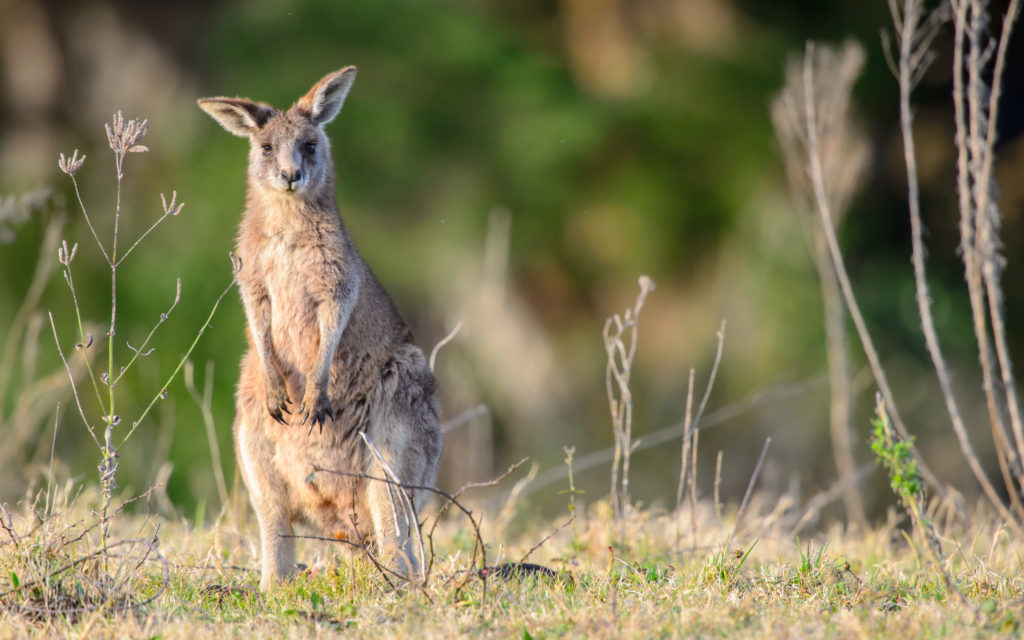
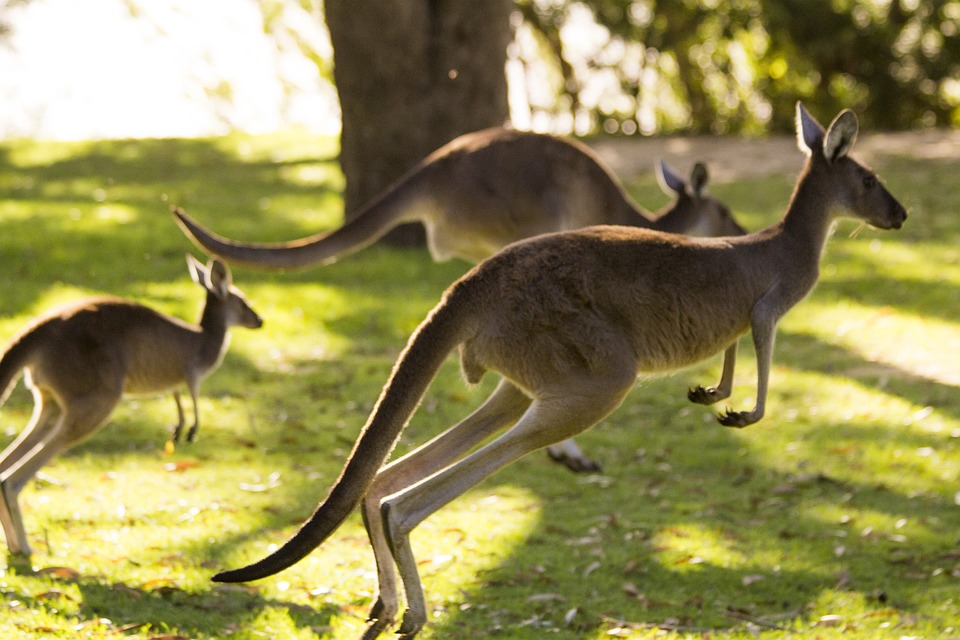
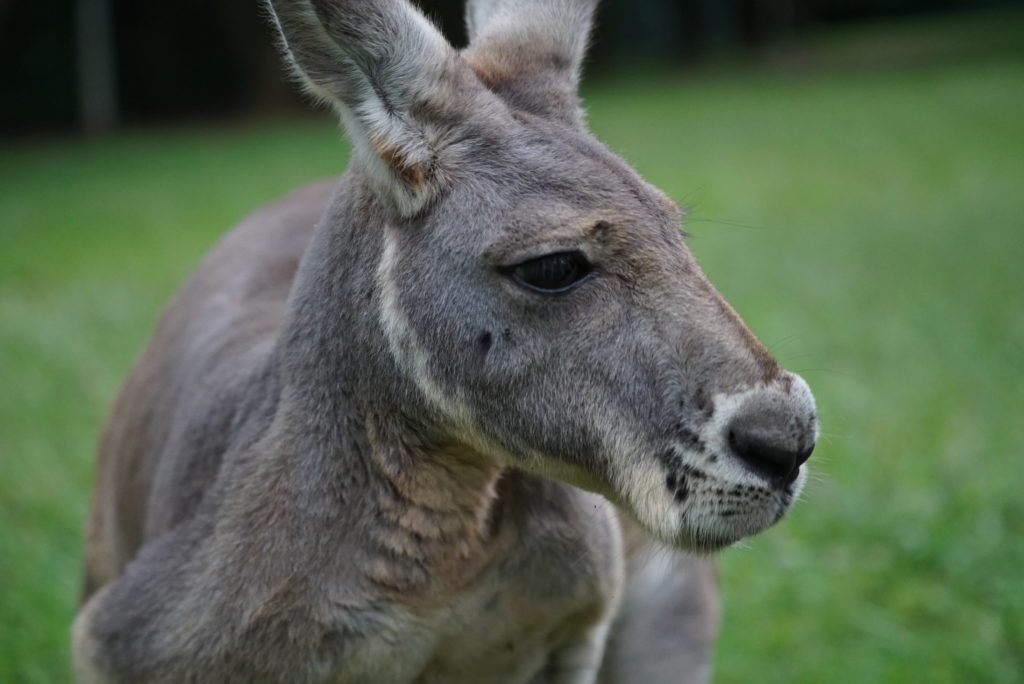
Kangaroos are one of the most famous marsupials and are typical representatives of the Australian fauna. Farmers and landowners, however, claim they are pests and are cruelly slaughtered to secure farmland and feed for millions of livestock in the arid landscape. The killing of Australian kangaroos is the largest massacre of wildlife in the world: 1.5 million kangaroos are legally and systematically shot every year by the Australian Kangaroo Industry (Kangaroo Industry Association of Australia). Meat, skin and leather are traded internationally. There are also illegal killings by farmers, who see the animals as competitors. Especially the red giant kangaroo, eastern and western gray giant kangaroos and mountain kangaroos are hunted.
Germany as a market for kangaroo products
About 40 percent of the kangaroo meat is exported abroad and offered there either as a pet food or as an exotic delicacy. In the period from 2013 to 2016, Germany was the world’s third largest importer of kangaroo meat and leather, making it one of the kangaroo industry’s leading trading partners. Germany imported 19 percent of the world’s meat during this period. It is offered in well-known supermarket-chains such as Lidl, Netto, ALDI, Hit, REWE, Metro and Fressnapf as well as in restaurants predominantly as steaks or as dog food. In addition, Germany imports 10 percent of imports of kangaroo apparel and leather, as well as 14 percent of kangaroo skin used by, among others, Adidas, Nike and Puma for football boots or sold by companies other than outdoor and motorcycle clothing.
In 2016, about 1.5 million animals were legally killed, according to data from the Australian government. Scientists and animal rights activists in Australia complain about the extinction of populations from formerly rich areas. They fear that the mass killing endangers the long-term survival of the kangaroos. In large areas of Australia, such as Tasmania or Victoria, the stocks have fallen significantly: In 2010, the Red Kangaroo had disappeared in 56 percent of its original range, the gray giant kangaroo even in 69 percent.
There are fewer and fewer kangaroos
Exact population numbers are missing.
The official estimates of the government, according to experts are greatly inflated. But only on this official basis the shooting rates are calculated.
Thus, counts are made selective in areas of high population densities or low kill rates.
Environmental impacts, increasing habitat loss, and illegal shooting by farmers and landowners are not taken into account in the state-sanctioned pursuit of kangaroos:
Between 2001 and 2010 stocks fell dramatically, from an estimated 57 million to 34 million. Kangaroos are severely affected by environmental factors such as drought and exposed to ever-increasing pressure. Their habitat has already been drastically decimated in recent years, mainly due to urban development and increasing agriculture. Kangaroos are reproducing very slowly and the juvenile mortality rate is very high at more than 73 percent.
Cruel hunt at night
Notwithstanding all risks and criticisms, the Kangaroo Industry Association of Australia continues to promote the expansion of international trade in kangaroo products.
The killing of the kangaroos is extremely cruel: the animals are mostly shot in the dark of the night in remote desert regions. The Australian government’s regulations require killing adult animals with a direct headshot in order to save them unnecessary suffering. But this is very often not the case. Investigations by animal rights activists in Australia have shown that not all shot kangaroos are killed by the head, but at night precise targeting is difficult anyway. Countless animals suffer a long death struggle by neck or body shots. Even pregnant and breastfeeding mothers are hunted, the killing or the unprotected leaving the young animals tolerated as collateral damage. According to the rules of the procedure, kittens are to be beheaded from the mother’s pouch or killed by a blunt brain trauma, but in reality, young animals are often left behind and starve to death or are hit with their heads against a car. It is estimated that about 800,000 juveniles whose mother was killed die each year.
The killing is also often under unhygienic and health-related conditions that challenge the processing into meat: The marsupials are often gutted without controls and by insufficiently trained personnel in the field and uncooled on open vehicles without protection against flying or dirt at large Heat transported. 75 percent of human pathogens originate from wild animals, and kangaroos also carry many parasites and diseases. Tests in retail and supermarkets often show high levels of coliform and salmonella. Also impurities by shot cartridges are not uncommon.
Russia therefore stopped importing kangaroo meat in 2014.In 2015, California also stopped importing all kangaroo products. Meanwhile, there are synthetic alternatives for the coveted kangaroo leather, which unfortunately is still used by many manufacturers, as in Germany for example, where the trade in kangaroo products is still booming!
In order to remove the lucrative basis for the cruel death of millions of kangaroos, import bans from other countries and the renunciation of kangaroo’s meat and leather are urgently required.
Posted on June 8, 2018 by Serbian Animals Voice (SAV)
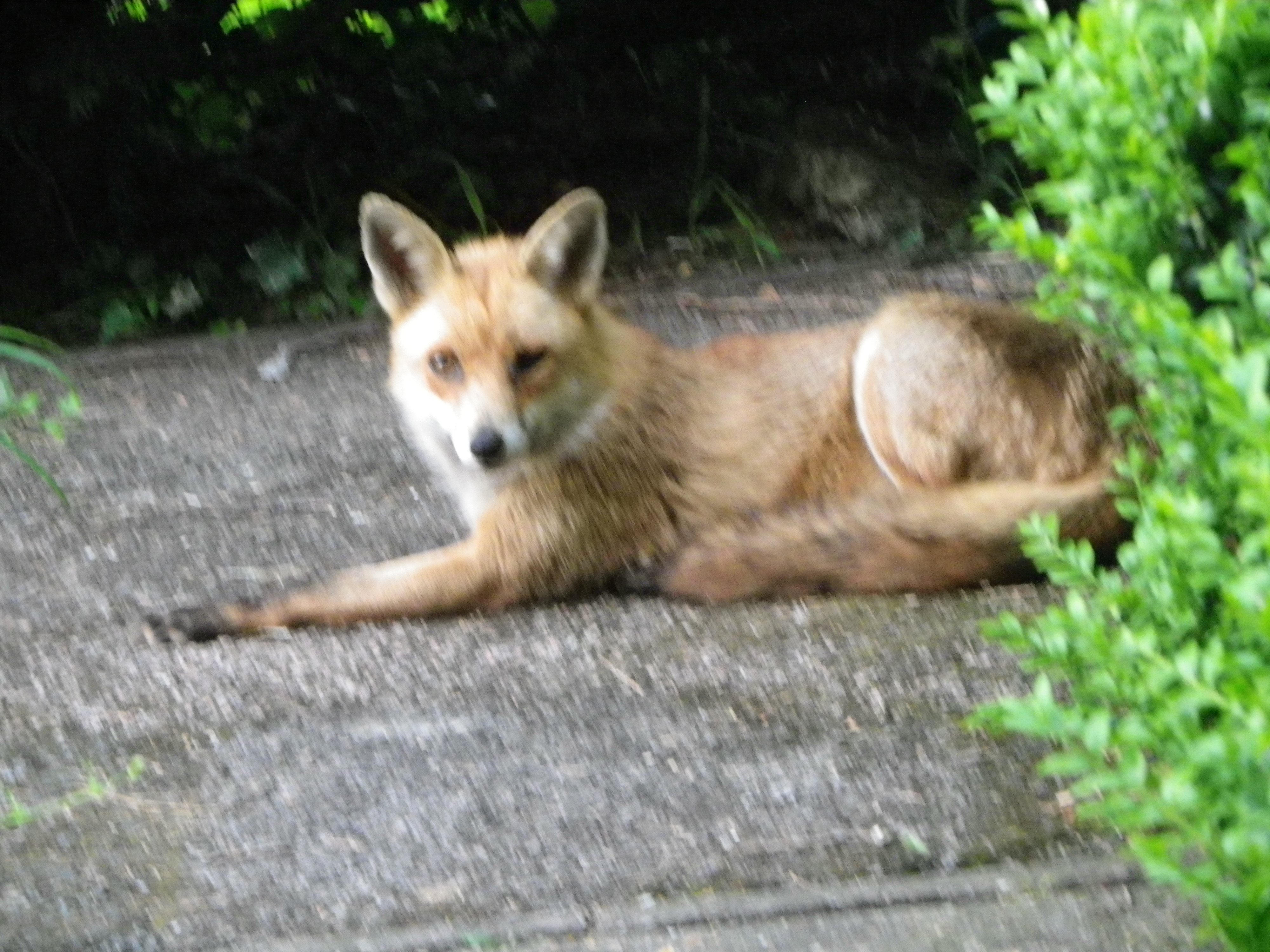
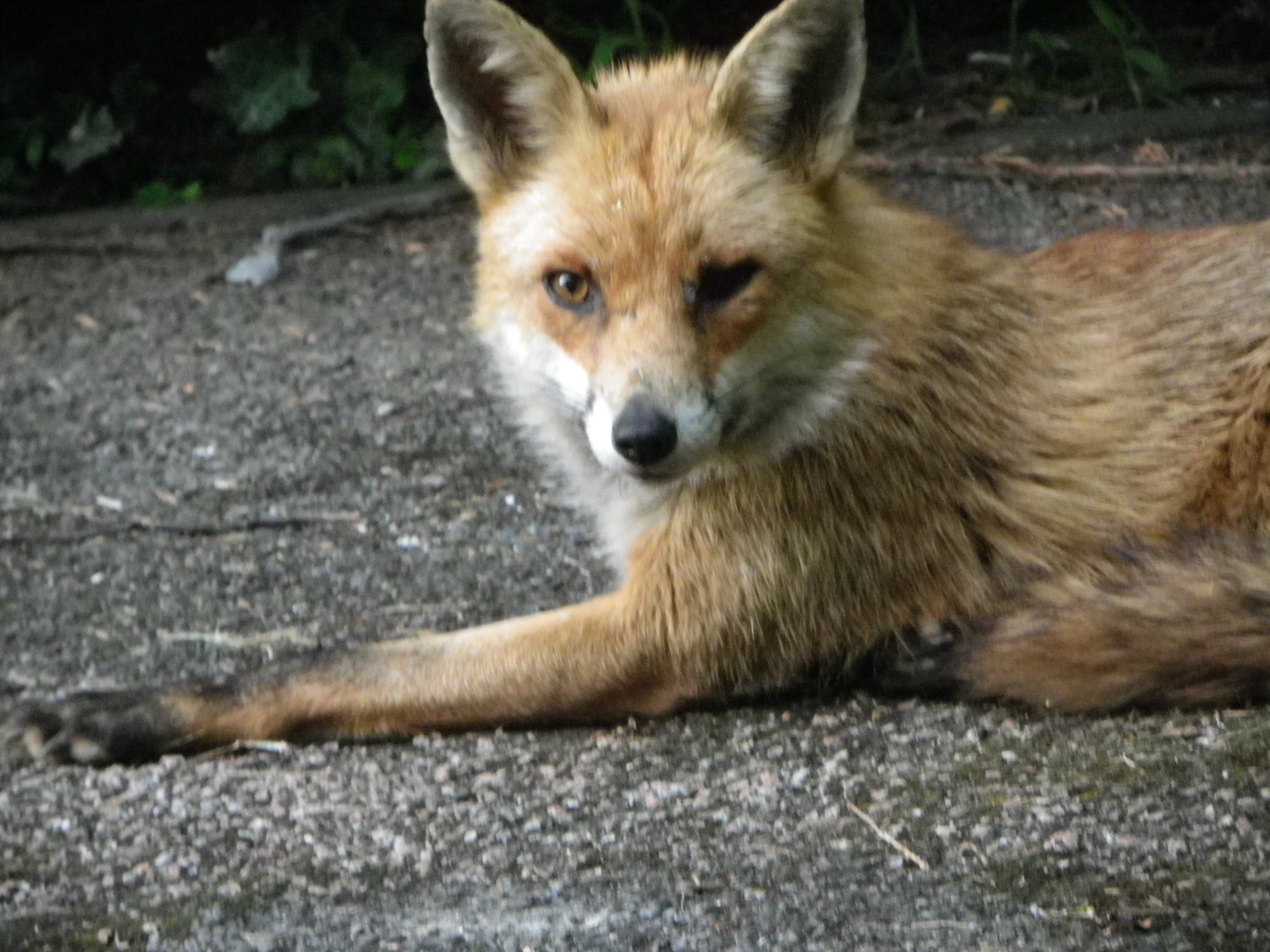
Here is ‘Kate the Bush’ – one of the foxes who comes round each night for something to eat.
She lays down on the path just like a dog; waiting until the door is opened and some food is given to her.
We keep a health check on them all who visit – making sure there is no sign of mange. If it did ever appear then we can treat with Arsenicum drops on the food for 2-3 weeks. Fortunately nothing is showing in the way of illness. Good eaters, healthy and carefully monitored.
She has quite a nice ‘Bush’ tail; and the ‘official’ Kate Bush is a Kent girl favourite singer of ours – so what better name than Kate the Bush !
…….. and the real Kate Bush – with Dave Gilmour of Pink Floyd on guitar.
Kate has been a Vegetarian for over 30 years. That’s why she looks so good !
Posted on June 7, 2018 by Serbian Animals Voice (SAV)
Animal experiments could not protect patients
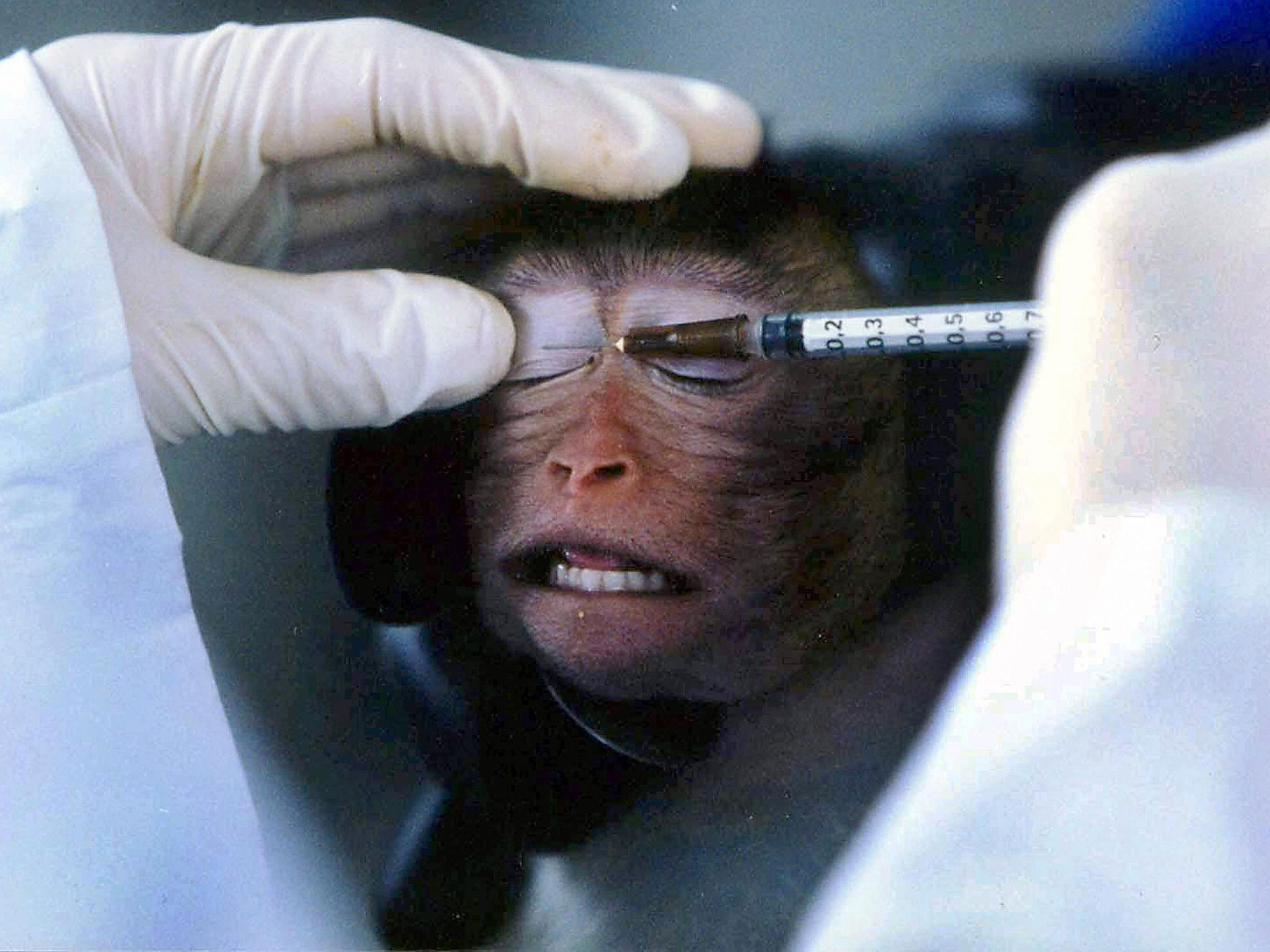
The multiple sclerosis drug daclizumab (tradename Zinbryta) was withdrawn from the market worldwide in March 2018 after it had rapidly lost its patients’ deaths and serious side effects within a very short time. The symptoms were mainly meningitis and severe liver damage, up to acute liver failure. The previously conducted animal experiments on monkeys could not protect the patients from it, because they only fell ill with skin lesions. No other species was used for approval by the European Medicines Agency (EMA) because daclizumab is very specific only in humans and primates. There are no known animal experiments on other animal species during development – but they are likely. In the interest of humans and animals, the drug approval system must be put to the test.
Daclizumab (Zinbryta), a multiple sclerosis (MS) drug, was fully approved by the EMA in July 2016. This is despite the fact that serious side effects have already been reported in human clinical trials.
German market extremely attractive for the pharmaceutical industry
In contrast to other countries, German law allows a new drug to be sold directly after approval. And this at a price, that the manufacturer is allowed to determine. Only after one year does the manufacturer have to make a cost-benefit assessment.
The German market is therefore extremely attractive for pharmaceutical companies. They have a great economic interest in having a large number of patients prescribed their new medication in a short time. It is not surprising that Zinbryta was prescribed 2890 times in Germany alone. Throughout the rest of the EU there were a total of 400 regulations!
To achieve their goal, pharmaceutical companies are using a completely legal bribery method called applicationmonitoring. Doctors and clinics are paid to prescribe a specific medicine and then document the application. For Zinbryta, this was 1.320.000 euros per patient over 5 years.
The benefit that one supposedly gets through such a pseudo study, namely the recording of efficacy, safety and tolerability in everyday clinical practice is just as much a farce as the study itself. Because according to experts, these industry-paid studies are worthless, as a very much of the results will never be published! Although declared as a study, a so-called application observation is nothing more than a marketing strategy of the pharmaceutical industry.
In 2016 alone, there were 500 observational studies, with at least 25 million euros being distributed to the doctors!!
Drug development from ground up renew.
In March 2017, Biogen and AbbVie Zinbryta withdrew from the market worldwide due to the devastating side effects, and ongoing clinical trials were discontinued. Far too late, considering the over 2,800 MS patients in Germany who have put their hope in this new therapy.
Those responsible have learned nothing from this new drug scandal.
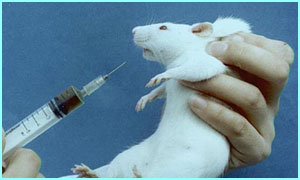
This would be an appropriate time to innovate the drug development system from the ground up. Because before the studies on humans, extensive animal experiments are carried out, which are partly prescribed. And even with Zinbryta shows again that they fool the patient only a false security. Because the “long-tailed macaques” diseased “only” to skin lesions. No damaging effect on the liver or the meninges was found even after long-term administration.
No wonder, because animals and humans usually differ considerably in their metabolism and thus also in the effectiveness and harmfulness of certain substances. Thus, according to a study, only 43% of the side effects of substances on humans in mice or rats are comprehensible. So, a coin toss would provide more accurate results.
Artificial production of MS on mice
In 2014, the transferability of the results of three “animal models”, who used very frequently in MS research, was questioned at the University of Veterinary Medicine Hannover (Germany).
For example: by injecting a special protein, which causes the immune system to attack its own nerve cells.
In another “model”, a virus infection of the central nervous system is caused in the animals.
And in the third case, mice are so genetically engineered that their bodies overproduce a certain substance that plays a central role in inflammatory reactions.
All these artificially produced symptoms of the animals, however, have nothing in common with the causes and history of the actual illness “multiple sclerosis” in humans. Even after decades of research, these are largely still in the dark, as they have hitherto relied almost exclusively on results from animal experiments. And so, it is not surprising that the mentioned study also comes to the conclusion that the results from the animal experiments have an extremely poor transferability to humans. And that not only on humans, but also the individual “animal models” differ considerably from each other.
There are now more meaningful, human-based methods. In the days of highly sensitive imaging, multi-organ chips, and computer simulation, multiple sclerosis research and the identification of potential drugs can be made much more effective, reproducible, and safer.
However, as long as animal testing in drug development as a so-called “security hurdle” are installed, as long as the application of new drugs in humans will be like a lottery game. A paradigm shift is long overdue!
Posted on June 7, 2018 by Serbian Animals Voice (SAV)
World Oceans Day takes place every 8 June. It has been celebrated unofficially since its original proposal in 1992 by Canada’s International Centre for Ocean Development (ICOD) and the Ocean Institute of Canada (OIC) at the Earth Summit – UN Conference on Environment and Development (UNCED) in Rio de Janeiro, Brazil.[1] The Brundtland Commission, i.e. the World Commission on Environment and Development, provided the inspiration for a global oceans day. The 1987 Brundtland Report noted that the ocean sector lacked a strong voice compared to other sectors. At the first World Oceans Day in 1992, the objectives were to move the oceans from the sidelines to the center of the intergovernmental and NGO discussions and policy and to strengthen the voice of ocean and coastal constituencies world wide.
Ever since the United Nations declared June 8th to be World Oceans Day in 2002, people and groups from around the world have used the occasion to celebrate the ocean and take steps to protect it. Now, with the ocean facing more threats than ever, it’s time for all of us to come together to protect our treasured marine environment.
We celebrate World Oceans Day to remind everyone of the major role the oceans have in everyday life. They are the lungs of our planet, providing most of the oxygen we breathe. The purpose of the Day is to inform the public of the impact of human actions on the ocean, develop a worldwide movement of citizens for the ocean, and mobilize and unite the world’s population on a project for the sustainable management of the world’s oceans. They are a major source of food and medicines and a critical part of the biosphere. In the end, it is a day to celebrate together the beauty, the wealth and the promise of the ocean.
Action focus for 2018: preventing plastic pollution and encouraging solutions for a healthy ocean
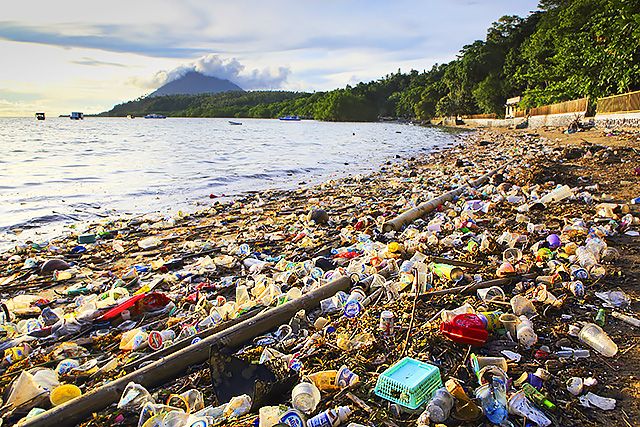
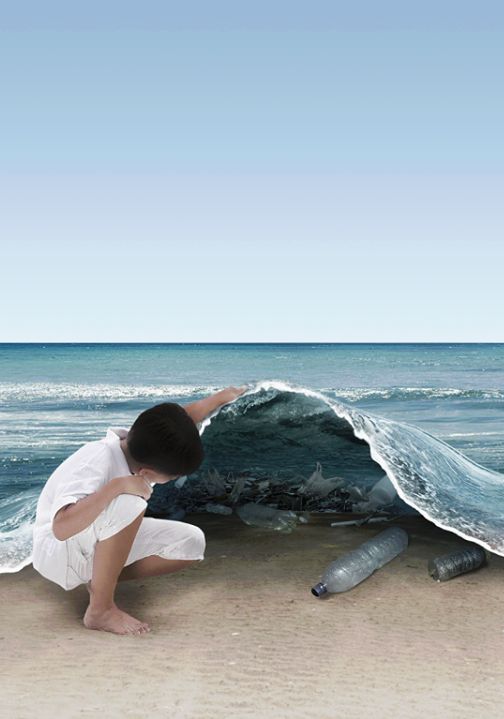
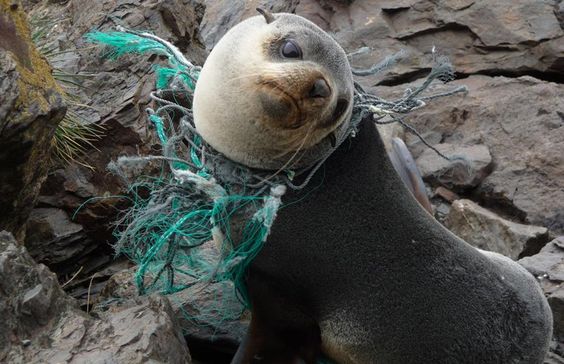
Plastic pollution is causing tremendous harm to our marine resources. For example:
80% of all pollution in the ocean comes from people on land.
8 million tonnes of plastic per year ends up in the ocean, wreaking havoc on wildlife, fisheries and tourism.
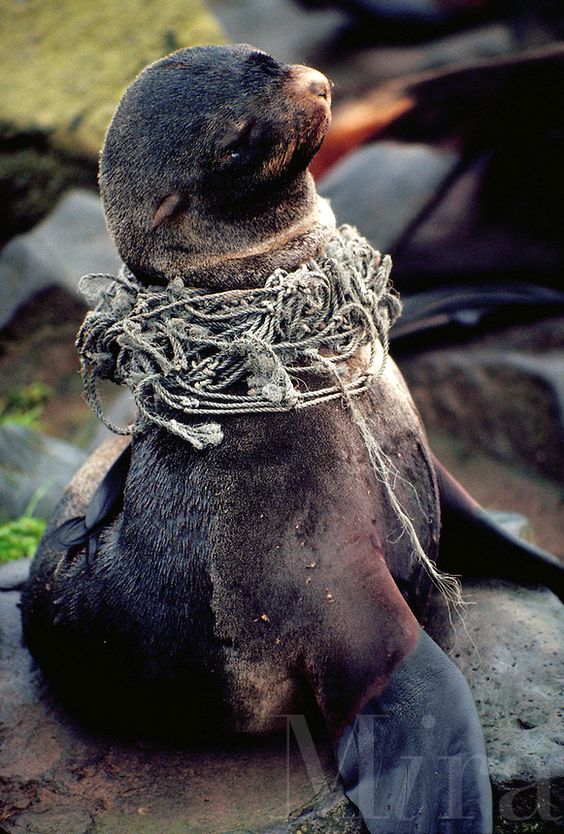
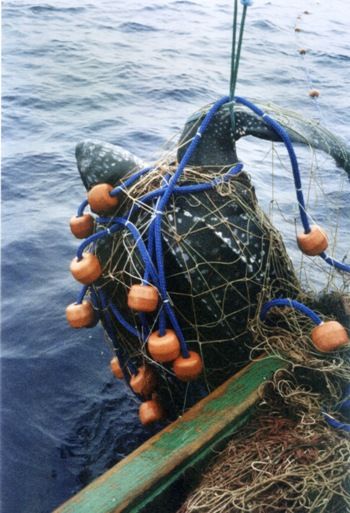
Plastic pollution costs the lives of 1 million seabirds and 100,000 marine mammals per year.
Fish eat plastic, and we eat the fish.
Plastic causes $8 billion in damage to marine ecosystems each year.
The National Park Service (“NPS”) instituted regulatory provisions in 2015 to ban certain extreme hunting practices in the State of Alaska, recognizing that Alaska “has allowed an increasing number of liberalized methods of hunting and trapping wildlife … [that] are not consistent with the NPS’s implementation of [the Alaska National Interest Lands Conservation Act’s] authorization of sport hunting and trapping in national preserves.” These banned practices include killing wolf and coyote pups and mothers in their dens, shooting caribou from boats or from shore, using dogs and bait to hunt and kill bears, and using artificial lights to kill mother black bears and their cubs as they hibernate.
Now Interior Secretary Ryan Zinke and the NPS are proposing to adopt a rule (RIN 1024-AE38) that rolls back the 2015 regulatory provisions, and would again allow egregious and scientifically unsound methods of hunting native predators in Alaska’s National Preserves.
RIN 1024-AE38 is in direct conflict with the NPS’s congressional mandate to conserve wildlife to preserve biological diversity, and to ensure that generations of Americans to come may experience the full beauty of Alaska.
WE NEED YOUR HELP NOW to ensure that these critical protections for Alaska’s wildlife aren’t eliminated!
Please let the NPS know you oppose RIN 1024-AE38 by submitting your comments to the proposed rule here before the July 23 deadline.
Suggested talking points (and please personalize your comments):
·I’m opposed to the National Park Service’s proposed rule to repeal the 2015 regulatory provisions that prohibit killing black bears and their cubs with artificial light at den sites, using bait to attract brown bears for an easy shot, killing wolf and coyote mothers and pups in their dens, using dogs to hunt black bears, and killing defenseless swimming caribou.
·The National Park Service should not reverse its original rule, which was carefully deliberated, based on the best available science, and subject to extensive public input.
·As an American, I appreciate our native carnivores and believe that they should be treated humanely and with an appreciation for the critical role they play in maintaining a healthy ecosystem.
·The National Park Service is directly contravening its own findings that the described methods of hunting and trapping frequently allowed by the Alaska Board of Game to increase opportunities to harvest predators are not consistent with the Alaska National Interest Lands Conservation Act.
·The 2015 protections currently in place only restrict sport hunting in national preserves, which constitute less than six percent of the area in Alaska open to hunting. These limitations are sufficient and reasonable.
·The Alaska National Interest Lands Conservation Act and other federal laws mandate that the National Park Service preserve national lands, including national preserves, for the benefit of present and future generations.
·The proposed rule will increase public safety concerns resulting from baiting of bears. This practice was originally prohibited by the NPS to help protect the public from food-conditioned bears, which are more likely to cause human injury.
Please share this Action Alert — and thank you for helping protect Alaska’s wildlife!
EDMONTON — The Edmonton Humane Society says it has adopted new procedures after a team that was transporting animals to its shelter accidentally left three cats inside a vehicle, and they weren’t discovered for 22 days.
In a statement posted on Facebook, the society says the cats were dehydrated, hungry and had minor urine burns on their paws, but thankfully suffered no major injuries or illnesses.
The statement says the team brought the animals to the Edmonton shelter from another agency on March 27, but that the three cats were overlooked when the vehicle was unloaded.
It says they weren’t discovered until April 18 when staff were preparing for another animal transfer.
The society says its medical team closely monitored the cats to ensure a full recovery, and they were transferred to a partner agency when they were medically cleared.
It says the cats have been rehomed through the receiving agency’s regular adoption process.
“Following this incident, EHS conducted a full internal review of team members involved and of our internal processes and procedures to ensure that this does not happen again,” the statement said.
“We are incredibly grateful the cats made a full recovery.”
The society said in the statement that it conducted a review of the team members who were involved, as well as its internal procedures, to make sure a similar accident doesn’t happen again. It says additional checks and balances have been introduced.
The society said it couldn’t release additional information due “the sensitive nature of this incident and to respect the privacy of the employees involved and impacted.”
Questions have been brought forward to us regarding an unintentional and disheartening incident that recently occurred when transporting animals. In an effort to answer these questions, we wanted to share with you our full statement on what happened. Please see below…














 Serbian Animals Voice (SAV)